

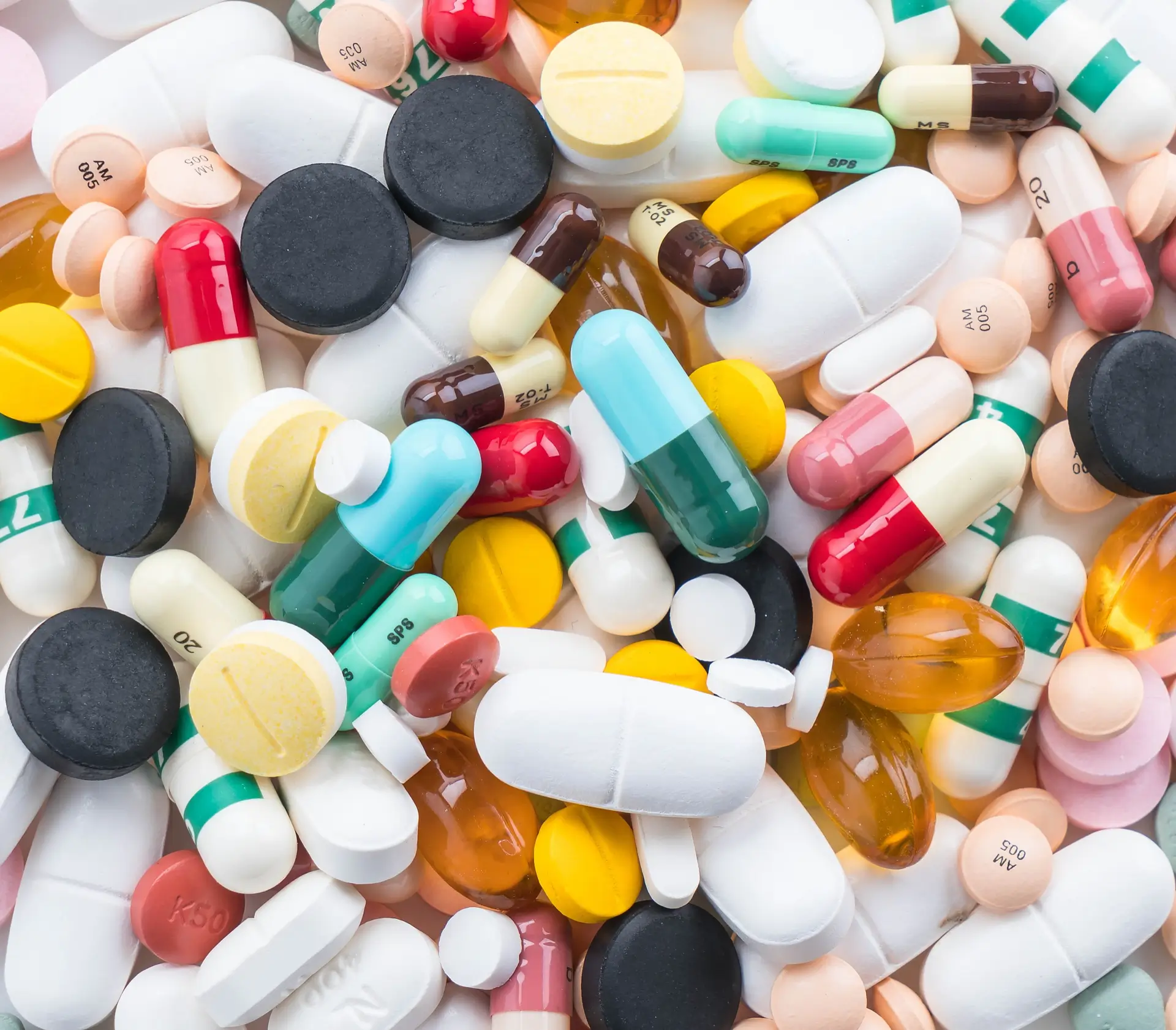
Antibiotics are powerful medicines that can stop bacteria from reproducing or destroy them. An antibiotic is given for the treatment of an infection caused by bacteria. Antibiotics cannot be given for diseases caused by VIRUSES, like the common cold or sore throat. It is used to prevent infections also in case of surgeries, e.g., bowel and orthopaedic surgeries.
Common side effects are diarrhoea, fungal infections of the mouth, digestive tract, and vagina, etc.
Rare side effects are formation of kidney stones (due to taking sulfonamides), abnormal blood clotting (cephalosporin), sensitivity to sunlight (tetracycline), blood disorders (trimethoprim), and deafness (erythromycin)
Antibiotics should be used with extreme caution in patients with reduced liver/kidney functions, pregnant women, and breastfeeding women.
Antibiotic drugs, if given more often, make the bacteria mutate to make the drugs given to kill/destroy them ineffective. Overusing and taking them in incorrect doses magnifies the problem and creates superbugs, which kill the good bacteria in the body and weaken the immune system. As a result, diseases like gonorrhea and strains of tuberculosis, which were earlier curable, have now become incurable. Due to the weakened immune system, more people get sick and stay sick longer. It is alarming to note that when antibiotics stop working, procedures like C-sections, hip/knee operations, and chemotherapy will become dangerous. Organ transplants will become impossible to survive.
India has been the world’s highest consumer of antibiotics, followed by China, and as a result is threatened by the superbugs that make antibiotics ineffective, and the majority of hospitals in India, including the prestigious All India Institute of Medical Sciences (AIIMS), have 4 out of every 10 patients in ICU with drug-resistant bacteria, which makes recovery difficult and increases the mortality risk.
The death of an American woman due to a superbug likely contracted while undergoing treatment of a thigh bone fracture in India has triggered the Drugs Controller General of India to issue directives to the pharma supply chain, including retailers, chemists, and drug manufacturers, to strictly follow norms while selling antibiotics.
The state drug regulators also have been directed to take strong policy measures and strict regulatory action on over-the-counter (OTC) sales of antibiotic drugs. To check indiscriminate use of high-end antibiotic drugs, the government has already introduced a red line on the strips to differentiate them from other drugs. This move was aimed at discouraging OTC sale of antibiotic drugs and their indiscriminate use for all diseases, leading to ‘antibiotic drug resistance.’ Experts blame poor public health systems, hospital infection, high rates of infectious diseases, and pollution for the prevalence of the superbugs (antibiotic-resistant bacteria) in India.
How to stop Antibiotic Resistance?
Marc Sprenger, Director of WHO’s Secretariat for Antimicrobial Resistance, has given the following prescription to stop the growing menace of antibiotic resistance and the superbug.
1) Doctors, nurses, chemists, and other health workers should stop prescribing/dispensing antibiotics unless they are absolutely necessary for the patient’s disease.
2) People using healthcare (i.e., you and me) should take antibiotics only when prescribed by a certified health professional and only after enquiring if you really need them. Always complete the full prescription even if you feel better, because stopping treatment early promotes the growth of drug-resistant bacteria.
3) Farmers and others in the agriculture sector should ensure that antibiotics are given to animals only to control or treat infectious diseases. Misuse of antibiotics in livestock, aquaculture, and crops is a key factor contributing to antibiotic resistance and its spread into the environment, food chain, and humans. Clean and un-crowded conditions and vaccination of animals can reduce the need to use antibiotics.