
The Union Minister of Commerce and Industry, Shri Piyush Goyal, emphasized the Central Government’s commitment to supporting States and Union Territories in ensuring that high-quality products reach consumers across the country while addressing the second edition of Udyog Samagam 2025, organised by the Department for Promotion of Industry and Internal Trade (DPIIT).
The Minister stated that Quality Control Orders (QCOs) are being implemented to make superior-quality products available to consumers and to promote a culture of quality in manufacturing. Citing the success of QCOs on toys and plywood, he noted that such measures have strengthened Indian industries while curbing substandard imports.
The conference brought together Industries and Commerce Ministers from 14 States and Union Territories, senior officials, and industry representatives to review progress under the Business Reforms Action Plan (BRAP) 2024 and felicitate the best-performing States and UTs.
The Minister highlighted the importance of strong Centre–State collaboration in driving industrial growth. He said that every State in India has developed good practices that can serve as models for others, and by learning from one another, the nation can accelerate industrial progress. Shri Goyal encouraged States and Union Territories to establish third-party mechanisms to effectively implement and monitor industrial incentives, ensuring timely disbursement and execution to maintain industry confidence.
He underscored that a strong partnership between industry and government is vital for economic growth, emphasizing law and order, time-bound approvals, and minimal physical interface. Appreciating Madhya Pradesh’s model of providing ready-built industrial facilities at nominal rates—which has generated lakhs of jobs—he urged other States to adopt similar approaches. He also suggested the use of escrow and RBI-linked mechanisms for incentive payments, competitive power tariffs, and self-certification systems to build trust and improve ease of doing business.
Reiterating that sustainability is the key to future growth, Shri Goyal called for the active participation of States and Union Territories in ensuring that all industrial efforts align with environmental protection. Referring to Prime Minister Narendra Modi’s motto of “Zero Effect, Zero Defect,” he urged industries to adopt sustainable manufacturing practices that minimize environmental impact while maintaining the highest standards of quality.
Citing the example of the fisheries sector under the PM Matsya Sampada Yojana, Shri Goyal noted the government’s efforts in supporting cold storage and cooperative-based purchase of deep-sea vessels through financial assistance. He further encouraged States to focus on innovation, skill development, women’s participation, startups, and deep-tech enterprises. He added that India’s new Free Trade Agreements with developed nations will safeguard the interests of farmers, manufacturers, and all stakeholders while opening new avenues for growth.
The programme opened with remarks by Secretary, DPIIT, Shri Amardeep Singh Bhatia, who noted that BRAP has evolved into one of the most comprehensive sub-national reform exercises globally and that the reform process has deepened across the country under BRAP 2024. The event was also addressed by the Chief Minister of Madhya Pradesh as well as industry and State leaders, who acknowledged the progress achieved through collaborative reform efforts.
At Udyog Samagam 2025, States and UTs were felicitated for excellence under BRAP 2024 across 25 reform areas, showcasing the depth and impact of reforms across domains such as Business Entry, Construction Permits, Labour Regulation Enablers, Land Administration, Environment Registration, Utility Permits, Services Sector, and Sector-Specific Services. Uttarakhand and Punjab were recognised as top achievers across five reform areas. Andhra Pradesh, West Bengal, Jammu & Kashmir, Kerala, Tamil Nadu, Madhya Pradesh, Telangana, Rajasthan, Jharkhand, and Chhattisgarh were top achievers across four reform areas. Maharashtra, Assam, Himachal Pradesh, Haryana, Odisha, and Uttar Pradesh were recognised as top achievers across three reform areas. Gujarat, Karnataka, and Tripura were top achievers across two reform areas, while Goa and Meghalaya were recognised across one reform area. DPIIT also presented the BRAP 2024 State Categories reflecting the broader Ease of Doing Business and compliance landscape.
Under Category Y (States/UTs with established business systems), fast movers were Odisha, Punjab, Andhra Pradesh, Rajasthan, Madhya Pradesh, Kerala, Assam, Uttarakhand, Jammu & Kashmir, and Karnataka. Aspirers under Category Y included West Bengal, Tamil Nadu, Maharashtra, Gujarat, Uttar Pradesh, Chhattisgarh, Haryana, Telangana, Jharkhand, Himachal Pradesh, Goa, Bihar, and Delhi. Under Category X (North-Eastern States and UTs with developing systems), all States/UTs were classified as Aspirers, namely Tripura, Meghalaya, Chandigarh, Dadra & Nagar Haveli and Daman & Diu, Andaman & Nicobar Islands, Puducherry, Nagaland, Arunachal Pradesh, Mizoram, Sikkim, Lakshadweep, and Manipur. “Top Achiever” refers to States and UTs securing a score above 90 percent, indicating consistent implementation of reforms, fully functional systems, and strong user validation.
BRAP 2024 covered 434 reform points across Central and State domains and was supported by one of the largest national feedback exercises. 5,83,365 businesses were contacted, and 1,33,776 interviews were completed across 34 States and UTs. These included 11,201 face-to-face responses, 1,15,128 telephonic interactions, and 7,447 SMS and email-based responses, along with 30 Focus Group Discussions. This extensive outreach ensured transparency and reflected ground-level experience of service delivery and the reforms implemented by States.
BRAP 2024 assessment followed a structured methodology combining evidence-based verification and user feedback. States and UTs submitted complete evidence of implementation, including operational system URLs and notifications. User data for services availed during the defined period formed the basis of the national feedback survey, conducted through telephone, digital, focus group discussions, and face-to-face interviews. The scoring framework applied 70 percent weightage to user feedback and 30 percent to evidence, with NA1 (eliminated regulation) awarded full marks and NA2 (not applicable) excluded from scoring. Defined thresholds ensured that only reforms observed in actual practice were considered implemented.
The National Coordination Centre – Pharmacovigilance Programme of India (NCC-PvPI), Indian Pharmacopoeia Commission (IPC), participated in the tenth edition of the global #MedSafetyWeek campaign, held from 3-9 November 2025, along with 130 partner organisations worldwide.
Speaking at the occasion, Dr. V. Kalaiselvan, Secretary-cum-Scientific Director, IPC, stated that, the research indicates that only 5–10% of all suspected side effects are reported globally. This means that we only see the tip of the iceberg, and that it may take longer to identify important safety issues. Through #MedSafetyWeek, we aim to make more people aware that their report matters.
By reporting suspected side effects, each one of us contributes to making medicines safer for everyone. Speaking up can help protect others. It’s not only doctors, pharmacists, or regulators; everyone has a role to play,” said Dr. Jai Prakash, Senior Principal Scientific Officer & Officer-in-Charge, NCC-PvPI, IPC.
This year’s campaign carried the core message: “Everyone has a role to play in medicines safety. By reporting suspected side effects, you and I can help make medicines safer for everyone.” The initiative aimed to raise awareness among patients, families, and healthcare professionals about the importance of reporting suspected side effects of medicines.
Throughout the campaign week, individuals and stakeholders across India actively promoted the #MedSafetyWeek message through social media and outreach activities. NCC-PvPI’s stakeholders, including Adverse Drug Reaction (ADR) Monitoring Centres and Market Authorization Holders, also joined the effort to enhance awareness and encourage reporting of side effects through official channels.
Background
The #MedSafetyWeek campaign, first launched in 2016, seeks to educate the public on why, how, and where to report suspected side effects. The 2025 edition, marking its tenth anniversary, was the largest to date, with 130 organisations across 117 countries sharing messages in over 60 languages.
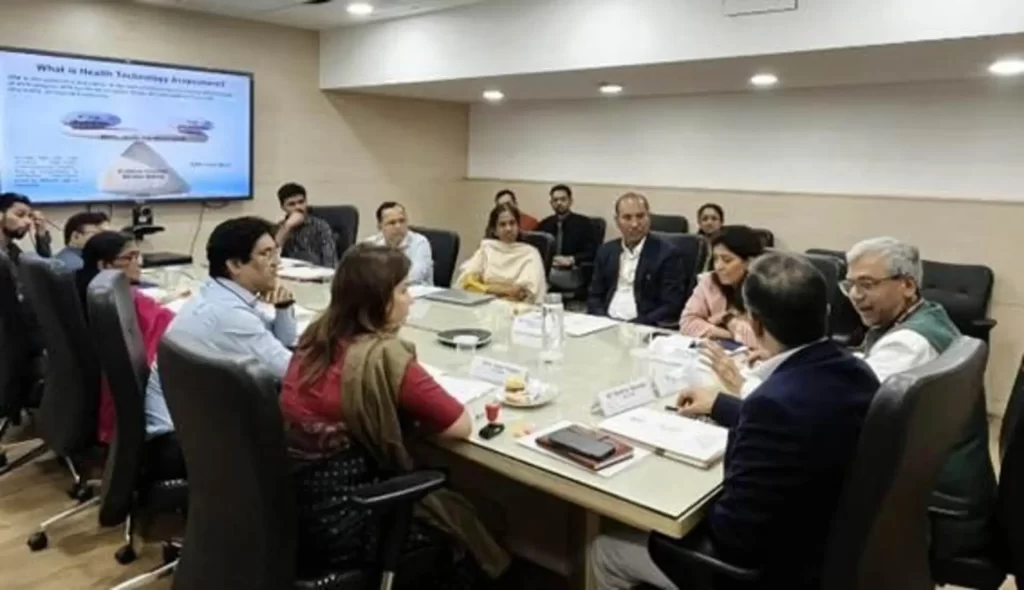
The National Health Authority (NHA), the implementing agency of Ayushman Bharat Pradhan Mantri Jan Arogya Yojana (AB-PMJAY) and the Ayushman Bharat Digital Mission (ABDM), has renewed its Memorandum of Understanding (MoU) with the Department of Health Research (DHR) and the Indian Council of Medical Research (ICMR).
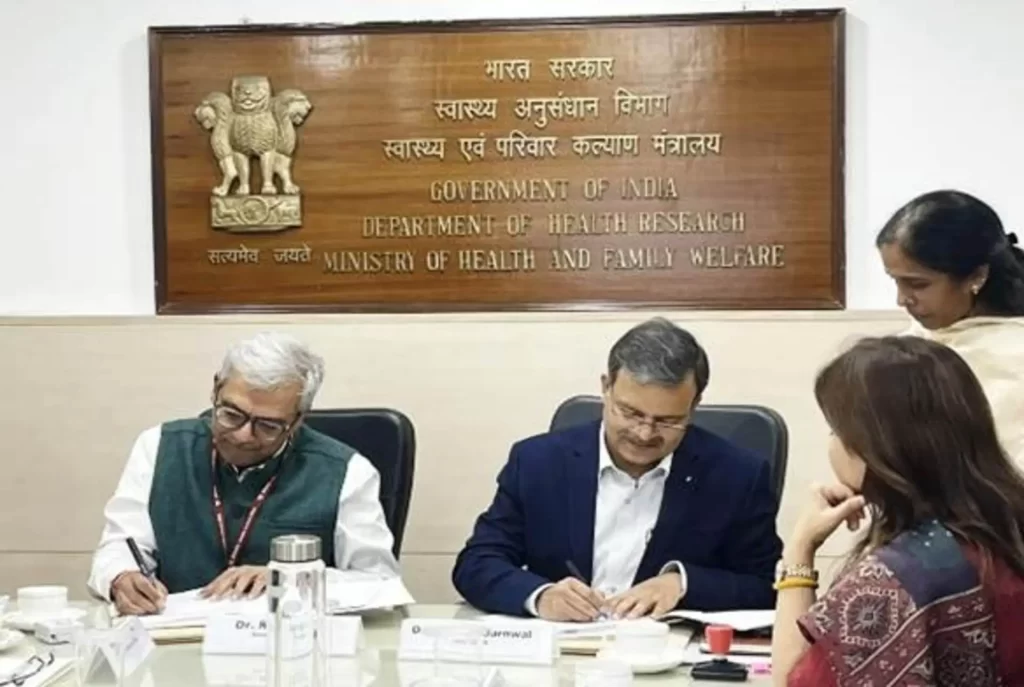
The renewed collaboration aims to further strengthen technical cooperation for evidence-based decision-making to optimize healthcare resource allocation and enhance quality across India’s flagship health schemes.
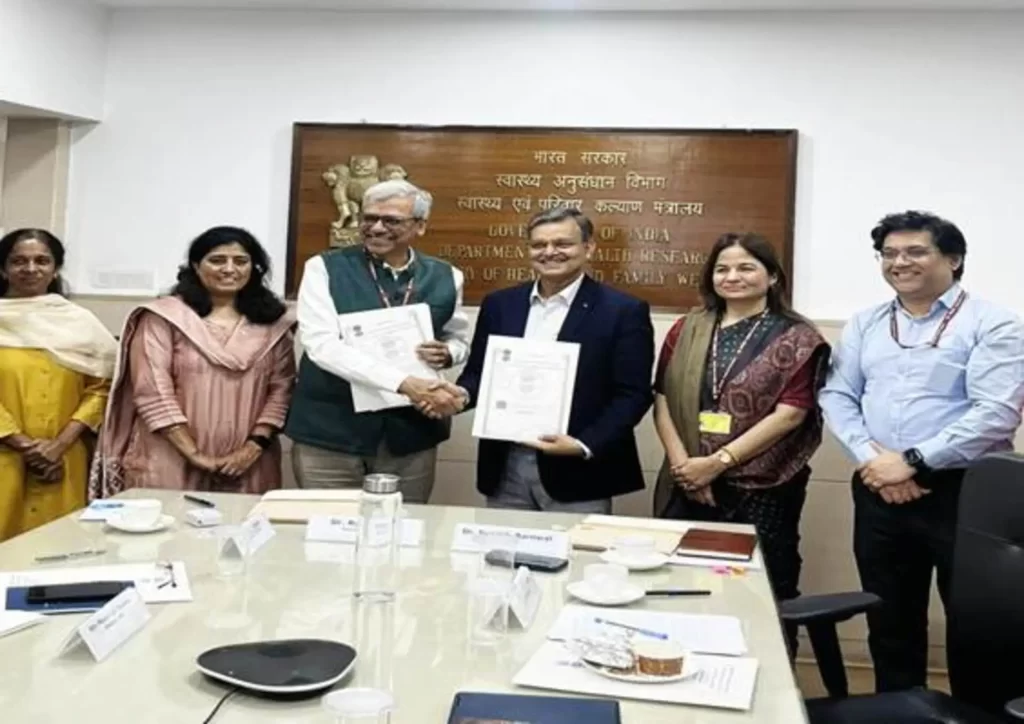
The MoU was formally signed by Dr. Sunil Kumar Barnwal, CEO, National Health Authority, and Dr. Rajiv Bahl, Secretary, Department of Health Research and Director General, ICMR. Senior officials including Ms. Jyoti Yadav, Joint Secretary (AB-PMJAY), Dr. Pankaj Arora, Director (NHA), and representatives from the Red Cross Society were present on the occasion.
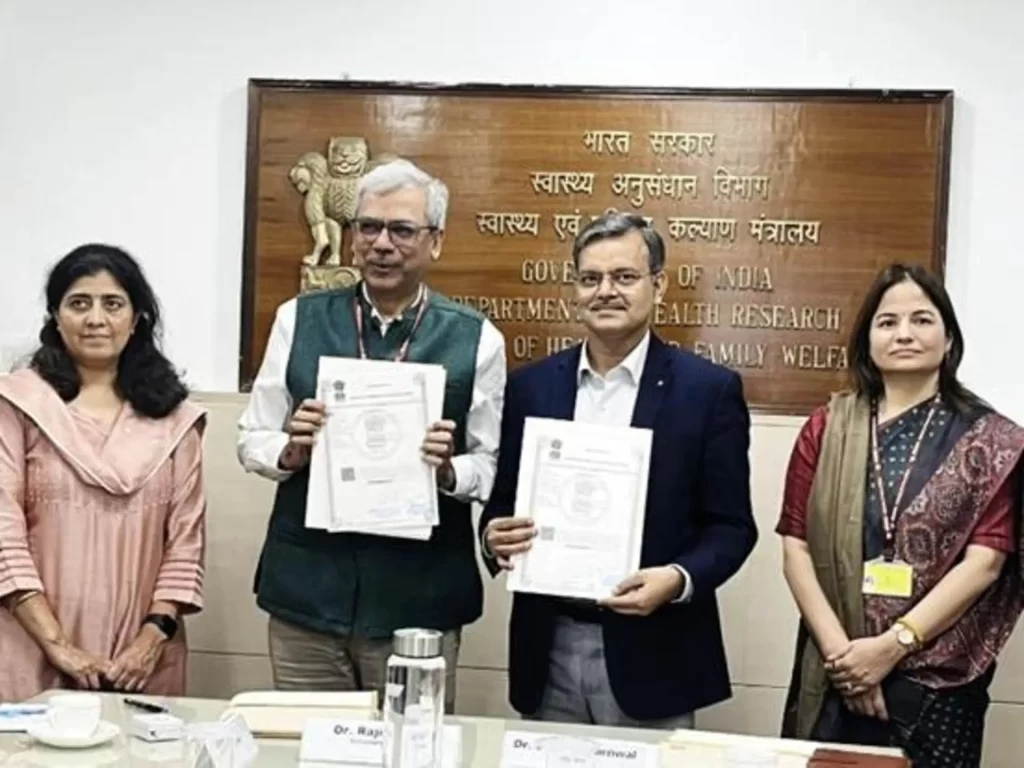
The partnership between NHA and DHR/ICMR, initially established in November 2019, successfully leveraged Health Technology Assessment (HTA) principles to support NHA in optimizing Health Benefit Packages (HBPs) under AB-PMJAY. The renewed MoU reaffirms the shared commitment to evaluating the clinical efficacy, cost-effectiveness, and equity impact of medical technologies, procedures, and devices covered under the scheme.
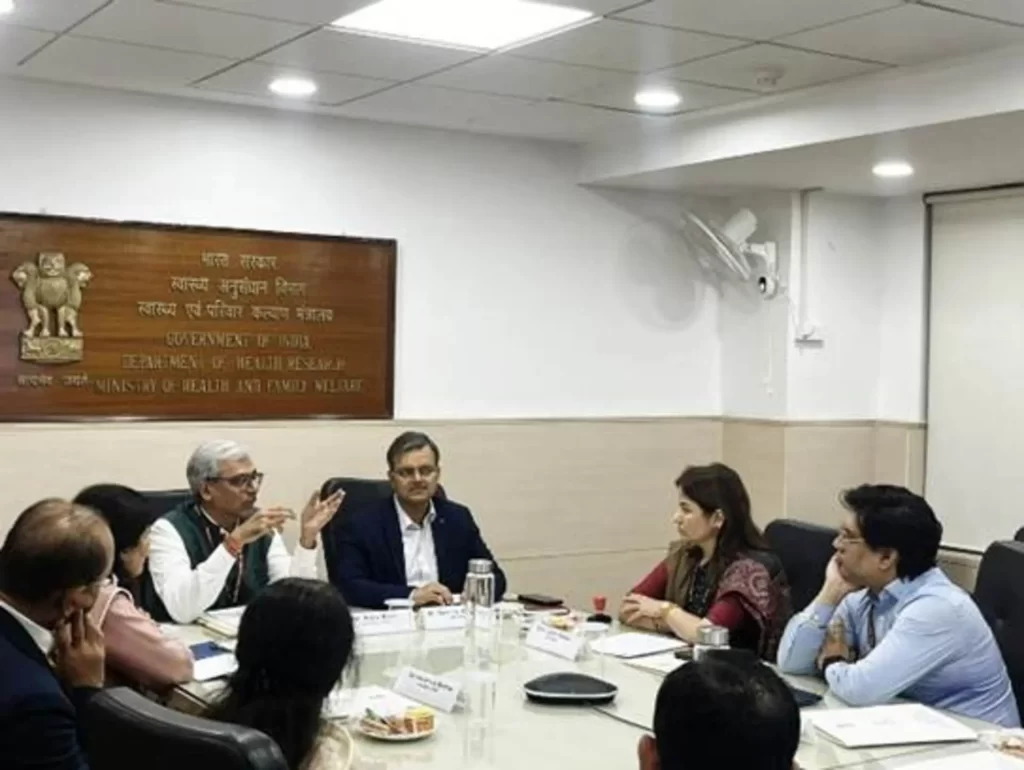
Expanding its scope, the renewed agreement will also extend the collaboration to the Ayushman Bharat Digital Mission (ABDM). Under this, DHR and ICMR, through the Health Technology Assessment India (HTAIn) initiative, will provide data-driven insights to evaluate digital health interventions—including electronic health records (EHRs), telemedicine platforms, and AI-based diagnostics—to ensure their affordability, efficiency, and sustainability within the ABDM ecosystem.
Key areas of collaboration include:
Costing of Healthcare Services: Utilizing cost data from the National Costing Initiative to rationalize reimbursement rates for healthcare procedures in both public and private sectors under PM-JAY.
Standard Treatment Workflows: Implementing Standard Treatment Workflows (STWs) developed by DHR/ICMR’s expert committees to ensure appropriate disease management, reduce unnecessary care, and enhance quality service delivery.
Operational Research: Conducting targeted health systems research to address implementation challenges in AB-PMJAY, improve patient safety, and strengthen healthcare delivery.
This renewed partnership underscores the collective commitment of the Ministry of Health and Family Welfare, National Health Authority, and Indian Council of Medical Research towards achieving Universal Health Coverage (UHC) by ensuring equitable access to safe, high-quality, and affordable healthcare for all beneficiaries.
The Ministry of Health and Family Welfare in alignment with the Government’s vision to promote equitable access to organ and tissue transplantation services has notified the Transplantation of Human Organs and Tissues (Amendment) Rules, 2025 under the Transplantation of Human Organs and Tissues Act, 1994 on 6th November, 2025.
This amendment which further strengthens the National Organ Transplant Programme (NOTP), aims to streamline the functioning of corneal transplantation centres and facilitate wider accessibility to eye donation and transplantation services across the country.
The mandatory requirement of the Clinical Specular equipment in Corneal Transplantation Centres has now been removed under this amendment.
This change has been introduced after careful consideration of expert recommendations and stakeholder consultations. The amendment is expected to ease infrastructural and operational challenges, particularly for smaller eye centers in rural and semi-urban areas, thereby enhancing the overall availability and accessibility to the corneal transplantation services in the country.
This progressive amendment will serve as a long-term measure to strengthen the country’s cornea donation and transplantation ecosystem.
The Fourth Round (November 3-7, 2025) of negotiations for the India-New Zealand Free Trade Agreement (FTA) commenced today in Auckland, New Zealand marking another step forward in advancing a balanced, comprehensive, and mutually beneficial partnership between the two nations.
This development builds on the shared commitment to deepen economic ties and guidance given by Hon’ble Prime Minister of India, Shri Narendra Modi during the visit of the Right Hon’ble Christopher Luxon, Prime Minister of New Zealand in March 2025. The FTA was launched during the meeting between Hon’ble Shri Piyush Goyal, Minister of Commerce and Industry, Government of India, and Hon’ble Mr Todd McClay, Minister for Trade and Investment, Government of New Zealand on March 16, 2025.
Negotiations in this round are focusing on key areas, including Trade in Goods, Trade in Services, and Rules of Origin. Both sides are working constructively to build on the progress achieved in earlier rounds, to reach convergence on outstanding issues and move towards the early conclusion of the FTA.
India and New Zealand reiterated their commitment to developing a forward-looking and inclusive trade framework that supports sustainable growth and shared prosperity for both economies.
***
Abhishek Dayal/ Ishita Biswas
Union Minister for Health and Family Welfare, Shri Jagat Prakash Nadda convened the 31st meeting of the Central Supervisory Board (CSB) here, today to reiterate the nation's commitment to strengthen the implementation of the PC&PNDT Act and to prevent the misuse of medical technologies for sex selection and sex determination. The meeting agenda included detailed discussions to address the issues of gender balance and review the progress made on various action points that were decided during the last CSB meeting.

Addressing the gathering, the Union Health Minister took note of the latest Sample Registration System (SRS) Report for 2021–23, which have shown improvement in the National SRB. The State wise progress was also discussed. The performance outcomes highlighted through settlement of court matters, inspections of premises, and registration of facilities, reflected continued improvement over a period of time. The major topics of discussion focused on ensuring that effective action both at the National & the sub-national level is the need of the hour to further the gender balance.
Shri Nadda also mentioned about the National Sensitization Workshop held on 6th October 2025 to address technology-driven challenges and underlined the need for more state-level workshops and discussions amongst key stakeholders to strengthen enforcement and awareness, stressing upon effective actions on the emerging digital-era challenges such as portable diagnostic devices and online advertisements for sex determination. He stated that sensitization activities, state-wise interactions & reviews, and sharing of best practices should be a regular process. Effective action is a driver in propagating the importance of ensuring gender balance through strict enforcement of the PC&PNDT Act.
The Union Health Minister also noted the proactive measures taken by states like Madhya Pradesh, Rajasthan, Karnataka, Uttarakhand, Haryana, etc. including their innovative strategies to combat gender-biased sex selection.
Union Health Secretary, Smt. Punya Salila Srivastava detailed the measures taken with due commitment of the Union Health Ministry for strengthening the implementation of the PC&PNDT Act for further improving the SRB. She also underscored the need for ensuring that the health & well-being of the girl child remains a key priority area, which was also taken up during the recently concluded Swasth Nari Sashakt Parivar Abhiyaan (SNSPA) in collaboration with MoWCD to strengthen healthcare services for women & children across India.
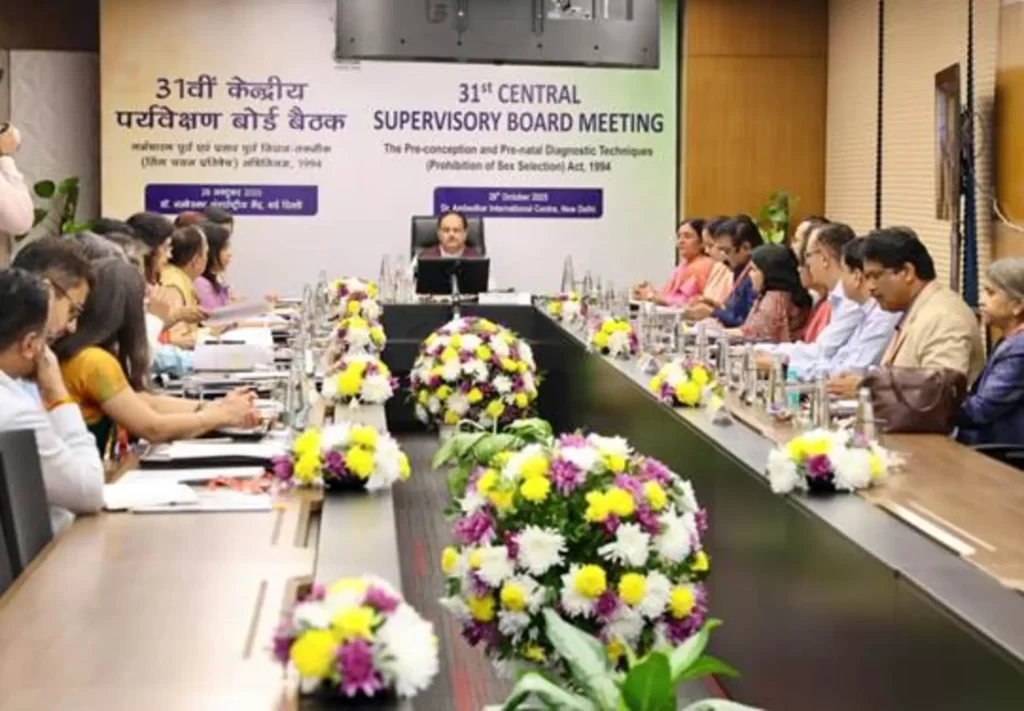
Smt. Savitri Thakur, Union Minister of State, Ministry of Women and Child Development, discussed on the various steps taken by the Govt. of India to prevent gender biased sex selection. She highlighted the impact of the Beti Bachao Beti Padhao initiative in promoting the value of the girl child. While discussing the improvement in the Sex Ratio at Birth, she emphasized that the progress and the concerted efforts should continue.
The CSB members deliberated on various challenges and suggested way forward measures while also giving valuable inputs & insights on the various aspects to be taken cognizance of. Key areas discussed on various agenda points emphasized the need to continuously focus upon the strengthening the implementation of the PC&PNDT Act in comprehensive manner through constant dialogue with key stakeholders and continued monitoring activities.
The Union Health Minister reiterated that the CSB will continue to play an active role in providing directions and oversight to fulfil the mandate of the Board and make continuous endeavours to strengthen the implementation framework of the PC&PNDT Act.
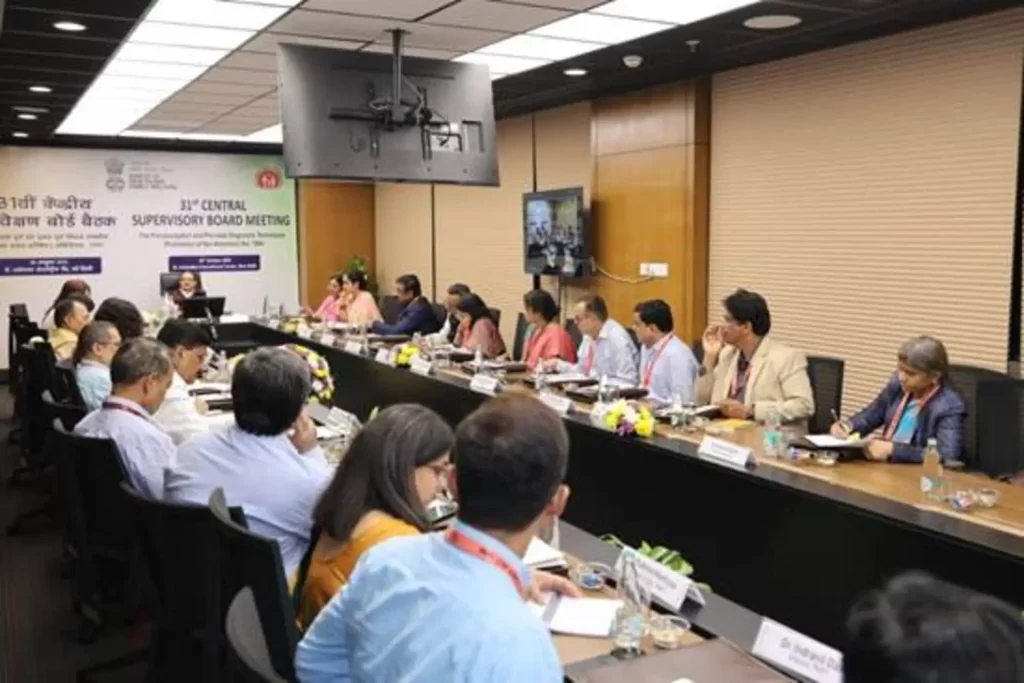
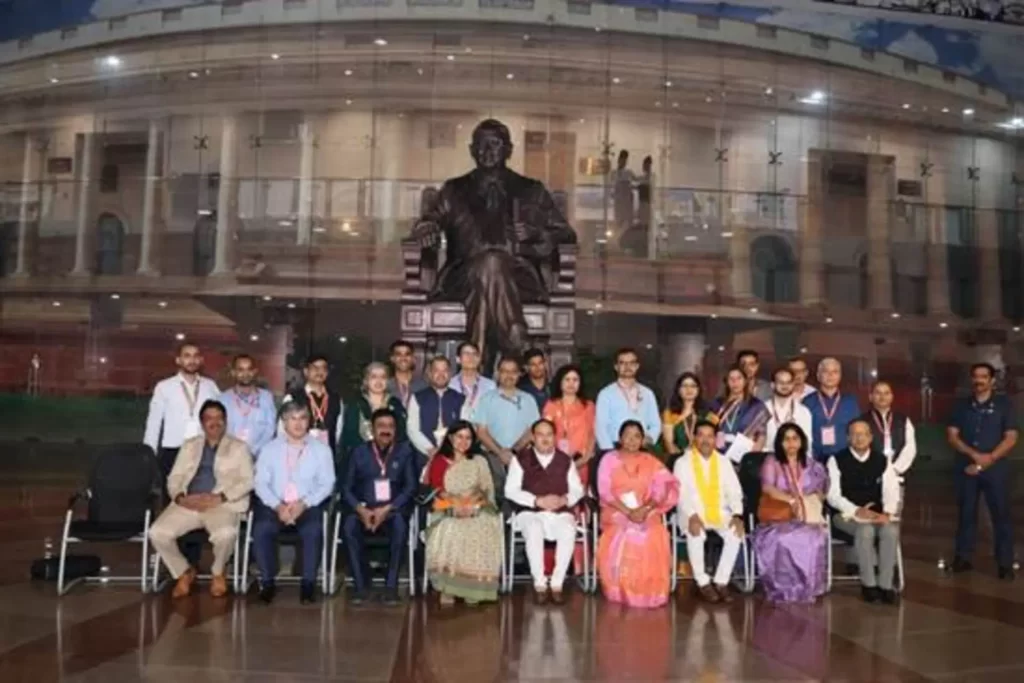
Dr Byreddy Shabari, Member of Parliament (Lok Sabha); Dr. Ajeet Madhavrao Gopchade, Member of Parliament (Rajya Sabha); Dr. Anju Rathi Rana, Secretary, Ministry of Law & Justice; Dr. Sunita Sharma, Director General of Health Services; Union Health Ministry; Shri Lav Agarwal, Addl. Secretary, Ministry of Women & Child Development; Ms. Gayatri A. Rathore. Pr. Secretary, HFW, Rajasthan; Ms. Meera Srivastava (JS, MoHFW); Shri. Rajesh Kr. CEO, I4C (MHA); Dr. Kousthubha Upadhyaya (Adv.) and senior officials of the Union Government were present on the occasion.
***
SR
HFW- HFM Convenes 31st CSB Meeting/28th Oct 2025/2
The Union Cabinet, chaired by the Prime Minister Shri Narendra Modi, today approved the proposal of the Department of Fertilizers for fixing the Nutrient Based Subsidy (NBS) rates for RABI Season 2025-26 (from 01.10.2025 to 31.03.2026) on Phosphatic and Potassic (P&K) fertilizers. The tentative budgetary requirement for Rabi season 2025-26 would be approximately Rs. 37,952.29 crore. This is approximate Rs. 736 crore more than the budgetary requirement for Kharif season 2025.
The subsidy on P&K fertilizers including Di Ammonium Phosphate (DAP) and NPKS (Nitrogen, Phosphorus, Potash, Sulphur) grades will be provided based on approved rates for Rabi 2025-26 (applicable from 01.10.2025 to 31.03.2026) to ensure smooth availability of these fertilizers to the farmers at affordable prices.
Benefits:
Background:
Government is making available 28 grades of P&K fertilizers including DAP to farmers at subsidized prices through fertilizer manufacturers/importers. The subsidy on P&K fertilizers is governed by NBS Scheme w.e.f. 01.04.2010. In accordance with its farmer friendly approach, the Government is committed to ensure the availability of P&K fertilizers to the farmers at affordable prices. In view of the recent trends in the international prices of fertilizers & inputs like Urea, DAP, MOP and Sulphur, Government has decided to approve the NBS rates for Rabi 2025-26 effective from O 1.10.2025 to 31.03.2026 on Phosphatic and Potassic (P&K) fertilisers including DAP and NPKS grades. The subsidy would be provided to the fertilizer companies as per approved and notified rates so that fertilizers are made available to farmers at affordable prices.
***
MJPS
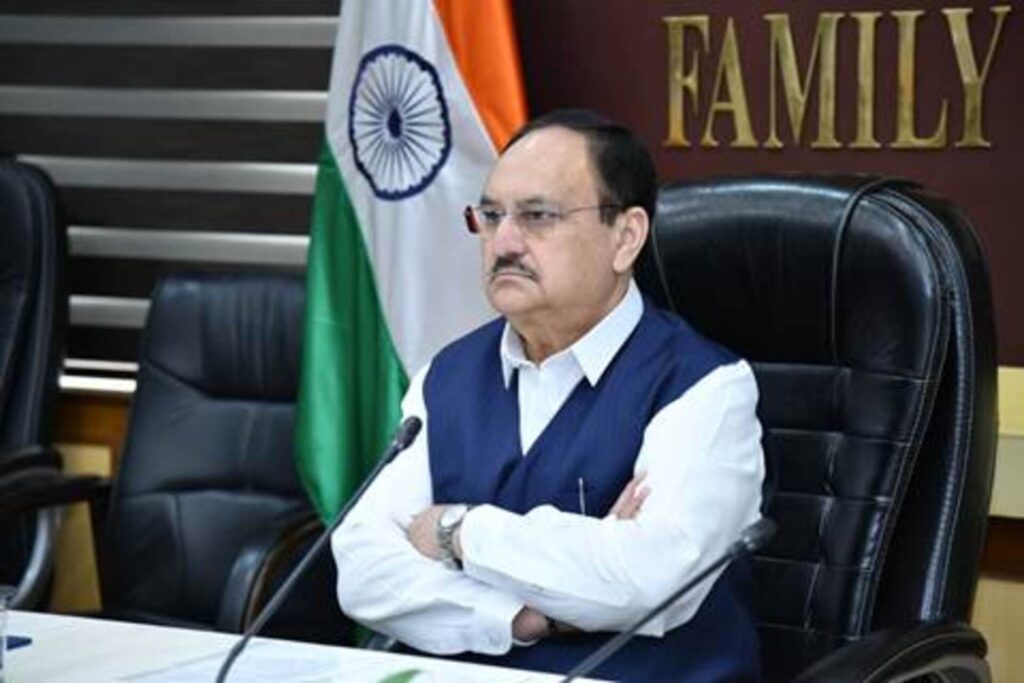
Union Minister for Health and Family Welfare, Shri Jagat Prakash Nadda, today administered and took the Integrity Pledge along with senior officers and staff of the Ministry to mark the observance of Vigilance Awareness Week 2025.

The Vigilance Awareness Week is being observed across the country from 27th October to 2nd November 2025 on the theme — “सतर्कता: हमारी साझा जिम्मेदारी” (“Vigilance: Our Shared Responsibility”). The observance aims to promote integrity, transparency, and accountability in public life, in accordance with the directives of the Central Vigilance Commission (CVC).

While administering the pledge, Shri Nadda emphasized the importance of institutionalising ethical practices and building a culture of vigilance at every level of governance. He stated, “A checklist of do’s and don’ts should be prepared in simple, layman’s terms so that people do not end up doing anything wrong in good faith or under compassionate consideration. Training and capacity building should be a regular exercise so that everyone remains aware and alert.”
As a prelude to Vigilance Awareness Week 2025, the Central Vigilance Commission (CVC) had earlier in the month of August this year issued a circular advising all organizations to undertake a three-month campaign on Preventive Vigilance from 18th August to 17th November 2025, focusing on five key areas namely, (i) Disposal of pending complaints (ii) Disposal of pending cases (iii) Capacity building programs (iv) Asset Management, and (v) Digital initiatives.
Senior officers, officials, and staff members of the Ministry of Health & Family Welfare participated in the pledge ceremony and reaffirmed their commitment to upholding ethical values, transparency, and accountability in public service.
*****
SR
HFW-HFM Vigilance Awareness Week Pledge/27th Oct 2025/1
The Government of India regularly engages with all stakeholders in every economic sector to ensure participatory decision making and trade promotion.Rice is the foremost agri-export of India, with exports in 2024-25 at about US$ 12.95 Billion and India is also projected to be the largest producer of rice in the world. In view of the importance of the sector, the Department of Commerce along with other stakeholder line Ministries/departments are extending non-financial support to the Bharat International Rice Conference (BIRC), 2025
The BIRC 2025 is scheduled to be held at the Bharat Mandapam, Pragati Maidan, New Delhi, on 30–31 October 2025. It is being organised by the Indian Rice Exporters’ Federation (IREF), a private trade body in the rice sector, having amongst it’s membership, exporters of rice sector and other stakeholders engaged in the rice eco-system. The department of Commerce does not have any role in the appointment of the members and president of the IREF.
Apart from the IREF, other prominent rice exporter associations of India (for Non-Basmati rice), namely The Rice Exporters Association, Chhattisgarh (TREA-CG) and The Rice Exporters Association (TREA), Kakinada are also co-partnering in the event.
The Agricultural and Processed Food Products Export Development Authority (APEDA), which is tasked with the promotion of exports of Agricultural and processed food products, is giving support to event in the form of getting on board relevant line Ministries/ departments in the conference so as to ensure a holistic and coordinated action towards expansion and promotion of rice exports.
The entire expenditure of the event in terms of making all logistic arrangements, including booking of venue, hosting of buyers(travel fare, accommodation) etc is being borne by the IREF and its other co-partners through its own funds or from private sponsorships. Thus, expenses for organizing the exhibition, Buyer-seller meet, technical sessions, creative costs like videos, banners, posters, exhibits etc are being completely borne by the organizers.
With respect to specific allegations made against the national President of the IREF, or about the operations of the IREF, in a section of the press, the Department cannot comment on the matter as it is a private affair of the individual and a private trade body.
***
Abhishek Dayal/ Abhijith Narayanan/ Ishita Biswas
In alignment with the national campaign under the Fit India Movement, the Government e Marketplace (GeM) organized the Fit India Freedom Run 6.0 in New Delhi today.
The run commenced from the Jivan Bharati Building, passing through Baba Kharak Singh Marg, Jai Singh Road and Janpath, before concluding back at the Jivan Bharati Building. The event witnessed enthusiastic participation from people across all age groups – from teenagers to senior citizens – along with GeM officers and their family members.
This year’s edition was held under the theme ‘Swachchhta and Swasthya’ (Cleanliness and Health), highlighting the importance of maintaining a clean and healthy lifestyle. Demonstrating the spirit of the theme, GeM also organized a post-run cleanliness drive along the route, reinforcing the message of civic responsibility and collective action.
CEO, GeM, Shri Mihir Kumar said that health and hygiene are at the heart of national progress and that GeM believes a fit workforce and a clean environment are equally essential for good governance. He added that the Fit India Freedom Run is not just a campaign but a commitment, and expressed pride in the wholehearted participation and spirit of the GeM team.
The event fostered unity, community spirit and awareness about the importance of physical fitness and cleanliness in everyday life.
Launched in 2020 by the Ministry of Youth Affairs and Sports, the Fit India Freedom Run commemorates Independence Day and Gandhi Jayanti, encouraging citizens to adopt an active lifestyle. The 6th edition, being held from 2nd to 31st October 2025, will culminate with the Unity Run on 31st October, marking the birth anniversary of Sardar Vallabhbhai Patel.
GeM remains committed to promoting inclusive well-being, sustainability and national unity through such participatory initiatives.
***
Abhishek Dayal/ Abhijith Narayanan/ Ishita Biswas