
On the occasion of celebrations marking four years of PM GatiShakti National Master Plan (NMP), the Union Minister of Commerce and Industry, Shri Piyush Goyal, today launched a series of transformative initiatives by the Logistics Division, Department for Promotion of Industry and Internal Trade (DPIIT). These initiatives aim to drive socio-economic development by strengthening infrastructure planning, enhancing last-mile connectivity, and ensuring adequate infrastructure to support holistic growth.
Shri Goyal highlighted that the Government had developed and launched the PM GatiShakti District Master Plans (PMGS-DMP) for 28 Aspirational Districts in October 2024. The plans facilitate geospatial-based planning for critical social and economic infrastructure such as schools, health centres, anganwadis, roads, and water pipelines using the PM GatiShakti platform.
To enable effective planning, five sector-specific tools were developed for schools, health centres, anganwadis, roads, and water pipelines. Comprehensive capacity-building training for district teams was conducted at BISAG-N, Gandhinagar, Gujarat, in December 2024, followed by regular regional workshops and online sessions for officers across districts and States.
Districts have already begun developing practical use cases for area development, including road widening projects such as the Damoh–Jabalpur road from two to four lanes, solar park site selection in Damoh, administrative boundary planning, drinking water provision under the Jal Jeevan Mission, electrification of unelectrified villages, road connectivity for unconnected habitations, and watershed management planning in Baran district.
Building on these successes, the PM GatiShakti District Master Plan is now being progressively rolled out across all 112 Aspirational Districts, enabling data-driven, integrated planning for social and economic infrastructure development nationwide.
Shri Goyal also launched a series of transformative initiatives under the PM GatiShakti National Master Plan, aimed at enhancing infrastructure planning, data-driven decision-making, and cross-sectoral collaboration. The launches include the Knowledge Management System (KMS), Decentralized Data Uploading and Management System (DUMS), PMGS NMP Dashboard as part of the Comprehensive Multi-Sector Reporting System, and PM GatiShakti Compendium Volume-3.
Shri Goyal noted that over the past four years, numerous Ministries and States have undertaken innovative measures, developed digital tools, and created use cases demonstrating how geospatial planning can be leveraged to improve infrastructure development and decision-making. The Knowledge Management System serves as a centralized repository of digital tools, use cases, SOPs, compendiums, and training resources, promoting replicability, scalability, and cross-learning across Ministries, Departments, and States/UTs.
At the core of the KMS is the integrated NMP Dashboard, which provides real-time insights into onboarded data layers, registered users, planned projects, and reported issues through the Issue Management System, forming the basis of the Comprehensive Multi-Sector Reporting System. Complementing this, the Decentralized Data Uploading and Management System ensures accurate, uniform, and accountable data management through a three-stage workflow of data upload by designated managers, review by nodal officers, and final publication by BISAG-N, enhancing transparency, operational efficiency, and multi-sectoral coordination.
The launch of PM GatiShakti Compendium Volume-3 showcases a wide range of on-ground success stories across infrastructure, social, and economic sectors, demonstrating the transformative impact of PM GatiShakti in driving integrated development, improving connectivity, and fostering inclusive growth across India.
With these initiatives, PM GatiShakti continues to set new benchmarks in integrated infrastructure planning, data-driven governance, and inclusive development, reinforcing India’s vision of a modern, connected, and resilient nation.
The Logistics Division, Department for Promotion of Industry and Internal Trade (DPIIT), Ministry of Commerce and Industry, commemorated the completion of four transformative years of the PM GatiShakti National Master Plan (NMP) with a special event in New Delhi today, chaired by Union Minister of Commerce and Industry Shri Piyush Goyal.
Among the key initiatives inaugurated at the event, the launch of “PM GatiShakti Public” through the Unified Geospatial Interface (UGI) marks a significant milestone in democratizing access to infrastructure and geospatial data. This query-based web platform provides regulated access to selected non-sensitive datasets from the PM GatiShakti NMP, enabling private entities, consultants, researchers, and citizens to leverage advanced analytics for infrastructure planning and investment decisions. Developed by the Bhaskaracharya National Institute for Space Applications and Geo-informatics (BISAG-N) and powered by the National Geospatial Data Registry (NGDR), the platform allows users to access 230 approved datasets covering physical and social infrastructure assets, conduct site suitability analyses, connectivity mapping, alignment planning, compliance checks, and generate analytical reports based on pre-defined templates and user-defined criteria. Users can also visualize multi-layered geospatial data, promoting better project design, inter-agency coordination, and private sector participation.
Access to the platform is enabled through self-registration with strong authentication and data security protocols to ensure confidentiality and compliance with policy norms. The platform will continue to evolve in subsequent phases with the addition of new data layers and analytical modules based on user feedback and emerging needs.
Launched on 13 October 2021, PM GatiShakti has revolutionized infrastructure planning and implementation in India by integrating geospatial data from more than 57 Central Ministries, Departments, and States/UTs. The initiative has brought a paradigm shift in coordinated infrastructure development, leading to faster project execution, reduced logistics costs, and improved service delivery, thereby catalyzing economic growth and enhancing India’s global competitiveness. Over the past four years, PM GatiShakti has evaluated hundreds of major infrastructure projects, onboarded all Central Ministries, Departments, and State Governments, and adopted cutting-edge technologies such as Artificial Intelligence for planning and analysis. The initiative continues to evolve as a cornerstone of India’s infrastructure development framework.
By extending PM GatiShakti’s advanced data analytics capabilities to the private sector and the public, this initiative reinforces the commitment to transparency, integrated planning, and innovation, aligned with the vision of Atmanirbhar Bharat. It embodies the ‘Whole of Government’ and ‘Whole of Society’ approach by promoting collaboration across ministries, industries, and citizens in infrastructure planning and implementation. The platform further strengthens evidence-based decision-making and supports the realization of the Viksit Bharat 2047 vision.
Union Minister for Commerce and Industry, Shri Piyush Goyal, today launched the Logistics Excellence, Advancement, and Performance Shield (LEAPS) 2025 during the event marking the 4th Anniversary of PM GatiShakti at Bharat Mandapam, New Delhi.
LEAPS is a flagship initiative of the Department for Promotion of Industry and Internal Trade (DPIIT) under the Ministry of Commerce and Industry, aims to benchmark logistics excellence, strengthen India’s competitiveness, and align with the vision of the National Logistics Policy (NLP) and PM GatiShakti.
LEAPS 2025 has been conceptualized to acknowledge and celebrate best practices, innovation, and leadership within India’s logistics industry. It covers a wide spectrum of logistics players — including air, road, sea, and rail freight operators; warehousing; multimodal transporters; MSMEs; Startups; and Academia.
The initiative also emphasizes sustainability, ESG (Environmental, Social, and Governance) practices, and Green Logistics, encouraging collaboration between Government, Industry, and Academia to enhance efficiency, transparency, and resilience in the logistics ecosystem.
Speaking on the occasion, Shri Piyush Goyal said:
“LEAPS 2025, marks another milestone, recognizing the efforts of stakeholders in improving efficiency and effectiveness in logistics nationwide”.
Registrations for LEAPS 2025 are now open on the Rashtriya Puraskar Portal (https://awards.gov.in/). Interested applicants can submit their entries by 15th November 2025.
Applications are invited across the following 13 categories:
A. Core Logistics
1. Air Freight Service Provider
2. Road Freight Service Provider
3. Maritime Freight Service Provider
4. Rail Freight Service Provider
5. Multimodal Transport Operators (MTOs)
6. Warehouse Service Provider (Industrial and Consumables)
7. Warehouse Service Provider (Agriculture)
B. MSME
8. Logistics Service Provider
C. Startups
9. Logistics Technology Service Provider
10. Logistics Operations Service Provider
D. Institutions
11. Education Institute Promoting Logistics Sector
E. Special Category
12. Logistics Service Delivery for e-Commerce Operations
13. Multimodal Logistics Service Provider (3PL Service Provider, Freight Forwarder, Custom Broker/Agent)
LEAPS 2025 builds upon the transformative vision of PM GatiShakti and the National Logistics Policy (NLP) 2022, aiming to promote efficiency, competitiveness, and sustainability in India’s logistics sector.
By recognizing and rewarding innovation, LEAPS 2025 will help create a future-ready logistics ecosystem that strengthens Make in India, empowers Atmanirbhar Bharat, and contributes to the realization of Viksit Bharat by 2047.
The Logistics Division, Department for Promotion of Industry and Internal Trade (DPIIT), Ministry of Commerce and Industry, launched “PM GatiShakti – Offshore” during the commemorative event celebrating four years of the PM GatiShakti National Master Plan (NMP) at New Delhi today. The event was chaired by Union Minister of Commerce and Industry Shri Piyush Goyal.
PM GatiShakti – Offshore is a pioneering initiative under the PM GatiShakti Programme, developed as a digital platform for the integrated planning and management of offshore development. The platform provides a unified geospatial interface that consolidates critical datasets from multiple government ministries and departments to enable data-driven decision-making for projects such as offshore wind farms, marine resource exploration, and coastal infrastructure development. It aims to strengthen India’s Blue Economy and support the nation’s transition toward green energy and sustainable coastal growth.
The platform embodies a Whole-of-Government approach by integrating datasets from key Ministries and Departments, including the Ministry of New and Renewable Energy, Ministry of Environment, Forest and Climate Change, Ministry of Petroleum and Natural Gas, Ministry of Ports, Shipping and Waterways, Department of Fisheries, Ministry of Mines, Ministry of Power, and Department of Telecommunications. This seamless inter-ministerial integration facilitates holistic planning and efficient utilization of India’s vast offshore potential.
The portal hosts an extensive repository of geospatial layers categorized under domains such as Energy and Resources, Environment and Ecology, Infrastructure and Logistics, and Oceanic and Hazard Data. These include detailed datasets on offshore wind, solar, tidal, wave, and ocean thermal energy potential; oil and gas fields and pipelines; bathymetry and sedimentary basins; coastal regulation zones; coral reefs, mangroves, and marine mammal areas; ports, airports, power infrastructure, and fish landing centers; along with oceanographic and hazard indicators such as surface currents, wave heights, and earthquake risk zones. Collectively, these layers provide planners, regulators, and investors with critical insights for sustainable and technically sound decision-making.
The platform offers significant advantages for diverse stakeholders involved in offshore development. It enhances visibility of potential infrastructure overlaps and regulatory hurdles in coastal regions during the planning stage, thereby minimizing project delays and risks. It enables a holistic, data-driven approach to offshore area management and resource allocation, streamlines environmental assessment and clearance processes, and serves as a centralized repository of authentic geospatial data from verified government sources.
For example, while planning offshore power transmission routes, the platform can integrate datasets from multiple ministries, including the Ministry of Power, Ministry of Petroleum and Natural Gas, Ministry of Environment, Forest and Climate Change, and the Department of Telecommunications. In the case of a proposed High Voltage Direct Current (HVDC) subsea link connecting the Indian mainland with the Andaman and Nicobar Islands, bathymetry data can be analyzed to identify optimal seabed depths for cost-effective cable laying, while ecological layers such as coral reefs, mangroves, and turtle nesting zones can help avoid environmentally sensitive areas. Similarly, overlays of hydrocarbon exploration blocks, optical fibre routes, and marine traffic corridors can guide the selection of technically feasible and environmentally compliant alignments.
By enabling such multi-layered analysis and visualization, PM GatiShakti – Offshore ensures precision, transparency, and sustainability in national offshore planning. The platform stands as a testament to India’s growing capability in leveraging geospatial intelligence for strategic infrastructure development, promoting balanced growth of the Blue Economy, and advancing the national vision of Viksit Bharat by 2047.
The 8th Session of the Codex Committee on Spices and Culinary Herbs (CCSCH) was inaugurated today in Guwahati by the Hon’ble Governor of Assam, Shri Lakshman Prasad Acharya, reaffirming India’s leading role in shaping global food standards and trade practices.
The session is being hosted by the Government of India, with the Spices Board of India serving as the Secretariat under the Codex Alimentarius Commission (CAC) — a joint intergovernmental body of the Food and Agriculture Organization (FAO) and the World Health Organization (WHO) that promotes food safety, quality, and fair practices in international trade.
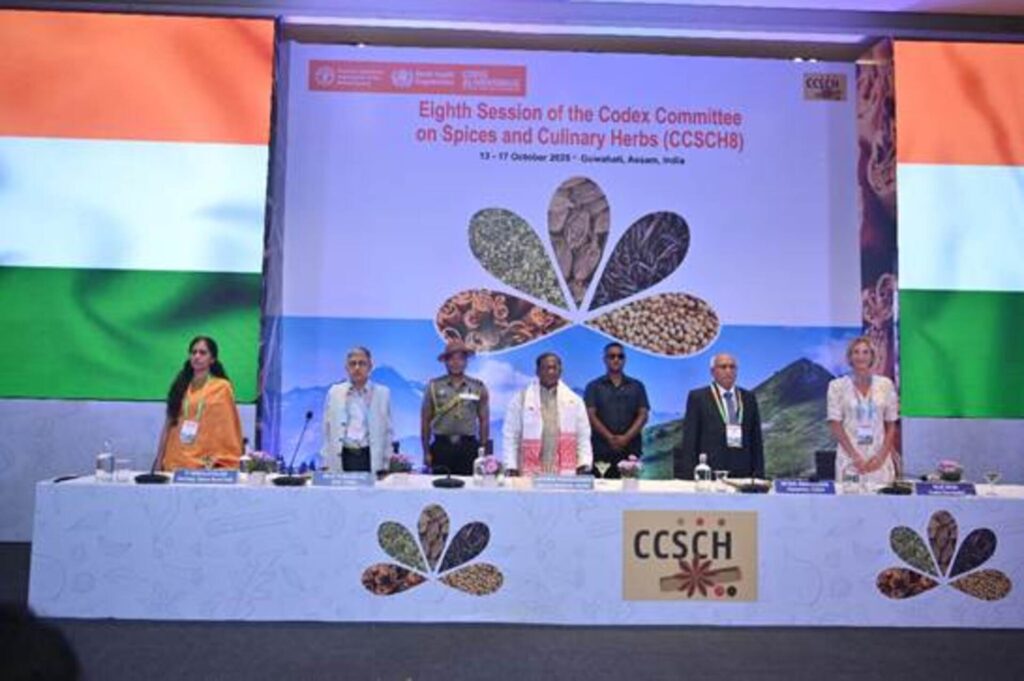
In his inaugural address, Shri Acharya underscored the pivotal role of CCSCH in conserving and promoting India’s vast spice biodiversity. He commended India’s proactive initiatives such as the promotion of turmeric as a superfood, and the approval of over 200 spices for export, reflecting the country’s growing strength in the global spice sector.
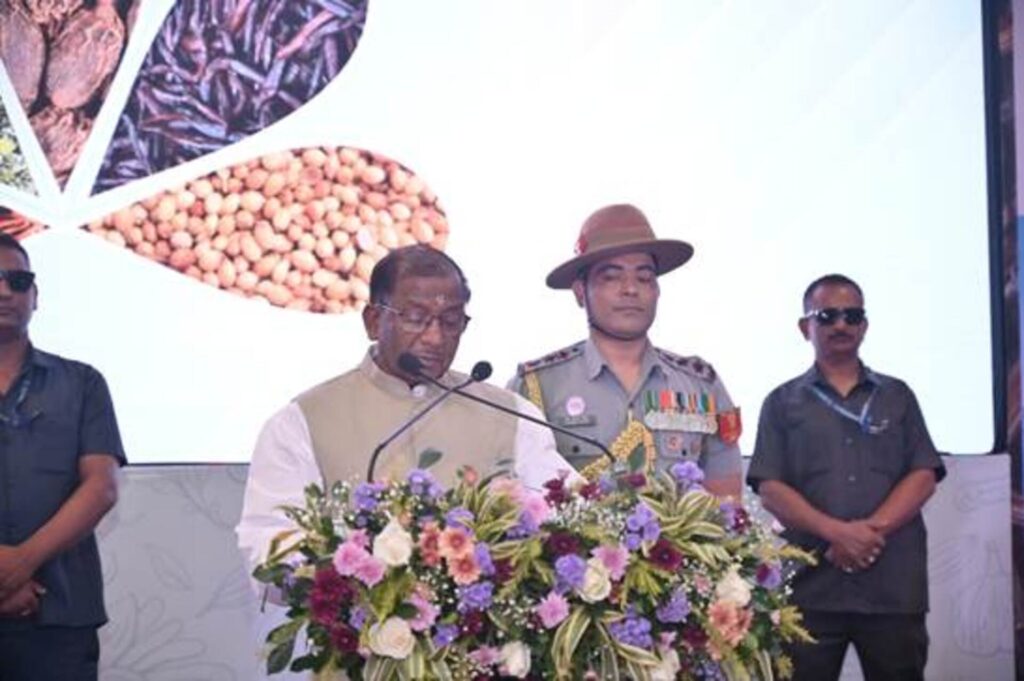
Highlighting the potential of Assam and the North-Eastern region as emerging spice hubs, the Hon’ble Governor emphasized that enhanced processing facilities, value addition, and export promotion measures are significantly improving farmers’ income and contributing to the region’s social and economic development.
Furthermore, Shri Acharya lauded the collaborative efforts of the Government of India and the Spices Board in strengthening the value chain of Indian spices, aligning domestic standards with global benchmarks, and ensuring food safety and quality for consumers worldwide.
Delivering the special address, Shri Rajit Punhani, CEO, Food Safety and Standards Authority of India (FSSAI), underlined the economic and cultural significance of spices, noting that the global spice industry, valued at USD 28.5 billion in 2024, is projected to reach USD 41.9 billion by 2033. He emphasized the need for harmonized, science-based food standards to ensure consumer safety and promote equitable global trade.
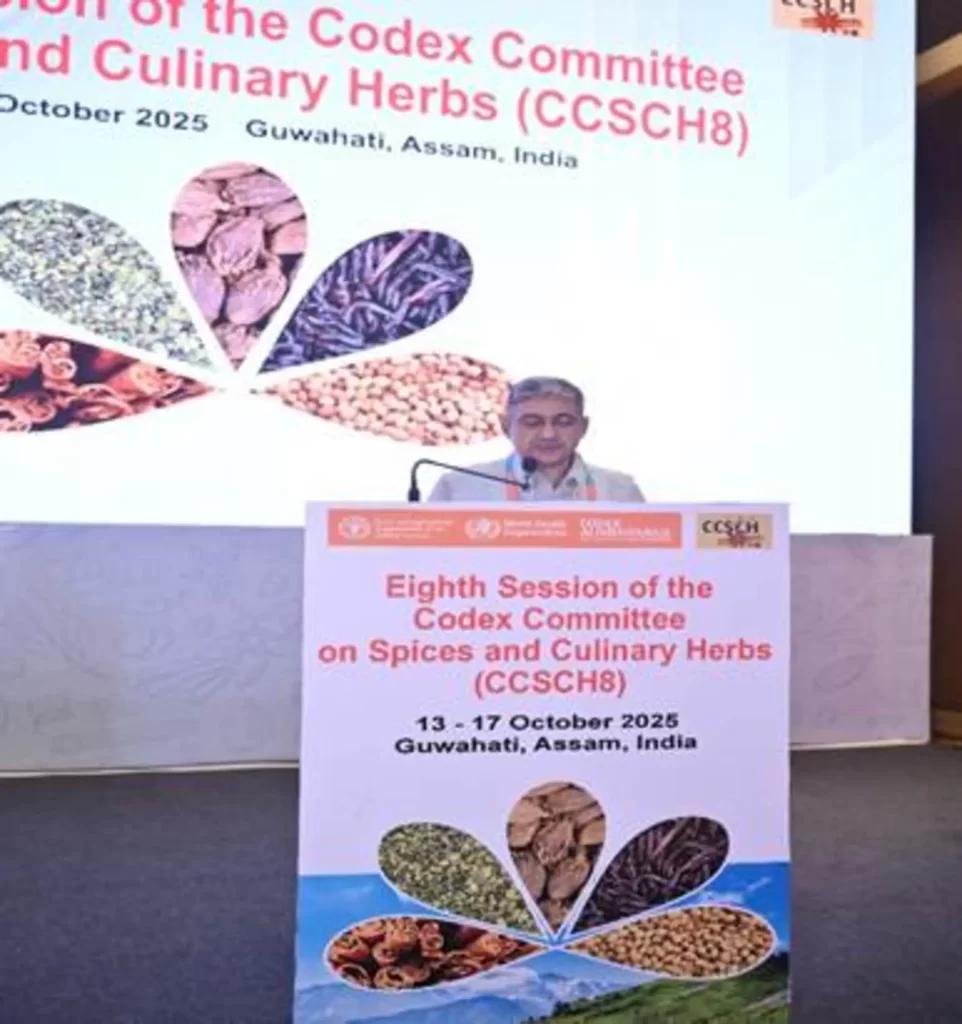
Shri Punhani also highlighted India’s leadership in international capacity-building initiatives under the Codex Trust Fund, and the success of the Global Food Regulators Summit held in September 2025, which reinforced global collaboration on food safety and regulatory convergence.
Speaking at the occasion, Dr. Hilde Kruse, Senior Food Safety Officer, Codex Secretariat thanked the Government of India and the Spices Board for hosting the session and acknowledged India’s continued support through FSSAI and the Spices Board in advancing harmonized global standards for spices and culinary herbs. She commended the committee’s progress over the past 11 years and lauded FSSAI’s recent Global Food Regulators Summit in Delhi for underscoring the importance of harmonized international standards.
The session is set to witness deliberations on draft and proposed standards for key spices and culinary herbs, including cardamom, coriander, and vanilla, with recommendations to be forwarded to the Codex Alimentarius Commission for consideration and approval.
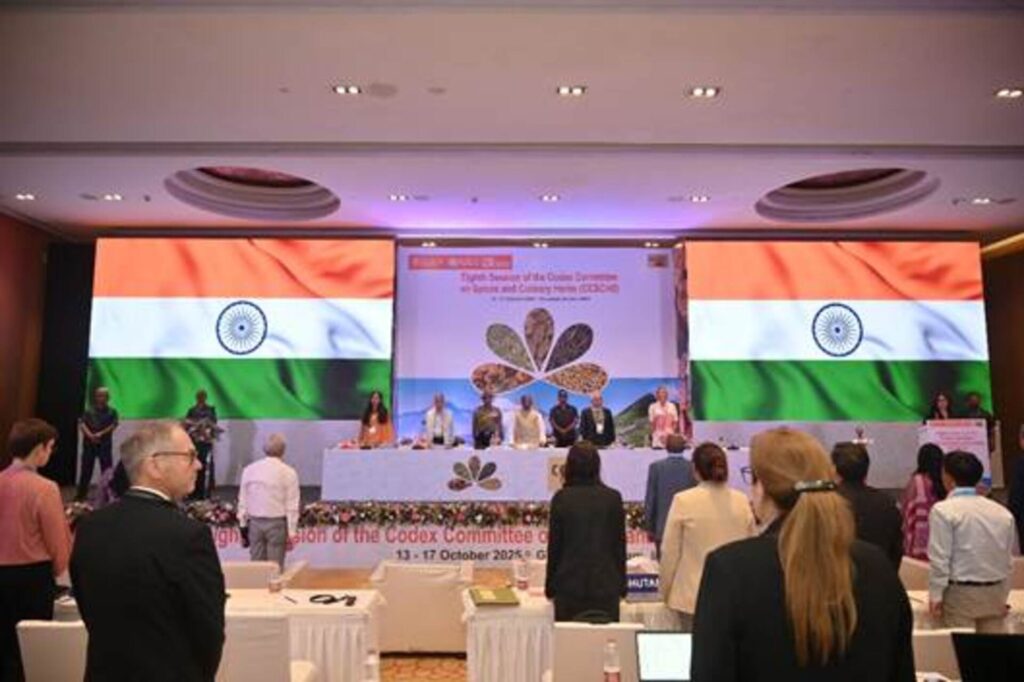
Dr. Alka Rao, Advisor, FSSAI; Dr. M. R. Sudharsan, Chairperson, CCSCH; and other senior officials from FSSAI, CCSCH, and the Spices Board of India were also present at the event. The session concluded on a high note with the participation of 140 delegates representing 40 countries, reflecting the global commitment towards harmonizing food standards and strengthening international cooperation in the spice sector.
Cardiopulmonary Resuscitation (CPR) is a lifesaving and a vital emergency procedure which improves the survival chances in critical cardiac cases. With a view to generate mass awareness Ministry of Health and Family Welfare today inaugurated CPR Awareness Week (13–17 October 2025), aimed at promoting training, and community participation in Cardiopulmonary Resuscitation (CPR). The campaign was inaugurated by Union Health Secretary Smt. Punya Salila Srivastava, in the presence of senior officials of Health Ministry, health professionals, and representatives from medical institutions and civil society.
Addressing the gathering, Union Health Secretary Smt. Punya Salila Srivastava highlighted the urgent need to build public capability in performing CPR. ‘The simple act of performing hands-only CPR can sustain blood flow and oxygen to vital organs until professional help arrives increasing survival chances manifold’, she added.
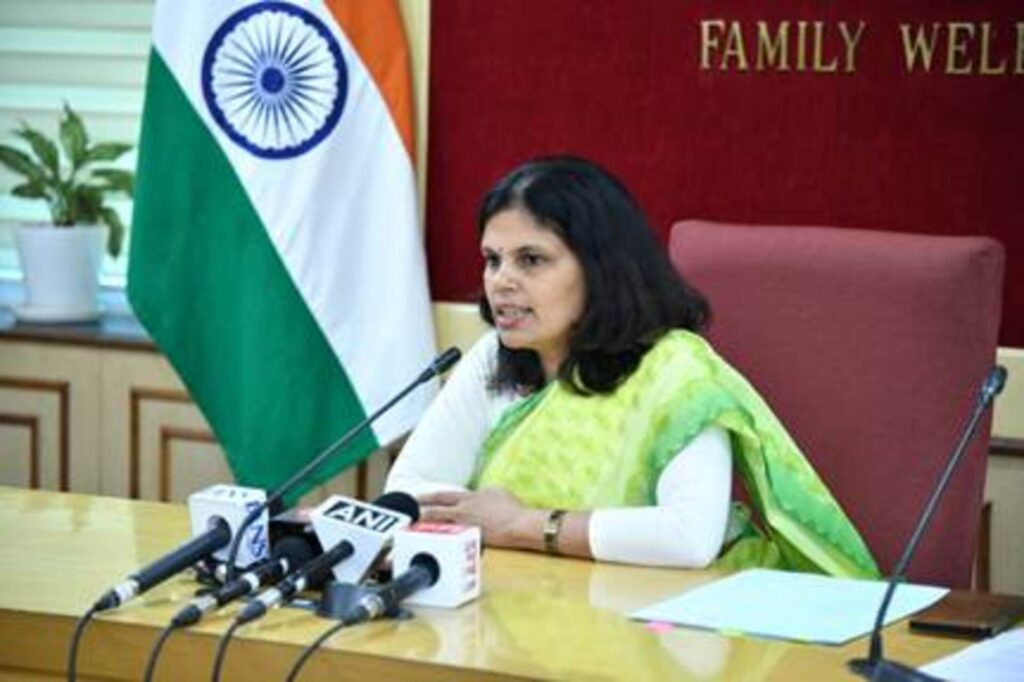
Furthermore, she underscores Ministry’s vision under CPR Awareness Week is to ensure that every household, school, office, and public space has at least one individual trained in this lifesaving technique. she underlined that, ‘This initiative is rooted in the understanding that cardiac arrest remains one of the leading causes of sudden deaths in India, with nearly 70% of such cases occurring outside hospital settings, where immediate medical assistance is often unavailable. In these critical moments, timely administration of CPR by a bystander can significantly improve survival outcomes.’
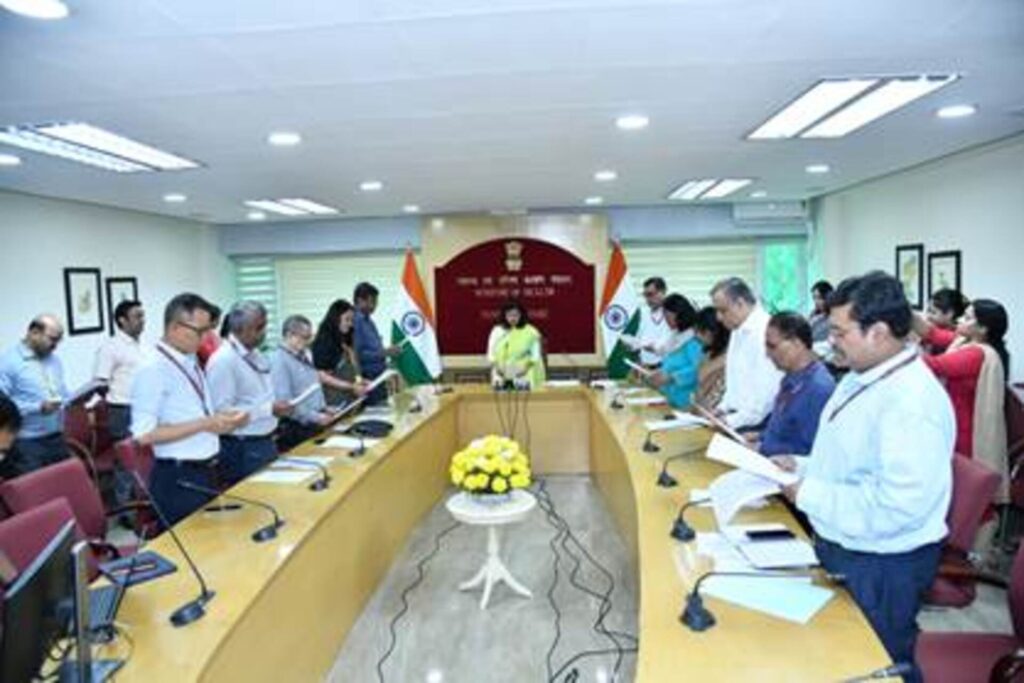
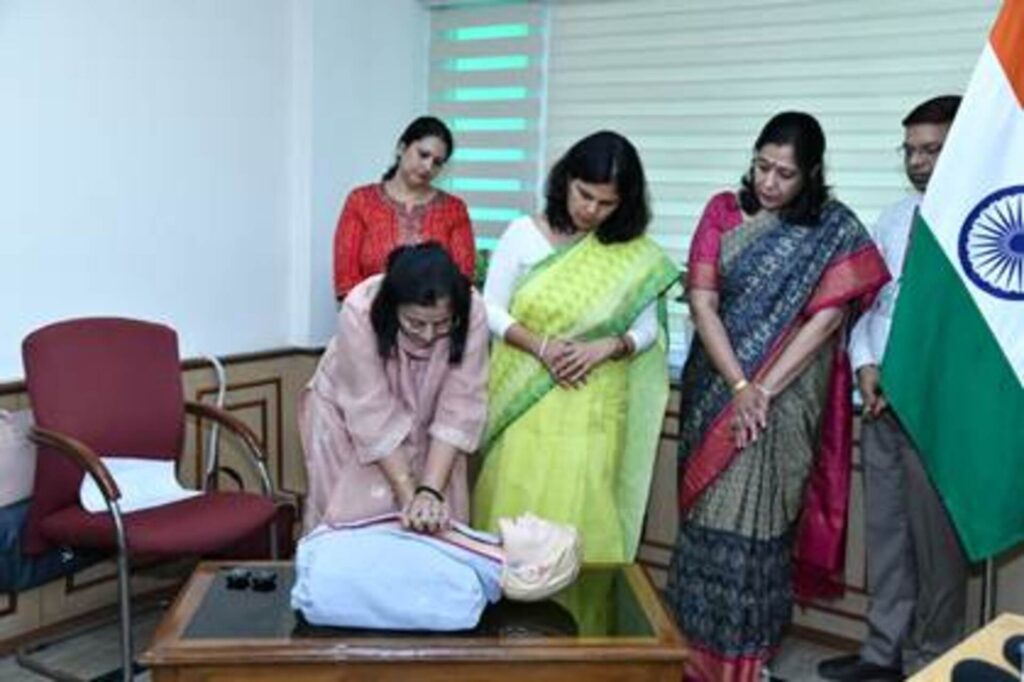
As part of the inaugural event, participants also took a pledge to promote CPR awareness and encourage others to learn this lifesaving technique. The event featured a live demonstration of hands-only CPR conducted by medical experts, showcasing the simple steps that can be performed by anyone to save a life during a cardiac emergency.
Recognizing low bystander CPR administration rates and to increase sustained community centric efforts, Ministry of Health and Family Welfare is observing a pan-India CPR awareness week from 13-17th October, 2025, with the intent to create widespread awareness and capacity building among the general public on CPR. Various activities planned during the week include a nation-wide pledge ceremony, organization of physical and virtual demonstrations on CPR, expert interactions, panel discussions, and other IEC activities. More than 15,000 participants from the health sector, along with representatives from medical institutions and civil society from across the country, were present at the launch of CPR Awareness Week.
Ministry of Health and Family Welfare in collaboration with MyGOV and MYBharat platforms has also published online pledge as well as CPR quiz.
The pledge as well as quiz may be accessed using the links -
Union Minister of Commerce and Industry, Shri Piyush Goyal, during the commemoration of four years of the PM GatiShakti National Master Plan (NMP) in New Delhi today, highlighted the transformative impact of this path-breaking initiative launched four years ago on this very day.
Union Minister noted that PM GatiShakti brings both speed and strength, and that it is not an ordinary programme. PM GatiShakti has a very deep meaning, emerging from Prime Minister Narendra Modi’s vision and nearly two decades of serious reflection on how infrastructure projects can be better planned and implemented to serve the people of India. During his years as the head of government, the Prime Minister has been known for bringing innovative thinking into governance and has had a clear vision of making India a prosperous and developed nation, added the Minister. Shri Goyal emphasized that collectively, all stakeholders are committed to making India a developed country by 2047, with PM GatiShakti playing a critical role in that journey.
Shri Piyush Goyal launched and unveiled several key initiatives during the commemorative event to further strengthen India’s infrastructure planning and development ecosystem. He opened the PM GatiShakti National Master Plan (NMP) platform to the private sector through a Query-Based Analytics Mechanism developed by Bhaskaracharya National Institute for Space Applications and Geo-informatics (BISAG-N), enabling wider access to geospatial data and advanced analytics. He released the PM GatiShakti Compendium Volume-3, which highlights successful use cases and best practices, and launched the PMGS NMP Dashboard, a comprehensive multi-sector reporting system for monitoring progress and deriving actionable insights. Shri Goyal also introduced the Knowledge Management System (KMS) to promote cross-learning and knowledge sharing among Ministries, Departments, and States/UTs, and unveiled PM GatiShakti – Offshore, a dedicated digital platform for integrated planning and management of offshore development across multiple sectors. In addition, he launched the Data Uploading & Management System (DUMS) to enhance decentralized, real-time data ownership and accountability, rolled out the PMGS District Master Plan (DMP) for Aspirational Districts to strengthen data-driven local infrastructure development and holistic regional growth, and introduced the Logistics Excellence, Advancement and Performance Shield (LEAPS) 2025 to recognize outstanding leadership and innovation across logistics sectors.
Shri Piyush Goyal highlighted that when PM GatiShakti was launched, the Hon’ble Prime Minister had emphasized that with the resolve of Atmanirbhar Bharat, the foundation for the next 25 years of development was being laid. He stated that PM GatiShakti has emerged as a vital bridge between macro-level planning and micro-level implementation, serving as an effective tool that transcends sectors and institutions. He added that the initiative carries game-changing implications for national development, as it is no longer limited to planning road alignments or railway routes, but now facilitates far deeper integration in national planning and execution.
Shri Goyal further informed that the launch of the PM GatiShakti District Master Plan for 112 Aspirational Districts, now mapped within a single integrated database, will help address the holistic developmental needs of these regions. He said the initiative is designed to ensure that growth reaches the last person at the bottom of the pyramid, thereby promoting inclusive and sustainable development. The District Master Plan supports area-based planning across key sectors including health care, education, logistics, industrial development, environmental management, safety and security, mineral resource utilization, and renewable energy generation. He noted that PM GatiShakti marks a paradigm shift from piecemeal approaches to an integrated model of comprehensive area planning.
Shri Goyal highlighted that logistics costs have drastically reduced, particularly with improvements in last-mile connectivity. Previously, transportation of coal from mines to power plants involved multiple loading and unloading steps, leading to inefficiency, increased costs, and material losses. Streamlining last-mile connectivity at mines and power plants has dramatically lowered the cost of electricity and improved overall logistics efficiency. Across the country, ministries, states, and town planners benefit from PM GatiShakti, which has expanded into multiple areas over the past four years.
The Compendium (Volume-3) of Best Practices and Successful Use Cases was released today by the Union Minister. This compendium demonstrates the diverse initiatives and tangible impacts of PM GatiShakti on citizens’ lives.
The Minister highlighted that in the last budget, it was announced that the public would be granted access to the databases of PM GatiShakti. The Union Minister was pleased to note that Bhaskaracharya National Institute for Space Applications and Geo-informatics (BISAG-N) and the department have prepared themselves so that the public can start using the databases of PM GatiShakti through the Unified Geospatial Interface, enabling easier access and utilization of the data for planning and decision-making purposes, added the Minister.
The Union Minister highlighted that a comprehensive multi-sector reporting system has been launched to track how PM GatiShakti is impacting the development of various regions through the area-based planning approach now being adopted. The decentralized data sharing module ensures that information is accessible and emphasizes the importance of maintaining up-to-date databases. A proper dashboard will support planning and data dissemination to the public, enhancing transparency and facilitating evidence-based decision-making.
The Minister stated that a key focus of the initiative is to reach aspirational districts, ensuring that area-specific planning addresses local needs while lifting these regions out of infrastructure deficits. This effort represents a collective commitment from both state governments and the central government to foster inclusive development and equitable access to resources, added the Minister
Shri Goyal said that the launch of LEAPS, the Logistics Excellence, Advancement and Performance Shield, marks another milestone, recognizing the efforts of stakeholders in improving efficiency and effectiveness in logistics nationwide. The achievements of the past four years are remarkable, and there is a clear vision for PM GatiShakti to evolve into a larger initiative that transcends ministries, departments, states, and Union Territories, added the Union Minister.
The Minister highlighted that with expansions into ocean resource mapping, wind energy planning, offshore and underground cable routes, telecom and data networks, and even future undersea electricity transmission, the scope, scale, and impact of PM GatiShakti are undergoing a significant transformation. Shri Goyal added that the government is working to elevate this initiative beyond physical and social infrastructure to a platform that connects citizens, industries, and planners. In doing so, PM GatiShakti is becoming a central tool for national and human development, driving India toward greater heights and realizing the vision of a Viksit Bharat 2047, added Shri Goyal.
The Union Minister emphasized that PM GatiShakti is now evolving beyond physical infrastructure to social infrastructure, human development, industry engagement, and digital integration. The initiative has become a centerpiece of national development, promoting integrated, inclusive, and data-driven growth. It is now being applied to offshore resource mapping and exploration, including planning for wind energy, offshore and underground cables, optic cables for telecom and data, and future undersea electricity transmission. The scale, scope, and reach of PM GatiShakti are undergoing a massive transformation, with the government actively working to elevate it to the next level. This expansion aims to integrate physical and social infrastructure, increase citizen and industry engagement, and position PM GatiShakti as a strategic tool for human development and national progress, ultimately contributing to the vision of Viksit Bharat 2047, added the Minister.
Shri Piyush Goyal also emphasized that the initiative has brought about a paradigm shift in the way India plans and executes major infrastructure projects. By integrating data from multiple Ministries and States, the initiative has created an evidence-based decision-making tool. The Minister highlighted that the new initiatives launched, including the opening of the NMP platform to the private sector, the launch of the Knowledge Management System, and the unveiling of PM GatiShakti–Offshore, will further enhance data-driven planning, foster cross-sectoral collaboration, and accelerate integrated, sustainable development across the nation.
The event witnessed the participation of over 200 officials from Central Ministries, Departments, States/UTs, and industry associations. Union Minister of State for Commerce and Industry Shri Jitin Prasada and Minister of Public Works of Madhya Pradesh Shri Rakesh Singh also highlighted the evolution of PM GatiShakti at the event.
Key Achievements over the past four years:
Over the past four years, PM GatiShakti has transformed India’s infrastructure planning in India through innovative digital tools, integrated platforms, and multi-sectoral collaboration. With continued expansion and inclusion of new stakeholders, the initiative is set to accelerate India’s infrastructure vision, drive economic progress, and improve the quality of life for citizens. PM GatiShakti is not just building projects—it is shaping the future of India.
Union Minister for Health & Family Welfare, Shri J.P Nadda, addressed the 19th edition of FICCI HEAL 2025 today at FICCI Federation House, New Delhi. The two-day conference, organized by the Federation of Indian Chambers of Commerce and Industry (FICCI) in collaboration with the Ministry of Health & Family Welfare and NITI Aayog, is being held under the theme “Care@25 – Defining Moments in Healthcare.”
Delivering the keynote address, Union Minister Shri J.P. Nadda highlighted the significant transformation witnessed in India’s health sector over the past 25 years, underscoring the government’s steadfast commitment to ensuring accessible, affordable, and quality healthcare for all.
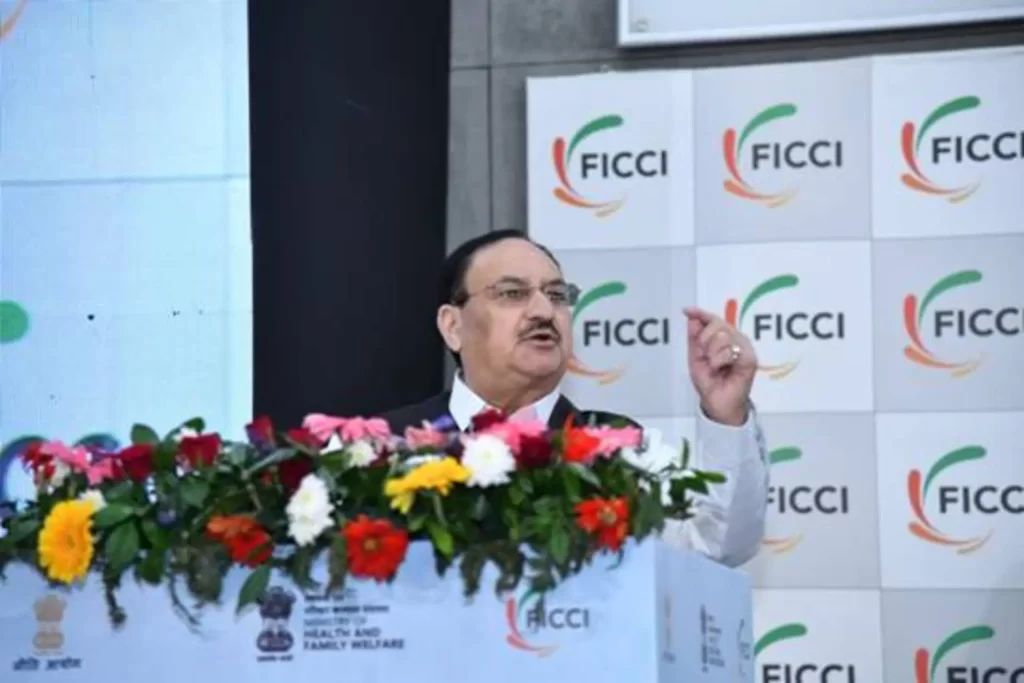
In his address, Union Minister recalled that in 2017, the Government of India initiated a new era in healthcare reform, aimed at building a comprehensive and holistic health system that ensures continuum of care — from preventive to promotive, curative, rehabilitative and palliative services. He stated that, “ For ensuring accessible and comprehensive healthcare, the Government has established 1.7 lakh Ayushman Arogya Mandirs (AAMs) across the country, which serve as the first point of contact for citizens, thereby expanding the base of healthcare delivery.” Referring to the National Family Health Survey (NFHS) data, the Union Health Minister highlighted that institutional deliveries in India have risen to 89%, up from 79%, owing to the dedicated efforts of ASHA workers and frontline health personnel.
Highlighting India’s progress across key health indicators, the Union Health Minister stated that, as per the Sample Registration System (SRS), the Maternal Mortality Ratio (MMR) has declined from 130 to 88 per lakh live births, while the Infant Mortality Rate (IMR) has reduced from 39 to 27 per thousand live births, reflecting steady progress in maternal and child health. The Under-Five Mortality Rate (U5MR) has shown a 42% decline, outpacing the global average decline of 14%, and the Neonatal Mortality Rate (NMR) has decreased by 39%, compared to a global reduction of 11%, underscoring India’s rapid gains in newborn survival.
Furthermore, Union Health Minister highlighted that, according to World Health Organization (WHO) data, the incidence of Tuberculosis (TB) in India has declined by 17.7%, which is more than double the global average decline of 8.3%. Citing a Lancet report, he added that treatment initiation for TB now begins within 10 to 15 days of diagnosis, reflecting substantial improvement in early detection, care, and case management.
The Minister reiterated the government’s focus on financial protection and affordability in healthcare. He informed that under the proposed GST 2.0 framework, the government has taken a progressive step towards 0% GST on health insurance, aimed at improving affordability and expanding coverage for citizens.
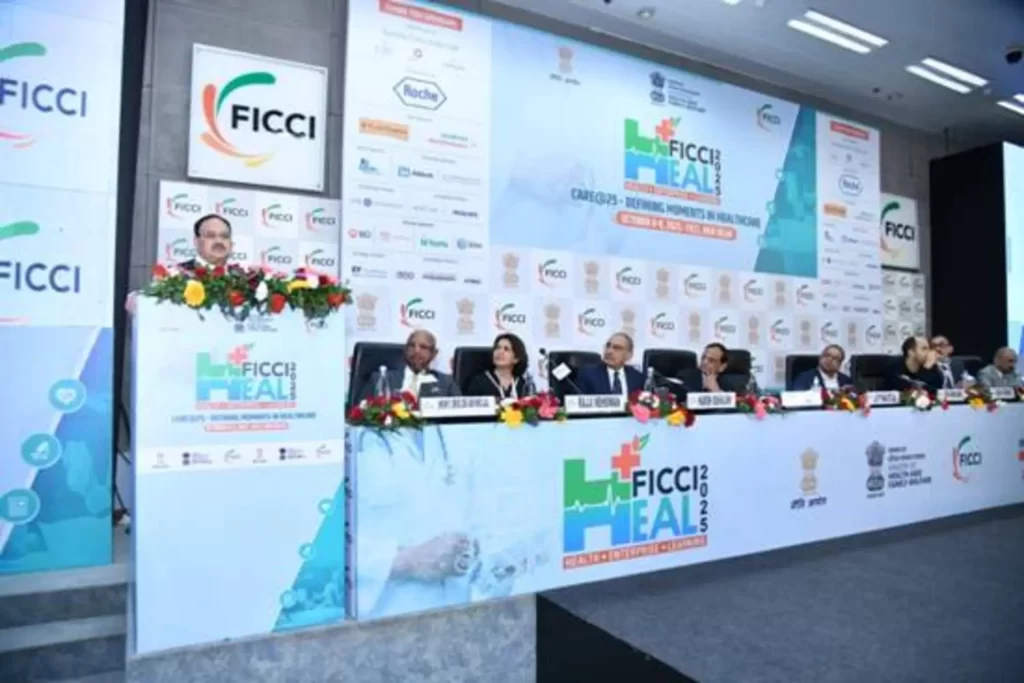
He also underlined that public–private collaboration is key to accelerating progress in health outcomes and innovation. Platforms like FICCI HEAL, enable policymakers, industry leaders, and experts to come together and drive India’s healthcare transformation agenda, he added.
Speaking at the occasion, Prof. V.K. Paul, Member, Niti Aayog reiterated the vision of ‘Viksit Bharat 2047’ in healthcare sector. He also emphasized on enhanced and quality healthcare Infrastructure.
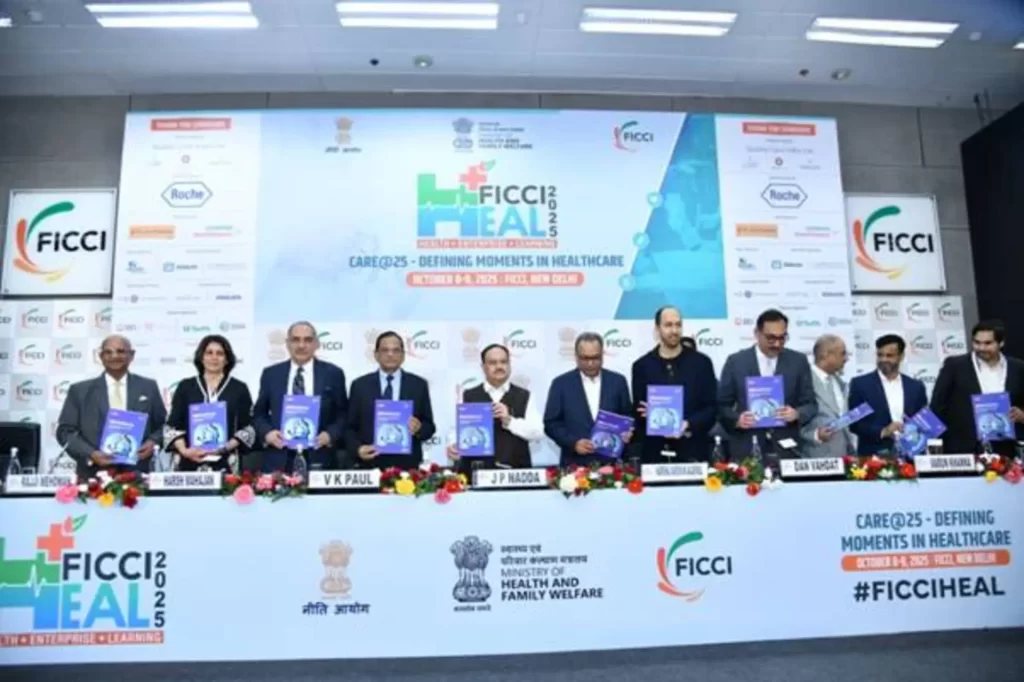
During the Occasion, Union Health Minister shri J.P. Nadda formally released several important knowledge papers aimed at advancing policy, innovation, and quality in India’s healthcare sector. The papers include the ‘FICCI-EY Report: True Accountable Care – Advancing Quality and Viability in Indian Healthcare’, which highlights strategies to strengthen accountability and efficiency across healthcare delivery; ‘the FICCI Paper: Unlocking the Longevity Dividend – Active and Healthy Ageing in India’, outlining measures to promote health and wellness among India’s ageing population; and ‘the FICCI-KPMG Paper: AI in Healthcare – Reimagine Care in AI-driven Transformation’, which explores the transformative potential of artificial intelligence in improving healthcare outcomes and enhancing patient experience.
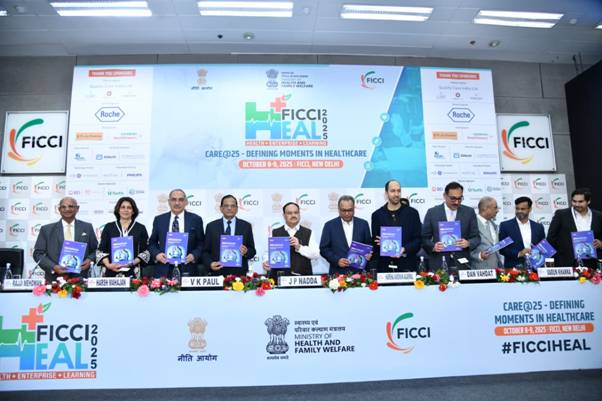
Mr. Harsha Vardhan Agarwal, President, FICCI, Dr. Harsh Mahajan, Chair, FICCI Health Services Committee and Founder & Chairman, Ms. Rajji Mehdwan, Managing Director & CEO – India & Neighboring Markets, Roche Pharma, Mr. Varun Khanna, Co-Chair, FICCI Health Services Committee and MD, Mr. Dan Vahdat, Founder and CEO, Huma Therapeutics were also present at the event
Union Minister of State for Health and Family Welfare, Smt. Anupriya Patel launched the third edition of the Tobacco Free Youth Campaign 3.0 at a hybrid event, here today. Smt. Puniya Salila Srivastava, Secretary, Ministry of Health and Family Welfare; Shri. Amit Yadav, Secretary, Department of Social Justice and Empowerment; Dr Sunita Sharma, Director General of Health Services (DGHS) and Smt. V Hekali Zhimomi, Additional Secretary, Ministry of Health and Family Welfare, were also present.
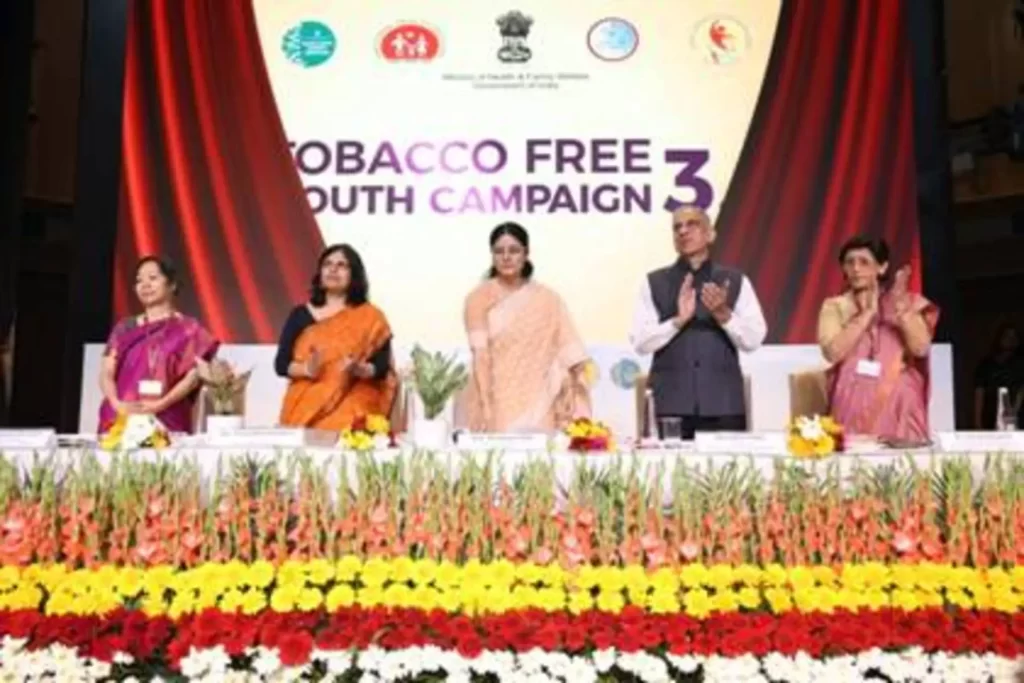
Addressing the gathering, Smt. Anupriya Patel stated that “tobacco consumption is a significant public health challenge and children are especially vulnerable to early experimentation with tobacco such as cigarettes, bidis and smokeless tobacco products often leading to lifelong addiction, chronic diseases and even premature deaths.”
Highlighting that the Government of India has taken persistent steps to protect citizens against tobacco-related health hazards, Smt. Patel informed that “India has taken the lead in regulating the depiction of tobacco in films, television, and online platforms, ensuring that health warnings and anti-tobacco messages reach diverse audiences. To further limit tobacco’s reach, all forms of tobacco advertising, promotion and sponsorship are strictly prohibited — including those for electronic cigarettes. Large pictorial health warnings have also been mandated on all tobacco packaging, a measure recognized globally as one of the strongest.” She also stated, “the sale of tobacco products to minors below 18 years of age and within 100 yards of educational institutions is strictly banned. The production, sale, transport, and storage of electronic cigarettes is also completely prohibited across the country.”
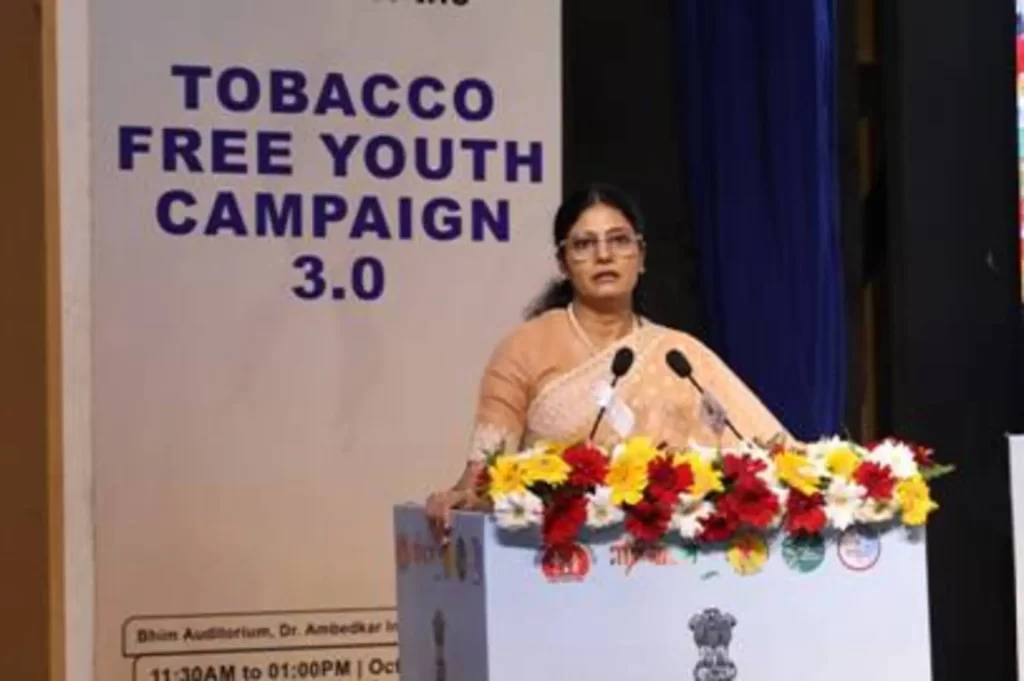
The Union Minister stated that Prime Minister Shri Narendra Modi has called India’s youth the harbingers of Viksit Bharat and in line with this vision, the Union Health Ministry launched the Tobacco Free Youth Campaign in 2023 to protect young minds from the dangers of tobacco and nicotine. She emphasized that “the aim of the campaign is not just to raise awareness but to empower our youth – to resist peer pressure, make informed choices, and become ambassadors of a tobacco-free and addiction-free lifestyle.”
Recognizing that tobacco use is often the first step towards substance abuse, this campaign is closely aligned with the Nasha Mukt Bharat Abhiyan of the Government of India. The Union Minister highlighted that through the joint efforts of both the initiatives and the collective energy of youth and the vision of Swasth Bharat, Sampann Bharat, India aspires to become a global leader in tobacco control and substance abuse prevention.
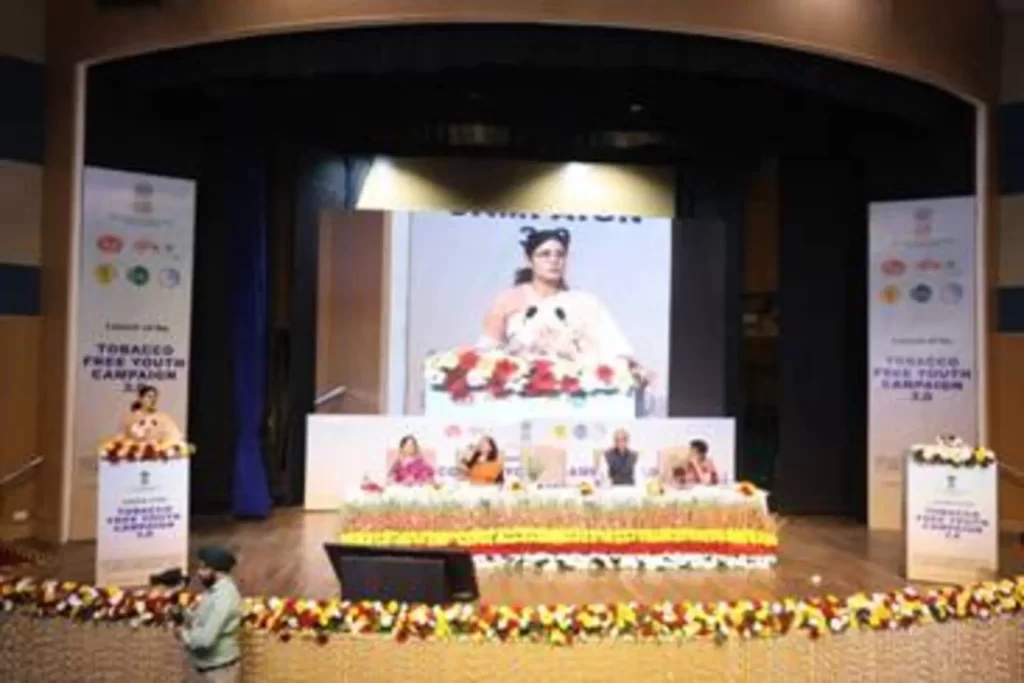
Speaking on the occasion, Smt. Punya Salila Srivastava noted that almost 65% of India’s population comprise of young people who are susceptible to tobacco use. She informed that the Union Government has signed the WHO Framework Convention on Tobacco Control and brought in strict tobacco control laws like the Prohibition of Electronic Cigarettes Act, 2019 to control tobacco use and protect the health and well-being of India’s youth.
The Union Health Secretary highlighted that the Global Tobacco Survey has acknowledged the Government’s efforts in decreasing the consumption of tobacco use among people. “The effort is to further strengthen the tobacco control initiatives through capacity building efforts and involvement of Jan Andolan”, she stated.
Shri Amit Yadav stated that the Tobacco Free Youth Campaign, which started two years back is a building block towards eradicating the use of other substance abuse as well. He noted that schools and colleges are usually the entry point for youth to get into these habits.
Underlining that drugs are a silent weapon to destroy a country, he said that the effort should be on preventing substance abuse so that there is no scope for addiction in future. He highlighted that community participation and youth involvement are key to these efforts. “Involving schools and colleges are important for sensitizing teachers and parents on the harmful effects of tobacco”, he said.
He informed that school education departments of the Government of India have been asked to make curriculum-based programs and provide consistent messaging. The Government is also involving the private sector and civil society organizations for providing mentorship support and creating awareness on its initiatives, he said.
The 60-day Tobacco Free Youth Campaign 3.0 prioritizes six enhanced key strategies: intensifying public awareness campaigns about the dangers of tobacco; strengthening compliance with the revised guidelines for Tobacco-Free Educational Institutions (ToFEI) to maintain schools and colleges as tobacco-free zones; reinforcing enforcement of tobacco control laws – the Cigarette and Other Tobacco Products Act (COTPA) 2003 and the Prohibition of Electronic Cigarettes Act (PECA) 2019; expanding the Tobacco-Free Villages initiative, empowering communities to collectively eliminate tobacco use and create healthier environments; amplifying social media outreach through innovative digital platforms and capacity building for tobacco cessation.
The TFYC 3.0 continues to emphasize a comprehensive ‘whole of government’ approach through strengthened partnership and coordination between key ministries - Ministry of Education, Ministry of Electronics and Information Technology, Ministry of Information and Broadcasting, Ministry of Panchayati Raj, Ministry of Rural Development, Ministry of Youth and Sports Affairs, Ministry of Tribal Affairs, Ministry of Finance, Ministry of Telecommunication, Ministry of Home Affairs, Ministry of Social Justice and Empowerment, among others, as well as enhanced collaboration with development partners.
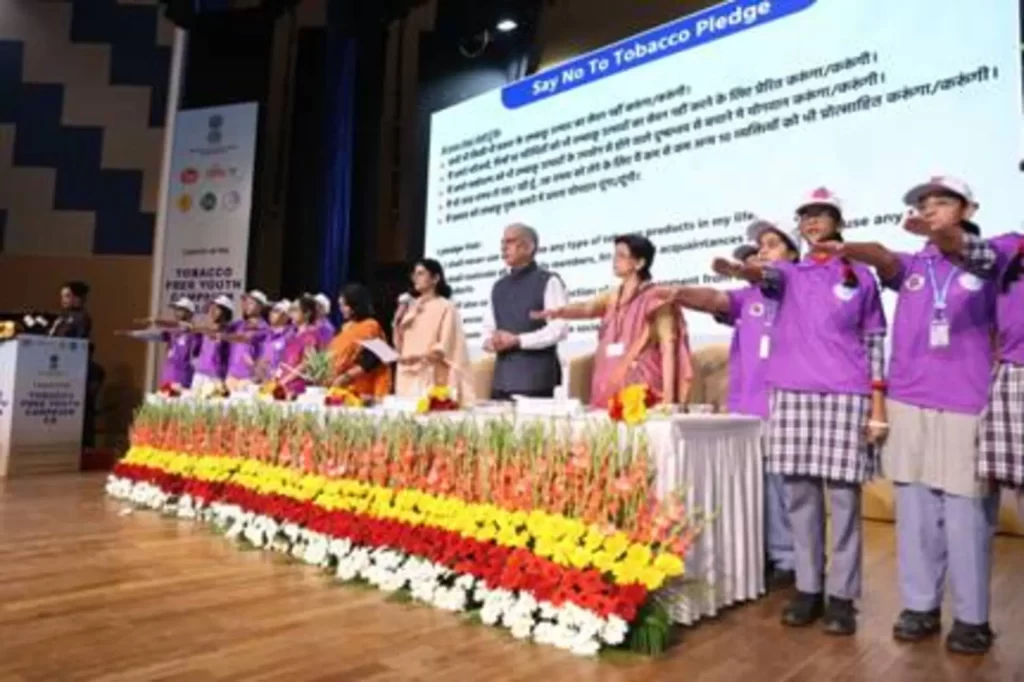
The following are the key highlights of the launch event:
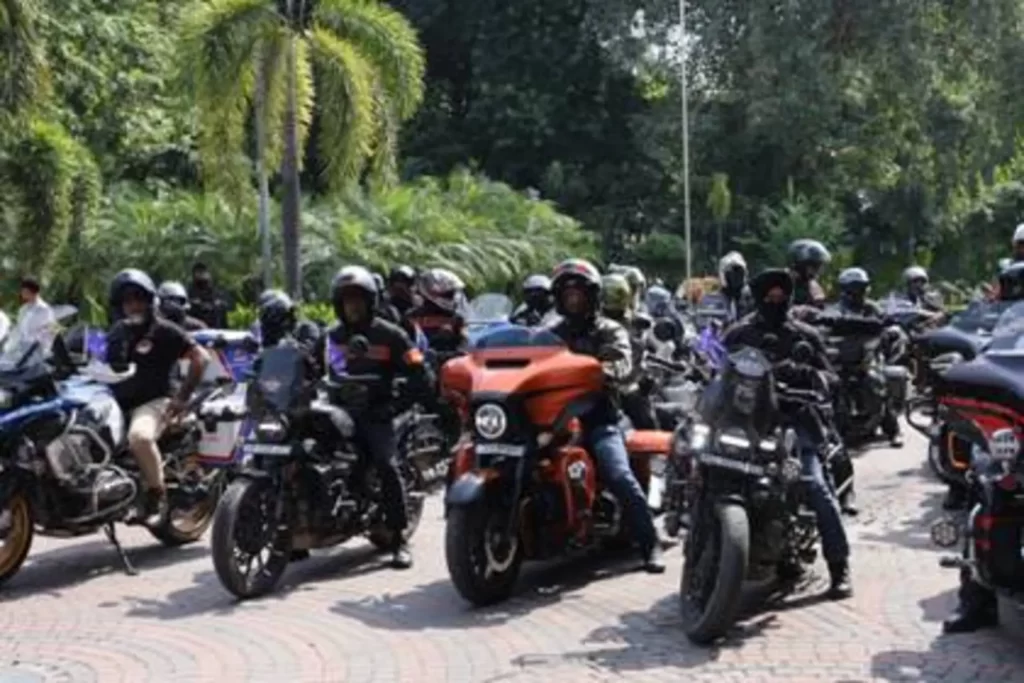

The event concluded with the Union Health Ministry calling upon all stakeholders to actively participate in the campaign through sustained engagement across social media channels. They were encouraged to participate widely in campaign activities and share progress updates to amplify the message and reach communities nationwide.
Background:
Building on the achievements of previous tobacco control initiatives, the Union Health Ministry launched the inaugural Tobacco Free Youth Campaign on May 31, 2023, to mark the World No Tobacco Day. This first campaign set a new benchmark, with more than 1,42,184 educational institutions and over 12,000 villages declared tobacco-free, alongside robust enforcement of tobacco control laws resulting in over Rs. 1 crore in fines. The momentum continued with TFYC 2.0 in September 2024, which expanded the campaign’s impact: more than 1,67,762 educational institutions and 27,534 villages achieved tobacco-free status, and intensified enforcement resulted in fines exceeding Rs. 1.1 crore.
The Tobacco Free Youth Campaign 3.0 represents a significant evolution in India's tobacco control efforts, designed to prevent young people from initiating tobacco use and supporting those seeking to quit. This year's comprehensive 60-day campaign introduces innovative approaches while strengthening existing frameworks to encourage a tobacco-free lifestyle among young people across India.
Dr Roderico H Ofrin, WHO Representative to India, senior officials of the Union Government, award-winning influencers, more than 300 school students from nearby Tobacco Free Educational Institutions (ToFEI) including schools and colleges along with NSS volunteers from My Bharat initiative and civil society organizations also attended the event.
In a landmark advancement for India’s medical technology sector, a customized Temporo-Mandibular Joint (TMJ) implant procedure was successfully performed for four patients by the clinical team at Maulana Azad Institute of Dental Sciences (MAIDS), New Delhi.
MAIDS, a Centre for Advanced Research (CAR) of the Indian Council of Medical Research (ICMR) coordinated by the Medical Device and Diagnostics Mission Secretariat (MDMS) under the Division of Development Research, has achieved this milestone as part of India’s ongoing efforts to promote indigenous innovation in healthcare technology.
The TMJ implant was indigenously developed at the ICMR-DHR-MedTech Product Development Acceleration Gateway of India (mPRAGATI) — a state-of-the-art facility coordinated by MDMS at IIT Delhi. This innovation represents a major leap towards reducing dependence on imported implants and enhancing access to affordable, high-quality medical devices for Indian patients

This achievement marks a significant step forward in realizing the vision of Prime Minister Shri Narendra Modi’s Atmanirbhar Bharat, one of the key pillars of Viksit Bharat. It exemplifies the strength of India’s research collaborations, the growing synergy between academic institutions and clinical centers, and the emergence of a robust indigenous medical device ecosystem.
Highlighting the significance of this achievement, Shri J.P. Nadda, Hon’ble Union Minister of Health & Family Welfare, stated “The successful implantation of customized TMJ implant at MAIDS, supported by ICMR and mPRAGATI-IIT Delhi, reflects the growing strength of India’s MedTech sector. This achievement shows how homegrown innovation, backed by strong research and policy support, can lead to affordable and impactful advances in healthcare.”
ICMR Director General Dr. Rajiv Bahl added, “This development highlights the power of collaboration between clinical experts, engineers, and researchers to deliver real-world health solutions. ICMR is proud to support innovations that not only reduce costs but also improve patient outcomes, advancing India’s leadership in affordable healthcare technologies.”
Salient Advantages of the Indigenous TMJ Implant
The indigenous TMJ implant offers multiple advantages over existing imported alternatives, ensuring improved outcomes, affordability, and faster delivery for patients.
This milestone showcases the success of ICMR-DHR-supported platforms in translating indigenous research into real-world applications. The convergence of clinical insight and biomedical engineering exemplifies a scalable model for future personalized implants and indigenous medical device innovation.