
Shri Rajesh Agrawal, IAS (1994 Batch), has assumed charge as Secretary, Department of Commerce, Ministry of Commerce and Industry, in New Delhi today.
Shri Agrawal is an accomplished administrator with three decades of experience in governance, policy making and implementation across diverse sectors including skilling, human resource development, apprenticeship, power, fertilizer, agriculture, and MSMEs. He has been instrumental in shaping the country’s skill development policies, represented India at the World Skills Governing Council for three years, and steered sectoral reforms in states such as Manipur, Jharkhand, and Bihar.
Prior to his current assignment, Shri Agrawal was overseeing India’s trade negotiations with various countries under Free Trade Agreements. He was the Chief Negotiator for the India–US Bilateral Trade Agreement, Indo-Pacific Economic Forum, India–Australia CECA, and review of the ASEAN FTA. He was also in charge of export promotion for the agriculture and allied sectors.
The Prosperity Summit in New Delhi marked the entry into force of the India–EFTA Trade and Economic Partnership Agreement (TEPA). The agreement includes an investment objective of USD 100 billion over 15 years and facilitation of creating one million direct jobs in India, while providing wider goods and services access across Switzerland, Norway, Iceland and Liechtenstein. India’s economic trajectory as the world’s fastest growing large economy towards becoming the world’s third-largest economy would create a strong foundation for prosperity. .
Union Minister of Commerce and Industry, Shri Piyush Goyal set the tone as he lauded the successful conclusion of the India-EFTA Trade and Economic Partnership Agreement (TEPA). He described the agreement as a defining moment in India’s economic engagement with Europe, stating that it represents “a trusted partnership between friends” built on mutual respect and sensitivities.
The Minister highlighted the pioneering nature of TEPA, pointing out that it is the first trade agreement to incorporate a firm investment commitment, thereby balancing interests and ensuring fairness between partners. He underscored that the entire population of the four EFTA countries is less than that of Mumbai city alone, yet the partnership is driven by the “big heart and tremendous potential” of the EFTA region.
Shri Goyal emphasised the auspicious timing of the agreement, noting that its commencement on Navami, coinciding with Vijaya Dashami, symbolises prosperity, clarity and victory of good over evil. He described TEPA as a beacon of stability and certainty amidst global trade volatility, ambiguity and disruption. The Minister underlined the wide-ranging opportunities opened by the agreement in diverse areas including: Life sciences, clean energy, precision engineering and food processing, Technology, artificial intelligence, accountancy and nursing, Education, audio-visual services, culture, tourism and recreation, Geothermal energy, where India looks forward to working with Iceland, Shipbuilding, repair, container manufacturing and maritime services in partnership with Norway, Innovation, R&D and advanced manufacturing in collaboration with Swiss and Liechtenstein companies
Shri Goyal spoke about complementarities between Indian scale, aspirations and talent, and EFTA’s innovation and financial strength. He highlighted the role of India’s competitive cost structures, citing that data costs in India are only 3% of those in the US and less than 10% of the global average. He underlined the emergence of nearly 2,500 global capability centres in India that support Fortune 500 companies worldwide. The Minister recalled the legacy of Swiss companies like ABB and Nestlé in India and illustrated how India has not only provided a strong market base but has also become a hub for global expansion. He pointed out that the high price-to-earning ratios of companies like Nestlé India and ABB India reflect the immense potential and confidence of markets in India’s future growth.
Inviting businesses from EFTA nations, Shri Goyal assured them of India’s open, transparent and investor-friendly environment, with 100% FDI allowed in almost all sectors of interest. He encouraged partnerships of various kinds—equity, technical collaborations, or cooperative frameworks—to leverage India’s opportunities. He affirmed that the Government of India is committed to ensuring smoother, faster and more efficient pathways for investors.
Shri Goyal underlined that TEPA is not merely about tariff reduction or investment commitment, but about establishing a stable, predictable and trusted framework that boosts investor confidence, reduces costs of uncertainty, and signals to the world that India and EFTA are committed to sustainable growth.
He further linked the agreement to India’s philosophy of Antyodaya (Integral Humanism), emphasising that prosperity must reach the last person at the bottom of the pyramid. He said that India’s partnership with EFTA nations will contribute to better quality of life, inclusive growth, sustainability and a stronger global economic order.
Shri Goyal expressed gratitude to leaders, negotiators, industry representatives and officials who contributed to the conclusion of the agreement, including representatives from all four EFTA nations – Iceland, Liechtenstein, Norway and Switzerland. He acknowledged the tireless work of the negotiating teams, industry chambers such as CII, FICCI and ASSOCHAM, and Invest India for their valuable contributions in mobilising industry support and building confidence in the agreement. Concluding his address, Shri Goyal described TEPA as “an endless partnership” that marks only the beginning of a long, prosperous journey. He said it will continue for generations to come and lay the foundation of India’s deep engagement with Europe.
Swiss State Secretary for Economic Affairs, Ms. Helene Budliger Artieda said that this agreement is more than a legal document. “It is a win-win partnership for our countries. The strong presence of companies from Switzerland and other EFTA countries at today’s prosperity summit speaks for itself. These businesses are here because they believe in India and are ready to use the Trade and Economic Partnership Agreement. They see the potential, they want to invest, and they are ready to be part of India’s growth story. Swiss and Indian economies are complementary. The TEPA will bring these complementarities together for the benefit of both Switzerland and India”.
Speaking on the occasion, Commerce Secretary Shri Rajesh Agrawal said that the operationalisation of the India-EFTA Trade and Economic Partnership Agreement (TEPA) is a strong signal of collective wisdom and will to strengthen free and fair trade. He observed that the agreement marks not just a trade arrangement but the beginning of a new era of shared growth, innovation and prosperity. Emphasising India’s emergence as the world’s fourth largest economy on course to becoming the third, he noted that the investment commitments under TEPA reflect global confidence in the India story.
The event was graced by the presence of H.E. Ms. Helene Budliger Artieda, State Secretary, Switzerland; H.E. Ms. May-Elin Stener, Ambassador of Norway; H.E. Ms. Christine Lingg, Deputy Director, Ministry of Foreign Affairs of Liechtenstein; and H.E. Mr. Ragnar Kristánsson, Director General, Ministry of Foreign Affairs of Iceland. A special video greeting was also conveyed by Ms. Cecilie Myrseth, Minister of Norway.
The implementation of the TEPA would be through laying sector roadmaps and deepening exports in engineering, pharma & med-tech, food processing, textiles/apparel and marine sectors. There would be outreach efforts for MSME onboarding with matchmaking and skills modules on quality, packaging and sustainability for tangible outcomes. There would be emphasis on facilitating logistics to reduce port dwell times and compress transit times. Both sides would monitor FTA utilisation, expanding investments, and services outcomes.
The TEPA harnesses the “Power of Five (Panch)”, clarifying roles and complementarities. India brings scale, demand and skilled talent. Switzerland brings precision manufacturing, finance and capital goods. Norway brings maritime competence and clean energy depth. Iceland brings niche clean-tech and digital ingenuity. Liechtenstein brings high-value manufacturing and specialized engineering. This partnership would strive to compound trade, investment and technology flows over the next two to three decades.
Market access and mobility improvements would open doors in EFTA countries for Indian farmers, MSMEs and entrepreneurs. Farmers and agri-marine exporters gain tariff advantages and premium-market positioning in specialty coffees, marine products and selected fresh and processed foods. MSMEs are expected to benefit from standards cooperation and lab-onboarding that would reduce duplicative testing and compliance costs, plus buyer–supplier matchmaking and skilling support. Services exporters gain clearer channels for digital delivery (Mode 1), commercial presence (Mode 3) and predictable professional mobility (Mode 4), with pathways for Mutual Recognition Agreements for professionals.
Business engagement at the Prosperity Summit led to several investment announcements by companies from EFTA countries. These included,
The Prosperity Summit celebrated TEPA as a fair, mutually beneficial and balanced framework that connects India’s growth momentum to European markets. It sets a results-first agenda backed by clear principles, defined roles, and an execution pathway, aimed at translating market access and investments for creation of high quality jobs.
The preparatory phase of the Special Campaign 5.0 from 15th September 2025 to 30th September 2025 started in the Department of Commerce with the communication to all the attached and subordinate offices, Public Sector Undertakings, Organisations and autonomous bodies of the Department to prepare a Plan of action in the prescribed format and share the same with the Department for uploading the data on the dedicated web portal.The organisations were also asked to appoint Nodal officers and train them for their specific roles and responsibilities to ensure seamless coordination during the campaign period.
During the preparatory phase the organisations of the Department have undertaken a range of activities specified in the action plan such as identification of pending VIP reference, Public Grievances and PG appeals, IMC references, PMO references, and Parliament assurances.In record management, more than twenty-one thousand physical files have been identified for review. So far, more than two hundred campaigns for cleanliness have also been identified. Similarly, obsolete and unused scrap materials such as old chairs, furniture, water-coolers and air-conditioners have been identified for condemnation/disposal. Six staff cars and lot of old tyres have been identified for condemnation and disposal. Further, unused and waste items weighing more than one thousand five hundred kgs have been identified for disposal/clearance. All this will result in freeing approx. two thousand square feet of space.
The Department is constantly encouraging all the offices and organisations to further strive in identifying pending references, unusable/scrap items and cleanliness campaigns. The preparatory phase has set a strong foundation for the successful implementation of Special Campaign 5.0 from 2nd October to 31st October 2025.
Commerce Secretary Shri Rajesh Agrawal inaugurated the Coffee Experience Zone and Expo organized by the Coffee Board on the occasion of International Coffee Day. Speaking on the occasion, the Commerce Secretary highlighted that Indian coffee is sustainable and is grown in conjunction with forests. He noted that coffee exports from India have doubled in recent years.
Shri Agrawal emphasized the need for greater diversification in the area of coffee cultivation. He stated that with a fast-rising middle class, increased domestic consumption of coffee is only a matter of time. The Commerce Secretary further observed that value addition in coffee is taking place, with new entrepreneurs entering the sector in areas such as instant coffee and specialty coffee. He underlined the need to continue innovating and adding value, pointing out that India, being a land of spices, has immense opportunities to innovate with coffee. He stressed that apart from exporting coffee, it is also important to work on “Brand India” and position the country strongly in the global market.
The event coincides with the implementation of the India–EFTA Trade and Economic Partnership Agreement (TEPA), which provides new opportunities for Indian coffee to access premium markets in Switzerland, Norway and Iceland.
Among the EFTA member countries, Switzerland and Norway are high-value markets with strong demand for high quality coffees. India-EFTA TEPA may provide most favorable market access to Indian Coffees in EFTA market. India EFTA TEPA may help the coffee exporters to access the premium markets in Switzerland, Norway and Iceland with the opportunity for positioning India’s high quality shade grown, hand picked and sun dried coffees in EFTA market.
EFTA member countries viz., Switzerland (USD 145 million), Norway (USD 27 million) and Iceland (USD 3 million) together import coffee valued at USD 175 million, which is about 3% of the global coffee imports. However, Liechtenstein trade data is not available with the Coffee Board.
India’s Coffee Exports to EFTA member countries during last five years is as under:
| Country | 2020-21(USD million) | 2021-22(USD million) | 2022-23(USD million) | 2023-24(USD million) | 2024-25(USD million) |
| Switzerland | 9.59 | 6.56 | 6.00 | 5.04 | 6.64 |
| Norway | 0.69 | 0.54 | 1.07 | 0.80 | 0.98 |
| Iceland | 0.00 | 0.00 | 0.00 | 0.00 | 0.00 |
| Liechtenstein | 0.00 | 0.00 | 0.00 | 0.00 | 0.00 |
EFTA countries (Switzerland, Norway and Iceland) kept Import Duty of 0% on all the HS lines pertaining to Coffee under Chapter -0901 and Chapter 21 (HS 210111 & HS 210112) under India-EFTA TEPA.
Indian side kept Chapter -0901 under exclusion list (100% MFN rate retained) under India-EFTA TEPA. However, Indian side applied staging categories viz., ‘E7’ for Iceland and ‘E5’ for Norway and Switzerland to extend preferential duty in equal annual instalments beginning on the date of entry into force of the Agreement for the HS lines pertaining HS 20111and HS 210112.
Union Minister of Health and Family Welfare, Shri Jagat Prakash Nadda inaugurated the third edition of the Global Food Regulators Summit 2025 at Bharat Mandapam, here today. Organized by the Food Safety and Standards Authority of India (FSSAI) under the aegis of the Ministry of Health and Family Welfare, this edition of the Summit centres around the theme of “Evolving Food Systems- Yatha Annam Tatha Manah (यथा अन्नं तथा मनः)”, which reflects the profound connection between the quality of food and the health of the mind.
In his inaugural address, Shri Nadda emphasized upon the theme and said: “The theme of this year’s summit, “Yatha Annam Tatha Manah” - as is the food, so is the mind - highlights that food influences not just physical health but also mental well-being, emotional balance, and the moral fabric of society.” He also noted that “those days are gone when countries focused themselves only on domestic food production. When states engage in trading of food, they are directly involved in the health and wellbeing of people.”
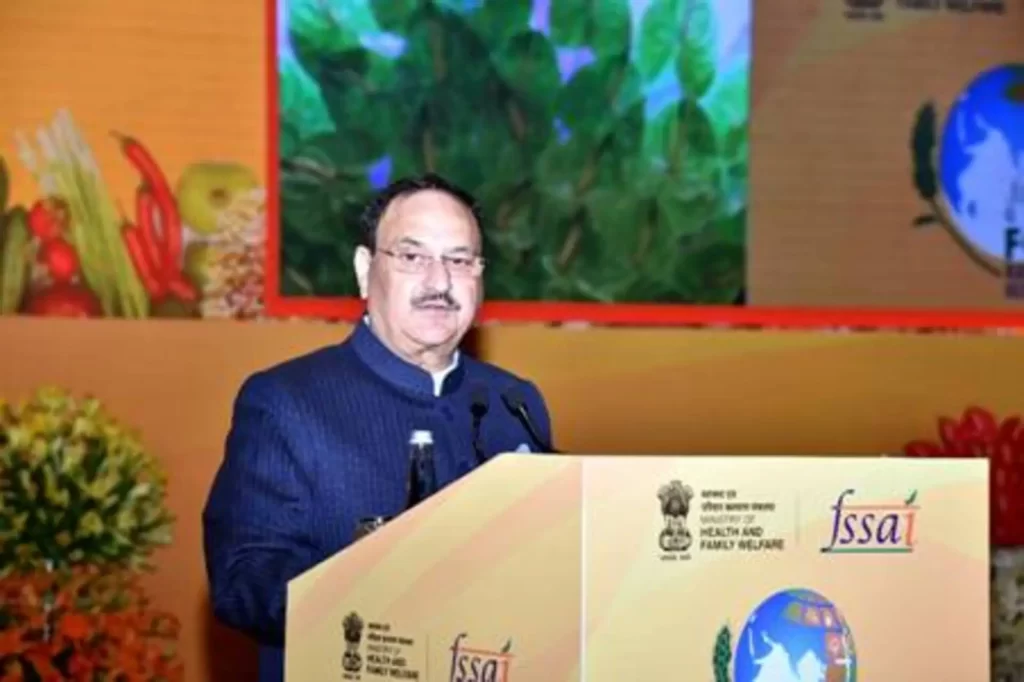
The Union Health Minister highlighted that obesity has become a pressing health concern, driven by unhealthy diets, sedentary lifestyles, and the growing dependence on processed foods. He recalled the Hon’ble Prime Minister Shri Narendra Modi’s call to combat obesity through nationwide awareness and collective action, particularly by reducing edible oil consumption by 10%. “Aligning with his vision, FSSAI also has actively rolled out plans for increasing mass awareness on this critical issue under its Eat Right India initiative. The Eat Right India movement, led by FSSAI, champions this cause by combining food safety, nutrition, and sustainability,” Shri Nadda stated.
Underscoring the criticality of food safety in today’s interconnected world, Shri Nadda said, “With global trade making food from one part of the world available in every corner, lapses in safety can trigger public health crises, disrupt commerce, and erode trust in businesses and nations alike.” He stressed that food safety is not merely a matter of compliance but of building confidence in global food systems, making the role of regulators and platforms like the Global Food Regulators Summit all the more vital in safeguarding health, ensuring resilience, and strengthening international cooperation.
The Union Health Minister also recalled the success of the first two Global Food Regulators Summits and said that the third in the series continues the commitment to fostering international dialogue and regulatory innovation. He added that the summit serves as a vital platform to strengthen collective efforts in food safety, enhance global cooperation, and ensure that food systems are safe, resilient, and inclusive.
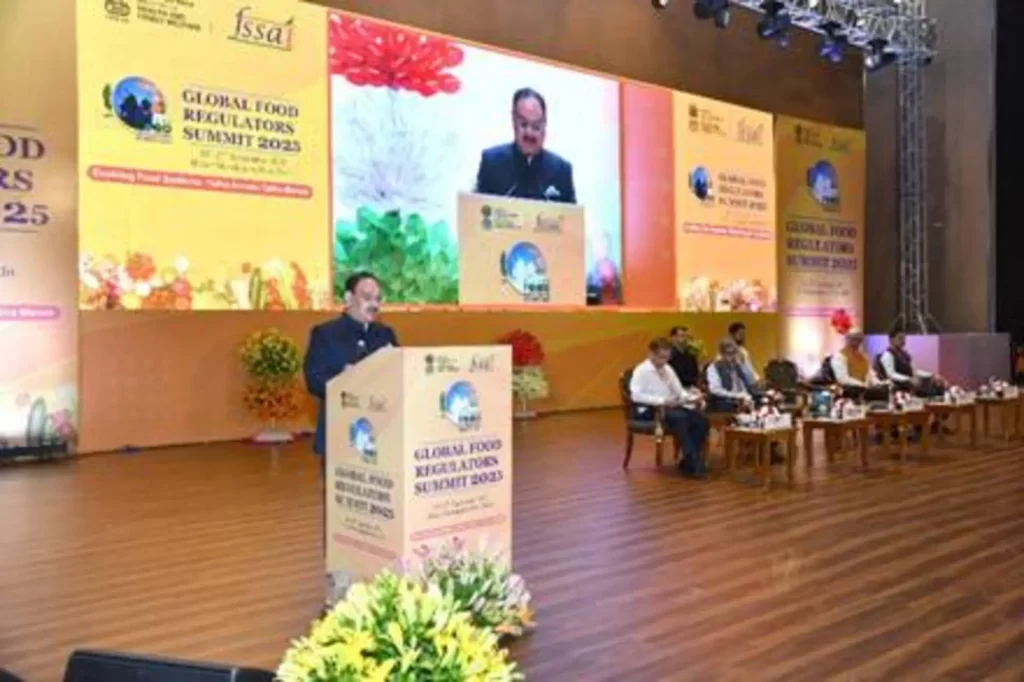
Shri Nadda commended the efforts made by FSSAI and said: “Over the past decades, FSSAI being the Food regulator of the country has made significant strides in transforming India's food safety landscape from establishing robust standards and launching innovative initiatives to enhancing testing infrastructure and fostering international cooperation. He stated that FSSAI has emerged as a global leader in ensuring food safety and public health.
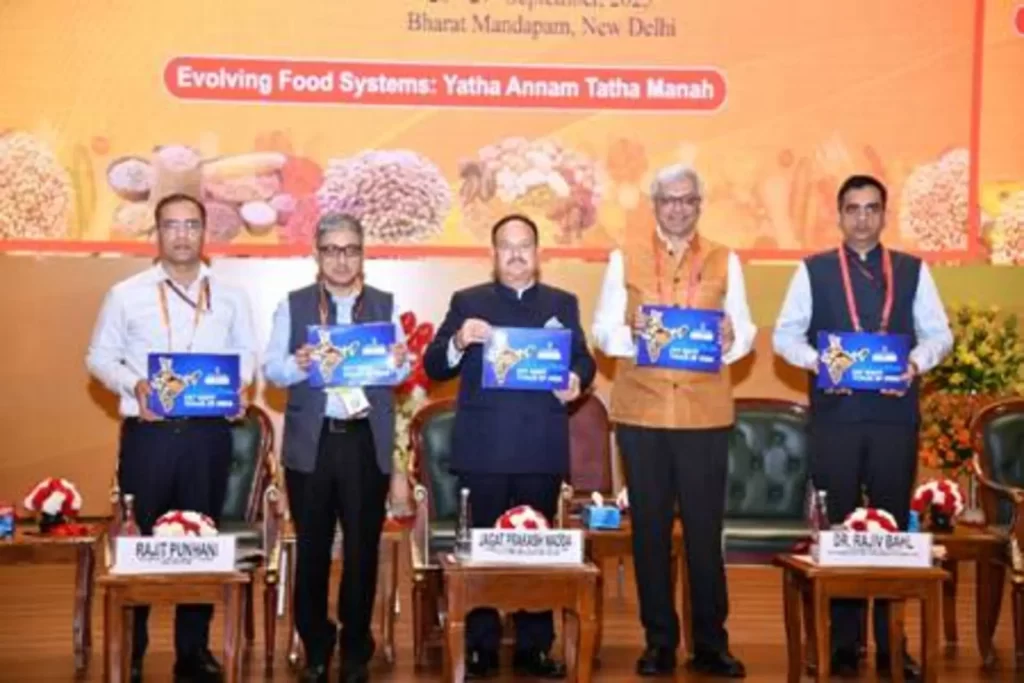
A key highlight of the inaugural session was the launch of the ‘Eat Right Thali’ book, a landmark initiative by FSSAI that celebrates India’s rich culinary heritage and the concept of balanced diets. Shri Nadda stated that the book features traditional thalis from across the country, with each thali representing local ingredients, cooking methods, and age-old dietary wisdom, emphasizing variety and nutritional balance. In line with Hon’ble Prime Minister Shri Narendra Modi’s vision, it underscores the role of traditional diets in combating obesity and lifestyle-related diseases. This compilation serves as both a cultural tribute and a practical guide to preventive health through mindful local and seasonal eating.
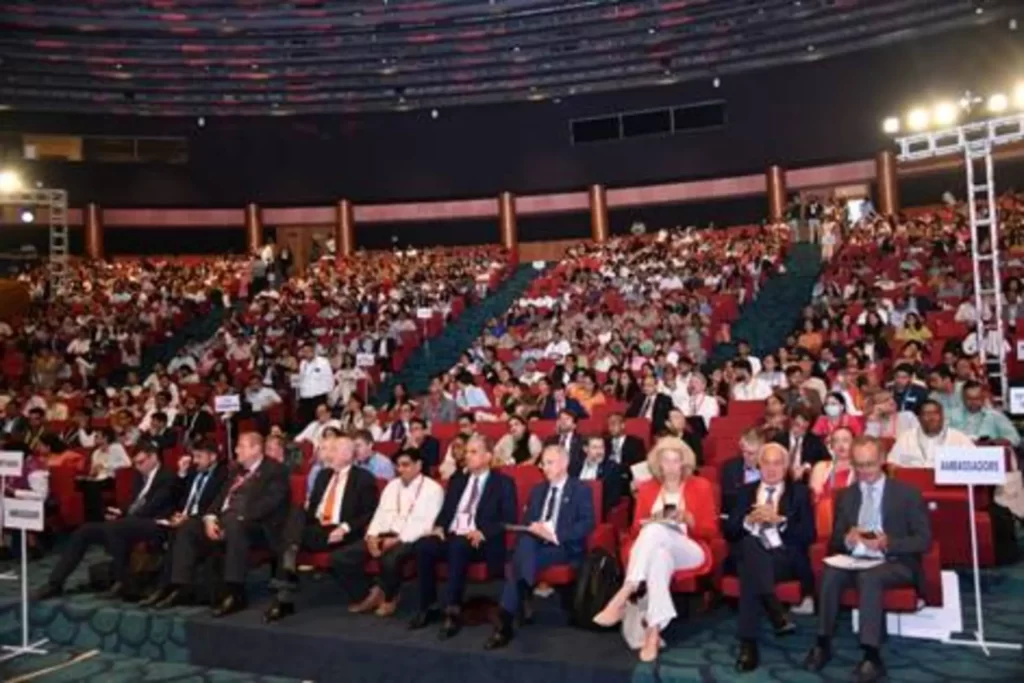
This year’s summit witnessed participation from 59 countries, along with leading international organisations such as the World Health Organization and the World Trade Organization, as well as over 100 representatives from different parts of the country. The platform serves as a vital opportunity to deliberate on emerging challenges, exchange global experiences, and adopt innovative solutions to ensure consumers have access to safe and nutritious food, and to chart a collective path forward.
The first day of the Global Food Regulators Summit featured technical sessions on key topics, including Global Regulatory Harmonization and Policy Frameworks, Integrating Science and Technologies towards Sustainable Food Systems, Adapting to the Dynamic Food Landscape, and Traditional Foods & Global Standards. These sessions aimed to provide practical insights and foster discussions on shaping the future of food safety and sustainability.
Dr. Rajiv Bahl, Secretary, Department of Health Research & DG, Indian Council of Medical Research; Shri Rajit Punhani, Chief Executive Officer (CEO), FSSAI; Shri U. S. Dhyani, Executive Director, FSSAI and Shri Nikhil Gajraj, Joint Secretary, Union Health Ministry were present on the occasion.
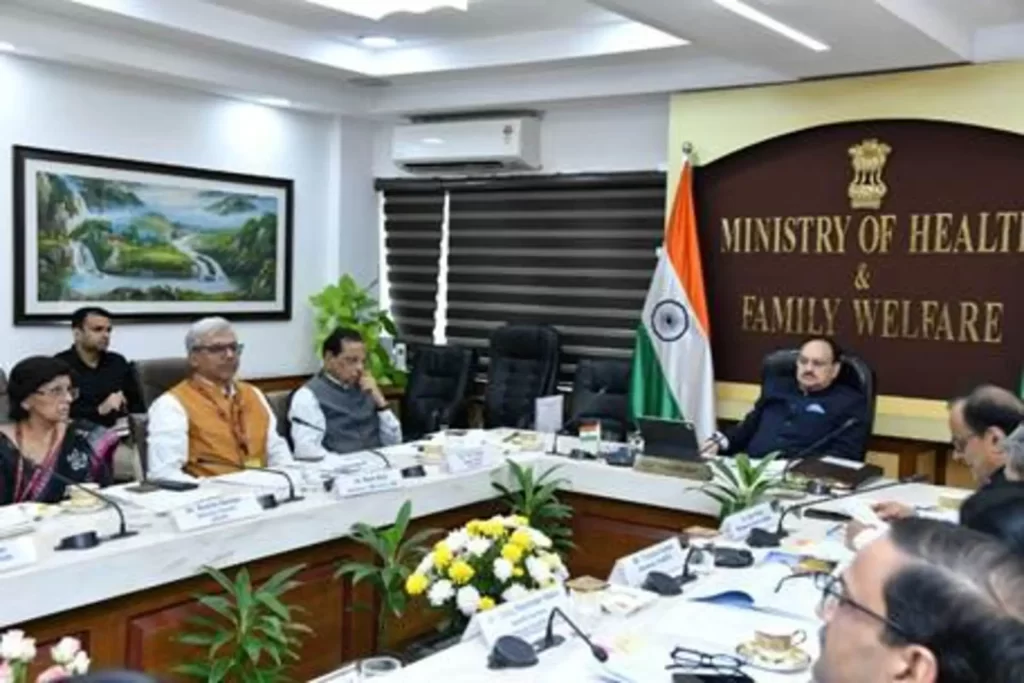
Union Minister of Health and Family Welfare & Chemicals and Fertilizers, Shri Jagat Prakash Nadda chaired the Second Meeting of the Executive Steering Committee of the National One Health Mission (NOHM), here today.
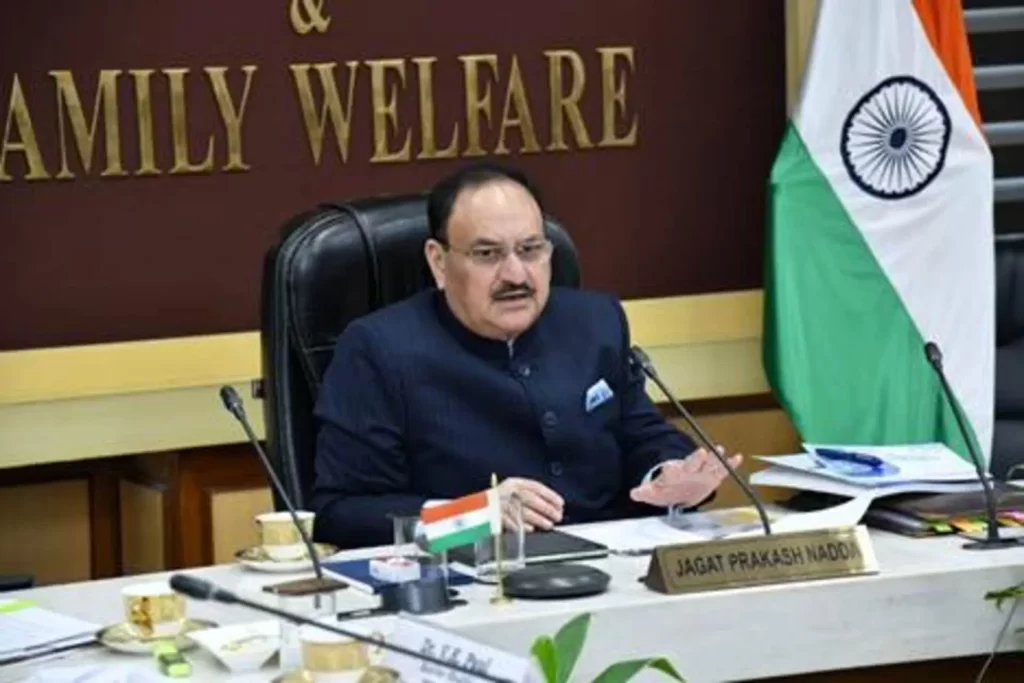
Stressing upon the role of NOHM in recognizing the interconnectedness of human, animal, plant and environmental health, the Union Health Minister said that it is only by working together that we can anticipate, prevent, and respond to future threats. He also emphasized that the coordinated efforts of different Departments through NOHM are turning vision into real outcomes. He called upon participants to further strengthen this collaboration and support State functionaries in the implementation of NOHM initiatives.
Shri Nadda appreciated the progress made in SOPs, roadmaps and pathways for One Health Mission and suggested to strengthen the structures for implementation. Stressing that futuristic, anticipatory thought process is crucial to the success of the Mission, the Union Minister welcomed suggestions emerging from the deliberations of the Meeting.
Earlier, opening the session, Prof. Ajay Sood, Principal Scientific Advisor (PSA) to the Government of India, emphasized that the mission’s primary objective is to enhance pandemic preparedness and strengthen integrated disease surveillance and control mechanisms across human, animal, and plant health systems. He also stressed the importance of state-level engagement and local ownership to ensure timely detection and response to disease outbreaks.
Articulating the Vision for Future of National One Health Mission, Prof. V. K. Paul, Member, NITI Aayog, appealed all participants to identify, share and work upon the gaps in integrated disease management. He also advised to focus upon wildlife surveillance, generic wastewater surveillance and new approaches to tackle the emerging challenges of biosecurity.
Dr. Rajiv Bahl, Secretary, Department of Health Research (DHR) and Director General, Indian Council of Medical Research (ICMR) provided updates on the progress since the first steering committee meeting in July 2024. Notable developments include strengthening the national network of BSL-3 laboratories; Vishanu Yudh Abhyas- a mock drill conducted in August 2024 and Syndromic surveillance projects undertaken through interdepartmental collaborations.
Dr. Tanmay Kumar, Secretary, Ministry of Environment, Forest and Climate Change (MoEFCC) briefed the participants about various initiatives undertaken by MoEFCC through One Health approach. Presentations from Department of Health & Family Welfare (DoHFW) and Department of Animal Husbandry and Dairying (DAHD) highlighted how inter-sectoral coordination into human and animal health sectors is translating policy into tangible outcomes on the ground.
Under the visionary leadership of Prime Minister Shri Narendra Modi, National One Health Mission has emerged as a transformative cross-sectoral initiative, placing India at the forefront of global health security. The Mission has made significant strides in integrating human, animal and environmental health systems ensuring preparedness against emerging health threats and fostering sustainable development. A total of 16 different Ministries / Departments has joined this collaborative effort and are coordinating with Department of Health Research (DHR) which is acting as the nodal Department for the Mission.
*****
Food Safety and Standards Authority of India (FSSAI) and the Department of Agriculture, Fisheries and Forestry (DAFF), Australia, signed a Memorandum of Understanding (MoU) in the area of Food Safety on 24th September 2025 at FSSAI Headquarters, New Delhi.
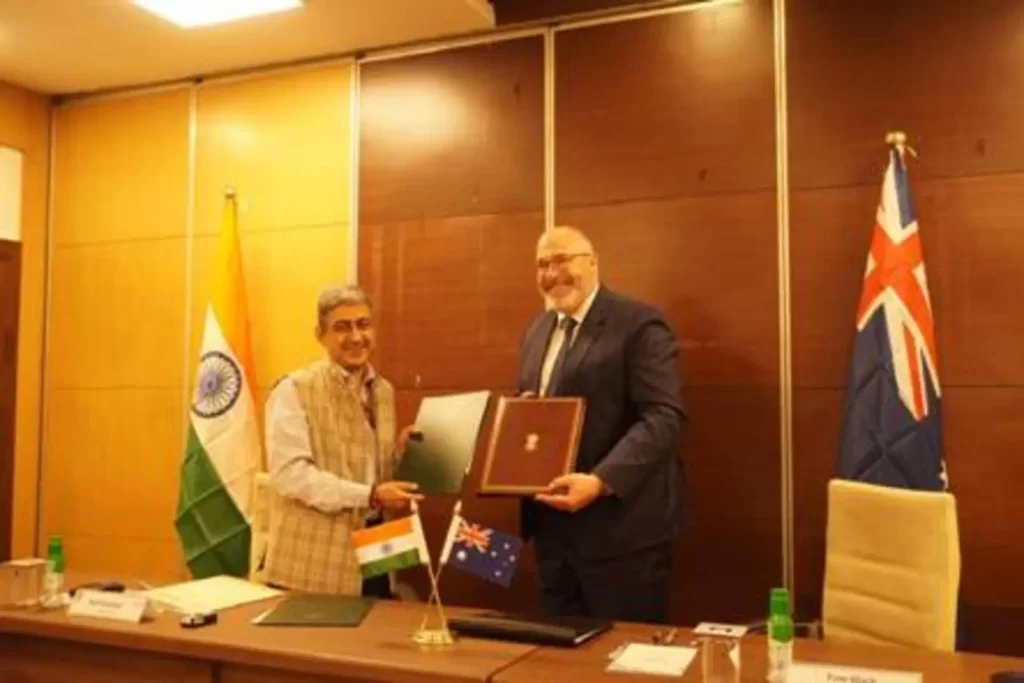
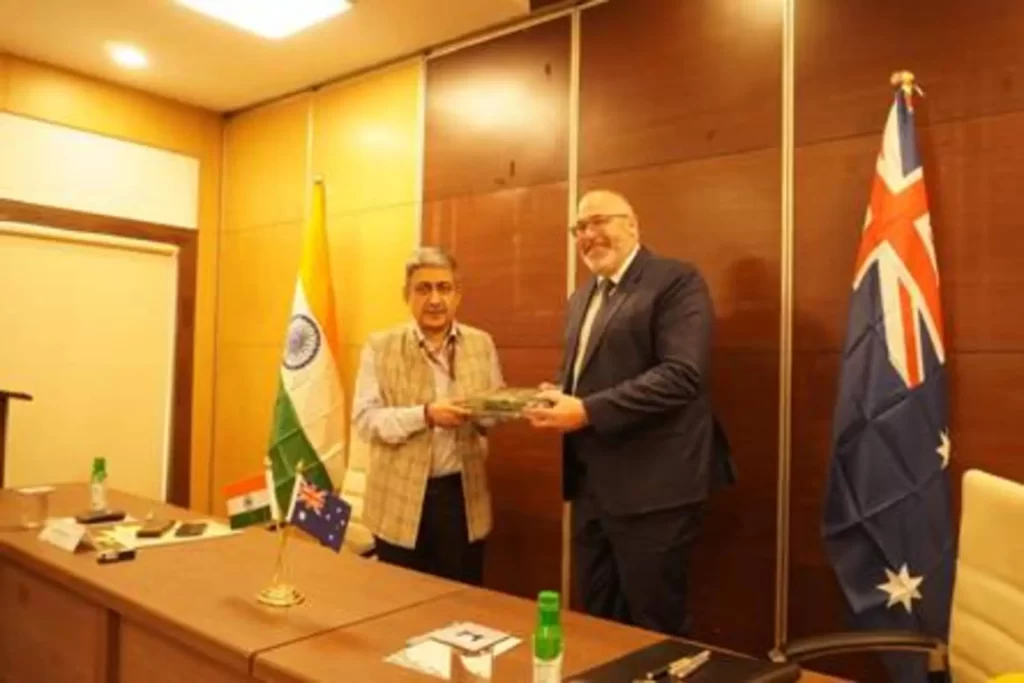
The MoU was signed by Shri Rajit Punhani, CEO, FSSAI and Mr. Tom Black, First Assistant Secretary, DAFF, Australia.
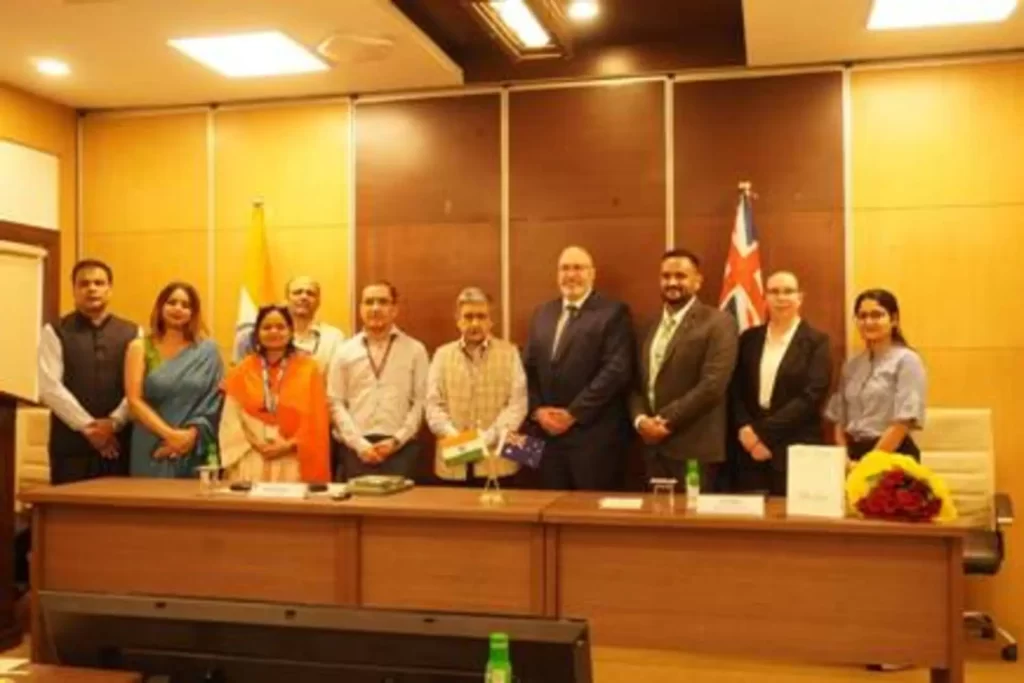
The signing of MoU represents a significant milestone in the enduring partnership between India and Australia, reflecting the two countries’ shared commitment to food safety. The MoU will strengthen cooperation in the field of food safety, through the exchange of best practices, knowledge sharing, import procedures and other technical collaboration including capacity-building initiatives.
Both sides expressed confidence that the MoU will foster stronger institutional ties and contribute in advancing food safety standards in both nations.
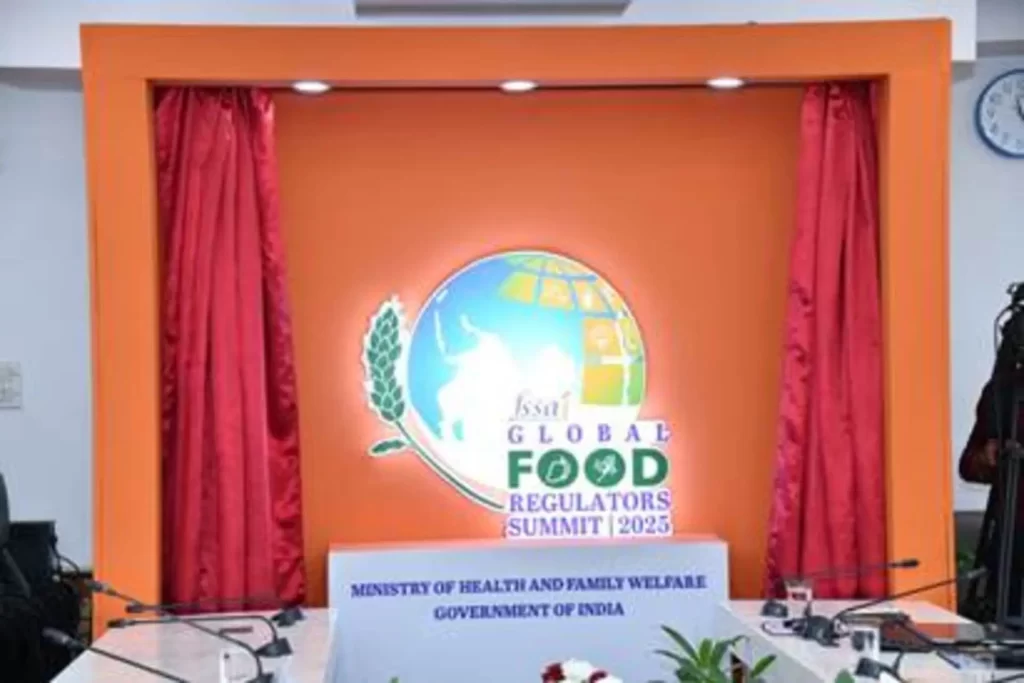
Union Minister of Health and Family Welfare, Shri Jagat Prakash Nadda unveiled the logo of the Global Food Regulators Summit (GFRS) 2025 along with the Brochure at Nirman Bhawan, today. The Summit is being organised from 26th to 27th of September at Bharat Mandapam, New Delhi, by the Food Safety and Standards Authority of India (FSSAI) under the aegis of the Ministry of Health and Family Welfare, alongside the World Food India 2025 event being organised by the Ministry of Food Processing Industries (MoFPI).
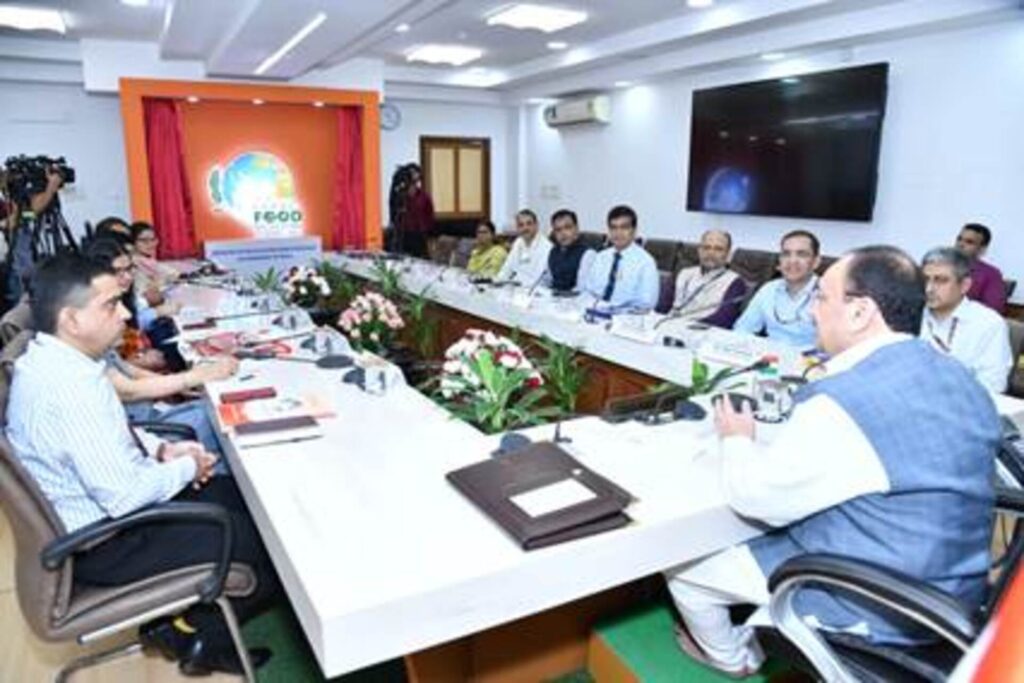
In his keynote address, the Union Health Minister highlighted that this year’s theme for GFRS, “Evolving Food Systems- Yatha Annam Tatha Manah”, beautifully reflects the profound connection between the quality of food and the health of mind and society. “Food is not merely nourishment, it is a force that shapes physical well-being, mental health, emotional balance, and societal harmony,” he said.
Shri Nadda acknowledged the pivotal role of FSSAI and the Ministry of Health and Family Welfare in advancing food safety standards in India and contributing significantly to global progress in this critical area. He stated that “Multi-dimensionary approach should be taken to ensure that the food we consume is safe and healthy. Food regulators need to be alert to changing food habits and market. Food safety standards, rules and regulations should be updated accordingly.”
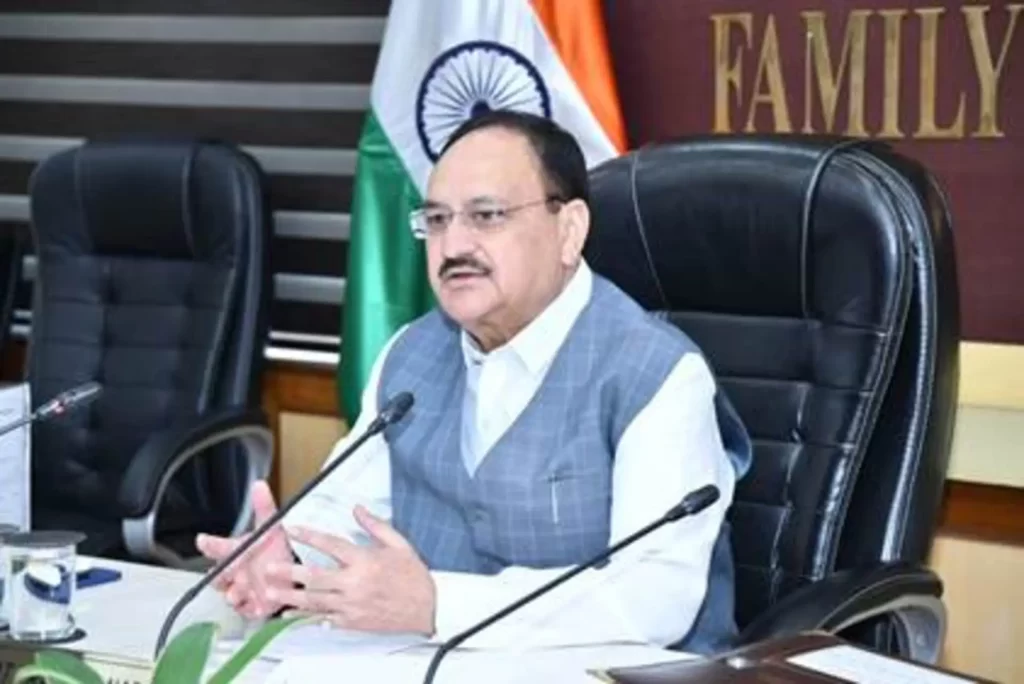
Speaking about the vision of GFRS 2025, Shri Nadda said: “The Summit will provide a unique platform for global regulators to share perspectives, harmonize standards, strengthen risk assessment capacities, and explore new areas of technological advancement in food safety. The objective is to protect consumer health and foster fair trade, innovation, and sustainable food systems that benefit all.”
He concluded his address by wishing FSSAI a successful and fruitful summit.
The Summit will also see the unveiling of the ‘Eat Right Thali’ book, a significant initiative by FSSAI celebrating India’s diverse culinary heritage and balanced diets. The book showcases traditional thalis from all states, with each thali reflecting local ingredients, cooking practices, and age-old dietary wisdom, offering balance and variety. Aligned with Hon’ble Prime Minister Shri Narendra Modi’s call, it highlights traditional diets as a tool against obesity and lifestyle diseases. This compilation is both a cultural tribute and a guide to preventive health through mindful, indigenous eating.
The Global Food Regulators Summit 2025 will feature a diverse range of activities including keynote addresses by international organizations and scientists, technical and plenary sessions with food regulators, interactive sessions with national and international stakeholders and bilateral and multilateral meetings to address current and emerging challenges. The Summit will provide opportunities for knowledge exchange and development of harmonized approaches to food safety. The Summit's architecture is structured around eight inter-connected plenary sessions, complemented by high-level parallel conclaves, reflecting the forward-looking aspects of food safety regulation.
The Global Food Regulators Summit 2025 marks the third consecutive edition of the event hosted by FSSAI. Building on the success of the last two summits, FSSAI has firmly positioned India as a hub for global food safety initiatives and regulatory dialogue. The Summit brings together the collective efforts of ministries, international organizations including WHO, Codex, FAO, and EFSA, along with national stakeholders and research institutes, thereby creating a robust ecosystem for innovation, regulatory harmonization, and capacity building in food safety. With the active participation of international experts and organizations, GFRS has established itself as a unique global forum where regulators, scientists, policymakers, and stakeholders converge to chart pathways for safer, more resilient, and inclusive food systems worldwide.
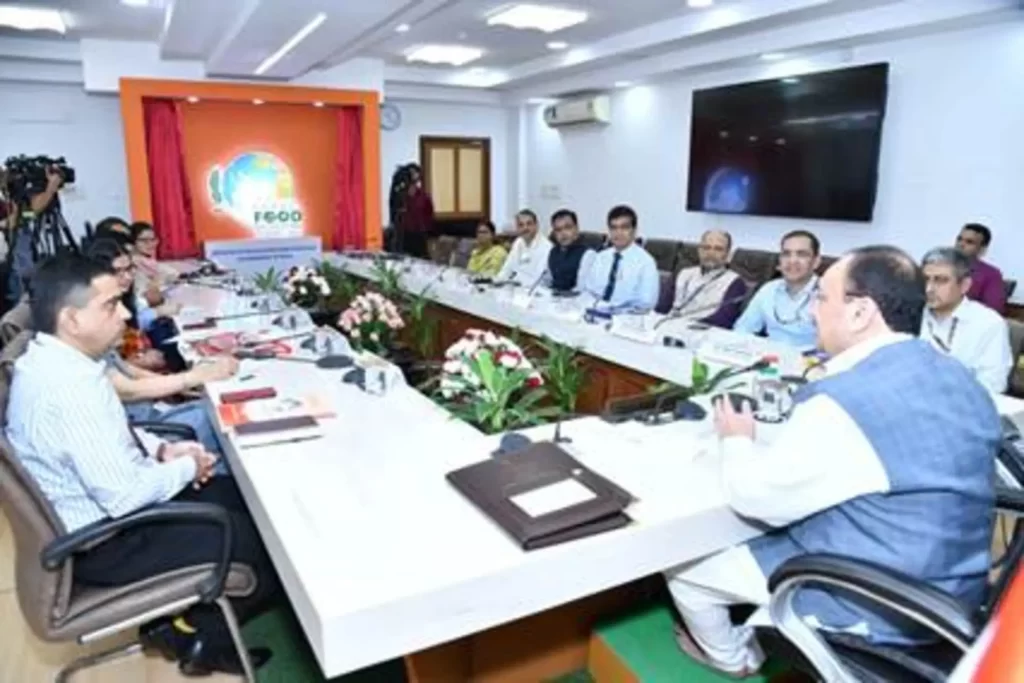
Shri Rajit Punhani, CEO, FSSAI; Shri Uma Shankar Dhyani, Executive Director (HR), FSSAI; Shri Nikhil Gajraj, Joint Secretary, MoHFW and senior officials of FSSAI and MoHFW were present at the event.
The Indian Pharmacopoeia Commission (IPC), functioning as the National Coordination Centre for the Pharmacovigilance Programme of India (NCC-PvPI), inaugurated the 5th National Pharmacovigilance Week (NPW) at the Bharat Mandapam Convention Centre, New Delhi. National Pharmacovigilance Week is being observed from 17th–23rd September 2025 under the theme “Your Safety, Just a Click Away: Report to PvPI”. The week-long campaign aims to sensitize healthcare professionals, regulators, researchers, and the public to actively report adverse drug reactions (ADRs) through simplified digital platforms.
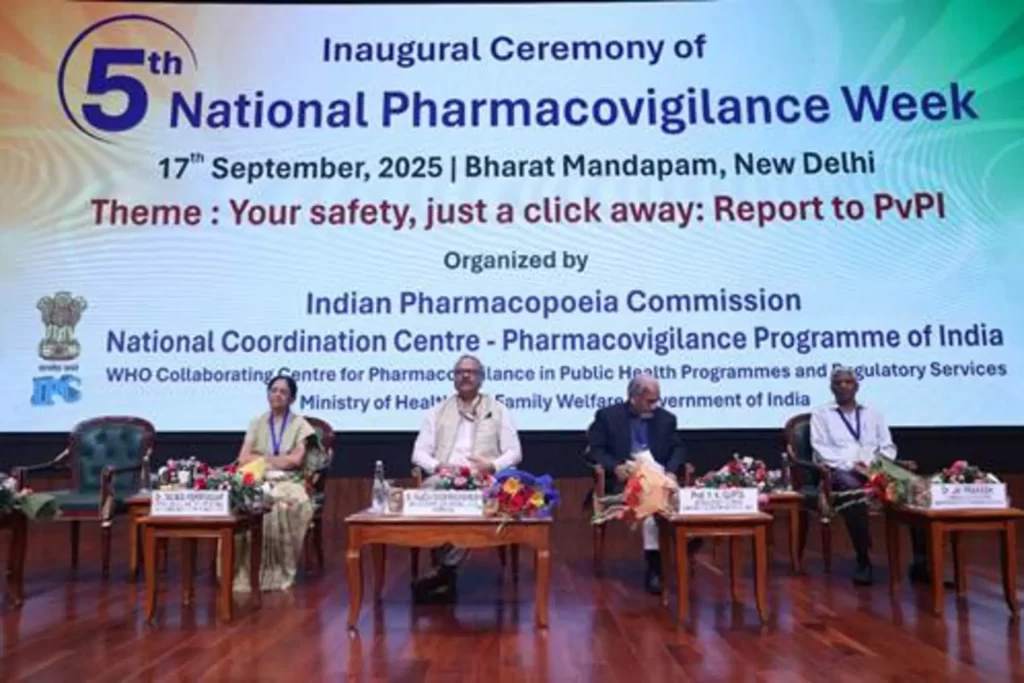
Delivering the keynote address, Dr. Rajeev Singh Raghuvanshi, Drugs Controller General of India (DCGI), highlighted the growing role of pharmacovigilance in safeguarding patient health. “Initiation of National Pharmacovigilance Week in the journey of Pharmacovigilance in the country has changed the course of Pharmacovigilance” Dr. Raghuvanshi said while addressing the gathering. “With the number of reporting, we ranked among the top contributors globally in reporting adverse events”, he added.
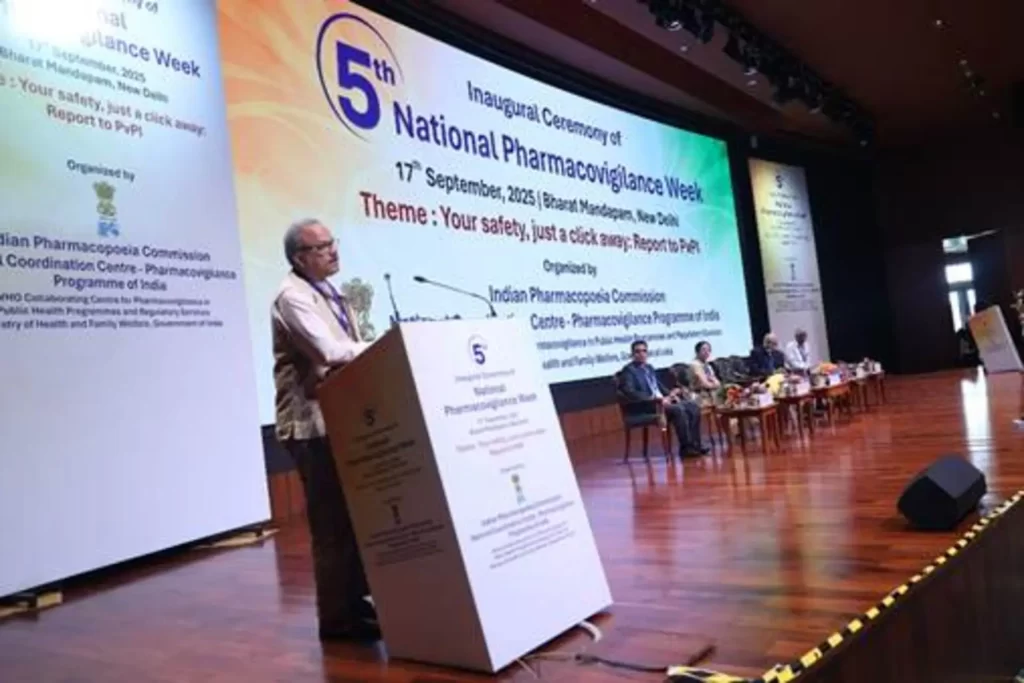
Highlighting the significance of Pharmacovigilance, Dr. Rajeev Singh Raghuvanshi emphasized that ‘since the inception of the programme, the majority of reports have come from healthcare professionals, whereas meaningful impact can only be achieved when patients themselves actively participate in reporting’. He further added that, despite the availability of significant data for analysis, its optimum utilisation in strengthening Pharmacovigilance is still lacking.
Furthermore, he also stated that “the content of Pharmacovigilance needs to be changed as the context has changed in the country. It is now that pharmacovigilance has got a strong base and policies are being designed and regulated”
He also emphasized that, ‘We need to develop a culture of curiosity within organisation, not the culture of apprehension, for better results.” “What is needed is the smart integration of technology and innovative approaches to drive differential thinking.” he further added.
Underlining the strides made in the direction of Pharmacovigilance, Dr. Raghuvanshi stated that, “We have been successful in bringing IPC and IP at the highest agenda of this country.”
On this occasion, IPC unveiled a series of new initiatives, including the launch of a short film on PvPI, a pharmacovigilance comic published in multiple vernacular languages to enhance public awareness, and a new online reporting platform designed for easy access through a QR code.
As part of the event, Dr. Rajeev Singh Raghuvanshi also presented awards to recognize outstanding contributions in the field of pharmacovigilance. The PvPI – Patient Safety Excellence Award was conferred upon the ADR Monitoring Centre at Mahamana Pandit Madan Mohan Malviya Cancer Centre, Varanasi, for its exemplary efforts in preventing adverse drug reactions (ADRs). Additionally, the PvPI – Patient Connect Award was presented to Mr. Delli Kumar T. from Vikruthamala, Chittoor District, Andhra Pradesh, for his active role and commitment in ADR reporting, underscoring the crucial role of patient participation in strengthening pharmacovigilance.
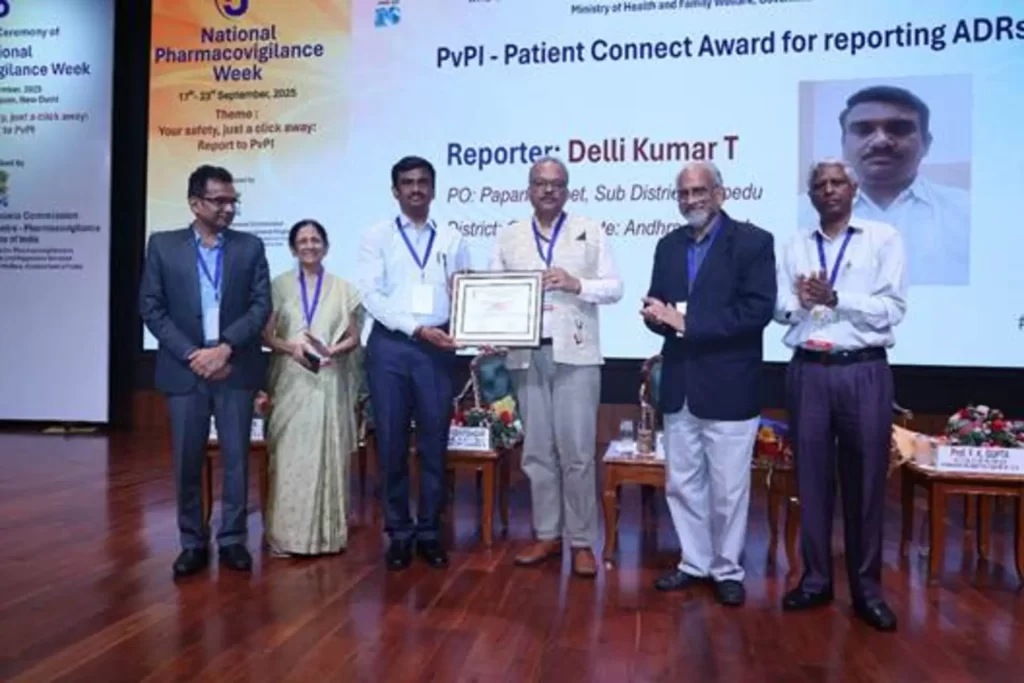
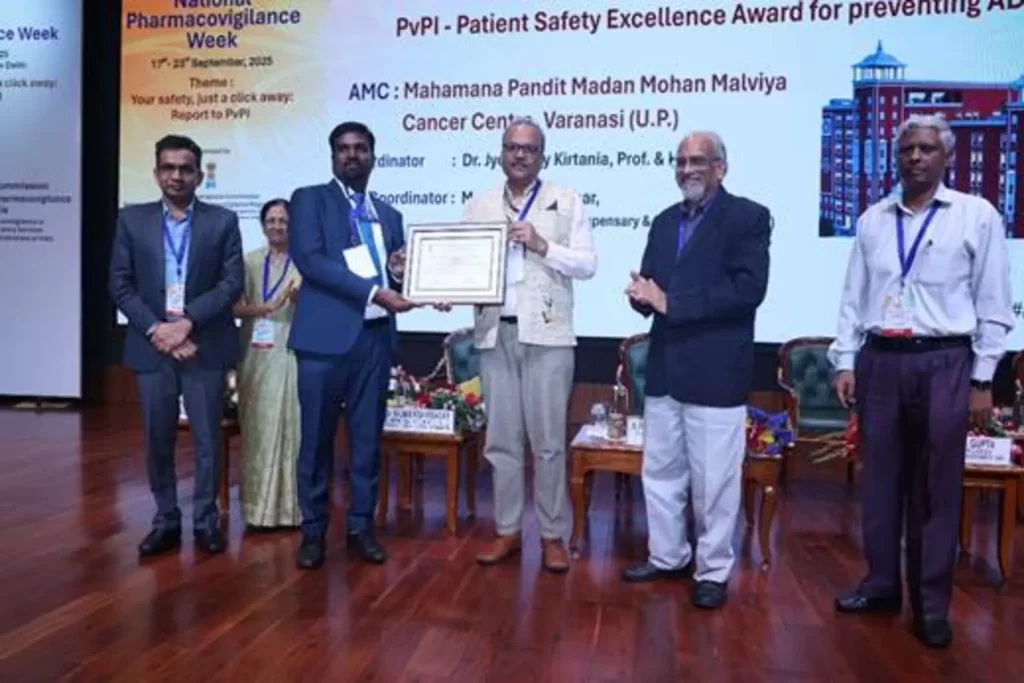
Dr. V. Kalaiselvan, Secretary-cum-Scientific Director, IPC, Prof. Y. K. Gupta, National Scientific Advisor, Pharmacovigilance Programme of India(PvPI), Dr. Nilima Kshirsagar, Former National Chair – ICMR, Government. of India & VC, MUHS, Government of Maharashtra and Dr. Jai Prakash, Senior Principal Scientific Officer & Officer-in-Charge PvPI – IPC were present at the occasion.
Prime Minister Shri Narendra Modi launched the ‘Swasth Nari, Sashakt Parivar’ (SNSP) Abhiyaan along with the 8th Rashtriya Poshan Maah, in Dhar, Madhya Pradesh today. Dr Mohan Yadav, Chief Minister, Madhya Pradesh, was also present.
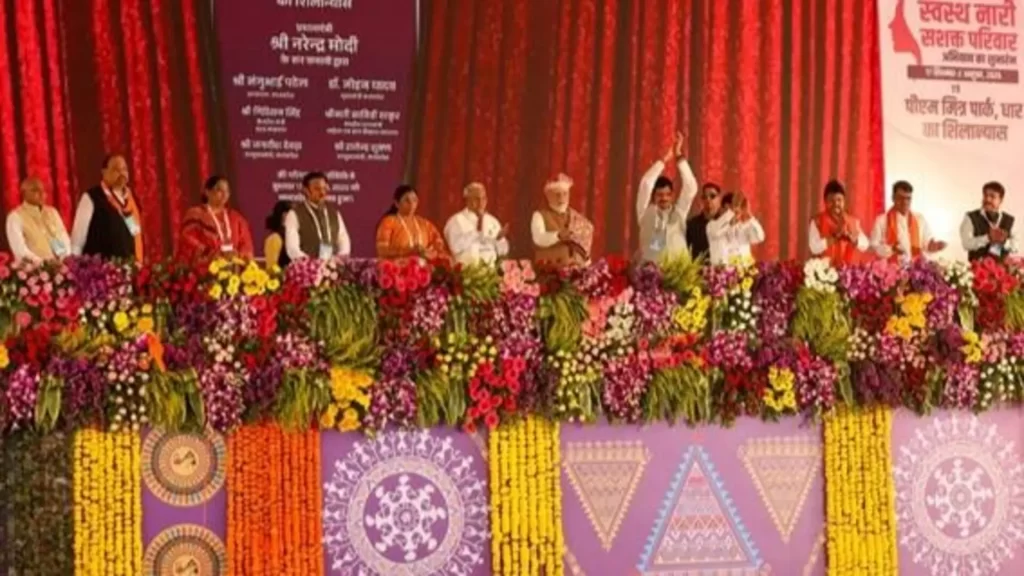
Union Health Minister, Shri Jagat Prakash Nadda joined the event from Haryana where he inaugurated multiple health camps in the presence of Chief Minister, Haryana, Shri Nayab Singh Saini and Smt. Arti Singh Rao, Health Minister, Haryana, while Union Ministers of State for Health, Shri Prataprao Jadhav joined the occasion from the Yashwantrao Chavan Center in Mumbai and Smt. Anupriya Patel attended the event from the Delhi Secretariat in the presence of Delhi Chief Minister Smt. Rekha Gupta.
The Swasth Nari Sashakt Parivar Abhiyaan marks the largest ever health outreach for women and children in India. The initiative, jointly led by the Ministry of Health & Family Welfare (MoHFW) and the Ministry of Women & Child Development (MoWCD), will involve organising more than 10 lakh health camps from 17th September to 2nd October at Ayushman Arogya Mandirs, Community Health Centres (CHCs), District Hospitals and other government health facilities across the country to provide women-centric preventive, promotive, and curative health services at the community level. It will strengthen screening, early detection, and treatment linkages for non-communicable diseases, anaemia, tuberculosis, and sickle cell disease, while also promoting maternal, child, and adolescent health through antenatal care, immunisation, nutrition, menstrual hygiene, lifestyle and mental health awareness activities. At the same time, the campaign will mobilise communities towards healthy lifestyle practices with a special emphasis on obesity prevention, improved nutrition, and voluntary blood donation.
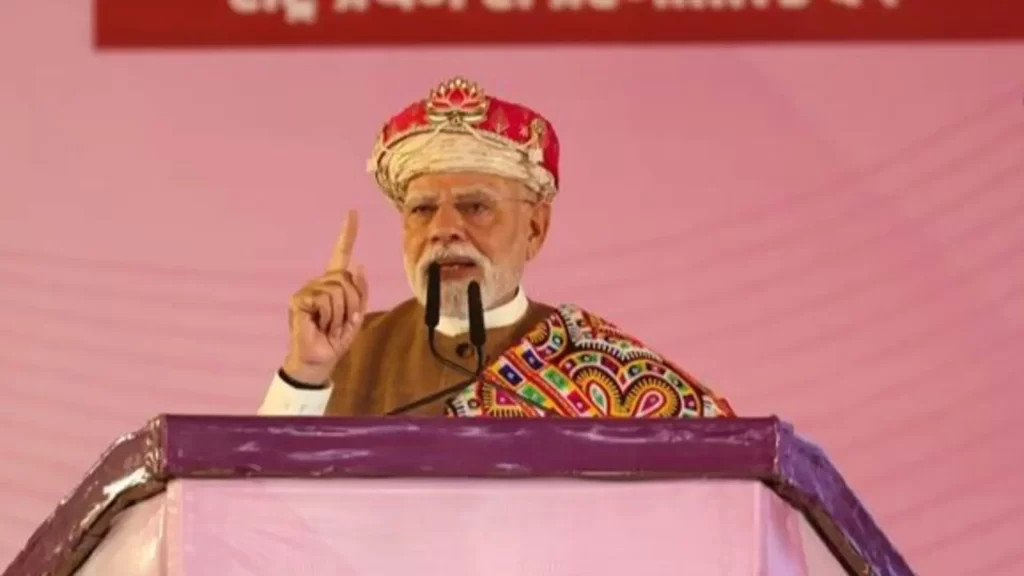
In his address, the Prime Minister stated that “Our mothers and sisters, our Nari Shakti, are the main Aadhar of our Rashtra Pragati (National Development). If a mother is healthy, the whole family stays healthy. A mother's health impacts the whole family. Therefore, this campaign is dedicated to mothers and sisters and for their healthy future.”
The Prime Minister noted that “Nari Shakti” is a key pillar of Viksit Bharat and Swasth Nari Sashakt Parivar is a “Maha Abhiyaan” towards bringing about women-led development. He underlined that the goal is to ensure that no woman falls victim to a serious illness due to lack of knowledge or resources. “Early diagnosis for diseases like hypertension, diabetes, anaemia, or cancer is necessary as they can become fatal later and therefore will be available during this campaign”, he stated.
PM urged women to make time for their health and avail the facilities in the health camps without any apprehension. Noting that sickle cell anaemia is a pertinent issue in the tribal regions of the country, he particularly appealed to tribal women to take advantage of the benefits available during the campaign period. He also stated that all tests and medicines in the health centres will be available free of cost. “Our resolve is that no mother or daughter should be left behind. Those who require further treatment can avail the protective cover (Suraksha Kavach) provided by the Ayushman cards”, he further stated.
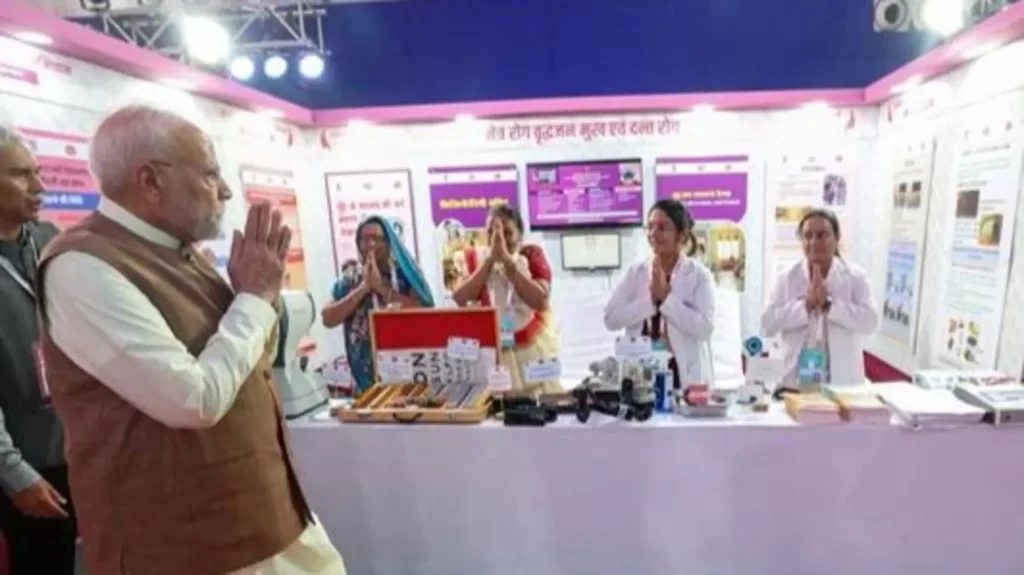
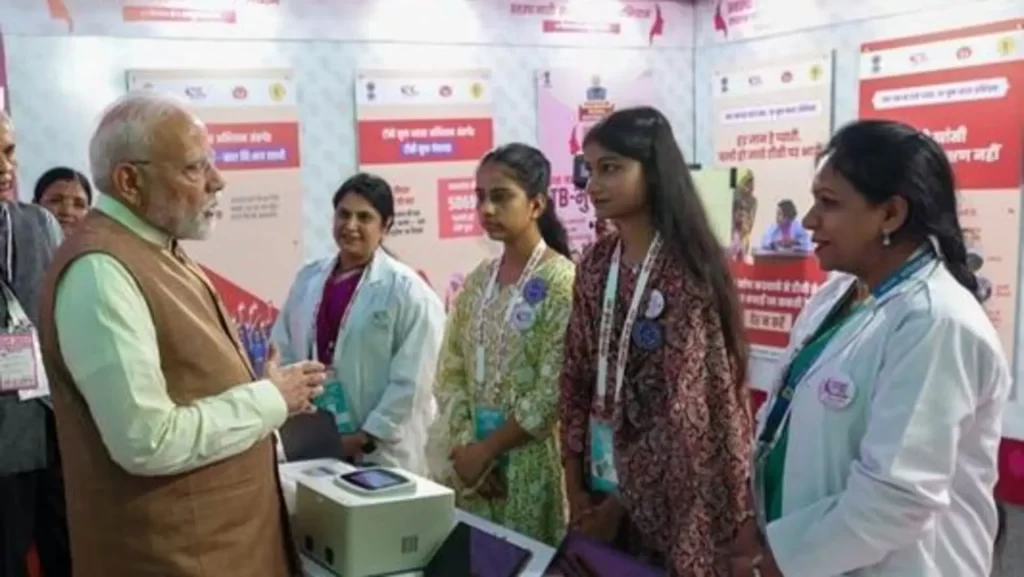
Referring to the various schemes launched by the government, Prime Minister underlined that “our commitment is towards making the lives of women easier and improving their health.” He also said that, “on our journey towards becoming a Viksit Bharat, we are working with the objective of a decline in MMR and IMR. With this objective, the Pradhan Mantri Matru Vandana Yojana was launched in 2017. More than 4.5 crore pregnant women have benefited from the scheme. In total, more than ₹19,000 crore has been transferred to the bank accounts of women.”
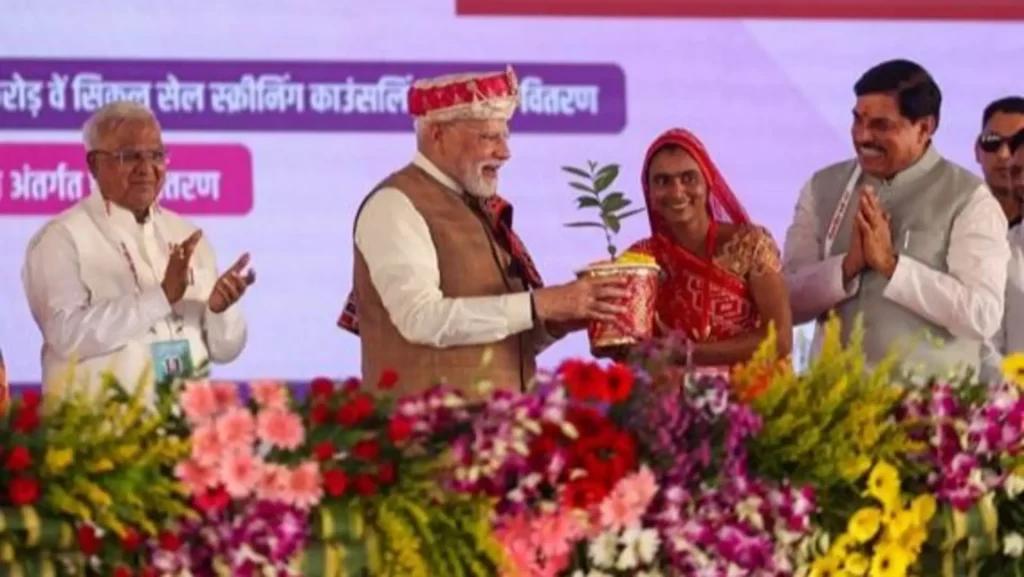
The Prime Minister also handed over the one croreth sickle cell card during the occasion. Highlighting that the government is running a national mission for its elimination, he stated that lakhs of tribal lives have been saved due to Sickle Cell screening. He also informed that more than 5 crore people have been screened under the National Sickle Cell Anaemia Mission, which was launched in Shahdol, Madhya Pradesh.
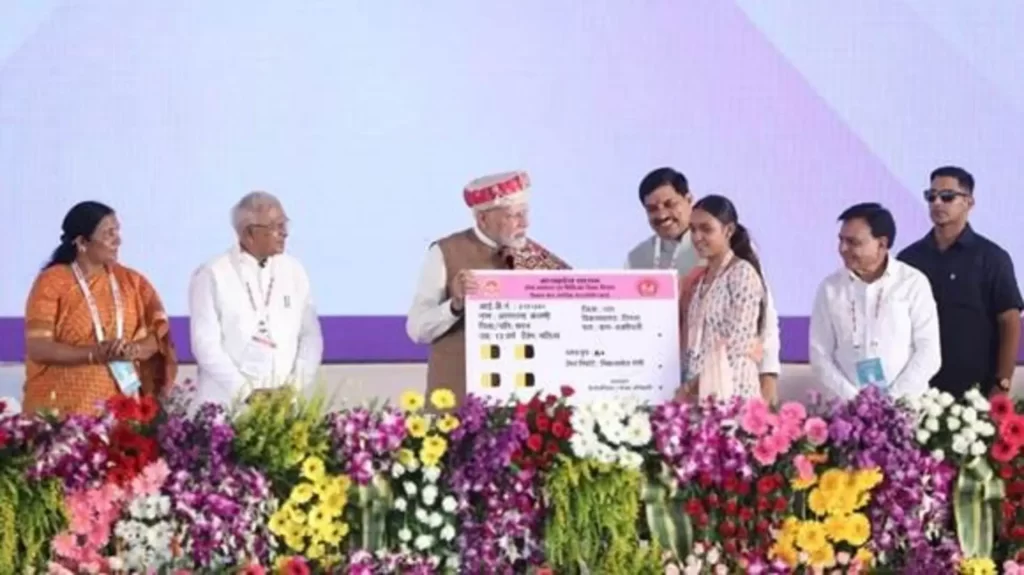
Dr Mohan Yadav stated that the last 11 years have witnessed a historic transformation in the country and thanked Hon’ble Prime Minister for choosing the tribal region of Dhar for launching the various initiatives today.
Background:
The campaign is being organized from 17th September to 2nd October 2025 at Ayushman Arogya Mandirs, Community Health Centres (CHCs), District Hospitals and other government health facilities across the country. More than ten lakh health camps will be organized, making this the largest ever health outreach for women and children in the country. Daily health camps will be held in all government health facilities nationwide.
Launch event of SNSP Abhiyaan was organised across the country today. Hon’ble Chief Ministers and Governors of various states graced the event in their respective regions.
Public representatives including Central and State Ministers, MPs and other public representatives have joined the campaign. ASHAs, ANMs, Anganwadi workers, SHGs, PRIs, urban local bodies, MY Bharat volunteers, and youth groups are spearheading community mobilisation at grassroots level.
Key Health Services
Specialist services including Gynaecology, Paediatrics, Eye, ENT, Dental, Dermatology, and Psychiatry will be mobilized through Medical Colleges, District Hospitals, Central Government institutions, and private hospitals.
Central Government institutions such as AIIMS, Defence and Railway hospitals, ESIC hospitals, CGHS centres and Institutes of National Importance (INIs) will complement these efforts, ensuring specialist services and continuity of care reach to the last mile. Several private sector health facilities have also offered to support the initiative. This is expected to expand the scale, quality and outreach the initiative.