
The fifth meeting of the Emergency Committee on the mpox upsurge, convened by WHO’s Director-General under the International Health Regulations (IHR), will be held on Thursday, 4 September 2025.
Following the meeting, the Emergency Committee will advise WHO’s Director-General whether the mpox upsurge still constitutes a public health emergency of international concern (PHEIC). The Emergency Committee will also review the temporary recommendations issued to WHO and its Member States.
The decision of the Director-General following the advice of the Emergency Committee will be shared afterwards. The committee’s statement, once issued, will also be shared with the media.
This IHR Emergency Committee held its first meeting on 14 August 2024. On the same day, the Director-General determined the event to constitute a PHEIC.
The list of members of the Emergency Committee and its previous statements are available here.
Useful links:
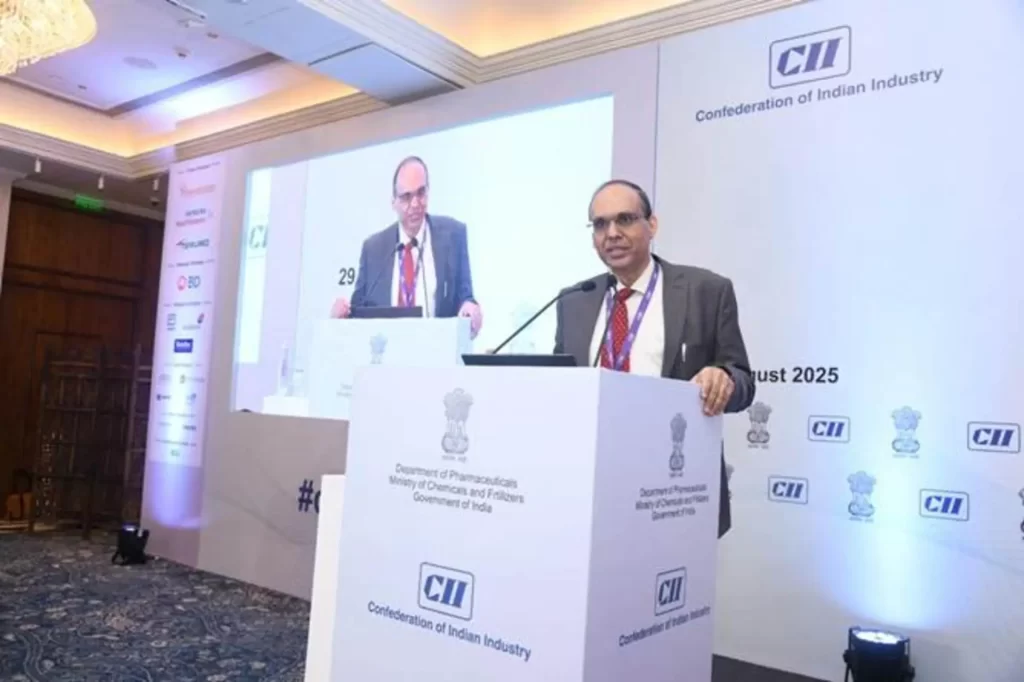
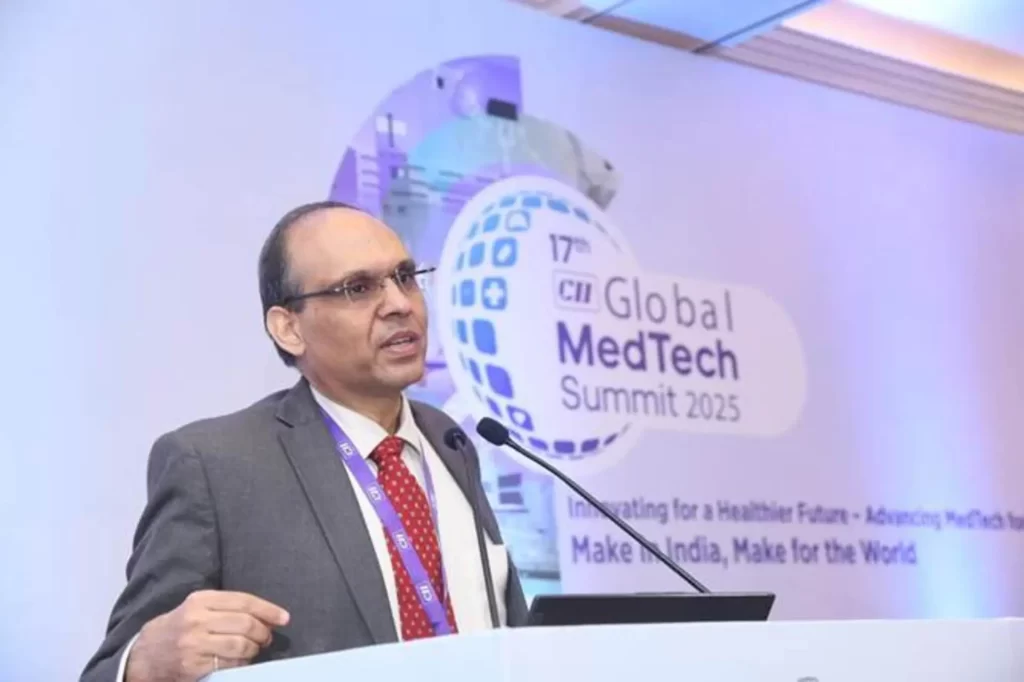
Shri Amit Agrawal, Secretary, Department of Pharmaceuticals, highlighted India’s transformation into an emerging hub for medical technology at the 17th CII Global MedTech Summit, themed “Innovating for a Healthier Future – Advancing MedTech for Global Impact: Make in India, Make for the World”, in New Delhi.
Addressing medical technology stakeholders at its opening plenary, Shri Agrawal stated that with India being home to the world’s largest population and a rapidly growing economy, the domestic demand for affordable and innovative healthcare solutions is set to grow sustainably at double-digit rates of growth over the coming decades. He emphasized that the MedTech sector’s core mission must remain centered on patient well-being and on developing high-quality, cost-effective medical devices for both domestic and global markets.
Shri Agrawal noted that, post-COVID, India has successfully crossed a significant milestone in domestic manufacturing of advanced equipment, including MRI and CT scan machines, mammography units, ventilators, stents, heart valves, dialysis machines and a range of implant devices. He stated: “Products that seemed impossible for local production a decade ago are now manufactured in India, demonstrating the country’s growing capabilities and innovation ecosystem.”
Highlighting Government’s support for the sector, the Secretary referred to the three upcoming dedicated medical device parks expected to be functional in the coming year, support planned for their continued infrastructure upgrade and the Production Linked Incentive (PLI) Scheme for Medical Devices as major policy steps propelling the industry forward. Shri Agrawal called for deep collaboration among innovators, entrepreneurs and investors to accelerate the journey of new ideas from laboratory to market, thereby strengthening India’s global competitiveness.
Expanding medical device park facilities, targeted policy initiatives like the PLI scheme and the Marginal Investment Scheme for backward integration, and the soon-to-be launched ₹5,000 crore Promotion of Research and Innovation in Pharma MedTech Sector (PRIP) Scheme would result in enhancing Indian MedTech sector’s cost - competitiveness and production efficiency, deepening of the domestic value chain and creation of a strong innovation ecosystem. The Secretary said that these will enable India to not only meet its own requirements but also offer affordable innovative healthcare solutions to the global North and South alike.
“Countries worldwide now look to India not only as a market, but as a leader in healthcare innovation. We must believe in our own capabilities and intensify industry-government partnership to realize the full potential of the MedTech sector,” said Shri Agrawal. He stated that with ongoing economic reforms and international trade agreements, the sector will generate millions of new jobs while helping ensure accessible, high-quality healthcare for all.
He concluded by inviting all stakeholders to contribute to shaping India’s MedTech vision and called for collaborative and concerted efforts across the value chain — in partnership with all stakeholders — to realize India’s vision of Viksit Bharat 2047.
Basel, 30 August 2025 - Roche (SIX: RO, ROG; OTCQX: RHHBY) and Alnylam (Nasdaq: ALNY) today announced the decision to initiate a Phase III cardiovascular outcomes trial (CVOT) to evaluate the ability of zilebesiran, a RNAi therapeutic, to reduce the risk of major adverse cardiovascular events in patients with uncontrolled hypertension. This decision was informed by the comprehensive KARDIA Phase II programme, including KARDIA 1, KARDIA 2 and the most recent KARDIA-3 study evaluating the efficacy and safety of zilebesiran in patients with uncontrolled hypertension and high cardiovascular (CV) risk, on two to four standard of care antihypertensives. In particular, KARDIA-3 aimed to define the patient population to be investigated in the Phase III CV outcomes trial.
Results of KARDIA-3 showed that a single dose of zilebesiran (300 mg every six months, subcutaneous injection) resulted in clinically meaningful placebo-adjusted reductions of office systolic blood pressure (SBP) in all comers at the month three primary endpoint (-5.0 mmHg; p=0.0431) with sustained benefits out to month six (-3.9 mmHg; 95% CI: [-8.5, 0.7]). There were no additional benefits of the 600 mg dose at month three (-3.3 mmHg; p=0.1830) or month six (-3.6 mmHg; 95% CI: [-8.2, 1.0]). The overall KARDIA-3 study did not meet the pre-specified definition for statistical significance, because of a multiplicity statistical testing approach. However, the study met the aim of identifying the patient population that could potentially benefit the most from zilebesiran and also showed encouraging safety and clinically meaningful placebo adjusted reductions in blood pressure.
As observed in the KARDIA-2 Phase II study, the KARDIA-3 results support a robust benefit of combining zilebesiran with a diuretic, a commonly used antihypertensive. In an analysis of patients that were on diuretics and had a baseline BP >140 mm Hg, the placebo-adjusted reduction was -9.2mmHg; (-17.3, -1.2) at month three and -8.3mmHg (-16.4, -0.2) at month six. A precedent for enhanced blood pressure reduction conferred by this type of combination is established in both literature and clinical practice.
“Zilebesiran has the potential to become a best-in-disease treatment for many patients with uncontrolled hypertension. Its blood pressure-lowering effects and twice-yearly dosing could reduce the risk of serious health complications and death,” said Levi Garraway, MD, PhD, Roche’s chief medical officer and head of Global Product Development. “Detailed analysis of our comprehensive Phase II clinical trials have informed our decision to move zilbesiran into Phase III. Despite current treatment options, up to 80% of people with hypertension do not achieve adequate blood pressure control putting them at higher risk of cardiovascular events. Therefore, additional treatment options are needed."
Zilebesiran also demonstrated encouraging safety in patients with comorbidities on multiple background therapies – more than 90% of whom were receiving treatment with an ACE inhibitor or an Angiotensin Receptor Blocker (ARB). These findings reinforce confidence in zilebesiran’s ability to be combined with standard of care antihypertensives.
As a result, the ZENITH (ZilebEsiraN CardIovascular OuTcome Study in Hypertension) Phase III trial has been submitted to global regulators and is expected to be initiated by the end of 2025. ZENITH will be a CVOT enrolling approximately 11,000 patients and evaluating zilebesiran (300 mg) every six months compared to placebo in patients with uncontrolled hypertension with either established CV disease or at high risk for CV disease on two or more antihypertensives, one being a diuretic.
Hypertension is the primary cause of and number one modifiable risk factor for cardiovascular disease. An estimated one in three adults, over 1,2 billion people worldwide, have hypertension and despite the wide availability of antihypertensives, up to 80% of them do not achieve adequate blood pressure control. Poor adherence to daily oral therapies is an important contributor to poor blood pressure control and CV outcomes. An effective long-acting therapy that provides continuous control of blood pressure may help to reduce the burden of uncontrolled hypertension.
With its growing cardiometabolic portfolio and strong diagnostic expertise, Roche is advancing transformative standards of care to improve the lives of people living with cardiometabolic diseases as well as reducing the significant burden on healthcare systems and society.
About the KARDIA-3 study
KARDIA-3 (NCT06272487), the third phase II study in the KARDIA programme, included two Cohorts (A and B). Cohort A assessed zilebesiran in patients with eGFR ≥ 45 mL/min/1.73m2, while Cohort B included patients with advanced kidney dysfunction (i.e., eGFR between 30 and <45 mL/min/1.73m2). Cohort A enrolled 270 patients who were randomised to treatment with zilebesiran (300 mg or 600 mg) or placebo. Randomisation was stratified by background diuretic use, baseline blood pressure, and race. The primary endpoint was change in office SBP at month three. Key secondary endpoints were changes in office SBP at month six and change in 24-hour mean ambulatory SBP at months three and six.
At baseline, 144 (53.3%), 96 (35.6%) and 30 (11.1%) patients were on two, three, or over three antihypertensives, respectively, with ~91% of patients taking ACE inhibitors/ARBs, ~66% of patients taking a diuretic, and ~58% of patients taking calcium channel blockers. The mean baseline office and 24-hour mean ambulatory SBP were 143.6 mmHg and 142.4 mmHg, respectively (N= 270).
KARDIA-3 Cohort A Primary Results (Placebo-Adjusted Changes from Baseline):
| Cohort A Study population | Endpoint | Month three change (censored)* † | Month six change (all collected) ** † |
| Overall study population (N=270) | Office SBP (300 mg) | -5.0 (-9.9, -0.2)p=0.0431 | -3.9 (-8.5, 0.7) |
| 24-Hour Mean Ambulatory SBP (300 mg) | -3.6 (-7.7, 0.4) | -5.5 (-9.4, -1.5) | |
| Subgroup (N=110)(Diuretics and with baseline SBP≥140mmHg) *** | Office SBP (300 mg) | -9.2 (-17.3, -1.2) | -8.3 (-16.4, -0.2) |
| 24-Hour Mean Ambulatory SBP (300 mg) | -6.8 (-13.9, -0.2) | -6.6 (-13.3, -0.0) | |
| *** Post hoc Analysis | *Censored analysis excludes patients who intensified antihypertensive use within two weeks of visits at month three**All collected analysis includes all available patient data, regardless of medication changes, through visits at month six The statistical testing procedure, The Hochberg Method, was used for multiplicity control, requiring both doses to have a p<0.05 or one dose to have a p<0.025 to be considered statistically significant. As the primary endpoint was not significant, statistical significance could not be claimed for secondary endpoints.†The placebo adjusted SBP changes are shown as LS mean (95% CI) | ||
In summary, in the Cohort A overall study population, zilebesiran 300 mg achieved clinically meaningful reductions in office SBP at month three, with sustained benefits out to month six, compared to placebo. No incremental SBP reductions were observed with zilebesiran 600 mg at months three or six. Post-hoc analyses suggest that a greater blood pressure-lowering effect with zilebesiran was observed in patients on diuretic therapy and uncontrolled hypertension at baseline (with office SBP ≥140). Reductions in blood pressure were sustained over six months, and the entire 24-hour period. Incremental reductions were also observed at nighttime, a period during which blood pressure elevation is a strong predictor of cardiovascular risk.
Consistent with prior studies, zilebesiran demonstrated an encouraging safety profile when added to two or more background antihypertensives (over 90% of whom were receiving treatment with an ACE inhibitor or an ARB). Most adverse events were mild or moderate, non-serious, and transient with few requiring intervention; rates of hyperkalaemia, kidney dysfunction and hypotension were low. Across study arms, serious adverse events were observed in 3.8% and 4.5% in zilebesiran and placebo-treated patients, respectively. No deaths were reported during the six-month double-blind period.
Results from KARDIA-3 Cohort B are expected to be presented at an upcoming medical meeting.
About the ZENITH CVOT
The global phase III ZENITH CVOT is an event-driven study that will enroll approximately 11,000 patients in over 30 countries to evaluate zilebesiran 300 mg in patients with uncontrolled hypertension, despite the use of at least two standard of care antihypertensives (one being a diuretic), and with either established cardiovascular disease (CVD) or at high risk for CVD. The primary objective will be to assess the impact of zilebesiran on reducing the risk of CV death, nonfatal myocardial infarction (MI), nonfatal stroke, or heart failure (HF) events (hospitalisation for HF or urgent HF visit), compared to placebo.
About Zilebesiran
Zilebesiran is an investigational, subcutaneously administered RNAi therapeutic in development for the treatment of hypertension to reduce cardiovascular risk in high unmet need populations. Zilebesiran targets angiotensinogen (AGT), the most upstream precursor in the Renin-Angiotensin-Aldosterone System (RAAS), a cascade which has a role in blood pressure (BP) regulation. Zilebesiran inhibits the synthesis of AGT in the liver, potentially leading to durable reductions in AGT protein, and ultimately, in the vasoconstrictor angiotensin (Ang) II. Zilebesiran utilizes Alnylam’s Enhanced Stabilization Chemistry Plus (ESC+) GalNAc-conjugate technology, which enables infrequent biannual subcutaneous dosing and increased selectivity. Zilebesiran has demonstrated the ability to provide continuous control of blood pressure with biannual dosing in patients with mild-to-moderate hypertension as a monotherapy and in combination with standard-of-care antihypertensives, as well as in patients with high cardiovascular risk and uncontrolled hypertension despite the use of multiple background therapies. The safety and efficacy of zilebesiran have not been established or evaluated by the FDA, EMA or any other health authority. Zilebesiran is being co-developed and co-commercialized by Alnylam and Roche.
Zilebesiran Phase II clinical development overview:
| Study | Overview of protocol |
| KARDIA-1 [NCT04936035] | Evaluated zilebesiran monotherapy in people with mild to moderate hypertension. Met primary endpoint of the study demonstrating a clinically significant reduction of systolic blood pressure at three months of treatment compared with placebo (>15 mmHg reduction of 24h mean Systolic Blood Pressure (SBP) at 3 months vs. placebo at two highest doses (300mg, 600mg), p<0.0001). |
| KARDIA-2 [NCT05103332] | Evaluated zilebesiran when added to a standard of care hypertension medication in people with mild to moderate hypertension. Met primary endpoint demonstrating that zilebesiran resulted in clinically and statistically significant additive, placebo-adjusted reductions in 24-hour mean systolic blood pressure (SBP) of up to 12.1 mmHg at month three (measured per ABPM). |
| KARDIA-3 [NCT06272487] | Evaluated zilebesiran when added to two to four hypertension medications in people with uncontrolled hypertension at high cardiovascular risk. Among individuals with CV disease or at high CV risk who have uncontrolled HTN, a single dose of zilebesiran 300 mg and 600 mg led to respective 5.0 mmHg and 3.3 mmHg reductions in office systolic BP at three months compared with placebo, although statistical significance was not reached. |
About Cardiovascular Disease and Hypertension
Cardiovascular disease (CVD) is a global health crisis and a leading cause of death worldwide, responsible for approximately 20 million deaths annually.1,2 Hypertension is the primary cause of and number one modifiable risk factor for CVD.3 An estimated 1 in 3 adults worldwide have hypertension, and, despite wide availability of antihypertensives, up to 80% of all patients, and up to a third of treated patients, do not reach and maintain blood pressure (BP) targets.4 Even when blood pressure appears well managed, continuous control of BP may remain suboptimal, leading to variability in BP during the 24-hour period and in the long-term, putting patients at greater risk of cardiovascular events and end organ damage.5-11 These patients require novel approaches that not only reduce BP, but also lower overall cardiovascular risk.
About RNAi
RNAi (RNA interference) is a natural cellular process of gene silencing that represents one of the most promising and rapidly advancing frontiers in biology and drug development today.12 Its discovery has been heralded as “a major scientific breakthrough that happens once every decade or so,” and was recognized with the award of the 2006 Nobel Prize for Physiology or Medicine.13 By harnessing the natural biological process of RNAi occurring in our cells, a new class of medicines known as RNAi therapeutics is now a reality. Small interfering RNA (siRNA), the molecules that mediate RNAi and comprise Alnylam’s RNAi therapeutic platform, function upstream of today’s medicines by potently silencing messenger RNA (mRNA) – the genetic precursors – that encode for disease-causing or disease pathway proteins, thus preventing them from being made.12 This is a revolutionary approach with the potential to transform the care of patients with genetic and other diseases.
About Roche
Founded in 1896 in Basel, Switzerland, as one of the first industrial manufacturers of branded medicines, Roche has grown into the world’s largest biotechnology company and the global leader in in-vitro diagnostics. The company pursues scientific excellence to discover and develop medicines and diagnostics for improving and saving the lives of people around the world. We are a pioneer in personalised healthcare and want to further transform how healthcare is delivered to have an even greater impact. To provide the best care for each person we partner with many stakeholders and combine our strengths in Diagnostics and Pharma with data insights from the clinical practice.
For over 125 years, sustainability has been an integral part of Roche’s business. As a science-driven company, our greatest contribution to society is developing innovative medicines and diagnostics that help people live healthier lives. Roche is committed to the Science Based Targets initiative and the Sustainable Markets Initiative to achieve net zero by 2045.
Genentech, in the United States, is a wholly owned member of the Roche Group. Roche is the majority shareholder in Chugai Pharmaceutical, Japan.
For more information, please visit www.roche.com.
All trademarks used or mentioned in this release are protected by law.
References
[1] GBD 2021 Causes of Death Collaborators. Lancet. 2024;403:2100-2132.
[2] Lindstrom M, DeCleene N, Dorsey H, et al. J Am Coll Cardiol. 2022;80:2372-2425.
[3] Yusuf S, Joseph P, Rangarajan S, et al. Lancet. 2020;395:795-808.
[4] NCD Risk Factor Collaboration (NCD-RisC). Lancet. 2021;398:957-980.
[5] Ebinger JE, Driver M, Ouyang D, et al. eClinicalMedicine. 2022;48:101442.
[6] Kario K. Prog Cardiovasc Dis. 2016;59:262-281.
[7] Doumas M, Tsioufis C, Fletcher R, et al. J Am Heart Assoc. 2017;6:e006093.
[8] Mezue K, Goyal A, Pressman GS, et al. J Clin Hypertens. 2018;20:1247-1252.
[9] Rothwell PM, Howard SC, Dolan E, et al. Lancet. 2010;375:895-905.
[10] Tatasciore A, Renda G, Zimarino M, et al. Hypertension. 2007;50:325-332.
[11] Mokadem ME, Boshra H, El Hady YA, et al. J Hum Hypertens. 2019;34:641-647.
[12] Elbashir SM, Harborth J, Lendeckel W, et al. Nature. 2001;411(6836):494-498.
[13] Zamore P. Cell. 2006;127(5):1083-1086.
Roche Global Media Relations
Phone: +41 61 688 8888 / e-mail: media.relations@roche.com
| Hans Trees, PhD Phone: +41 79 407 72 58 | Sileia Urech Phone: +41 79 935 81 48 |
| Nathalie Altermatt Phone: +41 79 771 05 25 | Lorena Corfas Phone: +41 79 568 24 95 |
| Simon Goldsborough Phone: +44 797 32 72 915 | Karsten Kleine Phone: +41 79 461 86 83 |
| Kirti Pandey Phone: +49 172 6367262 | Yvette Petillon Phone: +41 79 961 92 50 |
| Dr Rebekka Schnell Phone: +41 79 205 27 03 |
Roche Investor Relations
| Dr Bruno Eschli Phone: +41 61 68-75284 e-mail: bruno.eschli@roche.com | Dr Sabine Borngräber Phone: +41 61 68-88027 e-mail: sabine.borngraeber@roche.com |
| Dr Birgit Masjost Phone: +41 61 68-84814 e-mail: birgit.masjost@roche.com |
Investor Relations North America
| Loren Kalm Phone: +1 650 225 3217 e-mail: kalm.loren@gene.com |
Union Minister of Commerce and Industry, Shri Piyush Goyal today addressed the 17th CII Global MedTech Summit, where he urged the industry to have bold goals for growth and use the government’s Research Development and Innovation Scheme to meet the aspirations of a vibrant India. The Minister commended the Indian MedTech industry for its remarkable growth and resilience, particularly during the COVID-19 pandemic. He praised the sector's contribution to making India self-reliant in healthcare and urged it to become a global leader in providing affordable, high-quality medical devices.
Minister Goyal urged the MedTech industry to shift from being a market for imported goods to becoming a global manufacturing and innovation hub. He stated that we need to secure our supply chains and build for export markets. He emphasized the need for a strong focus on research and development (R&D) to produce affordable, high-quality medical devices for both domestic and international markets.
In his address, Minister Goyal noted that negotiations for a comprehensive Free Trade Agreement (FTA) with the EU, Mauritius, Oman, UAE, Peru and Chile are in advanced stages. We are also talking to the US for a Bilateral trade treaty. The Minister emphasized all these agreements will open up new agreements, new opportunities, new markets, new investment and usher in scale, quality and innovation.
The Minister detailed the Government's commitment to supporting this vision through various initiatives like the Production Linked Incentive (PLI) Scheme. Shri Goyal said the PLI scheme is a critical tool to boost domestic manufacturing of high-value medical devices and reduce reliance on imports. The Minister stated that the government is actively working to streamline the regulatory process to create a more business-friendly environment for MedTech companies, ensuring faster approvals without compromising on safety and quality. He pointed out towards the increased government funding and support for R&D in the MedTech sector to encourage greater collaboration between industry, academia, and research institutions.
The Minister issued a direct call to action, urging the industry to invest heavily in domestic manufacturing and R&D to produce next-generation medical devices in India. He also stressed the importance of skill development to build a talented workforce that can support the sector's ambitious growth plans. He called upon the sector to focus energies on preventive Healthcare and patient welfare.
Shri Goyal reiterated the core message of affordability and quality, stressing that MedTech innovations must be accessible to all segments of the population. He reinforced the government's commitment to supporting the MedTech sector's journey to provide high-quality, affordable healthcare solutions for India and the world.
The 17th CII Global MedTech Summit brought together policymakers, innovators, industry captains, researchers, and clinicians to discuss the theme "Innovating for a Healthier Future - Advancing MedTech for Global Impact". The event served as a platform to discuss India's aspirations and the world's expectations from the MedTech sector. This Special Plenary Session was focused on the theme "Make In India, Make for the World" , highlighting the shared mission of making Indian MedTech synonymous with trust, innovation, and global excellence.
Union Commerce and Industry Minister Shri Piyush Goyal today launched the curtain raiser for Bharat Buildcon 2026 in New Delhi, in the presence of industry leaders from across India.
Addressing the gathering, Shri Goyal said the Government is committed to ensuring that industry does not face unnecessary stress or difficulties arising from unilateral actions by some countries. He urged industry representatives to highlight sectors where alternate markets are required, assuring that the Commerce Ministry is reaching out to partners across the globe to open up new opportunities.
He emphasized that, alongside global outreach, boosting domestic consumption remains a priority. The upcoming GST Council meeting, he noted, is expected to provide measures that will quickly stimulate demand and give a strong boost to domestic manufacturing.
The Minister said the Government is focused on supporting industry so that no sector is left behind—whether in accessing international markets or strengthening domestic opportunities. He also encouraged active participation in Quality Control Orders (QCOs) to ensure India emerges as a trusted supplier of high-quality products.
Underscoring India’s rising global position, Shri Goyal asserted with confidence that this year’s exports will be higher than last year’s, reflecting the growing competitiveness and resilience of Indian industry.
Quoting Prime Minister Shri Narendra Modi’s consistent call since 2014 for “Zero Defect, Zero Effect” manufacturing, he recalled the Prime Minister’s Independence Day message that Indian products should be “Daam Kam, Dum Zyaada”—affordable yet powerful. Shri Goyal highlighted that infrastructure continues to be at the heart of national development.
Shri Goyal asserted that the capability of India is not being correctly understood by some experts and media. He pointed out that while certain analysts underestimate the nation’s potential, the resilience of Indian industry, the strength of its startups, and the confidence of its people tell a different story. India has successfully navigated challenges such as COVID-19 and even nuclear sanctions, and today it stands strong, ready to expand its share in global trade.
The Minister also drew attention to the acute housing shortage in Australia, where nearly 1 million homes are required. He invited Indian businesses, workers, and experts to seize this opportunity, stating that Australia is open to financial collaboration, technical expertise, and workforce support from India. Training and certification opportunities are also being offered so Indian professionals can meet Australian standards. “If we miss this opportunity, we will have only ourselves to blame,” he remarked, calling it a potential game-changer for India’s construction and financial sectors.
Shri Goyal further highlighted India’s expanding network of Free Trade Agreements (FTAs) with developed countries, including Australia, the UAE, Switzerland, Norway, Liechtenstein, Iceland, and the UK, with negotiations ongoing with the European Union and others. These agreements, he said, will further open global opportunities for Indian industries such as construction, steel, and allied sectors.
Shri Goyal further highlighted that several developed countries are eager to expand trade relations with India, noting that nations such as Qatar and the United Arab Emirates (UAE) have expressed keen interest in entering into Free Trade Agreements (FTAs) with India. He emphasised that such partnerships will not only provide a major boost to India’s export opportunities and global market integration but also complement the country’s efforts in scaling up its clean energy and manufacturing capabilities.
Congratulating the organizers for last year’s successful edition of Bharat Buildcon, Shri Goyal said it was remarkable that the program had achieved such success with minimal government involvement. He encouraged industry leaders to make Bharat Buildcon 2026 a self-sufficient, industry-led initiative, with government support as a backup if required.
The Minister suggested that the 2026 edition should not be limited to the capital but also be taken to other parts of the country to spread awareness of the sector’s potential. He urged organizers to ensure wide participation from all allied sectors, create a feedback mechanism for past participants, and involve international stakeholders to make the event a truly global platform.
He also highlighted the vast export potential in steel and iron ore, noting that India could export 50 million tonnes of steel annually, strengthening its export basket with high-quality, competitively priced products.
“Let us build infrastructure that binds India together,” Shri Goyal said, concluding that Bharat Buildcon 2026 will showcase India’s strength, innovation, resilience, and competitiveness as the country marches towards Viksit Bharat 2047.
Scheduled from April 29 to May 2, 2026, at Yashobhoomi Convention Centre, New Delhi, Bharat Buildcon is being positioned as India’s flagship international platform for the building and construction materials industry. With India’s building and construction market valued at over USD 1 trillion and employing millions, the event will provide a one-stop platform to highlight India’s capabilities across 37 allied sectors including cement, ceramics, tiles, sanitaryware, paints, hardware, electricals, and more.
The exhibition will play a pivotal role in promoting Indian products in international markets, boosting exports, attracting investments, and positioning India as a trusted global supplier.
With the curtain raiser setting the momentum, Bharat Buildcon 2026 is projected not just as an exhibition but as a strategic milestone in strengthening India’s global presence in the construction sector and propelling the country towards its growth vision.
India and Africa must work to double bilateral trade by 2030, focusing on value addition, technology-driven agriculture, renewable energy, and healthcare. This was stated by Union Minister of Commerce & Industry, Shri Piyush Goyal while delivering the keynote address at Valedictory Session of 20th Edition of CII India Africa Business Conclave in New Delhi today. “Together, we can move from raw material exports to value-added production for global markets,” he noted. He said that the idea of this Conclave, seeded 20 years ago, has brought out opportunities and potentials of African countries while showcasing the strengths of both Africa and India.
Shri Goyal pointed out that bilateral trade between India and Africa is already fairly balanced — with India’s exports at USD 42.7 billion and imports at USD 40 billion. However, he underlined the untapped potential across regions, “This demonstrates the opportunity we have missed out on over the years, and the scope for expansion today,” he said.
The Minister stressed that India and Africa need not compete in every sector, but rather explore complementarities. He highlighted areas such as agriculture, food security, cooperative and self-help group movements, education, skill development, capacity building, research and development, innovation, start-ups, healthcare, pharmaceuticals, and renewable energy, which provide vast opportunities for mutual benefit.
Shri Goyal highlighted the immense potential for collaboration in the automobile sector. He noted that while Africa imports nearly USD 20 billion worth of motor vehicles annually, India currently supplies only about USD 2 billion of this demand. He underlined that Indian automobiles are globally competitive, both in terms of cost and quality, with manufacturing standards on par with the best in the world. He said that Indian manufacturers can play a vital role in meeting Africa’s growing demand for passenger vehicles, commercial vehicles, two and three wheelers, and affordable electric mobility solutions. This, he added, opens up a wide delta of opportunity for African nations to access reliable, fuel-efficient, and environmentally sustainable vehicles at competitive prices, while India can, in return, benefit from greater imports of African resources such as critical minerals, petroleum products, and agricultural commodities. This balanced exchange, he said, would help both regions expand trade, generate employment, and build long-term industrial partnerships.
Shri Goyal noted that collectively, the African countries, with a billion-plus population similar to India, are aspiring to become prosperous and developed nations. Just as India is working towards achieving Viksit Bharat by 2047, Africa too is working to take prosperity to every citizen. He underlined that the Conclave is a significant milestone in strengthening India–Africa ties in this journey towards shared prosperity.
Highlighting complementarities, the Minister observed that Africa could support India in areas such as critical minerals and petroleum products, while India could support Africa in food security, technological upgradation, manufacturing, and services. He mentioned that India is cost-competitive in services like architecture, engineering, IT, AI and telecom, while also offering potential in medical tourism.
Referring to India’s close bond with Mauritius, Shri Goyal assured continued support to Mauritius in addressing inflationary pressures in essentials such as milk products, edible oils, and rice. “It is this spirit of friendship and cooperation that defines India’s engagement with Africa,” he said.
Shri Goyal also recalled India’s support to Africa during the COVID-19 pandemic, when medicines, vaccines and pharmaceutical products were provided at affordable costs, unlike the highly-priced alternatives from developed nations. He further said that India’s Unified Payments Interface (UPI) could help bring down transaction costs and strengthen Africa’s financial systems.
“India and Africa together represent over 2 billion people and one-third of the global population. Our shared history, freedom struggles, and enduring friendship provide a strong foundation for the future,” Shri Goyal said. He invoked Mahatma Gandhi’s journey in South Africa as a symbol of the deep bonds between the two regions.
Calling the Global South the true voice of the developing world, Shri Goyal urged African nations to work with India at multilateral platforms like the WTO to create common objectives and influence global decision-making. He emphasized collaboration in agriculture technologies, renewable energy, generic medicines, critical minerals, and youth partnerships, noting that the young populations of India and Africa will define the future.
Inviting all African nations to expand engagement with India at scale, Shri Goyal said:
“Our relationship is not just about history or trade — it is about shared dreams, shared challenges, and shared solutions. Together, we can transform our economies, empower our youth, and ensure prosperity for every citizen. The future is ours to capture.”
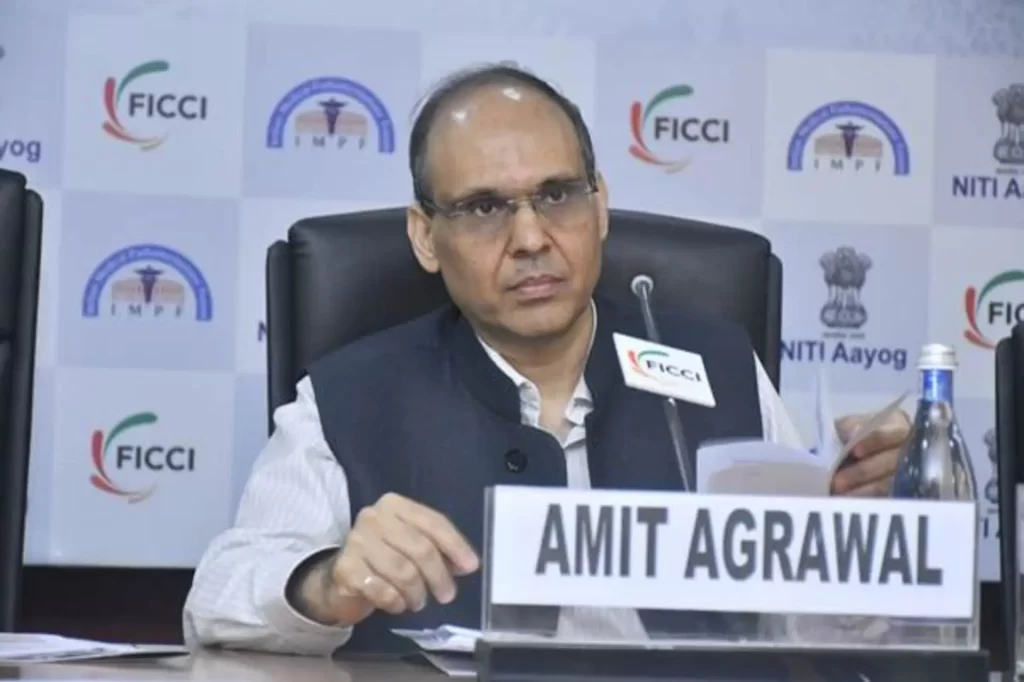
Shri Amit Agrawal, Secretary, Department of Pharmaceuticals, Ministry of Chemicals & Fertilizers delivered a special address during the inaugural session of the Rare Diseases Conference 2025 at FICCI Auditorium yesterday. The Conference was organized on the theme “Making Rare Care Possible: Availability, Accessibility, Awareness.”
In his address, Shri Agrawal commended the organisers for bringing focus to an issue of growing significance that has historically not received adequate attention. He underlined that although rare diseases may appear infrequent individually, collectively they affect nearly one in every twenty individuals—around 5% of the population—making them a major public health concern. He emphasized that the rare disease challenge should be seen through a human lens and as a question of inclusion, not merely a medical or technical problem.
Citing the Prime Minister’s inclusive vision of Divyangjan, Shri Agrawal called for a response from government, industry, academia and civil society to address the multifaceted burden faced by patients and caregivers. Referring to the Prime Minister’s Independence Day address, he recalled: “We are known as the pharmacy of the world but isn’t it the need of the hour to invest in research and development? Shouldn’t we be the ones providing the best and most affordable medicines for the welfare of humanity?”
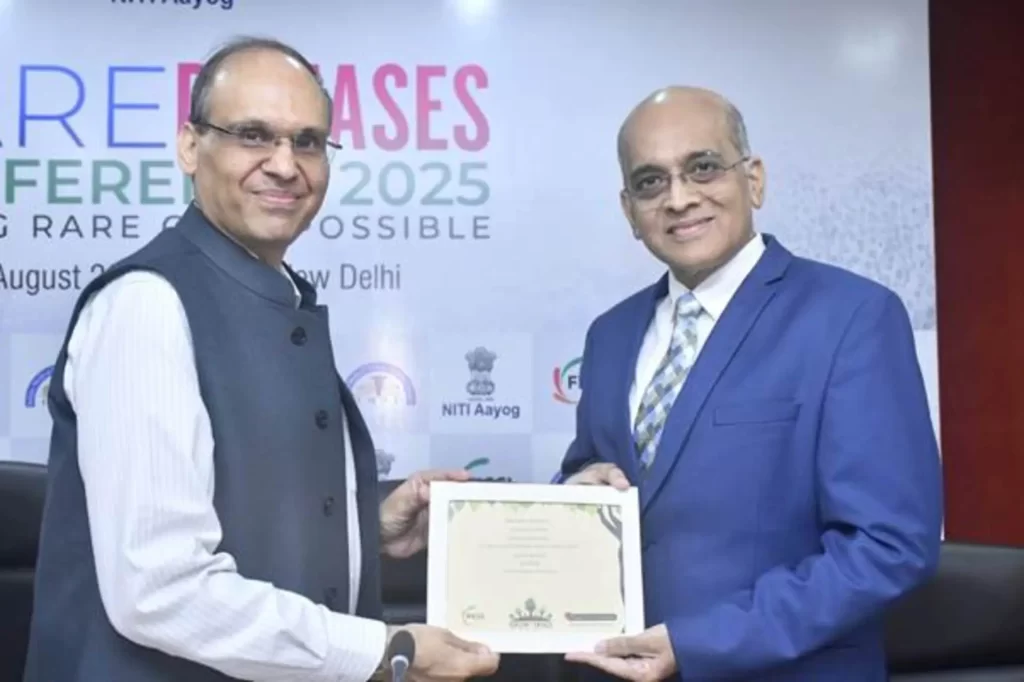
Highlighting significant policy measures, the Secretary informed that Rare Diseases were included as a focus area under the Production Linked Incentive (PLI) Scheme for Pharmaceuticals. As a result, eight drugs for rare conditions have been supported, including Eliglustat for Gaucher’s Disease, where the cost of treatment has come down from ₹1.8–3.6 crore annually to ₹3–6 lakh. Other supported treatments include Trientine for Wilson’s Disease, Nitisinone for Tyrosinemia Type 1 and Cannabidiol for Lennox–Gastaut Syndrome, among others. He noted that such tangible reductions in treatment costs demonstrate the transformative potential of targeted policy interventions.
The Secretary also encouraged corporates to factor in rare disease patients under their CSR initiatives and patient assistance programmes, considering the heavy financial and emotional burden on affected families. He urged all stakeholders to evaluate their policies, regulations, funding models and programme designs through the lens of inclusivity. He suggested exploring special pathways or regulatory exemptions to address the unique needs of the rare disease community.
Shri Agrawal concluded by noting that he looks forward to recommendations and policy insights from the day’s deliberations and expressed keen interest in learning from global best practices to strengthen India’s policy framework for rare diseases.
Government e Marketplace (GeM) has crossed a historic milestone of ₹15 Lakh Crore in cumulative Gross Merchandise Value (GMV) since its inception in 2016.
This achievement underlines the trust and confidence of buyers and sellers across India in GeM’s vision of creating a transparent, efficient and inclusive public procurement ecosystem. Over the past nine years, GeM has evolved into a robust digital platform, bringing together government buyers and a diverse community of sellers, including Micro and Small Enterprises (MSEs), startups, women-led businesses, SC/ST Enterprises and Self-Help Groups (SHGs).
On this occasion, Shri Mihir Kumar, CEO, GeM, said: “Crossing the ₹15 Lakh Crore GMV milestone is a testimony to the trust our stakeholders have placed in GeM. This success belongs to the lakhs of sellers and buyers who have transformed the way public procurement is carried out in India. Our focus will continue to be on deepening inclusivity, simplifying processes and fostering innovation so that opportunities reach every corner of the country. Together, we are building a transparent, accountable and digitally empowered procurement ecosystem aligned with the vision of Viksit Bharat.”
Each transaction on GeM reflects more than procurement; it signifies efficiency, accountability and empowerment. By simplifying processes, reducing entry barriers and embedding transparency through policy and technology, GeM has enabled opportunities to reach the last mile while fostering entrepreneurship, innovation, and equitable growth.
Key highlights of GeM’s journey include:
This milestone belongs to the community of users, buyers, sellers, policymakers, and administrators, who have made GeM a true enabler of change. It reinforces GeM’s role as a vital instrument in shaping a digitally empowered, transparent, and inclusive economy, contributing to the larger vision of Viksit Bharat.
As GeM looks ahead, its focus remains on deepening inclusivity, strengthening innovation, and sustaining efficiency to further transform public procurement in India.
Union Minister of Health and Family Welfare, Shri Jagat Prakash Nadda inaugurated new Government Medical Colleges in Sheopur and Singrauli, along with a series of centrally sponsored health programmes aimed at strengthening public health and community outreach in Madhya Pradesh. Dr Mohan Yadav, Chief Minister, Madhya Pradesh; Shri Rajendra Shukla, Deputy Chief Minister, Public Health and Medical Education Department, Madhya Pradesh and Shri Hemant Khandelwal, MLA, Betul, Madhya Pradesh were also present.

Speaking on the occasion, Shri J P Nadda highlighted the Government’s vision of expanding access to quality medical education and healthcare services, while ensuring that citizens across the country benefit from modern facilities and preventive health initiatives.
As part of the programme, the following initiatives were launched:
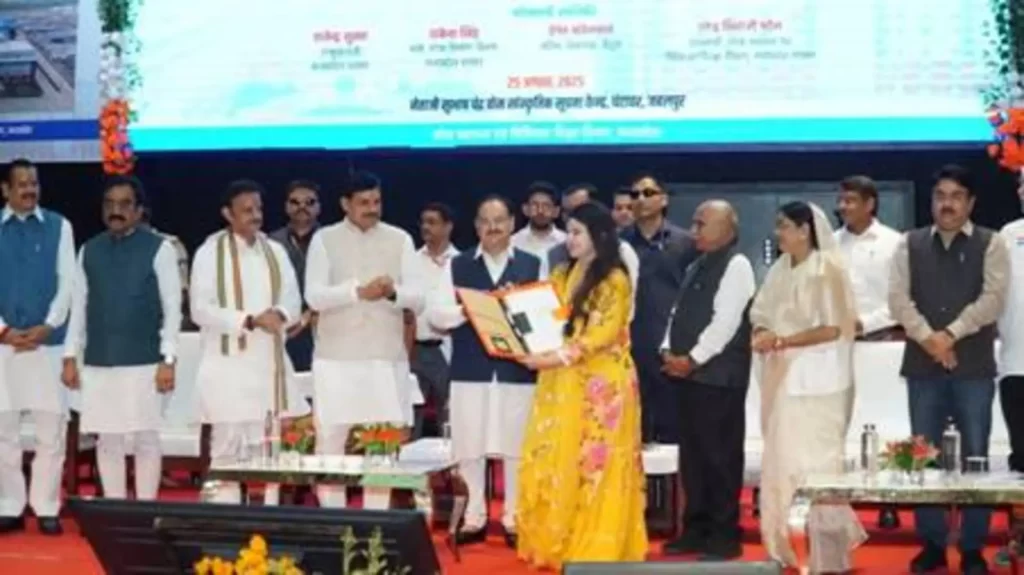
On the occasion, agreements were also signed for the establishment of four new Medical Colleges under the Public–Private Partnership (PPP) mode with the support of the Union Health Ministry, further expanding opportunities for medical education and service delivery in the state.
These initiatives mark a significant step towards expanding medical education, strengthening preventive healthcare, empowering frontline health workers, and improving maternal and child health outcomes in Madhya Pradesh.
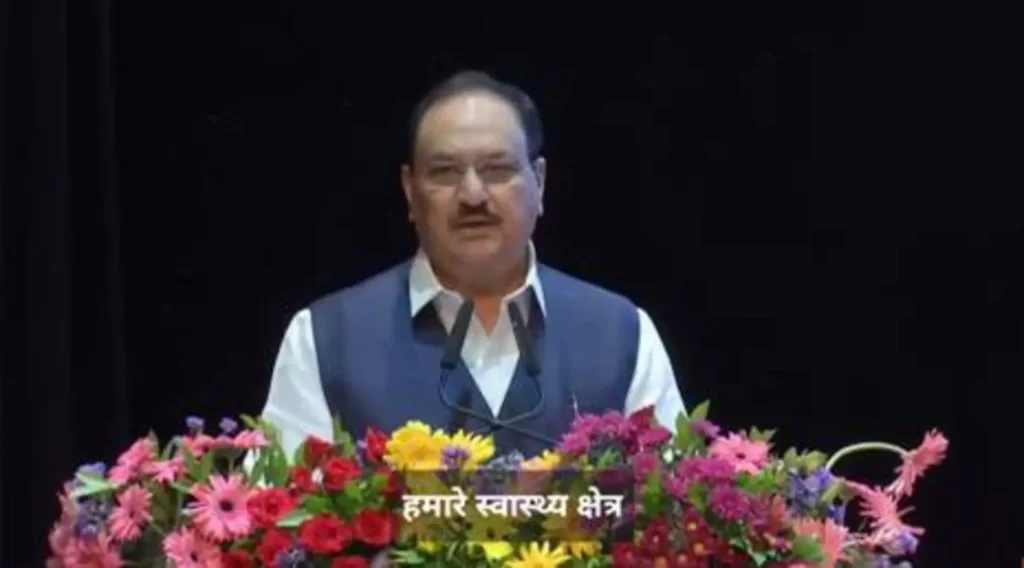
Shri Nadda noted that with 17 Government Medical Colleges and 13 private colleges, Madhya Pradesh is emerging as a strong performer in the health sector. He highlighted that under the leadership of Prime Minister Shri Narendra Modi, the focus of India’s national health policy is to develop a “holistic health care system”, which not only focuses on curative part in health care but also emphasises on the preventive care, palliative care, rehabilitative care, geriatric care and promotional health care.
The Union Health Minister stated that in the last decade, the government has created a robust health system. “Every year, nearly 2 crore children and 2.5 crore pregnant women are monitored under our healthcare system. I salute our dedicated ASHA workers, whose tireless efforts have ensured that healthcare truly reaches the last mile. From the moment a woman conceives, she receives five antenatal check-ups within the government healthcare system – a clear reflection of the strength and robustness of our public health framework. Today, institutional deliveries have risen to 89%, a remarkable achievement in ensuring safe motherhood”, he said.
Shri Nadda highlighted the sharp decline achieved by the country in maternal and child mortality. The Maternal Mortality Ratio (MMR) has fallen from 130 per 1 lakh live births to 93 per 1 lakh, while the Under-5 Mortality Rate (U5MR) has declined by 42% - far higher than the global average decline of 14%. Similarly, neonatal mortality has reduced by 39%, compared to the global decline of 11%.
Under the National Non-Communicable Diseases Programme, screening efforts have reached unprecedented levels:
These figures highlight the scale and seriousness with which the Union Government is addressing the challenge of non-communicable diseases and cancer detection, he stated.
The Union Health Minister informed that the Ayushman Bharat scheme has emerged as the world’s largest health coverage programme, with 50 crore beneficiaries. Over time, schemes such as Vay Vandana have been added to extend protection to citizens above 70 years of age, irrespective of their economic or social status.
Shri Nadda highlighted the significant strides in medical education, stating, “In 2014, there were 387 medical colleges in the country. Today, that number has increased to 780, reflecting the government’s commitment to strengthening healthcare infrastructure. Likewise, the number of undergraduate (UG) medical seats has grown from 56,000 to 1,70,000. Looking ahead, our goal is to add another 75,000 UG and PG seats over the next five years”. “Additionally, out-of-pocket expenditure on healthcare has significantly reduced — from 62% earlier to 39% now”, he added.
Shri Nadda also emphasized the transformative steps taken to democratize access to medical education and strengthen India’s global health leadership. “We introduced the NEET exam in 13 languages, enabling students from rural and remote areas to pursue medical careers. In the past, it took 20–28 years for India to develop or access vaccines like tuberculosis, tetanus, and polio, and nearly 100 years for the Japanese encephalitis vaccine. However, during the COVID-19 pandemic, India developed two indigenous vaccines in just 9 months — a remarkable scientific achievement. Through the Vaccine Maitri initiative, these vaccines were delivered to over 100 countries, 48 of which received them free of cost, showcasing India’s commitment to global health and humanitarian values.”
Dr Mohan Yadav highlighted the significant progress made in the health sector during the last decade. He stated, “Before 2003, there were only 5 medical colleges in the state. Today the number has grown to 17 government medical colleges and 13 private medical colleges. AIIMS Bhopal was also recently established in the state. Now, with the recent approval letters for 2 more medical colleges, the total number of government medical colleges has reached 19. We are confident and hopeful that this number will rise to 26 in the coming years.”
He stated that the inauguration of two medical colleges in Sheopur and Singrauli goes on to show the commitment of the government for tribal population. He also credited the Ayushman Bharat PMJAY scheme that gives 5 lakhs of financial help for the downtrodden. “To provide land for medical colleges at Rs. 1/- per acre has been monumental step for PPP model colleges and hospital”, he further stated.
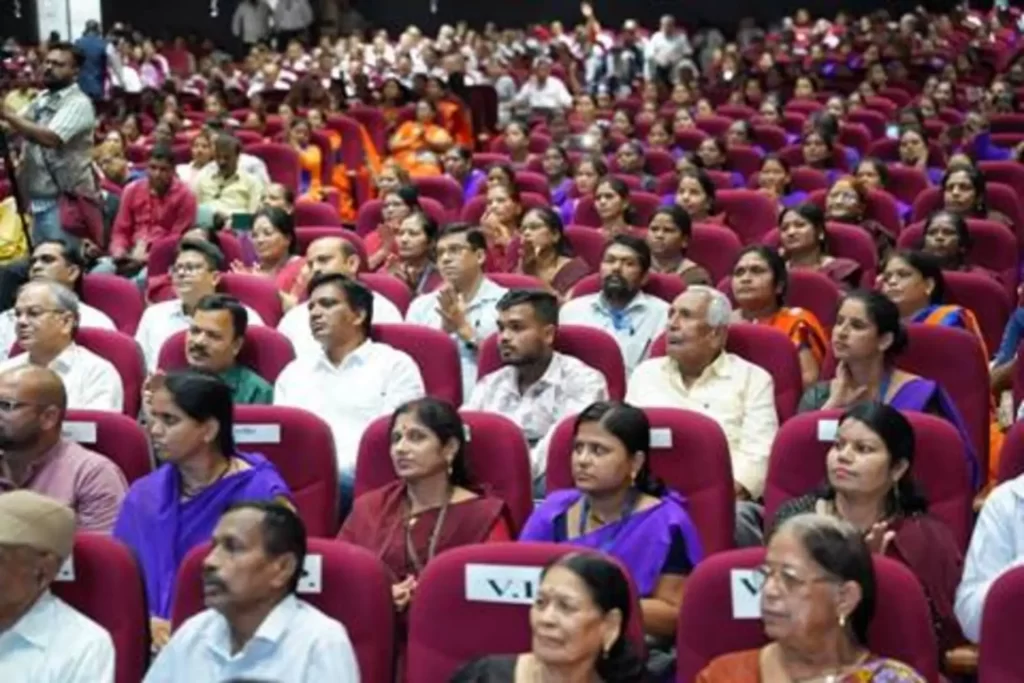
Background:
Community participation is essential in the implementation of all our health programmes.
ASHA workers are the crucial link between the health department and the community. In Madhya Pradesh, the total number of ASHAs and ASHA facilitators is around 70,000.
For ongoing long-term programmes, it is necessary to directly convey health messages, orient the training provided, showcase good work in an inspiring manner to encourage others and to resolve difficulties related to the programmes as well as provide quick and appropriate answers to their queries, a medium of communication is required. This is a continuous process, for which a platform is necessary to connect with more than 72,000 people at the same time. To fulfil this objective, the ASHA Samvaad YouTube channel has been created. Through this channel, every Thursday, for 20 minutes, the health department will establish direct contact and communication with all ASHAs.
In line with the Central Government’s anti-obesity campaign and the Fit India Movement, NHM in Madhya Pradesh has screened more than 1 crore citizens, setting a milestone through the “Swasthya Yakrit Mission” (Healthy Liver Mission). This is a golden step towards the vision of a Healthy Madhya Pradesh and a Fit India. The mission has established a new benchmark for preventive healthcare services in the country. It is a pledge to provide timely screening, treatment, and a healthy future to millions of lives.
To ensure smooth maintenance of maternal and child health services in the state, the Mother and Child Protection (MCP) Card has been revised. In the current card, only ANMs (Auxiliary Nurse Midwives) and CHOs (Community Health Officers) could record data related to the health services provided to pregnant women and children. In the revised MCP card, along with ANMs and CHOs, doctors can now also record management and sonography details, as well as services provided under PMSMA (Pradhan Mantri Surakshit Matritva Abhiyan) and at health facilities.
Additionally, the revised card enables monitoring of newborn health during home visits and systematic documentation of child development. The card now covers a wide range of maternal health services such as sonography tests, hemoglobin, HIV, syphilis, sickle cell, blood pressure, urine tests, provision of Iron Sucrose and FCM injections for anemia management, and other essential investigations.
Regular and timely consumption of Iron-Folic Acid (IFA) and calcium tablets from pregnancy till six months after childbirth is extremely important for the health of both mother and child. With this perspective, seven posters have been developed to promote IFA and calcium consumption, dietary diversity, health checkups, and the support of husbands/mothers-in-law in the community. These are as follows:
For the development of these posters, detailed discussions were held at the community level with pregnant and lactating mothers, their family members, and frontline health workers. Inputs and experiences of district and state-level officials were also incorporated. These posters can be displayed on social media platforms, at Anganwadi centers, and in hospital waiting rooms.
Medical Colleges at Sheopur and Singrauli, Madhya Pradesh
Both Government Medical Colleges at Sheopur and Singrauli were approved under phase-III of the Centrally Sponsored Scheme (CSS) for ‘Establishment of new medical colleges attached with district/referral hospitals’ in academic year 2019-20 with an approved cost of Rs. 325 crore each. Out of central share of Rs. 195 crores, an amount of Rs. 113.4 crore for each college has been released to the State.
The Indian Council of Medical Research (ICMR), Department of Health Research (DHR), convened representatives from Bhutan, Nepal, Sri Lanka, Timor-Leste, and India at Sushma Swaraj Bhawan, New Delhi, yesterday for a high-level regional dialogue on strengthening health research systems. The meeting marked an important milestone in fostering collaboration across South and Southeast Asia to ensure that health research directly informs policy, addresses regional priorities, and builds sustainable systems for the future.
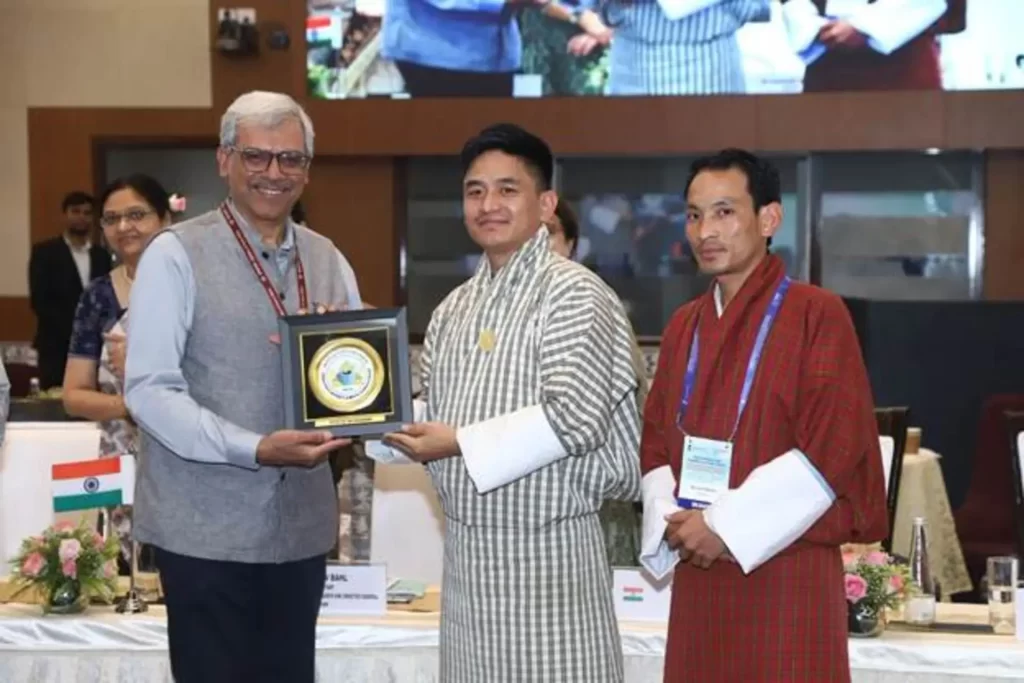
The deliberations were enriched by the presence of eminent experts and dignitaries, with sessions chaired by Dr V.K. Paul, Member, NITI Aayog, Shri Amit Agrawal, Secretary, Department of Pharmaceuticals, Dr Rajeev Singh Raghuvanshi, Drugs Controller General of India, Prof. Dr K. Srinath Reddy, Honorary Distinguished Professor, Public Health Foundation of India (PHFI), Dr Shamika Ravi, Member, Economic Advisory Council to the Prime Minister (EAC-PM), Dr Shivkumar Kalyanaraman, CEO, Anusandhan National Research Foundation (ANRF), Shri Rajesh Bhushan, Former Secretary, Ministry of Health & Family Welfare and Dr Renu Swarup, Former Secretary, Department of Biotechnology.
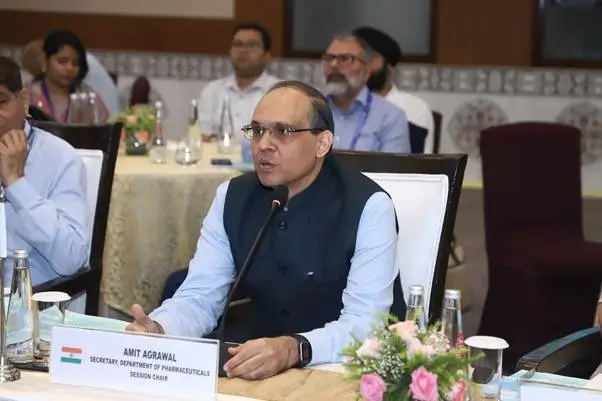
Sharing India’s progress in med-tech innovation, Shri Amit Agrawal, Secretary, Department of Pharmaceuticals, who chaired a session on the subject, stated that, “India today stands at the forefront of scientific research and innovation for health. I urge our research platform partners to actively engage with India’s open innovation platforms, so that together we can nurture start-ups, accelerate MedTech breakthroughs, and deliver affordable solutions that serve both economic growth and the larger public good.”
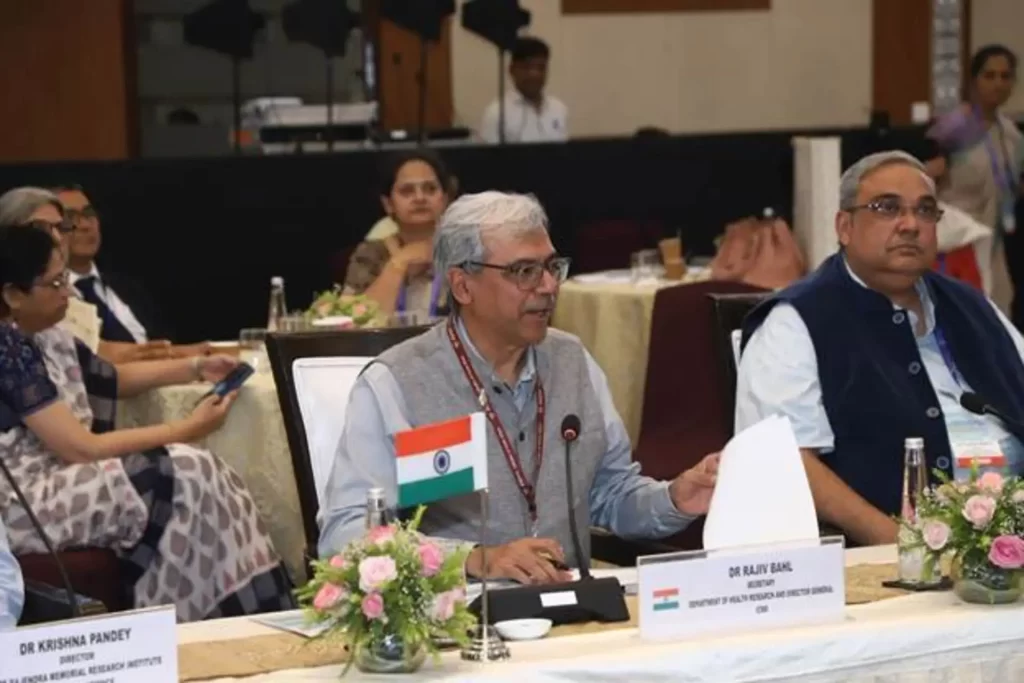
Speaking at the way forward session of the meeting, Dr. Rajiv Bahl, Secretary DHR & Director-General, ICMR, stated that “Global partnerships and science diplomacy have always been central to India’s strategy. South–South collaboration remains a priority through joint projects and capacity building to ensure that the region benefits from each other’s expertise. Above all, science and research must serve people directly.”
The representatives reached a consensus on several fronts:
ICMR offered to share its tools and resources, including common ethics review forms and free online training courses, so that countries at nascent stages of building research systems can adapt them without having to start from scratch. Looking ahead, countries agreed to establish structured mechanisms for collaboration, including annual/biannual convenings, exchange visits, and joint capacity-building programmes in research methods, ethics, grant writing, and science communications.
The meeting concluded with a collective commitment to move from knowledge-sharing to joint action, with each country exploring opportunities to lead on specific thematic areas such as One Health, Pandemic Preparedness, Infectious Diseases, Vector Borne Diseases, Non-communicable diseases, maternal health, and medical innovation ensuring that health research across the region directly responds to regional needs and priorities.
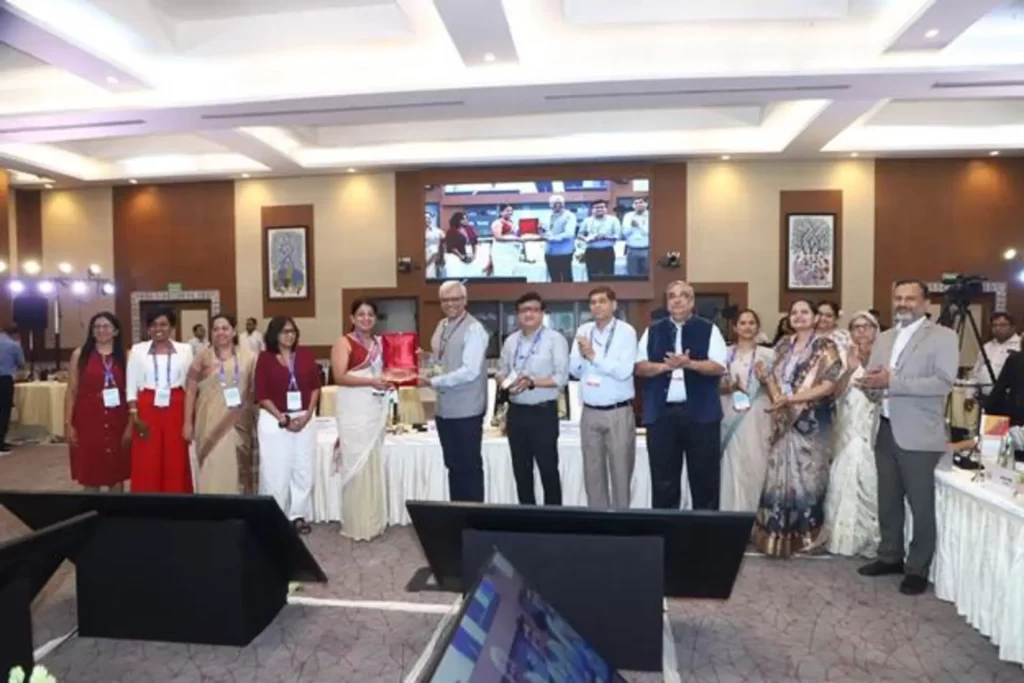
The event was also attended by Dr. Vishwajeet Kumar, Founder & CEO of Community Empowerment Lab and several senior leaders from ICMR including Dr Sanghamitra Pati, Smt Manisha Saxena, Dr R.S. Dhaliwal, Dr Roli Mathur, Dr Taruna Madan, Dr Tanvir Kaur, and Dr Nivedita Gupta, who steered discussions as moderators.