
Union Minister of Health and Family Welfare Shri J.P. Nadda addressed the Leadership Conclave for the Presidents and the Executive Directors of new All India Institutes of Medical Sciences, convened by the Ministry of Health and Family Welfare in New Delhi today. The Conclave is envisaged as an ongoing endeavour to build institutional capacities, promote inter-institutional collaboration, and establish a strong and cohesive network of AIIMS institutions to further strengthen public health systems in the country.
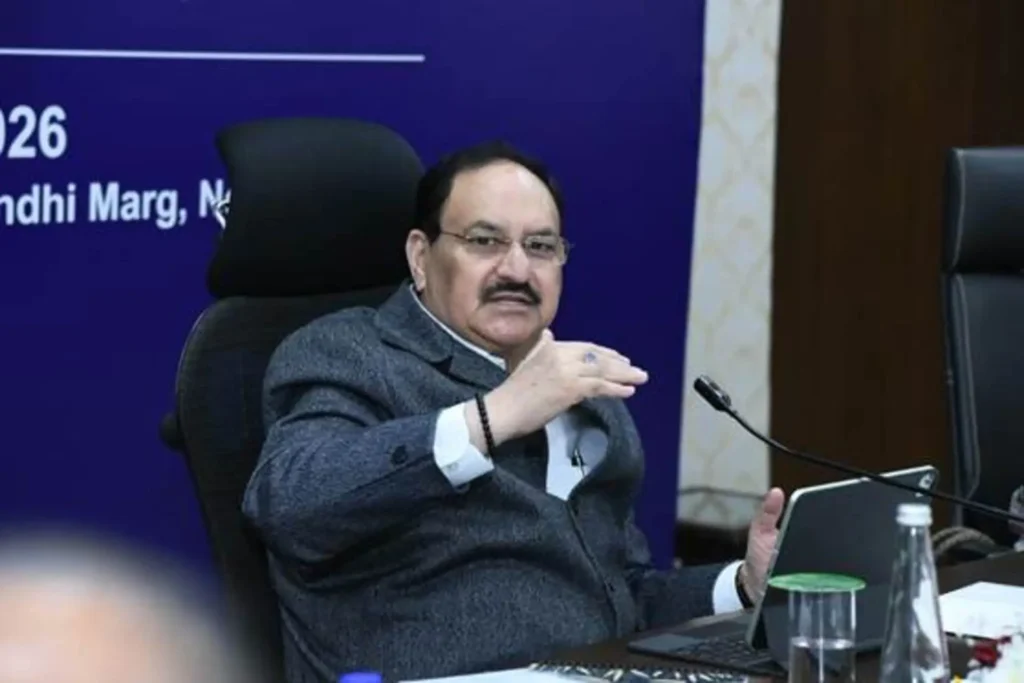
Delivering the keynote address, the Union Health Minister emphasized that the Leadership Conclave is both contextual and relevant in the present phase of expansion of the All India Institutes of Medical Sciences network. He stated that a balanced approach must be maintained among patient care, teaching, and research, with a clear focus on strengthening a patient-centric model. He underscored the need to institute structured patient feedback mechanisms and to take concrete steps to enhance patient satisfaction. He expressed his expectation that the new AIIMS should progressively establish world standards in patient care and medical education, while preserving the institutional ethos associated with the AIIMS system.
Noting that the new AIIMS are at different stages of development, the Minister stressed the importance of mutual support and structured collaboration so that institutions may grow together in a coordinated manner. He expressed satisfaction that 20 AIIMS have established a collaborative research consortium to advance coordinated health research aligned with national priorities, and stated that institutional leadership must blend administrative efficiency with academic excellence to guide this initiative effectively.
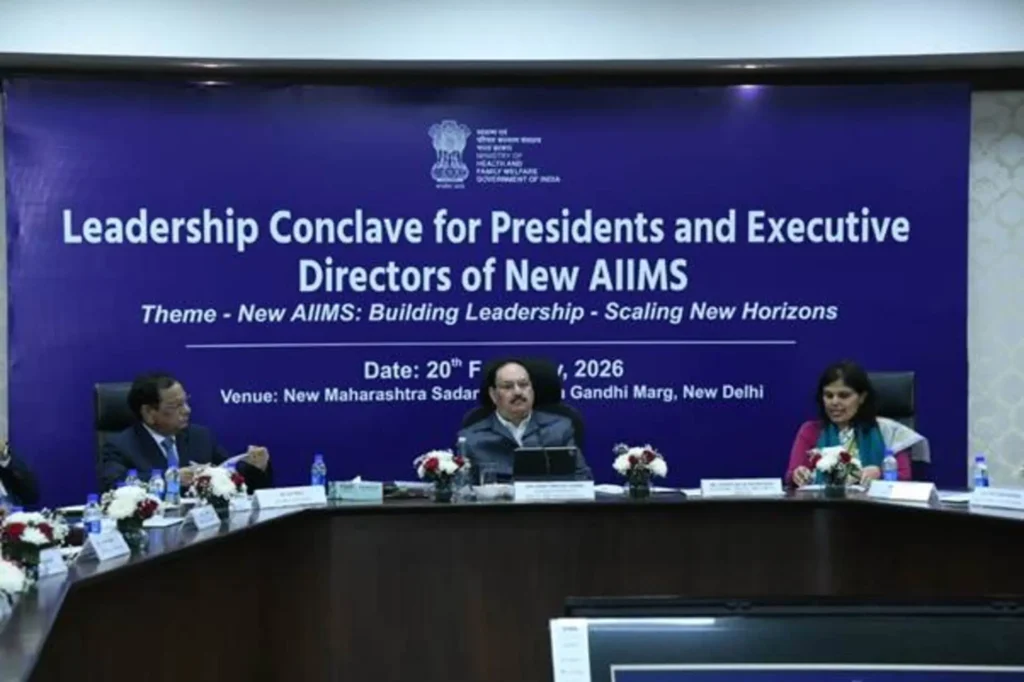
Clarifying governance roles, he reiterated that the President of each Institute represents the Ministry and provides guidance and oversight, while the Executive Director is responsible for day-to-day administration. He emphasized that this functional distinction must be respected to ensure effective institutional management. The Minister called for moving beyond conventional practices and fostering greater transparency, accountability, and objectivity in decision-making processes.
He urged the adoption of cutting-edge technologies, particularly the integration of Artificial Intelligence in diagnostics and clinical decision-making, and emphasized the need to institutionalize telemedicine services as a regular component of AIIMS functioning. He also called for strengthening outreach programmes to expand community engagement and reinforce the public health role of the institutions.
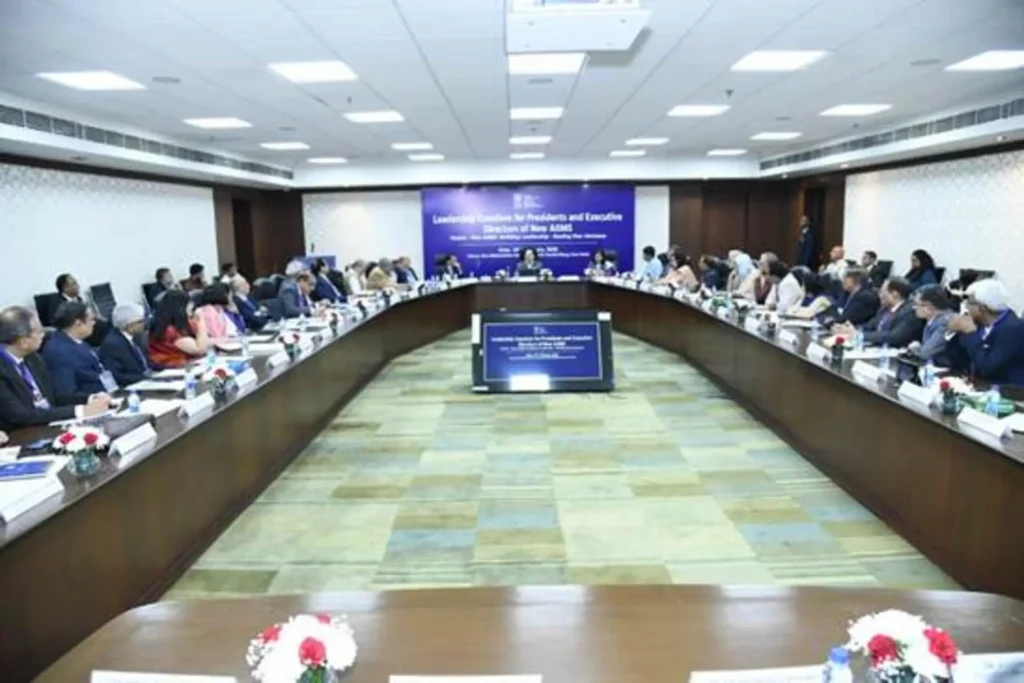
On human resource development, the Minister stressed the need to accelerate faculty recruitment without compromising knowledge standards and quality of healthcare delivery. He suggested conducting at least four cycles of interviews annually and noted the recent increase in faculty recruitment across AIIMS. He reiterated that structured mechanisms such as NORCET and the Common Recruitment Examination (CRE) for nursing and non-faculty staff should be conducted regularly, with an emphasis on timely appointments.
The Minister further directed that facilities such as Jan Aushadhi Kendras and AMRIT Pharmacies should be established and maintained in every AIIMS to ensure affordable access to medicines. He called for developing a structured mechanism for faculty and student exchange between AIIMS and other Institutes of National Importance, with AIIMS playing a leading role in teaching and nursing capacity building.
He emphasized the importance of collaborative research with premier institutions such as Indian Institutes of Technology and Indian Institutes of Management, particularly in areas such as rare diseases, genetic disorders, and medical technology innovation. While acknowledging the expansion in the number of AIIMS, he cautioned that increased capacity must not dilute established standards, and reiterated that the quality of healthcare and medical education for which AIIMS is known must be preserved.
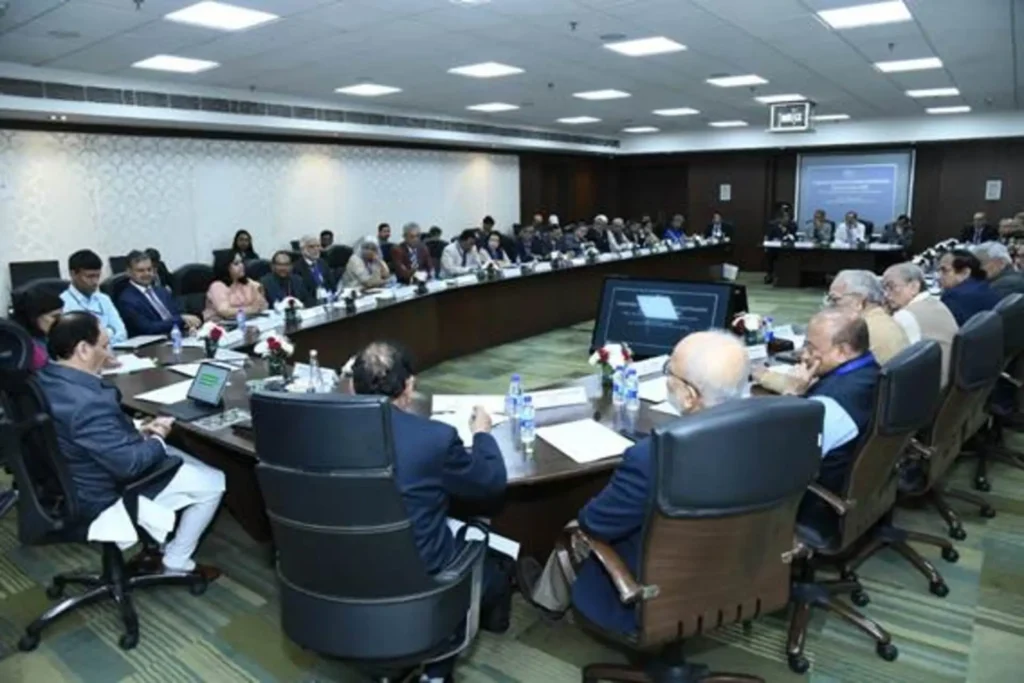
The Minister also highlighted the importance of promoting a culture of responsible student leadership aligned with the dignity and values of the AIIMS system. He called upon institutional leaders to develop appropriate mechanisms to nurture such leadership while upholding academic discipline and institutional integrity.
On the occasion, the Union Health Minister also released a publication titled “Compilation of Office Memorandum and Guidelines on Various Matters” prepared by the Finance Division of the Ministry of Health and Family Welfare. The publication consolidates key financial and administrative instructions issued from time to time and is intended to serve as a ready reference for institutions under the Ministry, including the new All India Institutes of Medical Sciences.
Senior officials of the Ministry, Presidents and Executive Directors of various newly established AIIMS institutions participated in the deliberations.
The Union Minister of Commerce and Industry, Shri Piyush Goyal, today launched seven additional interventions under the Export Promotion Mission (EPM), a flagship initiative of the Department of Commerce aimed at empowering Micro, Small and Medium Enterprises (MSMEs) for global markets. These interventions are designed to address key challenges faced by Indian exporters, promote broad-based and inclusive export growth, and strengthen India’s position as a globally competitive export powerhouse. Commerce Secretary, Shri Rajesh Agarwal, also graced the occasion.
Addressing the gathering on the occasion of World Day of Social Justice, Shri Goyal said that social justice requires reaching the last person at the bottom of the pyramid. He emphasised that inclusive growth, empowerment of the marginalised and providing opportunities to those left behind in India’s rapid transformation are essential to achieving true social justice.
The Minister highlighted India’s growing leadership in emerging technologies and global partnerships. Referring to the recently concluded AI Summit, he commended Prime Minister Shri Narendra Modi and the concerned Ministers for positioning India at the centre of global conversations on artificial intelligence and future technologies. He stated that advancements in artificial intelligence, machine learning, quantum computing, data centres and indigenous large language models would open significant opportunities for India’s youth and catalyse investments across sectors.
Shri Goyal underlined that India’s expanding network of Free Trade Agreements (FTAs) has significantly enhanced market access for Indian exporters. He noted that nearly 70 per cent of global GDP and two-thirds of global trade are now accessible to India through nine concluded FTAs, including the first tranche of the Bilateral Trade Agreement with the United States. These agreements provide preferential access across sectors in 38 developed and emerging economies.
The Minister stated that India today engages with developed economies with confidence, safeguarding sensitive sectors while securing gains in areas of competitive strength. Since 2022, India has accelerated trade engagements, expanded partnerships in goods, services and investments, reduced compliance burdens, decriminalised several laws and improved ease of doing business. He also referred to India’s successful hosting of the G20 Summit across multiple cities, showcasing the country’s diversity and economic potential.
Emphasising that the benefits of global trade must reach every MSME, startup and entrepreneur, Shri Goyal said the Export Promotion Mission is aimed at promoting new products, services and exporters, while enabling Indian businesses to access new markets. He noted that India has recorded double-digit growth in merchandise exports in the first half of February, reflecting strong market confidence and proactive industry participation.
He stated that the Mission seeks to simplify processes for MSMEs, strengthen access to credit, enhance quality standards, support compliance with international regulations and expand logistics and warehousing infrastructure globally. Initiatives such as overseas warehousing, including Bharat Mart in Dubai, are intended to provide Indian exporters with strategic access to markets across the GCC, Africa, Central Asia and Europe.
The Export Promotion Mission adopts a holistic ecosystem approach by combining financial enablers under ‘Niryat Protsahan’ and trade ecosystem support under ‘Niryat Disha’, delivered through a unified and digitally monitored framework.
The Mission is implemented by the Department of Commerce in coordination with the Ministry of MSME, Ministry of Finance, EXIM Bank, Credit Guarantee Fund Trust for Micro and Small Enterprises (CGTMSE), National Credit Guarantee Trustee Company Limited (NCGTC), regulated lending institutions, Indian Missions abroad, EPCs and industry stakeholders.
The newly launched interventions aim to address structural constraints faced by MSMEs, including high cost of capital, limited access to diversified trade finance instruments, compliance burdens in international markets, logistics disadvantages, and barriers to market entry.
The interventions launched under Niryat Protsahan included:
1. Support for Alternative Trade Instruments (Export Factoring) - This intervention promotes export factoring as an affordable working capital solution for MSMEs. Interest subvention of 2.75% will be provided on the factoring cost for eligible transactions undertaken through RBI/IFSCA-recognised entities. Assistance is capped at ₹50 lakh per MSME annually and will be processed through a digital claim mechanism to ensure transparency and timely disbursal.
2. Credit Assistance for E-Commerce Exporters- To support exporters using digital channels, structured credit facilities are being introduced with interest subvention and partial credit guarantees. The Direct E-Commerce Credit Facility will provide support up to ₹50 lakh with 90% guarantee coverage. The Overseas Inventory Credit Facility will extend support up to ₹5 crore with 75% guarantee coverage. Interest subvention of 2.75% will be available, subject to an annual ceiling of ₹15 lakh per applicant.
3. Support for Emerging Export Opportunities- This intervention enables exporters to access new or high-risk markets through various shared-risk and credit instruments. These structured mechanisms aim to strengthen exporter confidence and liquidity flows.
Further, the following interventions were launched under Niryat Disha:
1. Trade Regulations, Accreditation & Compliance Enablement (TRACE)- TRACE supports exporters in meeting international Testing, Inspections, Certifications and other conformity requirements. Partial reimbursement of 60% under the Positive List and 75% under the Priority Positive List will be provided for eligible testing, inspection and certification expenses, subject to an annual ceiling of ₹25 lakh per IEC.
2. Facilitating Logistics, Overseas Warehousing & Fulfilment (FLOW)- FLOW supports exporters in accessing overseas warehousing and fulfilment infrastructure, including E-Commerce Export Hubs integrated with global distribution networks. Assistance of up to 30% of approved project cost will be provided for a maximum of three years, subject to prescribed ceilings and MSME participation norms.
3. Logistics Interventions for Freight & Transport (LIFT)- LIFT mitigates geographical disadvantages faced by exporters in low export intensity districts. Partial reimbursement of up to 30% of eligible freight expenditure will be provided, subject to a ceiling of ₹20 lakh per IEC per financial year.
4. Integrated Support for Trade Intelligence & Facilitation (INSIGHT)- INSIGHT strengthens exporter capacity-building, district and cluster-level facilitation under the Districts as Export Hubs initiative, and development of trade intelligence systems. Financial assistance is upto 50% of project cost, with upto 100% support for proposals from Central and State Government institutions and Indian Missions abroad, subject to notified ceilings.
Through these coordinated financial and ecosystem interventions, the Government aims to reduce cost of capital, diversify trade finance instruments, enhance compliance readiness, address logistics constraints and strengthen overseas market integration for MSMEs.
3 interventions — Market Access Support, Interest Subvention for Pre- and Post-Shipment Export Credit, and Collateral Support for Export Credit — are already under implementation. With this launch, 10 out of the 11 proposed interventions under EPM are now operational.
Representatives from State Governments, Export Promotion Councils and industry bodies including FIEO, EEPC, GJEPC, CII, FICCI, PHDCCI, ASSOCHAM and NASSCOM welcomed the initiative and expressed support for its effective implementation.
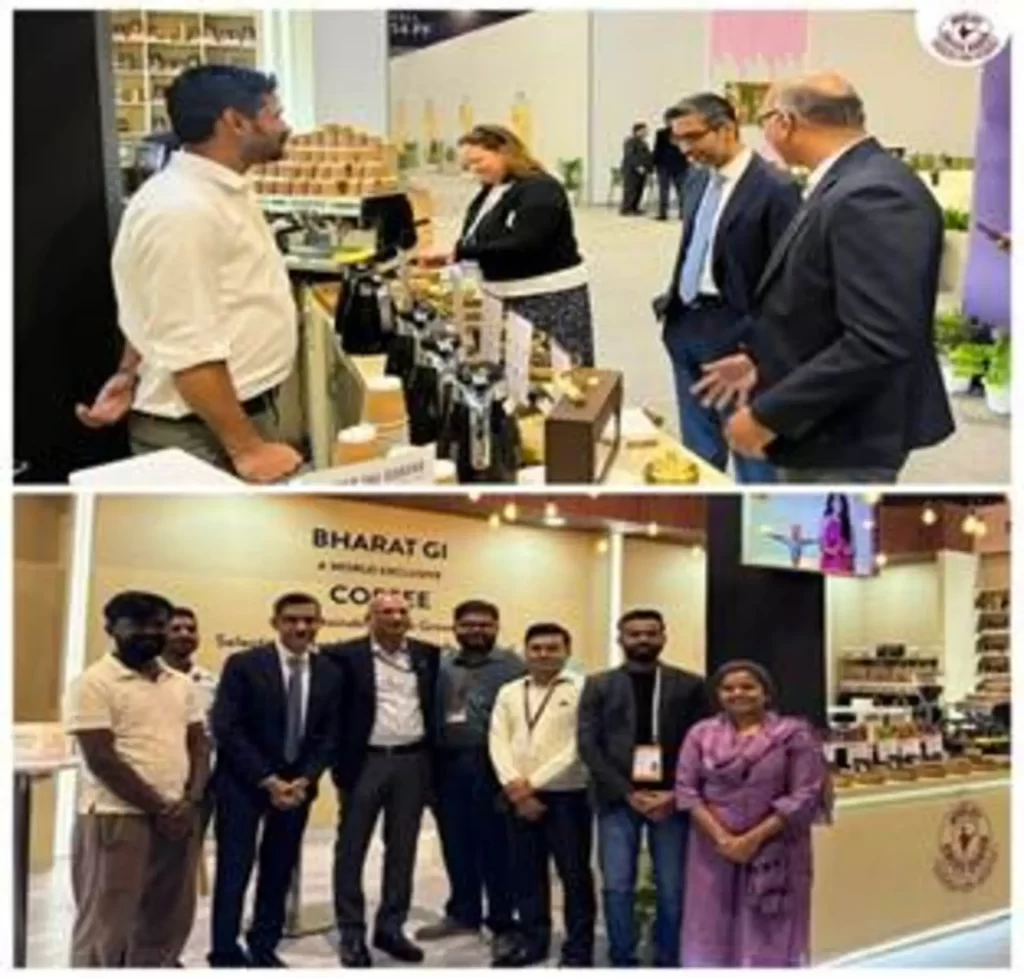
Google and Alphabet CEO, Mr. Sundar Pichai visited the Bharat GI Coffee Lounge, organized by the Department for Promotion of Industry and Internal Trade (DPIIT), during the India AI Impact Summit 2026. Savoring Malabar Arabica, Mr. Pichai interacted with baristas and experienced the rich flavors of India’s premium GI-tagged coffees.
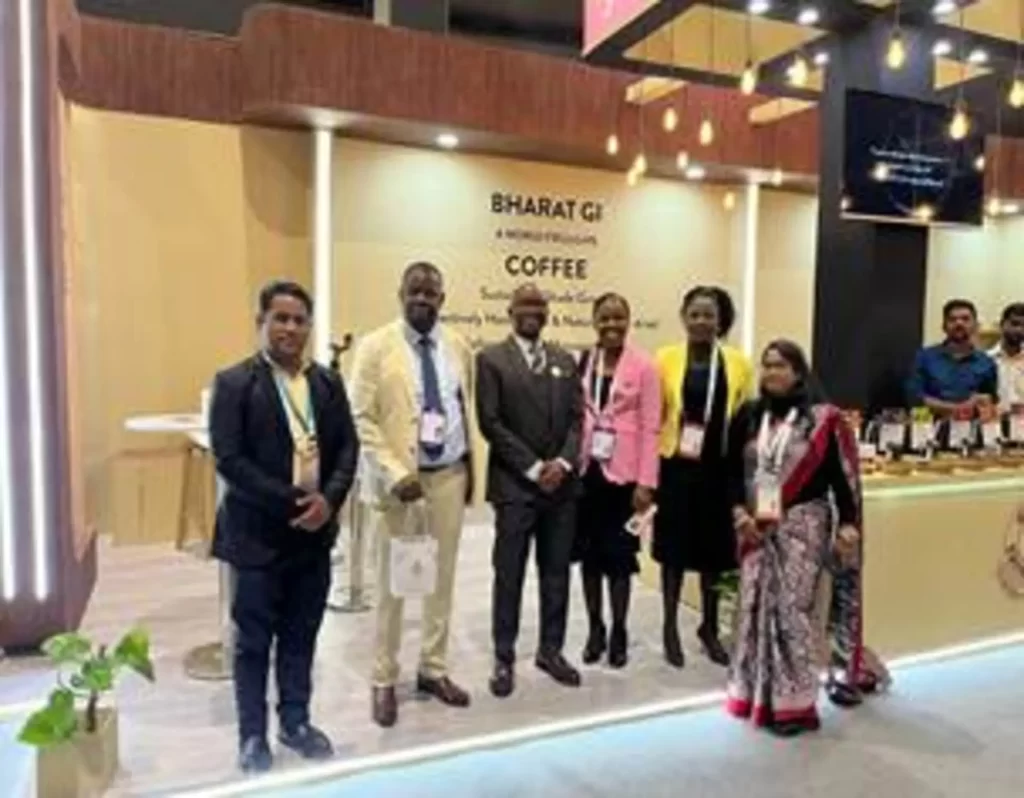
Delegates from Finland, France, Japan, Nigeria, Botswana, Lithuania, Kazakhstan, Poland and Germany, among many others, also visited the Coffee Experience Centre, expressing keen interest in India’s GI coffee heritage. The Finnish delegate especially appreciated the mellow, smooth flavour profile of Monsooned Malabar Arabica, praising its unique character and distinct processing tradition that sets it apart on the global stage.
Union Minister of Commerce and Industry Shri Piyush Goyal captured the moment on X, “When @SundarPichai drops by for a sip, you know it’s truly worth it! The world is raising a cup to Bharat GI Coffee at #IndiaAIImpactSummit2026. Bharat GI Coffee Lounge, Bharat Mandapam (Hall 14, First Floor)17–20 February.” Link for the tweet -https://x.com/PiyushGoyal/status/2024386674072179011
Union Minister of State, Ministry of Commerce & Industry, Government of India Shri. Jitin Prasada, at the Bharat GI Coffee Experience Centre, Hall 14 FF on Day 2 of the India AI Impact Summite visited and celebrated the richness of India’s GI‑registered coffees, highlighting how geographical indications preserve authenticity, empower local communities, and bring global recognition to India’s diverse coffee origins.
At the AI Impact Summit 2026, the Bharat GI Coffees is garnering global attention through a special showcase celebrating India’s distinctive Geographical Indication products. The biggest AI event currently taking place in New Delhi from February 16-20 captured global attention as part of a new national initiative called ‘Bharat GI’.
The Department for Promotion of Industry and Internal Trade (DPIIT) has unveiled Bharat GI as a unified national intellectual property brand. The vision is to showcase India’s unique GI products to the globe anchored by the tagline, “A World Exclusive.” DPIIT along with Coffee Board is offering visitors with an immersive experience of the country’s rich, diverse flavors and heritage of Indian coffee at this historic event.
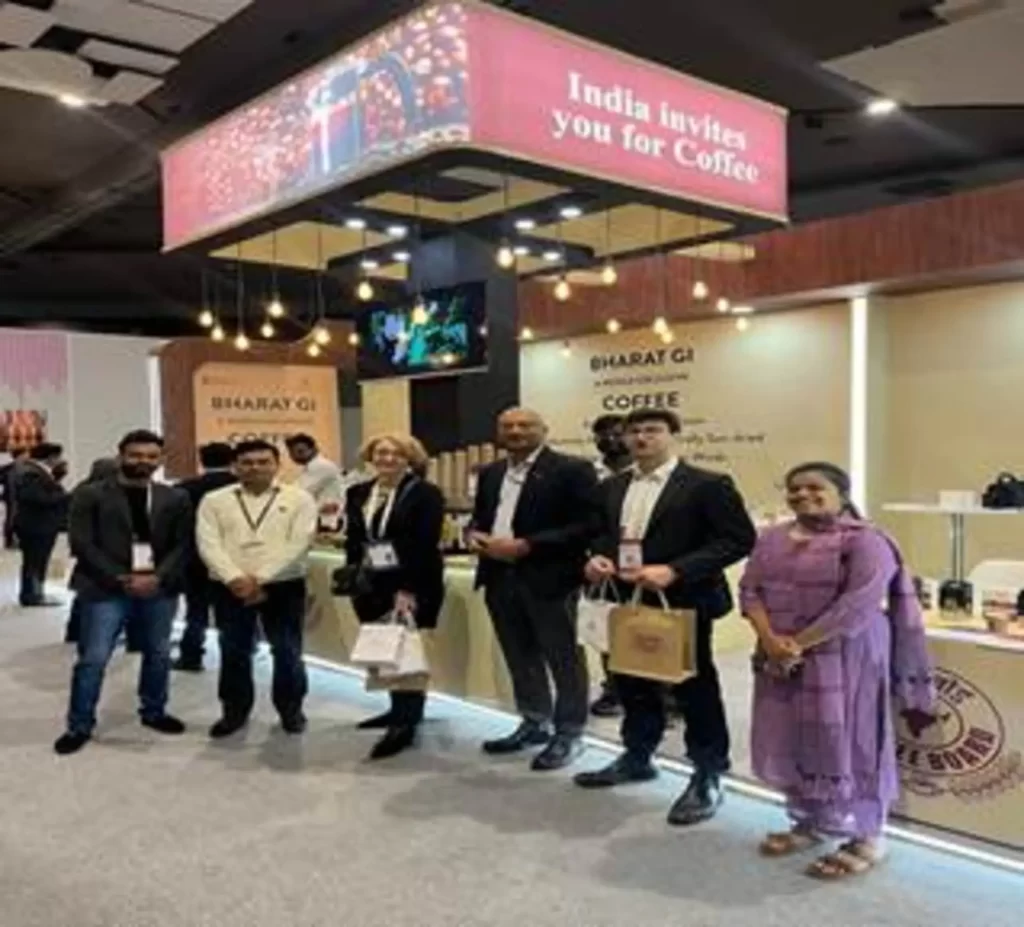
The coffee experience center stationed at Hall No. 14 First Floor, attracted many curious minds to explore and experience various Indian GI registered coffees. Many International delegates have come to savor the Sustainably Shade Grown, Selectively Hand Picked & Naturally Sun-dried Bharat GI Coffees.


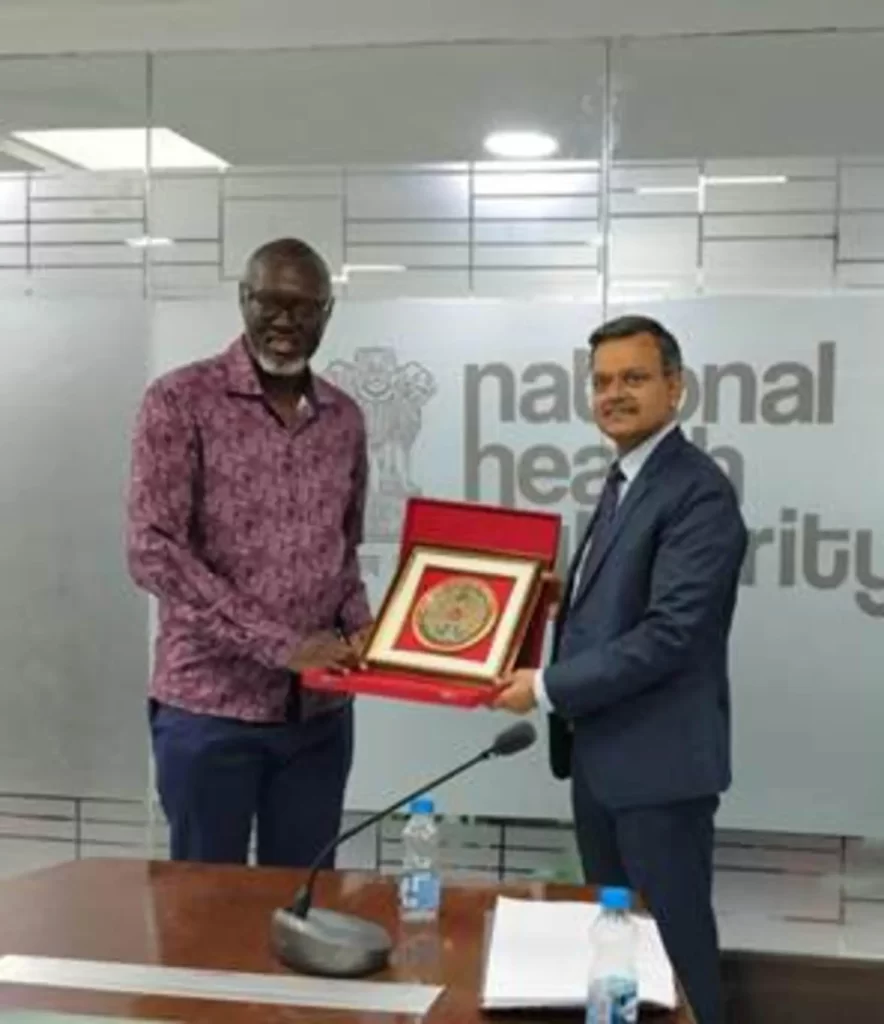
A high-level delegation from the Government of Kenya, led by Dr. Gregory Ganda, County Minister for Health, Kisumu County, visited the National Health Authority (NHA), here today for a knowledge exchange on India's digital health infrastructure and health insurance programmes. The delegation brought together senior officials spanning Kenya's health systems architecture, reflecting representation at both the Kenyan national and county (state) level.
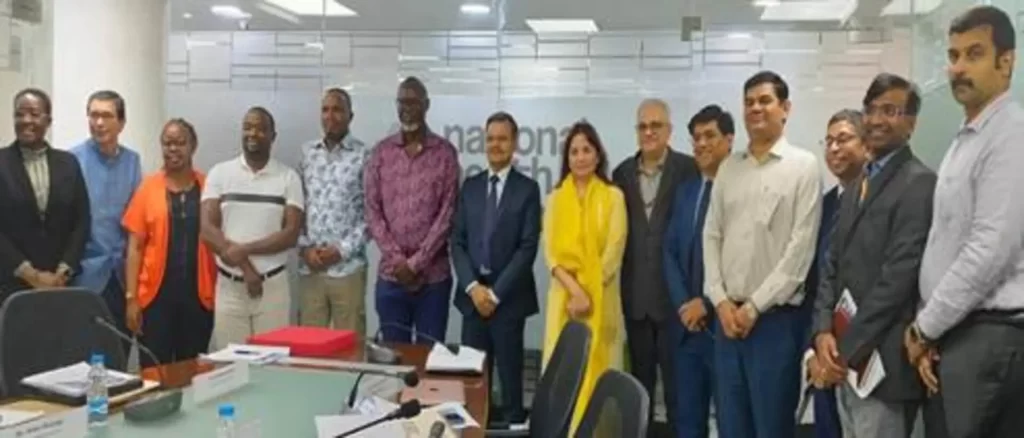
The visiting delegation was received and briefed by Dr. Sunil Kumar Barnwal, Chief Executive Officer, National Health Authority, along with senior NHA officials on India's two flagship schemes: Ayushman Bharat Pradhan Mantri Jan Arogya Yojana (AB PM-JAY), the world's largest government-funded health assurance programme and the Ayushman Bharat Digital Mission (ABDM), India's national digital health ecosystem built on the Digital Public Infrastructure (DPI) approach.
Discussions on PM-JAY examined how technology has been used to build accountability into the system – from Aadhaar-authenticated beneficiary verification and pre-authorization turnaround times to risk profiling of hospitals and claims. NHA's multi-layered anti-fraud framework, deploying machine learning, image analytics and deep learning across a network of over 33,000 empaneled hospitals, drew particular interest. The delegation also engaged with the federal implementation model that accommodates state-level flexibility within a nationally governed framework. Since its launch in 2018, PM-JAY has enabled over 11.6 crore (116 million) hospital admissions worth more than ₹1.67 lakh crore ($18 billion) in treatment for India's most vulnerable populations.
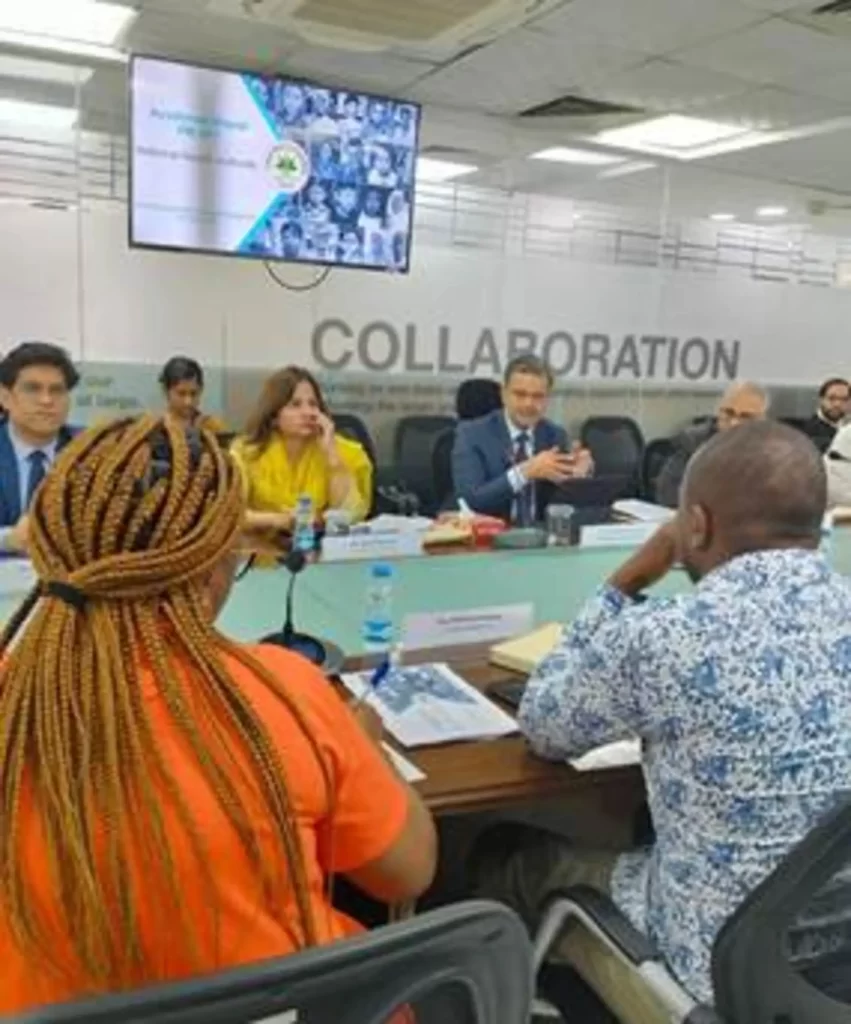
On ABDM, deliberations examined India's use of the DPI approach to build a shared, consent-governed architecture for health data exchange across government programmes, private hospitals, laboratories and frontline workers. Both sides identified the potential of leveraging interoperable infrastructure for drug logistics and utilization tracking as a promising area warranting deeper exploration given its implications for supply chain governance and rational drug use. With over 860 million ABHA health IDs created and 882 million electronic health records linked, ABDM underpins a federated, patient-owned longitudinal health record accessible across care settings.
Speaking on the occasion, Dr. Sunil Kumar Barnwal, CEO, NHA, said "We are pleased to share our experiences with our Kenyan partners and believe that this South-South collaboration will contribute meaningfully to their efforts in building citizen-centric health systems."
The visit reinforced the spirit of South-South cooperation, with both sides affirming a shared commitment to co-designing solutions with the private sector and lowering cost barriers through shared digital public goods. The interaction will inform a collaborative pathway towards building scalable, technology-driven, and citizen-centric health systems.
About National Health Authority (NHA)
The National Health Authority is the apex body of the Government of India responsible for the implementation of Ayushman Bharat Pradhan Mantri Jan Arogya Yojana (AB PM-JAY) and the Ayushman Bharat Digital Mission (ABDM), under the Ministry of Health and Family Welfare. NHA is committed to advancing Universal Health Coverage through financial protection, digital innovation, and evidence-based policymaking.
Union Minister of Commerce and Industry, Shri Piyush Goyal, held a high-level meeting with H.E. Mr. Guy Parmelin, President of the Swiss Confederation, in New Delhi on 19 February 2026, during his official visit to India to attend the India AI Impact Summit 2026. The meeting reviewed the next steps for translating TEPA’s market-access gains into business partnerships and investment commitments.
Highlighting India’s growth trajectory, Shri Goyal noted that under Prime Minister Shri Narendra Modi’s leadership, India is now the world’s fourth-largest economy, with an estimated GDP of USD 4.51 trillion in 2026. He underscored India’s scale, sustained reform momentum, a large and expanding consumer market, a deepening industrial base, and continued focus on ease of doing business, digitisation, and infrastructure-led competitiveness, which together provide a stable and scalable platform for long-term partnerships. The Minister encouraged greater Swiss investment in India, particularly in sectors where Switzerland has established niche technological strengths. He also underlined India’s role as a reliable global supplier of affordable, high-quality medicines and vaccines, and called for deeper cooperation in R&D, biotechnology, specialty pharmaceuticals, and advanced therapeutics.
The meeting reaffirmed India and Switzerland’s commitment to expand economic and strategic cooperation under the India–EFTA Trade and Economic Partnership Agreement (TEPA). In the context of the AI Impact Summit, both sides noted the need to balance innovation with responsibility, and recognised TEPA as an enabling framework for technology and innovation collaboration, including precision engineering, health sciences, renewable energy, and R&D.
TEPA is India’s first trade agreement with the EFTA economies (Iceland, Liechtenstein, Norway, and Switzerland), which are characterised by high-income markets, exacting standards, and strong demand for quality products and services. It is also India’s first operational trade arrangement with a European economic bloc, complementing our engagements with the European Union and the United Kingdom. The Agreement is expected to support deeper integration of “Make in India” products into European value chains, with Switzerland as an important gateway market, while expanding opportunities across farmers and fishermen, forest-based communities, workers, women and youth, as well as MSMEs and professionals.
Under TEPA, EFTA has offered improved market access on 92.2% of its tariff lines, covering 99.6% of India’s exports, along with tariff concessions on processed agricultural products. The Agreement is expected to create opportunities across Indian states, including Maharashtra (grapes), Karnataka (coffee), Kerala (spices and seafood), and the North Eastern States (horticulture). India has safeguarded sensitive sectors such as dairy, soya, and coal to protect farmers, MSMEs, and businesses. Sensitivities linked to PLI-supported sectors, including pharma, medical devices, and processed food, have also been addressed. TEPA carries an agreed ambition to facilitate USD 100 billion in investments into India and support the creation of one million direct jobs.
Both sides reaffirmed their commitment to strengthening regulatory cooperation and institutional engagement to realise TEPA’s full potential. Shri Goyal highlighted the dedicated EFTA Desk at Invest India as a facilitation mechanism for Swiss companies seeking to expand their presence in India.
Both leaders expressed confidence that sustained high-level engagement would advance commercial outcomes and contribute to long-term prosperity for both countries.
The Agricultural and Processed Food Products Export Development Authority (APEDA), under the Ministry of Commerce and Industries, facilitated the export of 0.5 MT of GI-tagged Salem Sago from Salem, Tamil Nadu to Canada. This marked the first export consignment shipped directly by the GI Authorised User, SAGOSERVE, since the product received its Geographical Indication (GI) tag in March 2023.
Tamil Nadu is the largest producer of Tapioca Sago, also commonly known as Sabudhana. Salem has long been recognised as the hub of the country’s sago and starch industry. Sago is derived from tapioca roots and serves as a staple food across several parts of India.
The GI registration for Salem Sago was obtained in March 2023 by SAGOSERVE under the Government of Tamil Nadu. The Society has 334 registered member-manufacturers and plays a significant role in the marketing of sago and starch produced by its members and also provides essential service facilities such as warehousing, quality improvement measures and initiatives to enhance tapioca cultivation and sago processing standards.
The sago industry in Salem sustains a large number of farmers, including tribal communities engaged in tapioca cultivation. By linking GI-certified production with direct export opportunities, the initiative improved price realisation and strengthened income prospects for farming households dependent on tapioca cultivation.
Traditionally, Salem Sago has been supplied to traders in Maharashtra, Gujarat, Rajasthan, and West Bengal and exported to countries such as the USA, UK, Canada, Vietnam and Singapore. However, this shipment marked the first direct export from the GI Authorised User Society itself.
An export-focused programme was also held at the premises of The Salem Starch and Sago Manufacturers’ Service Industrial Cooperative Society Limited (SAGOSERVE) in Salem, Tamil Nadu on 18 February 2026, to explore exports to other key markets.
The initiative aligned with APEDA’s strategy of promoting GI-tagged products, enabling direct market linkages between producer societies and international buyers and expanding value-added agri exports from India, and more such flag-offs are planned in the near term.
The Department for Promotion of Industry and Internal Trade (DPIIT), Ministry of Commerce and Industry, Government of India, in association with the National Productivity Council (NPC), organized a ‘Chintan Shivir on Boilers’ at Hyderabad.
The Chintan Shivir was organised with the objective of fostering innovation, reviewing policy implementation and aligning strategies with long-term national goals such as “Vision 2047” through collaborative and forward-looking discussions. The deliberations focused on preparing a roadmap for the boiler industry by engaging key stakeholders across the ecosystem.
The event was attended by Director General, National Productivity Council, Smt. Neeraja Shekhar, Joint Secretary, Department for Promotion of Industry and Internal Trade, Shri Jai Prakash Shivahare, and Technical Adviser (Boilers) and Secretary, Central Boilers Board, Department for Promotion of Industry and Internal Trade, Shri Sandeep Sadanand Kumbhar. Representatives of State Governments, boiler manufacturers, boiler users, Third Party Inspecting Authorities (TPIAs) and other stakeholders also participated in the deliberations.
Participants were informed that the Government of India had examined the Boilers Act, 1923, a pre-Constitution legislation, to assess its suitability and relevance in the present context. Considering that the Act deals with the safety of life and property, it was decided to retain the legislation while reviewing and updating its provisions. Accordingly, the Act was reviewed and re-enacted as the Boilers Act, 2025, which has been operational with effect from 1 May 2025. The Chintan Shivir served as a platform to seek feedback on the re-enacted Act and to invite suggestions for further strengthening the regulatory framework governing the boiler industry.
The technical sessions during the Shivir covered the provisions of the Boilers Act, 2025 and the rules and regulations framed thereunder, Ease of Doing Business, and the roles and responsibilities of Third-Party Inspecting Authorities and Competent Persons. Industry experts also conducted dedicated sessions on Remnant Life Assessment of ageing boilers, advanced technologies in boiler manufacturing and challenges faced during the erection of supercritical boilers.
The programme concluded with a panel discussion followed by an open house interaction, wherein stakeholders were invited to provide suggestions for rationalising rules and regulations, reducing compliance burden and enhancing ease of doing business while ensuring uncompromised safety standards in the boiler sector.
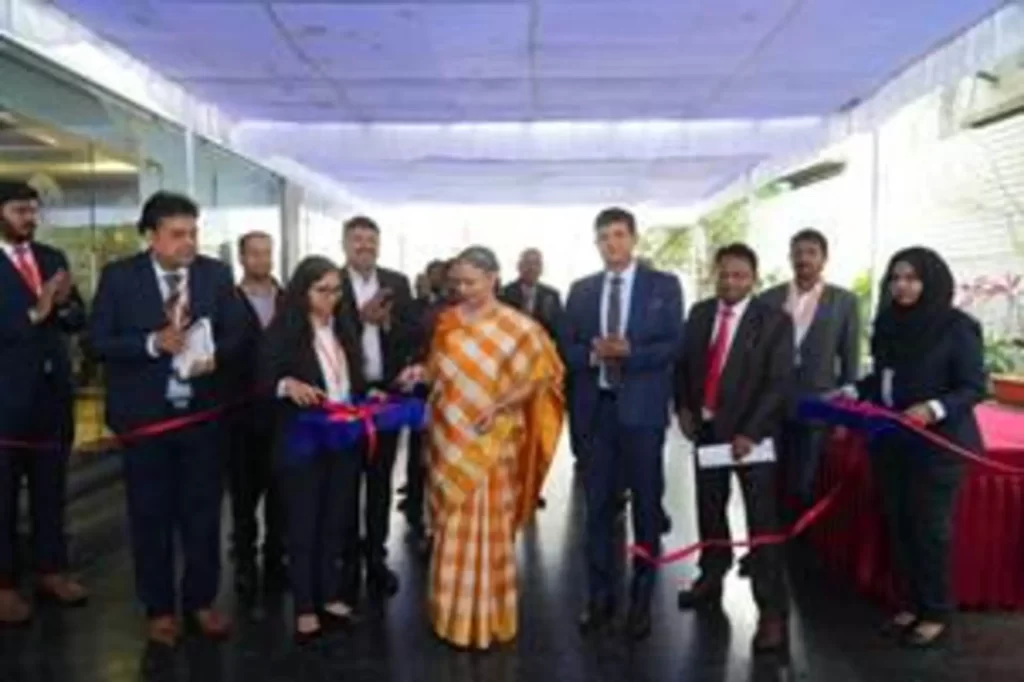
In a landmark step towards strengthening Indo-French cooperation in healthcare and emerging technologies, Union Minister for Health & Family Welfare, Shri J P Nadda, and H.E. Mr. Emmanuel Macron, President of the French Republic, today inaugurated the Indo French Centre for AI in Health (IF-CAIH) at the All India Institute of Medical Sciences, New Delhi.
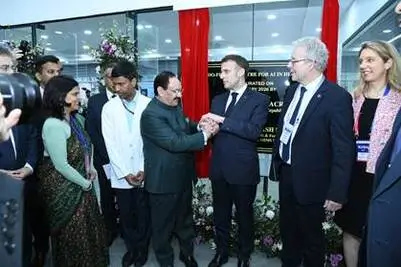
The IF-CAIH is a pioneering initiative aimed at advancing AI-driven research, medical education and clinical innovation to address complex healthcare challenges. It marks a significant milestone in India–France collaboration in digital health and reinforces Bharat’s vision of becoming a global leader in equitable and technology-enabled healthcare solutions.
The launch coincided with the high-level academic and scientific meetings – Rencontres Universitaires Et Scientifiques De Haut Niveau (RUSH) – being held on February 18-19, 2026, at AIIMS, New Delhi, coordinated by the French Embassy. A dedicated session titled “Indo-French Forum: AI in Brain Health and Global Healthcare” brought together leading scientists, clinicians, policymakers, and academic leaders from both countries.
The IF-CAIH has been established pursuant to a Joint Memorandum of Understanding signed between AIIMS New Delhi, Sorbonne University and Paris Brain Institute. The initiative also draws academic collaboration from Indian Institute of Technology Delhi and leading French institutions, promoting interdisciplinary research in artificial intelligence, brain health and global healthcare systems.
The initiative builds upon ongoing institutional cooperation between India and France in priority areas such as Digital Health, Antimicrobial Resistance (AMR), Human Resources for Health and the responsible use of health data. Collaborative efforts between research bodies and digital health institutions of both countries aim to enhance scientific discovery, strengthen evidence-based policymaking and promote capacity building and mobility partnerships.
The Indo-French Forum during RUSH 2026 aims to promote an integrated approach to global mental health challenges and enrich research ecosystems through cross-mobility of students, faculty, and researchers across the Indo-Pacific region.
As part of the RUSH 2026 programme, a special 30-minute conversation titled “RUSH – Conversation on Artificial Intelligence” was held between H.E. Mr. Emmanuel Macron and two young Indian innovators, Ms. Priyanka Das Rajkakati and Mr. Manan Suri. The interaction, moderated by Ms. Clara Chappaz, French Ambassador for AI and Digital, highlighted the importance of youth-led innovation, cross-border collaboration, and the transformative potential of Artificial Intelligence in shaping inclusive and sustainable global futures.
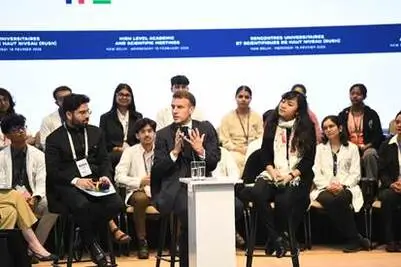
The programme also featured a special segment on “Major Scientific and Academic Cooperation Highlights between France and India” at the Jawaharlal Auditorium, moderated by Prof. Vijay Raghavan and Dr. Thierry Coulhon, Chairmen of RUSH. The session showcased key milestones and emerging avenues of collaboration in higher education, research, and innovation between the two countries, reflecting the depth and dynamism of the Indo-French knowledge partnership.

In his address, President Macron underscored the need for India and France to build sovereign AI capacity and talent, ensuring that AI development serves humanity without overdependence on a few global powers. He highlighted the transformative potential of ethical AI adoption across sectors, particularly in healthcare, to enhance productivity and accelerate scientific discovery. Emphasizing responsible governance, he called for safeguards to protect children, greater transparency in algorithms to address bias and democratic risks and the preservation of linguistic diversity in AI systems – an area where India and France share a common vision.
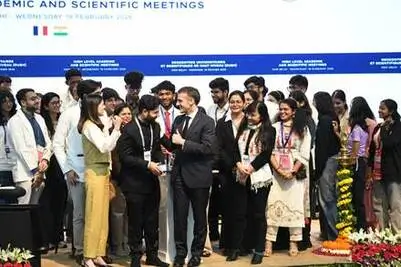
The President stated, “India and France are committed to developing the computing capacity and talent necessary to build our own trusted AI systems, as we cannot rely solely on technologies created and managed elsewhere.” He added, “Artificial Intelligence must serve humanity – with strong protections for children, transparency in algorithms to address bias, and a firm commitment to preserving linguistic and cultural diversity.”
Subsequently, H.E. Mr. Emmanuel Macron proceeded to inaugurate the International Centre for Artificial Intelligence in Global Health with a ceremonial walk, interacting with students en route and encouraging young researchers to pursue innovation-driven solutions in healthcare. The Hon’ble Union Health Minister, Shri J. P. Nadda was present throughout the programme and joined the inauguration ceremony at the IF-CAIH, reaffirming India’s commitment to strengthening bilateral cooperation in AI-enabled global health.
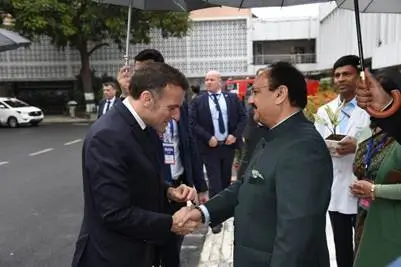
The Government of India reiterates its commitment to deepening healthcare cooperation with France, leveraging innovation, shared democratic values, and collective expertise to build resilient health systems and deliver better health outcomes for people in India and across the globe.
Union Minister for Health and Family Welfare, Shri Jagat Prakash Nadda, today launched two pioneering digital health initiatives — SAHI (Strategy for Artificial Intelligence in Healthcare for India) and BODH (Benchmarking Open Data Platform for Health AI) — during the India AI Impact Summit 2026. The launch marks a significant milestone in advancing safe, ethical, and evidence-based deployment of Artificial Intelligence (AI) in India’s healthcare ecosystem.
Describing the Summit as both timely and necessary, Shri Nadda emphasized that AI does not operate in isolation, but thrives on strong digital infrastructure and high-quality data. Recognizing this early, India began laying its digital foundations nearly a decade ago. In 2015, under the leadership of the Hon’ble Prime Minister, the Government launched the Digital India programme to transform India into a digitally empowered society and knowledge economy.
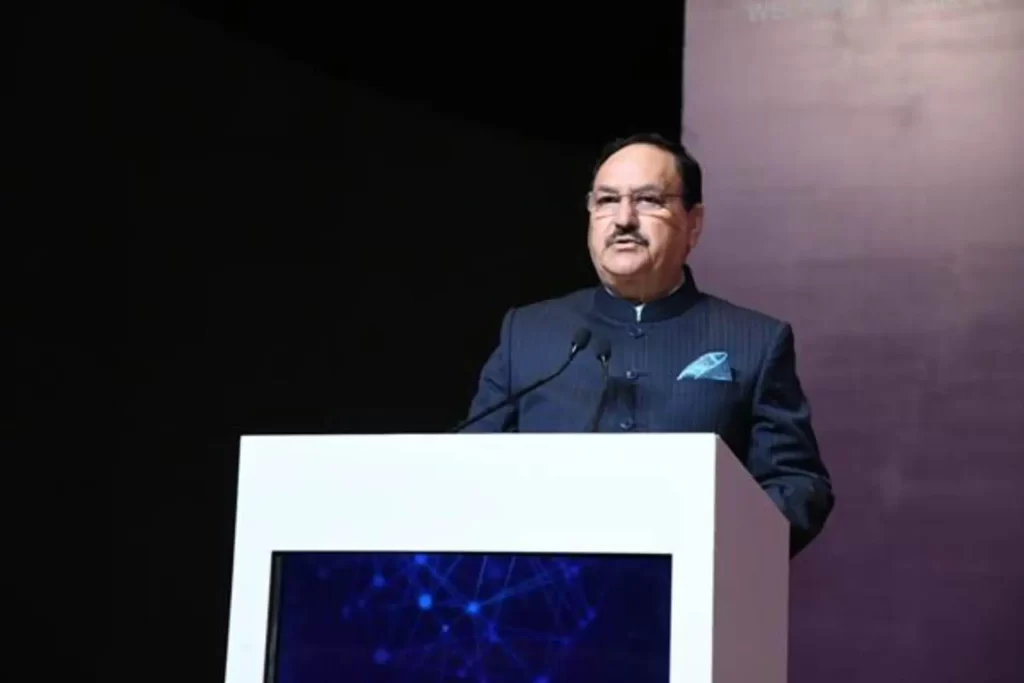
The Minister noted that the health sector aligned itself decisively with this national vision. The National Health Policy, 2017 envisaged the creation of a comprehensive digital health ecosystem that would be interoperable, inclusive, and scalable. Building on this vision, the Government launched the Ayushman Bharat Digital Mission (ABDM) in 2020 to establish a robust digital public architecture for healthcare.
Highlighting the progress achieved, Shri Nadda stated that sustained efforts have led to the creation of a strong digital public infrastructure in health. Interoperable systems have been enabled across platforms, and large-scale, consent-based health data frameworks are being developed to empower citizens while ensuring data privacy and security.
In this context, the Minister referred to the launch of SAHI, the Strategy for Artificial Intelligence in Healthcare for India, describing it as not merely a technology strategy but a governance framework, policy compass, and national roadmap for the responsible use of AI in healthcare. He stated that SAHI will guide India in leveraging AI in a manner that is ethical, transparent, accountable, and people-centric.
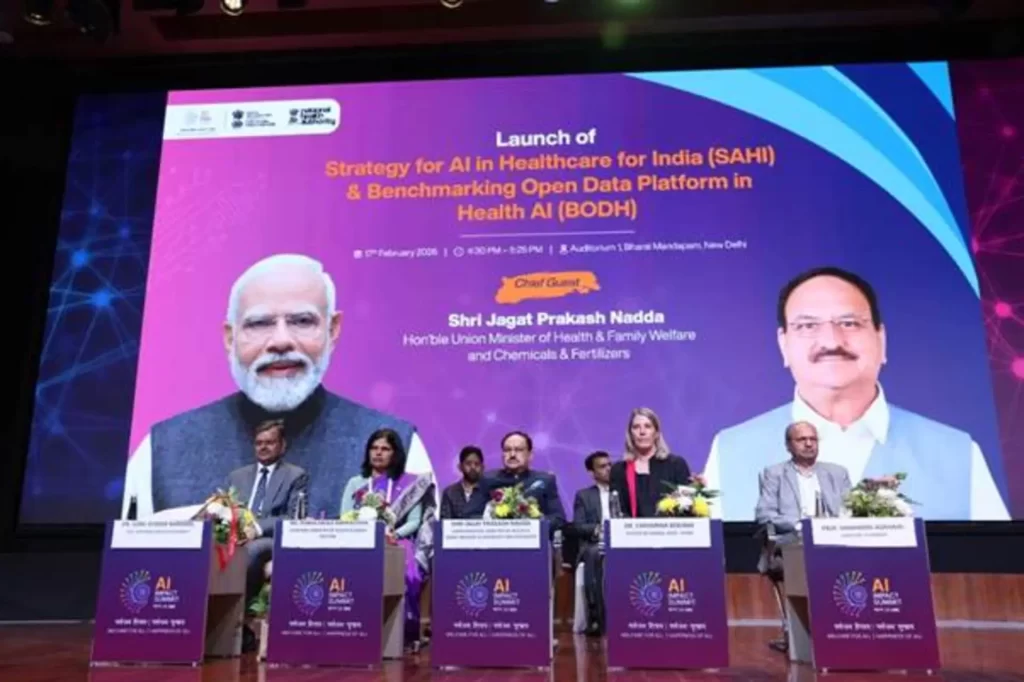
Shri Nadda also emphasized that SAHI provides a structured framework for collaboration, ensuring that innovation flourishes while public interest remains paramount.
The Minister also underlined the transformative potential of AI in pharmaceuticals and life sciences. AI-driven tools can accelerate drug discovery, shorten research timelines, enhance clinical trial precision, and make research processes more cost-effective, thereby strengthening affordable healthcare delivery.
He further highlighted the critical role of academic institutions in developing a future-ready healthcare AI workforce. The collaboration between Government and academia has led to the development of BODH — the Benchmarking Open Data Platform for Health AI — which provides a structured mechanism for testing and validating AI solutions before deployment at scale.
Shri Nadda reiterated that AI solutions must be rigorously evaluated for performance, reliability, and real-world readiness. Together, SAHI and BODH represent India’s commitment to building a trustworthy, inclusive, and globally competitive health AI ecosystem grounded in innovation, responsibility, and public trust.
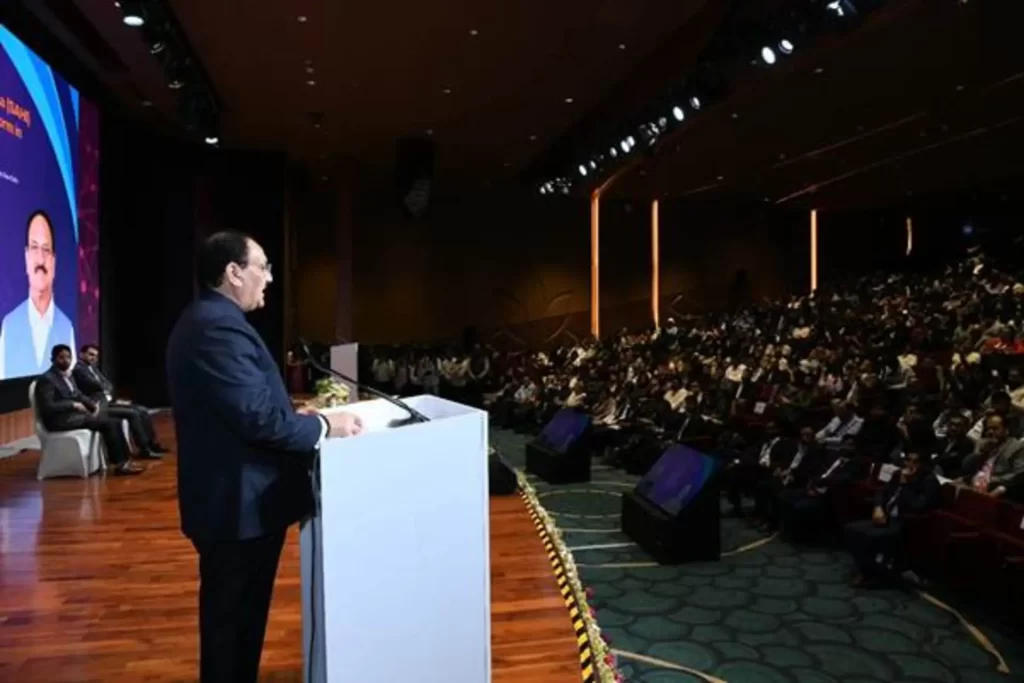
Addressing the gathering, Union Health Secretary, Punya Salila Srivastava, stated that under the visionary leadership of the Hon’ble Prime Minister, India has made tremendous strides in leveraging technology to make governance more inclusive, transparent, and efficient.
She emphasized that the launch of SAHI and BODH marks an important step in advancing the application of AI in healthcare. SAHI, she said, represents a long-term policy commitment of the Government and provides a common framework for the Union and State Governments, as well as private partners, to guide AI evaluation, adoption, and integration within the healthcare ecosystem.
Smt. Srivastava further highlighted that BODH will play a critical role in ensuring that AI tools used by clinicians are safe, reliable, and validated against real-world parameters before deployment. She stressed that trust, safety, and accountability must remain central to India’s health AI journey.
Dr. Catharina Boehme, Officer-in-Charge, World Health Organization South-East Asia Regional Office, also addressed the Summit and commended India’s leadership in digital health innovation. She noted that India is among the first countries to adopt a national AI strategy for health, setting an important global benchmark.
Dr. Boehme stated that the strategy has been designed to strengthen healthcare delivery, improve decision-making, and extend the reach of services to underserved populations. She emphasized that the approach reflects a simple but powerful principle — innovation must strengthen systems, expand access, and build trust.
Highlighting the importance of collaboration, she observed that India’s whole-of-government and whole-of-society approach ensures that SAHI reflects the realities of implementation on the ground, thereby enhancing its effectiveness and sustainability.
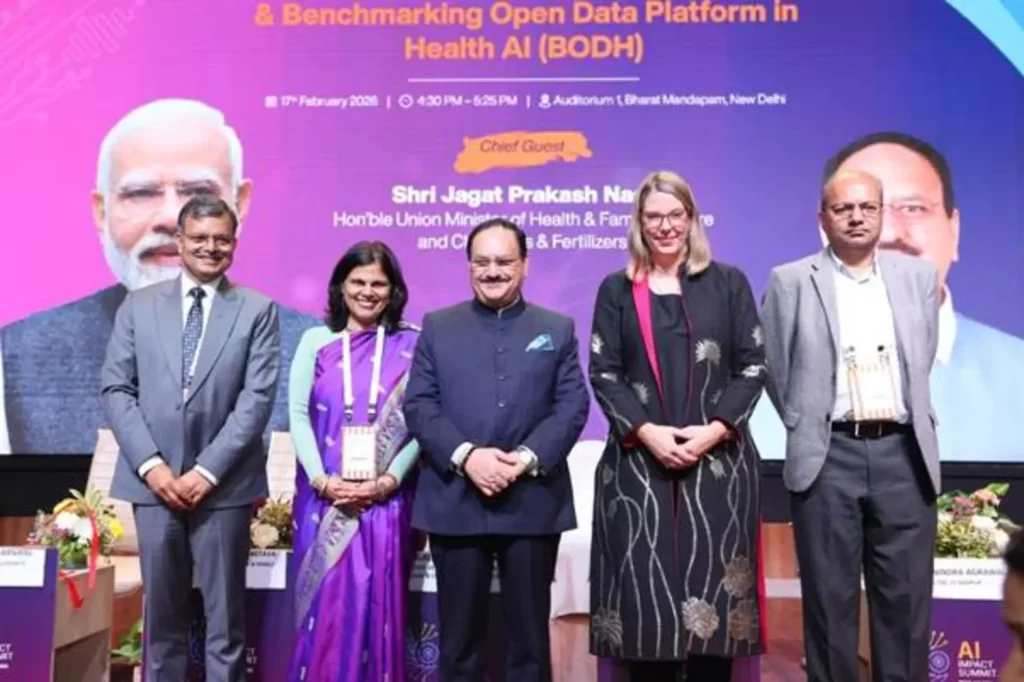
SAHI has been conceptualized as a comprehensive framework to promote secure, interoperable, and trustworthy AI solutions in the health sector. The initiative will facilitate collaboration among healthcare institutions, technology developers, researchers, and policymakers to ensure that AI tools meet rigorous standards of safety, efficacy, and ethical compliance prior to large-scale adoption.
The platform will also serve as a knowledge-sharing and governance hub, promoting best practices in health AI development and implementation, with strong safeguards for patient data protection and algorithmic accountability.
BODH (Benchmarking Open Data Platform for Health AI), developed by the Indian Institute of Technology Kanpur in collaboration with the National Health Authority, will enable systematic evaluation of AI models using diverse, anonymized real-world health datasets.
The platform is designed to assess performance, robustness, bias, and generalizability of AI systems before their deployment at population scale. By institutionalizing benchmarking standards, BODH aims to ensure that AI solutions are reliable, clinically relevant, and aligned with national public health priorities.
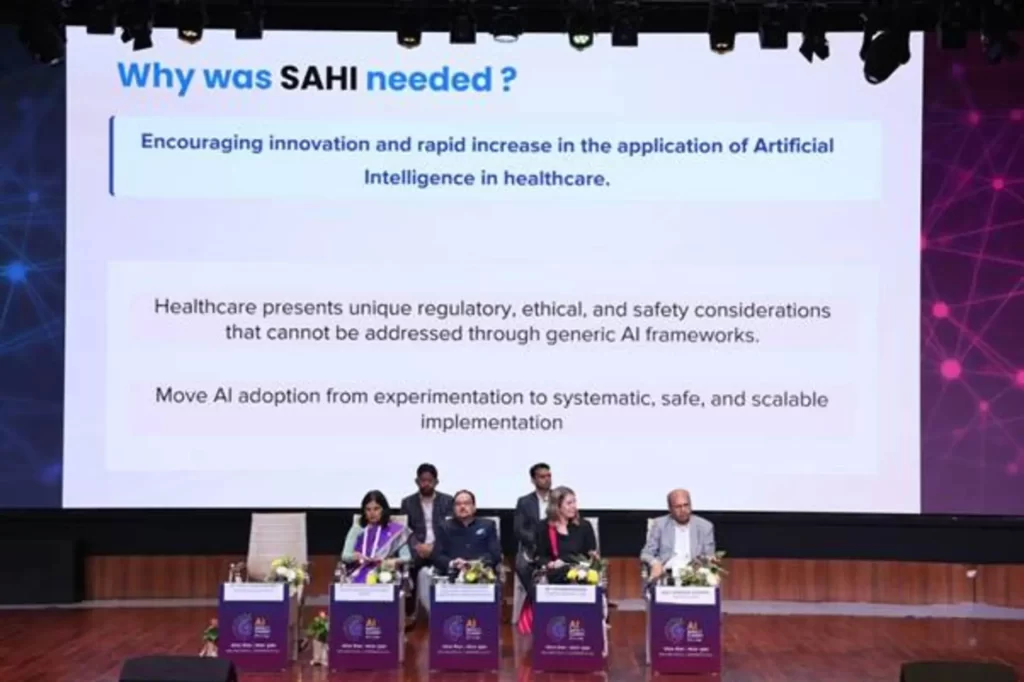
The launch of SAHI and BODH at the AI India Summit reflects India’s forward-looking vision of integrating digital innovation with public health priorities. These initiatives will foster responsible innovation while reinforcing trust in AI-enabled healthcare solutions.
The event witnessed the participation of senior officials from the Ministry of Health and Family Welfare, representatives from premier academic institutions, healthcare professionals, AI innovators, and industry stakeholders.
Union Minister of State for Health and Family Welfare, Smt. Anupriya Patel addressed the 2nd Convocation Ceremony of All India Institute of Medical Sciences (AIIMS), Mangalagiri, today, in the presence of Shri Nara Lokesh, Minister for Information Technology, Electronics, Communications, and Human Resources, Andhra Pradesh.
Addressing the gathering, Smt. Patel congratulated the graduating students on reaching a significant milestone in their academic and professional journey. She described the occasion as a defining moment, marking the completion of formal education while reaffirming that learning in the medical profession must continue throughout life. “Medicine is a constantly evolving field. This convocation does not mark the end of learning, but the beginning of a lifelong journey of continuous growth, discovery, and service to humanity,” she added.
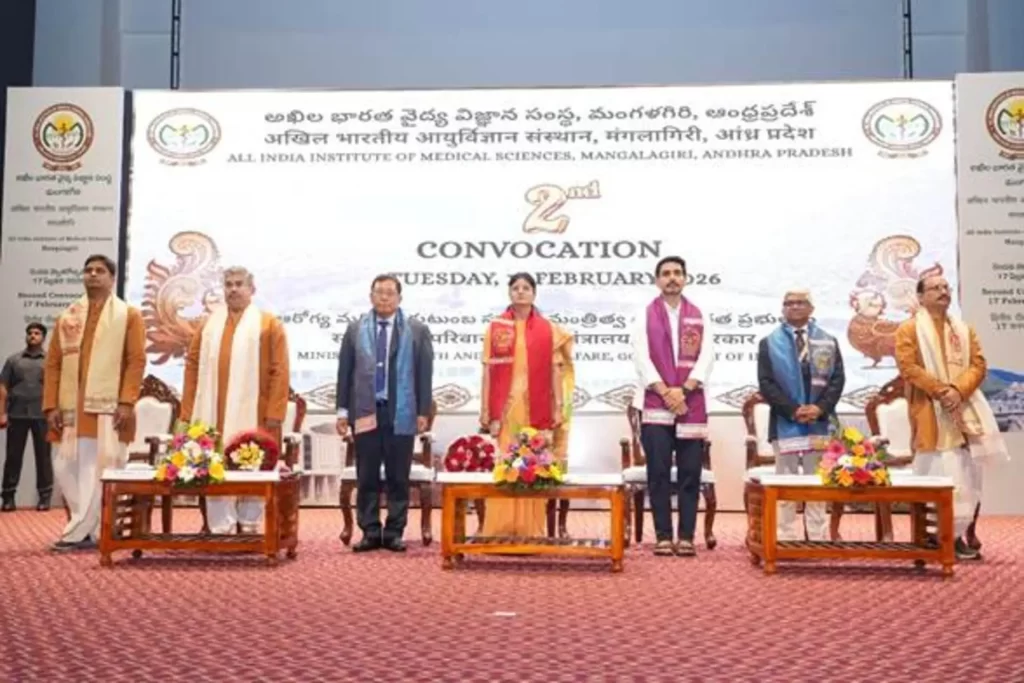
Emphasizing the social responsibility of doctors, Smt. Patel stated, “When you enter this noble profession, you carry not only your personal ambitions, but also the hopes and aspirations of millions of citizens. Society places immense trust in doctors, and that trust must be honoured with empathy, compassion, ethical conduct, and excellence.”
She urged the graduates to always place patients at the centre of their professional decisions, irrespective of where they serve, and to remain sensitive to the needs of the most vulnerable sections of society.
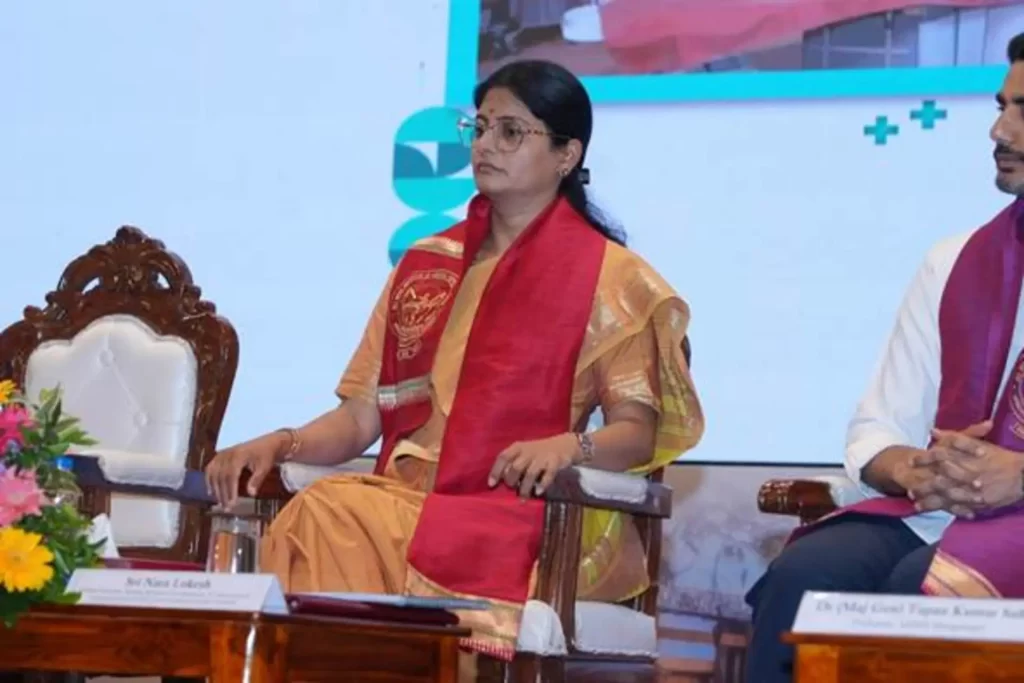
Highlighting the transformation underway in India’s healthcare sector, Smt. Patel said, “India’s healthcare story is being redefined. Under the visionary leadership of Hon’ble Prime Minister Shri Narendra Modi, universal health coverage is no longer a distant goal but an achievable reality. Healthcare in India is transitioning from being a privilege to becoming a fundamental right.”
Smt. Patel noted that government expenditure on healthcare has witnessed a consistent rise since 2014, with a 9% increase in the latest Union Budget. She also emphasized that the National Health Policy 2017 mandates increasing public health spending to 2.5% of GDP, which has resulted in strengthened public healthcare systems and a sustained reduction in out-of-pocket expenditure for citizens.
Smt. Patel further underlined that “the government has adopted a holistic approach, investing more in public health, reducing the financial burden on families, and expanding infrastructure and human resources, to ensure that quality healthcare reaches every citizen.”
Smt. Patel highlighted several flagship initiatives including Pradhan Mantri Bhartiya Janaushadhi Pariyojana, Amrit Pharmacies, the National Dialysis Programme, and other patient-centric schemes aimed at ensuring affordability and access.
Referring to Ayushman Bharat- Pradhan Mantri Jan Arogya Yojana (PM-JAY), she said, “this world’s largest health assurance scheme is providing free treatment of up to ₹5 lakh per family annually to nearly 62 crore beneficiaries, triggering a silent social revolution by eliminating financial barriers to healthcare for the poor and vulnerable.” She emphasized that PM-JAY has enabled early diagnosis and timely treatment, significantly improving health outcomes and preventing catastrophic health expenditure.
On healthcare infrastructure and medical education, she stated, “India has witnessed an unprecedented expansion in medical education and tertiary healthcare. The number of medical colleges has increased from 387 in 2014 to 818 today, undergraduate and postgraduate medical seats have been expanded, and AIIMS institutions have grown from 7 to 22, ensuring that talented youth from all backgrounds can pursue their dreams of becoming doctors.”
She added that more than 1.80 lakh Ayushman Arogya Mandirs now serve as the foundation of India’s primary healthcare system, delivering 12 essential services at the grassroots level.
Highlighting India’s leadership in integrative healthcare, Smt. Patel stated, “By converging modern medicine with traditional systems, India is pioneering an integrative healthcare model that enhances outcomes, lowers costs, and accelerates progress towards universal health coverage.”
Smt. Patel informed that dedicated integrative healthcare and AYUSH units are now operational or being established across AIIMS institutions, including AIIMS Mangalagiri.
Speaking on the role of emerging technologies, Smt. Patel underscored the growing importance of artificial intelligence in healthcare delivery. Referring to India’s hosting of the Global South Summit on Artificial Intelligence, she remarked, “Artificial intelligence is a powerful enabler that can transform disease surveillance, diagnosis, treatment, and healthcare delivery. It is an assistive force that strengthens doctors, not replaces them.”
She highlighted the successful use of AI-powered tools in India’s tuberculosis elimination programme, including handheld X-ray devices, cough-based diagnostic solutions, predictive analytics, genomic surveillance, and real-time disease outbreak monitoring.
“Our experience demonstrates that technology, when aligned with public purpose, can dramatically expand access, improve efficiency, and save lives,” she added.
Addressing the challenges of medical practice, Smt. Patel urged young doctors to care for their own physical and mental well-being, stressing that healthy caregivers are essential for delivering quality healthcare.
In her concluding remarks, she congratulated AIIMS Mangalagiri for organizing the convocation ceremony and commended the institute for launching an early-morning antenatal care initiative for pregnant women. She extended her best wishes to the graduating students, expressing confidence that they would uphold the highest ethical standards, pursue lifelong learning, and contribute meaningfully to nation-building.

Addressing graduating healthcare professionals, Shri Nara Lokesh highlighted the remarkable transformation of AIIMS Mangalagiri, from a modest facility to a 650-bed super-specialty institution offering advanced services including organ transplantation, robotic surgery, oncology, and cardiac care, with over 45 lakh diagnostic services delivered, symbolizing hope and healing for millions. Emphasizing that true growth lies beyond infrastructure, the speaker underscored trust, compassion, ethical integrity, and lifelong learning as the core pillars of medical practice. Paying tribute to the selfless service of doctors during the COVID-19 pandemic, the address reaffirmed that while technology and AI will continue to advance healthcare, empathy, humility, and the healing power of human touch remain irreplaceable. Graduates were urged to serve with dedication, uphold ethical values, embrace continuous learning, reach underserved communities, and practice medicine with dignity, discipline, and devotion.
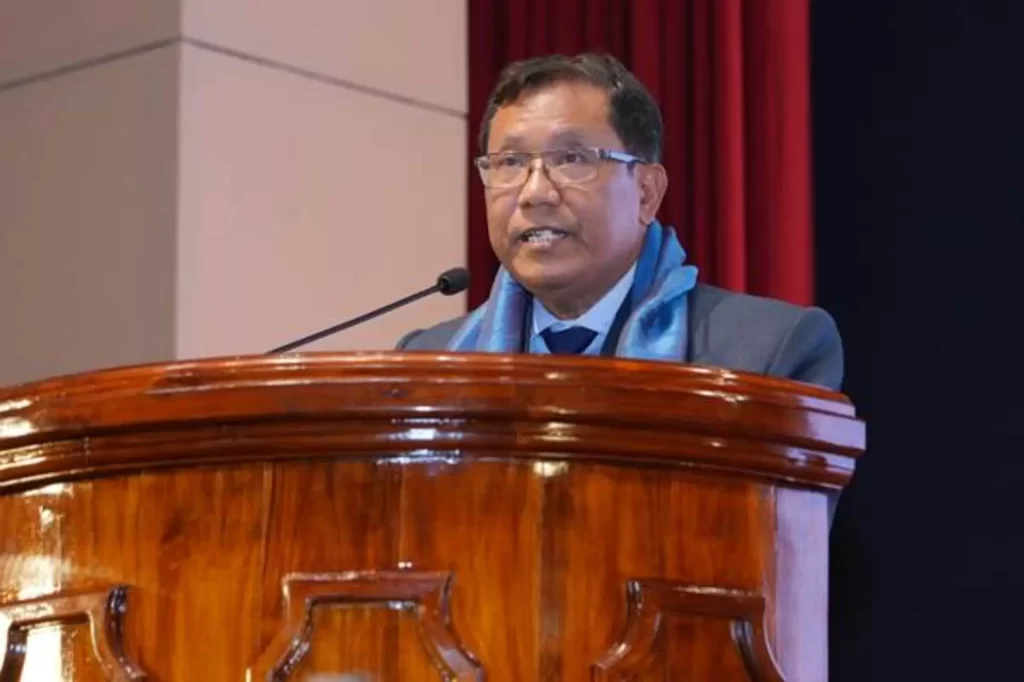
During the convocation ceremony, degrees were conferred upon 49 MBBS graduates, 5 MD/ MS Post-Graduate students and 4 Post-Doctoral Certificate Course (PDCC) Students. A brief progress on the recent achievements of the institute was also released on the occasion.
Maj. Gen. (Dr.) Tapan Kumar Saha, President, AIIMS Mangalagiri, and Dr. Ahanthem Santa Singh, Executive Director, AIIMS Mangalagiri and senior officials of the Union Health Ministry and Andhra Pradesh government were present in the event.