
“There is a need to promote organ donation from deceased persons and “brain stem dead” people to meet the huge need for organ donation in the country. Prime Minister Shri Narendra Modi has highlighted the importance of organ donation and has given special emphasis on the fact that one organ donor can give new life to up to 8 people.” This was stated by Smt. Anupriya Patel, Union Minister of State for Health and Family Welfare on the occasion of the 14th Indian Organ Donation Day ceremony organized by the National Organ and Tissue Transplant Organization (NOTTO), here today in the presence of Dr V K Paul, Member (Health), NITI Aayog.
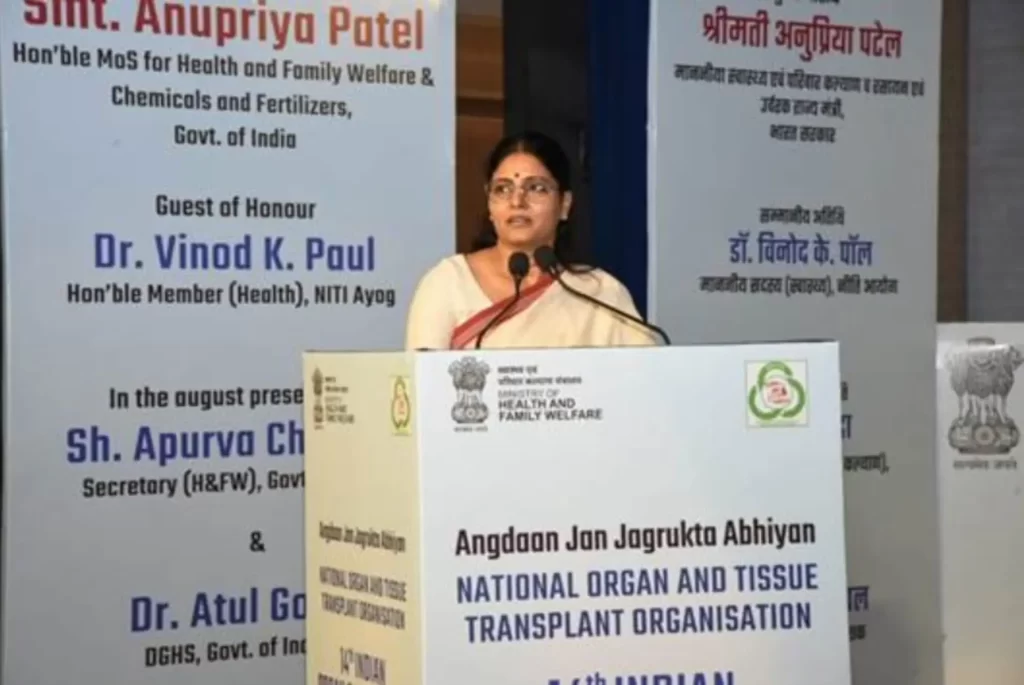
Addressing the occasion, Smt. Patel lauded the family members of deceased organ donors for “doing the greatest service to mankind by saving the lives of numerous people”. Calling them an inspiration for the entire country, she encouraged the countrymen to step forward to pledge to donate their organs after death. “It is only through the concerted efforts of every individual and institutions that India can realise its vision of becoming one of the leading countries in organ donation and transplantation”, she said.
The Union Minister said that though many countries like Spain, the USA and China are much ahead in organ donation, India has also made some notable achievements in this field in recent times. She also urged officials to take all steps to ensure that no received organs are wasted before getting transplanted.
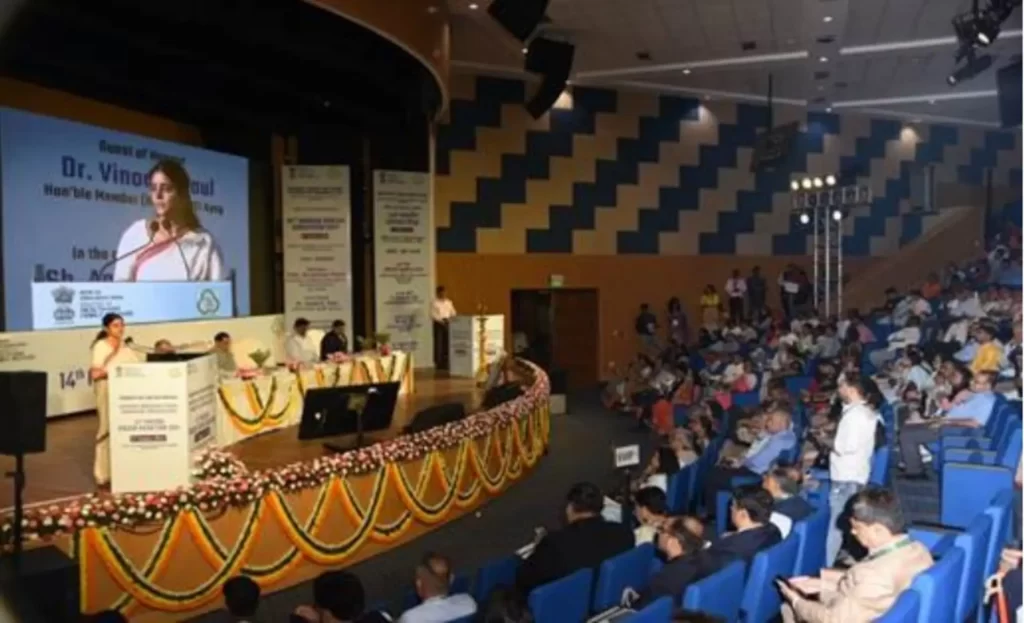
Dr. Vinod Kumar Paul who was also the Guest of Honour at the event highlighted the huge gap between the demand for and supply of organs and noted the need for institutional reforms in the government hospitals to take up the challenge of organ transplantation. He lamented that there are only around 750 institutions providing organ transplantation services and encouraged the other institutions to also come forward to provide such services.
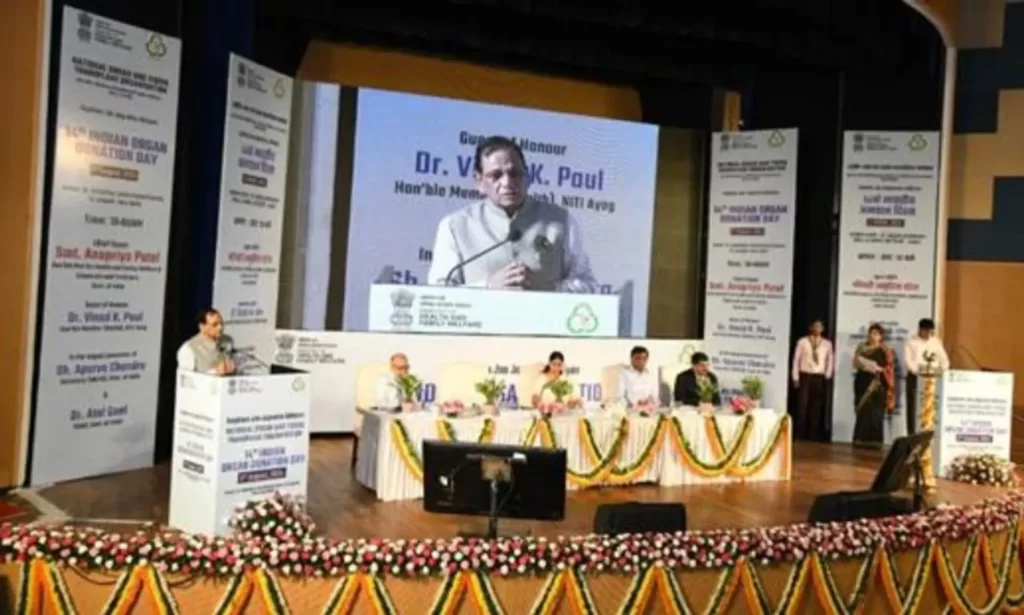
Dr Paul informed that kidney transplantation is covered under the AB PM-JAY (Ayushman Bharat Pradhan Mantri Jan Arogya Yojana) and called upon insurance companies to cover organ transplantation. He also highlighted significant efforts made by the Union Government to ensure ease of organ transplantation like the “One Nation, One Policy” which removed the domicile and age-related roadblocks to organ transplantation. He ended his address by paying tribute to the organ donors and urging people to unitedly come forward towards this noble cause.
Union Health Secretary, Shri Apurva Chandra highlighted the need to enhance awareness about organ donation as there are a large number of people registering for need of organs. He mentioned that “although India ranks third in organ transplantation, since most organ donations happen amongst family members, there is a need to inspire people to register for organ donation”.
He also stressed that “to ensure that there is no organ wastage, we must strengthen our system. When we receive any brain-dead person, the time is less and we have to harvest the organs in 12 hours and the transplant has to happen within a short window. Hence, we have to improve our systems and it's a big responsibility for NOTTO, SOTTO and ROTTO.”
On the occasion, the Union Minister felicitated 10 family members of deceased donors for their brave decision of donating organs of their loved ones and four recipients of organ donation. Awards were also presented to the best performing States, Regional and State Organ and Tissue Transplant Organizations, medical colleges and institutions, professional societies, medical professionals and Non-Governmental Organizations, etc. to recognize their contribution in the field of organ donation and transplantation. ROTTO North-PGIMER, Chandigarh won the Best ROTTO Award. Telangana bagged the Award for Best SOTTO/State, while Tamil Nadu and Karnataka received the Award for second best SOTTO/ State. Manipur was conferred with Best Emerging State in North East Award. The states winning the Emerging States in Organ Donation Award were: 1) Andhra Pradesh 2) Madhya Pradesh, and 3) Jammu & Kashmir. Award for the best Non-Transplant Organ Retrieval Centres (NTORC) was received by Civil Hospital, Ahmedabad while the Emerging NTORC were: 1. Command Hospital, Chandmandir, and 2. Dr. Rajendra Prasad Government Medical College, Himachal Pradesh. Rajasthan was awarded as the State with Best Awareness/IEC activities. Best Hospital in Private Sector with Highest Deceased Donation Award was received by Yashoda Hospital, Secundrabad. Special Award to Central Govt. Hospital for Efficient Revival of Deceased Organ Donation Programme was won by Safdarjung Hospital, New Delhi. Special Award to State Hospital for efficient Revival of Deceased Organ Donation Programme was received by KEM Hospital, Mumbai. The best Brain Stem Death Certifying Team (Region wise) were: 1. West - New Civil Hospital, Surat; 2. North - AllMS, Delhi; 3. South - KIMS, Secundrabad; 4. East - IPGMER, Kolkata.
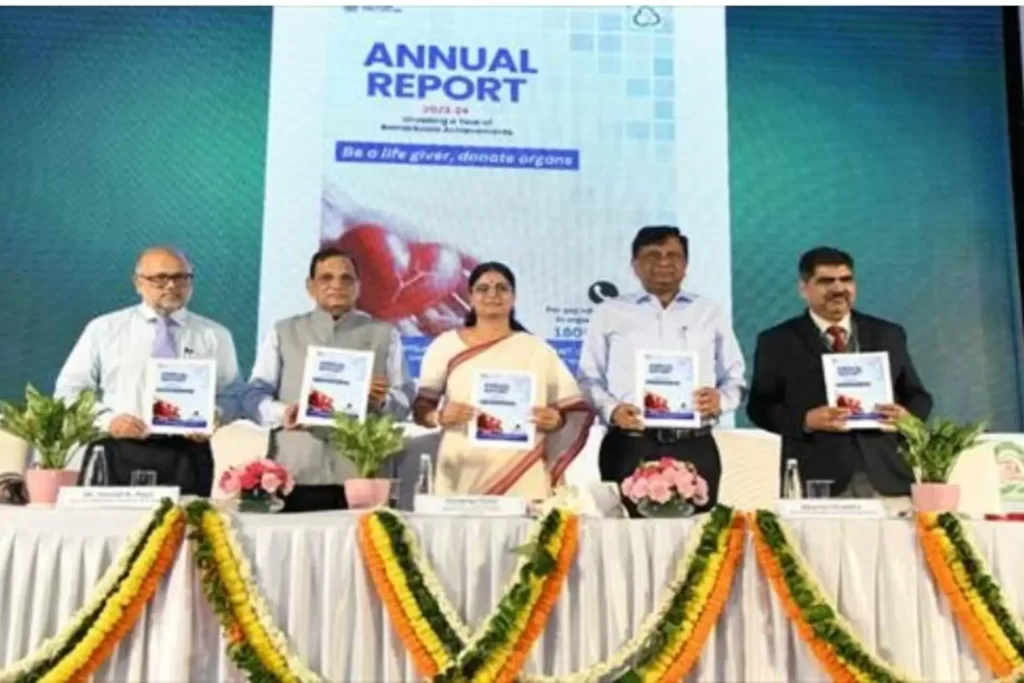
The event also witnessed the launch of an e-Newsletter, NOTTO’s Annual Report and a manual providing an introduction to the Organ Transport Standard Operating Procedures (SOPs).
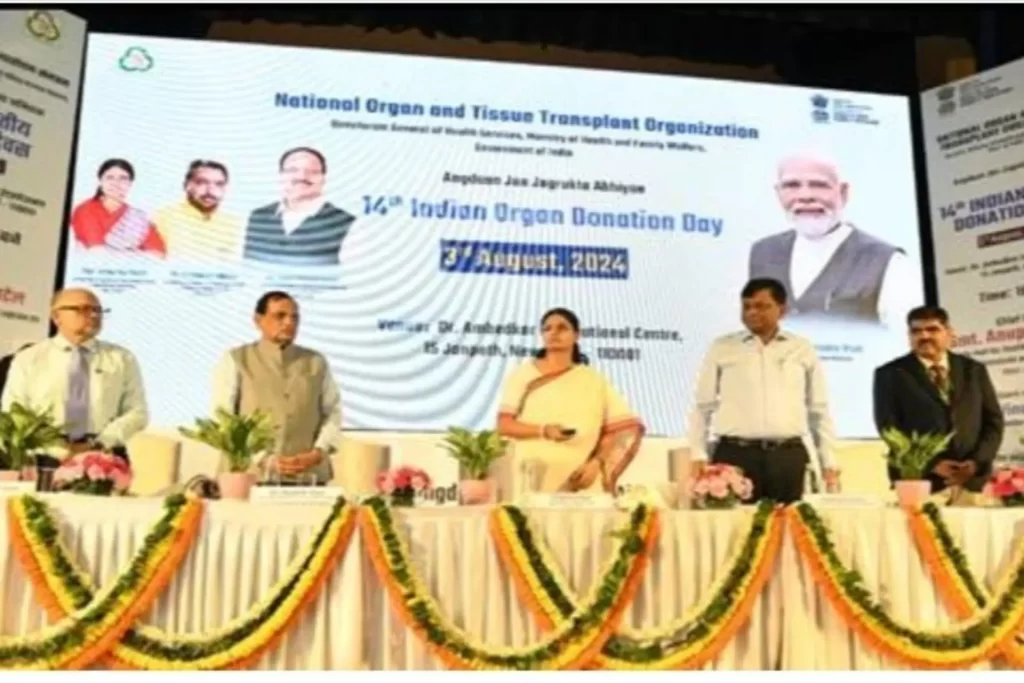
As a part of Azadi ka Amrit Mahotsav, a special campaign ‘Angdaan Mahotsav’ was organised in the year 2023 throughout the country as a “Jan Andolan”. The month of July is observed as the Organ Donation Month. This year under the campaign titled “Angdaan Jan Jagrukta Abhiyaan” various awareness activities are being organized across the country from city to village level through all Central Government Ministries/Departments, State/UT Governments/National, Regional and State Organ & Tissue networking organizations/Hospitals / Institutions and Medical Colleges, NGOs and other stakeholders.
The event was also attended by Dr Anil Kumar, Director, NOTTO; Delhi Police personnel, organ recipients, students, as well as senior officials from the Union Health Ministry.
The Union Government is committed to promote Organ and Tissue donation. The Hon’ble Prime Minister Shri Narendra Modi has highlighted the importance of organ donation many times in episodes of “Mann ki Baat” program.
The Indian Organ Donation Day (IODD) is observed annually since 2010 to augment awareness about brain stem death and organ donation, dispel myths and misconceptions associated with organ donation and motivate and encourage the citizens of the country to donate organs and tissues after death, as well as to imbibe the values of organ donation in their lives. To reduce the demand for organ transplantation, campaign activities also promote adoption of healthy lifestyles, wellness and take steps for prevention of organ failure. The 14th IODD is an opportunity to motivate people to donate organs in order to bridge the existing gap between the number of people in need of organs for transplant and the number of donors.
Every donated organ is precious, lifesaving and a national resource. A person after his death can give new life to up to 8 people by donating vital organs namely Kidney, Liver, Lung, Heart, Pancreas and Intestine and improve quality life of many more by donating tissues like cornea, skin, bone and heart valve etc. People are encouraged to come forward to pledge for a noble cause and contribute in this national endeavor. For any information on organ donation and transplantation one can visit the website of NOTTO www.notto.mohfw.gov.in or call tollfree helpline number 180114770.
This year under the campaign “Angdaan Jan Jagrukta Abhiyaan” various awareness activities have been organized across the country from city to village level involving all Central Government Ministries/Departments, State/UT Governments/National, Regional and State Organ & Tissue networking organisations/Hospitals / Institutions and Medical Colleges, NGOs and other stakeholders. Under the Abhiyaan, the month of July was observed as the Organ Donation Month. To facilitate citizens to pledge for organ and tissue donation, a web portal https://notto.abdm.gov.in is functional through which till now, more than 1.7 lakh citizens have come forward and registered their pledge since 17th September, 2023.
Prof. (Dr) Atul Goel, Director-General of Health Services (DGHS), Ministry of Health and Family Welfare chaired a meeting with major Health professional bodies of India. The meeting, conducted in hybrid mode, brought together representatives from more than 27 esteemed health professional bodies. The primary agenda of the meeting was to advance the Ministry's initiatives on health promotion i.e., promotion of healthy diet, physical activity and to address key risk factors of non-communicable diseases such as tobacco & alcohol. The concept of Healthy Medical/dental College Campus initiative was discussed with the participants wherein it was envisaged for propagating a culture of Health and Well-being in all medical and dental institutions across the country.
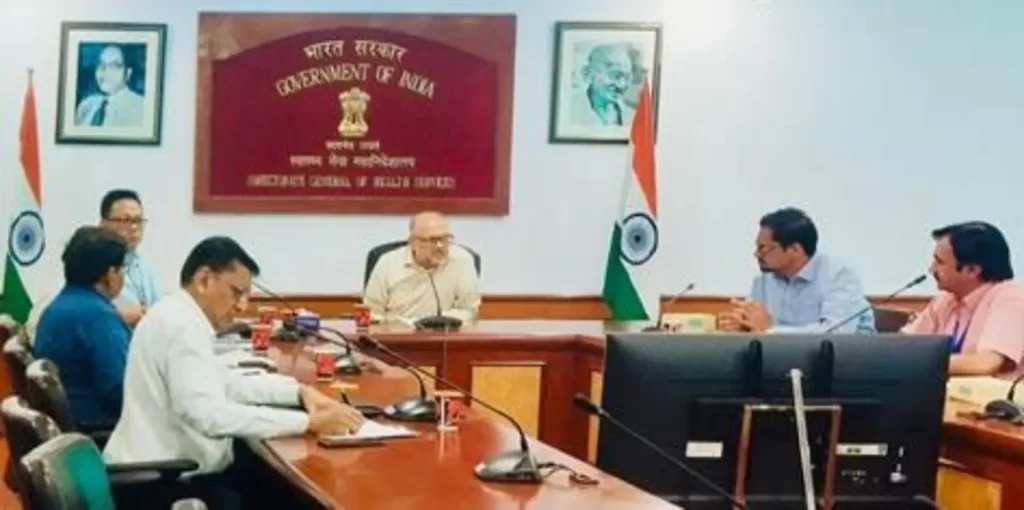
Dr. Atul Goel emphasized on investing healthcare resources more towards prevention of diseases rather than “only” focusing on diagnostic and therapeutic options. The participants also engaged in discussions on strategies to promote health and prevent diseases, on eliminating the use of tobacco/Alcohol and strengthening the implementation of Prohibition of Electronic Cigarettes Act 2019. All professional bodies also agreed to adopt a Declaration of Health Promotion and take possible measures to espouse the concept of Health Promotion.
All members unanimously commended the efforts and recommendations of the MoHFW and acknowledged the critical importance of a collaborative approach to health promotion. The health bodies pledged to work in unison with the Union Health Ministry to further the objectives of health promotion, emphasizing the need for public awareness campaigns, educational programs, and policy advocacy to reduce the prevalence of tobacco use, alcohol abuse and other risk factors.
The meeting underscored a collective commitment to fostering a healthier nation through concerted efforts in health education and risk factor mitigation. The Ministry of Health and Family Welfare remains steadfast in its mission to safeguard public health and enhance the well-being of all citizens through collaborative and proactive measures.
Dr. L. Swasticharan, Addl. DDG & Director EMR and senior officials of the Union Health Ministry attended the meeting. Health Professional Bodies that participated in the meeting included the National Medical Commission (NMC), World Health Organization (WHO), Indian Medical Association (IMA), Association of Physicians of India (API), Cardiology Society of India (CSI), Indian Association of Preventive and Social Medicine (IAPSM), Indian Public Health Association (IPHA), MeDeVision, Trained Nursing Association of India (TNAI), Indian Orthopedic Association (IOA), Indian Society of Oncology (ISO), Indian Association of Public Health Dentistry (IAPHD), Association of Oral and Maxillofacial Surgeons of India (AOMSI), National Medicos Organization (NMO) among others.
The Government of India has implemented several schemes to encourage startups across various sectors including the pharmaceutical sector. These include:
Startup India Initiative, launched on January 16, 2016, which aims to foster innovation and encourage investments across various industries, including the pharmaceutical sector. The initiative includes three flagship schemes viz., Fund of Funds for Startups (FFS); Startup India Seed Fund Scheme (SISFS); and Credit Guarantee Scheme for Startups (CGSS).
Biotechnology Industry Research Assistance Council (BIRAC) under Department of Biotechnologies offers funding assistance through initiatives such as the Biotechnology Ignition Grant (BIG), Sustainable Entrepreneurship and Enterprise Development (SEED), and Launching Entrepreneurial Driven Affordable Products (LEAP) schemes. The funding ranges from INR 30 Lakhs to INR 100 Lakhs per startup, enabling them to refine their ideas, establish proof-of-concepts, pilot, and commercialize their products and technologies. BIRAC also promotes innovation and research in biotechnology through the i4 programme and the PACE programme.
It is also pertinent to mention that Department of Pharmaceuticals has launched a Scheme for Promotion of Research and Innovation in Pharma-MedTech sector (PRIP). Under Component BIII of the PRIP scheme, 50 of 125 research projects in the identified six priority areas are for the startups in the pharmaceuticals sector.
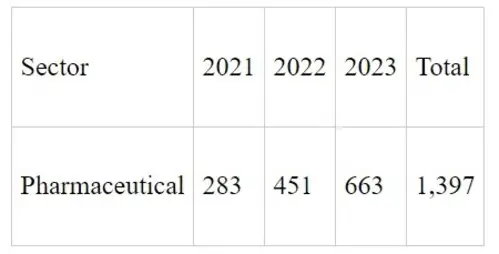
As of 30th June 2024, the Department for Promotion of Industry and Internal Trade (DPIIT) has recognized a total of 1,40,803 entities as startups, of which 2,127 are from the pharmaceutical sector. During the last three years, 1397 DPIIT-recognized start-ups were set up in the pharmaceutical sector details of which are as follows:
Under the Startup India initiative, the Government is implementing flagship schemes, namely, the Fund of Funds for Startups (FFS); the Startup India Seed Fund Scheme (SISFS); and, the Credit Guarantee Scheme for Startups (CGSS). Under these Schemes support is extended to startups across all sectors and industries at various stages of their business cycle. SISFS provides financial assistance to seed-stage startups through incubators. The scheme was launched in FY 2021-22 for a period of 4 years with a corpus of Rs. 945 Cr. As of 30th June 2024, under SISFS, Rs. 862.84 crore has been approved for 205 incubators. FFS has been established to catalyse venture capital investments and is operationalized by the Small Industries Development Bank of India (SIDBI). SIDBI provides capital to Alternative Investment Funds (AIFs) registered with Securities and Exchange Board of India (SEBI), which in turn invest in startups. As of 30th June 2024, under FFS, Rs. 10,804.7 crore has been committed to 138 AIFs. CGSS is implemented to enable collateral-free loans to DPIIT recognized startups through eligible financial institutions (Member Institutes - MIs). The scheme is operationalized by the National Credit Guarantee Trustee Company (NCGTC) Limited and has been operational on a pilot basis from 1st April 2023. As of 30th June 2024, 182 loans amounting to Rs. 426.09 crore have been guaranteed to beneficiary startups. These initiatives demonstrate the Government's commitment to fostering a robust startup ecosystem in India.
The number of new industries established under Pharma Sector in Uttar Pradesh during last three years is 214, of which 176 units are in medical devices and 38 units are in drugs and formulations.
This information was given by the Union Minister of Chemicals and Fertilizers Shri Jagat Prakash Nadda in Rajya Sabha in reply to a question today.
As per the provisions of Drugs (Prices Control) Order, 2013 (DPCO, 2013), formulations listed in Schedule-I of the DPCO are defined as scheduled formulation under section 2(1)(zb) of DPCO, 2013. Formulations not included in Schedule –I are defined under Para 2(1)(v) of DPCO, 2013 as non-scheduled formulation. Thus, both schedule and non-schedule drugs are covered under DPCO, 2013.
As per the extant provisions of DPCO, 2013, the ceiling prices of scheduled medicines are revised annually on the basis of Wholesale Price Index (WPI) (all commodities) for preceding calendar year by National Pharmaceutical Pricing Authority (NPPA), on or before 1st April of every year and is notified by the Government on the 1st day of April every year. The details of price fixed by NPPA are available at NPPA’s website i.e. nppaindia.nic.in. In case of non-scheduled formulation (branded or generic), as per para 20 of DPCO, 2013, no manufacturers can increase Maximum Retail Price (MRP) by more than 10% of MRP during preceding 12 months. The maximum permissible increase in prices, as per the provisions of DPCO, 2013 for scheduled and non-scheduled drugs may or may not be availed by their respective manufacturers based on commercial considerations and market dynamics.
Under the Drugs and Cosmetics Act, 1945 and Rules thereunder, manufacturers of drugs are required to comply with conditions of manufacturing licence and the requirements of Good Manufacturing Practices (GMP). As per the Drugs Rules, 1945, the manufacturing, testing, labeling, packaging, storage and distribution are required to be carried out in compliance with the conditions of license including the Good manufacturing practices (GMP) prescribed under the Schedule M of the Drugs Rules, 1945. In case of violation, the Licensing Authority is empowered to take action as per the said Act and Rules.
NPPA monitors the prices of scheduled as well as non-scheduled medicines under DPCO, 2013. Action is taken against companies, found selling formulations at prices higher than the permissible price, and the overcharged amount is recovered from the company as per the relevant provisions of the DPCO, 2013. During the financial year 2023-24, Rs. 72.73 crore was recovered from the defaulting companies.
This information was given by the Union Minister of State for Chemicals and Fertilizers Smt Anupriya Patel in Rajya Sabha in reply to a question today.
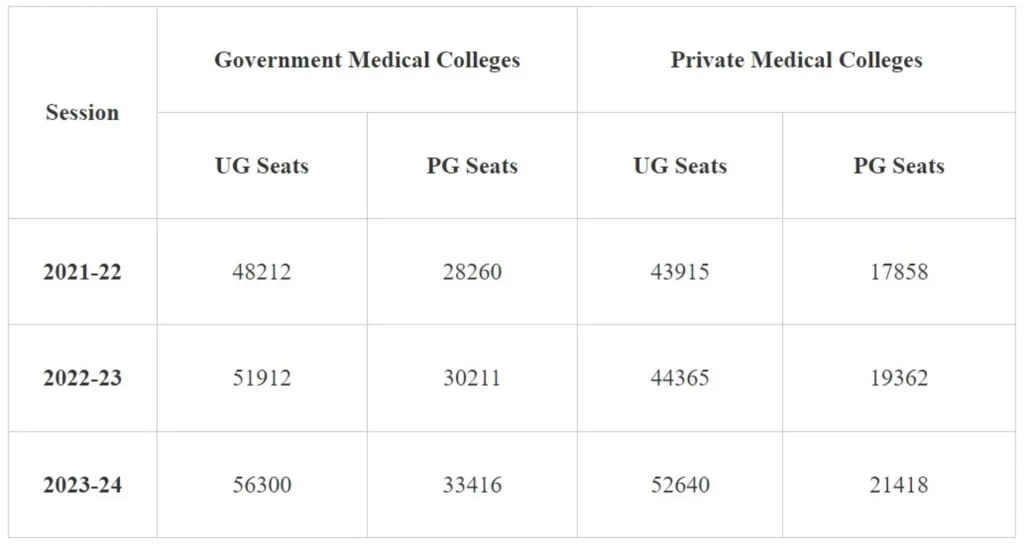
The Government has increased number of medical colleges and subsequently increased MBBS seats. There is an increase of 88% in medical colleges from 387 before 2014 to 731 as of now. Further, there is an increase of 118% in MBBS seats from 51,348 before 2014 to 1,12,112 as of now. There is also an increase of 133% in PG seats from 31,185 before 2014 to 72,627 as of now.
The details of MBBS and PG seats (excluding NBEMS seats) available in Private and Government Medical Colleges during the last three years are as under:
Some of the measures/steps taken by the Government to increase the number of seats and to improve the quality of education in Government Medical Colleges include: -
Centrally Sponsored Scheme (CSS) for establishment of new medical colleges by upgrading district/ referral hospital under which 157 new medical colleges have been approved, out of which 109 are already functional.
CSS for strengthening/ upgradation of existing State Government/ Central Government medical colleges to increase the number of MBBS (UG) and PG seats, under which support has been provided for increase of 4,977 MBBS seats in 83 colleges with an approved cost of Rs. 5,972.20 Cr, 4,058 PG seats in phase-I in 72 colleges with an approved cost of Rs. 1,498.43 cr and 4,000 PG seats in phase-II in 65 colleges with an approved cost of Rs. 4,478.25 Cr.
Under “Upgradation of Government medical colleges by construction of Super Specialty Blocks” component of Pradhan Mantri Swasthya Suraksha Yojana (PMSSY), a total of 75 projects have been approved, of which 66 projects are complete.
Under the Central Sector Scheme for setting up of new AIIMS, 22 AIIMS have been approved. Undergraduate courses have started in 19 of these.
DNB qualification has been recognized for appointment as teaching faculty to take care of shortage of faculty.
Enhancement of age limit for appointment/ extension/ re-employment against posts of teachers/dean/principal/ director in medical colleges up to 70 years.
The Union Minister of State for Health and Family Welfare, Smt. Anupriya Singh Patel stated this in a written reply in the Rajya Sabha today.
The Government of India has formulated an ‘Action Plan for managing Zika Virus Disease’. The plan provides detailed guidance on various public health actions that need to be taken in response to the disease outbreak. The plan has been widely disseminated and made available on the Ministry of Health & Family Welfare website, available at: https://main.mohfw.gov.in/?q=media/disease-alerts/national-guidelines-zika-virus-disease/action-plan-managing-zika-virus-disease.
The government has provided the following assistance for the prevention and control of Zika virus disease:
Technical Guidelines for Integrated Vector Management, and effective community participation disseminated to the States for implementation.
Under the National Health Mission, Budgetary support is provided to States/UTs for preventive activities such as provision of domestic breeding checkers, involvement of ASHA, insecticide, fogging machines, training support, awareness activities, etc.
The Integrated Disease Surveillance Programme (IDSP) at the National Centre for Disease Control (NCDC), is mandated with surveillance & response to 33 plus outbreak prone communicable diseases including the Zika virus. Every State has designated laboratories like District Public Health Laboratories (DPHLs), and State Referral Laboratories (SRLs) under IDSP for investigation and surveillance of these diseases.
The Ministry of Health & Family Welfare provides technical and financial support to the States and Union Territories (UTs) through various schemes and programs aimed at improving public health infrastructure and services. Reserving beds in hospitals for Zika patients is done based on its unique needs and circumstances. The details of cases of Zika virus in the country State-wise are placed in the Annexure.
The Minister of State in the Ministry of Health & Family Welfare, Smt. Anupriya Patel stated this in a written reply in the Rajya Sabha today.
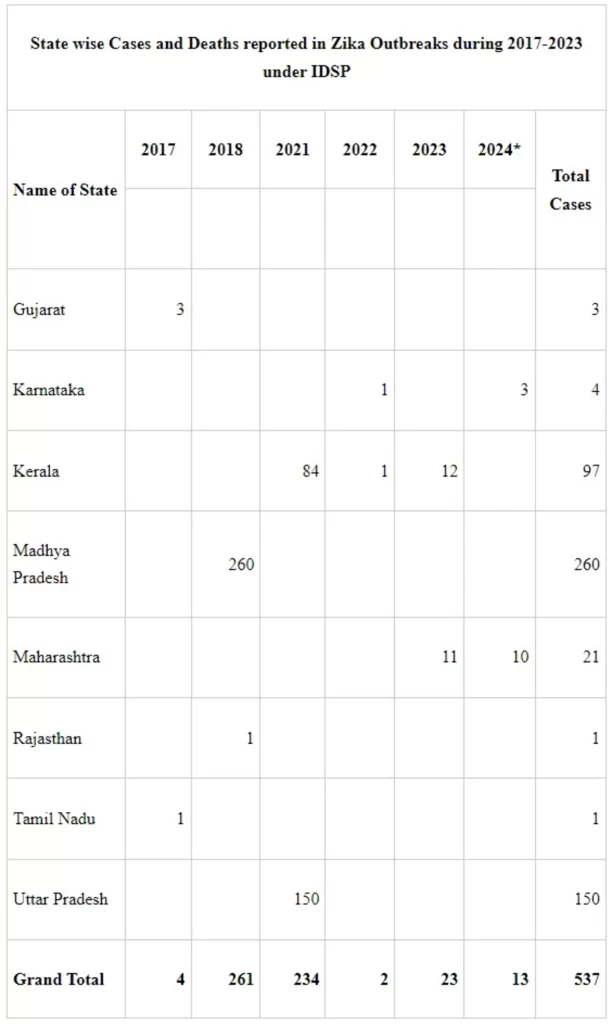
* Zika virus cases (l-form) as per IDSP-IHIP portal as on 22.07.2024.
“India has and will continue to remain steadfast in its commitment to nurturing adolescents’ talents, supporting their ambitions and empowering them to build a brighter, inclusive future for all.” This was stated by Shri Apurva Chandra, Union Health Secretary on the occasion of the launch of “Economic Case for Investment in the Well-being of Adolescents in India” report, here today. The report builds on the global findings presented in "Adolescents in a Changing World – The Case for Urgent Investment," commissioned by the Partnership for Maternal, Newborn & Child Health (PMNCH) released at the 77th World Health Assembly in Geneva. It highlights significant improvements in adolescent well-being in India over recent decades, showcasing the Government’s extensive policies and programmes aimed at promoting the health and well-being of adolescents.
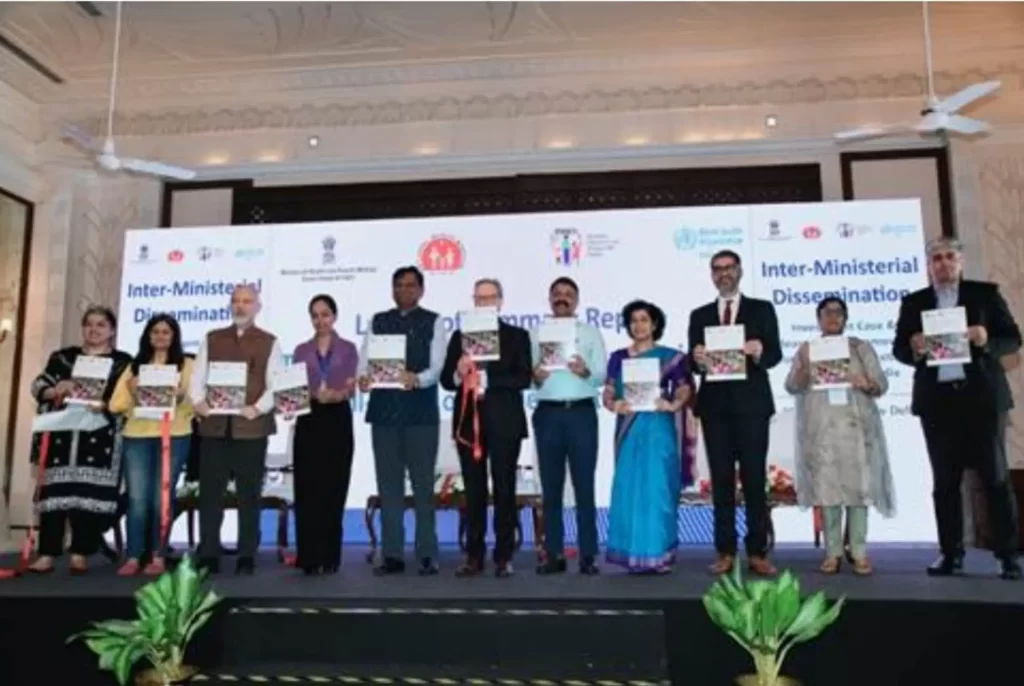
Shri Apurva Chandra said, “India has the largest population of adolescents in the world, 253 million strong, and growing. Our adolescents are the backbone of our future, embodying the promise of a vibrant and progressive nation.” Highlighting India’s unequivocal commitment to adolescents, he said, “We recognize that ensuring their health, education, and empowerment is vital to achieving our national and international development goals, including the Sustainable Development Goals (SDGs). Our government is dedicated to creating an environment where adolescents can thrive, make informed decisions, and contribute meaningfully to society.”
He also highlighted that “India is the first country to launch the Rashtriya Kishor Swasthya Karyakram (RKSK), a dedicated program to reach out to 253 million adolescents – male and female, rural and urban, married and unmarried, in and out-of-school adolescents with special focus on marginalized and under-served groups.” He said that “several strides have been made in advancing the well-being of adolescents in the country. The School Health and Wellness Programme under Ayushman Bharat aims to strengthen health promotion and disease prevention interventions for school children using trained teachers. The Scheme for Promotion of Menstrual Hygiene is focused on adolescent girls to increase awareness and promote menstrual hygiene practices.” “By fostering partnerships with non- governmental organizations, community leaders, and international agencies, we aim to amplify our efforts and reach every adolescent, regardless of their socio-economic background”, he stated.
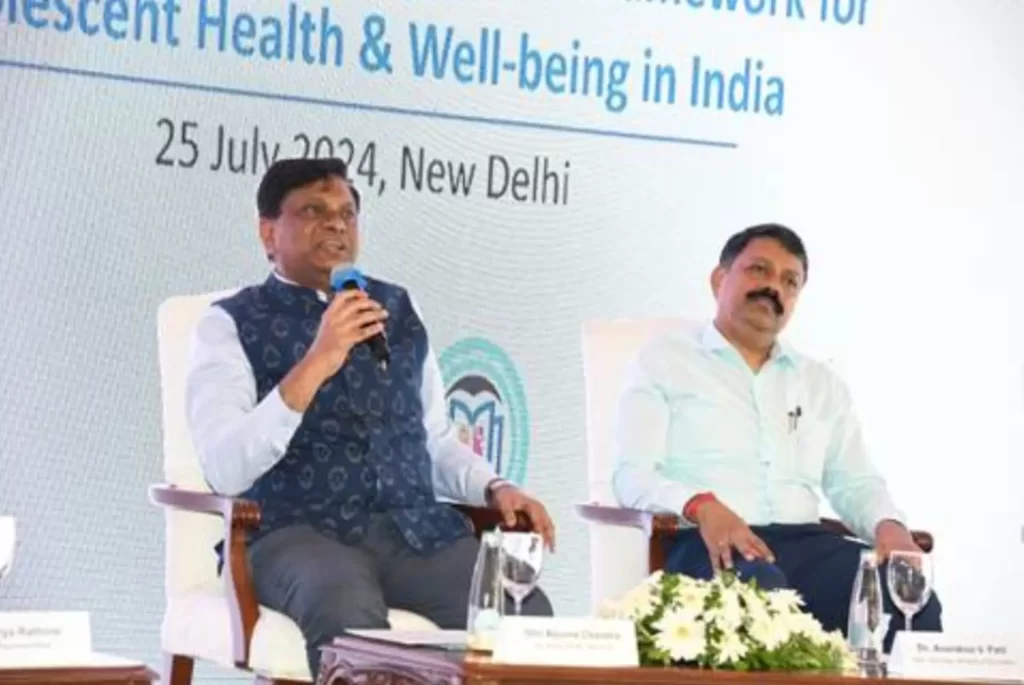
Shri Chandra also informed that India is on the cusp of launching the U-WIN platform which is modeled after the Co-WIN platform. He highlighted that the launch of the platform would lead to a transformative impact on not just storing the health records of every child but also in digitizing these records as well as in monitoring, identifying and rectifying the challenges that arise.
Shri Anandrao V. Patil, Addl. Secretary, Ministry of Education highlighted the increased budgetary allocation in school education for children and the modifications being made in the school curriculum. He emphasized that significant attention is being given towards improving skills after the 6th grade in school itself. He also stated that the government is making special efforts towards children with special needs, girl education and mid-day meals for school children. Shri Patil o noted that most schools have started promoting menstrual hygiene and the Government is reaching out in those areas where schools are yet to undertake such courses. He also informed that the National Adolescent Health Programme is being implemented in Government schools in India.
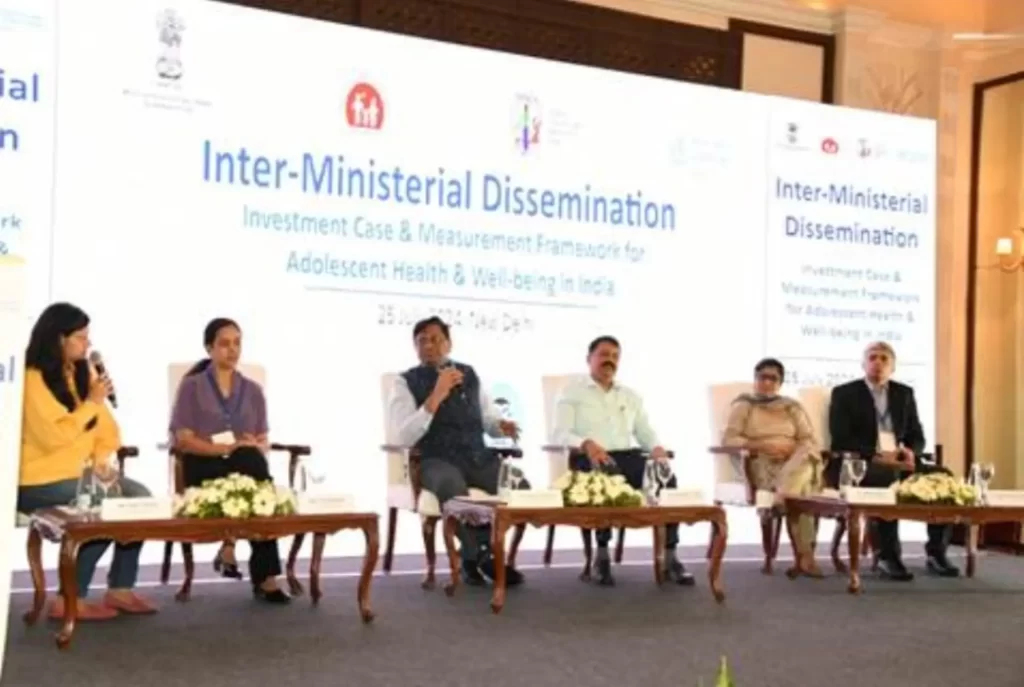
Shri Rajat Khosla, Executive Director, PMNCH noted that adolescents comprise 1.5 billion people in the world, one-fifth of which resides in India. Commending the Government of India’s initiatives towards this significant group, he pointed that adolescents face various challenges regarding violence, early pregnancies etc. He underscored the economic and social imperatives of investing in adolescents and applauded the significant amount of Rs. 2 lakh crore budgetary allocation made by the Indian Government towards adolescent’s well-being in the Union Budget 2024-25. “India is a beacon of hope not only to LMIC but to other countries across the world. India has shown that empowerment of adolescents can be done”, he remarked.
Dr Rodrigo H. Ofrin, WHO Representative to India noted that the Government of India is taking various initiatives to reap its demographic dividends. “The country has achieved important triumphs in various health indicators”, he said. He noted that convergence in various government schemes further complements the efforts towards ensuring the well-being of adolescents. He further highlighted that investing in adolescents leads to smart investment in the future of the nation. “Achieving the SDGs would not be possible without investing in adolescents”, he stated.
Prof. Bruce Rasmussen, Director, Victoria Institute of Strategic Economic Studies, Victoria University presented the key findings of the Investment Case for Adolescent Health & Wellbeing. Stating that India’s cohort of adolescents, the largest in the world will probably be the largest that India will ever have, he explained five domains of adolescent well-being including agency and resilience; safety and supportive environment; good health and optimum nutrition; learning, competence, education, skills and employability; and connectedness, positive values and contribution to society and highlighted the significant progress that India achieved in all of them. Outlining his “cost-benefit model” of research methodology, he presented an analysis of how increased intervention by the government on aspects like education, skill development and reduction of child marriage and road accidents lead to significant increase in the GDP. He also stressed that although empirical data are only available to calculate estimates of the benefit-cost ratio for seven important intervention programmes, many more interventions will also be needed to promote adolescent well-being.
Dr Yatan Pal Singh Balhara, Prof of Psychiatry, AIIMS New Delhi highlighted that a paradigm shift is being witnessed today in India where for the first time in the recent Economic Survey, there is a sharp and extensive attention on promoting mental health as well.
Dr Reena Yadav, Director, Prof. and HOD, Dept. of Obstetrics and Gynecology, Lady Hardinge Medical College highlighted the need for both education and awareness for adolescents in their upbringing. It is important to respect their right to privacy when being counseled on various sexual and reproductive health issues, she stressed.
Ms. Priya Rathore, Youth Representative from Rajasthan shared her experience of working with adolescent women facing challenges like child marriage and ground level policy support. She highlighted the need for increased monitoring and evaluation of government support at the rural and economically backward places as well as the importance of creating further awareness among adolescents on issues like menstrual hygiene.
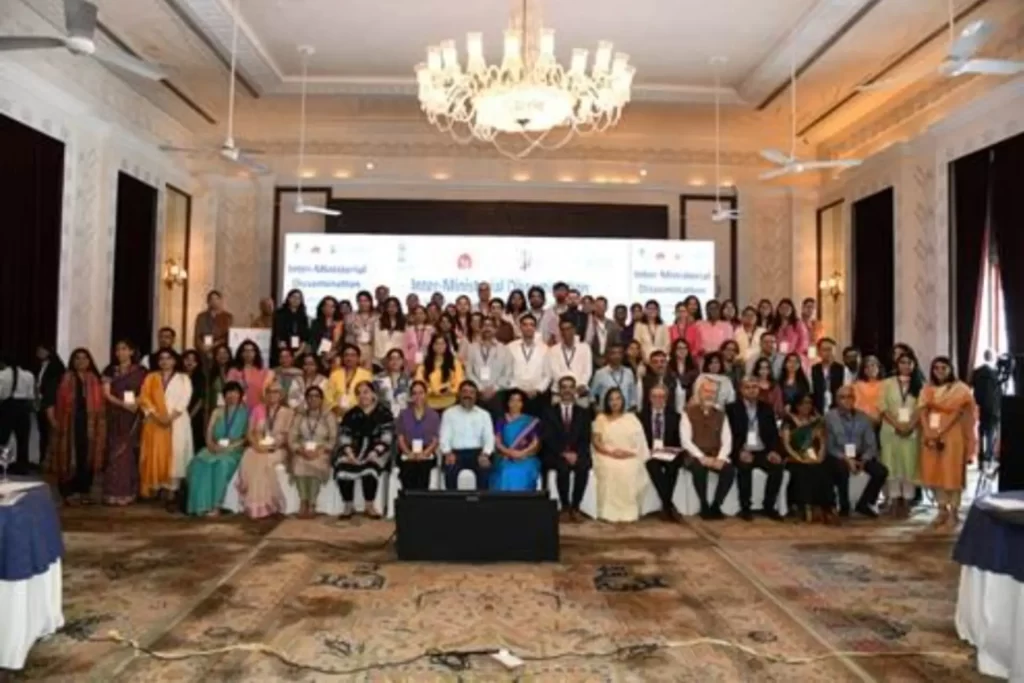
Smt. Aradhana Patnaik, Addl. Secretary and MD (NHM), Health Ministry; and senior officials of the Union Health Ministry were present in the meeting.
The Investment Case for Adolescent Health & Wellbeing report developed by PMNCH underscores the substantial economic benefits of investing in adolescent well-being. It highlights seven key programmes in areas such as adolescent health, education, child marriage prevention, and road safety, which are expected to yield impressive returns on investment. For every dollar invested, returns are estimated to range from USD 4.6 to USD 71.4.
The report further demonstrates that future investments, some of which align with existing national programmes, have the potential to significantly boost the Indian economy. An investment of USD 33 billion per annum across various sectors by the government, private sector, civil society, communities, and families is projected to yield returns of USD 476 billion per annum, enhancing the GDP by an average of approximately 10.1%. This underscores the crucial role that successive cohorts of adolescents will play in shaping India’s economic and social future.
In alignment with the findings of this report, the newly released Union Budget for 2024-25 includes a comprehensive Rs 2 lakh crore (approximately USD 26.67 billion) package aimed at education, job creation, skill development, and employment-linked incentives, benefiting 4.1 crore (41 million) youth across the nation. This budgetary allocation further reinforces the Government's commitment to investing in the future of India's adolescents and youth, creating the enabling environment and providing them with the necessary resources and opportunities to thrive.
While the report presents empirical data to estimate the benefit-cost ratio (BCR) for seven major intervention programmes, it also emphasizes the need for additional interventions to further enhance adolescent well-being. Government of India remains committed to ensuring the health and development of its adolescent population, recognizing them as pivotal to the nation’s progress.
The Ministry of Health and Family Welfare has undertaken several initiatives aimed at addressing the unique challenges faced by adolescents. These initiatives encompass a comprehensive approach, focusing on physical health, mental well-being, nutrition, education, and protection from violence and exploitation. Key programmes such as the Rashtriya Kishor Swasthya Karyakram (RKSK) and School Health and Wellness Programme have been instrumental in providing healthcare services tailored to adolescents' needs, promoting healthy behaviours, and ensuring access to crucial information in schools, facilities and community.
MBBS classes for AIIMS Madurai for 50 students have been started since April 2022 from a temporary campus at Government Medical College, Ramanathapuram in consultation with the Government of Tamil Nadu. Currently there are 99 students admitted for MBBS course. As of now a total of 12 departments are functional with faculties in each department viz. Anatomy, Physiology, Community and Family Medicine, Biochemistry, Pharmacology, Pathology, Microbiology, Forensic Medicine & Toxicology, General Medicine, Paediatrics, General Surgery and Obstetrics & Gynaecology departments.
For setting up of AIIMS Madurai, pre-investment activity including the construction of boundary wall has been completed. Project Management Consultant (PMC) has been appointed on 07.06.2023. The project implementation has taken time since the project was decided to be taken up under Extra Budgetary Resource (EBR) Funding through Japan International Cooperation Agency (JICA). Accordingly, after preparation of Inception Report, Campus Master Plan, Facility Planning, Hospital Design Concept and Equipment planning, the Loan Agreement was signed between Government of Japan and Government of India on 26th March, 2021. Since the Cabinet approved project cost was Rs. 1264 crore and the revised cost was estimated at Rs. 1977.8 crore by JICA on account of inclusion of 150 bedded Infectious Disease Block and some other additions, the Ministry constituted Revised Cost Estimate Committee (RCC) to examine the matter in detail. Thereafter the Ministry submitted the proposal for financial appraisal along with report of RCC to the Department of Expenditure (DoE). After examination, the DoE appraised and approved the proposal and the same has been approved by this Ministry on 11.10.2022.
Out of total project cost of Rs.1977.8 crore, 82% of the cost will be covered by loan from JICA and remaining will be funded by Government of India. As per the loan agreement, the disbursement procedure for JICA loan for setting up of AIIMS Madurai is Commitment Procedure and Reimbursement Procedure. Government of India has released Rs.12.35 crore for pre- investment activity including construction of boundary wall. Total Grant-in-aid released till date under salaries, capital and general head by government of India for AIIMS Madurai is Rs.69.99 crore. As per the loan agreement, the project implementation period would be 5 years and 8 months (from March 2021 to October 2026).
The Union Minister of State for Health and Family Welfare, Dr. Bharati Pravin Pawar stated this in a written reply in the Lok Sabha today.
There have been some media reports stating that in comparison to other countries, India has a high number of ‘zero dose children’ – children who did not receive any vaccine, according to a recent UNICEF report. These reports depict an incomplete picture of the country’s immunization data, as they do not factor in the population base and immunization coverage of the countries compared.
The accurate and complete narrative of the Immunization efforts of the Government can be gauged through comprehensive understanding of the relative data and programmatic interventions.
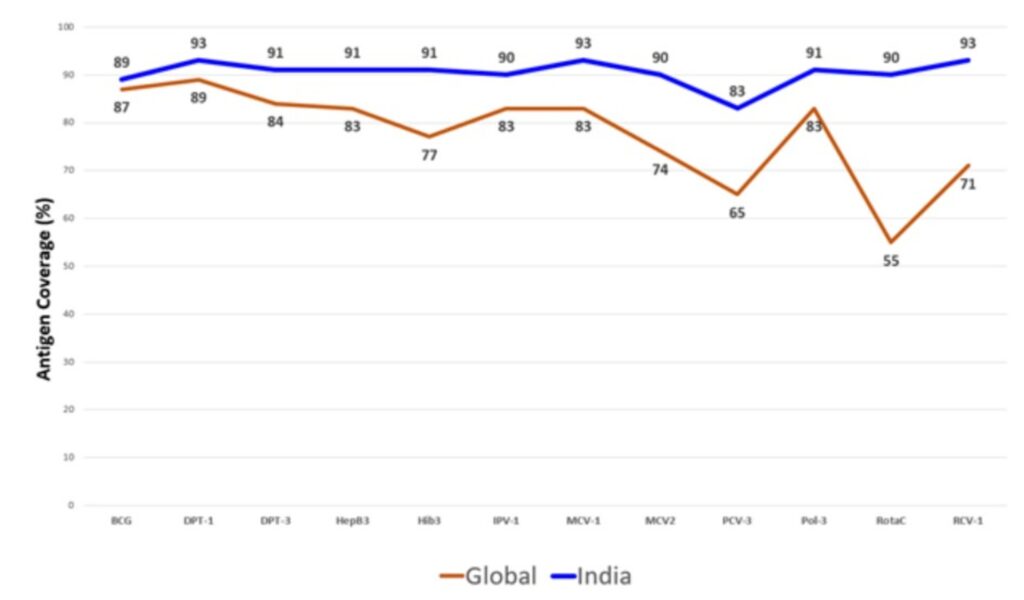
Graph 1 shows in the blue line that percentage coverage for all antigens in India is higher than the global average. In India, for most of the antigens, the coverage is more than 90%, which is at par with other high-income countries e.g., New Zealand (DTP-1 93%), Germany & Finland (DPT-3 91%), Sweden (MCV-1 93%), Luxembourg (MCV-2 90%), Ireland (PCV-3 83%), United Kingdom of Great Britain and Northern Ireland (RotaC 90%).
Even if the India’s coverage of 83% is compared for Pneumococcal Conjugate Vaccine (PCV), which falls at the lowest bracket, it is much higher than the global figures of 65%.
Graph 1: Antigen wise comparison between India and Global coverage (%)
(WUENIC 2023)
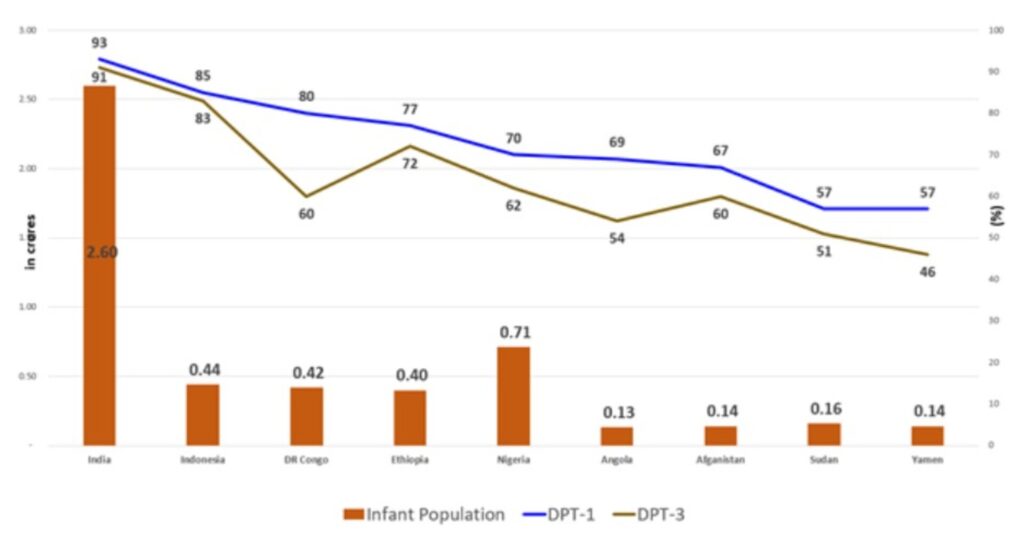
The Graph 2 compares DTP-1 (Penta-1) & DTP-3 (Penta-3) coverage of India with other countries having high burden of zero dose and under-vaccinated children. The graph indicates that India with its large population has the highest number of vaccinated children. The target cohort of India is more than 3 times of the other nine countries compared in the graph. Among the compared countries, India is the only country having DTP-1 (Penta-1) coverage above 90% and dropout children i.e., those that receive a first but not the third dose of DTP (Penta), are 2%, whereas this gap is much wider in other compared countries. These figures are clearly reflective of focused programmatic interventions in the country within the folds of its wide socio-geographically diversity.
Graph 2: Comparison between India and other Countries with high number of zero dose children for DTP Containing Vaccine (%) (WUENIC 2023)
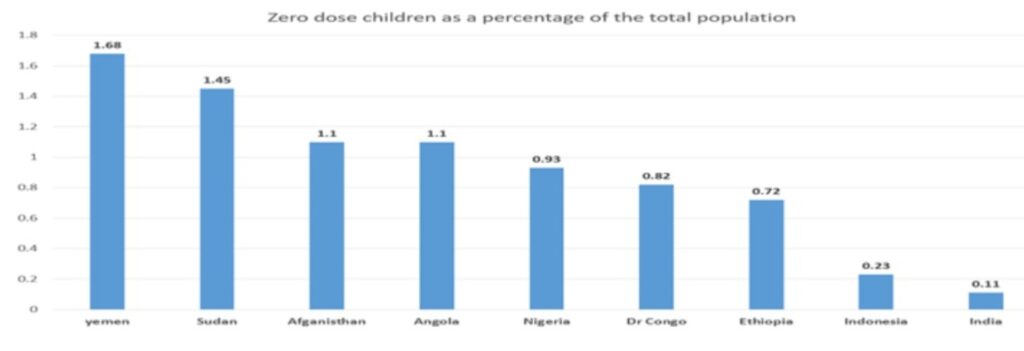
The Graph 3 shows that the number of zero dose children in India account for 0.11% of the country’s total population.
Graph 3: Zero dose children as a percentage of the total population
These statistics reflect the unwavering commitment of the Government to continuously increase the scope and reach of the immunization program of the nation. The country’s Universal Immunization Programme is the largest public health initiative, targeting a massive cohort of 2.6 crore children and 2.9 crore pregnant women annually through 1.2 crore vaccination sessions. The Full Immunization Coverage for FY 2023-24 stands at 93.23% nationally. With consistent efforts to reach and vaccinate all eligible children against vaccine preventable diseases, the country has been able to achieve a noteworthy reduction in the Under-5 Mortality Rate (U5MR) declining from 45 per 1000 live births in 2014 to 32 per 1000 live births (SRS 2020). In addition, India has widened the basket of vaccines with the introduction of six new vaccines under the UIP to increase breadth of protection since 2014.
To reach out to zero dose and under vaccinated children, India has implemented initiatives under Mission Indradhanush and Intensified Mission Indradhanush with the support of the States. This has resulted in the reduction in the number of zero dose children by 34% between 2014-2023. Since 2014, 12 phases of Mission Indradhanush have been conducted across all districts wherein 5.46 crore children and 1.32 crore pregnant women have been vaccinated across all phases.
India provides maximum number of WHO recommended vaccines under the UIP in comparison to most of the other countries. The mean coverage for India is 83.4%, which is more than 10 percentage point of the global coverage. With high level of coverage of OPV and IPV, India has successfully maintained 13 years of polio-free status since the last polio case was detected in 2011.
With 93% DTP-1 (Penta-1) vaccine 1st dose coverage and 93% Measles and Rubella vaccine 1st dose coverage, the drive in the country is to reduce zero-dose children and achieving Measles and Rubella elimination. In recognition of its tireless efforts to combat Measles and Rubella, India was bestowed with the prestigious Measles and Rubella Champion Award by The Measles and Rubella Partnership (American Red Cross, BMGF, GAVI, US CDC, UNF, UNICEF, and WHO) at the American Red Cross Headquarters in Washington DC, USA on March 6th, 2024.
Prof (Dr) Atul Goel, DGHS, Union Health Ministry, and Director of NCDC, along with experts from AIIMS, Kalawati Saran Children’s Hospital, and National Institute of Mental Health & Neurosciences (NIMHANS), as well as officials from Central and State surveillance units, reviewed the Chandipura virus and Acute Encephalitis Syndrome (AES) cases in Gujarat, Rajasthan, and Madhya Pradesh, yesterday. After a detailed discussion and review of the status of the Chandipura virus and AES cases, the experts concluded that infectious agents contribute to only a small proportion of AES cases across the country. They emphasized the need for comprehensive epidemiological, environmental, and entomological studies of the AES cases reported in Gujarat.
A multidisciplinary central team from NCDC, ICMR, and DAHD is being deployed to assist the State of Gujarat with these investigations.
Acute Encephalitis Syndrome (AES) is a group of clinically similar neurologic manifestation caused by several different viruses, bacteria, fungus, parasites, spirochetes, chemical/ toxins, etc. The known viral causes of AES include JE, Dengue, HSV, CHPV, West Nile, etc.
Chandipura Virus (CHPV) is a member of Rhabdoviridae family known to cause sporadic cases and outbreaks in western, central, and southern parts of the Country, especially during the monsoon season. It is transmitted by vectors such as sand flies and ticks.
It is to be noted that vector control, hygiene, and awareness are the only measures available against the disease. The disease affects mostly children under 15 years of age and can be present with a febrile illness that may in some cases result in death. Although there is no specific treatment available for CHPV and management is symptomatic, timely referral of suspected AES cases to designated facilities can improve outcomes.
Since early June 2024, cases of Acute Encephalitis Syndrome (AES) have been reported in children under 15 years of age in Gujarat. As of July 20, 2024, a total of 78 AES cases have been reported, with 75 from 21 districts/corporations in Gujarat, 2 from Rajasthan, and 1 from Madhya Pradesh. Of these, 28 cases have resulted in death. Among the 76 samples tested at NIV Pune, 9 have been confirmed positive for Chandipura Virus (CHPV). All 9 CHPV-positive cases and 5 associated deaths are from Gujarat.