
Union Minister of Health and Family Welfare, Shri Jagat Prakash Nadda launched the National STOP Diarrhoea Campaign 2024, here today. He was joined by Smt. Anupriya Patel and Shri Jadhav Patraprao Ganpatrao, Union Ministers of State for Health and Family Welfare. The dignitaries also released IEC materials like logo, posters, radio spots and audio visuals for the campaign and distributed oral rehydration salts (ORS) and zinc tablets to children on the occasion.
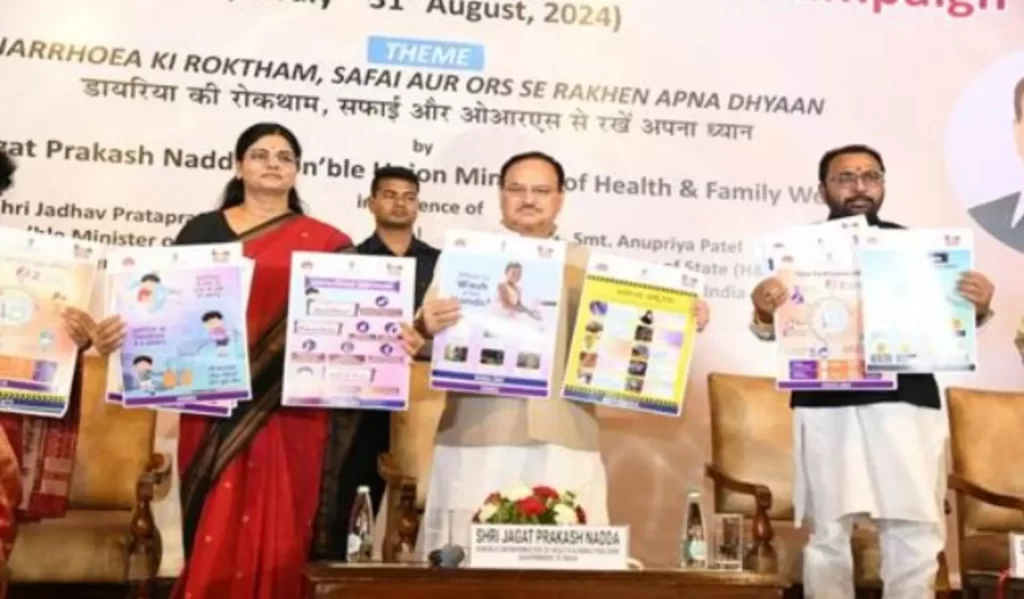
The goal behind the STOP Diarrhoea Campaign 2024 is to attain zero child deaths due to childhood diarrhoea. While the existing diarrhoea strategy entailed a 2-week campaign with pre-positioning of ORS to under-5 children and limited IEC, the new strategy involves a 2-month long campaign with pre-positioning of 2 ORS packets and zinc as a co-packaging to under-5 children. It will also involve extensive IEC through different platforms and collaboration across multiple sectors, including health, water and sanitation, education, and rural development.
Speaking on the occasion, Shri J P Nadda said that “there is a unique relationship between Mission Indradhanush, Rotavirus vaccine and this STOP Diarrhoea Campaign as all were amongst the first initiatives launched during my earlier tenure as the Health Minister”. He said various initiatives taken by the Union Government has cumulatively helped in reducing childhood mortality due to diarrhoea. He highlighted that in 2014, India was the first country to introduce the Rotavirus vaccine. Similarly, the National Jal Jeevan Mission, Swachh Bharat Abhiyan and expansion of the Ayushman Arogya Mandir network has significantly contributed to the reduction of diarrhoea cases and mortality in the country.

The Union Health Minister also emphasized on the importance of sensitizing health workers along with enhancing capacity building efforts to strengthen diarrhoea management effort in India. Expressing his appreciation for the preparedness level of the states, Shri J P Nadda further encouraged them to enhance awareness among the masses. “If our healthcare workers could reach the remotest corners of the country and administer 220 crore doses of Covid vaccines, I am sure that our frontline healthcare workers can create the same robust delivery mechanism during STOP Diarrhoea Campaign too”, he added.
Noting that “only healthy children leads to a healthy nation”, Shri Jadhav Prataprao emphasized that more effort should be put in place to prevent diarrhoea in the first place. He also urged the officials to focus on cleanliness and setting diarrhoea prevention targets in addition to providing ORS and zinc tablets to children.
Smt. Anupriya Patel said that “it is distressing that childhood diarrhoea which is both preventable and curable, yet many lives are lost due to this menace.” She urged the representatives from states and other organizations to “re-energize their efforts and increase awareness on diarrhoea to reach the goal of zero childhood deaths due to diarrhoea”.
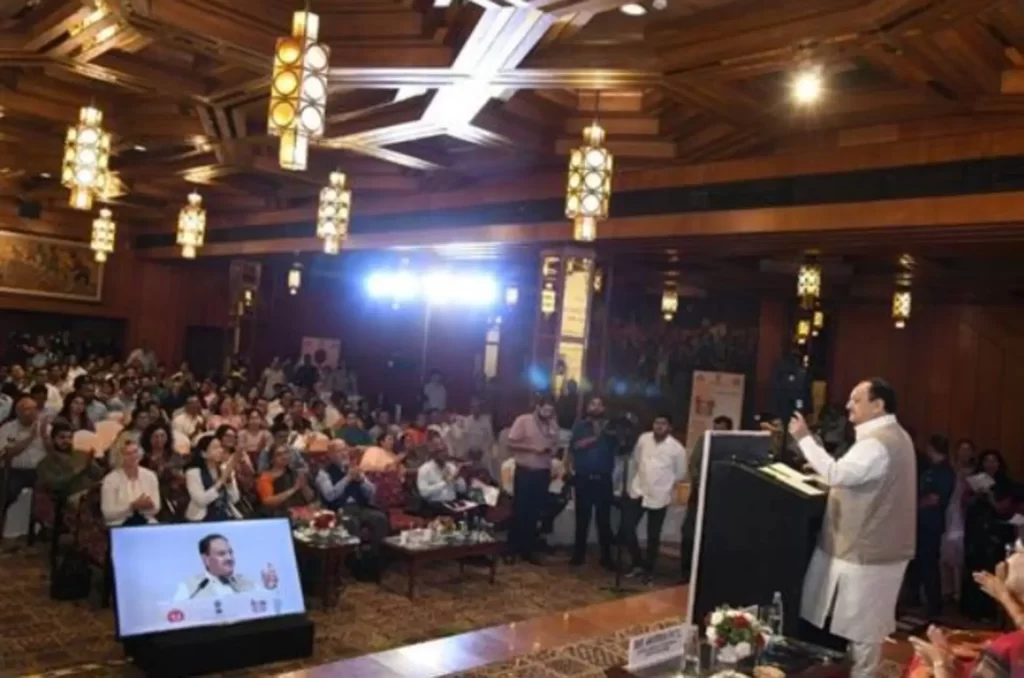
Shri Apurva Chandra, Union Health Secretary said that “diarrhoea is a common disease faced by children. Earlier the government used to run a fortnightly campaign to reduce diarrhoea which is now reinvigorated into a much extensive and comprehensive campaign.”
Dr Atul Goel, Director General of Health Services said that diarrhoea is a common yet preventative disease among children. He hoped that this campaign will help in strengthening diarrhoea management strategy in the country.
Senior officials from states who were present on the occasion also shared their thoughts and feedback on the campaign. They also provided update on their preparedness level and shared some of their best practices on the same.

To tackle the persistent issue of childhood diarrhoea and strive for zero child deaths, the Ministry of Health and Family Welfare (MoHFW) has rebranded its long-standing Intensified Diarrhoea Control Fortnight (IDCF) as the STOP Diarrhoea Campaign. This initiative, which began in 2014, focuses on enhancing the Prevent, Protect, and Treat (PPT) strategy and increasing the use of Oral Rehydration Solution (ORS) and Zinc. The campaign's 2024 slogan, “Diarrhoea ki Roktham, Safai aur ORS se rakhen apna dhyaan” ("डायरिया की रोकथाम, सफाई और ओ आर एस से रखें अपना ध्यान"), highlights the significance of prevention, cleanliness, and appropriate treatment.
The STOP Diarrhoea Campaign will be implemented in two phases: the Preparatory Phase from 14th to 30th June 2024, and the Campaign Phase from 1st July to 31st August 2024. Key activities during this period include the distribution of ORS and Zinc co-packages by ASHA workers to households with children under five, setting up ORS-Zinc corners at health facilities and Anganwadi centers, and intensifying advocacy and awareness efforts for effective diarrhoea management. Additionally, the campaign will strengthen service provision for diarrhoea case management to ensure comprehensive care and prevention.
Strengthening Health Infrastructure: Ensuring the proper maintenance and use of health facilities and the availability of essential medical supplies (ORS, Zinc), particularly in rural areas.
Improving Access to Clean Water and Sanitation: Implementing rigorous quality control measures and sustainable practices to provide safe drinking water and better sanitation.
Enhancing Nutritional Programs: Addressing malnutrition, a major contributor to diarrhoeal diseases, through improved nutritional initiatives.
Promoting Hygiene Education: Equipping schools with necessary facilities and fostering healthy habits among children through comprehensive hygiene education programs.
These focus areas aim to create a holistic approach to managing and preventing diarrhoea, ultimately reducing child mortality and improving overall public health.
The Ministry of Health and Family Welfare is working closely with various line ministries such as Drinking Water and Sanitation, Women and Child Development, School Education, Rural Development, and Urban Development. This multi-sectoral approach ensures better convergence and implementation of the STOP Diarrhoea Campaign, aiming for a comprehensive and impactful program to reduce child mortality and improve public health.
Secretary of Line Ministries (Drinking Water and Sanitation; Women and Child Development; School Education; Rural Development; Urban Development); Smt. Aradhana Patnaik, AS & MD (NHM), Health Ministry; Smt. LS Changsan, AS, Health Ministry; Smt. Roli Singh, AS, Health Ministry; Smt. Meera Srivastava, JS (RCH), Health Ministry; Additional Chief Secretary, Principal Secretary (Health), Principal Secretary (Medical Education) from Madhya Pradesh, Tamil Nadu and Rajasthan); senior officials from states and the Union government and representatives from development partners (UNICEF, USAID, BMGF, NIPI, Nutrition International, John Snow India and WHO) participated in the meeting.
The Food Safety and Standards Authority of India (FSSAI) has issued a directive mandating all Food Business Operators (FBOs) to remove any claim of ‘100% fruit juices’ from the labels and advertisements of reconstituted fruit juices with an immediate effect. All the FBOs have also been instructed to exhaust all existing pre-printed packaging materials before 1st September, 2024.
It has come to the attention of FSSAI that several FBOs have been inaccurately marketing various types of reconstituted fruit juices by claiming them to be 100% fruit juices. Upon thorough examination, FSSAI has concluded that, according to the Food Safety and Standards (Advertising and Claims) Regulations, 2018, there is no provision for making a ‘100%’ claim. Such claims are misleading, particularly under conditions where the major ingredient of the fruit juice is water and the primary ingredient, for which the claim is made, is present only in limited concentrations, or when the fruit juice is reconstituted using water and fruit concentrates or pulp.
In the clarification issued regarding the marketing and selling of reconstituted fruit juices as ‘100% fruit juices’, FBOs are reminded that they must comply with the standards for fruit juices as specified under sub-regulation 2.3.6 of the Food Safety and Standards (Food Products Standards & Food Additives) Regulation, 2011. This regulation states that products covered by this standard must be labelled in accordance with the Food Safety and Standards (Labelling and Display) Regulations, 2020. Specifically, in the ingredient list, the word “reconstituted” must be mentioned against the name of the juice that is reconstituted from the concentrate. Additionally, if added nutritive sweeteners exceed 15 gm/kg, the product must be labelled as ‘Sweetened juice’.
The Food Safety and Standards Authority of India (FSSAI) is dedicated to protecting and promoting public health through the regulation and supervision of food safety standards across the country.
On the occasion of World Sickle Cell Disease (SCD) Awareness Day on 19th June, numerous events were organized across the country to create awareness regarding the disease and halt transmission of Sickle Cell Disease.
Since the inception of the National Sickle Cell Anaemia Elimination Mission (NSCAEM) last year, a total of 3,39,77,877 screening records have been uploaded on the portal, as on date, and states have distributed a total of 1,12,01,612 Sickle Cell Status ID cards.
On Sickle Cell Day, 44,751 events were organized across the country in 17 high burden states and 343 districts under the NSCAEM. As a part of the activities undertaken during these events, 6,15,806 individuals were screened for sickle cell disease and 2,59,193 Sickle Cell ID cards were distributed to the screened beneficiaries.
Reiterating the Union Government’s commitment to eliminate Sickle Cell Disease, Prime Minister Shri Narendra Modi highlighted that the government is “working on aspects like creating awareness, universal screening, early detection, and proper care”. He stated that the government is also leveraging the power of technology in this area.


Union Health Minister Shri J P Nadda reiterated that the government is guided by the mantra of "Hope Through Progress: Advancing Global Sickle Cell Care & Treatment" to combat Sickle Cell Disease. He underlined that the government’s efforts “focus on promoting early diagnosis, ensuring access to treatment, and enhancing the quality of care for those affected.”
Awareness activities which started yesterday will continue for the next 15 days (19th June to 3rd July) at all facilities in 343 districts in 17 identified SCD states. The target for the next 15 days is to screen 10,00,000 individuals and distribute 3,00,000 Sickle Cell Status ID cards to screened individuals.

Awareness camps organized by Subdivision Hospital, Maharajganj, Siwan in Bihar to empower communities against Sickle Cell Disease.
The district-level events will include counseling maximum number of patients and conducting mass awareness activities. Along with this, intensified efforts towards management will be made by providing quality treatment and follow-up.
Supporting the Ministry of Tribal Affairs (MoTA) in its various awareness-generation activities is one of the key objectives of these events.
The following are the state events organized to fulfill the aforementioned objectives:
Madhya Pradesh: The Vice President of India along with Governor, Chief Minister, and Dy. CM of Madhya Pradesh graced the inaugural event in district Dindori which registered 11,000 participants.
Chhattisgarh: The Chief Minister of Chhattisgarh inaugurated the event at Bhimrao Ambedkar Govt. Medical College in Raipur district along with the Health Minister and Tribal Minister of the state.
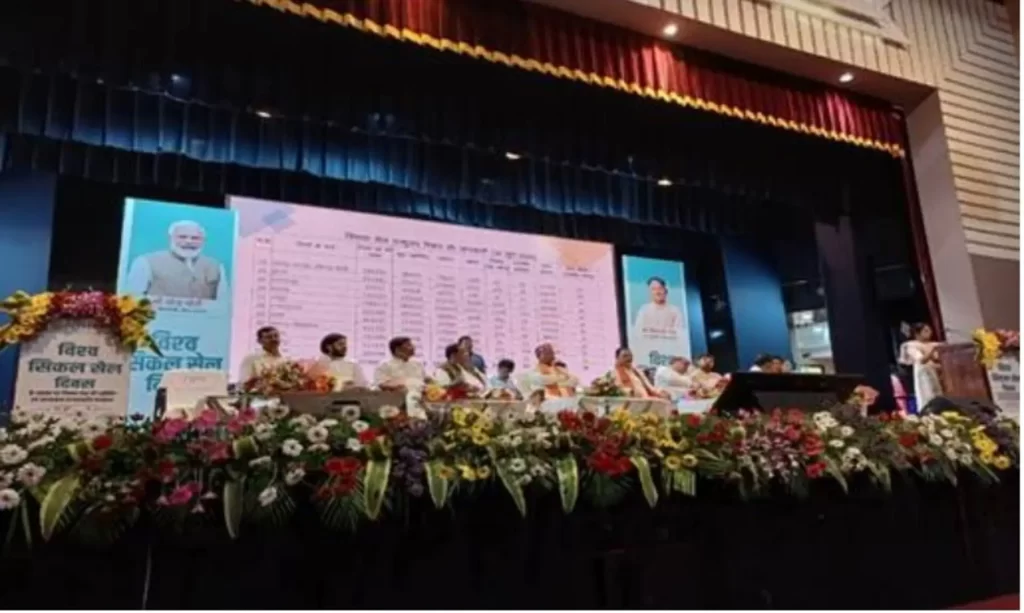
Chhattisgarh Chief Minister inaugurated the World Sickle Cell Awareness Day Event in Raipur
Karnataka: Health Minister Karnataka inaugurated the World Sickle Cell Day events in the Mysore district.
Jharkhand: Health Minister Jharkhand inaugurated the World Sickle Cell Day events in the Ranchi district.


Screening Camp for Sickle Cell Anaemia Organized in Jharkhand
In other States, various ministers and other dignitaries also attended the events.

World Sickle Cell Awareness Day Event Organized in Gujarat
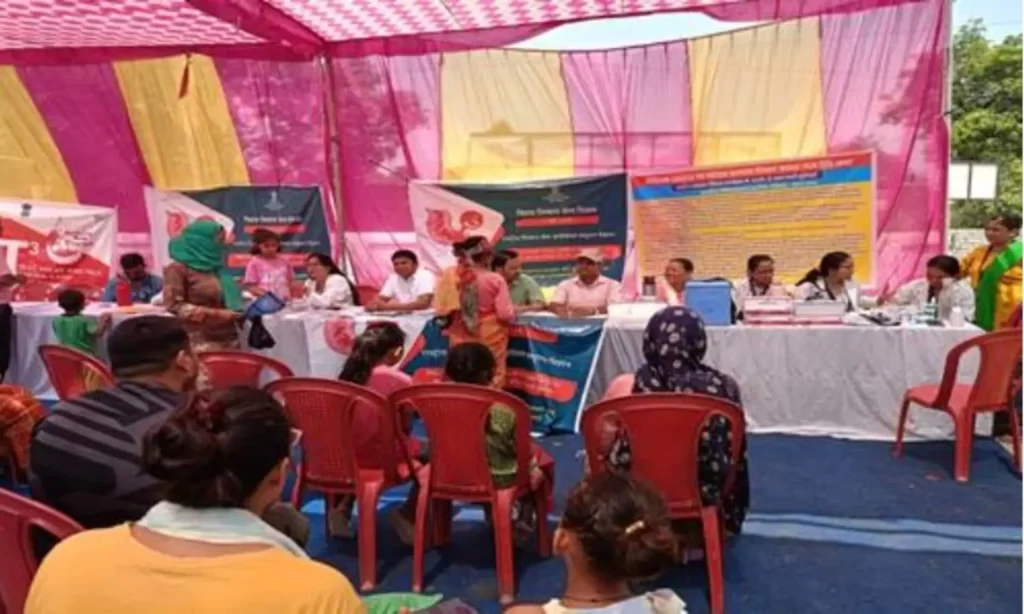
Health Camp for Sickle Cell Anemia Screening organized in Uttarakhand
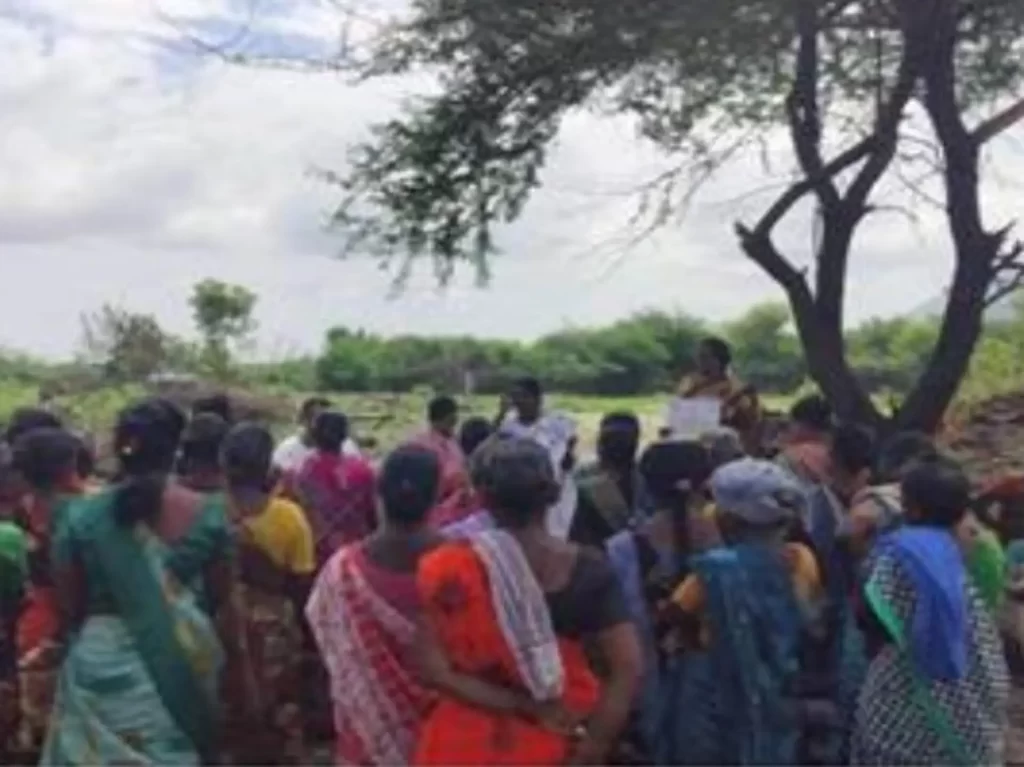
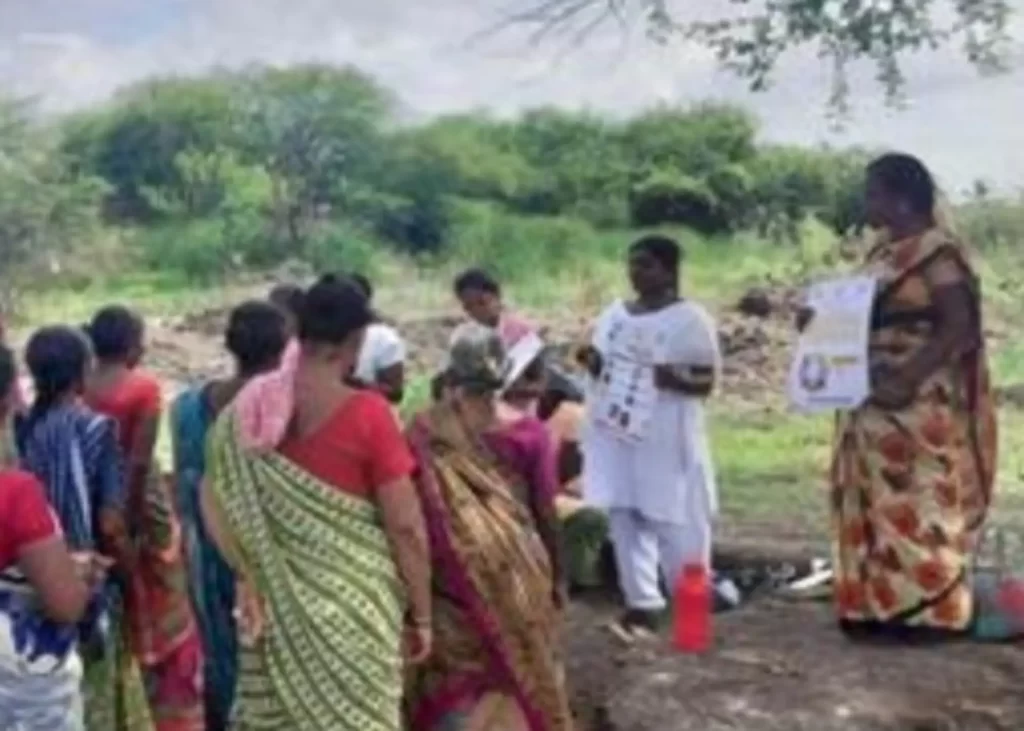
Sickle Cell Disease Awareness Campaign Organized among NREGS Workers in Tribal Area of Tirupathi District, Tamil Nadu
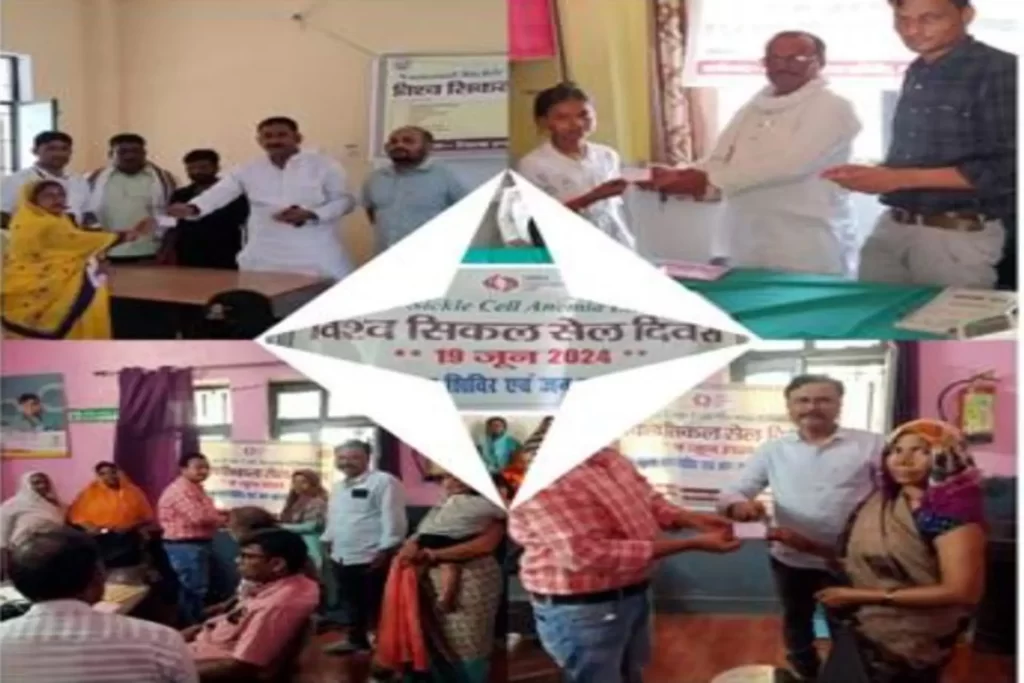
Sickle cell disease (SCD) is a genetic blood disorder characterized by abnormal red blood cells that take on a crescent or sickle shape. These irregularly shaped cells can cause blockages in blood vessels, leading to various health complications. Affecting millions of people in the world, the disease disproportionately affects the tribal populations in India.
To tackle the pressing issue of SCD in the country, the National Sickle Cell Anemia Elimination Mission (NSCAEM) was launched on 1st July 2023 at Shahdol, Madhya Pradesh by Prime Minister Shri Narendra Modi. The mission’s objective is to provide affordable, accessible, and quality care to all SCD patients reduce the prevalence of SCD, and eliminate Sickle Cell Anaemia by 2047. The NSCAEM has identified 17 states with higher prevalence of SCD viz., Gujarat, Maharashtra, Rajasthan, Madhya Pradesh, Jharkhand, Chhattisgarh, West Bengal, Odisha, Tamil Nadu, Telangana, Andhra Pradesh, Karnataka, Assam, Uttar Pradesh, Kerala, Bihar and Uttarakhand.
The mission focuses on screening and managing individuals aged 0-40 yrs. Striving to minimize the impact of the SCD on the affected and their families, the mission provides complete support and active collaboration with a Whole of Government and Whole of Society Approach. To eliminate the disease, the strategic interventions include universal screening & early detection, Awareness generation & pre-marital counseling, and holistic management of affected individuals at the primary, secondary, and tertiary care levels.
Screening efforts by the states are regularly monitored. A dashboard and sickle cell disease portal have been launched for compiling the screened data by all states (https://sickle.nhm.gov.in/). Besides traditional methods of screening, point-of-care tests have been approved and validated by ICMR and are being used by the states. Ministry of Health and Family Welfare under the National Sickle Cell Anaemia Elimination Mission has released the guidelines and training materials on: Operational Guideline for Prevention & Management of Sickle Cell Disease (https://sickle.nhm.gov.in/uploads/english/OperationalGuidelines.pdf), and training modules for primary care of Community Health Officers (CHOs), Medical Officers, Multi-Purpose Workers (M/F)/ASHAs and Staff Nurses (https://sickle.nhm.gov.in/home/guidelines).
Union Health Minister Shri J P Nadda reviewed the heatwave situation across the country and preparedness of hospitals to deal with heatwave with senior officials of the Health Ministry, here today.
The Health Minister has directed officials to ensure all that hospitals are prepared to provide the best healthcare to those affected by the heatwave.
Shri Nadda also directed for special heatwave units to be started in the central government hospitals.
Under the directions of the Union Health Minister, an advisory has been issued by the Health Ministry today.
The country may observe above normal seasonal maximum temperatures in-line with the observed trend of summertime temperatures. To reduce health impacts of extreme heat, health departments must ensure preparedness and timely response.
Dissemination of following guidelines to all districts:
· National Action Plan on Heat Related Illnesses, MoHFW
· Strengthening Health Systems Preparedness for Heat Related Illnesses (HRI) in India
. National Disaster Management Authority (NDMA) guidelines for preparation of action plan for prevention and management of heat wave.
Implement Heat-Health Action Plan, a chapter of State Action Plan on Climate Change and Human Health at State level
Support implementation at district-specific and city-level heat-health action plans for focused preparedness and response. Meeting with State and District Task Force on Climate Change and Human Health
Organize a task force meeting for update and approval of the heat-health action plan at State/District levels. This plan should detail the ‘Standard Operating Procedures’ which shall be in place during heat wave season.
The health sector heat action plan prepared shall be incorporated in State Action Plan for Climate Change and Human Health (SAPCCHH) and a copy of this may be sent to State Disaster Management Authority (SDMA) or Relief Commissioner Department for incorporation in State Action Plan on heat wave.
Reporting under Heat-Related Illness and Death Surveillance
Start daily submission of data on heatstroke cases and deaths, emergency attendance and total deaths from March 01, 2024, on IHIP portal under National Programme on Climate Change and Human Health
Submit data from health facilities, PHC and above, through the designated form (aggregate/patient-level) using P-form level entry
Ensure maintenance of digital line list of heatstroke cases and deaths (suspected/confirmed) at health facility/hospital level in given formats
Undertake “Investigation of Suspected Heat Related Illness Death” by medical officer/epidemiologist for each suspected heat-related illness deaths (attached) (detail in National Action Plan on Heat Related Illnesses, MoHFW) to understand circumstances around a suspected HRI death.
Dissemination of early warning: of heat waves issued by India Meteorological Department (IMD) daily after 1600 hours IST with forecast for next four days should be disseminated to health facilities and vulnerable populations.
Issue health advisories and plan IEC activities from time to time to make the public aware about the precautions taken to safeguard against extreme heat. IEC material on heat wave for general and vulnerable population prepared by NCDC is available. (https://ncdc.mohfw.gov.in/index1.php?lang=1&level=3&sublinkid=1091&lid=556). It can be used as template to prepare IEC at State after translation in regional language, if needed.
Sensitization and capacity building of medical officers and health care staff of health facilities on HRI symptoms, case identification, clinical management, emergency cooling and surveillance reporting.
Community health workers should be trained on public awareness measures, personal cooling measures, HRI identification, first aid, referral, and reporting. Training manuals for Nodal Officer, Medical Officers, Community Health Workers and Community published by NPCHH should be utilized for the trainings (https://ncdc.mohfw.gov.in/index1.php?lang=1&level=2&sublinkid=922&lid=697)
Health facility preparedness for prevention and management of severe HRI
Procurement and supply of adequate quantities of ORS packs, essential medicines, IV fluids, ice-packs, and equipments to support management of volume depletion and electrolyte imbalance etc.
Identify active cooling strategies that can be used at health facilities and field levels based on resources available, develop internal protocols, train health care staff
Identify/procure resources at health facilities and for ambulances to ensure emergency, rapid cooling of severe heat related illness patients. (NPCCHH PIP FY 24-25, 25-26 guidelines)
Ensure availability of sufficient drinking water at all health facilities.
Ensure sufficient availability of general cooling appliances in waiting and patient treatment area and their functioning.
Cases with suspected heat stroke should be rapidly assessed and actively cooled using standard treatment protocols.
Health facility resiliency to extreme heat
Coordinate with electricity distribution company/corporation for uninterrupted electricity supply to hospitals for constant functioning of cooling appliances.
Adopt measures to reduce indoor heat and energy conservation in the health facilities like cool roof/green roof, window shading, rainwater harvesting, solarization etc.
Provide shade outside the health facilities in heat-prone regions
HRI-Focused Mass Gathering/Sporting Event Preparedness
While organizing mass gathering or sporting events during summer, sufficient preparedness should be made to prevent and manage heat-related illnesses (HRI) through active engagement of health departments, other relevant departments, and local administration.
Environmental heat
Check heatwave forecasts, high humidity, active heatwave warnings, consult local IMD centre
Avoid days when active heatwave warnings, high humidity are expected
Avoid planning outdoor events in the hottest time of day (12PM-3PM)
Event ground amenities/infrastructure
Plan assessment of event venue/ground with a medical team from local health facilities for set up medical camps, cooling areas, water
Safe, Drinking Water Provision
Adequate and safe water supply and convenient access for all attendees must be arranged.
Suggested amount of water required per person are 20 Liters/day with 4 Liters for drinking.
For all day events water provision can be calculated based on following A minimum of 2 litres of free drinking water available/person or a rate calculated at 500ml/hour, whichever is the greater and One water outlet per 500 people.
Water outlets should be reviewed and approved for safety, water quality and hygiene.
Water quantity for emergency cooling/dousing/spraying should be considered separately.
Shade/shelter: to reduce open exposure of attendees to the sun.
Cooling shelters: Provision/ establishment of well, actively ventilated/cooled rooms/ misting areas.
Ensure adequate arrangement for frequent communication in local language for attending population, (in advance and during the event) through social media, on-site posters, video clips/announcements about measures e.g.
avoiding dehydration/adequate water intake
wearing appropriate clothing and protective measures like sunscreen, hat, umbrella etc
reducing risk of heat- related illnesses
identifying primary signs-symptoms of HRI, first-aid and ways to contact first responders
Consider heat-related illnesses in health surveillance, medical management and response planning
Have a general understanding of possible vulnerable population based on event type e.g. in mass sporting events exertional heatstroke may be observed, in pilgrimage related mass gathering classic heatstroke may be common.
Prevent heat related illness (HRIs) through provision of ORS packs, essential medicines, IV fluids, icepacks, and equipments to support management of volume depletion and electrolyte imbalance etc.
Prioritize rapid assessment and rapid cooling of severe heat-related illnesses
Designate safe, accessible area for rapid whole-body cooling of heat exhaustion and heatstroke patients
Identify suitable rapid cooling method based on access to water, shade, venue topography and access, procure equipments (rectal thermometer, ice boxes, ice cubes, cold water, tarp, ice coolers, fans, towels/sheets) and set-up cooling area accordingly
Ensure training of attending medical staff and relevant first-responders in triage, rapid assessment, rapid cooling, medical record keeping, referral and surveillance
Designate and inform nearest referral health facilities that can provide adequate HRI management and cooling facilities.
Keeping ambulance with ice packs and cold water etc to transport serious patients to the nearest equipped health care facility.
Ensure adequate air circulation, avoid overcrowding pockets at the event site.
Identify and monitor the vulnerable population at the event with check points at entry and within the event area; monitoring with help of volunteers/cameras on site.
Uniformed medical aid teams with appropriate portable ice boxes, cold water, ORS packets should be mobilised in crowd.
Continue good public communication (in terms of broadcast, posters) regarding effects of heat and reminders to stay hydrated and cool.
Guide public towards medical check posts, nearest exits through detailed map of event site and directions on display
Proper management and documentation of all patients treated for HRI and their follow up after first aid administration.
Report heatstroke cases and deaths in Heat-Related Illness and Death surveillance under NPCCHH
Keep effective communication between the healthcare team and event stakeholders.
Union Minister for Chemicals & Fertilizers, Shri Jagat Prakash Nadda along with MoS (Chemicals & Fertilizers), Ms. Anupriya Patel presided over a review meeting of the Department of Pharmaceuticals today. The Department presented a detailed overview of the Pharma and MediTech sector and gave a detailed presentation on the activities of Department including the regulatory framework and the schemes implemented by the Department.

Minister emphasized the need to focus on PM’s vision of Viksit Bharat @ 2047 and also reviewed the Five Year Agenda and the 100 days Action Plan. The Five Year Plan would focus on enhancing drug security, Aatmanirbharta in medical devices, expansion of Jan Aushadhi Scheme and making medicines and treatments affordable for the citizens.
Union Minister also directed that quality should receive a renewed focus and that all drugs and medical devices manufacturing plants should be upgraded to world class standards over the next three years.
Union Minister for Chemicals & Fertilizers, Shri Jagat Prakash Nadda along with MoS (Chemicals & Fertilizers), Ms. Anupriya Patel presided over a review meeting of the Department of Pharmaceuticals today. The Department presented a detailed overview of the Pharma and MediTech sector and gave a detailed presentation on the activities of Department including the regulatory framework and the schemes implemented by the Department.

Minister emphasized the need to focus on PM’s vision of Viksit Bharat @ 2047 and also reviewed the Five Year Agenda and the 100 days Action Plan. The Five Year Plan would focus on enhancing drug security, Aatmanirbharta in medical devices, expansion of Jan Aushadhi Scheme and making medicines and treatments affordable for the citizens.
Union Minister also directed that quality should receive a renewed focus and that all drugs and medical devices manufacturing plants should be upgraded to world class standards over the next three years.
Union Minister of Chemicals and Fertilizers Shri Jagat Prakash Nadda, along with MoS Smt Anupriya Patel took a holistic review of the Dept of Chemicals and Petrochemicals. The Hon’ble Minister emphasised the need to focus on the PM’s vision of Viksit Bharat 2047, and laid special emphasis on achieving the 100 Days’ agenda of the Department.

The Minister also emphasised the need to focus on facilitation of the industry, promotion of exports and enhancing skill-training.
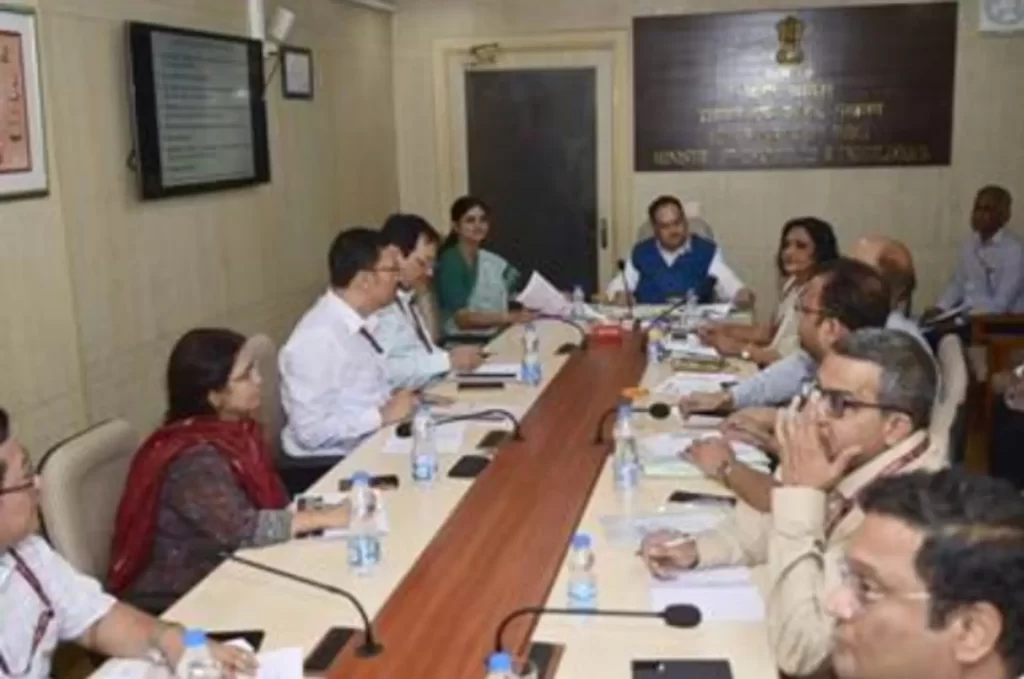
Secretary, Department of Chemicals and Petrochemicals briefed about the existing trade scenario and projections of the Chemical sector in coming 5 years. The Secretary also briefed about the ongoing schemes of the Department, status and working of the PSUs and Autonomous Bodies under the administrative control of the Department. The Union Minister directed the officers to give special focus on the 100 days programme finalized by the Department. Efforts should be made to reduce unnecessary imports and initiatives should be undertaken to enhance country’s export. The department should endeavour to bring speed, scale and skill to facilitate the chemical and petrochemical sector. Focus should also be given to the skill development and training programmes and industry should be included in such programmes. Industry certifications should be facilitated wherever required. All efforts should be made to make Atma Nirbhar Bharat, he said.
The National Health Authority (NHA) has achieved a significant milestone in its mission towards digitizing healthcare services with the generation of over 3 crore tokens for Out-Patient Department (OPD) registrations through the ABHA-based Scan and Share service.
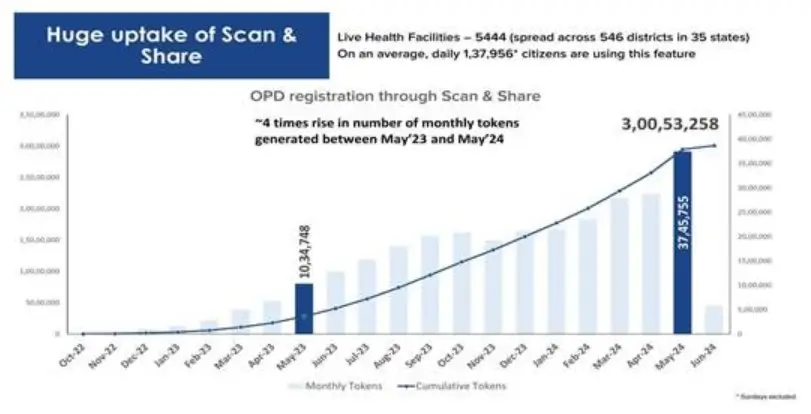
Launched under the Ayushman Bharat Digital Mission (ABDM) in October 2022, this innovative paperless service has revolutionized the patient experience, particularly benefiting vulnerable groups such as the elderly, pregnant women, and those with mobility challenges, by eliminating the need to wait in long queues for appointments.
The ABHA-based Scan and Share service enables patients to conveniently register for OPD appointments by scanning a QR code displayed at the OPD registration counter, thereby instantaneously sharing their ABHA profile for registration.
The Scan and Share service is presently operational across over 5435 healthcare facilities spanning across 546 districts in 35 States and Union Territories of India. Notably, an average of 1.3 Lakh individuals avail the scan and share service daily, highlighting its usefulness and popularity among the citizens.
The Scan and Share initiative’s widespread adoption by states and Union Territories across public health facilities is effectively streamlining patient registration processes at the OPD counters and enhancing service efficiency to the patients. Leading the adoption journey are Uttar Pradesh, Andhra Pradesh, Karnataka, and Jammu & Kashmir, with impressive statistics showcasing their commitment to leveraging technology for citizen welfare. Uttar Pradesh has generated the maximum tokens of 92.7 lakh tokens, followed by Andhra Pradesh with 53.7 lakhs, Karnataka with 39.9 lakhs, and Jammu & Kashmir with 37.1 lakh tokens.
The ABDM Public Dashboard (https://dashboard.abdm.gov.in/abdm/) provides insights into the service's utilization, with notable usage recorded at AIIMS in Delhi, Bhopal, Raipur, and Bhubaneshwar. Remarkably, sixteen hospitals from Uttar Pradesh, Andhra Pradesh, and Jammu and Kashmir feature prominently in the top-performing facilities for the overall number of OPD tokens generated using ABHA-based Scan and Share service, exemplifying their dedication to enhancing healthcare accessibility and efficiency.
Government hospitals, including AIIMS in New Delhi with 14.9 lakh tokens, and those in Bhopal, Prayagraj, and Raipur with 6.7 lakh, 5.1 lakh, and 4.9 lakh tokens respectively, have showcased outstanding performance by efficiently facilitating OPD registrations through the scan and share service.
In discussing the importance of digital healthcare services, the CEO of the National Health Authority (NHA) said “The Scan and Share service is an innovative facility under the Ayushman Bharat Digital Mission (ABDM) aimed at transforming healthcare accessibility and efficiency. This digital service eliminates the need for manual paperwork and significantly reduces waiting time, making the hospital visits more streamlined and efficient. By facilitating quick and secure information exchange, Scan and Share benefits approximately 1,30,000 patients daily, with a particular focus on assisting vulnerable groups and those with urgent healthcare needs. This technological advancement underscores ABDM's commitment to leveraging digital solutions to enhance healthcare delivery for all citizens.”
Among all the token generations, approximately 75% are first-time users, while 25% use scan and share for subsequent visits, highlighting its widespread adoption and usefulness.
To drive further adoption of the Scan and Share service among hospitals and Digital Solution Companies (DSCs) providing technology to healthcare facilities, NHA offers financial incentives through the ABDM's Digital Health Incentive Scheme (DHIS) for 'Scan and Share' transactions and the generation of electronic health records. More information about DHIS is accessible at https://abdm.gov.in/DHIS.
NHA is leveraging technology to enhance patients' access to healthcare services. The 'Scan and Share' service is now being implemented at pharmacy counters of the public hospitals also and plans are underway to extend it to laboratory settings. Additionally, efforts are being made to launch upcoming services, like 'Scan and Send' and 'Scan and Pay' leveraging the comfort of citizens with QR codes. ' The ‘Scan and Pay’ service will enable the patients to make payments for tests or medicines prescribed to them directly through their app, eliminating the need to wait in lines for payment at healthcare facilities. Similarly, the ‘Scan and Send’ service will soon allow patients to conveniently scan a QR code at a facility (hospital or pharmacy) and send their health records, (including prescriptions or lab reports).

Safety and wellbeing of patients (both outpatients and inpatients), staff and visitors is of utmost importance in any healthcare facilities. Recently, fire-incidents have been reported in a few places. These are a result of short-circuits due to sub-optimal electrical maintenance and/or overload of electricity lines due to use of Air-Conditioners and other equipment.
Given the potential risks associated with fire hazards in hospitals, it is imperative that strict protocols and measures be put in place to prevent, detect and respond to fires effectively. Establishing a robust fire safety plan and conducting fire-evacuation and safety drills will not only ensure compliance with regulatory requirements but also safeguard lives and property.
Therefore, on several occasions, the Union Health Ministry communicated to all States/UTs that temperatures escalate during the present summer months and hospital fires become a more significant threat, States/UTs are advised to conduct regular preventive fire risk assessment drills to identify potentially vulnerable areas.
The latest review meeting in this regard was held on 29 May 2024, under the co-Chairmanship of Additional Secretary (Public Health and Policy) and Director General of Health Services, Dte. GHS with all States/UTs. Chair highlighted the report of tragic fire accident at a private health facility in Delhi recently.
In the meeting, 15 representatives from State Health Departments and around 390 Health Care Organizations participated. The following are the outcome of the deliberations:
Need for strict compliance and rigorous periodic assessment of all health facilities concerning fire safety norms was emphasized.
States/UTs and institutes advised to ensure better coordination with PWDs and local fire departments, so that fire safety NOC may be obtained in a timely manner.
A checklist on ‘Prevention and Maintenance of Fire Safety’ was shared with States/UTs with the request to get the same filled by all health facilities and revert on the same.
All States/UTs to ensure stricter compliance to regulatory protocols and regular mock-drills on fire safety after receiving feedback of macro-level assessments.
During the ongoing 77th World Health Assembly, India hosted a side event on Women, Children and Adolescent Health in collaboration with Norway, United Nations Children’s Fund (UNICEF), United Nations Population Fund (UNFPA) and Partnership for Maternal, Newborn and Child Health (PMNCH). The purpose of the event was to share emerging evidence and discoveries, fostering dialogue on pivotal opportunities for investment in maternal, newborn, child, and adolescent health and well-being. It aimed to advocate for continued and augmented investment, prompting policy adjustments and their ramifications across diverse stakeholders and sectors, while prioritizing the needs of various population groups.


The focus of the event was on adolescent health and various speakers spoke for various aspects of adolescent health including the need to invest more on this issue. Shri Apurva Chandra, Union Health Secretary and Head of the Indian delegation emphasized on the progress made on this topic and the initiatives taken in this regard.

He outlined India's commitment to implement proactive actions for Women’s, Children’s and Adolescents’ health and wellbeing. He highlighted India’s Reproductive and Child Health (RCH) – I, RCH – II initiatives and the Rashtriya Kishor Swasthya Karyakram which stressed on adolescent health. The rolling out of TeleManas was also mentioned as a key initiative taken by India.
India also emphasized on the need for utilizing right communication strategies to convey to the adolescent audience group. The involvement of youth group representative was also discussed as important stakeholder for planning and implementation of any programme.

Ms. Hekali Zhimomi, Addl. Secretary, Union Health Ministry; Ms. Aradhana Patnaik, Addl. Secretary and Managing Director (NHM), Union Health Ministry and other senior officials of the Union Health Ministry were present on the occasion.