
The National Tele-Mental Health Programme in India has reached a significant milestone, receiving over 10 lakh calls on its Tele-MANAS toll-free number, averaging 3,500 calls per day. Launched by the Government of India in October 2022 to enhance mental health service delivery nationwide, the Programme operates 51 Tele-MANAS cells across all States and Union territories.
The Tele MANAS toll-free helpline numbers 14416 or 1-800-891-4416 offer multi-language support and have been pivotal in facilitating communication between callers and mental health professionals.
Reflecting increased awareness and utilization of mental health services in the country, the Tele-MANAS helpline has seen a steady increase in the number of callers, growing from around 12,000 in December 2022 to over 90,000 in May 2024. This increase in engagement also underscores the importance of continued investment and expansion of mental health initiatives to ensure that everyone has access to the support they need.
To ensure ongoing care and support for those accessing mental health services, the platform incorporates call-backs for follow-up. By linking existing mental health resources and establishing a comprehensive digital network, Tele-MANAS has become an essential platform for addressing the nation’s mental health needs.
The government's dedication to expanding mental health services, particularly targeting vulnerable populations represents a significant milestone in India's ongoing efforts to combat the mental health crisis and ensure support for all individuals and households across the country.
Moving forward, integration with initiatives like e Sanjeevani will further enhance accessibility and effectiveness of the platform. By continuing to promote awareness and accessibility, Tele MANAS can further contribute to addressing the mental health challenges facing the nation.
The National Tele-Mental Health Programme in India has reached a significant milestone, receiving over 10 lakh calls on its Tele-MANAS toll-free number, averaging 3,500 calls per day. Launched by the Government of India in October 2022 to enhance mental health service delivery nationwide, the Programme operates 51 Tele-MANAS cells across all States and Union territories.
The Tele MANAS toll-free helpline numbers 14416 or 1-800-891-4416 offer multi-language support and have been pivotal in facilitating communication between callers and mental health professionals.
Reflecting increased awareness and utilization of mental health services in the country, the Tele-MANAS helpline has seen a steady increase in the number of callers, growing from around 12,000 in December 2022 to over 90,000 in May 2024. This increase in engagement also underscores the importance of continued investment and expansion of mental health initiatives to ensure that everyone has access to the support they need.
To ensure ongoing care and support for those accessing mental health services, the platform incorporates call-backs for follow-up. By linking existing mental health resources and establishing a comprehensive digital network, Tele-MANAS has become an essential platform for addressing the nation’s mental health needs.
The government's dedication to expanding mental health services, particularly targeting vulnerable populations represents a significant milestone in India's ongoing efforts to combat the mental health crisis and ensure support for all individuals and households across the country.
Moving forward, integration with initiatives like e Sanjeevani will further enhance accessibility and effectiveness of the platform. By continuing to promote awareness and accessibility, Tele MANAS can further contribute to addressing the mental health challenges facing the nation.
Secretary, Department of Pharmaceuticals, Ministry of Chemicals and Fertilizers Dr Arunish Chawla, launched the MEDITECH STACKATHON 2024 in collaboration with CII in New Delhi today. The MEDITECH STACKATHON is a groundbreaking initiative designed to catalyze transformative change within India's burgeoning MedTech sector by undertaking a comprehensive value chain analysis of select medical devices. Through close consultation with industry leaders, policymakers, and experts, the STACKATHON aims to address critical challenges, foster domestic manufacturing, and reduce import dependence, thereby positioning India as a global leader in medical technology. Joint Secretary, Department of Pharmaceuticals Shri RP Singh and Chairman, CII National Medical Technology Forum Shri Himanshu Baid and other senior officials of the Department and representatives of the Industry were present on the occasion.
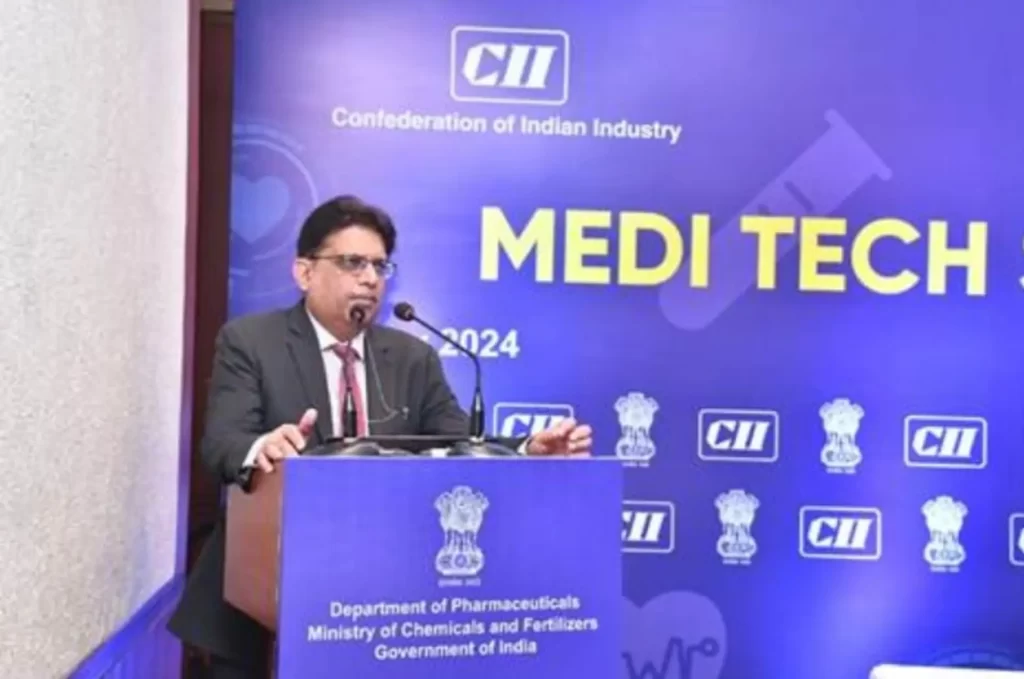
Addressing the gathering, Dr Arunish Chawla said that India's MedTech industry holds immense potential, with projections estimating a growth rate of 28% annually, reaching a size of USD 50 billion by 2030. He said that currently, India is the 4th largest market for medical devices in Asia and among the top 20 globally. Net imports for 2022-23 stands at USD 4101 Million with import coverage ratio of 0.45.
The Secretary said that the sector has witnessed a surge in imports, driven primarily by countries like the US, China, and Germany, however, India's robust policy ecosystem presents opportunities for export boosts and reducing import dependence through domestic manufacturing.
Pharma Secretary Shri Arunish Chawla emphasized on the importance of policymakers, industry coming together to draw up a sturdy policy stack for growth of medical devices industry in the country.
He highlighted the critical need to focus on quality to ensure that India becomes globally competitive.
Exports have overtaken imports in consumables and disposables during last year, he said, and urged the industry to continue with the momentum in other pillars of medi-tech sector.
Collaboration among stakeholders is essential to address these challenges and enhance both the ease and cost of doing business in the sector. By fostering partnerships, boosting investment in research and innovation, and streamlining value chain processes, we can achieve our shared goal of accessible and affordable healthcare for all, he added.
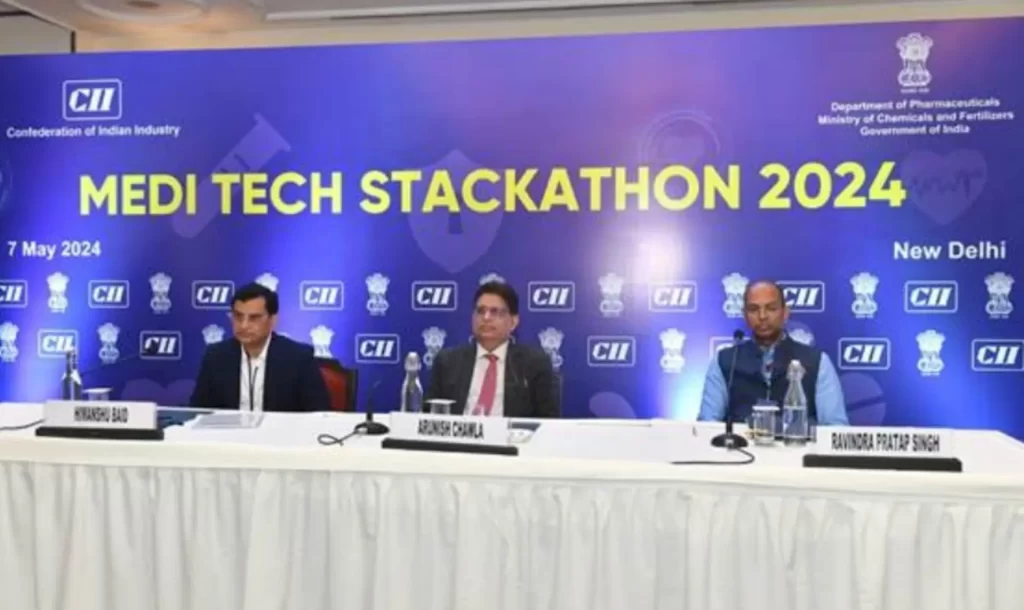
Through the STACKATHON, participants will delve into the complexities of different product segments within the medical devices industry to gain insights into their unique challenges and opportunities, analyze and map value chains across various segments of the medical devices industry to identify key stakeholders, processes, and dependencies, identify critical issues hindering the development of the medical devices industry, such as import dependence, regulatory hurdles, and technological gaps, Dr Chawla said in his address.
The STACKATHON would deliberate in eight focused groups namely Cancer Therapy, Imaging, Critical Care, Assistive Medical Devices, Body Implants, Surgical instruments and Hospital Equipment, Consumables & Disposables, and IVD Instruments and reagents, each tasked with specific objectives including segment-wise identification of important medical devices, assessment of import-export dynamics, examination of duty structures, and their implications across the entire value chain.
Preceding this workshop, group leads and members have undertaken extensive virtual discussions and preparatory work. The challenges persist in the sector, including cost competitiveness, quality assurance, and regulatory hurdles.
Shri Himanshu Baid, Chairman, CII highlighted a shared vision of collaborative excellence, wherein stakeholders unite to drive tangible outcomes and propel the MedTech industry towards unparalleled growth. He said that with India's MedTech exports surpassing 4 billion dollars, the industry stands poised on a trajectory of remarkable expansion. However, he highlighted the need for enhanced data collation mechanisms to address gaps in product consumption and production within India. He stated that India's MedTech landscape is brimming with promise, poised to capture 10% of the global market share over the next decade. Endowed with a robust ecosystem comprising world-class hospitals, skilled manpower, and cutting-edge resources, India is primed to emerge as a frontrunner in the global MedTech arena. He further underscored the importance of fostering industry-friendly policies, streamlining regulatory frameworks, and extending support to Micro, Small, and Medium Enterprises (MSMEs) through targeted incentives and technology funds.
Against this backdrop of immense potential, the MEDITECH STACKATHON 2024 seeks to harness the collective expertise of stakeholders to propel the industry towards unprecedented heights of innovation and self-reliance.
Ayushman Bharat Health Accounts (ABHA) is an integral component of the Ayushman Bharat Pradhan Mantri Jan Arogya Yojana (AB-PMJAY), which is India's flagship national health protection scheme. ABHA is designed to facilitate cashless transactions and manage financial aspects related to healthcare services under the Ayushman Bharat scheme. Here's an explainer on Ayushman Bharat Health Accounts:
Ayushman Bharat Health Account (ABHA) is an account/ number used to link all the health records of a person. ABHA intends to create a digital health ecosystem & aims to promote digitization of healthcare. Any individual can enroll in Ayushman Bharat Digital Mission (ABDM) to generate a Health ID or ABHA, free of cost.
Ayushman Bharat Health Accounts aim to provide a seamless and efficient financial framework for implementing the Ayushman Bharat scheme. It ensures transparency, accountability, and accessibility of funds allocated for healthcare services.
Cashless Transactions: ABHA enables cashless transactions for eligible beneficiaries seeking treatment at empanelled healthcare facilities. This reduces the financial burden on beneficiaries during medical emergencies.
Electronic Health Records (EHR): ABHA integrates electronic health records, facilitating the storage and retrieval of patient information. This helps in maintaining medical histories and streamlining healthcare delivery.
Portability: The accounts are designed to be portable across various healthcare providers empanelled under the Ayushman Bharat scheme, allowing beneficiaries to access services seamlessly, regardless of their location.
Real-time Monitoring: ABHA incorporates real-time monitoring mechanisms to track the utilization of funds and ensure that resources are allocated efficiently. This helps in preventing misuse and optimizing the distribution of healthcare resources.
Transparency and Accountability: By promoting digital transactions and maintaining electronic records, ABHA enhances transparency and accountability in the healthcare system. This reduces the scope for corruption and ensures that funds are utilized for their intended purpose.
Beneficiary Identification: ABHA involves the identification and registration of eligible beneficiaries under the Ayushman Bharat scheme. Each beneficiary is assigned a unique health identification number (UHID) to facilitate tracking and management.
Funds Management: ABHA manages the allocation and disbursement of funds for healthcare services availed by beneficiaries. It ensures that funds are transferred to healthcare providers promptly and securely.
Claim Settlement: ABHA processes and settles claims submitted by healthcare providers for services rendered to beneficiaries. This involves verifying the authenticity of claims and disbursing payments accordingly.
Audit and Oversight: ABHA incorporates audit and oversight mechanisms to monitor the utilization of funds and detect any irregularities or discrepancies. This helps in ensuring compliance with regulations and maintaining the integrity of the healthcare system.
Financial Protection: ABHA provides financial protection to vulnerable sections of society by covering the costs of healthcare services under the Ayushman Bharat scheme. This reduces out-of-pocket expenses for beneficiaries and enhances access to quality healthcare.
Efficient Healthcare Delivery: By facilitating cashless transactions and electronic health records, AB-HA promotes efficiency in healthcare delivery. It minimizes administrative hassles and delays, allowing healthcare providers to focus on patient care.
Data-driven Decision Making: ABHA generates valuable data insights that can be used for evidence-based decision-making and policy formulation. This helps in addressing healthcare challenges effectively and improving the overall quality of care.
An ABHA user has the following identifiers and user app to access the benefits under ABDM:
ABHA number: Unique Health Identifier as a random 14-digit number: A unique identity of a person, across different health care providers across the country.
ABHA address: ABHA Address is an easy-to-remember username that enables a user to access their health records digitally and share their records with various healthcare providers. An ABHA address may look like ‘name@abdm’. It may also be required to sign up on ABHA mobile Application.
ABHA mobile application: The ABHA mobile application offers a convenient solution for individuals to effortlessly access and share their health records digitally. It empowers patients to seamlessly receive digital lab reports, prescriptions, and diagnoses from various healthcare providers, including doctors, labs, hospitals, and wellness centers. This approach ensures secure and consent-driven sharing of health data.
ABHA shall integrate CGHS beneficiaries in the digital health ecosystem for the country.
A CGHS beneficiary shall be able to view the generated and linked health records in any of his/her preferred Personal Health Record (PHR) app downloaded on the mobile device.
A CGHS beneficiary shall be able to carry forward his/her health records from one hospital/Healthcare provider to another in a digitally secured way.
e.g: Take the case of health records generated in a particular hospital for a particular patient by a particular doctor. The said patient may end up going to some other healthcare provider for subsequent treatment. It is desirable that his/her health records which are stored in the previous hospital are also available to the subsequent healthcare provider for comprehensive healthcare provision. This is made possible by unique entity (Health ID) which identifies the patient’s health records across all the healthcare providers. With the patient’s consent, these records are made available to the current healthcare provider.
In future, a CGHS beneficiary shall directly be able take OPD appointment of a Doctor just by scanning a QR code through his/her mobile device present in front of the Doctor’s room/ Registration Desk in the Wellness Centre.
Pre-Requisites:
Ensure that the mobile number is linked with the CGHS card.
Ensure that the Aadhar card is linked with the aforementioned phone number.
Step 01: Open CGHS website www.cghs.nic.in and Log-in via Beneficiary Log-in
Step 02: Move to the ‘Update’ Tab and Click ‘Create/Link ABHA ID’
Step 03: In front of the “Beneficiary Name” An option shall be visible ‘Create/Link ABHA ID’. Click on that option.
Step 04: In case a beneficiary does not have an ABHA number, click on ‘I don’t have an ABHA number’
Enter Aadhar number
Accept the Consent Message
Click on Get Aadhar OTP
Enter Aadhar OTP
Click on ‘Verify OTP’
If the data is successfully matched, the ABHA number is created and successfully linked with the CGHS beneficiary ID.
*In case a beneficiary already has an ABHA number, In step 04, instead of clicking on ‘I don’t have an ABHA number’, enter the 14 digit ABHA number and proceed by verifying OTP.
For more information, visit: https://abha.abdm.gov.in/abha/v3/
A detailed video on the step-by-step procedure to Create/Link ABHA number is also available on the ‘@cghsindia’ YouTube channel at the following link:
https://www.youtube.com/watch?v=ZVytyQv2ngo&t=90s
Expansion and Enhancement: ABHA is expected to evolve and expand over time, incorporating new features and functionalities to meet the evolving needs of the healthcare sector.
Integration with other Schemes: There is potential to integrate ABHA with other healthcare schemes and initiatives to create a unified and comprehensive healthcare ecosystem.
Research and Innovation: Continued research and innovation in healthcare financing and delivery models can further strengthen the effectiveness and impact of ABHA.
In conclusion, Ayushman Bharat Health Accounts play a pivotal role in facilitating cashless transactions, managing funds, and enhancing transparency in the implementation of the Ayushman Bharat scheme. By leveraging technology and data-driven approaches, ABHA aims to improve access to quality healthcare and alleviate the financial burden on vulnerable sections of society.
Myth 1: Does getting ABHA Number mean enrolment in Ayushman Bharat – Pradhan Mantri Jan Arogya Yojana (AB-PMJAY)?
Reality: No, ABHA is just an account/ number used to link all the health records of a person.
Myth 2: What is not entailed under Ayushman Bharat Health Account?
Reality: Ayushman Bharat Health Account does not mean the eligibility of a person for the particular scheme including AB-PMJAY. Ayushman Bharat Health Account is not a replacement of current CGHS services or a replacement of current CGHS HMIS. Rather it is an addition/add-on to the current services offered by CGHS.
Myth 3: I am afraid that by linking all my health records to my ABHA other doctors may be in a position to see all my medical History which I don’t want to show. How can this be prevented?
Reality: The consent provided digitally need not be for all the health records linked to ABHA at a time. It can be provided for sharing only selected health records as per the choice of the patient. Therefore, by linking all your health records to your ABHA you will not end up sharing all your health records when providing consent. The consent is granular “which can be provided separately for each of the health records as per the wish of the patient”. However, it is recommended that you provide consent to share all health records with your doctor so that he can make correct clinical decisions.
Myth 4: Is it possible for the government or any other entity to do surveillance of the health status of an individual through ABDM?
Reality: No. The health records are created and stored at the place of their creation by respective healthcare providers (which is the case even now). ABDM is creating interoperable platforms for linking these data repositories/fiduciaries. This is known as federated architecture. This means that the health records will continue to be processed and stored at the same place where they are created, which has been happening prior to ABDM as well. The government will not have access to such data. No additional means of accessing such data is being created or envisaged in the current ecosystem.
Myth 5 : Will my Digital health Records be shared with other doctors or health facility without my permission?
Reality: No. Only you can share your own records with other doctors/hospitals using different digital health systems after giving your consent.
Myth 6: How will my data be used by the government?
Reality: Protocols for anonymization and aggregation of data and use of such data will be defined after extensive stakeholder consultations. After that, anonymous records can be used by the government to make policies and other relevant interventions in the interests of the public. Till this is done, health records will not be used by the government.
Myth 7: Are my health records safe and Secure on ABDM System?
Reality: ABDM does not store any medical records. These are always created and stored by healthcare providers as per their retention policies and this will continue. ABDM only facilitates secure data exchange between the intended stakeholders on ABDM network after the patient’s consent. Hence, through ABDM compliant applications, patients will also be able to choose which health records they want to link with their Health IDs, securely store their digital health records on their devices, securely access their records online, and securely share their health records with healthcare providers after the patient’s consent. Only the data collected for registries such as Health ID registry, Healthcare Professional Registry and Healthcare Facility Registry is stored centrally. It is necessary for these datasets to be stored centrally because they are essential to provide interoperability, trust, and identification and single source of truth across different digital health systems. This data is stored and processed in secure and safe manner.
Myth 8: Can ABHA be used outside the government hospital/CGHS?
Reality: Yes, ABHA can be used outside the government hospital/ program. However, it is up to the private players to decide whether they want to use it or not. For example, a private hospital may decide to use ABHA for creation and linking of health record. If the patient is not willing to use ABHA, the hospital/ program may provide an alternate number which they are using as part of their existing system.
The Department of Pharmaceuticals, Ministry of Chemicals and Fertilizers is announce the Revamped Pharmaceuticals Technology Upgradation Assistance (RPTUAS) Scheme. It is a significant step in government’s efforts to help upgrade the technological capabilities of our pharmaceutical industry and ensure its alignment with the global standards.
The approval of the revised Scheme follows a comprehensive review by the Scheme Steering Committee in light of the requirements of the revised Schedule-M of the Drugs and Cosmetics Rule, 1945 as issued by the Department of Health & Family Welfare on 28/12/2023. The revised guideline aims to support the pharmaceutical industry's up-gradation to the Revised Schedule-M & WHO-GMP standards, enhancing the quality and safety of pharmaceutical products manufactured in our country.
Key Features of the Revised Scheme:
Broadened Eligibility Criteria: Reflecting a more inclusive approach, eligibility for the PTUAS has been expanded beyond Micro, Small and Medium Enterprises to include any pharmaceutical manufacturing unit with a turnover of less than 500 crores that requires technology and quality upgradation. Preference remains for MSMEs, supporting smaller players in achieving high-quality manufacturing standards.
Flexible Financing Options: The scheme introduces more flexible financing options, emphasizing subsidies on reimbursement basis, over traditional credit-linked approach. This flexibility is designed to diversify the financing options of the participating units, facilitating a more widespread adoption of the scheme.
Comprehensive Support for Compliance with New Standards: In alignment with revised Schedule-M and WHO-GMP standards, the scheme now supports a broader range of technological upgrades. Eligible activities include improvements such as HVAC systems, water and steam utilities, testing laboratories, stability chambers, clean room facilities, effluent treatment, waste management etc. ensuring comprehensive support for participating units.
Dynamic Incentive Structure: Pharmaceutical units with the following average turnover for the last three years will be eligible for incentive subject to a maximum of Rs. 1.00 crore per unit:-
| Turn Over | Incentives |
| 1. Turnover less than Rs. 50.00 crore | 20% of investment under eligible activities |
| 2. Turnover From Rs. 50.00 crore to less than Rs 250.00 crore | 15% of investment under eligible activities; |
| 3. Turnover from Rs. 250.00 crore to less than Rs 50.00 crore | 10% of investment under eligible activities; |
State Government Scheme Integration: The revised scheme allows integration with state government schemes, enabling units to benefit from additional top-up assistance. This collaborative approach aims to maximize support for the pharmaceutical industry in their technology upgradation efforts.
Enhanced Verification Mechanism: The scheme introduces a robust verification mechanism through a Project Management Agency, ensuring transparency, accountability and the efficient allocation of resources.
Department of Pharmaceuticals is confident that reform in the PTUAS Scheme will contribute to pharmaceutical industry’s growth and compliance with global manufacturing standards. The revamped Scheme underscores government’s commitment to supporting the pharmaceutical industry which is critical to the nation’s health and well-being.
Dr Mansukh Mandaviya, Union Minister of Health and Family Welfare chaired the Governing Council Meeting of the Indian Council of Medical Research (ICMR), here today. Dr Bharati Pravin Pawar, Union Minister of State for Health and Family Welfare was also present. The meeting was convened to engage in discussions on ICMR’s recent contributions, explore the initiatives spearheaded by the Council, and outline the strategic roadmap for the future of medical research.
Dr Mandaviya lauded ICMR’s key advancements and initiatives propelling medical research and development in the country. He emphasized that the Government of India’s commitment coupled with ICMR's relentless efforts, will position India on the global stage as a leader in medical research and development.
The Union Health Minister expressed satisfaction with the growth being witnessed by ICMR’s research advancements and urged the Council to keep adapting to changing times for India to meet global expectations in medical innovation. He praised the recently launched MedTech Mitra initiative, which aims to support the private sector with development of affordable indigenous medical devices. He also stressed on leveraging our traditional knowledge by a collaboration of ICMR-DBT-AYUSH and Institutions of National Importance (INIs), emphasizing the critical importance of collaborations between government and private sector; and supported the entrepreneurship policy for academic and research institutions.
Dr Mandaviya further assured the Government of India’s unwavering support and commitment towards accelerating the research and innovation ecosystem of the country.
Dr. Bharati Pravin Pawar commended the ICMR's progressive efforts and emphasized the importance of collaboration with other departments to promote targeted research. She highlighted the need for AI-based health solutions to reach remote areas and called for the global relevance and competitiveness of the Indian Journal of Medical Research.
Speaking about the upcoming initiatives of ICMR, Dr. Rajiv Bahl, Secretary, Dept. of Health Research and DG, ICMR highlighted the ‘First in the World Challenge’, a unique initiative by ICMR which aims to develop biomedical products on knowledge that is first in the world. He stated that “the challenge will fund Indian Scientists with excellent ideas to conduct high-risk and high-reward research. Ideas would be funded through an innovative selection mechanism and this will help build the confidence of Indian biomedical researchers.”
The following are the key achievements highlighted in the meeting:
4-Fold Increase in Investment: Government of India has increased its investment in Medical Research and Development by 4-fold over the last decade.
Wide-reaching Impact: Through the recently launched National Health Research Program, a novel initiative to conduct solution-oriented mission mode research in 12 priority areas, ICMR has extended their coverage to over 100 districts nationwide.
Interdepartmental Collaborations: ICMR initiated interdepartmental collaboration with prominent institutions such as NITI Aayog, CDSCO, CSIR, IITs, DBT, NIPERs, ICAR, DWCD and others. This has resulted in joint initiatives, including the National One Health Mission, AYUSH-ICMR trials, AcSIR-ICMR Faculty of Medical Research, Paalna Scheme and ICMR-National Cancer Grid Clinical trials for various cancers.
Nurturing the innovation ecosystem of the country: Towards nurturing the innovation ecosystem of our country, ICMR established centers of excellence at 7 IITs for product development and 5 ICMR-Centers for Advanced Research (CAR) dedicated to benchtop testing, pre-clinical and clinical evaluation, and validation. This initiative aims to bolster the Make in India MedTech sector while promoting AI-based health solutions. Additionally, the MedTech Mitra initiative, led by ICMR under the guidance of NITI Aayog and in partnership with Central Drugs Standard Control Organization (CDSCO), is set to provide crucial support to innovators, facilitating the development of affordable and accessible indigenous medical devices through strategic handholding, clinical evaluation, regulatory facilitation, and product uptake guidance, with further enhancements underway.
Workforce Strengthening: In coherence with the Hon’ble Prime Minister’s Mission Recruitment and Rozgar Mela initiatives, ICMR has successfully filled over 1200 vacancies in the Scientific, Technical, and Administrative Cadres within the last year.
Dr. Mansukh Mandaviya, Union Minister for Chemicals & Fertilizers and Health & Family Welfare virtually inaugurated 27 greenfield bulk drug park projects and 13 greenfield manufacturing plants for medical devices, here today.
Addressing the gathering, Dr Mandaviya said, “Medicines are an essential requirement for any society. During the COVID-19 pandemic, the dangers of supply chain getting affected, the risks of being highly dependent on imports of critical resources like bulk drugs and medical devices and its potential effects on India’s pharma and MedTech sector led to a lot of brainstorming within the Union Government. The Production Linked Incentive (PLI) scheme is a result of these wide-ranging discussions”
Expressing his elation at the inauguration of these greenfield projects under the PLI scheme, the Union Minister said, “it is noteworthy that today India has not only reduced its dependence on medicines, API and medical devices, the country is also emerging as a major exporter of these products, thanks to the success of the PLI scheme.”
Dr Mandaviya said that “the PLI-I scheme of the Union Government identified 48 critical bulk drugs for manufacturing locally. The success of this inaugural scheme led the government to launch the Rs. 15,000 crore PLI-II scheme which envisaged to increase our cost competitiveness for medicines and medical products in the international market”.
Highlighting the Union Government’s efforts towards making India atmanirbhar in the field of critical medicines and active pharmaceutical ingredients (API), the Union Minister stated the example of Penicillin G, a widely used drug which were locally manufactured in India until the late 1980s. Due to globalisation, the import of Penicillin G led to the closure of all such plants in India. He highlighted that the Union Government is working on bringing back production of Penicillin G in India after three decades.
The following are the key achievements highlighted in the meeting:
Shri Rajesh Kumar Singh, Secretary, Dept. for Promotion of Industry and Internal Trade noted that Union Government approached the COVID-19 pandemic with a mindset to turn the crisis into an opportunity. He highlighted the efforts of the administration in enhancing self-reliance, innovation and infrastructure, including both physical and digital as displays of such a vision.
Shri R K Singh stated that the PLI scheme was also envisaged through the same vision to bring in localisation and value addition to India’s pharma and MedTech industry and simultaneously also reduce over-dependence on critical resources from certain geographies.
Dr. Arunish Chawla, Secretary; Dept. of Pharmaceuticals gave a detailed presentation on the PLI scheme of the Union Government. He said that the drug and pharmaceutical industry in India witnessed a 12% compound annual growth rate (CAGR) in the last 10 years. He also highlighted that under the PLI scheme, as many as 1800 pharmaceutical products and formulations and 22 bulk drugs will be manufactured in India.
It was also informed that when the PLI scheme came in, India imported 90% of medical devices. After the introduction of the PLI scheme, the net imports of medical devices decreased for the first time in 2023.
The following are the details of bulk drug plants inaugurated today: The following are the details of medical devices plants inaugurated today:
Bulk Drug Parks: India is the 3rd largest player in drugs and pharmaceuticals by volume with an estimated industry size of US$50 billion in 2022-23 and exports accounting for 50% of the production. It is anticipated to reach a size of around US$130 billion by 2030. The Indian pharmaceutical industry, often referred to as ‘the pharmacy of the world’, contributes immensely to global public health and promoting universal healthcare access. India is the world's largest provider of generic medicines by volume, with a 20% share of total global generic supplies. It has the highest number of USFDA approved plants outside of the US and over 2000 WHO GMP certified plants in the country.
While India has excelled in formulations, there has been import dependence for certain critical bulk drugs, the vulnerability of which was acutely felt at the time of COVID -19 pandemic. The country is also vulnerable to price and supply risk on the import dependent raw materials, i.e. bulk drugs. The import dependence of bulk drugs in the country has been caused due to cost considerations and shift of the industry towards formulations, which is considered as more profitable. Further, the regulatory requirement for bulk drugs are more stringent, as the required environmental standards are to be met.
In order to attain self-reliance, reduce import dependence and enhance supply chain resilience in the critical import dependent bulk drugs - Key Starting Materials (KSMs)/ Drug Intermediates and Active Pharmaceutical Ingredients (APIs) in the country, the Department of Pharmaceuticals had launched a Production Linked Incentive (PLI) Scheme for promotion of their domestic manufacturing by setting up greenfield plants in four different Target Segments, i.e. Target segments 1 and 2 are fermentation based and Target segments 3 and 4 are chemical synthesis based. The scheme envisages manufacturing of 41 bulk drugs with a total outlay of Rs. 6,940 cr. during the tenure of the scheme i.e. 2020-21 to 2029-30. The scheme envisages incentive at the rate of 20% for first four years, 15% for fifth year and 5% for sixth year on eligible sales of fermentation based bulk drugs. In respect of chemical synthesis based bulk drugs, incentive is to be given at the rate of 10% for six years on the eligible sales.
The PLI scheme for bulk drugs will lead to reduced import dependence and better supply chain resilience. Investment worth Rs 3,651 crore has already been grounded, till December 2023, by the scheme participants. The increased investment has led to local capacity creation for critical bulk drugs on which the country was import dependent. The investment in fermentation based manufacturing also signals rediscovering of our strength in the area, which was affected on account of cheap imports.
The PLI scheme incentivizes domestic production of crucial APIs. The scheme further strengthens India's pharmaceutical self-sufficiency and would ensure steady availability of vital medications. Enhanced bulk drug production capacity through the PLI scheme positions India to not just become a producer of finished formulations, but also a prominent supplier of raw materials. It helps Indian companies develop capabilities and technology for manufacturing of complex APIs. The projects under the scheme are facilitated and supported by the Department of Pharmaceuticals by hand holding and bringing about required regulatory streamlining across the Government departments. PLI scheme for Bulk Drugs has laid the foundation for revitalizing of India's bulk drug industry, aiming to achieve self-reliance and regain global competitiveness.
Medical Devices: Medical devices industry is considered as one of India’s sunrise sectors. India is amongst world’s fastest emerging Medical Device market with exports from the sector growing steadily at a CAGR of around 14% since FY 2019-20. The market for medical device industry in India is currently estimated to be of the size of US$11 billion and it is expected to cross US$30 billion mark by 2050.
The Medical Device Sector in India suffered from cost of manufacturing disability vis-à-vis competing economies, inter alia, on account of lack of adequate infrastructure, domestic supply chain and logistics, high cost of finance, limited design capabilities, low focus on research and development (R&D) etc.
In order to mitigate the limitations affecting the sector, with an objective to boost domestic manufacturing and attract large investment in Medical Device Sector, the Department of Pharmaceuticals had launched a Production Linked Incentive (PLI) Scheme for Promotion of Domestic Manufacturing of Medical Devices to ensure a level playing field for the domestic manufacturers of medical devices. The total financial outlay of the Scheme is Rs.3,420 cr. for the period 2020-21 to 2027-28.
Under the scheme, financial incentive is given to selected companies at the rate of 5% of incremental sales of medical devices manufactured in India and covered under four Target Segments of the scheme i.e. (1) Cancer care equipment, (2) Imaging Devices, (3) Critical care devices, and (4) Body implants. Total 26 applicants have been approved for 138 products under the scheme. Investment of around Rs. 875 crores have already been grounded towards capacity creation under the scheme.
The inauguration of the above 13 Greenfield plants will be a big step towards achieving self-reliance in manufacturing of wide range of medical devices. With a wide base of scientists, bio-medical engineers, and a growing innovation ecosystem in the country, the India MedTech sector is poised to grow rapidly. Indian manufacturers are continuously innovating. Indigenous development of cancer care equipment, such as Linear Accelerator for radiotherapy and evolved coronary stents, under the PLI scheme, are illustrious example of the same.
The PLI scheme encourages manufacturers to invest in R&D activities to develop innovative products and technologies. The scheme has enabled technology transfer in high-end medical devices enhancing our capabilities. The PLI scheme creates opportunity for India to become a significant player in the export of medical devices. The scheme lays pathway for development of entire ecosystem of medical device manufacturing, which includes the components and sub components used in manufacturing of medical devices.
Shri Kamlesh K Pant, Chairman, National Pharmaceutical Pricing Authority (NPPA); Dr Sailesh K Pathak, Secretary General, Federation of Indian Chambers of Commerce and Industry (FICCI) and senior officials of the Union Government were present on the occasion.
In 2022, more than 75% of the 39 million people living with HIV globally were receiving HIV treatment. Countries have implemented the WHO recommendations with 116 of 127 having adopted WHO preferred first-line DTG-based treatment for adults and adolescents, and 74% of reporting low- and middle-income countries adopted viral load monitoring for adults and adolescents.
But progress towards the SDG targets has stalled as there were still an estimated 1.3 million new HIV infections and 630 000 deaths from HIV-related causes. Between 2017 and 2022, for most countries reporting through the Global AIDS Monitoring (GAM) system, programmatic quality indicators for HIV treatment did not achieve established global targets, which further highlights the need to proactively improve the quality of HIV treatment and care services.
In 2022, only 12 of 45 WHO focus countries reported conducting surveys or had integrated the monitoring of HIVDR early warning indicators into routine monitoring and evaluation systems. Many countries continue to miss the mark when it comes to optimizing retention in care, population-level viral load suppression, and switching people with virological failure to different regimens. Additionally, antiretroviral drug stock-outs continue to happen which may negatively impact patient treatment adherence.
WHO recommends that countries routinely implement standardized surveillance of HIVDR to follow the prevalence and patterns of resistance among people not achieving suppressed viral load. This is critical, as information and data from surveys influence the development of treatment guidelines and inform the quality of treatment programmes.
The report also documents cases of resistance to integrase-strand transfer inhibitors (INSTIs) after recent exposure to cabotegravir (CAB-LA). Delayed detection and confirmation of HIV infection can increase the risk of developing resistance to INSTIs. Since 2022, WHO has recommended the use of long-acting injectable CAB-LA as an additional HIV prevention option for people at substantial risk of HIV infection.
Despite the possible risk, WHO recommends the roll-out of CAB-LA for pre-exposure prophylaxis (PrEP) and calls for the scale-up of PrEP to be accompanied by standardized surveillance of drug resistance among people testing positive for HIV while receiving PrEP.
Routine monitoring of quality-of-care indicators at both clinic and national levels, followed by addressing any suboptimal performance, remains a cornerstone for the success of ART programmes. Key quality-of-care indicators include on-time ART pick-up, retention on ART, viral load testing coverage, timely second-viral load test, ARV drug stock-outs and timely switch to second-line ART.
The new HIVDR report emphasizes the importance of strengthening data reporting systems so that countries can effectively monitor and report quality-of-care indicators. It underscores the active engagement by ART clinics and programmes in use of indicator data to develop locally appropriate and sustainable solutions. These efforts are crucial for optimizing service delivery quality, thereby reducing the emergence of drug-resistant HIV.
Minimizing the spread of HIV drug resistance is a crucial part of the broader global response to antimicrobial resistance that needs coordinated action across all government sectors and levels of society.
The World Health Organization provides global leadership in public health within the United Nations system. Founded in 1948, WHO works with 194 Member States, across six regions and from more than 150 offices, to promote health, keep the world safe and serve the vulnerable. Our goal for 2019-2023 is to ensure that a billion more people have universal health coverage, to protect a billion more people from health emergencies, and provide a further billion people with better health and wellbeing.
Dr Mansukh Mandaviya, Union Minister for Health and Family Welfare virtually addressed the 5th Foundation Day celebration of National Cancer Institute (NCI) of AIIMS Jhajjar, here today. Ms. Christina Scott, British Deputy High Commissioner to India was also present on the occasion.
Addressing the gathering, Dr Mandaviya said, “The way NCI has progressed over the last 5 years, is a testament to the skill and dedication of the doctors, nurses and other health workers involved in the day to day functioning of the institute.” He encouraged the institute to continue delivering quality healthcare to patients.
The Union Health Minister also presided over the signing of a Collaboration Agreement between University of Liverpool and AIIMS New Delhi for “AIIMS Liverpool Collaborative Centre for Translational Research in Head and Neck Cancer – ALHNS”. The ALHNS will build upon the pre-existing collaboration and links between the Liverpool Head and Neck Centre (LNHC), University of Liverpool and the Head and Neck Cancer Unit at AIIMS New Delhi.
ALHNS will impact the care of patients with head and neck cancer by combining resources at both institutions in order to develop joint research and education programmes which will enhance the quality of research outputs and education. It also aims to develop common SOPs so as to access high quality clinical datasets and tissue repositories of two ethnically diverse populations whose cancer-causing aetiologies differ significantly (cigarette smoking, alcohol drinking and Human papillomavirus in the UK population, in contrast to smokeless tobacco products in an Indian population). ALHNS also aims to have commonly articulated strategic goals in order to deliver cutting edge medical innovation and personalized cancer treatments.
Dr Mandaviya stated that “Hon’ble Prime Minister's dream is that the country should become Ayushman, where health facilities become affordable, accessible and available to every citizen. There should be no discrimination between rich and poor for treatment. To ensure that everyone gets healthcare facilities with the same quality standard, the government has worked in the last 10 years by linking the health sector with development.” On the achievements of the Ayushman Bharat PM-JAY and Ayushman Arogya Mandir scheme, he said, “By providing family health insurance of Rs 5 lakh annually to 60 crore people of the country, free treatment for serious diseases has been provided. Under this scheme, today even the poor get their treatment in those hospitals where earlier only rich people used to get their treatment. Till now, more than 6 crore people have received treatment under this scheme, due to which these poor people have saved more than Rs 1,12,500 crore.” “One of the purposes behind establishing over 1.64 lakh Ayushman Arogya Mandirs is to ensure that primary cancer screening is done in the first stage itself. Today, complex operations are being conducted in district hospitals as well”, he added. He further said that Ayushman Bharat Yojana has not only saved the lives of crores of people but has also kept them from falling below the poverty line.
On India’s successes in the endeavor to eliminate TB by 2025, Dr Mandaviya said, “under the Prime Minister's TB Free India Campaign, every year 25 lakh TB patients of the country are provided free medicines, testing, nutrition etc., in which approximately Rs 3000 crore is spent annually. Apart from this, financial assistance of Rs 500 per month is also given to TB patients, in which Rs 2756 crore has been paid directly into the accounts of the patients in the last 5 years. He also highlighted that 10 lakh TB patients of the country are being adopted by service-minded citizens and are also distributing nutrition to them every month. The Union Health Minister also mentioned the Sickle Cell Elimination Program of the Indian Government in which sickle cell screening of about 7 crore people will be done in 3 years and medicines for sickle cell will be made available for free, on which the government will spend about Rs 910 crore.
The National Cancer Institute, Jhajjar was dedicated to the nation on 12th February 2019 by Hon’ble Prime Minister Shri Narendra Modi. NCI Jhajjar registers average daily OPD patient footfall of over 500 and registers over 60 cancer patients every OPD day. It also registers weekly average of 800-1000 sessions of radiation therapy, while chemotherapy day care admissions had surpassed 30,000 in 2023. NCI Jhajjar boasts of state-of-the-art modular operation theatres where an average of 80-100 onco surgeries are conducted weekly.
NCI Jhajjar recently started new oncology and yoga facilities, focusing on both cure and care of patients. It also provides spiritual cancer care, physiotherapy, psycho-oncology and oncology survivorship services to its patients, focusing on holistic cancer care.
Prof. Dr. M Srinivas, Director, AIIMS New Delhi; Prof Tim Jones, Vice Chancellor, University of Liverpool; Prof. Alok Thakar, Head, NCI-AIIMS, senior officials of the Union Health Ministry and faculty members of AIIMS New Delhi were also present.
Union Minister of State for Health and Family Welfare Prof. S.P. Singh Baghel launched the first phase of the Bi-annual Nationwide Mass Drug Administration (MDA) campaign for Lymphatic Filariasis elimination. The campaign aims to check disease transmission by providing free preventive medications to the residents in areas affected by the disease. The campaign will cover 92 districts across 11 states and will run for the next two weeks. Chhattisgarh Health Minister, Sh. Shyam Bihari Jaiswal was also present on the occasion.
Speaking on the occasion, Prof S P Singh Baghel reiterated India’s commitment to ending Lymphatic Filariasis by 2027, three years before the global target. He said “India has shown immense resilience against some of the deadliest diseases in the world. Under the able leadership of our Hon’ble Prime Minister, Shri Narendra Modi ji and guidance of Union Health Minister, Dr. Mansukh Mandaviya, we have seen significant success in the TB elimination program and are now on the verge of eliminating Kala- Azar. These successes must be replicated for Filaria as well.”
Applauding the health care professionals, especially those working tirelessly to support the fight against the disease, he said “we expect a great success due to the launch of this bi-annual Mass Drug Administration. Last year, the coverage was 82.5% whereas this year we should make greater efforts and try to achieve more than 95% coverage of the eligible population.’’
He further urged to work in a mission mode approach with social mobilization and active community participation to ensure comprehensive sensitization with the help of the concerned departments such as Panchayati Raj, Education, Rural Development, Tribal Affairs, Urban Bodies and medical colleges to make it a "people's movement”.
Sh. Shyam Bihari Jaiswal, Chhatisgarh Health Minister said “in spite of the tough terrain and transportation issues, my government is working hard to eliminate the Filariasis. IEC activities are also being run to aware the affected persons”.
Lymphatic Filariasis (elephantiasis) is a priority disease which is targeted to be eliminated by 2027.
India has recently taken several measures to accelerate progress towards the goal of eliminating Lymphatic Filariasis. Hon'ble Minister of Health and Family Welfare, Government of India, Dr. Mansukh Mandaviya launched an advanced five-pronged strategy for the elimination of Lymphatic Filariasis by 2027 on 13 January 2023 and one of the important strategies of which is 'Mission Mode India MDA Campaign' National Deworming Day (NDD) celebrated twice a year on 10 February and 10 August.
The 11 endemic states, including Assam, Bihar, Uttar Pradesh, Jharkhand, Odisha, Chhattisgarh, Karnataka, Kerala, Madhya Pradesh, West Bengal, and Gujarat will be participating in the campaign.
Currently, there are 345 lymphatic filariasis endemic districts in 20 states and union territories of the country. 75% of Mass Drug Administration (MDA) districts are from 5 states Bihar, Jharkhand, UP, Odisha and Telangana. Despite more than 15-20 rounds of MDA, only 138 districts have closed MDA.
Senior officials of the Union Health Ministry, implementing States as well as representatives from the implementing agencies were present on the occasion.
Prof. S P Singh Baghel and Dr. Bharati Pravin Pawar, Union Ministers of State for Health and Family Welfare virtually launched the Kilkari programme, a Mobile Health (m-health) initiative for beneficiaries in local content in Gujarat and Maharashtra today. Mobile Academy, a free audio training course designed to expand and refresh the knowledge of Accredited Social Health Activists (ASHAs) and improve their communication skills via their mobile phones was also launched. Shri Rushikesh Patel, Health Minister, Gujarat was also present on the ocassion.
Expressing her elation at the launch, Dr. Bharati Pravin Pawar associated the launch of the m-health initiative with the rapid speed of transformation of the health sector in the country in keeping with the vision of Hon’ble Prime Minister, Shri Narendra Modi for a Digital Health India based on harnessing technology for the benefit of mankind.
Applauding the health care professionals, especially the front-line health workers for their contributions in taking up the ‘Kilkari’ Programme, she said that the programme aims to offer weekly services, timely accessible, accurate and pertinent 72 audio messages through IVRS about reproductive maternal, neonatal and child health care to the targeted beneficiaries.
Speaking on the occasion, Prof S P Singh Baghel said, “the launch of the Kilkari Programme is in line with the Government’s commitment to prioritize the public health infrastructure and strengthen citizen-centric health services by leveraging India's expanding mobile phone penetration.”
Highlighting that “only a healthy mother can deliver a healthy child”, Prof. Baghel said that under the leadership of the Hon’ble Prime Minister, the Union Government has taken several steps towards ensuring the health and well-being of women.
The Union Ministers also appreciated the efforts of all stakeholders involved in the launch of the and invited suggestions from the stakeholders to strengthen the programme further.
Shri Rushikesh Patel, Health Minister, Gujarat thanked the Union Government for the launch of the two initiatives. He also highlighted that more than 95% of deliveries in Gujarat are now institutional which is leading to safer deliveries for both mothers and children.
‘Kilkari’ (meaning ‘a baby’s gurgle’), is a centralized interactive voice response (IVR) based mobile health service which delivers free, weekly, time-appropriate 72 audio messages about pregnancy, childbirth, and childcare directly to families’ mobile phones from the second trimester of pregnancy until the child is one year old.
Women who are registered in Reproductive Child Health (RCH) portal) based on the woman’s LMP (last menstrual period) or the child’s DoB (Date of Birth), receive a weekly call with pre-recorded audio content directly to the mobile phones of pregnant women and mothers with children under the age of one year. Kilkari audio messages are present in the form of voice of a fictitious doctor character called Dr. Anita.
Kilkari Programme is centrally hosted by MoHFW for all the States/UTs and no further investment in the technology, telephony infrastructure or operational costs is required to be borne by States/UTs. This service is FREE of cost for States/UTs and beneficiaries. The programme is service is integrated with centralized Reproductive Child Health (RCH) portal of MoHFW’s and is the single source of information for this mHealth service.
Mobile Academy is a free audio training course designed to expand and refresh the knowledge of Accredited Social Health Activists (ASHAs) and improve their communication skills via their mobile phones, which is both cost-effective and efficient. It is an anytime, anywhere training course that can train thousands of ASHAs simultaneously via mobile phone.
Currently Kilkari is under implementation in 18 States / UTs namely Andhra Pradesh, Andaman & Nicobar Islands, Assam, Bihar, Chhattisgarh, Chandigarh, Delhi, Haryana, Himachal Pradesh, Jammu & Kashmir, Jharkhand, Madhya Pradesh, Odisha, Rajasthan, Tripura, Uttar Pradesh, West Bengal and Uttarakhand & Mobile Academy is operational in 17 States/UTs except Chandigarh with six languages viz. Hindi, Bhojpuri, Oriya, Assamese, Bengali & Telugu version.
Senior officials of the Union Health Ministry, Government of Gujarat, Government of Maharashtra as well as representatives from the implementing agencies were also present on the occasion.