
Government of India implements various schemes/initiatives to make healthcare more accessible to all throughout the country including women, rural and SC/ST population.These schemes/initiatives include:
Comprehensive Primary Health Care (CPHC) through Ayushman Bharat- Health and Wellness Centres (HWCs):In February 2018, the Government of India announced 1,50,000 Ayushman Bharat- Health and Wellness Centres (AB-HWCs) to be established across the country by December 2022. The existing Sub- Health Centres (SHC), Primary Health Centres (PHC) and Urban Primary Health Centres (UPHC) are transformed into AB-HWCs to deliver Comprehensive Primary Health Care (CPHC) that includes preventive, promotive, curative, palliative and rehabilitative services which are universal, free, and closer to the community. As on 31.07.2023 a total of 1,60,816 AB-HWCs have been operationalized across the country.
Health Melas are organized at the level of AB-HWCs to optimize utilization of health care services and generate awareness. Ayushman Health melas are ‘one-stop’ platforms to address a comprehensive range of health issues have proven to be an effective strategy to reach the masses and augment the utilization of healthcare services.
Teleconsultation services, through eSanjeevani, are available at functional AB-HWC to ensure specialist services closer to the people. As on 31st July 2023, more than 14.35 crore Teleconsultations have been provided via eSanjeevani portal. Screening of women is also being done at AB-HWCs for breast cancer, oral cancer and cervical cancer.
National Free Drugs Initiative: States/UTs are supported to provide essential drugs based on the level of public health facilities free of cost to all who access these facilities.
Free Diagnostics Initiatives. (FDI): Under the initiative, support provided to States/UTs to provide a set of essential diagnostics (14 tests at Sub Centre/ Health and Wellness Centre level, 63 tests at PHC/ PHC-HWC level, 97 tests at CHC level, 111 tests at SDH level and 134 tests at DH level) at various levels of care, free of cost.
National Ambulance Services (NAS) - Under the NHM, technical and financial support is provided for emergency medical services in States/UTs through a functional National Ambulance Service (NAS) network linked with a centralised toll-free number 108/102.
National Mobile Medical Units (NMMU) – are supported to facilitate access to public health care at the doorstep particularly to people living in remote, difficult, under-served and unreached areas to provide primary care services.
Apart from above mentioned schemes,Government has also implemented following schemes especially for pregnant women:
Surakshit Matritva Aashwasan (SUMAN) provides assured, dignified, respectful and quality healthcare at no cost and zero tolerance for denial of services for every woman and newborn visiting public health facilities to end all preventable maternal and newborn deaths.
Janani Suraksha Yojana (JSY), a demand promotion and conditional cash transfer scheme for promoting institutional delivery.
Under Janani Shishu Suraksha Karyakram (JSSK), every pregnant woman is entitled to free delivery, including caesarean section, in public health institutions along with the provision of free transport, diagnostics, medicines, blood, other consumables & diet.
Pradhan Mantri Surakshit Matritva Abhiyan (PMSMA) provides pregnant women a fixed day, free of cost assured and quality antenatal check up by a Specialist/Medical Officer on the 9th day of every month.
LaQshya improves the quality of care in labour room and maternity operation theatres to ensure that pregnant women receive respectful and quality care during delivery and immediate post-partum.
Functionalization of First Referral Units (FRUs) by ensuring manpower, blood storage units, referral linkages to improve the access to quality of care for pregnant women
Outreach camps are provisioned for improving the reach of health care services especially in tribal and hard to reach areas. This platform is used to increase the awareness for the Maternal & Child health services, community mobilization as well as to track high risk pregnancies.
IEC/BCC campaigns: One of the key focus areas of Maternal Health is to generate demand through Information Education & Communication (IEC), Inter-personal Communication (IPC) and Behaviour Change Communication (BCC) activities.
The Union Minister of State for Health and Family Welfare, Prof. S.P. Baghel stated this in a written reply in the Rajya Sabha today.
IIn a landmark move aimed at bringing transformative changes to the nursing education and practice landscape, the Parliament has passed the National Nursing and Midwifery Commission (NNMC) Bill, 2023. The Act will replace the existing Indian Nursing Council with a modern regulatory structure, marking a significant legislative reform in the sector.
The NNMC Act, 2023, will introduce several crucial provisions to elevate the standards of nursing education and services, enhance professional conduct, and ensure greater transparency and accountability. The key highlights of the proposed Act are as follows:
1. Establishment of National and State Commissions: Under the NNMC Act, a National Nursing and Midwifery Commission and Autonomous Boards at the National level will be established. Corresponding State Nursing and Midwifery Commissions will also be set up to regulate and maintain education and service standards, oversee professional conduct, and manage online and live Registers.
2. Tenure and Accountability: One of the pivotal reforms introduced by the Act will be the provision of fixed tenures for members and the chairperson of the Commission, eliminating reappointment and preventing vested interests. This measure ensures transparency and accountability among regulators in the nursing education sector. The Act will also grant the government the authority to issue directions to the Commission in the interest of the public.
3. Uniform Admission Process and Competence: The National Commission will implement a standardized admission process to ensure consistency across nursing education. Moreover, it will focus on maintaining the competence of nursing and midwifery professionals to ensure high-quality healthcare services.
4. Embracing Innovation and Collaboration: The NNMC Act will encourage the use of cutting-edge technology and innovation in nursing education. The Commission will collaborate with industry and other institutions to foster synergy, excellence, and research in the nursing field.
5. Development of Soft Skills and Specialized Courses: The Act will emphasize on the development of soft skills among registered professionals and recognizes specialized courses and certification programs in nursing and midwifery. This move aims to enhance the expertise of nursing professionals in various domains.
6. Global Mobility and Expertise: The NNMC Act will seek to facilitate global mobility and employability of Indian nurses by inviting foreign experts and domain specialists to participate in the National Commission's meetings. This international collaboration will contribute to enhancing the skills and expertise of Indian nurses.
7. National Advisory Council and Coordination: The Act will provide for the formation of a National Advisory Council to ensure balanced representation from all states and Union Territories. This Council will offer advice on matters related to nursing education, services, training, and research. Additionally, joint sittings with relevant statutory bodies, including the National Medical Commission, Pharmacy Council of India, National Commission for Allied and Healthcare Professions, National Commission of Indian system of Medicine, and National Commission of Homeopathy, will promote a team-based approach to healthcare delivery.
The passing of National Nursing and Midwifery Commission Bill 2023, signifies a major step towards elevating nursing education and practice standards, fostering innovation, and enhancing collaboration across the healthcare sector. It is a crucial milestone that underscores the government's commitment to nurturing a highly skilled and competent nursing workforce, thus ensuring the delivery of quality healthcare services to the nation.
In a significant step towards enhancing healthcare quality and aligning dental education with global standards, the Parliament has passed the National Dental Commission Bill, 2023. This landmark legislation underscores the government's unwavering commitment to ensuring the highest standards of dental care for its citizens.
The National Dental Commission Act 2023, will introduce a groundbreaking regulatory framework by establishing the National Dental Commission (NDC), which will replace the existing Dental Council of India (DCI) and repeal the Dentists Bill, 1948. The Act envisions a complete overhaul of the dental education and profession landscape to bring it on par with international benchmarks. Key features include:
1. Constitution of National Dental Commission and State Dental Councils : The Act establishes the National Dental Commission and mandates the formation of State Dental Councils or Joint Dental Councils. This structure aims to decentralize authority and enhance effective regulation.
2. Three Autonomous Boards : The Act will empower three distinct Autonomous Boards: the Under-Graduate and Post-Graduate Dental Education Board, the Dental Assessment and Rating Board (DARB), and the Ethics and Dental Registration Board (EDRB). These boards will carry out specific functions, contributing to a comprehensive regulatory framework.
3. Fixed Tenure and Professional Development : The Act will introduce a fixed tenure for the Chairperson, Members, and Secretary of the Commission, with no possibility of reappointment. The NDC will emphasize promotive and preventive dental care services and will focus on fostering the soft skills necessary for career advancement among dentists and dental auxiliaries.
4. Industry Collaboration and Technological Innovation : Recognizing the importance of collaboration and research, the Act will encourage partnerships with industry and institutions to promote advancements in dental research. It also emphasizes the integration of cutting-edge technology into dental education.
5. Online National Register and Dental Advisory Council : The Act will provide for maintaining an online and live National Register of licensed dentists and dental auxiliaries. Furthermore, it establishes a Dental Advisory Council with representation from all States/Union Territories to ensure comprehensive insights and guidance.
6. Merit-Based Selection Process : Under the Act, the NDC will be led by a 'selected' Regulator. This entails the appointment of the NDC Chairman and Members through a merit-based selection process conducted by a Search–cum-Committee chaired by the Cabinet Secretary.
7. Collaborative Approaches : The Act will facilitate joint sittings with relevant statutory bodies, including the National Medical Commission, Pharmacy Council of India, Indian Nursing Council, National Commission for Indian System of Medicine, National Commission for Homeopathy, and National Commission for Allied and Healthcare Professions.
8. Fee Regulation and Constitutions : The Act will empower the Commission to frame guidelines for fee determination for fifty percent of seats in private dental colleges and deemed Universities. Additionally, within a year of the Act’s commencement, all State governments will establish State Dental Councils or Joint Dental Councils.
The National Dental Commission Act 2023, is poised to usher in vital regulatory reforms in the dental education sector. It champions transparency, accountability, and professionalism to safeguard the interests of the public. By promoting affordable oral healthcare availability and boosting the employability of Indian dental professionals globally, the Commission is set to enhance both domestic and international dental care standards.
Pharmaceuticals & Medical Devices Bureau of India (PMBI), the implementing agency of Pradhan Mantri Bhartiya Janaushadhi Pariyojana (PMBJP) added new products in their basket such as Dapagliflozin 10mg & Metformin Hydrochloride(Extended Release) 1000mg Tablets for Diabetes, Jan Aushadhi Protein (High Protein) Powder, Jan Aushadhi Protein for Women (Whey Protein Powder), etc.
Pharmaceuticals & Medical Devices Bureau of India (PMBI), which implements Pradhan Mantri Bhartiya Janaushadhi Pariyojana (PMBJP) regularly analyses various trends of the market and based on the analysis, includes medicines and other products to sell through these Kendras at affordable prices. In the same line, PMBI has now included some new variants of medicines for diabetes and different types of nutraceuticals at affordable prices.
The Government has decided to open 10,000 Jan Aushadhi Kendras by 31st December 2023 in the country. A total 9512 Jan Aushadhi Kendras have been opened across the country till 30th June 2023. The product basket of Pradhan Mantri Bhartiya Janaushadhi Pariyojana (PMBJP) has 1800 medicines, 285 Surgical Equipment and Consumables. These products are available at 50% - 90% lower prices compared to the market.
Keeping in mind the surging issue of diabetes and women health, Jan Aushadhi has decided to make an addition to its already existing list by launching the below-mentioned products in its list and these products are already available in select Jan Aushadhi Kendras across the country for common people.

In last 9 years, the number of Kendras have increased by 100 times and the sales have increased more than 170 times. In order to fulfil the achievement of establishing 10,000 Kendras by 31st December 2023, Pradhan Mantri Bhartiya Janaushadhi Pariyojana (PMBJP) has invited applications from 651 different districts of the country for opening of Jan Aushadhi Kendras.
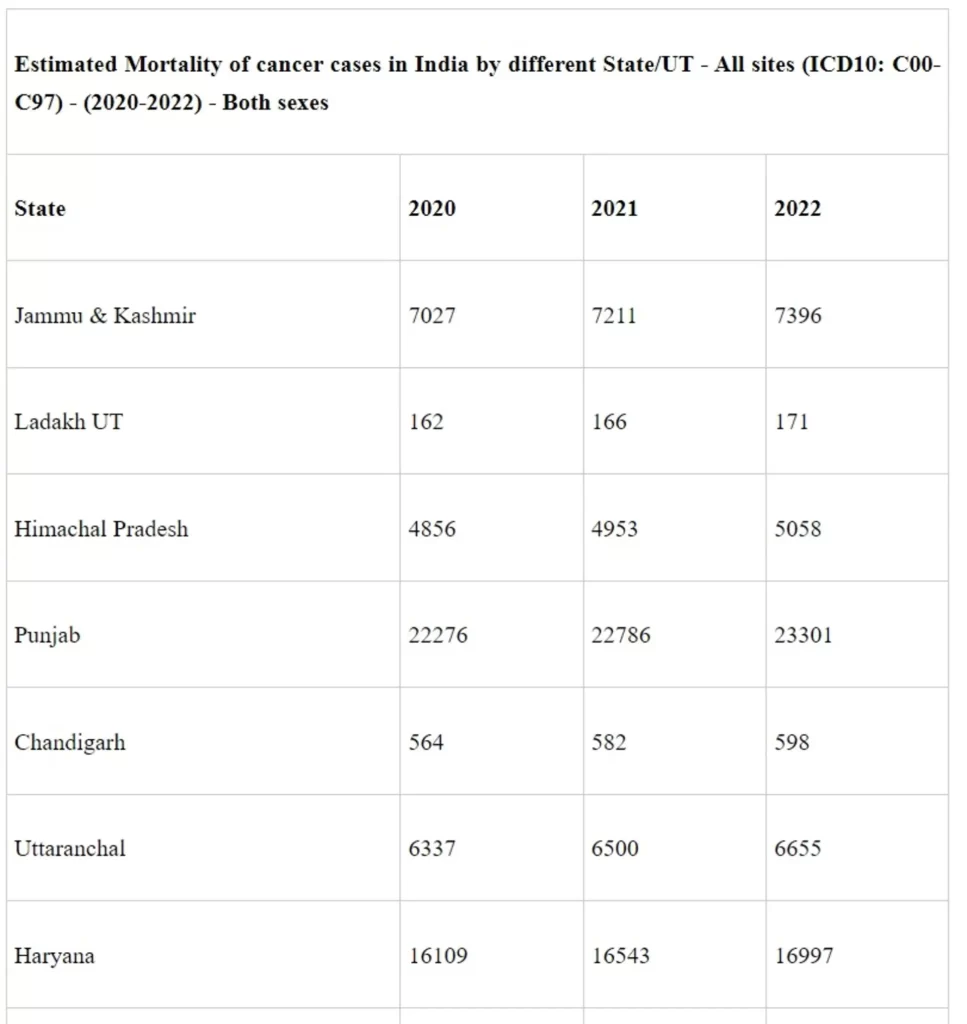
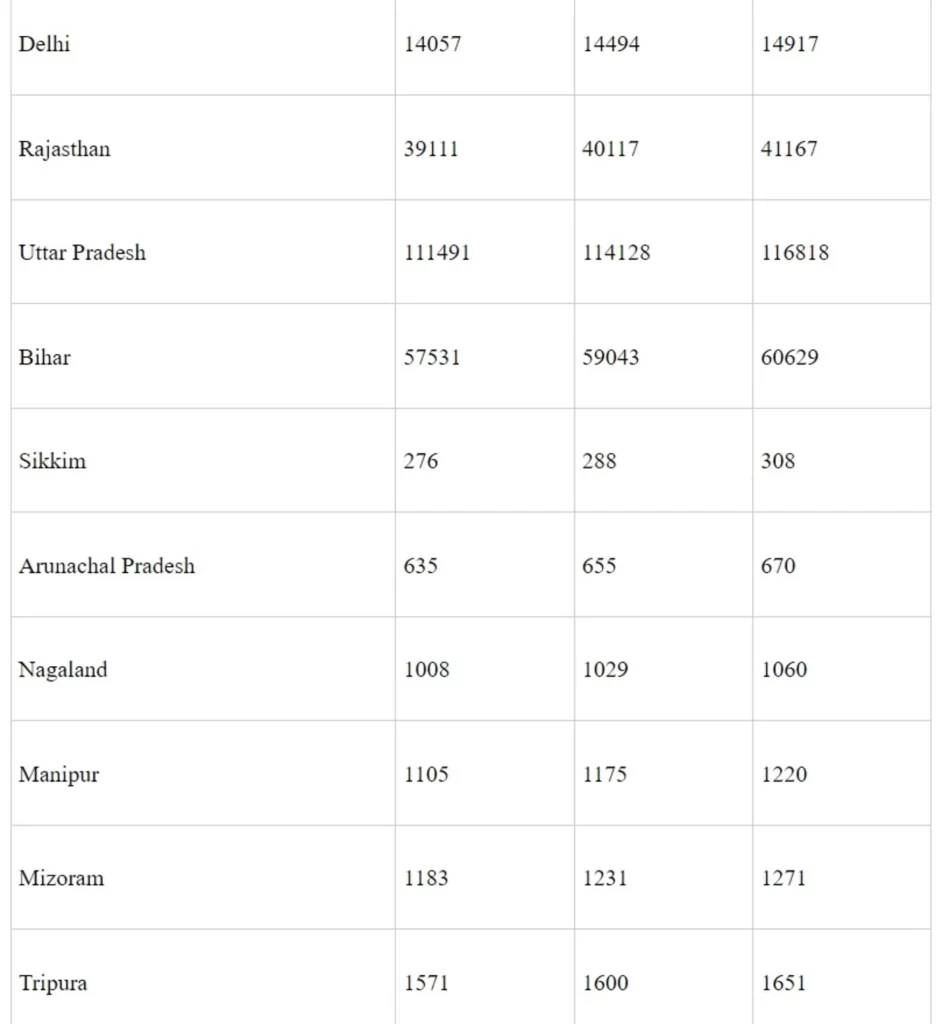
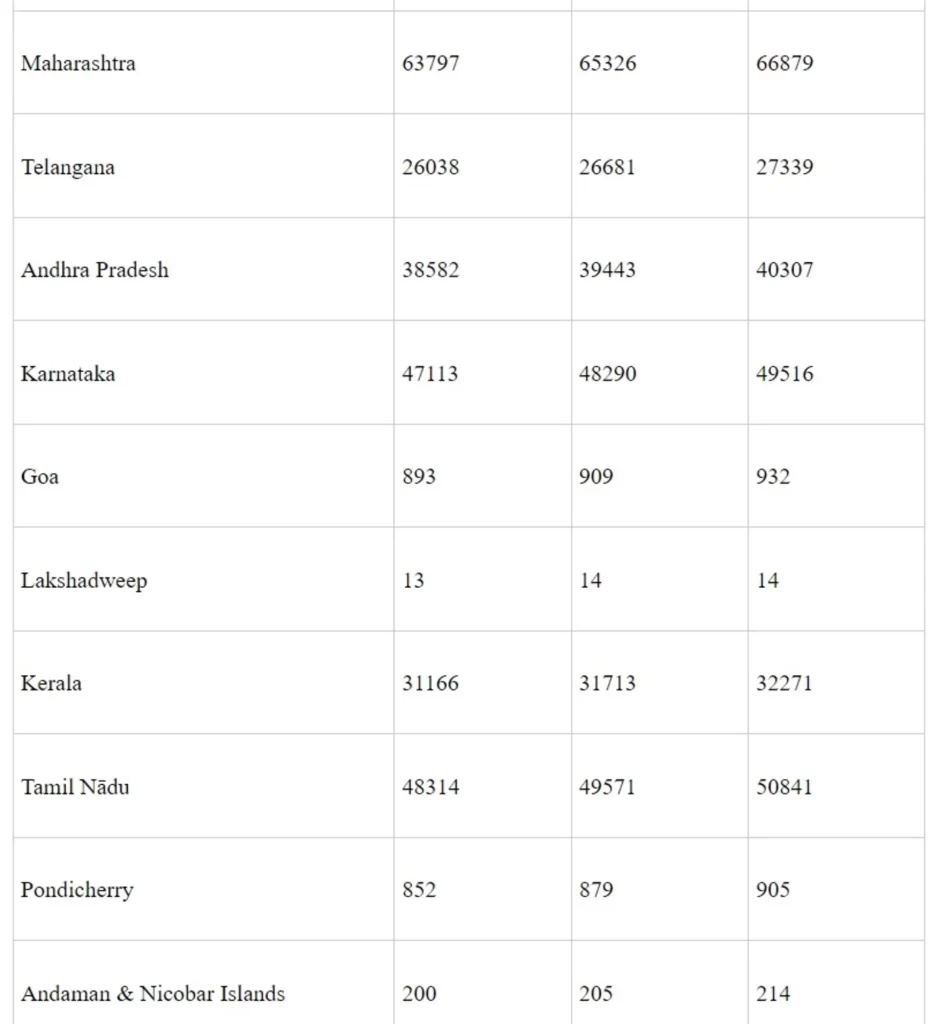
As per the Indian Council of Medical Research – National Cancer Registry Programme (ICMR-NCRP), the estimated number of incidences and estimated number of mortalities of cancer cases in the country during 2020 to 2022 for last three years are given below:
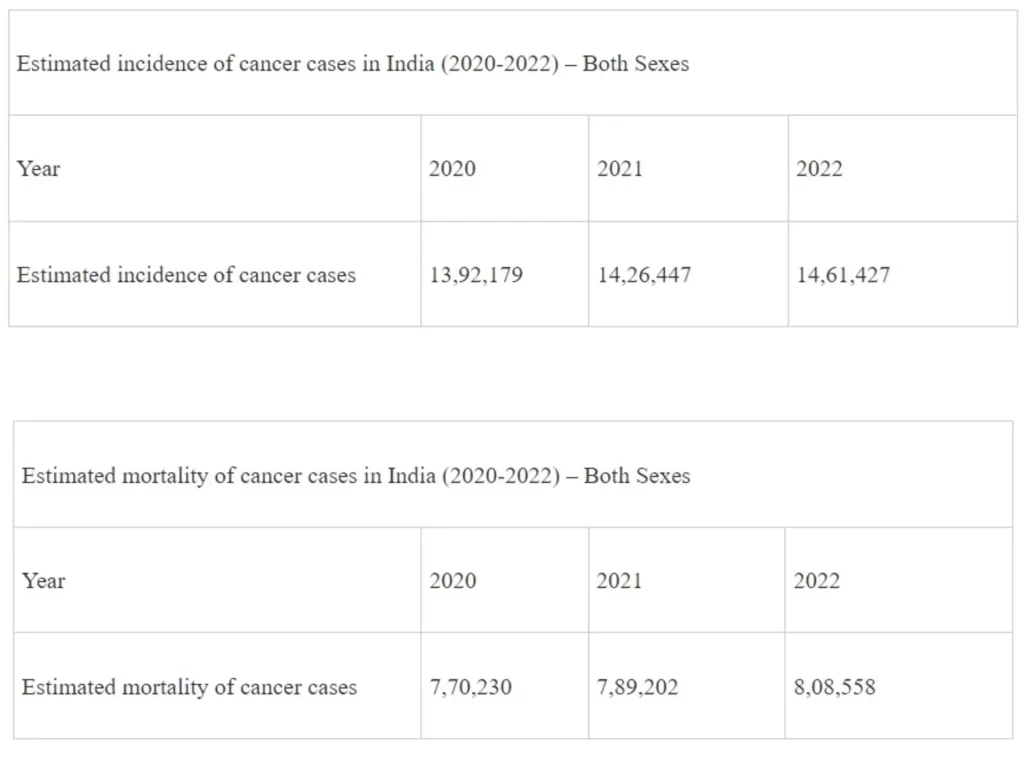
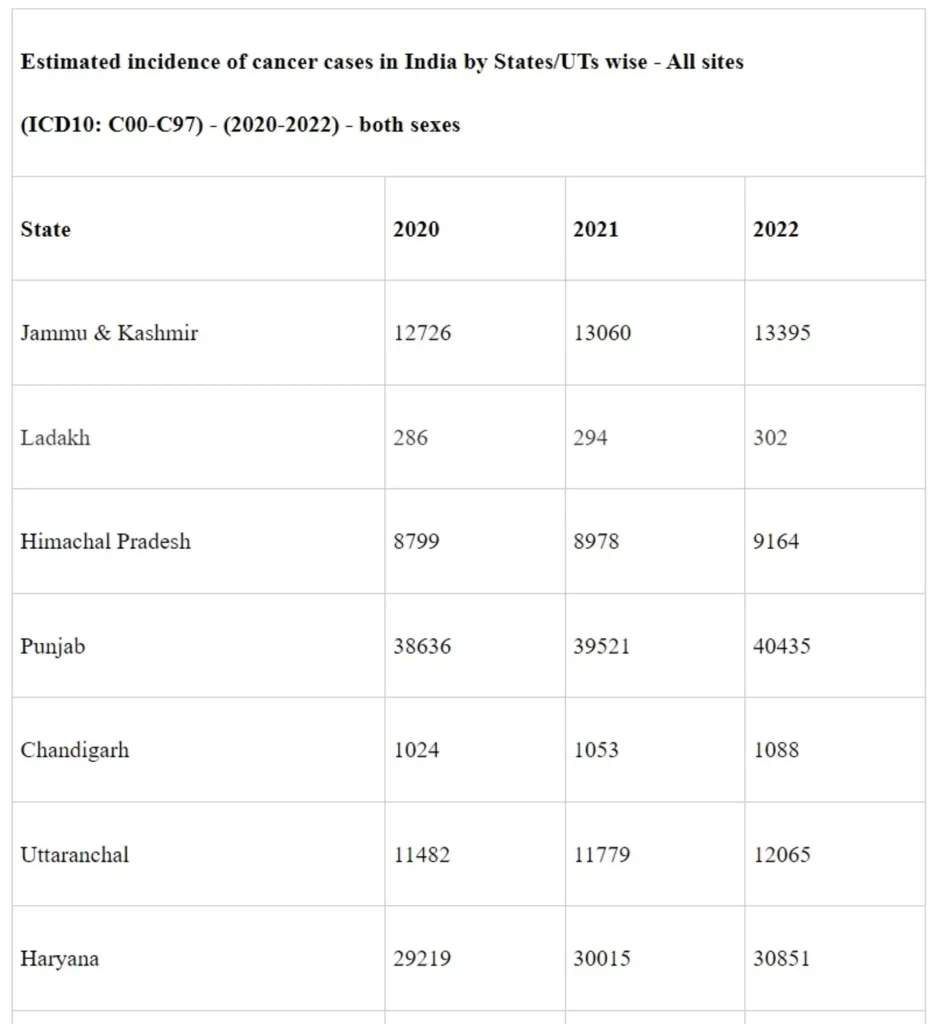
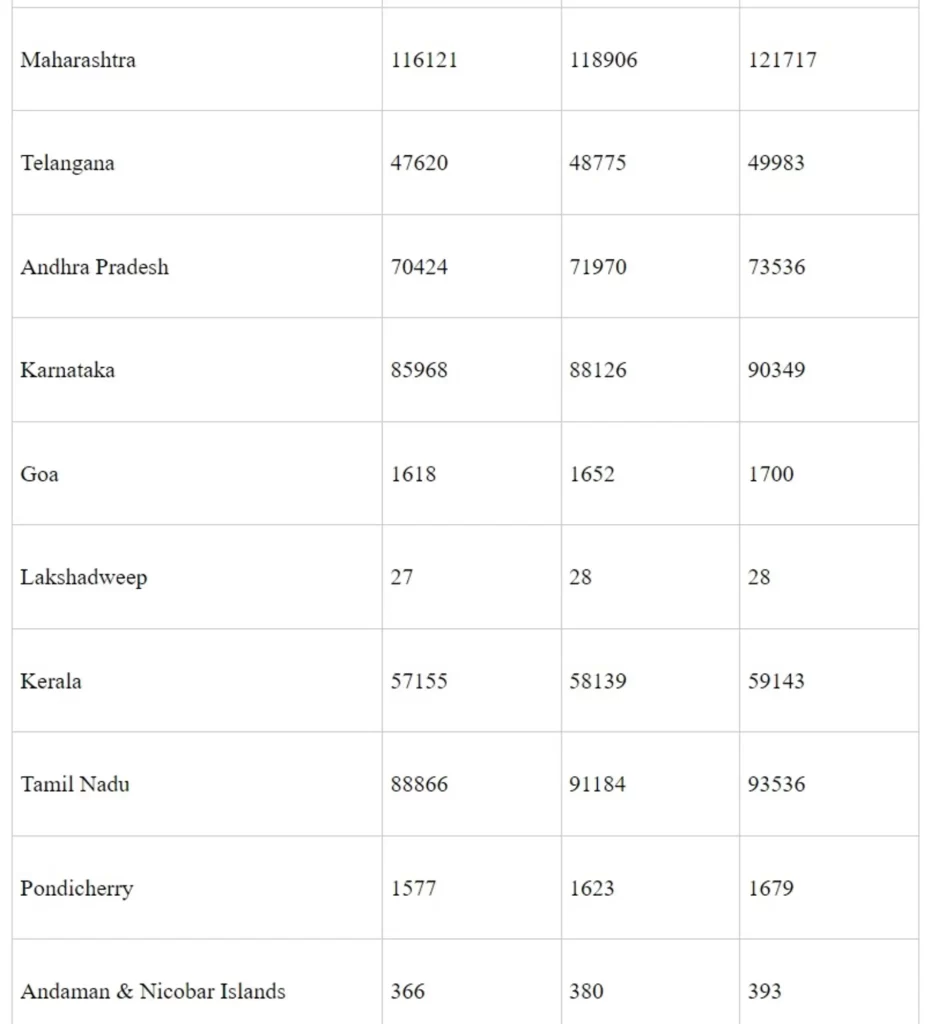
The estimated number of incidences of cancer cases States / UTs wise during 2020 to 2022 are enclosed in Annexure 1 and the estimated number of mortalities of cancer cases State/UTs wise during 2020 to 2022 are enclosed in Annexure 2.
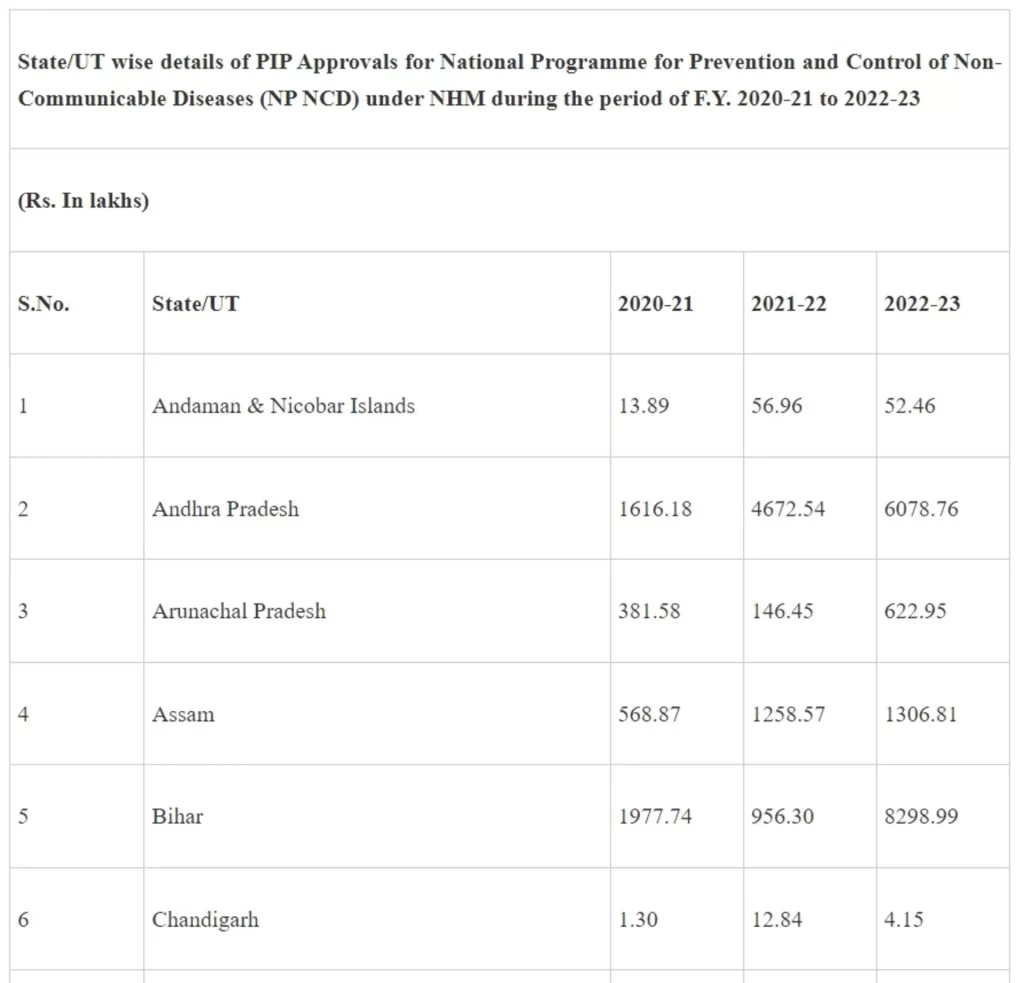
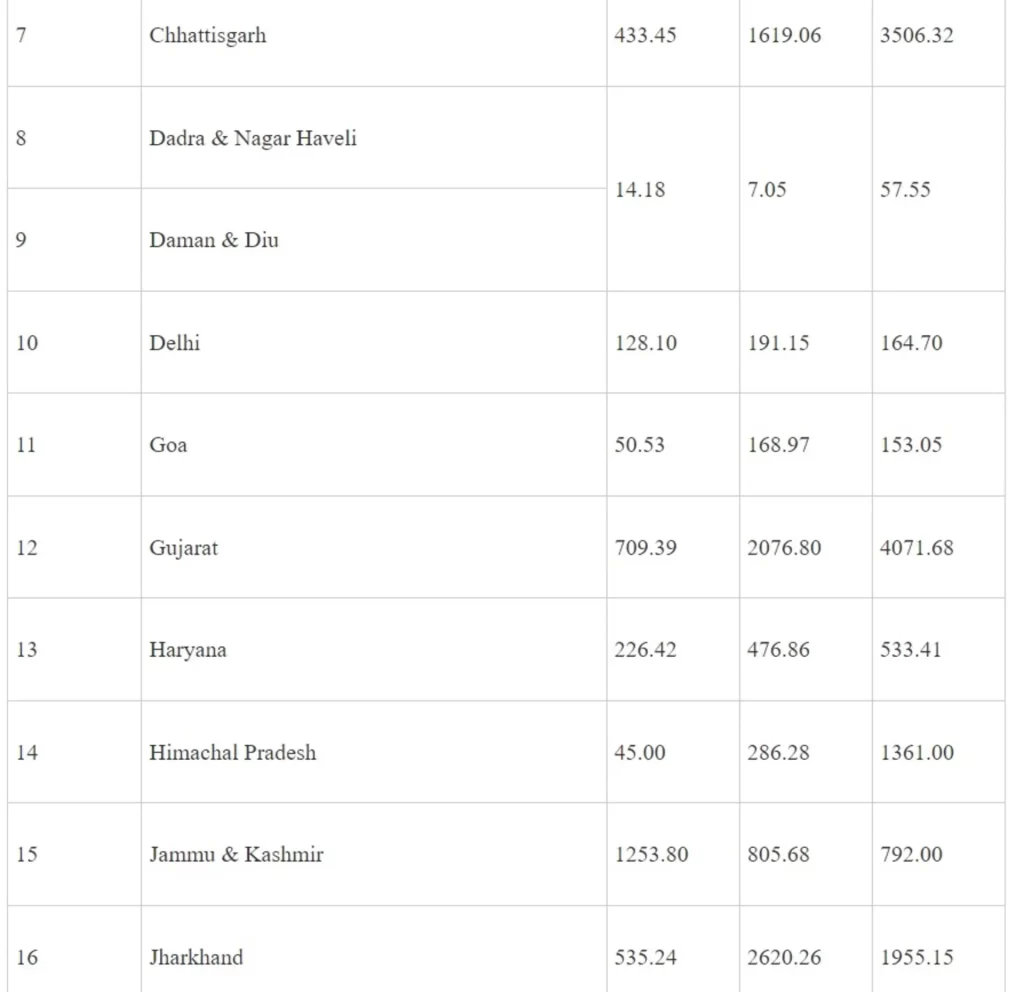
The Department of Health & Family Welfare, Government of India, provides technical and financial support to the States/UTs under the National Programme for Prevention and Control of Non-Communicable Diseases (NP-NCD), as part of National Health Mission (NHM), based on the proposals received from the States/UTs and subject to the resource envelope. Cancer is an integral part of NP-NCD. The programme focusses on strengthening infrastructure, human resource development, health promotion & awareness generation for Cancer prevention, early diagnosis, management and referral to an appropriate level of healthcare facility for treatment of Non-Communicable Diseases (NCDs), including cancer. For activities upto district level and below, States are given financial assistance under NHM in the ratio of 60:40 (90:10 in case of NE and hilly States). The State/UT wise Programme Implementation Plan (PIP) approvals towards NP-NCD under NHM during the FY 2020-21 to FY 2022-23 is given at Annexure 3. Under NP-NCD, 724 District NCD Clinics, 326 District Day Care Centres, and 6110 Community Health Center NCD Clinics have been set up.
A population-based initiative for prevention, control and screening for common NCDs i.e. diabetes, hypertension and common cancers has been rolled out in the country under NHM and also as a part of Comprehensive Primary Health Care. Under the initiative, persons more than 30 years of age are targeted for their screening for the three common cancers i.e oral, breast and cervical. Screening of these common cancers is an integral part of service delivery under Ayushman Bharat – Health and Wellness Centres.
Patients with Cancer are getting treatment at various health facilities in the health care delivery system including District Hospitals, Medical Colleges, Central Institutes like AIIMS and private sector hospitals.
Under Pradhan Mantri Jan Arogya Yojana (PMJAY), health insurance cover of Rs. 5 lakhs per family per year for secondary or tertiary care hospitalization to over 60 Crores beneficiaries is provided. The treatment packages under AB-PMJAY are very comprehensive covering various treatment related aspects such as drugs and diagnostic services.
Financial assistance is provided to poor patients belonging to families living below poverty line, suffering from major life-threatening diseases including cancer under Umbrella scheme of Rashtriya Arogya Nidhi (RAN) and Health Minister’s Discretionary Grant (HMDG). Financial assistance upto a maximum of Rs. 1,25,000/- is provided under HMDG to defray a part of the treatment cost and the maximum financial assistance provided under the Umbrella Scheme of RAN is Rs. 15 lakhs.
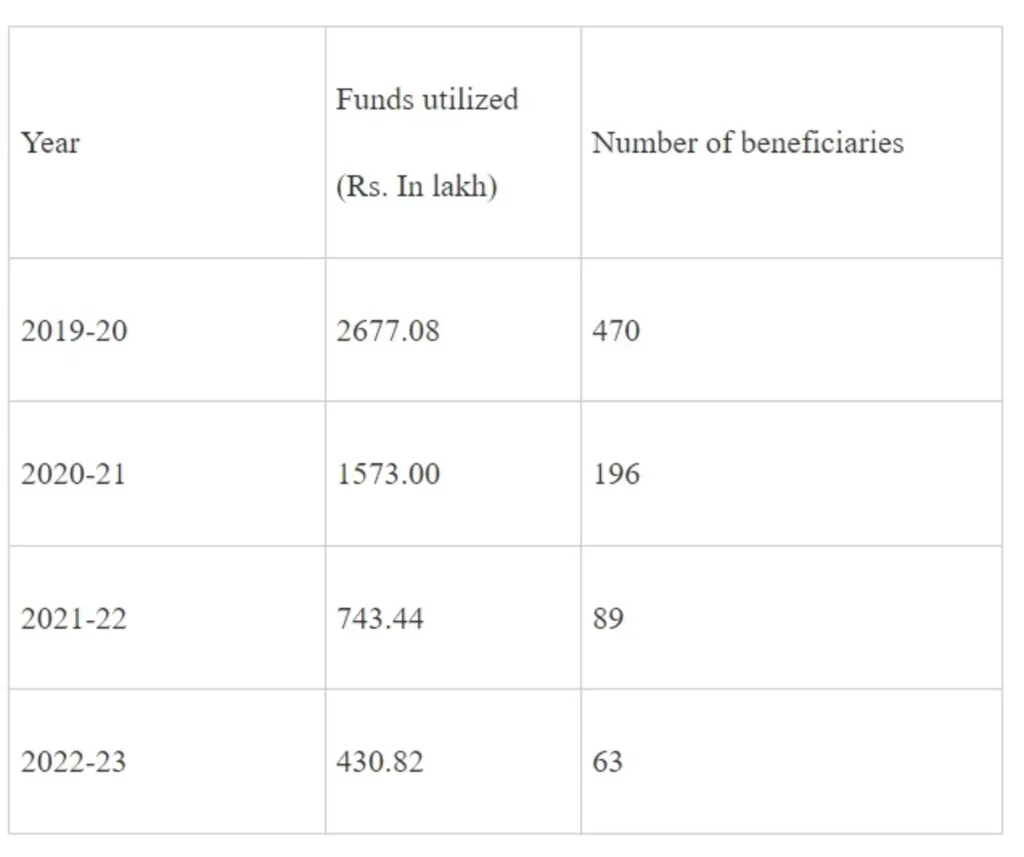
The number of beneficiaries and funds utilized under the Health Minister’s Cancer Patient Fund (HMCPF) component of Rashtriya Arogya Nidhi (RAN) since 2019-20 are as under:
Quality generic medicines are made available at affordable prices to all, under Pradhan Mantri Bhartiya Janaushadhi Pariyojana (PMBJP) in collaboration with the State Governments. Affordable Medicines and Reliable Implants for Treatment (AMRIT) Pharmacy stores have been set up in some hospitals/institutions, with an objective to make available Cancer drugs at a substantial discount vis-à-vis the Maximum Retail Price.
The Union Minister of State for Health and Family Welfare, Dr Bharati Pravin Pawar stated this in a written reply in the Lok Sabha today.
****
Annexure 1



Annexure 2


Annexure 3



In the endeavor to promote digital health adoption and hence make healthcare more accessible to all, the National Health Authority (NHA) has launched 100 Microsites Project under Ayushman Bharat Digital Mission (ABDM). A Microsite, within the context of ABDM, shall be a cluster of all small and medium scale clinics, nursing homes, hospitals (preferably <10 bedded), labs, pharmacies and other healthcare facilities that are ABDM-enabled and offer digital health services to the patients. These Microsites would be established across the country in various states/UTs, majorly implemented by State Mission Directors of Ayushman Bharat Digital Mission while the financial resources and overall guidance would be provided by National Health Authority.
The Microsites aim to establish a small ecosystem within a particular geographic area where there is complete ABDM adoption, and the entire patient journey is digitized. The State/UT may leverage a development partner and an interfacing agency for setting up and running the microsite. Within the microsite, all health facilities and healthcare professionals serving across different systems of medicines, especially from the private sector, shall be registered in ABDM modules like Healthcare Professionals Registry (HPR), Health Facility Registry (HFR) followed by installation of ABDM enabled applications. The patients visiting these centers will also become a part of ABDM with their health records linked to their ABHA which would then be accessible to them on their mobile phone applications like ABHA App, Aarogya Setu among others.
Talking about the project, CEO, NHA said – “We aim to establish 100 such Microsites across the country where focused efforts would be made to bring as many small-medium scale healthcare entities under the ABDM fold. This will not only increase adoption among private sector providers but will also help ABDM to expand its footprints among the private healthcare providers across the country as well.”
It is intended that through these microsites, as many small-medium scale healthcare providers are made aware of ABDM and its benefits, registered on ABDM’s core registries, use ABDM certified digital solutions, and eventually begin to link digital health records - all contributing towards a wider adoption of ABDM in the country. Such focused adoption efforts will activate the ecosystem to embrace ABDM.
On May 31st, 2023, NHA released operational guidelines for the nationwide activation of Microsites. Further information regarding the project can be accessed at: https://abdm.gov.in/microsites
The healthcare system of the country involves a three-tier system with Sub Health Centre (Rural), Primary Health Centre (Urban and Rural) and Community Health Centre (Urban and Rural) as the three pillars of Primary Health Care System in India.
As per established norms, in rural areas a Sub Health Centre for a population of 5,000 (in plain) and 3000 (in hilly and tribal area), a Primary Health Centre for a population of 30,000 (in plains) and 20,000 (in hilly and tribal areas) and Community Health Centre for a population of 1,20,000 (in plain) and 80,000 (in hilly and tribal area) is sugessted. Further, for urban area one Urban Health Wellness Centre is recommended for a urban population of 15,000 to 20,000, one U-PHC for a urban population of 30,000 to 50,000, One U-CHC for every 2.5 lakh population in non-metro cities (above 5 lakh population) and one U-CHC for every 5 lakh population in the metro cities. Further, First Referral Unit, Sub-District Hospital (SDH) and District Hospital (DH) provide secondary care services for rural & urban area.
Rural Health Statistics (RHS) is an annual publication, based on Health care administrative data reported by States/UTs. Details of State/UT-wise number of Sub-Centres, PHCs, CHCs, Sub-Divisional Hospital, District Hospital & Medical Colleges functioning in rural & urban areas along with details of average population covered by rural health centre may be seen at the following link of RHS 2021-22:
National Health Mission (NHM) envisages achievement of universal access to equitable, affordable & quality health care services that are accountable and responsive to people’s needs. The Ministry of Health and Family Welfare provides technical and financial support to the States/UTs to strengthen the public healthcare system, based on the proposals received in the form of Programme Implementation Plans (PIPs) under National Health Mission. Government of India provides approval for the proposals in the form of Record of Proceedings (RoPs) as per norms & available resources.
As on 24.07.2023, a total of 1,60,480 Ayushman Bharat – Health and Wellness Centres (AB-HWCs) have been operationalized in India by upgrading existing SHCs and PHCs to deliver Comprehensive Primary Health Care (CPHC) that includes preventive, promotive, curative, palliative and rehabilitative services which are universal, free, and closer to the community.
The Fifteenth Finance Commission (FC-XV) has recommended grants through local governments for specific components of the health sector to the tune of Rs 70,051 crores and the same have been accepted by the Union Government. These grants for health through Local Governments will be spread over the five-year period from FY 2021-22 to FY 2025-26 and will facilitate strengthening of health system at the grass-root level.
Government of India runs many schemes which focus upon the bridging the gap in providing health services to the public at large. PM-Ayushman Bharat Health Infrastructure Mission (PM-ABHIM) was launched by Hon'ble Prime Minister of India for an amount of Rs.64,180 crore. The measures under the PM-ABHIM focus on developing capacities of health systems and institutions across the continuum of care at all levels, primary, secondary and tertiary, to prepare health systems in responding effectively to the current and future pandemics /disasters.
The Union Minister of State for Health and Family Welfare, Dr Bharati Pravin Pawar stated this in a written reply in the Lok Sabha today.
Clause 1.5 of the Indian Medical Council (Professional Conduct, Etiquette and Ethics) Regulations, 2002 prescribes that every physician should prescribe drugs with generic names legibly and preferably in capital letters and he/she shall ensure that there is rational prescription and use of drug. Further, the erstwhile Medical Council of India(MCI) had issued Circulars dated 22.11.2012, 18.01.2013 and 21.04.2017 vide which all Registered Medical Practitioners have been directed to comply with the aforesaid provisions.
The National Medical Commission Act, 2019, empowers the appropriate State Medical Councils or the Ethics and Medical Registration Board (EMRB) of the National Medical Commission to take disciplinary action against a doctor for violation of the provision of the aforesaid Regulations. When complaints are received against the violation of code of ethics for doctors, such complaints are referred by EMRB (previously by erstwhile MCI) to the concerned State Medical Councils where the doctors/medical practitioners are registered. States have been advised to ensure prescription of generic drugs and conduct regular prescription audits in public health facilities.
In order to promote generic medicines at affordable prices to all, more than 9600 Pradhan Mantri Bhartiya Janaushadhi Kendras (PMBJK) have been set up covering all districts of the country. Department of Pharmaceuticals /Pharmaceuticals & Medical Devices Bureau of India (PMBI) is spreading awareness about the scheme through advertisements by electronic media, print media as well as through Outdoor publicity. In addition, information about the benefits of Jan Aushadhi generic medicines and the scheme is disseminated through social media platforms. PMBI also maintains a mobile application namely Janaushadhi Sugam, a single window platform to assist users to locate nearby PMBJK, search Janaushadhi medicines, telephone numbers, etc. Further, Jan Aushadhi Diwas is celebrated every year on 7 March for further dissemination and spreading awareness about the Scheme.
Under National Health Mission (NHM), support is provided for provision of essential generic drugs free of cost in public health facilities. The support is not only for drugs but also for various components necessary for effective implementation of the Free Drug Service Initiative viz. strengthening/ setting up robust systems of procurement, quality assurance, IT backed supply chain management systems like Drugs and Vaccines Distribution Management Systems (DVDMS) developed by Centre for Development of Advanced Computing (CDAC), warehousing, prescription audit, grievance redressal, Information, Education and Communication (IEC), training.
The Union Minister of State for Health and Family Welfare, Dr Bharati Pravin Pawar stated this in a written reply in the Lok Sabha today.
“India has become the Pharmacy of the World, now it is time for India to become the Factory of the World.” This was stated by Dr. Mansukh Mandaviya as he delivered the closing address at the Valedictory Session, of the 3rd Edition of the Summit on "Global Chemicals and Petrochemicals Manufacturing Hubs in India" (GCPMH 2023). Themed "Sustainability and Circularity," and hosted by the Federation of Indian Chambers of Commerce and Industry (FICCI), the GCPMH 2023 Summit witnessed enthusiastic participation from various sectors and stakeholders.
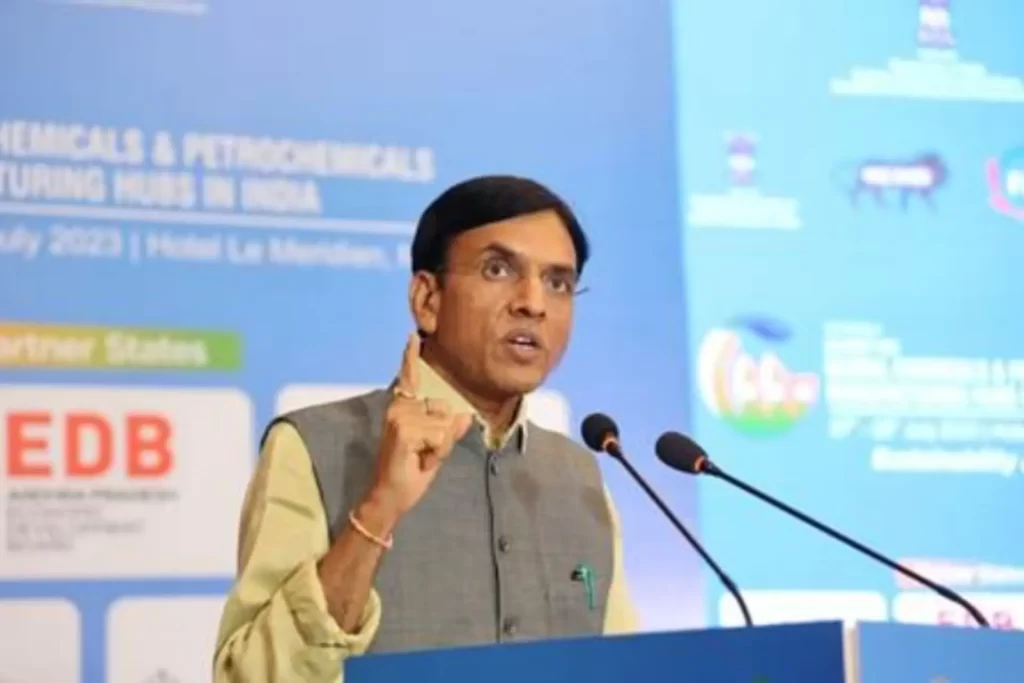
The Minister stressed that a vibrant industry is essential for the economy and aatmanirbharta of any nation. In this regard he highlighted the role of the government to support the industry. “As a government we don’t think in token, but in total. We want to build a holistic ecosystem to ensure maximum governance, and minimum government for the industry at large.” Dr. Mandaviya further invited suggestions which will drive innovative and sustainable solutions for positive change and progress in this sector.

Shri Arun Baroka, Secretary, Department of Chemicals & Petrochemicals, Union Ministry of Chemicals and Fertilizers, recapped the two-day event, and said, “This summit has served as a collaborative platform for the central and state government, as well as the industry to interact.” He highlighted the focus on certain essential parts of the chemicals and petrochemicals industry like funding, as well as environmental clearances, which were in line with the theme of the event.
The event saw the participation of several industry leaders whose engagement has played a pivotal role in advancing the sustainable growth of the industry.
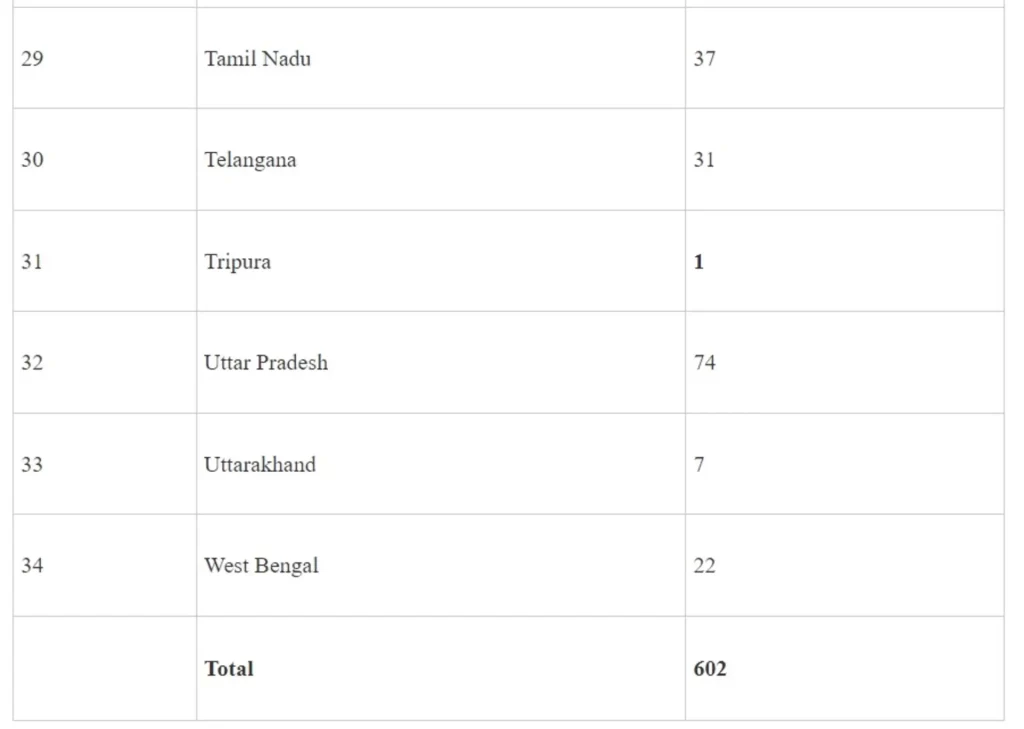
Under the Centrally Sponsored Scheme (CSS) components of PM- Ayushman Bharat Health Infrastructure Mission (PM-ABHIM), provision has been made to provide support for establishment of 602 Critical Care Hospital Blocks (CCBs) in all the districts with population of more than 5 lakhs during the scheme period i.e. from FY 2021-22 to FY 2025-26. The number of CCBs earmarked to States/UTs under the scheme is at Annexure-1.
The CSS components of the PM-ABHIM is implemented by following the existing framework, institutions and mechanisms of the National Health Mission. The proposals are received from State Governments and Government of India provides approval for these proposals as per norms & available resources within overall resource envelope as per the detailed discussion during the meeting of National Programme Coordination Committee (NPCC), which are jointly attended by both the State and Central officials.
The Union Minister of State for Health and Family Welfare, Dr Bharati Pravin Pawar stated this in a written reply in the Lok Sabha today.
Annexure-1
Details of CCBs earmarked to States/UTs under the PM-ABHIM


Shri Arun Baroka, Secretary, Department of Chemicals & Petrochemicals, Union Ministry of Chemicals and Fertilizers, recapped the two-day event, and said, “This summit has served as a collaborative platform for the central and state government, as well as the industry to interact.” He highlighted the focus on certain essential parts of the chemicals and petrochemicals industry like funding, as well as environmental clearances, which were in line with the theme of the event.
The event saw the participation of several industry leaders whose engagement has played a pivotal role in advancing the sustainable growth of the industry.