
“The Government is soon going to create a strong health support and emergency management infrastructure for the pilgrims embarking on Cham Dham yatra from across the country. This will be three layered structure to ensure that the pilgrims are provided for during their journey from medical point of view”. This was stated by Dr Mansukh Mandaviya, Union Minister of Health & Family Welfare, here today, after meeting with Dr Dhan Singh Rawat, Health Minister, Uttarakhand who called on the Minister and requested for support from Union Government for developing a health and emergency infrastructure for the lakhs of pilgrims who undertake the Char Dham yatra every year. He informed the Union Health Minister of the health challenges faced by pilgrims along the strenuous route, and the number of pilgrim deaths in the past few months due to health emergencies such as stroke etc. Many of these casualties were of pilgrims who suffered from co-morbidities, he added.
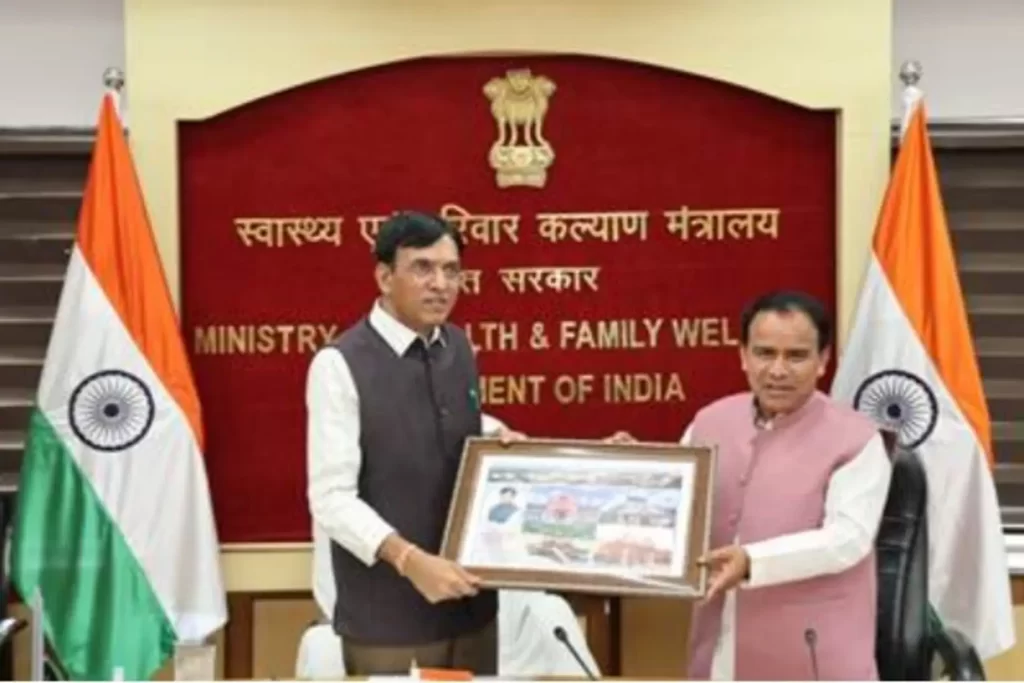
Dr Mandaviya assured full support from the Government of India and stated that “the best possible healthcare and health emergency infrastructure will be provided for the visiting pilgrims”. He informed that a strong network of advance ambulances and stroke vans is planned to ensure that stroke management and treatment can start on way to the health facility. These ambulances will be stationed at different points on the yatra route, he added. PG students from medical colleges from across the country are proposed to be deployed as part of strengthened healthcare infrastructure who will act as first responders. “This experience will also act as a skilling and capacity building exercise for the PG students”, Dr Mandaviya elaborated.
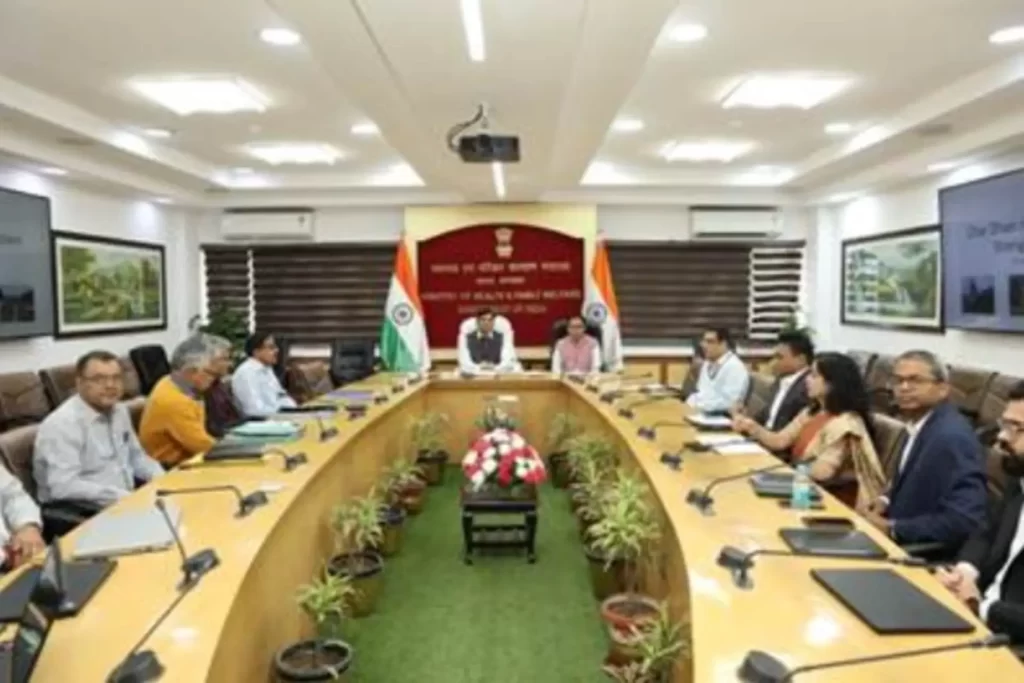
In addition to this, drones will also be used to provide emergency medicines in the higher locales of the yatra. Drones have been successfully used for transportation of COVID19 vaccines in the north eastern region recently; Kedarnath, Badrinath, Gangotri and Yamunotri are located above 10,000-ft in the Garhwal Himalayas. Recently, AIIMS-Rishikesh has started a drone service to deliver and pick medicines. “A strong referral backend system is being developed with AIIMS Rishikesh, Doon Medical College and Srinagar Medical Colleges acting as tertiary nodes for specialist care. This shall provide an end-to-end clinical treatment for pilgrims’ health, Union health Minister stated.
These measures will be supported with citizen-friendly communication and awareness activities such as website/portals to inform pilgrims of weather conditions, importance of acclimatization, location of health facilities on the way, call centre numbers, pre-yatra screening, emergency support numbers, etc.
The sixth day of ongoing Jan Aushadhi Diwas, 2023 is celebrated as “Aao Jan Aushadhi Mitra Banein” today. On this occasion, large number of people took pledge ‘Jan Aushadhi Shapath’ digitally on the MyGov platform to promote the use of generic medicines.
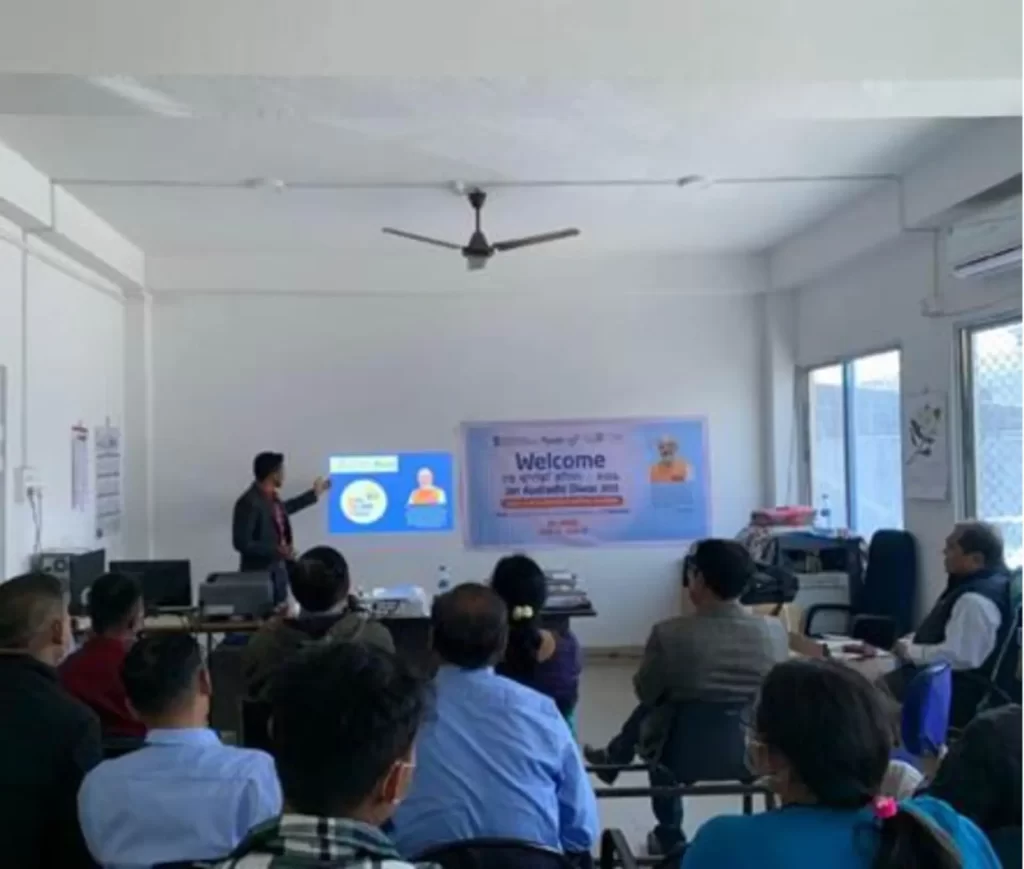
Pan India seminars and workshops were conducted on a national level by inviting students at Pharma college and universities. A seminar was organised at Delhi Institute of Pharmaceutical Sciences and Research by the PMBI (Pharmaceuticals and Medical Devices Bureau of India) at New Delhi in the presence of Vice Chancellor and Director of DIPSAR. Over 6000 students/medical students/para-medical students were directly benefitted by the seminars as they were shared with valuable information about generic medicines with focus on PMBJP. The students were encouraged to take up entrepreneurial endeavours by actively participating in opening Jan Aushadhi Kendras.
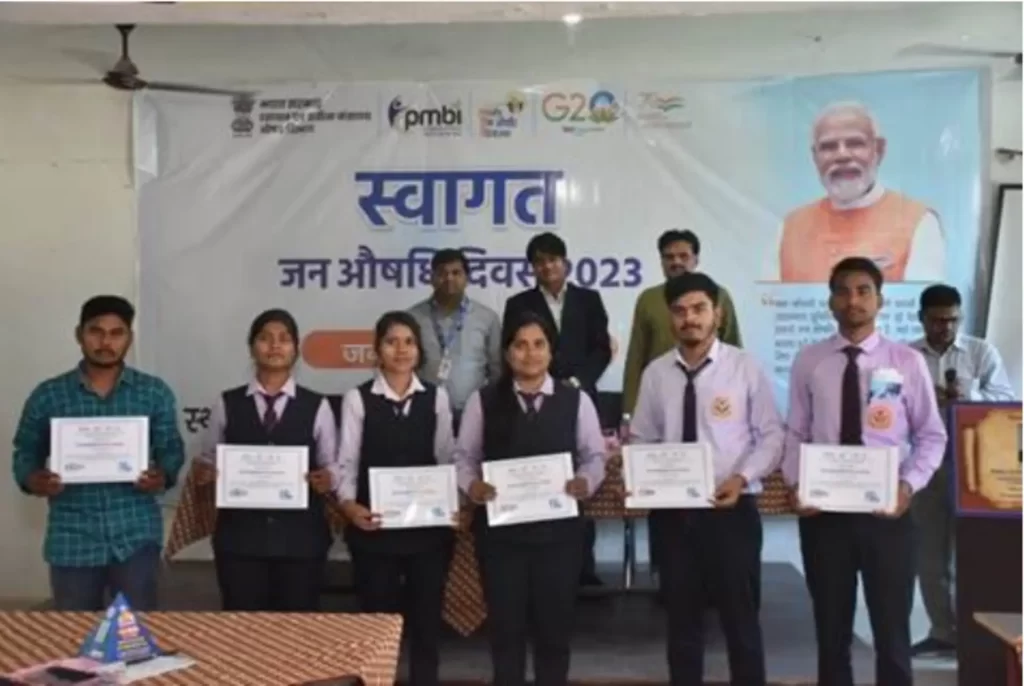
Department of Pharmaceuticals has planned various events in different cities starting from 1st of March 2023 to 7th March 2023 which will focus on awareness about the Jan Aushadhi Scheme.
Various other weeklong celebrations are scheduled by conducting various awareness programme for women, senior citizens, children and for engagement of more than 9000 Kendras, Stakeholders, Jan Aushadhi Mitras, doctors, and general public.
Under the Pradhan Mantri Bhartiya Janaushadhi Pariyojana (PMBJP), Pharmaceuticals & Medical Devices Bureau of India (PMBI), the implementing agency of PMBJP is celebrating the 6th Jan Aushadhi Diwas 2023.
“It is the need of the hour to change our gears and adopt a focused approach to impart the best pharmacy education keeping our curriculum in line with the latest developments in the field and also provide extensive education of specialized drugs so as to benefit the reach of pharmacists in the country”. This was stated by Minister of State for Health and Family Welfare, Dr. Bharati Pravin Pawar as she inaugurated Pharma Anveshan-2023 on the occasion of National Pharmacy Education Day. The day commemorates the birth anniversary of Prof. M.L. Shroff – father of Pharmacy Education of India. The event was organized with a vision of providing a platform for sharing the academic research with industry to exchange the benefits of research outcomes between academia and industry. This can help in exploring commercial purpose based on the academia – industry interlinking.

Dr Bharati Pravin Pawar congratulated Pharmacy Council of India (PCI) for organizing “Pharma Anveshan 2023” to promote research & innovation, enhancing industry academia. She discussed the contributions of "Prof M.L.Schroff" in this field, stating “A pharmacist is just as important as doctors and nurses in helping patients get treated for diseases and other health concerns. Pharmacists know the science of medicine in and out. They ensure that the patients get the right dose of life-saving prescriptions. By educating a patient and making sure their prescription is safe to take with their other health conditions and medications, pharmacists improve their quality of life and possibly even save a life. During the COVID pandemic, Pharmacists played a vital role in maintaining the supply chain of essential medicines.”
Reiterating Prime Minister Shri Narendra Modi’s words – “innovation should not only be the goal of our science, but innovation should also drive the scientific process forward”, she urged everyone to work on need-based medicine manufacturing and emphasized on the crucial role of Pharmacists in the battle against AMR (Antimicrobial Resistance). She also suggested PCI and pharmacy institutes to create awareness about drugs and its usage, importance of hygiene, community disease prevention, survey and data collection.
Dr Pawar further highlighted that under the visionary leadership of Hon’ble Prime Minister Shri Narendra Modi, the Government of India has successfully laid the foundation to tackle the challenges related to the health system of the country. The government of India has prioritized developing its human resources towards developing a resilient, efficient and adaptive healthcare system.
Accentuating on the future healthcare landscape need, Dr Pawar accentuated the pivotal role of pharmacists in the future of healthcare, evolving beyond dispensing medicines and becoming an essential part of your healthcare team. “Patient counselling and maintaining patient medical history can also be our focus area for better utilization of medicines and reducing adverse events. Doing so will help reduce the cost of treatment.”
The MoS emphasized that it is necessary for PCI not only to keep the pace with global changes but also lead research in this area so that Indian pharmacy sector leads the world in innovation. The world trusts India today and this earned trust has garnered India the title of "Pharmacy of the World". She informed that it is important to ensure that the drugs manufactured in the country and consumed by international consumers are of high quality and comply with standard global manufacturing protocols, thereby ensuring that the "world ensure India's reputation as the "Key Pharmacy" and provide high quality pharmaceutical products to consumers.” This can be done by producing better quality generic medicines, medical devices in the country and by increasing Research & Development (R & D), innovation and production capacity.
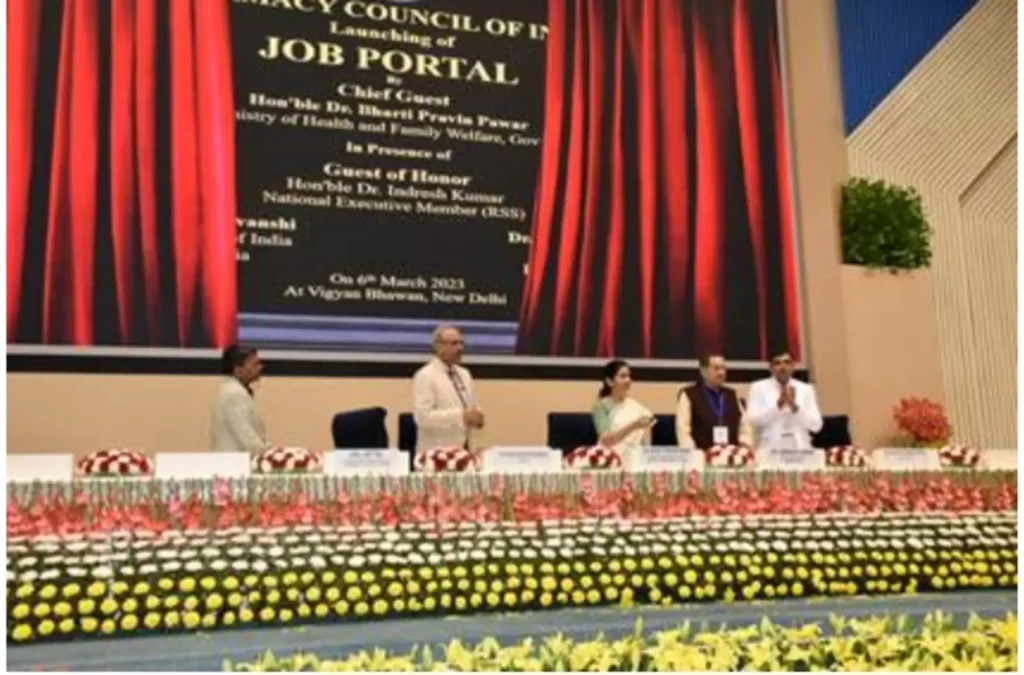
She also launched a 'One Stop-Non Stop' digital job portal of Pharmacy Council of India, which will be useful for pharma professionals as well as recruiters from the industry. This will prove to be a game changer for the students coming from small towns and villages.

At the event, PCI also signed Memorandum of Understanding with Karnataka Drugs and Pharmaceuticals Manufacturer’s Association (KDPMA), Life Sciences Sector Skill Development Council, Ministry of Skill Development and Entrepreneurship (LSSSDC), Indian Pharma Alliance (IPA) and Federation of Pharma Entrepreneurs (FOPE) to reduce the gap of industry and academia, strengthen faculty and student training and promote entrepreneurship and infrastructure development.
Dr. Rajeev Singh Raghuvanshi, Drug Controller General of India elaborated on the need to promote interdisciplinary research and innovation through industry-academia strengthening. He said that the core of pharma business is quality and India has grown leaps and bounds in last 25 years in this area. He elaborated on the need to create fear free environment and risk-taking environment in order to promote innovation.
Dr. Montu Kumar Patel, President, PCI, Anil Mittal, Registrar cum Secretary, PCI, Prof. Y.K. Gupta, Head, AIIMS, BR Sikri, Secretary, Indian Drug Manufacturers’ Association (IDMA), Dr. G.N. Singh, Secretary-cum-Scientific Director, Indian Pharmacopoeia Commission, Dr Rajiv Desai, Senior Technical Advisor, Indian Pharma Alliance, Harish K Jain, President, KDPMA were also present in the meeting along with senior officials of ministry, IPC, IPA, industry experts and representatives from various institutions.
Prime Minister Shri Narendra Modi addressed the post Union Budget webinar on “Health Education and Medical Research” of Ministry of Health and Family Welfare and Dept of Pharmaceuticals (M/o Chemicals and Fertilizers), here today. It is ninth in a series of 12 post Budget webinars organized by the Union Government. Dr Mansukh Mandaviya, Union Minister of Health & Family Welfare, Dr Bharati Pravin Pawar, Union Minister of State for Health & Family Welfare and Dr V.K. Paul, Member (Health), NITI Aayog were also present in the webinar, which was webcast.
The objective of the webinar was to involve the stakeholders in taking forward the various initiatives of the Government in the health and medical research sectors.
The Prime Minister remarked that healthcare has to be looked at from the perspective of both pre and post COVID era. He stated that “the pandemic has taught us that when medical calamity befalls, the entire healthcare apparatus of the country can fall apart”. He pointed out that “as the pandemic focused global attention on healthcare, India went a step further and focused on wellness. That is why our vision is “One Earth, One Health” which underscores the importance of holistic healthcare for all living beings on mother earth”.

Highlighting the critical issue of supply chain brought to the fore by the pandemic, the Prime Minister expressed concern that when the pandemic was at its peak, lifesaving medicines and equipment like vaccines, masks etc., had been used as weapons by some countries. He reiterated that in the last few years, the government has been making efforts to ensure that our import dependence on such critical items is reduced and emphasized the role of all stakeholders in this to move towards making of Atmanirbhar Bharat.

The Prime Minister noted that since India’s independence, a long-term integrated approach to healthcare was a missing necessity. He said that “we have not limited healthcare only to the agenda of the Union Health Ministry. It has become part of a whole of the government approach today”.

The Prime Minister stated that making healthcare affordable has been the topmost priority of the Union Government. “The rationale behind providing free treatment up to Rs. 5 lakhs through the Ayushman Bharat-PMJAY initiative was to save around Rs 80,000 crore of hard-earned money that would have otherwise been spent on medical expenditure”, he stated. “Tomorrow, as India celebrates Jan Aushadhi Diwas, it is pertinent to note that there are approximately 9,000 Jan Aushadhi Kendras across the country supplying medicines at highly affordable rates. These Jan Aushadhi Kendras have saved an additional Rs. 20,000 crores of poor and middle-class families in India”, he further stated.

The Prime Minister underlined the government’s commitment to bring modern healthcare infrastructure and facilities closer to people. He highlighted that “there are over 1.5 lakh Ayushman Bharat Health and Wellness Centres all over India which offer screening facilities for diseases like diabetes, cancer and heart ailments. Through PM-Ayushman Bharat Health Infrastructure Mission (PM-ABHIM), critical health infrastructure is being established in small towns and cities”. He emphasized that through these initiatives, not only new hospitals are established but a health ecosystem is being created which are opening more opportunities for health entrepreneurs, investors and professionals.

The Prime Minister observed that in the last few years, over 260 medical colleges have been established which simultaneously led to two-fold increase in the number of medical graduate and post-graduate seats since 2014. To similarly enhance the number of trained technicians in the country, this year’s budget lays focus on establishing 157 new nursing colleges in close vicinity to existing medical colleges in the country. “This is a big step towards strengthening medical human resource for not only India but also for catering to the world’s demand in case of any need”, he stated.
Elaborating on the growing utilization of technology in healthcare, the Prime Minister noted that “We want to give timely healthcare to the citizens through the facility of Digital Health ID. 10 crore people have already benefited by teleconsultation through schemes like eSanjeevani. 5G is creating new opportunities in this sector for startups. Drones are bringing revolutionary changes in medicine delivery and testing services”, he said. “This is a great opportunity for the entrepreneurs and will give a push to our efforts for universal healthcare”, he further stated, urging the entrepreneurs to innovate in order to reduce the import of any technology.
The Prime Minister informed that the medical devices market, which is witnessing 12-14 percent growth, is reaching Rs 4 lakh crore in coming years. He said that India has started work on skilled manpower for future medical technology and high-end manufacturing and research. He said, in institutions like IIT, courses like biomedical engineering will be started. He further asked the participants to find ways of industry-academia and government collaboration.
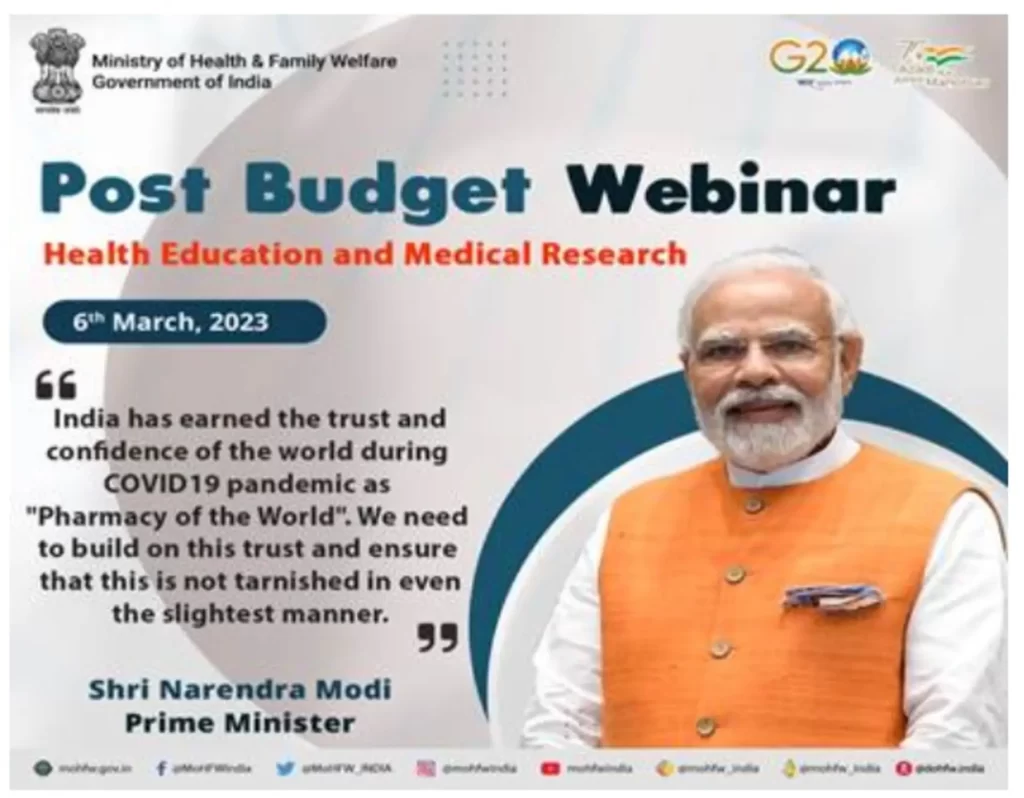
The Prime Minister emphasized the need to capitalize on the success of India’s pharma sector. The Prime Minister stated that, “India has earned the trust and confidence of the world during COVID19 pandemic as “Pharmacy of the World”. We need to build on this trust and ensure that this is not tarnished in even the slightest manner”. He informed that a new programme is being launched to boost research and innovation in the pharma sector through Centres of Excellence which will strengthen the economy as well as create new opportunities for employment. He stressed the need to find coordination between the private sector and academia as it has the potential to grow the market size beyond 10 lakh crores. Highlighting the several steps taken by the government to further research in this sector, the Prime Minister stated that many new labs by ICMR have been opened up for the research industry.

The Prime Minister noted the impact of the government’s initiatives like Swacch Bharat Abhiyan, Ujjwala Scheme, Jal Jeevan Mission and National POSHAN Mission on preventive healthcare. He also mentioned the role of millets-Shri Anna, Yoga, Fit India Movement, and Ayurveda in promoting healthy lifestyles. Noting the establishment of the global centre for traditional medicine under the aegis of WHO in India, the Prime Minister reiterated his request for evidence-based research in Ayurveda.
The Prime Minister highlighted that the efforts taken by the government are also aimed at making India the world's most attractive medical tourism destination.
The Prime Minister stressed that a developed health and wellness ecosystem can be created in India only with Sabka Prayas and requested all stakeholders to give in their valuable suggestions. “We should be able to implement the Budget provisions within the time limit for decided targets with a concrete roadmap. Realizing all the dreams on the ground before the next Budget while taking all stakeholders along will require the benefit of your experience”, he told the participants.

In his valedictory address, Dr Mansukh Mandaviya emphasized the sentiments of Prime Minister and stated that “The Union Budget has never been a mere declaration for this Government. It is a commitment of a stable government for growth and development polices for the country. The Prime Minister has shown us a clear and holistic vision of the country’s development during the Amrit Kaal, and the Budget embodies the decisions necessary to achieve those goals”. He further stressed that “This is the first time that health in the country has been linked with development. The Government has accorded the topmost priority to health, and it is a crucial and fundamental pillar of a “Swastha and Samruddha Rashtra”.
The Union Health Minister highlighted that it there has been a shift from “volume to value based health outcomes. We are today discussing innovation, research, patents, quality in medical devices manufacturing. Under Prime Minister’s leadership, India’s economy and development sectors have transformed with focus on Make in India and Atmanirbhar Bharat, to move towards strengthening local economy.”
He further highlighted that “The Union Budget is a means to develop growth and development pathways, through consultative process with all stakeholders. We are not just talking about creating new hospitals only, but also enhancing the number of medical professionals.”
The webinar had breakout sessions on the following three themes:
Qualitative improvement in Nursing: Infrastructure, Education & Practice
This session saw the participation of around 400 experts comprising of centre, state, academia, industry and two participants from nursing unions. The speakers deliberated that norms for Indian Nursing Council with regard to infrastructure requirement for nursing colleges must be followed. Further, libraries should be equipped with e-books, journals and practical files should be maintained in addition to computer labs, laboratories, with availability of internet, skill labs and simulation labs should also be maintained.
Implementation of competency-based curriculum was highly advocated by the participants that includes standard syllabus prescribed by the Indian Nursing Council. Co-location of the nursing colleges with the medical colleges would further bolster the range and array of resources available such as bedside teaching opportunities to the students enhancing their learning experiences. As assessment framework for nursing education should be developed, with a monitoring committee at the national and state level that would facilitate adherence to standards.
A need for defining career pathway for the nursing profession was mentioned that would enable the nursing professionals to grow and develop their careers with leadership roles in decision making. This would also boost creation of jobs in the field, enabling to earn at a higher pay-scale. There was also a mention of developing an elective course for languages should be promoted that would facilitate in career opportunities of the nursing graduates.
Lauding the vision of the government Dr.V.K Paul stated “It is the biggest expansion of government nursing education capacity in the country and it will be noted in that fashion for a long time to come. 157 nursing colleges bringing in 16,000 private nursing seats is a phenomenal development.” He opined that these colleges should be known as “Institutions of Eminence” that would further reinforce the motivation to maintain stellar standards of education in every way. He also added that imbibing soft skills in the curriculum is essential as the graduates of these courses will go on to become global ambassadors of the nation in the medical field. It was suggested that these Institutes of Excellence would act as mentors for the state nursing colleges.
The breakout group suggested that it is not only important to increase the quantity of nursing colleges, but equally critical to focus on the quality. Participants recommended that the Government must ensure that the quality of education in the already established nursing institutions (more than 5000 in number) remains at the forefront. It was suggested that training of the nursing students must take a central role in their education, wherein a large part of their education is invested in equipping them with the skill sets required on the practical aspect of their profession, thereby improving the quality of the nursing profession overall.
Public & Private sector utilization of ICMR labs as facilitator for Medical Research
Following up on the clarion call made by Prime Minister to advance research and development in the country, the budget saw announcements about opening up ICMR facilities for innovators and researchers. The breakout session on “Public & Private sector utilization of ICMR labs as facilitator for Medical Research” saw participation from about 500 experts from Industry, Academia and government where they discussed the ways for executing this policy efficiently.
The brainstorming session saw critical suggestions such as ramping up essential diagnostics and equipment through a robust supply chain, bringing stakeholders under single window system from start to end of a product lifecycle, making a unified list or single digital portal of areas of expertise being focused upon by institutions and industry partners, careful assessment of sustainability of this facility sharing policy, decentralization by creating nodal regional centres for hand holding and guidance for regional institutes, industry bodies, startups; focusing on creating clusters where stakeholders can work under one roof, more research time to clinicians, curtailing long approval processes through robust guidelines and streamlined regulatory processes. Other suggestions like bridging the gap between private and public institutional funding, focus on patenting standards, Intellectual property rights etc, creating a clinical trials network were given during the session.
While welcoming the budget announcements, Dr. Rajiv Bahl, Secretary, DHR noted that “a country can only become developed when it has robust research and development ecosystem. Through this budget announcement, our collaborations are going to increase and will strengthen capacities for the future readiness. Opening up ICMR facilities for innovators will also not only help in reducing our import dependency by providing impetus to home grown solutions, but will also help India in becoming global leader through efficient utilization of resources and skilled manpower. He focused on two Cs i.e., Collaboration and Confidence, which were seen during covid pandemic where country rose to the occasion and instead of working in silos, worked as Team India and developed our own products such as diagnostics and testing kits.
Participants thanked the Government of India for taking this bold move that will not only expedite the research but will lead an idea from bench to market more efficiently. This will be an apt example of true Jan-Bhagidari for betterment of the country.
Pharma innovation and multidisciplinary courses for medical devices
Breakout Session on “Promotion of research and innovation in pharma medtech sector and support for courses for medical devices” focused on key opportunities India wants to explore in becoming Aatmanirbhar in this sector. The focus of the discussions was on funding for research and to involve the private sector to significantly boost the funding. Value addition will be possible only with more investment in research, it was highlighted. The essence was towards intense collaboration between public and private research, and shift twoards national collaborative efforts rather than efforts in silos. Only then shall India achieve heights in research, it was expressed.
In order to keep pace with the time, stakeholders suggested for key interventions such as promoting research and innovation in pharmaceuticals through Centres of Excellence (CoEs), developing industry oriented course curriculum, elective courses on cutting edge technology, exposure of manpower to industry setup where they can hone their skills, emphasis on creating local innovative solutions. Such skilling would help in creating affordable, accessible and quality products for not just citizens but for the world.
Promoting Research and Innovation in Pharmaceuticals focused on two main components- (a) Establishment of CoEs and (b) promotion of research in six moonshot areas. The establishment of CoEs focused on the need to include advance technologies like AI/ML based technologies and dedicated R&D clusters exclusively for MSMEs. It was also suggested that CoEs should establish international chairs at NIPERs to bring international talents. Under the second component, the need to replicate the successful existing models of industry-academia collaborations was discussed. It was also recommended to enhance inter departmental collaborations within government to streamline R&D in pharma MedTech sector and to build up faith and partnership between industry and academia for fruitful collaboration. The need to develop evidence generation facilities at academia for facilitating the industry was also emphasized.
It was noted that for a vibrant research ecosystem and efficient coordination, there needs to be constant feedback mechanism among the stakeholders. Such intense collaborations would lead to easier exchange of ideas, create a national identity & prevent stakeholder from working in silos, harmonizing funding among the private and public research institutions, bringing much needed value addition. Other crucial suggestions such as exemption of lab research from regulatory protocols, easing regulatory processes, ensuring industry competitiveness, commercialization, clear guidelines on clinical trials, tariff and fiscal support, coordination across departments within the government were discussed. It was also observed that India needs to focus on projects in some moonshot areas so that India becomes self-reliant in these advance technologies.

Background: The government has undertaken several budgetary reforms in the past few years. The date of the Union Budget was advanced to 1st February so that Ministries and Departments get sufficient time for utilization of the funds on the ground before the onset of monsoons. Another step towards bringing in reforms in budget implementation was the novel idea of Post Budget Webinars. This idea was conceptualized by the Hon’ble Prime Minister to bring together experts from the public and private sectors, academia, industry and practitioners on the field on a single platform and collaboratively work on implementation strategies across sectors. These webinars were started in 2021 in the spirit of Jan Bhagidari and encourage involvement and ownership of all concerned stakeholders in effective, quick and seamless implementation of the Budget announcements.
The webinars are focused on synergizing efforts of various Ministers and Departments and all concerned stakeholders towards preparation of action plans with quarterly targets so that the implementation is front ended and smooth with the timely achievement of intended outcomes. They are being held virtually to ensure wide participation. They are being attended by concerned Union Ministers, key stakeholders from Government departments, Regulators, Academia, Trade and Industry associations etc.
Shri Rajesh Bhushan, Secretary, MoHFW, Smt. S Aparna, Secretary, Dept. of Pharmaceuticals, Dr Rajiv Bahl, Secretary, Dept. of Health Research, Vaidya Shri Rajesh Kotecha, Secretary, AYUSH, Shri Atul Tiwari, Secretary, Ministry of Skill Development and Entrepreneurship, Dr Rajesh S Gokhale, Secretary, Dept. of Biotechnology, Dr Atul Goel, Director General of Health Services, Dr S C Sharma, CEO (NMC), Dr T Dileep Kumar, President, Indian Nursing Council, Dr Anup Anvikar, Director, NIB Noida, Dr Sachin Mittal, JS (ME), Ms. Anu Nagar, JS (DHR), Shri Kamlesh Pant, Chairman NPPA, Principal Secretaries from States and other senior officials of Ministry of Health and Family Welfare, Dept. of Pharmaceuticals, ICMR, NHM, NITI Aayog, National Medical Commission (NMC), Nursing Council of India, healthcare professionals from public and private sectors such as Dr N K Arora, Prof. Vijay Raghavan, Dr Devi Shetty, Dr Naresh Trehan, and professionals from para-medics, nursing, health management, technology and research participated in the webinar.
Address of Hon. Prime Minister can be viewed at this link: https://www.youtube.com/watch?v=s90J8zIsNuk
Department of Pharmaceuticals is celebrating the 5th Jan Aushadhi Diwas on 7th March 2023. Events have been planned in different cities starting from 1st March 2023 to 7th March 2023 which will focus on awareness about the Jan Aushadhi Scheme. Seminars, Programs for children, women and NGO’s, Heritage walks, Health camps and many other activities engaging PMBJKs owners, Beneficiaries, State/UT officials, Public Representatives, Doctors, Health Workers, Nurses, Pharmacists and Jan Aushadhi Mitra’s are bring organised at different locations across the country covering all State/UTs. This will generate awareness about the usages of generic medicines and benefits of Jan Aushadhi Pariyojana and its salient features and achievements.
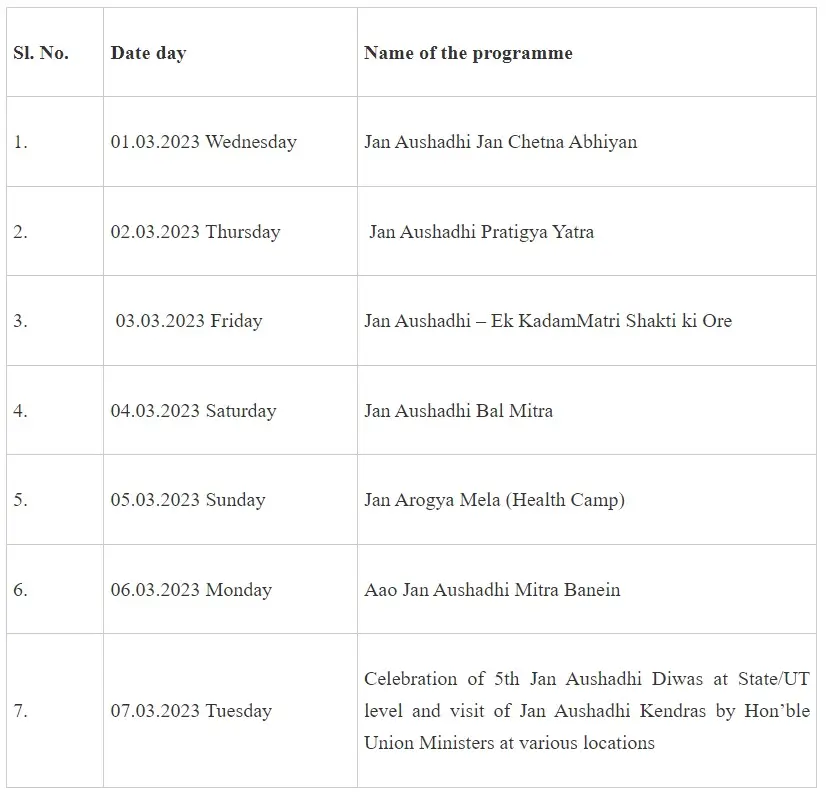
Pharmaceuticals & Medical Devices Bureau of India (PMBI) is all set to make this event successful under the guidance and support of Union Minister, Health & Family Welfare and Chemicals & Fertilizers, Dr. Mansukh Mandaviya, Minister of State for Chemicals & Fertilizers and New & Renewable Energy, Shri Bhagwant Khuba, Press Information Bureau (PIB) and Senior Officers of Department of Pharmaceuticals.
With an objective of making quality generic medicines available at affordable prices to all, Pradhan Mantri Bhartiya Janaushadhi Pariyojana (PMBJP) was launched by the Department of Pharmaceuticals, Ministry of Chemicals & Fertilizers, Government of India in November, 2008. As on 31st January, 2023, the number of Pradhan Mantri Bhartiya Janaushadhi Kendras (PMBJKs) has increased to 9082. Under the PMBJP, 743 districts out of 764 districts of the nation have been covered.
This scheme ensures easy reach of affordable medicine to the people in every nook and corner of the country. The Government has set a target to increase the number of PMBJKs to 10000 by the end of December 2023. Product basket of PMBJP comprises 1759 drugs and 280 surgical instruments. Further, new medicines and nutraceuticals products like protein powder, malt-based food supplements, protein bar, immunity bar, sanitizer, masks, glucometer, oximeter, etc. have been also launched.
Medicines available under PMBJP are priced 50%-90% less than that of branded prices. During the financial year (2021-22), PMBJP has achieved sales of Rs. 893.56 crores (at MRP). This has led to savings of approximately Rs. 5360 crores of the common citizens of the country. In the current financial year i.e. 2022-23 till 15.02.2023, Pharmaceuticals & Medical Devices Bureau of India (PMBI), the implementing agency of PMBJP has made sales of more than Rs. 1000 Crore which has further led to savings of approximately Rs. 6000 Cr. to the citizens. At present three IT enabled warehouses of PMBJP are functional at Gurugram, Chennai & Guwahati and Surat. Further, 36 distributors have been appointed across the country to support the supply of medicines to remote and rural areas.
In last 8 years, PMBJP has achieved a tremendous growth and unbeatable success due to quality medicines being available at cheaper cost to the people of the nation. It has drastically cut down the out of the pocket expenditure of the lower- and middle-class people of India. This has saved more than Rs. 20000 crores of citizens on cost of medicines. This wider acceptance of people has given PMBJP further impetus to enhance its outreach in every corner of the country.
“Sickle Cell Disease is a multi-sectoral mission leveraging community mobilization and stakeholder collaboration. Elimination of Sickle Cell Disease an integral part of achieving the holistic vision of health for all in India”. This was stated by Dr. V K Paul, Member Health, Niti Aayog as he addressed the Post Budget Webinar “Leaving No Citizen Behind” in the presence of Shri Rajesh Bhushan, Secretary, Ministry of Health today.

Speaking on the occasion, Dr. Paul stated “We have to make a collation at the ground level that connects each and every stakeholder. We need to make this as Jan Andolan to reach the last mile”. In resonance with this, Dr Paul emphasized on the need to generate awareness of Sickle Cell Disease wherein ‘opportunity testing’ is encouraged, as it would expedite treatment from those already suffering from the disease. He emphasized on the role of Ministry of Tribal Affairs in community mobilization and stakeholder collaboration in defining the medium and modes for reaching affected tribal areas.
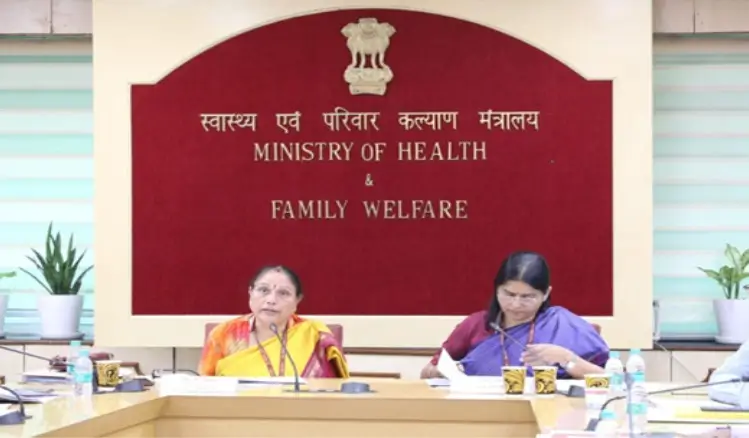
He further stated “it needs to be widely known that Pradhan Mantri Jan Arogya Yojana provides full treatment for Sickle Cell Disease, free of cost”. Dr Paul advocated forming of healthcare professional partnerships that would facilitate wide assimilation and sharing of knowledge on a nationwide scale. He stressed on the importance of incorporating pregnancy screening as well as easy accessibility of Hydroxy urea and pneumococcal vaccine.
Reiterating the need for collective action, Shri Rajesh Bhushan, Union Health Secretary said “employing a whole of government, whole of society approach is essential for eliminating this disease from the nation within a defined timeframe”. He elaborated that the portal on Sickle Cell Disease Management has already been established and a mobile application is also underway for which the training and orientation has commenced for state governments.
Shri Bhushan emphasized that “it is imperative to define a framework for time-bound implementation on a state, block and district level to ensure last-mile delivery at grassroot level”.
He further added “ICMR has conducted a health technology assessment for existing point-of-care tests that have been manufactured in India, endorsing their efficacy. This has been followed by onboarding of state governments on these point-of-care tests, their rates, and the possible symptoms that may be prevalent with the targeted group of 7 crore people for whom screening will be done”
Reiterating the role of the ministry, the Health Secretary stated that the Ministry of Health will support the state governments through National Health Mission for providing financial support. The state governments can choose the level of screening i.e., one level or two level of screening that they deem fit. Additionally, the health ministry has appointed ICMR, AIIMS, and medical colleges as nodal agencies for all states as a point of reference regarding technical guidance.
Ms. R Jaya, Additional Secretary, Ministry of Tribal Affairs mentioned that Ministry of Tribal Affairs will delve into the outreach aspect of the mission including communications with stakeholders, developing guidelines for training of trainers, and for awareness generation, non-medical care of patient and genetic counselling. She stated “Health needs and health care of the tribal population is to be understood socio-culturally” hence advocacy of early management practices, collaborations with Gram Sabha, community mobilization, translation of content into tribal languages will additionally serve to enhance reach of the mission.
Through a detailed presentation, a granular detail analysis of disease burden, objectives, strategies, approaches like universal screening and awareness generation in collaboration with Ministry of Tribal Affairs, diagnostics and treatment, comprehensive care of new-born with Sickle Cell Disease, universal screening and early diagnosis, Sickle Cell Portal, steps taken with integration of AYUSH, role of Ministry of Health and Family Welfare and Ministry of Tribal Affairs, role of ICMR, Department of Biotech and other research institutions, Role of AIIMS and other medical colleges as Centres of Excellence, Role of Other Ministries/Dept. of National Sickle Cell Anemia Mission was presented.
Senior officials from the government, representatives from WHO, UNICEF, UIDB, civil society organizations, health care provider organizations were also in attendance for this webinar.
“It is of vital importance to ensure that medicines and medical products produced in India are of the highest quality for both domestic and export markets. Within the Federal Democratic structure of the country, both the Centre and States are required to work together in harmony and synergy to ensure that we establish robust regulatory systems”. This was stated by Union Minister of Health & Family Welfare and Chemicals & Fertilisers Dr. Mansukh Mandaviya at the concluding session of the of the two-days brainstorming conclave on “Drugs: Quality Regulations & Enforcement”, here today. He was joined by Dr Bharati Pravin Pawar, Minister of State for Health and Family Welfare, Shri Bhagwanth Khuba, Minister of State for Chemical and Fertilisers, Dr VK Paul, Member (Health), NITI Aayog, Shri T Harish Rao, Health Minister, Telangana and Shri Sanjay Bhatia, Lokayukta, Upa-Lokayukta Maharashtra. Health Secretaries & Drug Regulators from various States/UTs also participated in the two-day long brainstorming conclave.
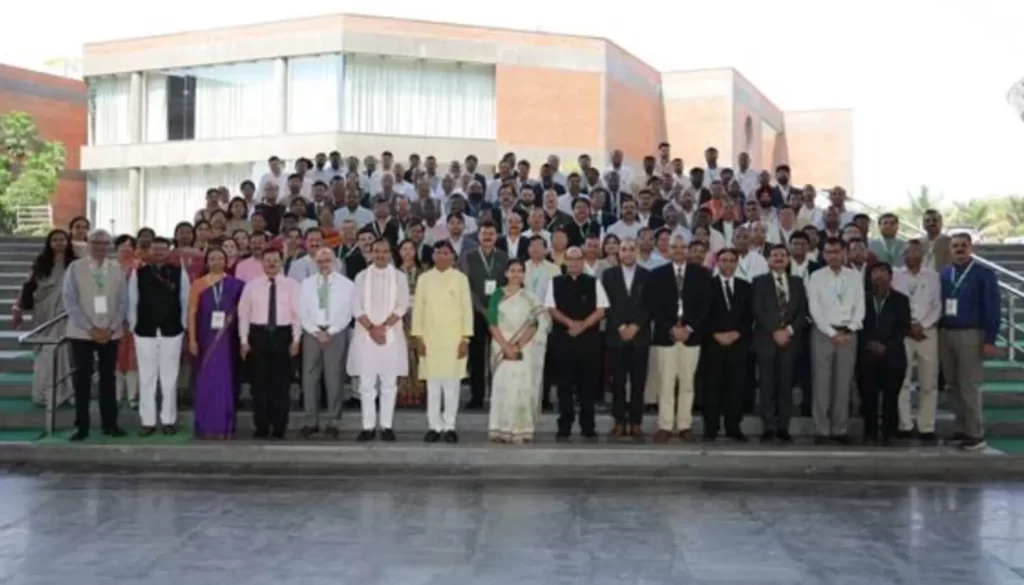
Dr Mandaviya further highlighted that the deep dive sessions of the Chintan Shivir provided a platform to all stakeholders to deliberate on different aspects of building a robust, resilient, transparent, accountable and citizen-friendly drugs regulatory framework. This framework will ensure not only quality, but easy availability and accessibility across the country of the highest quality of drugs and medical devises, he added. “The intense deliberations during the two days provided an opportunity to all the participants to work in a team spirit to deliberate on the building blocks of such a forward looking inclusive, holistic and comprehensive regulatory framework that would set the vision and meet the requirements of the next 25 years on the three levels of policy, priorities and implementation”, he highlighted.
Enthusing the participants, the Union Health Minister stated that “Our vision is to be known as the world’s most respected and recognised drugs regulator. This can only happen when we move from generic to quality-generic drugs and medical devices production in the country. Our drugs regulatory systems ought to meet the needs to R&D, innovation, organisation strengthening and capacity enhancement”, he stressed. “Quality by design” should be our motto, he stressed.
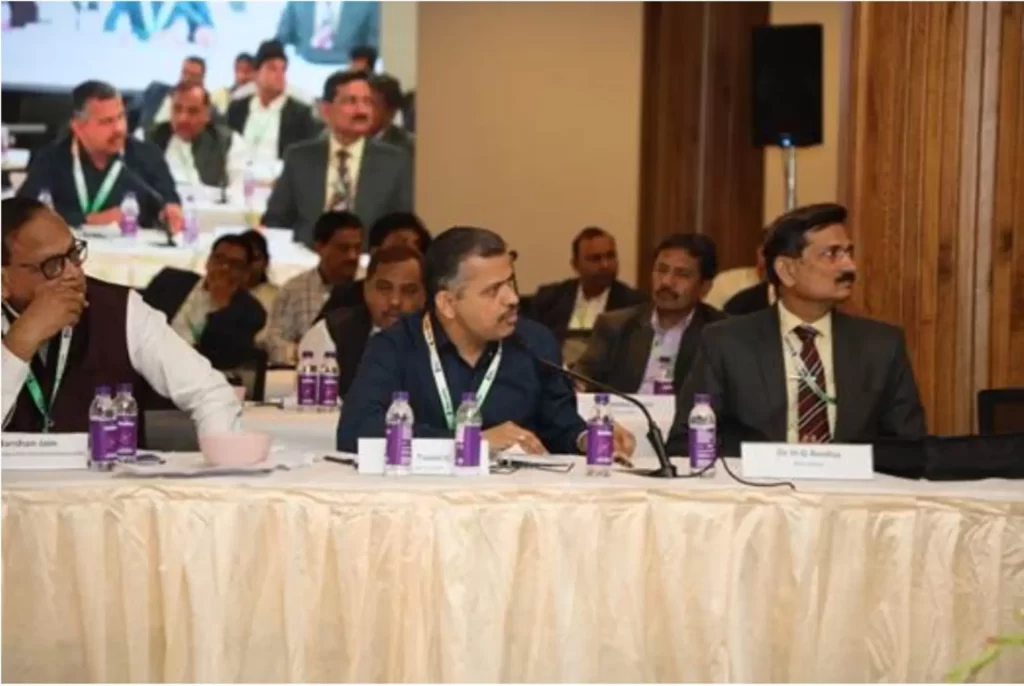
The discussions highlighted how to make the country’s drugs regulatory systems transparent, predictable and verifiable through principles of uniform standards, sturdy structures for compliance and enforcement, and capacity enhancement. It was also presented that technology can play role of a facilitator and enabler for uniformity, transparency and accountability. The need for a uniform portal with national database with integrated legacy systems was also discussed. Shifting from minimal to optimal standards with provision of periodic reviews, global benchmarking for not only drugs but medical devises formed integral part of the session today. Several participants underlined the importance of creating citizen facing measures to strengthen confidence on the quality of drugs along with portals for grievances, effective recall measures etc. In addition, oversight of supply chain was also proposed for quality assurance. In order to provide a platform to learn from the experience of other states, best practices of drug regulation from various states were shared by the state health representatives.
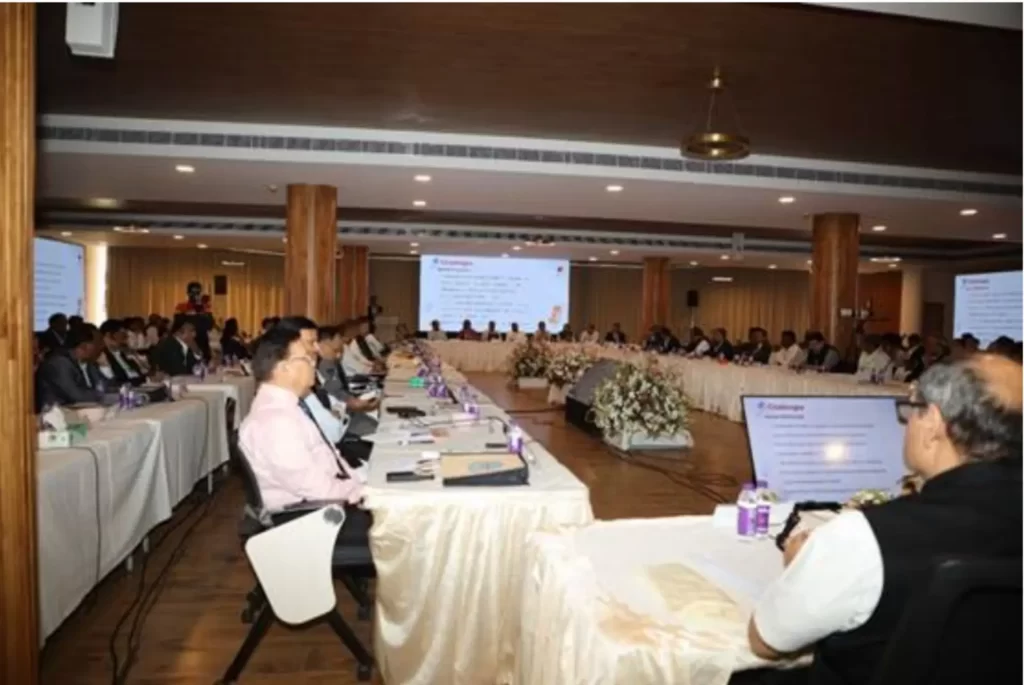
Dr Bharati Pravin Pawar appreciated the collaborative spirit with which Centre and states participated in the meeting. She also urged the industry representatives to bring out innovation solutions with particular focus on AMR which is emerging as a silent pandemic.
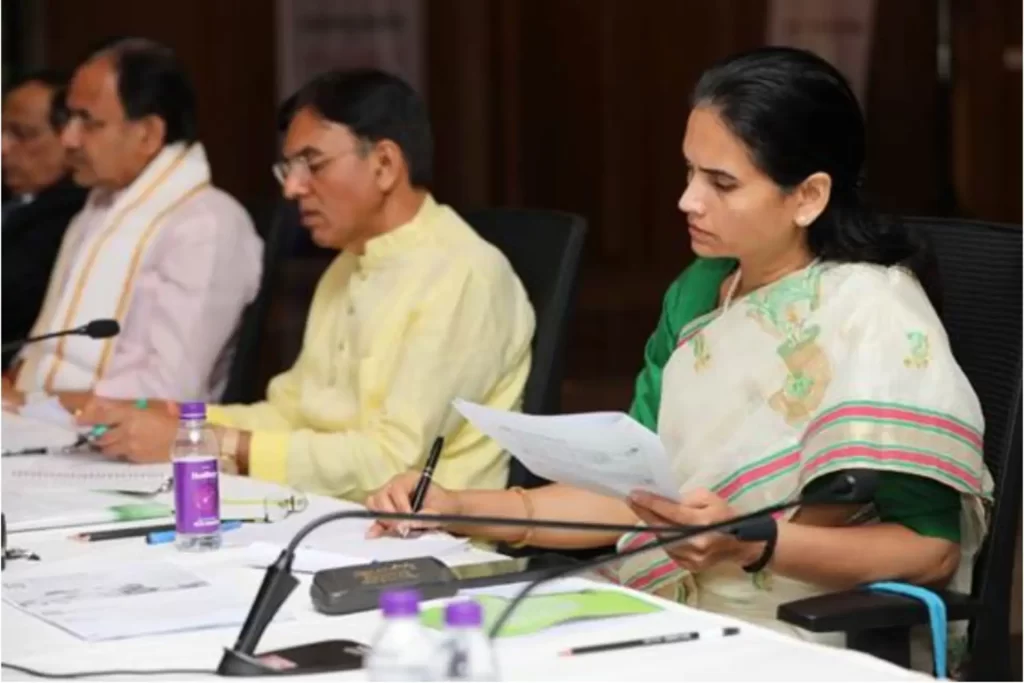
At the two-day Chintan Shivir, Dr Mandaviya led the participants for yoga and meditation sessions to promote healthy lifestyle practices.
Shri Rajesh Bhushan, Union Health Secretary, Smt. S Aparna, Union Pharma Secretary, Dr Rajiv Bahl, Secretary, Department of Health Research, Shri S Gopalakrishnan, Special Secretary, Union Health Ministry, Shri G Kamala Vardhana Rao, CEO, FSSAI, Dr Atul Goel, Director General of Health Sciences and Dr Rajeev Raghuvanshi, Drug Controller General of India were present on the occasion. Shri Rajiv Wadhawan, Joint Secretary, Ministry of Health & Family Welfare, Dr N Yuvaraj, Joint Secretary, Ministry of Chemical & Fertilizers and other senior officers and representatives from the Ministry of Health and Family Welfare, Ministry of Chemicals & Fertilizers, NITI Aayog, NPPA, DGHS, ICMR, NIPERs, Central Drug Laboratories also participated in the two-day long brainstorming conclave.
Union Ministry of Health & Family Welfare organized National Organ & Tissue Transplant Organisation (NOTTO) Scientific Dialogue 2023 today. The dialogue was organized to bring all the stakeholders under one roof to brainstorm ideas about interventions and best practices in the organ and tissue transplant field that can be taken up for saving lives.
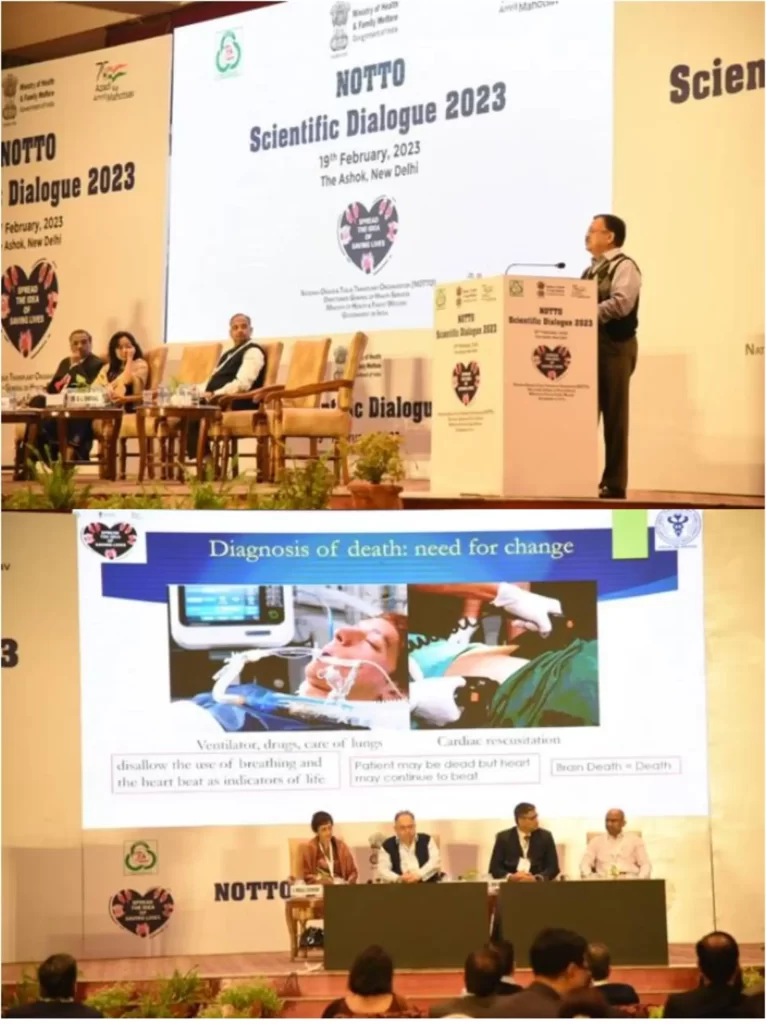
Speaking on the occasion, Union Health Secretary Shri Rajesh Bhushan congratulated everyone on the positive outlook that the country is observing in organ and tissue transplants. He said that there is fast resurgence in the transplant activities post COVID and for the first time country has achieved more than 15,000 transplants in a year (2022). Along with this, there was an annual increase of 27% in transplant numbers.
Union Health Secretary underlined on three priority areas which include programmatic restructuring, communication strategy and skilling of professionals. Highlighting the need to update the existing structures and guidelines in place, Shri Bhushan said that “though we have existing structures at various governance levels like NOTTO at national level, SOTTOs at state levels and ROTTOs at regional level, it needs to be ensured that they work as a well-oiled machinery while performing their mandate.”
Shri Bhushan welcomed the changes that have taken place such as updated guidelines, domicile requirement being done away with. He emphasized on the rational use of technical manpower country has and training and channelizing them efficiently along with optimal utilization of physical infrastructure and equipments such as in tertiary care facilities.
Underscoring the changing demography of the country, Union Health Secretary noted that India has a growing geriatric population and to ensure quality of life for them, it is critically important to update our communication and awareness strategy, so that potential organ donors come forward. He suggested wide orientation and re-orientation through training programs, newly designed courses and digital interventions for healthcare professionals and domain knowledge experts. He further added that “ along with training programs, wide publicity and awareness through not just print and electronic media but engaging with local stakeholders and Non-Governmental Organisations (NGOs) can be taken up”. Thus, he pushed for a multi-stakeholder exercise for communicating effectively and making people realize their contribution towards a greater good.
Highlighting the need for capacity building of our medical institutions, Shri Rajesh Bhushan said that “despite having 640+ medical hospitals and colleges, transplants remain a specialized service limited to some hospitals only. There is a need to expand the number of institutions where surgeries and transplants are undertaken. Thus, to increase surgeries/transplants in the country, along with sensitization and training for healthcare professionals, our physical infrastructure must be optimally utilized. There is also a need to identify high case load institutions and bring them under the network NOTT program.” He suggested that consultations and discussions can lead to Memorandum of Understanding (MoUs) and consequentially, creation of Centre of Excellences at state and regional level where these specialized services can be provided to the needy.
Ms. V Hekali Zhimomi, AS MoHFW informed the participants about the enhanced capacities under National Organ Transplant program (NOTP) and available facilities that citizens can use such as 24X7 toll free helpline, National organ and tissue transplant Registry, website for ease of access to information.
Dr. Rajneesh Sehai, Director NOTTO, Dr. BL Sherwal, MS Safdarjung Hospital along with senior officers of the Ministry, Experts from Medical fraternity, Healthcare professionals and representatives from Industry were present at the conference.
“eSanjeevani is a revolution in the health sector of the country. India has crossed a landmark milestone in its eHealth journey. The Government of India’s national telemedicine platform – eSanjeevani- registered another landmark by providing teleconsultation services to 10 crore beneficiaries.” This was stated by Dr. Mansukh Mandaviya, Union Minister of Health and Family Welfare, here today.
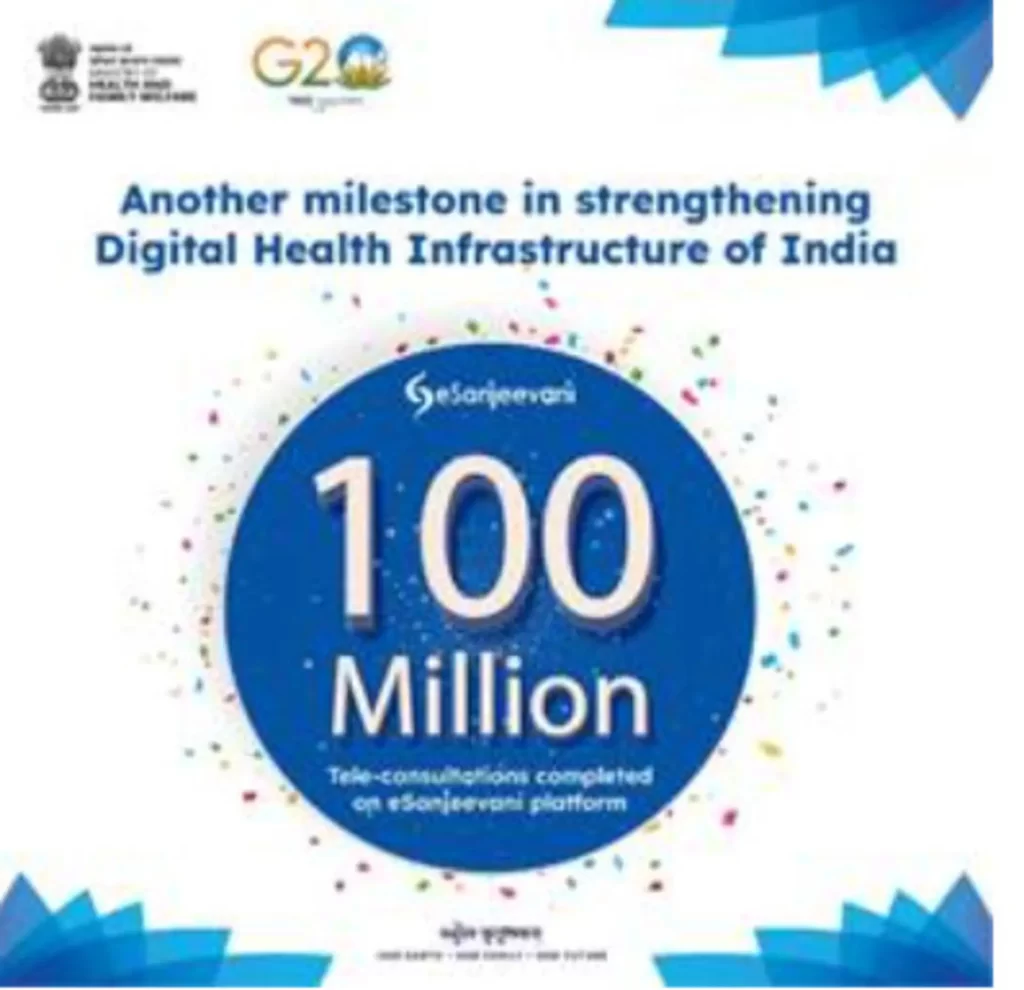
Further appreciating the healthcare services being provided through the digital platform of tele-consultation, Dr Mandaviya noted that 100.11 million patients were served at 115,234 Health & Wellness Centres (as spokes) through 15,731 hubs and 1,152 online OPDs populated with 229,057 medical specialists and super-specialists trained in telemedicine. eSanjeevani has been augmented further to support over 1 million consultations in a day, so far, the platform has peaked to serve 5,10,702 patients in a day.
In a tweet posted today, the Union Minister stated-
देश के नागरिकों को घर बैठे एक्सपर्ट डॉक्टर की सलाह उपलब्ध करवाते हुए, देश ने आज 10 करोड़ 'ई-संजीवनी टेली-कंसल्टेशन' का लक्ष्य हासिल कर लिया है। PM @NarendraModi जी के नेतृत्व में देश डिजिटल हेल्थ इकोसिस्टिम में निरंतर मज़बूत हो रहा है।
“eSanjeevani - the National Telemedicine Service of India is the world’s largest telemedicine implementation in the primary healthcare. eSanjeevani has shown as a blessing especially to people in rural areas where it was harder to access care. It has since found much wider application across the health spectrum and has transformed primary healthcare services in our country. It can be safely assumed that through ICT, eSanjeevani has democratised healthcare. It is reassuring to note that over 57% of the beneficiaries of eSanjeevani are women and around 12% beneficiaries are senior citizens. This platform also goes to reflect that the platform is finding its reach in the more vulnerable sections of the population where its effect is fetches maximum impact. This speaks volumes about the telemedicine platform and the extent to which it has reinvented itself over time to meet the growing demands of healthcare in India”, he added.
Graph showing eSanjeevani Consultations
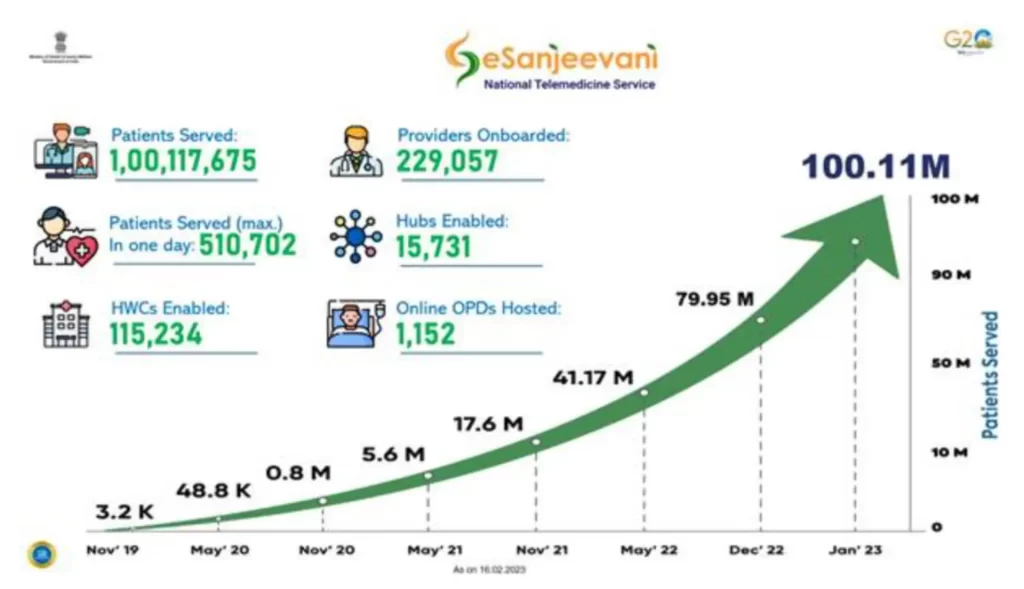
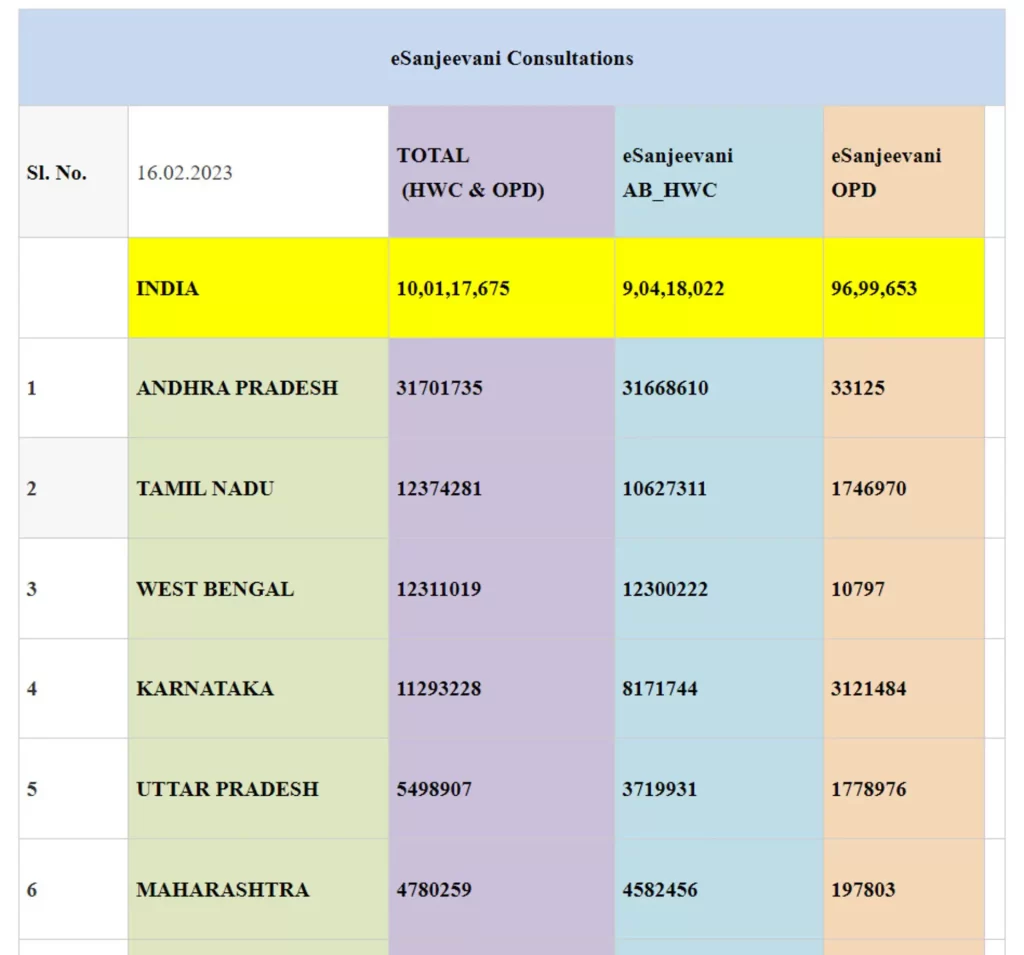
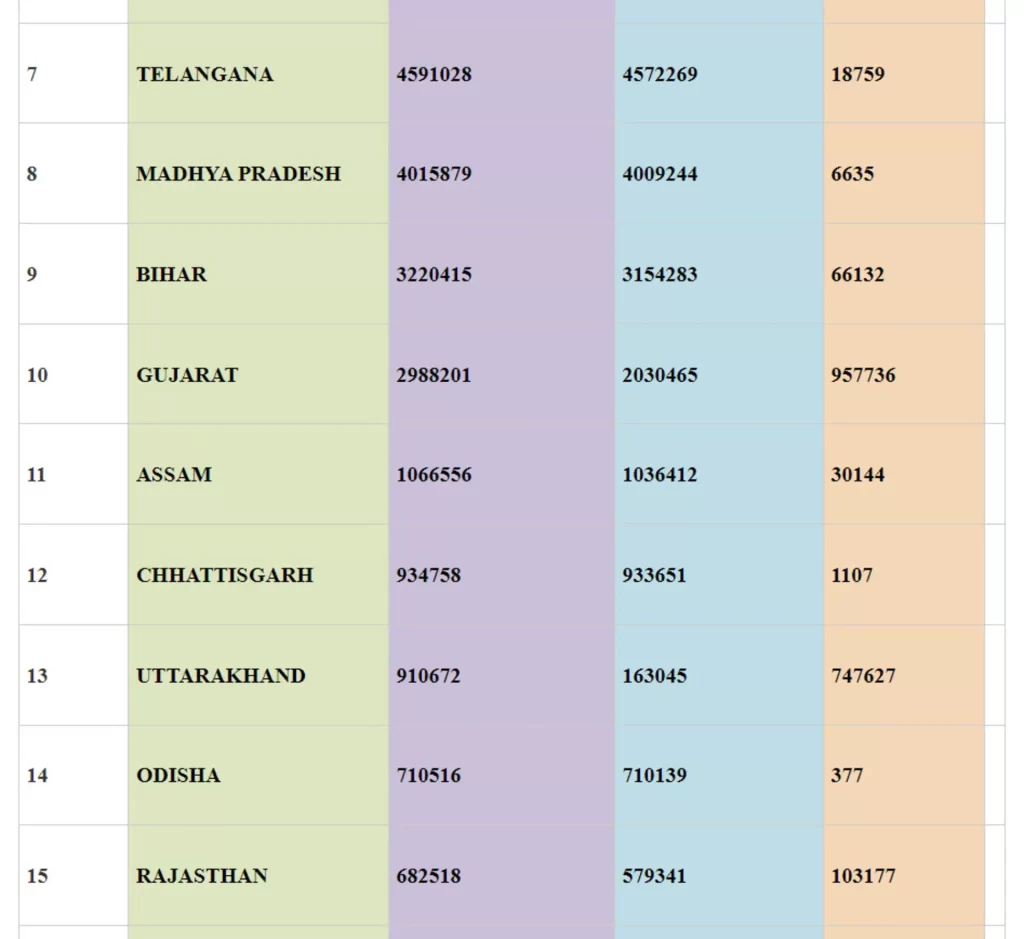
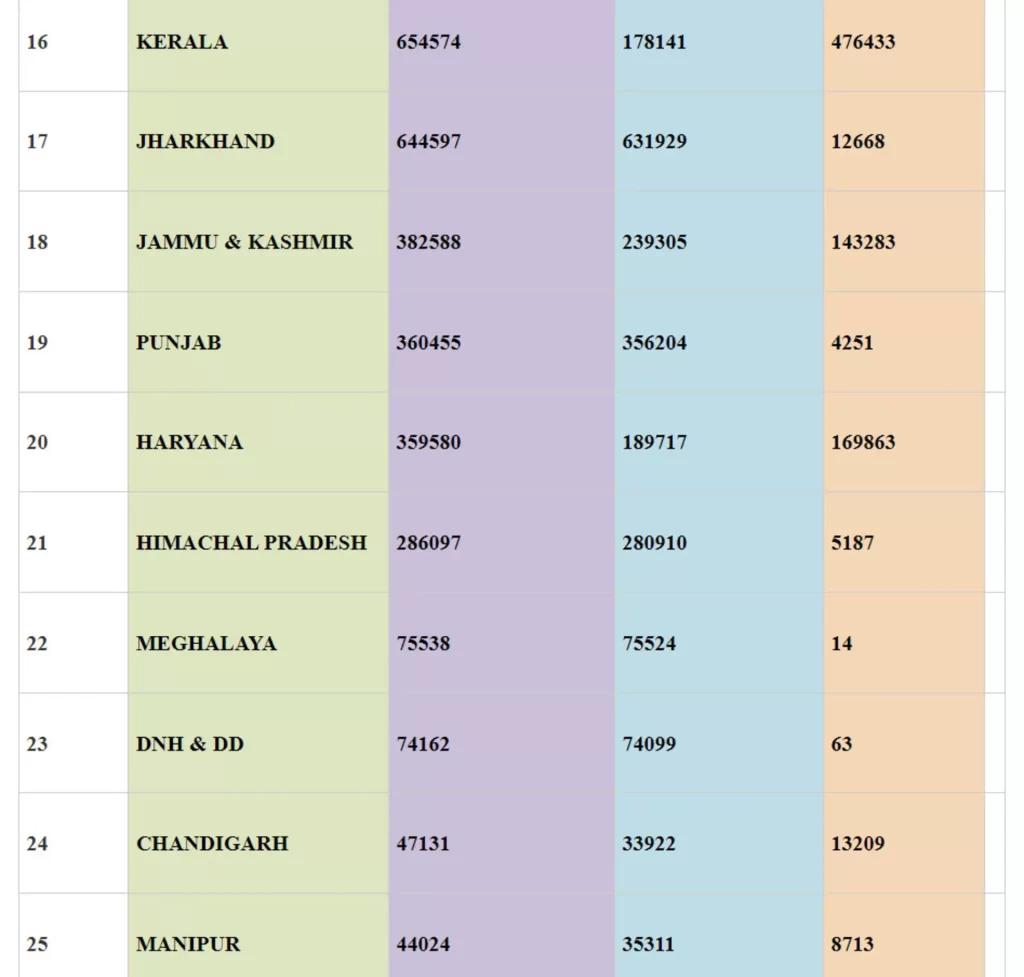
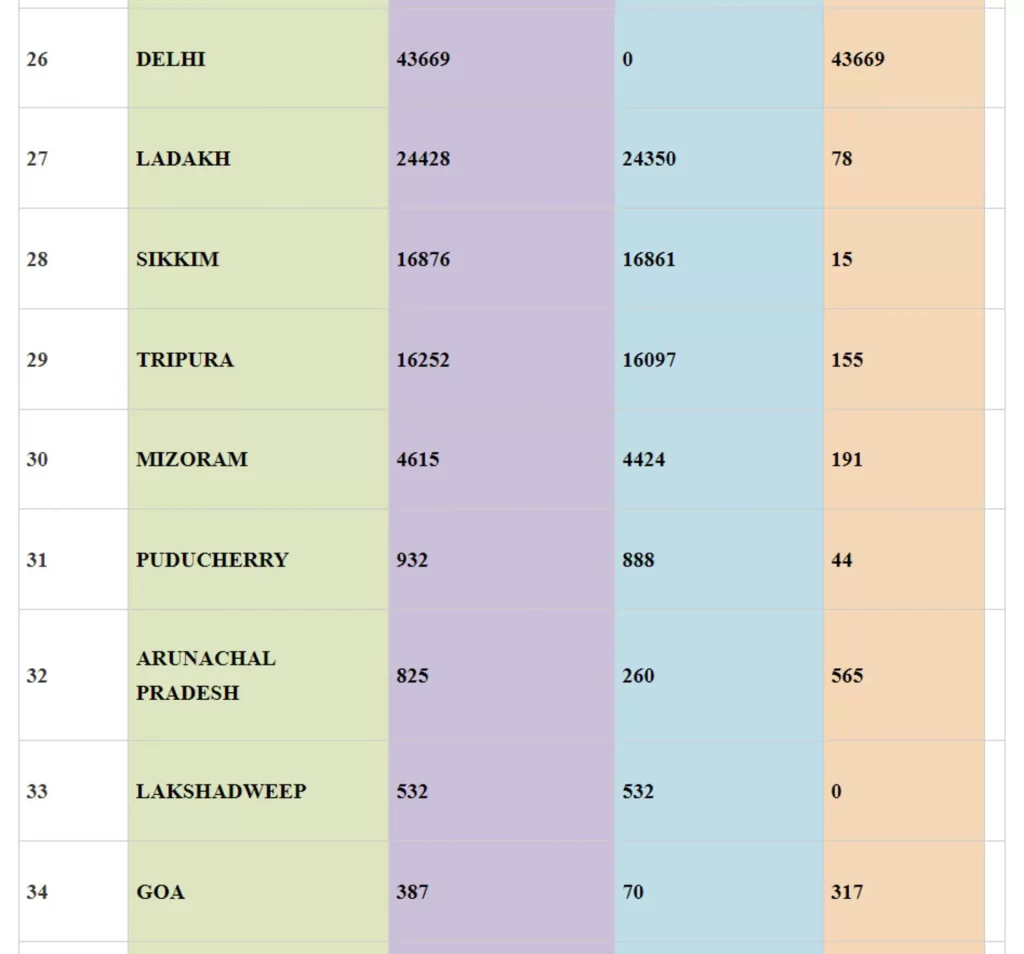
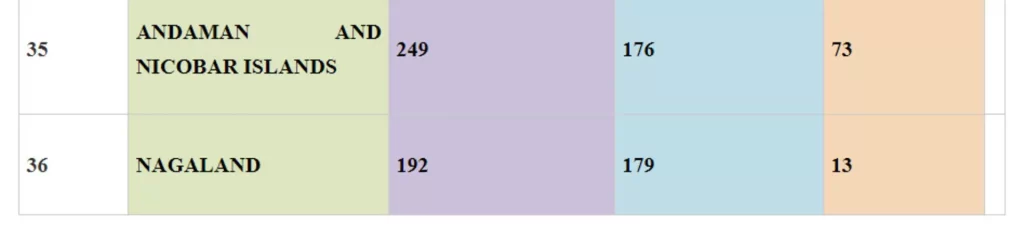
Leading 10 States in terms of adoption of eSanjeevani are Andhra Pradesh (31701735), Tamil Nadu (12374281), West Bengal (12311019), Karnataka (11293228), Uttar Pradesh (5498907), Maharashtra (4780259), Telangana (4591028), Madhya Pradesh (4015879), Bihar (3220415) and Gujarat (2988201) (State wise and UT wise table given at the end).
The cloud-based eSanjeevani platform was introduced in two modes:
eSanjeevaniAB-HWC (a provider-to-provider telemedicine platform): an assisted telemedicine system that connects patients through health workers and medical officers in Health & Wellness Centres to the doctors and specialists in hubs established in secondary/tertiary level health facilities or medical colleges. This variant is based on a Hub-and-Spoke model.
eSanjeevaniOPD (a patient to provider telemedicine platform): it empowers citizens to access outpatient services in the confines of their homes through smartphones of laptops etc.
Aligned with Hon’ble Prime Minister Narendra Modi’s vision of Digital India where quality healthcare percolates right up to the remotest regions powered by e-Healthcare, eSanjeevani was launched in November 2019. As a cornerstone of Ayushman Bharat Scheme – world’s largest health insurance to achieve Universal Health Coverage, eSanjeevani is testimony to the fact that digital health has come of age in India. eSanjeevani has digitally brought healthcare services to the masses in rural areas and remote communities. This first-of-its-kind, government owned telemedicine platform that has brought a colossal populace (doctors as well as patients) in the fold of the digital health ecosystem by providing free of cost consultations to one and all. The initiative has enabled digitalisation of health information, which can aid policymakers to come up with effective and timely health policies.
Soon after COVID 19 touched Indian shores and the release of telemedicine practice guidelines by Govt. of India, eSanjeevani was the only hope for millions of citizens in the country to access doctors and medical specialists for non-COVID 19 and COVID 19 medical conditions safely from within the confines of their homes. Going beyond the call of their duty and to serve the country, closely working with the team at the Union Health Ministry, eSanjeevani’s patient to doctor variant was rapidly developed and rolled out by the pioneers of telemedicine in Mohali branch of Centre for Development of Advanced Computing while working from home during the first National lockdown in March 2020. Indigenously developed, eSanjeevani technology has brought in a significant shift in the sphere of health informatics by enabling the digitalisation of health information. Apart from the direct benefit of being able to facilitate care on demand, and leveraging the potential of information technology, eSanjeevani successfully overcomes the challenges of geography, accessibility, cost and distance to provide equitable and quality care to populations across India. eSanjeevani has proved to be a yardstick for swift capacity building as well as utilising digital technology to strengthen healthcare. eSanjeevani is also shaping into the harbinger of Ayushman Bharat Digital Mission that aims to, develop the backbone necessary to support the integrated digital health infrastructure of the country. The success of this initiative is analogous with the impact and success of Digital India Mission.
After tapping the potential of teleconsultations to the fullest, the Union Health Ministry is all set to add the logical next dimension of telediagnosis in the new avatar of eSanjeevani. This entails seamless integration of a vast spectrum Point of Care Diagnostic devices (PoCDs), also known as near patient testing. PoCDs provide results of various clinical tests including physiological parameters within minutes of taking a test there by facilitating rapid diagnosis and quick decisions.
eSanjeevani 2.0 will enhance the telemedicine experience further with a plethora of new features both in terms of technology as well as innovation. The architecture is now more secure whilst being scalable to undertake additional demands.
Table (eSanjeevani Consultations – States & UTs breakup)
“India has always recognized the importance of patient safety and prioritized it as a public health issue.” This was stated by Minister of State for Health and Family Welfare, Dr. Bharati Pravin Pawar as she addressed the inaugural session for national workshop on accelerating patient safety in India in collaboration with World Health Organization. The workshop strived to sensitize states and various stakeholder departments regarding their role in the implementation of National Patient Safety Implementation Framework, as well as augment capacity building of health care professionals for patient safety, and set forth frameworks for developing Quarterly State Action plan on patient safety.
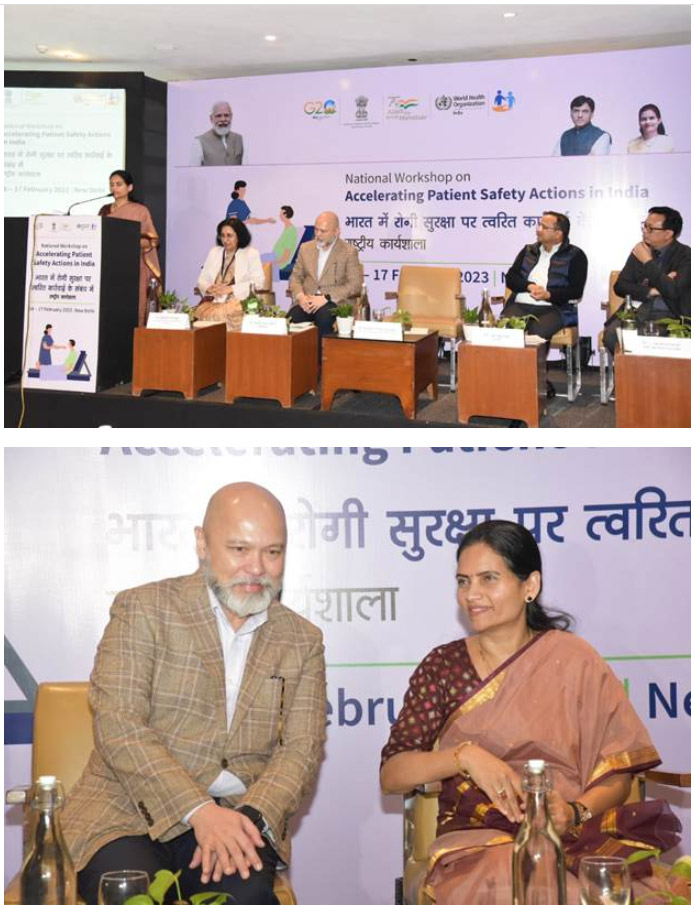
Dr. Pawar congratulated all stakeholders on the inception of this workshop and mentioned that in 2002, World Health Organization Member States agreed upon a World Health Assembly resolution on patient safety and India was one of the foremost countries to sign the Global Patient Safety Action Plan 2021-2030.
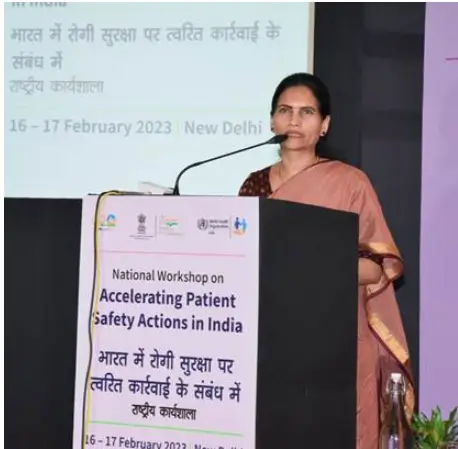
For the purpose of strengthening patient safety, The National Patient Safety Implementation Framework (NPSIF) was implemented in 2018 to synchronize various strategies and programs of the Ministry of Health and Family Welfare such as the National Health Mission, Clinical Establishment Act, Adverse Event Following Immunization (AEFI), Pharmacovigilance Programme, Hemovigilance under one comprehensive policy framework. This enhanced the reach and impact of these programs.
The MoS emphasized that patient safety is imperative dimension in ensuring quality healthcare, and the initiatives and innovations undertaken by our nation have served to mark immense progress in that direction. Praising the leadership of our Prime Minister Shri Narendra Modi, Dr Pawar stated that “India has made phenomenal progress in delivering healthcare services to the innermost regions and remote areas of the nation, all whilst combating significant hurdles and threats”. With over 157,127 Ayushman Bharat Health and Wellness Centers (AB-HWCs) functional in the nation providing primary healthcare services at grassroot level, Ayushman Bharat Pradhan Mantri Jan Aarogya Yojana is recognized as the largest health insurance scheme in the world, the Co-Win platform, Pradhan Mantri - Ayushman Bharat Health Infrastructure Mission (PM-ABHIM), Ayushman Bharat Digital Mission (ABDM) are examples of India timely leveraged digital technology to enable far and wide reach of healthcare services to all in the nation. These have provided inspiration and learnings to many nations.
She elaborated that medical colleges seats for MBBS and PG have seen a growth of 95% and 110% respectively with 175 medical colleges established which will further bolster the education and research capacities of India.
Dr. Pawar further highlighted that Jan Aushadhi stores provided generic medicines and Affordable Medicines and Reliable Implants for Treatment (AMRIT) pharmacy stores were established to ensure that the masses could easily afford medicines provided at highly discounted rates. She emphasized that to complement the health programs and initiatives and achieve the desired healthcare goals, capacity building of healthcare professionals is paramount in building a workforce that imbibes a preventive and proactive approach to healthcare ensuring harm and mistakes are avoided at all costs.
She reiterated that all of the aforementioned initiatives contribute to patient safety in their own way. “Additionally, our culture and traditions also reflect and promote patient safety. For example, our traditional greeting of ‘Namaste’ which gained immense significance during the pandemic and was adopted by many countries as a way of greeting others but also ensuring one’s safety simultaneously”. She alluded to our traditional food, millets also known as ‘Shree Anna’ which are filled with nutrition and easily available to all across the nation. MoS concluded her speech with “Arogya Paramam Bhagyam Swasthyam Sarvarthasadhanam” which signifies that health is the most important wealth, and the foundation for any work to be done. She emphasized that we must take the mantle of creating awareness of the heritage and assets inherent in our nation to further strengthen patient safety in all dimensions.
Shri Lav Agarwal, Additional Secretary, Dr. Roderico H Ofrin WHO Representative to India, Dr. Neelam Dhingra Unit Head, WHO patient Safety Flagship, Maj. Gen. (Prof.) Atul Kotwal, ED NHSRC, Dr. L. Swasticharan Addl. DDG & Director EMR amongst various state officials and dignitaries present at the occasion.