
Sickle cell disease (SCD) is a chronic single gene disorder causing a debilitating systemic syndrome characterized by chronic anemia, acute painful episodes, organ infarction and chronic organ damage and by a significant reduction in life expectancy. Under National Health Mission, Government of India supports the states for prevention and management of sickle cell disease as per their annual PIP proposals. The Ministry has also released technical operational guidelines for prevention and control of hemoglobinopathies in 2016 including sickle cell anemia. Further in terms of treatment, support is given under NHM for capsule hydroxyurea, free blood transfusion for all Sickle cell patients (men & women) as per State’s proposal.
In the union budget of FY 2023-24, it is announced to launch a mission to eliminate sickle cell anemia by 2047. The mission entails focus on awareness creation, universal screening of approximately seven crore people in the 0-40 years age group in affected tribal areas and counselling through collaborative efforts of central ministries and state governments.
State Haemoglobinopathy Mission has been established in Madhya Pradesh to tackle the challenges in screening and management of sickle cell disease. A pilot project launched by Honourable Prime Minister on 15th November 2021 for screening in Jhabua and Alirajpur district of M.P and 89 tribal blocks included in Second Phase of Project. As reported by state, total 993114 persons have been screened. Out of whom 18866 have been detected HbAS (Sickle Trait) and 1506 (HbSS sickle diseased). Further, state government has established Integrated Centre for Hemophilia and Heoglobinopathies in 22 Tribal District for treatment and diagnose of patients.
The Union Minister of State for Health and Family Welfare, Dr. Bharati Pravin Pawar stated this in a written reply in the Lok Sabha today.
The National Health Mission (NHM) is a Centrally Sponsored Scheme which envisages achievement of universal access to equitable, affordable & quality health care services that are accountable and responsive to people’s needs, including women, across the country. The main programmatic components include Health System Strengthening in rural and urban areas, Reproductive-Maternal- Neonatal-Child and Adolescent Health (RMNCH+A), and Communicable and Non-Communicable Diseases.
The primary responsibility for ensuring healthcare services lies with respective State/UT Governments. Under National Health Mission, Ministry of Health & Family Welfare provides financial and technical support to States/UTs, including Andaman and Nicobar Islands, to strengthen their healthcare systems, based on the requirements posed by them in their Programme Implementation Plans (PIPs) within their overall resource envelope. Various works/initiatives carried out under NHM in the country are as below:
Ayushman Bharat – Health & Wellness Centres (AB-HWCs): 1,50,000 Sub- Health Centres (SHC), Primary Health Centres (PHC) and Urban Primary Health Centres (UPHC) are transformed into Ayushman Bharat- Health and Wellness Centres (AB-HWCs) upto December, 2022 to deliver twelve packages of Comprehensive Primary Health Care (CPHC) that includes preventive, promotive, curative, palliative and rehabilitative services which is universal, free and close to the community. These AB-HWCs will provide Comprehensive Primary Health Care (CPHC), by expanding and strengthening the existing Reproductive & Child Health (RCH) services and Communicable Diseases services and by including services related to Non- Communicable Diseases (NCD), to begin with the common NCDs such as, Hypertension, Diabetes and 3 common cancers of Oral, Breast and Cervix. It is also envisaged to incrementally add primary healthcare services for Mental health, ENT, Ophthalmology, Oral health, Geriatric and Palliative health care and Trauma care as well as Health promotion and wellness activities like Yoga. Against the target of 1,50,000, a total of 1,54,070 AB-HWCs have been operationalized in the country by 31st December, 2022.
National Free Drugs Initiative: States/UTs are supported to provide essential drugs based on the level of public health facilities free of cost to all who access these facilities.
Free Diagnostics Initiatives. (FDI): Under the initiative, support provided to States/UTs to provide a set of essential diagnostics in 33 States/UTs at various levels of care, free of cost.
National Ambulance Services (NAS): Under the NHM, technical and financial support is provided for emergency medical services in States/UTs through a functional National Ambulance Service (NAS) network linked with a centralized toll-free number 108/102.
Mobile Medical Units (MMU) are supported to facilitate access to public health care at the doorstep particularly to people living in remote, difficult, under-served and unreached areas to provide primary care services.
Some major initiatives under NHM focusing on women and children, including ST category women and children, throughout the country, are as follows:
Ayushman Bharat- Pradhan Mantri Jan Arogya Yojana (AB-PMJAY), provides health coverage of up to Rs 5 lakh per family per year to around 10.74 crore poor and vulnerable families in the country as per Socio Economic Caste Census (SECC).
Surakshit Matritva Aashwasan (SUMAN) provides assured, dignified, respectful and quality healthcare at no cost and zero tolerance for denial of services for every woman and newborn visiting public health facilities to end all preventable maternal and newborn deaths.
Janani Suraksha Yojana (JSY), a demand promotion and conditional cash transfer scheme for promoting institutional delivery.
Under Janani Shishu Suraksha Karyakram (JSSK), every pregnant woman is entitled to free delivery, including caesarean section, in public health institutions along with the provision of free transport, diagnostics, medicines, other consumables & diet.
Pradhan Mantri Surakshit Matritva Abhiyan (PMSMA) provides pregnant women a fixed day, free of cost assured and quality antenatal check up by a Specialist/Medical Officer on the 9th day of every month.
LaQshya improves the quality of care in labour room and maternity operation theatres to ensure that pregnant women receive respectful and quality care during delivery and immediate post-partum.
Monthly Village Health, Sanitation and Nutrition Day (VHSND) is an outreach activity at Anganwadi centers for provision of maternal and child care including nutrition in convergence with the ICDS.
Reproductive and child health (RCH) portal is a name-based web-enabled tracking system for pregnant women and new born so as to ensure seamless provision of regular and complete services to them including antenatal care, institutional delivery and post-natal care.
MCP Card and Safe Motherhood Booklet are distributed to the pregnant women for educating them on diet, rest, danger signs of pregnancy, benefit schemes and institutional deliveries.
Delivery Points- Over 25,000 ‘Delivery Points’ across the country have been strengthened in terms of infrastructure, equipment, and trained manpower for provision of comprehensive RMNCAH+N services.
Setting up of Maternal and Child Health (MCH) Wings at high caseload facilities to improve the quality of care provided to mothers and children.
Functionalization of First Referral Units (FRUs) by ensuring manpower, blood storage units, referral linkages to improve the access to quality of care for pregnant women.
Further, initiatives such as Mission Parivar Vikas, Adolescent Friendly Health Clinics (AFHCs), Weekly Iron Folic Acid Supplementation (WIFS), Menstrual Hygiene Scheme, Facility Based Newborn Care (FBNC), Home Based Newborn Care Program, Social Awareness and Actions to Neutralize Pneumonia Successfully (SAANS), Home Based Care for Young Child (HBYC), Rashtriya Bal Swasthya Karyakram (RBSK), Early Childhood Development (ECD), Comprehensive Abortion Care (CAC), Anemia Mukt Bharat (AMB) strategy, Nutrition Rehabilitation Centre (NRC) program are supported to increase access to quality healthcare services. Support is also provided to strengthen Universal Immunization programme, introduction of new vaccines.
In tribal, hilly and desert areas, the norm can be relaxed to one ASHA per habitation, depending on the workload, geographic dispersion, and difficult terrain. To attract quality Human Resources special provisions like ''You quote, we pay” / Hard area allowances.
The Union Minister of State for Health and Family Welfare, Dr. Bharati Pravin Pawar stated this in a written reply in the Lok Sabha today.
The Standing National Committee on Medicines (SNCM) was constituted to review and revise the National List of Essential Medicines by way of additions and deletions in the existing NLEM in the context of contemporary knowledge of use of therapeutic products in health & hygiene of general public. The SNCM submitted its final report on 10.09.2022. The Government of India has accepted the recommendations of the Committee and the National List of Essential Medicines (NLEM), 2022 became operational vide notification dated 13.09.2022. The current National List of Essential Medicines (NLEM, 2022) contains 384 medicines. In NLEM 2022, 34 medicines have been added and 26 medicines have been deleted from NLEM, 2015.
The details are available on the website of Ministry of Health and Family Welfare at https://main.mohfw.gov.in/newshighlights-104
Government of India has taken following initiatives to increase awareness about antibiotics:
ICMR has initiated antibiotic stewardship program (AMSP) on a pilot project basis in 20 tertiary care hospitals across India to control misuse and overuse of antibiotics in hospital wards and ICUs.
DCGI has banned 40 fixed dose combinations (FDCs) which were found inappropriate.
ICMR worked in collaboration with Indian Council of Agriculture Research, Department of Animal Husbandry, Dairy and Fisheries and the DCGI to ban use of Colistin as growth promoter in animal feed in poultry.
Various IEC activities like public conclave, poster and quiz competitions have been conducted by National Centre for Disease Control (NCDC) in schools, colleges and Health melas to create awareness about AMR, its containment & prevention and judicial use of antibiotics among the common public. To raise awareness among the community and the health care providers, communication material includes posters, videos and radio jingles has been developed with emphasis on prevention of irrational use of antibiotics during viral-illnesses and also on infection prevention through hand hygiene to prevent spread of infections. Under the National Programme for Containment of Antimicrobial Resistance, NCDC supports institutes to conduct surveillance of antibiotics consumed in their respective hospitals.
The Union Minister of State for Health and Family Welfare, Dr. Bharati Pravin Pawar stated this in a written reply in the Lok Sabha today.
“India is making progress and new leprosy cases are declining year after year. With the whole of government, whole of society support, synergy and cooperation, we can achieve the target of Leprosy Mukt Bharat by 2027, three years ahead of the SDG”. This was stated by Union Minister for Health and Family Welfare, Dr. Mansukh Mandaviya during his video address at the event to observe the National Anti-Leprosy Day, here today. The theme of this year was “Let us fight Leprosy and make Leprosy a history”.

Reiterating Mahatma Gandhi’s enduring concern for people affected with leprosy, Union Health Minister noted that the concern and commitment to treat leprosy has its origin in our history. “His vision was not only to treat them but also to mainstream them in our society. Our efforts to eliminate leprosy from this country under National Leprosy Eradication Programme is a great tribute to his vision. We are successful in achieving prevalence rate 1 case per 10,000 population at national level in 2005. The need of the hour is consistent efforts to eliminate Leprosy. It is a curable disease, however if it is not detected and treated at the early stage, it can cause permanent disabilities and deformities among the affected person, leading to discrimination of such persons and their family members in the community.”
“Under the visionary leadership of Hon’ble Prime Minister Shri Narendra Modi, we have adopted comprehensive measures for prevention of development of disease. From the year 2016, renewed efforts were made for actively detecting cases under the Leprosy Case Detection Campaign (LCDC)”, he further added.

Accentuating on the efforts of National Leprosy Eradication Programme, Dr Bharati Pravin Pawar, Union Minister of State said, “Our Leprosy Programme of the country strives to detect and treat cases as early as possible, gives treatment free of cost to prevent the development of disabilities and deformities, medical rehabilitation of those with existing deformities. The Welfare allowance has been raised from Rs 8,000 to Rs 12,000 to patients for their reconstructive surgery.”
Highlighting the achievements of the programme, she also informed that the prevalence rate of leprosy has come down from 0.69 per 10,000 population in 2014-15 to 0.45 in 2021-22. Further, annual new case detection rate per 100,000 population has come down from 9.73 in 2014-15 to 5.52 in 2021-22. “The programme also work towards spreading awareness and reducing stigma attached with the disease. Surveillance was also strengthened by introducing ASHA-based Surveillance for Leprosy Suspects (ABSULS) where grassroot level workers constantly engaged in examining and reporting suspects. Special emphasis under the Focused Leprosy Campaign (FLC) was given to areas that were difficult to access or had child cases and cases with disabilities. Since 2015, with the constant efforts under NLEP, we have been able to prevent many cases of disability due to leprosy”, she added. She also emphasized on the need to spread awareness on stigma connected to leprosy.
Emphasizing on the 2027 leprosy eradication target, Shri. S. Gopalakrishnan, Special Secretary, Union Ministry of Health and Family Welfare noted that the last mile target of 2027 is going to be tougher than what has been achieved so far. But with the experiences, whole of government and whole of society approach, new strategies and the Nikusth 2.0 portal, we can achieve it.

National Strategic Plan & Roadmap for Leprosy (2023-27) and National Guidelines for Antimicrobial resistance (AMR) Surveillance in leprosy were also released during the event along with launch of Nikusth 2.0 Portal. The strategy and roadmap will aid in advancing the campaign against leprosy, to stop transmission, by speeding case detection efforts and maintaining a robust surveillance infrastructure. As India is progressing towards leprosy eradication, a need of strong AMR surveillance system is required to gear up the system. These guidelines will provide the technical guidance in developing and sustaining a robust surveillance system for AMR surveillance in leprosy patients. Nikusth 2.0 is an integrated portal for leprosy case management under National Leprosy Eradication Programme (NLEP). It will aid in efficient data recording, analyzing and reporting of the data in the form of indicators and a real time dashboard at center, state and district levels.
Dr Bharati Pravin Pawar also launched a video for addressing stigma issues attached with leprosy as part of the nationwide awareness campaign.
Ms Roli Singh, AS&MD (NHM), MoHFW, Shri Rajiv Manjhi, Joint Secretary Leprosy, Prof (Dr). Atul Goel, DGHS, Dr. Roderico H Ofrin, WHO representative to India, Dr. Sudarsan Mandal, DDG along with other dignitaries and officials were present at the event.
Dr. Mansukh Mandaviya, Union Minister for Health and Family Welfare digitally launched the revamped CGHS (Central Government Health Scheme) website (www.cghs.gov.in) and mobile app, “MyCGHS”, today in the presence of Dr. Bharati Pravin Pawar, Union Minister of State for Health and Family Welfare.

“The launch of the revamped CGHS website linked with a mobile app is an important and timely step towards catering to India’s increasing digital penetration. The website has several updated features which shall hugely benefit more than 40 lakhs beneficiaries (both in-service and retired personnel) with real-time information from the convenience of their homes.” He added that such a facility will enable healthcare services being delivered without venturing out, and is a timely innovative step during the ongoing COVID19 pandemic. It is an important and timely step powered by India’s increasing digital penetration, he added.
The Health Minister added that the basket of services is enlarged with the revamped website. With the newly provided feature of tele-consultation, CGHS beneficiaries can seek expert advice directly through teleconsultation, he stated. With these improved facilities, CGHS aims to further increase its outreach to beneficiaries with ease of providing various facilities.

The new CGHS website and its extension as a Mobile Application called “MyCGHS”, with various beneficiary friendly features, have been designed for ease of service delivery for the beneficiaries within the safe confines of his home especially during the COVID pandemic.
The various features of the upgraded CGHS website are as follows:
The Website has been developed in accordance with GIGW (Guidelines for Indian Government Websites). These standards and guidelines make the website 3U compliant i.e., Usable, User-Centric and Universally Accessible.
As mandated by the GIGW, the site has been made Bilingual (Hindi and English) with provision to make it multi-lingual in future.
The Website interface is intuitive and with ease of accessing desired information. Extensive search facility has been provided to access the website contents.
User friendly features have been added for visually impaired persons like audio play of the text and option to increase the font size.
There is a direct link to the eSanjeevani Teleconsultation facility through the CGHS website.
The website provides link to the online Grievance Portal developed for CGHS beneficiaries with provision for the grievance to be sent directly to the concerned officer with both SMS and email alert to the concerned officer for timely redressal of complaints.
The website also has link to beneficiary login for accessing various online facilities such as tracking of Medical Claims, grievances, status of CGHS card, downloading of CGHS card, accessing history of medicines, online appointment system and various other facilities.
Expressing her elation over this achievement, Dr. Bharati Pravin Pawar stated that “this has come as a result of our understanding of the uses of digital media sources during the pandemic. In line with the Digital Health Mission, this new website has been launched so that beneficiaries can get the benefits at their convenience.” She further noted that “in future, this platform would be useful to cater the health-related information to the associated 40 lakhs beneficiaries.”
The Central Government Health Scheme (CGHS) is the nodal healthcare provider to Central Government employees, pensioners and certain other category of beneficiaries and their dependents enrolled under the scheme. It caters to the healthcare needs of eligible beneficiaries covering all four pillars of democratic set up in India namely Legislature, Judiciary, Executive and Press and is unique of its kind due to the large volume of its beneficiary base and pan India presence providing healthcare through allopathic as well as indigenous systems of medicine. In order to cater to India’s increasing digital penetration, CGHS has laid emphasis on delivery of services through various online channels.

Shri Rajesh Bhushan, Union Health Secretary, Shri. Alok Saxena, AS & DG(CGHS), Dr. Nikhilesh Chandra, Director (CGHS), Dr. Neeta Verma, DG, NIC and senior officials of the Ministry were virtually present at the meet.
“I congratulate the unsung heroes of our health sector, the field workers, data gatherers, data integrators and data managers etc. They have made crucial contribution in timely data generation from over 2.25 lakh health facilities spread across the country. This data needs to be analyzed on a real-time basis to serve as the basis for health interventions in the states.” This was stated by Union Health Secretary Shri Rajesh Bhushan while addressing the National Workshop on Health Management Information System (HMIS) and Reproductive Child Health (RCH) Portal here at Vigyan Bhawan, New Delhi today.
The objective of the two-day workshop was to reiterate utility of Health Management Information System (HMIS) portal and Reproductive Child Health (RCH) portal and their use as a monitoring and policy intervention tool. Three publications were released at the event along with focus on digital interventions under Ayushman Bharat Digital Mission (ABDM). New features of ANMOL (ANM Online), Kilkari Mobile Academy were also showcased.
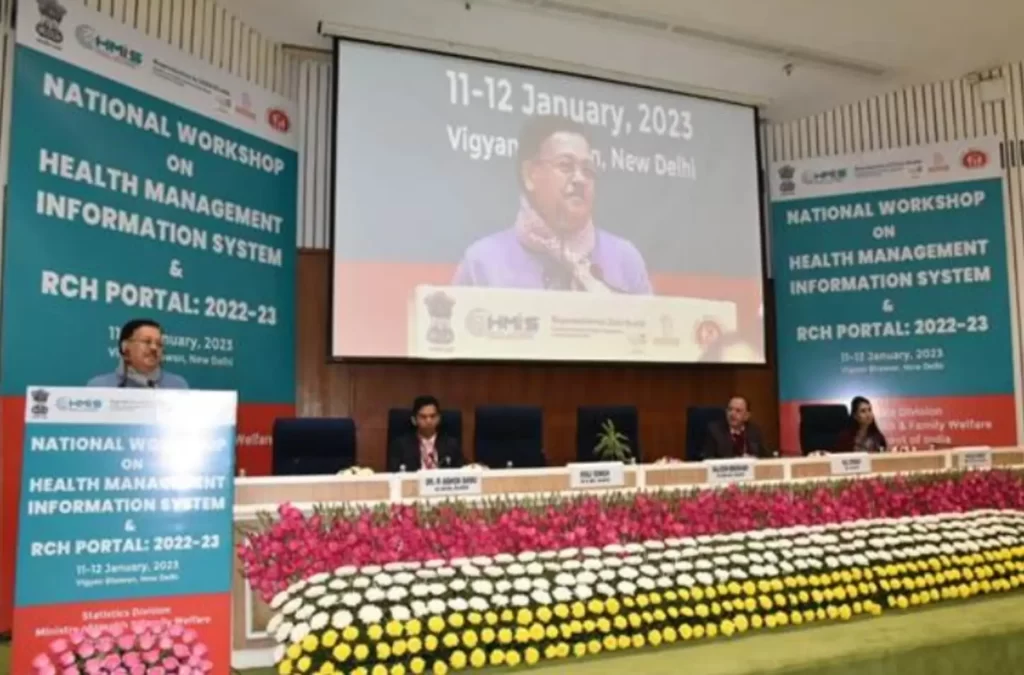
Speaking on the occasion, Union Health Secretary drew attention to the major developments happening in health sector over the past few past years. He noted that “across the country, more than 1.54 lakh Health and Wellness Centres (HWCs) have been operationalized. Along with offering 12 health packages free of cost, they also provide free drugs and diagnostics, free screening tests for common Cancers, Diabetes and Hypertension. Over one lakh HWCs are offering e-Sanjeevani Teleservices too.” “This is leading to generation of huge amount of digital data, which we need to ensure are uploaded and analyzed carefully”, he further added.
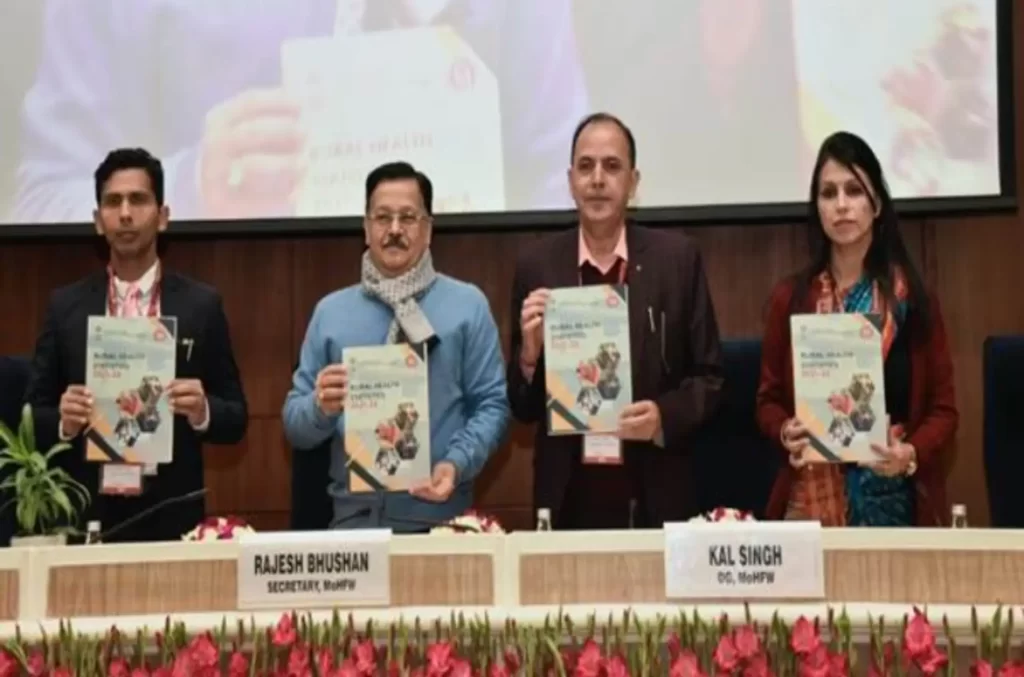
Focusing on another development of Ayushman Bharat Digital Mission (ABDM), Shri Rajesh Bhushan said that “we need to have greater harmony among RCH, HMIS portals and ABDM. Creation of longitudinal health records and interoperability is being ensured through creation of ABHA IDs. These can be linked with RCH and HMIS which can act as a gamechanger in health sector.” He further emphasized that “all health facilities are in a position to generate these ABHA IDs and link them to digital health records. Consequentially, this will create a robust ecosystem of paperless and hassle-free access to digital health records for our citizens.”
Union Health Secretary released three publications. These include the Rural Health Statistics 2021-22, an annual publication of MoHFW since the year 1992. This provides the data on health infrastructure including manpower up to 31st March of every year. The publication is based on the data uploaded by States/UTs on HMIS portal and published only after getting verified by respective States/UTs. It would serve as a vision document in identifying the gaps in the existing Healthcare Infrastructure and Human Resources in rural, urban and tribal areas of the country. It will serve as an important source of information for citizens too.
The other report released today is HMIS 2020-21 & 2021-22 report. It provides an analytical insight into the key performance indicators pertaining to maternal health, child health, immunization, coverage of family planning services, adolescent health, and patient services. In addition, an analytical chapter has been specifically incorporated to analyze the performance of District hospitals during these two years based on bed occupancy rate, C-Section rate, Blood replacement rate, rate of early initiation of breast-feeding, post-surgical infection rate etc.
Compendium of PRCs 2021-22 titled “Health for All: Prospects and Issues” was also unveiled today. The compendium contains selected research studies based on the primary as well as secondary data on Maternal Health, Child Health, Family Planning, Non-communicable diseases (NCDs) & communicable diseases (CDs) etc conducted by PRCs during the year 2021-22. Awards were given to PRC Srinagar, PRC Dharwad, PRC Kerala, PRC Bangalore for their respective research studies.
Dr. P Ashok Babu, Joint Secretary MoHFW, Shri Kal Singh, Director General, Ms. Anjali Rawat, Deputy Director General MoHFW were present at event. The workshop was also attended by HMIS and RCH nodal officers from States/UTs, Programme Divisions of Ministry, development partners and other stakeholders.
Union Minister of Health & Family Welfare, Dr. Mansukh Mandaviya addressed the 6th Meeting of the Central Institute Body (CIB) of All New AIIMS, here today. He was joined by Dr Bharati Pravin Pawar, Minister of State for Health and Family Welfare, Dr Anil Jain, Member of Parliament, Shri Ramesh Bhiduri, Member of Parliament and Dr VK Paul, Member (Health), NITI Aayog. Shri Rajesh Bhushan, Union Health Secretary, Dr Rajiv Bahl, Secretary, Department of Health Research and Dr Atul Goel, Director General of Health Sciences were also present on the occasion. CIB is the highest decision making body of all AIIMS for finance, infrastructure, vacancy, recruitment, enforcement of policies, challenges and procurement. The agenda of today’s CIB meeting was to review compliance of decisions taken in earlier CIB meetings.
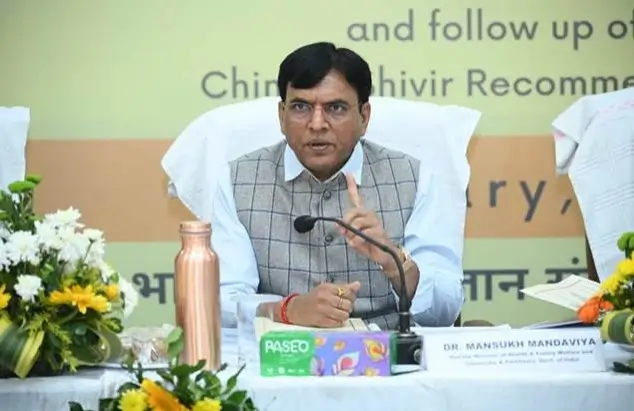
Welcoming all participants, including representatives of all AIIMS, eminent experts and special invitees to the 1st CIB meeting held outside Delhi, Dr Mandaviya said “this CIB is not only for review of compliance of earlier decisions but is also a Chintan Shivir for pooling in insights, fresh ideas, innovative thoughts and suggestions based on rich experience and expertise of all participants”. He emphasized that all AIIMS are pivotal national institutes of tertiary care and the vision is to make them institutes of global excellence. He further stressed that this can only happen with superior quality, clinical care, highest standards of medical education and cutting edge research.
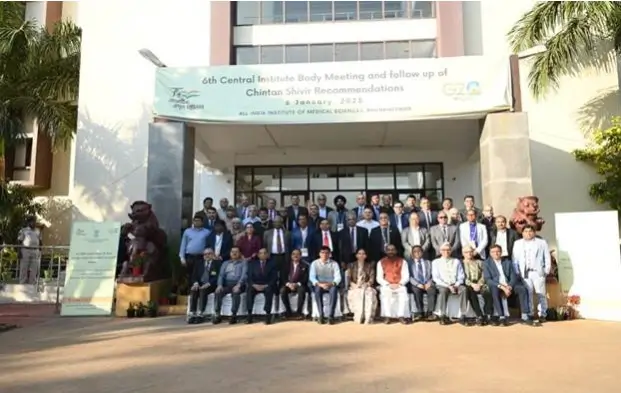
Providing a platform for thought provoking ideas and issues for larger collaborative ‘Samvaad’, he encouraged the dignitaries to take “learnings from other Institutes of National Importance such as IITs and IIMs”.
Highlighting the need for creation of metadata for AI and a professional work culture that can provide superior outcomes, the Union Minister encouraged all the AIIMS directors to create innovative models of functioning and present them in the next CIB meeting. He also urged all the officials to steadfastly work towards making AIIMS able to compete with the best in the world.
Dr Mandaviya appreciated the work done by all the AIIMS based on the recommendations of the previous CIB meetings. He urged the dignitaries to collaboratively work on the identified domains of improvement and make detailed reports on them. He also suggested them to further brainstorm on the important points discussed in today’s meeting. “We have to collectively set a new benchmark in India’s healthcare system”, he stated.
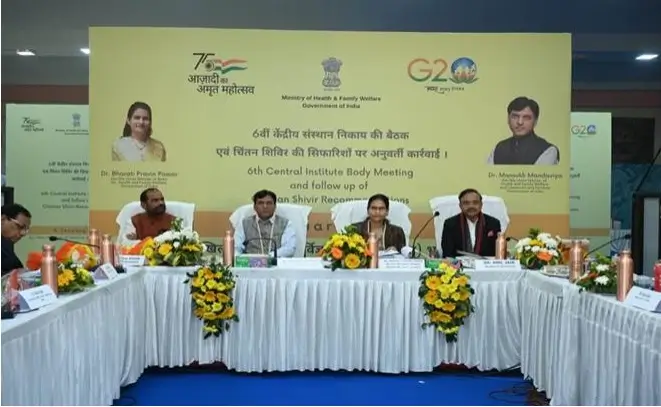
Prior to chairing the CIB meeting, the Union Health Minister also reviewed the functioning of AIIMS Bhubaneswar to assess patient services and interacted with the beneficiaries there.

Dr Bharati Pravin Pawar highlighted that the aim of the Govt is to take the brand of AIIMS to greater heights. She asked the delegates to study functioning model of globally successful medical institutions and implement the best practices locally. She also suggested for generating greater awareness among people on ABHA IDs and other govt schemes.

Various agendas were discussed at the meeting and detailed deliberations were held on follow up of earlier Chintan Shivir recommendations and functioning of all new AIIMS. Agendas discussed included Overview of New AIIMS under PMSSY, Sustainable Financial Model, Enhancing Patient Satisfaction & Use of ICT as Enabler, Management and Governance Paradigms & Managing Human Resources, Reaping Economies of scale in Procurement, Vision 2030, Outcome based Collaborative Research and use of Artificial Intelligence and follow up of remaining agendas of 5th CIB meeting.
The participants expressed their gratitude to the Union Health Minister for inviting them to this brain storming session which was conducted in a streamlined and thought provoking manner, where they could freely express their views and share suggestions. They also expressed their appreciation for providing them with a great learning experience.
Shri Manohar Agnani, AS, Ministry of Health and Family Welfare, Shri Jaideep Kumar Mishra, AS and FA GOL, Ministry of Home Affairs, Dr N K Arora, President, AIIMS Deogarh, Dr Pramod Garg, President, AIIMS Awantipora, Dr Chitra Sarkar, President, AIIMS Kalyani, Prof. Vijay Kumar Shukla, Rector and Vice Chancellor, Banaras Hindu University, senior officers and representatives from the Ministry of Health and Family Welfare, NITI Aayog, AIIMS, NIMHANS and ICMR participated in the day-long conference.
With an objective to shift the focus of measuring performance of hospitals from volume of services provided to the value of healthcare services, National Health Authority (NHA) is introducing a new system to measure and grade hospital performance under the flagship scheme Ayushman Bharat Pradhan Mantri Jan Arogya Yojana (AB PM-JAY).
Traditionally, from the payer’s perspective, the healthcare model has been focussed on the quantity of services delivered, where case-based bundled payment is made on the basis of the number of services provided. The new initiative will introduce the concept of ‘value- based care’, where payment will be outcome based and providers will be rewarded according to the quality of the treatment delivered. Under the new model, the providers will be rewarded for helping the patients improve their health, which consequently will reduce the effects of disease in the population in the long term.
The step promises significant increase in the overall health gains and is expected to be a win-win for all concerned stakeholders from patients to healthcare providers, payers and suppliers. While the patients will get better health outcomes and higher satisfaction out of the services they receive, providers stand to get better care efficiencies. Similarly, payers will be able to maximize the health benefits generated out of the spending incurred.
Speaking on the initiative Dr. R.S. Sharma, CEO, National Health Authority said, “To ensure PM-JAY beneficiaries receive both cashless healthcare benefits and high-quality care at every empanelled hospital, NHA has implemented various measures. These measures include standardizing the cost of treatment under the scheme and adding new and advanced treatment procedures. Additionally, NHA has made a provision to incentivize best performing hospitals that provide quality care to patients.”
In a value-based healthcare system, the payers can also exercise strong cost controls. A healthier population with fewer claims translates into less drain on payers’ premium pools and investments. Suppliers would benefit from being able to align their products and services with positive patient outcomes and reduced cost. Altogether, value-based care promises to significantly improve healthcare landscape in India by incentivizing and encouraging healthcare providers to focus more on delivering patient centric services.
Under value-based care, the performance of AB PM-JAY empanelled hospitals will be measured based on five performance indicators such as: 1. Beneficiary Satisfaction; 2. Hospital Readmission Rate; 3. The extent of Out-of-Pocket Expenditure; 4. Confirmed Grievances and 5. Improvement in-patient’s Health-Related Quality of Life.
The performance of the hospitals based on the above indicators shall also be made available on a public dashboard that will help the beneficiaries to make an informed decision. In this way, the hospital performance shall not only determine the financial incentive of the hospital but also create a demand for quality treatment of beneficiaries under PMJAY.
Collectively these interventions of performance assessment and value-based incentives, use of health technology assessment, and use of digital tools to monitor the quality of care will transform AB PM-JAY and the Indian health system from a volume-based to a value-based health care delivery system.
Union Minister of Health and Family Welfare, Dr Mansukh Mandaviya interacted with around 150 representatives of private medical colleges in the presence of Dr Bharati Pravin Pawar, Union Minister of State for Health and Family Welfare, at Vigyan Bhawan today.
Speaking on the occasion, Dr Mandaviya said that “the aspiration and vision of Govt for medical education reform can be fulfilled only when the Medical Colleges are active partners. To create this atmosphere, consultation and samvaad is very important. He stated that there is a need to create an eco-system & environment where NMC and Medical Colleges share a goal for superior quality medical education.
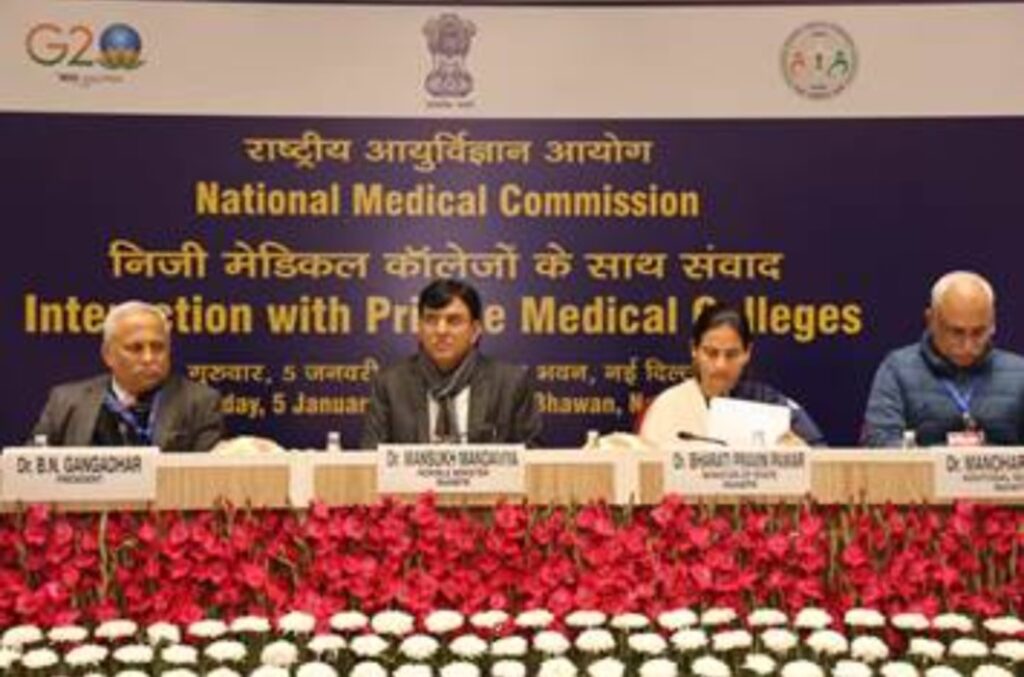
Highlighting the need to transform and regulate medical education, the Union Health Minister sought the partnership of NMC and Medical Colleges for strong medical education and cautioned those who do not share the vision of providing superior medical education. He also suggested for reforms like biometrics attendance in medical institutions.
He gave a strong message that the Govt is committed to ensuring best medical colleges and medical education. He informed that the government has increased the number of medical colleges to 648 from 387 medical colleges in 2014.
Dr Bharati Pravin Pawar noted that image of Indian doctors abroad has strengthened the recognition of medical education sector of India. She stated that “India’s remarkable growth story has raised expectation from various sectors of India of which health forms a crucial component”. “As Hon’ble Prime Minister has always stressed the country can grow strong with “sabka prayaas”. The role of private medical colleges is crucial for bringing a paradigm shift in medical education. We should move strongly for “India Brand” of medical doctors and education which epitomizes quality and credibility”, she further stated.
Various initiatives taken by NMC for reforming medical education at UG level were presented to the participants. This included steps for equal distribution of colleges following Prime Minister 's vision of "One District, One Medical College"; introduction of yoga module; village outreach through Family Adoption Program; medical education in bilingual languages; anti-raging cells; academic calendar for 2022-23 batch.
The issues discussed regarding Medical Assessment Rating Board covered themes such as recognition of backlogs and clearing renewals; friction free assessments; assessment in a window period or timeframe; reduction in mismatch between assessor and specialty; availability of teachers in pre and para- clinical courses; face recognition and Aadhar Enabled Biometric System (AEBMS); feasibility of skill labs to compensate fewer clinical load; concerns regarding crowding by medical colleges in some areas; reduction in repeated assessments of medical colleges; increase in validity period of recognition etc. Dr Mandaviya encouraged the Academy and researchers to collaborate with the private sector in research and innovation. He also welcomed any suggestion from the audience for improving the health sector in India.
The representatives from the private medical colleges thanked the Union Health Minister for interacting with them and for providing this opportunity to share their feedback, insights and suggestions on crucial aspects of medical education.
During the 'Samvaad' which lasted for nearly two hours, representatives from private medical colleges raised issues and proffered suggestions related to NEET PG, NEXTT, admissions, retirement age of faculty, journal publications, bond for rural posting, district residency program, super specialty courses, internship in community medicine, less faculty in some streams such as forensics, etc.
Dr Manohar Agnani, Addl, Secretary, MoHFW, Dr B N Gangadhar, President NMC, Dr Aruna Vanikar, President UGMEB (UG Medical Education Board), Dr Vijay Oza, President PGMEB (PG Medical Education Board), and other members of NMC were present at the interaction, along with senior officers of MoHFW.
A new product Jan Aushadhi Special Chyawanprash under Pradhan Mantri Bhartiya Janaushadhi Pariyojana (PMBJP) launched in New Delhi today. Chief Executive Officer of Pharmaceuticals & Medical Devices Bureau of India (PMBI) Shri Ravi Dadhich launched this new product. This Chwanprash Special will now be available at all Jan Aushadhi Kendras across the country at reasonable price. Chyawanprash Special is a potent antioxidant paste, prepared through the synergistic blending of around 50 herbs and spices.

With an objective of making quality generic medicines available at affordable prices to all, Pradhan Mantri Bhartiya Janaushadhi Pariyojana (PMBJP) was launched in 2008 by the Department of Pharmaceuticals, Ministry of Chemicals & Fertilizers, Government of India. Pharmaceuticals & Medical Devices Bureau of India (PMBI), the implementing agency of Pradhan Mantri Bhartiya Janaushadhi Pariyojana (PMBJP) has successfully implemented the scheme across India. Currently, there are more than 9000 Janaushadhi Kendras have been opened in the country. The successful implementation of the scheme has already achieved 869.12 Crore sales in the current financial year, and it is aiming to reach the target of 1200 Crore in this financial year. At present, these 9000 Kendras ensures availability of more than 1759 medicines and 280 surgical devices including Suvidha Sanitary pads which are sold at Rs. 1/- per pad. Prices of the Jan Aushadhi medicines are generally 50%-90% less than that of branded medicines prices which are available in the open market. In all, during the past 8 years, total savings of approximately Rs. 18000 crores for the citizens have been possible due to this noble scheme.