
The 10th Session of the India-Oman Joint Commission Meeting (JCM) was held on 11 May 2022 in New Delhi. It was co-chaired by Shri Piyush Goyal, Union Minister of Commerce & Industry, Consumer Affairs, Food & Public Distribution and Textiles, Government of India and H.E. Mr. Qais bin Mohammed al Yousef, Hon’ble Minister of Commerce, Industry and Investment Promotion of the Sultanate of Oman, who is in India now with a 48-member delegation comprising senior officials and business leaders.
Significant Outcomes of the 10th India-Oman JCM:
With forward-looking and solution-oriented deliberations, the JCM witnessed significant progress on all matters of mutual interest across the entire gamut of bilateral economic relations between the two countries. Some of the important outcomes of the meeting are summarized below:
Fast tracking of approvals for registration of Indian pharmaceutical products already registered by USFDA, UKMHRA and EMA was agreed to during the deliberations.
Joint release of a Market Research Report commissioned by the Embassy of India, Muscat on Pharmaceutical sector in Oman highlighting strategies and opportunities for Indian companies in Oman in this sector.
Appreciation by India for the signing and ratification of International Solar Alliance (ISA) Framework Agreement by Oman and for acceptance of the Green Grids/'One Sun One World One Grid' (OSOWOG) initiative of Prime Minister Narendra Modi for connecting solar energy supply across borders.
Expression of commitment from both sides to facilitate trade and to comprehensively address all issues pertaining to Tariff/Non-Tariff Barriers.
Agreement on expeditious conclusion of all Memorandum of Understanding (MoUs)/ Agreements under discussion, including on standards and metrology, India-Oman Double Taxation Avoidance Agreement, India-Oman Bilateral Investment Treaty, Invest Oman and Invest India, and Rupay card acceptance in Oman etc.
Enhance collaboration across a range of fields with particular emphasis on the 3Ts (Trade, Technology, Tourism), food & agriculture, renewable energy including Green Hydrogen and Green Ammonia, health and pharmaceuticals, mining, manufacturing, IT, sports, culture, youth and tourism.
Bilateral trade has been witnessing robust growth increasing from US$ 5.4 billion in 2020-21 to US$ 9.94 billion during 2021-2022, an impressive annual growth of 82.6%. Indian firms have invested heavily in Oman in various sectors like iron and steel, cement, fertilizers, textile, cables, chemicals, automotive, etc. There are over 6,000 Indian enterprises and establishments in Oman with an estimated investment of US$ 7.5 billion. Cumulative FDI equity inflows from Oman to India during the period April 2000-December 2021 have amounted to USD 558.68 million.
H.E. Minister Qais of Oman extended a cordial invitation to CIM Shri Piyush Goyal to visit Oman in 2023 for the next session of the JCM. CIM accepted the invitation with pleasure. The dates will be decided through diplomatic channels.
A meeting of the India-Oman Joint Business Council is scheduled to be held tomorrow at 11:00 AM at Hotel Leela Palace, New Delhi. Large participation of business and investor communities from both the countries is expected at the event.
Union Minister of Health and Family Welfare, Dr Mansukh Mandaviya today inaugurated the ‘NEW STATE OF ART’ multi-speciality Out-patient and In-patient (OPD/IPD) blocks at Lady Hardinge Medical College (LHMC) and associated hospital, New Delhi in the presence of Dr Bharti Pravin Pawar, Union Minister of State for Health and Family Welfare.
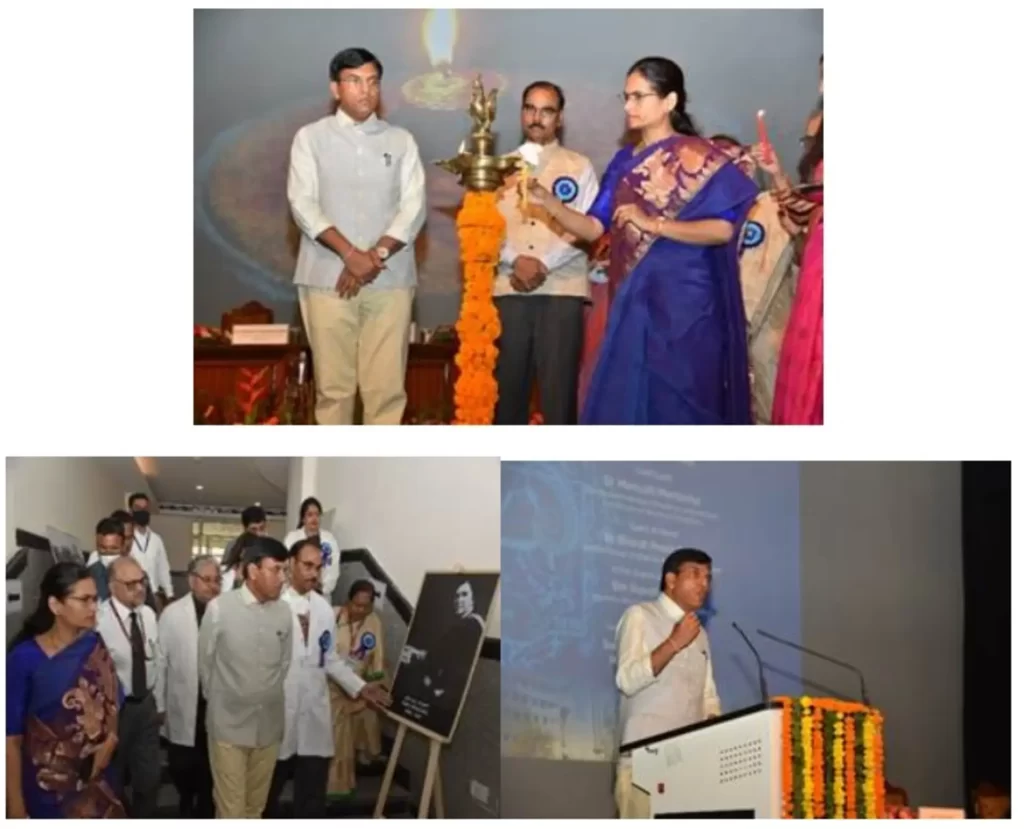
The new IPD Block will increase the bed strength of LHMC from 877 to more than 1000 beds. The IPD Block houses an additional highly sophisticated CT scanner. The new multi-speciality OPD Block has additional facilities for holistic health care including all medical and surgical specialities, Ayurveda, Yoga & Naturopathy & Homeopathy.
Speaking on the occasion, Dr Mansukh Mandaviya said that the country has moved away from a “token” towards a “total” approach. He said, “Today, under the leadership of our respected Hon’ble Prime Minister Shri Narendra Modi ji, the goal of the Central Government is to work holistically in the health sector with synergy between preventive healthcare and modern medical facilities. Along with reducing cost of treatment of the poor, efforts are also being made to rapidly increase the number of doctors. We need to think holistically and make the roadmap for long-term. This year, when we are celebrating Azadi Ka Amrit Mahotsav, we need to work together with a vision of how India’s health infrastructure will be when we will complete 100 years of independence”.
He further stated that states play a very crucial role in the implementation of any programme made by the Centre. “During the past 3-days Swasthya Chintan Shivir, held at Kevadia, Gujarat, all State Health Ministers shared their best practices and had a very fruitful discussion about how can we make it Universal”, he said.
The Union Health Minister further said that Jan Bhagidari is very important for the implementation of any action plan, programme, or scheme made by the Government of India. “Making health accessible, affordable and patient-friendly is very important. Our efforts need to be in the direction of advancement of the Nation; the Nation should always come first”, he noted.
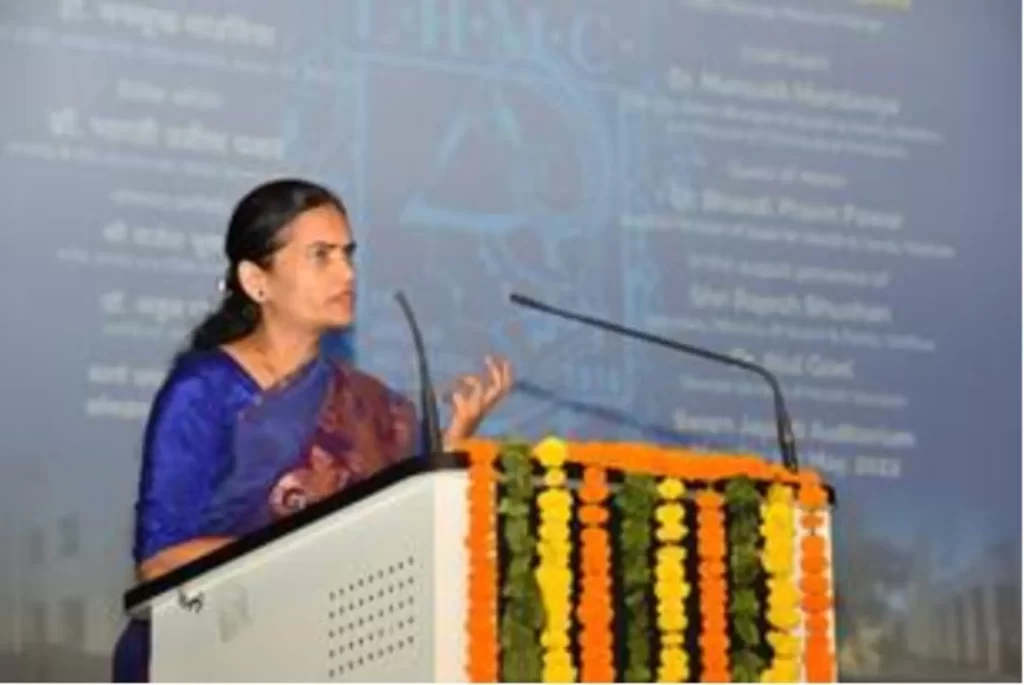
Dr Bharati Pravin Pawar, Union Minister of State expressed her elation at being present at the oldest medical college in the nation’s capital. She said, “this medical college has a long history of more than a century. The institute has come a long way and is progressing with times. It is important to note that better health facilities are not limited only to the treatment of diseases. They also encourage and promote social justice. When the poor get affordable and quality treatment, their faith in the system gets stronger”.
Dr Atul Goel, Director General Health Services, Dr Ram Chandra, Director, Lady Hardinge Medical College, faculty members, staff and students of the institution were present at the inauguration event.
The Vision of the Department of Pharmaceuticals is to promote Indian pharma sector as the global leader for quality medicines and to ensure availability, accessibility and affordability of drugs and medical devices in the country. One of the measures to achieve the vision is to concentrate on Research & Development and innovation. In order to achieve the same, the Department, amongst various other measures, has set up seven National Institutes of Pharmaceutical Education and Research (NIPERs) as institutes of national importance all across the country for imparting quality education and conducting high-end research.
NIPERs have recently launched a common Research portal for industry and researchers and have also prepared a Common Research Programme based on the national needs and their own expertise and facilities. The department is also soon coming up with a ‘Policy to catalyze Research & Development and Innovation in the Pharma- MedTech Sector in India’.
In order to encourage innovation and research and to facilitate the entrepreneurship in NIPERs, the Department of Pharmaceuticals, after considering the National Innovation &Startup Policy 2019, National IPR Policy 2016 and similar policies of other institutes/ departments has prepared ‘Common Guidelines on Pharmaceutical Innovation and Entrepreneurship’ for academic institutions under its control. The policy aims to transform the academic research into innovative and commercially applicable technologies/products; build strong ecosystem for nurturing creativity and entrepreneurial activities and contribute to self-reliant India mission (Atmanirbhar Bharat).
The Policy Guidelines aims to:
Encourages the faculty/staff members and students to pursue entrepreneurship;
Formulate policies & foster an ecosystem to generate ideas across disciplines that can be transformed into successful technologies, products, and services;
Establish a mechanism for technology development and technology transfer;
Create institutional framework for effective implementation, monitoring, and evaluation of the policy; and
Promote pharmaceutical innovation and entrepreneurship to foster the unmet therapeutic, socially impactful technologies delivering benefits to mankind
These Policy Guidelines, finalized with approval of the Minister for Chemicals and Fertilizers have been forwarded to all NIPERs for taking up further steps for their speedy and effective implementation.
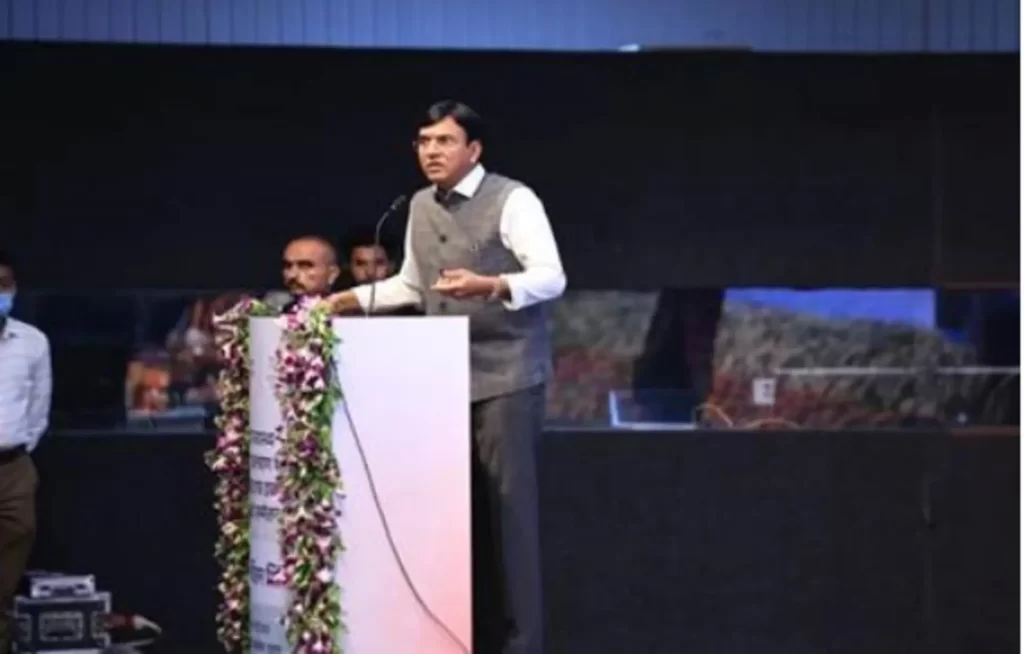
Union Minister of Health & Family Welfare, Dr. Mansukh Mandaviya presided over the 14th Conference of Central Council of Health & Family Welfare (CCHFW), an apex advisory body of Ministry of Health & Family Welfare (MoHFW), named as “Swasthya Chintan Shivir”, at Kevadia, Gujarat today in the presence of Shri Bhupendrabhai Patel, Chief Minister of Gujarat, Shri Brajesh Pathak, Deputy Chief Minister of Uttar Pradesh, Dr Bharati Pravin Pawar, Minister of State for Health and Family Welfare and Dr. V.K. Paul, Member (Health), NITI Aayog.
Health Ministers and Lieutenant Governor of 19 States and UTs are participating in the 3-day conference. They are Admiral D. K. Joshi, Lieutenant Governor, Andaman & Nicobar Islands, Shri Alo Libang, Health Minister, Arunachal Pradesh, Shri Keshab Mahanta, Health Minister, Assam, Shri Mangal Pandey, Health Minister, Bihar, Shri Rushikesh Patel, Cabinet Health Minister, Gujarat, Smt. Nimishaben Suthar, Health Minister of State, Gujarat, Shri Banna Gupta, Health Minister, Jharkhand, Dr. K Sudhakar, Health Minister, Karnataka, Smt. Veena George, Health Minister, Kerala, Dr. Prabhuram Choudhary, Health Minister, Madhya Pradesh, Shri Vishwas Sarang, Health Minister (ME), Madhya Pradesh, Shri Rajesh Tope, Health Minister, Maharashtra, Dr. Sapam Ranjan Singh, Health Minister, Manipur, Shri James P. K. Sangma, Health Minister, Meghalaya, Dr. R. Lalthangliana, Health Minister, Mizoram, Shri S Pangnyu Phom, Health Minister, Nagaland, Dr. Vijay Singla, Health Minister, Punjab, Shri Mani Kumar Sharma, Health Minister, Sikkim, Shri Thiru. Ma. Subramanian, Health Minister, Tamil Nadu and Dr. Dhan Singh Rawat, Health Minister, Uttarakhand. Shri K Lakhsminarayanan, Hon’ble Minister for Public Works, Puducherry was also present in the gathering.
The objective of the three-day conference is to review the implementation of policies and programmes relating to medical and public health sectors and to recommend ways and means for better implementation of these policies/programmes for benefit of the common people.
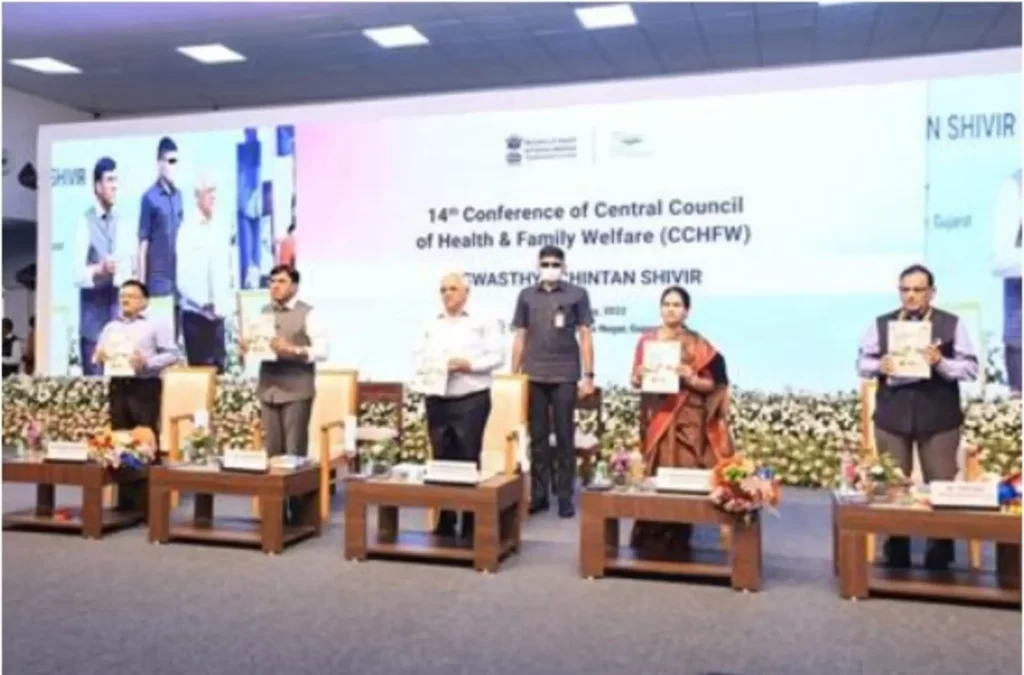
Dr Mandaviya started his address by stating that “the Statue of unity, a symbol of "Ekta" represents India's federal structure, working in a well-aligned democracy”. He expressed his optimism that “this summit, organized to do “chintan” on Azadi ka Amrit Mahotsav will provide us a collective and collaborative vision of the central and state govts and a roadmap for the next 25 years - the Amrit Kal of India's Independence”. He further stated that “this Chintan Shivir is the best example of federal democracy. Best practices from various states should be implemented at the national level. This is a platform for learning from each other.”
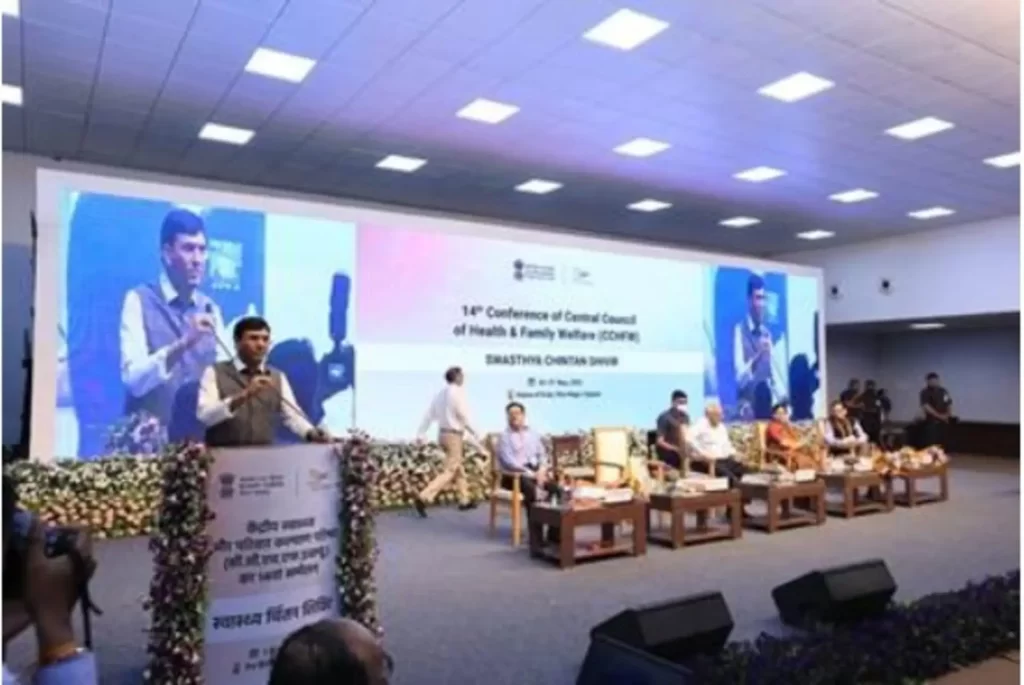
Underscoring the importance of moving forward with a holistic approach in the spirit of cooperative federalism, Dr Mandaviya reminded the audience that “when the world is still grappling with COVID, India under the leadership of Hon’ble Prime Minister has shown the world how the pandemic can be successfully managed. It is only through the joint and holistic efforts of the Centre and the States that we have tackled the COVID19 pandemic”.
Dr Mandaviya informed that the Centre and States are increasing their health budgets so that affordable healthcare can be made available to all. He highlighted that through PM-ABHIM, Govt of India has allotted Rs. 64,180 Cr. for strengthening public health infrastructure across all states/UTs while the overall health budget in the last 6-7 years increased from Rs. 37,000 Cr to Rs. 86,000 Cr.
Praising India’s COVID warriors and frontline workers, Dr Mandaviya noted that “the entire world is appreciating India’s COVID management model and vaccination drive. “To achieve 1st dose coverage of vaccines for 95% of all adults is hugely commendable”, he stated.
Shri Bhupendrabhai Patel expressed his elation at the Statue of Unity, Kevadia being chosen for this national conference, stating that “there cannot be a better place for this national conference”. He stated that Hon’ble Prime Minister’s philosophy of ‘Sabka Saath, Sabka Prayas’ has strengthened India’s resolve to collectively fight the COVID19 pandemic.
Dr. Bharati Pravin Pawar noted that this three-day Chintan Shivir will bring out focused discussions on the health challenges in the times ahead and the best practices to overcome them. She stressed on the need for innovation and policies for providing high quality services to people and community at the ground level. “We have to work on how to turn challenges into opportunities and becoming ‘Atma Nirbhar’ in the health sector”, she stated.
Addressing the gathering, Dr. V.K. Paul noted that today is a historic day as this manthan will help us to refocus and reorient the health ecosystem in the country for the benefit of all. He noted that this summit provides a perfect platform to learn from each other and work towards ensuring accessible and affordable health care for all. He stated that “COVID taught us to work together and future health systems should be based on our learnings from COVID. An India based global Health systems should be our objective where service delivery, information system, monitoring and public participation would form a vital part”. He also gave an overview of how India should further aim to revitalise the National Health Mission.
On the occasion of Chintan Shivir, the Union Health Minister released the National Report of the fifth round of National Family Health Survey (NFHS-5) and the Rural Health Statistics Publication for year 2020-21. The NQAS (Net Quality Assurance Standards) portal of the Ministry of Health & Family Welfare and Pradhan Mantri National Dialysis portal was launched at the event.
Shri Rajesh Bhushan, Union Health Secretary, Dr Balram Bhargava, DG, ICMR, Dr. Randeep Guleria, Director AIIMS New Delhi and other senior officials of the Health Ministry and States were also present in the meeting.
Union Minister for Health and Family Welfare, Dr. Mansukh Mandaviya released the National Report of the fifth round of National Family Health Survey (NFHS-5) in the presence of Shri Bhupendrabhai Patel, Chief Minister of Gujarat and Dr. Bharati Pravin Pawar, Union Minister of State for Health and Family Welfare, at the 'Swasthya Chintan Shivir' being held at Vadodara, Gujarat today.
The report comprises of detailed information on key domains of population, health and family welfare and associated domains like characteristics of the population; fertility; family planning; infant and child mortality; maternal and child health; nutrition and anaemia; morbidity and healthcare; women’s empowerment etc.
The main objective of successive rounds of the NFHS has been to provide reliable and comparable data relating to health and family welfare and other emerging areas in India. The NFHS-5 survey work has been conducted in around 6.37 lakh sample households from 707 districts (as on March, 2017) of the country from 28 States and 8 UTs, covering 7,24,115 women and 1,01,839 men to provide dis-aggregated estimates up to district level. The national report also provides data by socio-economic and other background characteristics; useful for policy formulation and effective programme implementation.
The scope of NFHS-5 is expanded in respect of earlier round of the survey (NFHS-4) by adding new dimensions such as death registration, pre-school education, expanded domains of child immunization, components of micro-nutrients to children, menstrual hygiene, frequency of alcohol and tobacco use, additional components of non-communicable diseases (NCDs), expanded age range for measuring hypertension and diabetes among all aged 15 years and above, which will give requisite inputs for monitoring and strengthening existing programmes and evolving new strategies for policy intervention. Thus, NFHS-5 provides information on important indicators which are helpful in tracking the progress of Sustainable Development Goals (SDGs) in the country. NFHS-4 (2015-16) estimates were used as baseline values for a large number of SDG indicators and NFHS- 5 will provide data for around 34 SDG indicators at various levels.
India has made significant progress in population control measures in recent times. The Total Fertility Rates (TFR), an average number of children per women, has further declined from 2.2 to 2.0 at the national level between NFHS-4 & 5. There are only five States in India, which are above replacement level of fertility of 2.1. They are Bihar (2.98), Meghalaya (2.91), Uttar Pradesh (2.35), Jharkhand (2.26) Manipur (2.17).
Overall Contraceptive Prevalence Rate (CPR) has increased substantially from 54% to 67% in the country. Use of modern methods of contraceptives has also increased in almost all States/UTs. Unmet needs of family Planning have witnessed a significant decline from13 per cent to 9 per cent. The unmet need for spacing, which remained a major issue in India in the past has come down to less than 10 per cent.
The proportion of pregnant women who had an ANC visit in the first trimester increased from 59 to 70 percent between NFHS-4 and NFHS-5. In most of the States, with the maximum increase of 25 percentage points in Nagaland, followed by Madhya Pradesh and Haryana was noticed. In contrast, Goa, Sikkim, Punjab and Chhattisgarh showed marginal decrease in first trimester ANC visits. A considerable progress is noticed in 4+ ANC at the national level from 51 percent in 2015-16 to 58 percent in 2019-21.
Institutional Births have increased substantially from 79 percent to 89 percent in India. Even in rural areas around 87 percent births are delivered in Institutions and same is 94 percent in urban areas. Institutional births increased by a maximum of 27 percentage points in Arunachal Pradesh, followed by over 10 percentage points in Assam, Bihar, Meghalaya, Chhattisgarh, Nagaland, Manipur, Uttar Pradesh, and West Bengal. Over 91 percent of districts have more than 70 percent of births in the last 5 years that took place in health facilities.
In NFHS-5, more than three-fourths (77%) children age 12-23 months were fully immunized, compared with 62 percent in NFHS-4. Full vaccination coverage among children ranges from 57 percent in Nagaland to 95 percent in DNH & DD. Odisha (91%), Tamil Nadu (89%), and West Bengal (88%) also have shown relatively higher immunization coverage.
The level of stunting among children under 5 years has marginally declined from 38 to 36 percent for India since the last four years. Stunting is higher among children in rural areas (37%) than urban areas (30%) in 2019-21. Variation in stunting ranges from the lowest in Puducherry (20%) and highest in Meghalaya (47%). A notable decrease in stunting was observed in Haryana, Uttarakhand, Rajasthan, Uttar Pradesh and Sikkim (7 percentage points each), Jharkhand, Madhya Pradesh and Manipur (6 percentage points each), and Chandigarh and Bihar (5 percentage points each).Compared with NFHS-4, the prevalence of overweight or obesity has increased in most States/UTs in NFHS-5. At national level, it increases from 21 percent to 24 percent among women and 19 percent to 23 percent among men. More than a third of women in Kerala, A&N Islands, Andhra Pradesh, Goa, Sikkim, Manipur, Delhi, Tamil Nadu, Puducherry, Punjab, Chandigarh and Lakshadweep (34-46 %) are overweight or obese.
NFHS-5 shows an overall improvement in SDG indicators in all States/UTs. The extent to which married women usually participate in three household decisions (about health care for herself; making major household purchases; visit to her family or relatives) indicates that their participation in decision making is high, ranging from 80 percent in Ladakh to 99 percent in Nagaland and Mizoram. Rural (77%) and urban (81%) difference is found to be marginal. The prevalence of women having a bank or savings account that they use has increased from 53 to 79 percent in the last 4 years.
Between NFHS-4 and NFHS-5, the use of clean cooking fuel (44% to 59%) and improved sanitation facilities (49% to 70%), including a hand-washing facility with soap and water (60% to 78%) have improved considerably. There has been a substantial increase in the proportion of households using improved sanitation facilities, which could be attributed to the Swatch Bharat Mission programme.
The Ministry of Health and Family Welfare (MoHFW), Government of India has launched a number of flagship programmes, such as Ayushman Bharat, Poshan Abhiyan etc., to improve the health of the Indian population in general and the vulnerable and deprived sections of the population in particular. Moreover, India is also moving towards the direct bank transfer of benefits to the beneficiaries of its various programmes. In addition, India has committed to achieve Sustainable Development Goals (SDGs). The MoHFW is constantly monitoring the SDG related health goals. Due to the ongoing COVID-19 pandemic, a number of new challenges related to health system have been emerged in the country.
In this context, NFHS-6, which is scheduled to be conducted during 2023-24, propose to cover various new domain areas, which include:
“COVID-19 hospitalization and distress financing, COVID-19 vaccinations, Director Benefit Transfers (DBT) under various welfare schemes initiated by GoI, Migration, Utilization of health services –Health and wellness centre, health insurance/ health financing, digital literacy, counselling on family planning after abortion and incentives under new methods of family planning, quality of family planning programme, menstrual hygiene, marital choice, visit by community health workers for health awareness and needs, supplementary nutrition from the Anganwadi/ ICDS center while breastfeeding, blood transfusion (month and year), financial inclusion among women, knowledge of anaemia, Hepatitis B &C, Syphilis etc.”
Unlike in previous rounds, NFHS-6 will adopt Urban Frame Survey (UFS, 2012-17) of NSO, MoSPI as a sampling frame for urban area. This strategy will minimize the non-sampling errors to large extent as the boundary identification problems using 2011 census frame will be resolved. While for rural areas, updated list of villages from NSO will be used as a frame, which would be matched with the PCA from the Census to get auxiliary information.
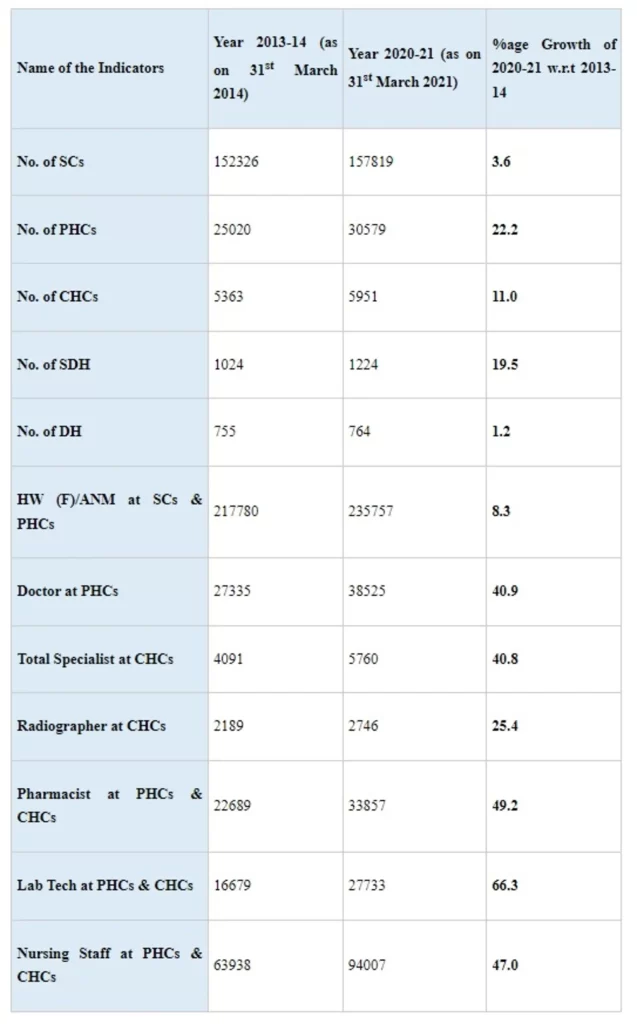
On the occasion of Chintan Shivir, the Ministry of Health and Family Welfare has also released the Rural Health Statistics publication for the year 2020-21 (as on 31st March, 2021). It is a vital source of information on health infrastructure and human resources available in the public health institutions of all States/UTs. It also facilitates identification of additional resources for better management of public health delivery system. The data is extensively used for decision making and policy intervention by Policy Planners, researchers, NGOs and other stakeholders.
As per RHS 2020-21, there are 157819 Sub Centres (SC), 30579 Primary Health Centres (PHCs) and 5951 Community Health Centres (CHCs) respectively functioning in rural and urban areas of the country. Besides this, a total of 1224 Sub Divisional/Sub District Hospital and 764 District Hospitals (DHs) are operational throughout the country.
The publication also provides the information on requirement, vacancy and shortfall of key infrastructures and human resources across the country based on specific norms which helps in filling the gaps, if any.
Ministry of Health & Family Welfare (MoHFW) has been publishing Rural Health Statistics (RHS) publication since the year 1992, which contains important and crucial information related to Human Resources and Health Infrastructure available in the Public Health facilities of India as on 31st March of every year.
Based on the new requirement, the formats of the publication have been changed from time to time. From the year 2018-19 onwards, the data with respect to the Urban Health components have also been included in the publication.
For planning of health programmes and policy in the country, this publication is used by various stakeholders like policy makers, researchers, NGOs and various Institutions working in the field of Public Health. It also serves as important sources of information for various RTIs and Parliament related questions.
Ministry of Health & Family Welfare (MoHFW) has been publishing Rural Health Statistics (RHS) publication since the year 1992, which contains important and crucial information related to Human Resources and Health Infrastructure available in the Public Health facilities of India as on 31st March of every year.
Based on the new requirement, the formats of the publication have been changed from time to time. From the year 2018-19 onwards, the data with respect to the Urban Health components have also been included in the publication.
For planning of health programmes and policy in the country, this publication is used by various stakeholders like policy makers, researchers, NGOs and various Institutions working in the field of Public Health. It also serves as important sources of information for various RTIs and Parliament related questions.
Indian pharma exports witnessed a growth of 103% since 2013-14, from Rs. 90, 415 Crores in 2013-14 to Rs. 1,83,422 Crores in 2021-22. The exports achieved in 2021-22 is the Pharma Sector’ best export performance ever. It is a remarkable growth with exports growing by almost USD 10 billion in 8 years.
Highlighting the achievement in a tweet, the Union Minister of Commerce and Industry, Consumer Affairs, Food and Public Distribution and Textiles, Shri Piyush Goyal said that Under the active leadership of Prime Minister, Shri Narendra Modi India has been serving as the 'pharmacy of the world'.

Building on the outstanding performance in the previous FY 2020-21, Indian pharma exports once again registered a healthy performance in 2021-22. The pharma exports in 2021-22 sustained a positive growth despite the global trade disruptions and drop in demand for COVID related medicines. The trade balance continues to be in India’s favour, with a surplus of USD 15175.81 Million.
Indian pharma companies enabled by their price competitiveness and good quality, have made global mark, with 60 per cent of the world’s vaccines and 20% of generic medicines coming from India.
India ranks 3rd worldwide for production by volume and 14th by value. Behind India’s pharma success story is our world class manufacturing excellence, robust infrastructure, cost-competitiveness, trained human capital and innovation. The current market size of the Indian pharmaceutical industry is around USD 50 billion.
The share of pharmaceutical and drugs in our global exports is 5.92%. Formulations and biologicals continue to account for a major share of 73.31% in our total exports, followed by Bulk drugs and drug intermediates with exports of USD 4437.64 million. India’s top 5 pharma export destinations are USA, UK, South Africa, Russia and Nigeria.
It is also noteworthy that around 55 % of our pharma exports cater to highly regulated markets. Indian pharma companies have a substantial share in the prescription market in the US and EU. The largest number of FDA approved plants outside the US is in India.
Even in the year, 2020-21, Indian drugs and pharmaceuticals had registered a sharp growth amid the COVID despair, achieving an export of USD 24.4 Bn with a YoY growth of 18%.
The extraordinary exports growth in 2020-21 was achieved braving the frequent lock downs, global supply chain disruptions and the depressed manufacturing sector. Indian pharma industry played a pivotal role in fighting against the COVID pandemic and demonstrating to the world that we continue to be a reliable and dependent partner when it comes to dealing with a global health crisis.
Indian vaccine industry developed Covid vaccine with indigenous technology in collaboration with India’s research institution like ICMR and NIV with in shortest time on par with highly developed countries like America and EU. India provided 115million doses of vaccines to more than 97 countries.
As part of the trade agreements, India also signed cooperation agreement with UAE and Australia which will give enhanced access to Indian pharma products to these markets.
Government of India is providing support to establish Integrated Public Health Laboratories (IPHL) in all the 730 districts of States/UTs in phased manner under PM-Ayushman Bharat Health Infrastructure Mission (PM-ABHIM). For Financial Year 2021-22, Integrated Public Health Laboratories in 70 Districts across the country are envisaged for establishment/strengthening.
The total fund allocated for the establishment of IPHL in the States/UTs is Rs. 1482.50 Crores for the period of 5 years from 2021-22 to 2025-26.
The Union Minister of State for Health and Family Welfare, Dr. Bharti Pravin Pawar stated this in a written reply in the Rajya Sabha today.
The Section 10 (Clause (i) of Sub-section (1)) of National Medical Commission Act, 2019 provides for framing of guidelines for determination of fees and all other charges in respect of fifty percent of seats in private medical institutions and deemed to be universities which are governed under the provisions of the Act. Accordingly, National Medical Commission (NMC) has framed the guidelines and the same was issued on 03.02.2022.
The Government has taken following steps to increase the opportunities for medical studies, within the country. The number of UG seats have increased from 51,348 before 2014 to 89875 seats as of date which is an increase of 75%. The numbers of PG seats have increased by 93% from 31,185 seats before 2014 to 60202 seats.
The steps to increase the seats include: -
Centrally Sponsored Scheme for establishment of new medical college by upgrading district/ referral hospital under which 157 new medical colleges have been approved and 71 are already functional.
Centrally Sponsored Scheme for strengthening/ upgradation of existing State Government/Central Government Medical Colleges to increase MBBS and PG seats.
Central Sector Scheme for upgradation of Government Medical Colleges by construction of Super Specialty Blocks. A total of 75 projects have been approved and 55 have been completed.
Under Central Sector Scheme for setting up of new AIIMS, 22 AIIMS have been approved. Undergraduate courses have started in 19 AIIMS.
Relaxation in the norms for setting up of Medical College in terms of requirement for faculty, staff, bed strength and other infrastructure.
DNB qualification has been recognized for appointment as faculty to take care of shortage of faculty.
Enhancement of age limit for appointment/ extension/ re-employment against posts of teachers/dean/principal/ director in medical colleges up to 70 years.
The Union Minister of State for Health and Family Welfare, Dr. Bharti Pravin Pawar stated this in a written reply in the Rajya Sabha today.
Health is a state subject and the primary responsibility for strengthening health care services including implementation of national programs lies with the respective State/UT government. However, Government has taken steps to improve the condition of anaemia among all identified groups in all States/UTs.Under National Health Mission (NHM) the Government provides financial and technical support to States/UTs for implementation of Anaemia Mukt Bharat Strategy as proposed by the States/UTs in their annual Programme Implementation Plans.
The Government has ascertained the condition of pregnant women in the country and various steps taken by the Government of India, to improve health condition of pregnant women including for anemia, in all States/UTs, are as follows:
Surakshit Matritva Aashwasan(SUMAN) provides assured, dignified, respectful and quality healthcare at no cost and zero tolerance for denial of services for every woman and newborn visiting public health facilities to end all preventable maternal and newborn deaths.
Janani Suraksha Yojana (JSY), a demand promotion and conditional cash transfer scheme for promoting institutional delivery.
Under Janani Shishu Suraksha Karyakram (JSSK), every pregnant woman is entitled to free delivery, including caesarean section, in public health institutions along with the provision of free transport, diagnostics, medicines, other consumables & diet.
Pradhan Mantri Surakshit Matritva Abhiyan (PMSMA) provides pregnant women a fixed day, free of cost assured and quality antenatal check up by a Specialist/Medical Officer on the 9th day of every month.
LaQshya improves the quality of care in labour room and maternity operation theatres to ensure that pregnant women receive respectful and quality care during delivery and immediate post-partum.
Monthly Village Health, Sanitation and Nutrition Day (VHSND) is an outreach activity at Anganwadi centers for provision of maternal and child care including nutrition in convergence with the ICDS.
Delivery Points- Over 25,000 ‘Delivery Points’ across the country have been strengthened in terms of infrastructure, equipment, and trained manpower for provision of comprehensive RMNCAH+N services.
MCP Card and Safe Motherhood Booklet are distributed to the pregnant women for educating them on diet, rest, danger signs of pregnancy, benefit schemes and institutional deliveries.
Reproductive and child health (RCH) portal is a name-based web-enabled tracking system for pregnant women and new born so as to ensure seamless provision of regular and complete services to them including antenatal care, institutional delivery and post-natal care.
The details of the steps taken by the Government to address the problem of anaemia across the country including Odisha are:
Prophylactic Iron and Folic Acid Supplementation in all six target age groups.
Intensified year-round Behaviour Change Communication (BCC) Campaign for:(a) improving compliance to Iron Folic Acid supplementation and deworming, (b) enhancing appropriate infant and young child feeding practices, (c) encouraging increase in intake of iron-rich food through diet diversity/quantity/frequency and/or fortified foods with focus on harnessing locally available resources.
Management of severe anaemia in pregnant women undertaken by administration of IV Iron Sucrose/Blood transfusion.
Field level awareness by ASHAs through community mobilization activities and IEC and BCC activities.
The Union Minister of State for Health and Family Welfare, Dr. Bharti Pravin Pawar stated this in a written reply in the Rajya Sabha today.
In total 239 applications have been received for the 36 products spread across the 4 Target Segments for the PLI schemes for Bulk Drugs from all over the country in two rounds of applications. Out of these, 49 applications have been approved by the Government till date.
The Government promoted the Scheme by holding meetings with the Industry associations, manufacturers & investors. It also held interactions with number of state governments as well as foreign embassies. The Guidelines of the Scheme were also uploaded on the Department’s website for wider dissemination. The Scheme was also promoted through print and electronic media as well as social media handles.
The selected 49 applications are from 33 companies, Out of these 33 companies, 13 are Micro, Small and Medium Enterprises (MSMEs) besides some newly incorporated entities. The scheme provides for minimum domestic value addition to be achieved by each approved applicant. Thus, these large number of projects approved under the Scheme will also accelerate domestic procurement, which will further strengthen the eco system and marketplace for MSME sector.
The information was given by the Minister of State for Chemicals and Fertilizers, Shri Bhagwanth Khuba in a written reply in the Rajya Sabha today.