
“India is driven by the philosophy of ‘Vasudaiva Kutumbakam’ which has inspired us to gift COVID-19 vaccines, HCQs and other medical necessities to all our friends. Further, India is willing to supply Covishield and Covaxin to all the countries present.” This was stated by Dr. Mansukh Mandaviya, Union Minister for Health and Family Welfare and Pharmaceuticals today in his meeting with the ambassadors of Latin American and Caribbean nations (the GRULAC formation)
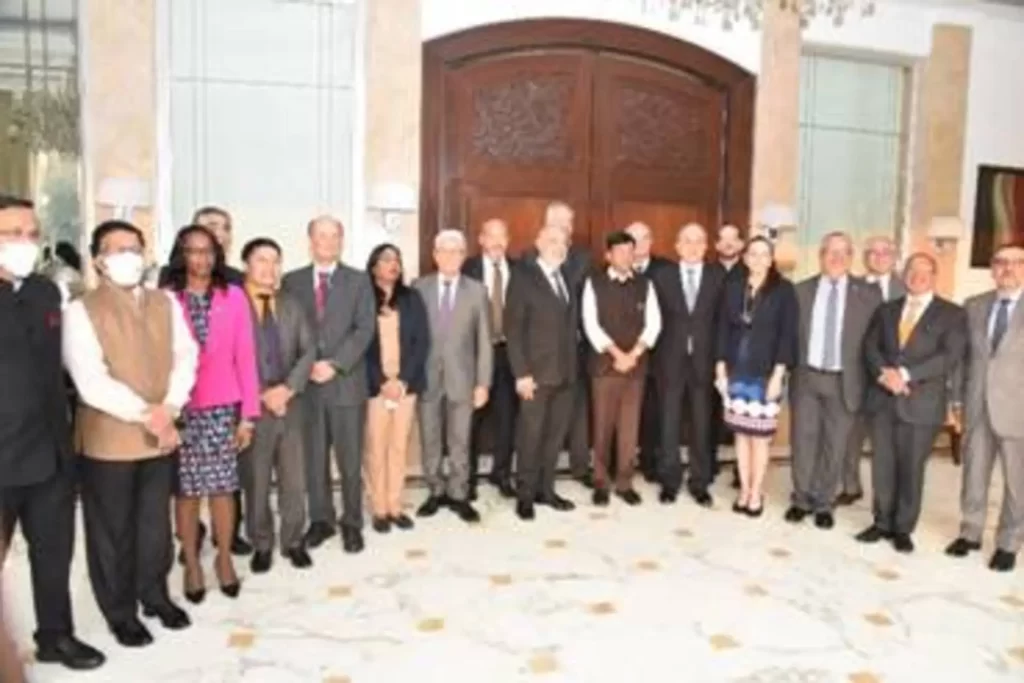
Dr. Mandaviya in his address emphasized the need to strengthen Public Health system to fight public health outbreaks in the future. He stated, “India has been able to fight COVID-19 under a ‘whole of government’ approach where provincial and local governance provided fillip to the efforts of the Government of India”. Explaining India’s strategy of curbing COVID-19, he spoke on the 6 vaccines approved in India, of which 2 are indigenously developed. Near 1.2 billion doses have been administered with 82% of Indians receiving at least one dose of the vaccine and 44% of Indians being fully vaccinated.
The Minister thanked the representatives of the country for easing people to people contact by recognising Vaccination in India. Vaccination in India is recognised by 110 countries at present. “Mutual recognition of vaccinations increases ease of travel for tourism and business thereby boosting economic recovery the world so desperately needs,” he said.
He highlighted how India helped other countries throughout the Pandemic: Being the Pharmacy of the World, India has generously supplied HCQ tablets and other medical equipment to 27 countries. Under the Vaccine Maitri initiative, 6.63 crore doses were sent to 95 countries.
Speaking on possible areas of convergence, Dr. Mandaviya noted that more than 70 million teleconsultations has been recorded in eSanjeevani- India’s flagship telemedicine portal. He said that with India’s expertise in Information Technology, India could quickly deploy the CoWIN platform for its vaccination programme. He said that India has already shared the technology with partner nations willing to adopt the technology and will help all nations looking to scale up their vaccination.
The Union Health Minister also brought attention to India’s triumphant march towards Universal Health Care. The four pillars of Ayushman Bharat: envisioning of 1.5 lakh Health and Wellness Centres at primary level, the Pradhan Mantri Jan Aarogya Yojana that provides insurance to targeted population categories, the Health Infrastructure Mission with an outlay of 670 million rupees that will strengthen India’s public healthcare system along with diagnostic and surveillance capabilities, the Digital Mission which will provide all Indians with a unique health ID and make their medical history available to approved clinicians in seconds. He said, “Under Prime Minister Modi, India’s healthcare is witnessing a revolutionary transformation which can be adopted by her friends.”
He noted that Indian Pharma companies produce safe affordable efficacious drugs for nearly all of these countries and directed their attention to India’s Jan Aushadhi Kendras: they sell the cheapest alternative of generic drugs to potential beneficiaries in India. The possibility of adoption of this practice for providing access to quality and affordable medicines in these nations with similar socio-economic conditions was touched upon.
The Union Minister also exhorted the assembled nations to study the possibility of an exchange program for health professionals. Besides skill upgradation and exposure to specializations of health in the American continent for Indians, students of these countries would have high quality world-class medical practices in India in the fields of Cardiology, Oncology, Nephrology, Neurology, Ophthalmology. He also highlighted possible areas of co-operation in medical tourism.
Union Secretary (Health), Shri Rajesh Bhushan with regard to medical tourism observed that NAAC Board carries out accreditation of Hospitals in India and co-operation with other accreditation bodies of these countries would set common standards and boost the rising sector.
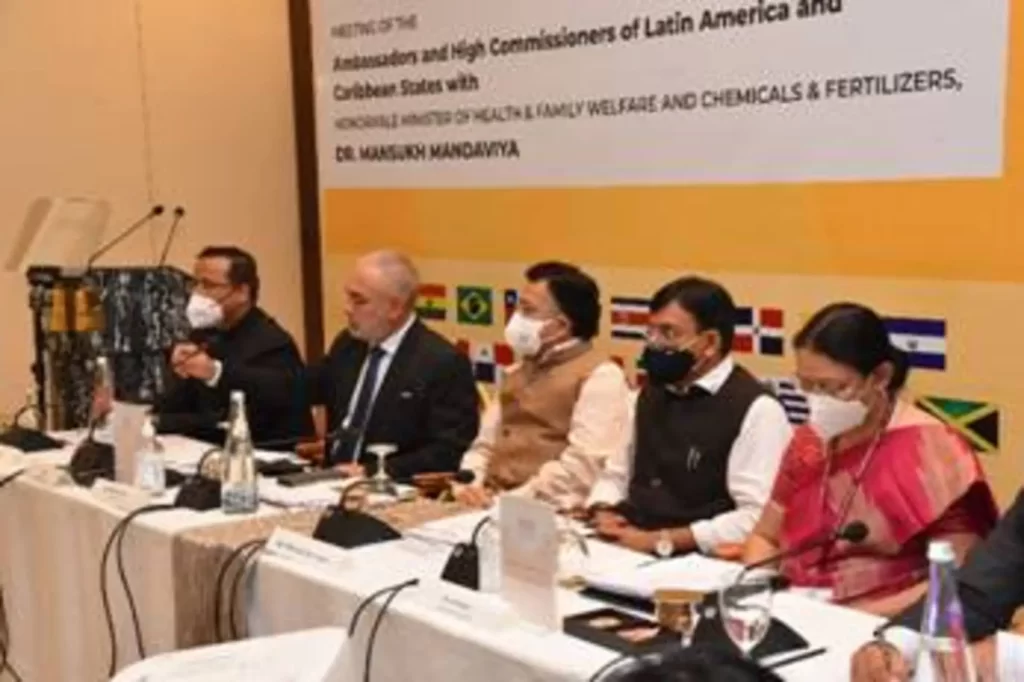
Union Secretary (Pharma), Ms. S. Aparna directed the attention of the ambassadors to the fact that India with more than 700 production sites was the largest producer of pharmaceutical formulations, next only to US. The basket of exports although majorly composed of finished products has intermediate products indicating a continuous supply chain and thus potential for greater engagement with countries of the region. She also spoke on India’s incentive to greenfield pharma initiatives and the scope for investment in this sector.
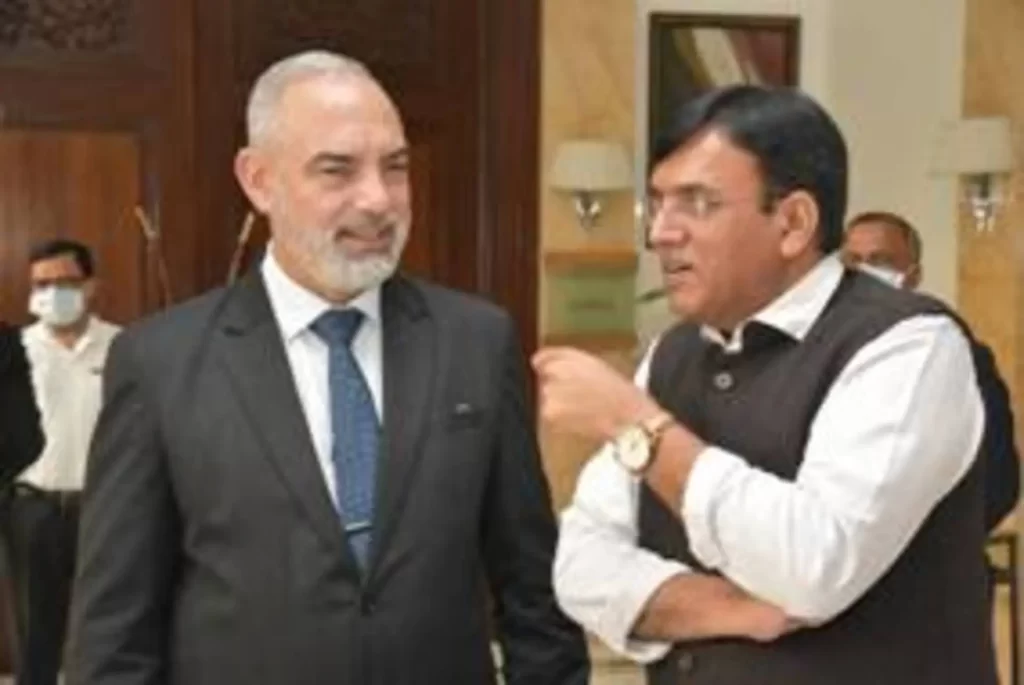
The event was officiated by Ambassador of Paraguay, H.E. Fleming Duarte. Ambassador of Chile, H.E. Juan Angulo, Ambassador of Mexico, H.E. Federico Salas, Ambassador of Colombia, H.E. Mariana Pacheco offered their thoughts on behalf of the formation and thanked India for her valuable contribution in COVID-19.
The PLI Scheme for Pharmaceuticals is based on the strategy of “Atmanirbhar Bharat- Strategies for enhancing India’s manufacturing capabilities and enhancing exports in ten sectors”, which had been approved by the Union Cabinet on 24.02.2021. The Operational Guidelines for the scheme inviting applications from the pharmaceutical industry were issued on 01.06.2021 by the Department of Pharmaceuticals after intensive consultation with industry and related departments and NITI Aayog.
The objective of the scheme is to enhance India’s manufacturing capabilities by increasing investment and production in the sector and contributing to product diversification to high value goods in the pharmaceutical sector. One of the further objectives of the scheme is to create global champions out of India who have the potential to grow in size and scale using cutting edge technology and thereby penetrate the global value chains.
The scheme will provide financial incentives on the incremental sales (over Base Year) of pharmaceutical goods and in-vitro diagnostic medical devices to selected applicants based on pre-defined selection criteria. The incentives will be paid for a maximum period of 6 years for each participant depending upon the threshold investments and sales criteria to be achieved by the applicant. The total quantum of the incentive for the scheme is Rs 15,000 crore. SIDBI is the Project Management Agency for the Scheme.
The applications were invited in three different categories of applicants to ensure fair competition and broad coverage amongst the industry players. The categories were based on the size of the applicant as determined by the global manufacturing revenues from pharmaceutical manufacturing. The scheme has received a very good response from the industry and a total of 278 applications were received by the closing date of 31.08.2021 against which a maximum of 55 applicants were to be selected.
The scheme covers three different product categories for which applicants have applied under the scheme. These products are expected to give an impetus to innovation, R&D and widening of product profile of India Pharmaceutical industry.
Category 1: Biopharmaceuticals; Complex generic drugs; Patented drugs or drugs nearing patent expiry; Cell based or gene therapy drugs; Orphan drugs; Special empty capsules like HPMC, Pullulan, enteric etc.; Complex excipients; Phyto-pharmaceuticals.
Category 2: Active Pharmaceutical Ingredients / Key Starting materials / Drug Intermediates (except the Active Pharmaceutical Ingredients / Key Starting materials / Drug Intermediates covered under the earlier PLI scheme for APIs/KSMs and DIs being implemented by the Department)
Category 3 (Drugs not covered under Category 1 and Category 2): Repurposed drugs; Auto immune drugs, anti-cancer drugs, anti-diabetic drugs, anti-infective drugs, cardiovascular drugs, psychotropic drugs and anti-retroviral drugs; In vitro diagnostic devices; Other drugs not manufactured in India.
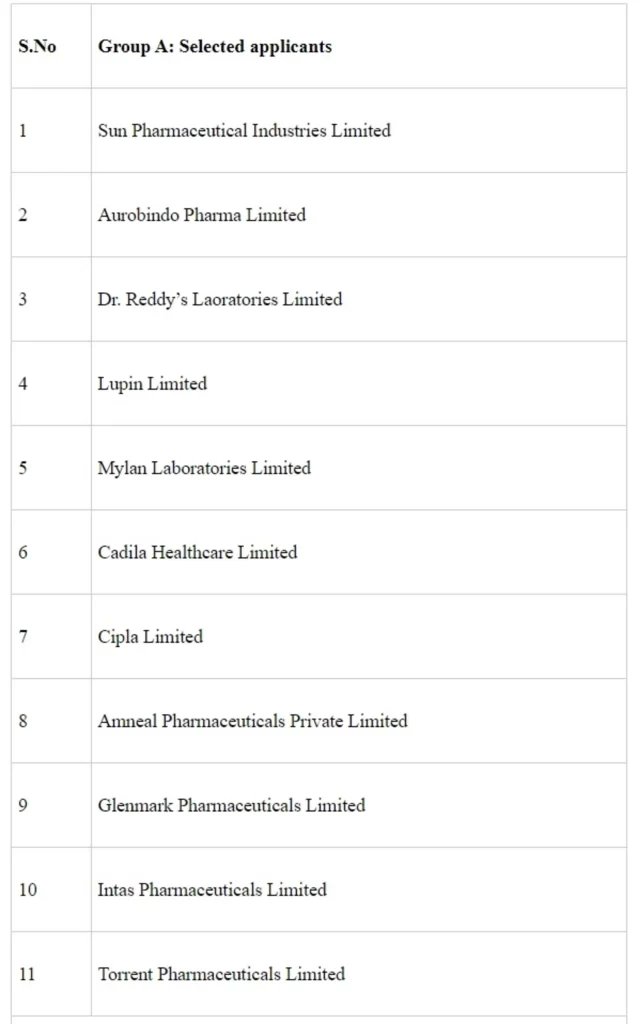
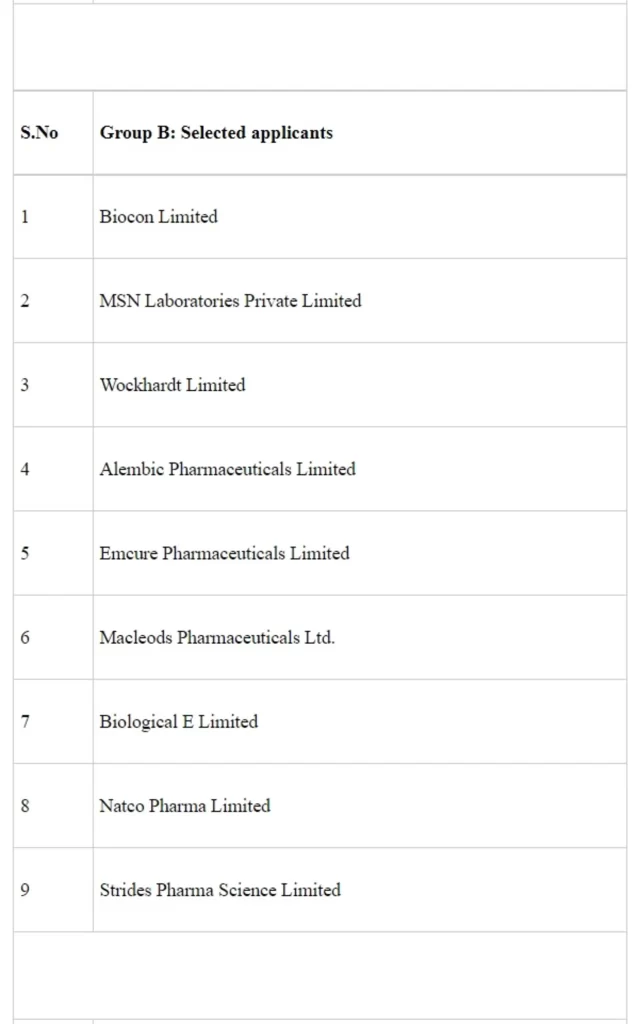
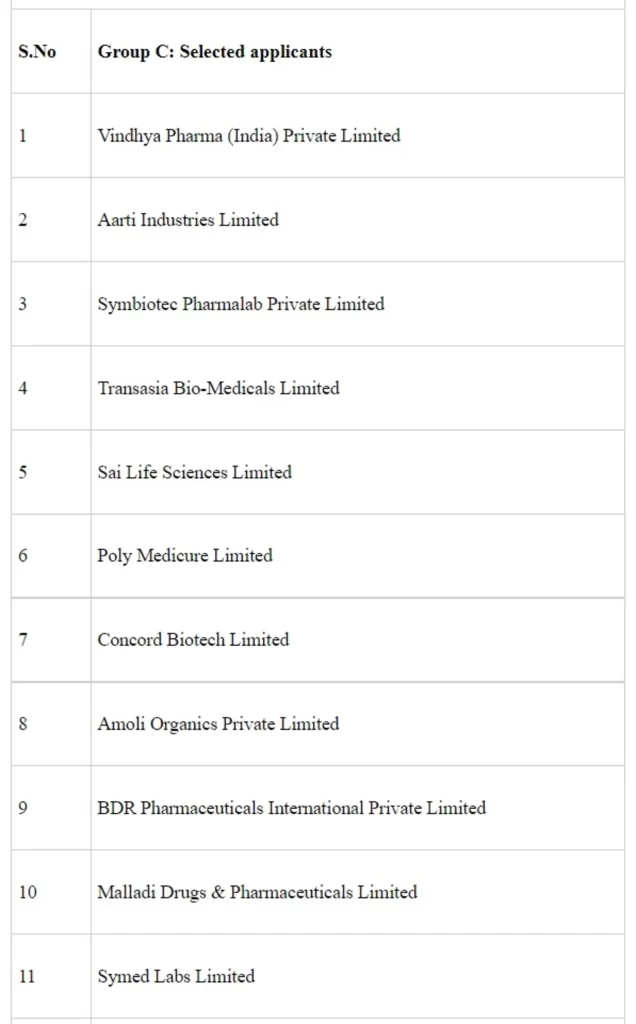
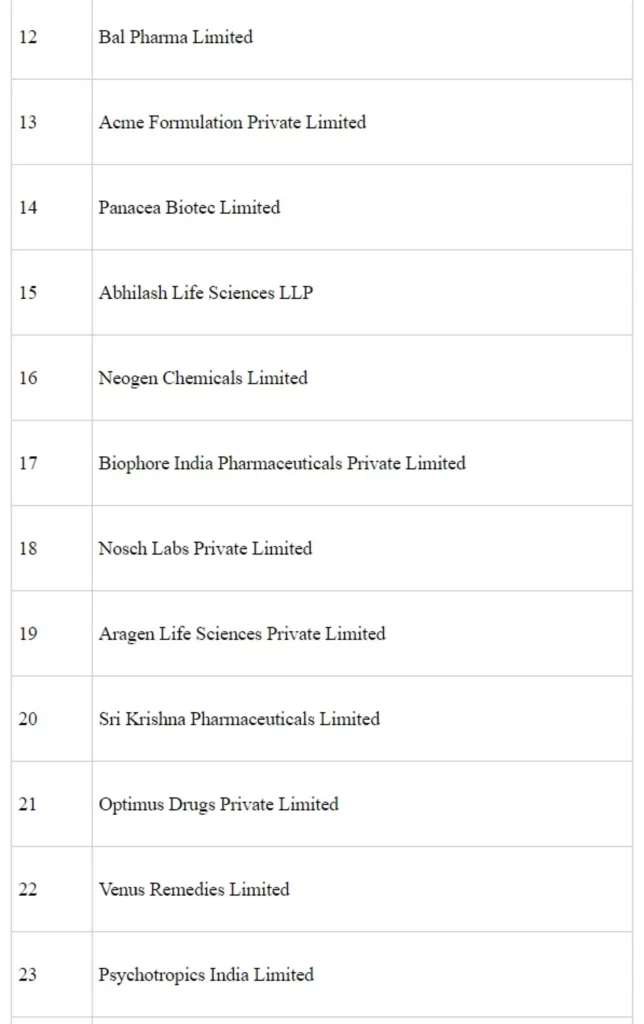
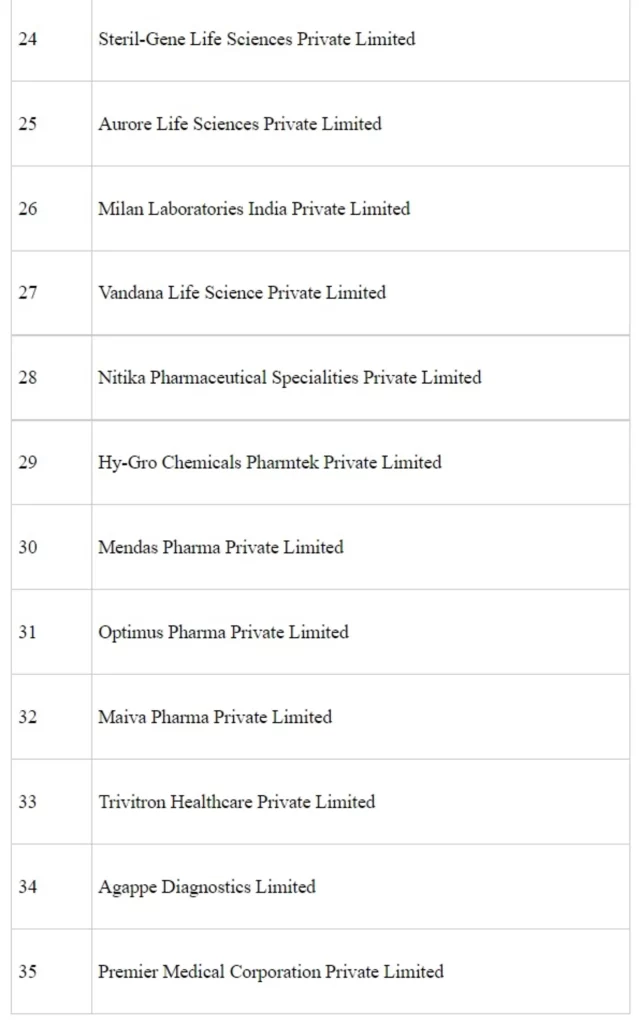
The appraisal of the applications has been carried out on the basis of the ranking methodology laid down in the operational guidelines of the Scheme. The selection of applicants in each of the three categories has been approved by the Hon’ble Minister for Chemicals and Fertilizers. The list of the 55 selected applicants is at Annexure-1. The Group A consists of 11 selected applicants, Group-B consists of 9 selected applicants and Group-C consists of 35 selected applicants of which there are 20 MSMEs.
A Technical Committee comprising of experts is assisting the Department with respect to the technical aspects of the scheme. SIDBI has put in place a digital mechanism for business processes being followed under the scheme. A robust monitoring framework will also be put in place to track the progress of the scheme.
With this announcement a major thrust in investment is expected by the pharmaceutical industry which is ultimately aimed at meeting the objectives of the scheme. The detailed scheme guidelines are available on the website of the Department at https://pharmaceuticals.gov.in/schemes. The portal of SIDBI containing finer details of the scheme can be accessed at https://pli-pharma.udyamimitra.in/
Annexure-1
Dr. Bharati Pravin Pawar, Union Minister of State for Health and family Welfare visited the FSSAI Office today to review their working. She flagged off Food Safety Awareness vehicles and unveiled a book on the History of Food and another cookbook on curated recipes that uses minimal salts. The ‘National Low Salt Cooking Challenge Report’ was also released.
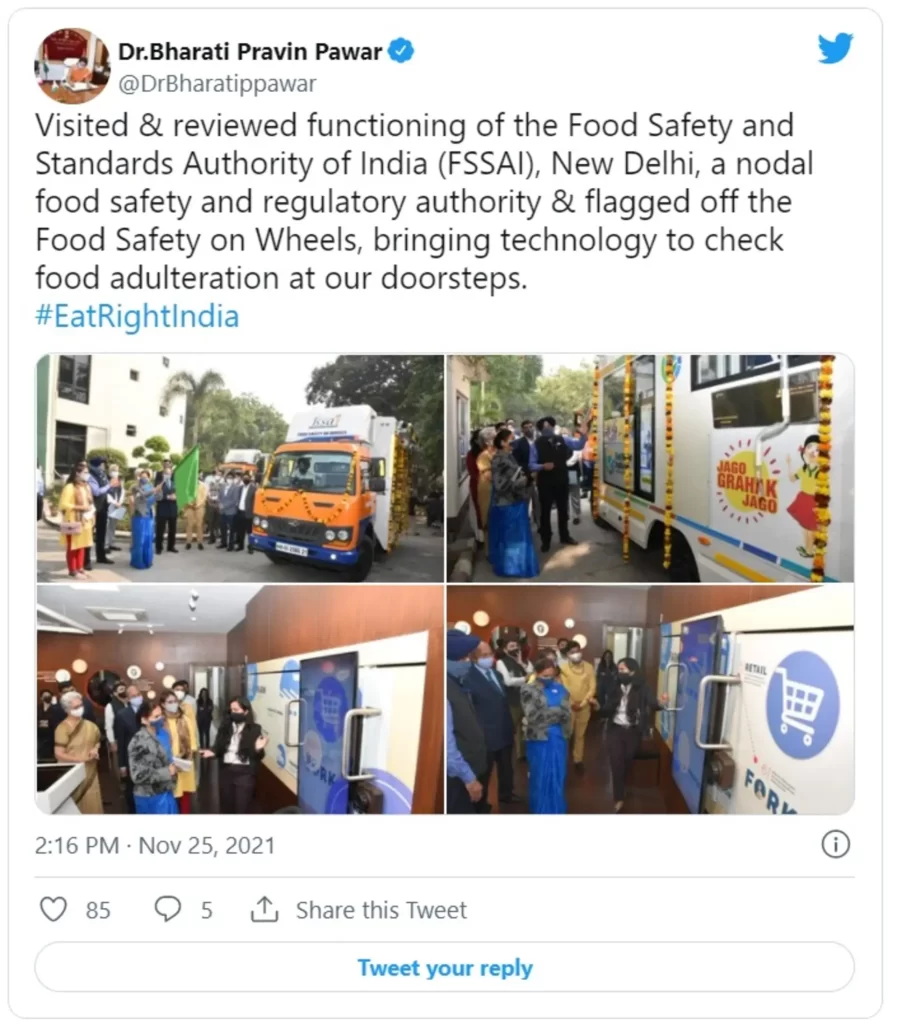
The Minister of State for Health and Family Welfare inspected the technical capabilities of Mobile Food Testing Vans called “Food Safety on Wheels”. These vans are equipped with State-of-the-Art equipment to detect adulteration in submitted food items. The Minister flagged of several of these vans to supplement the food safety ecosystem across the country.
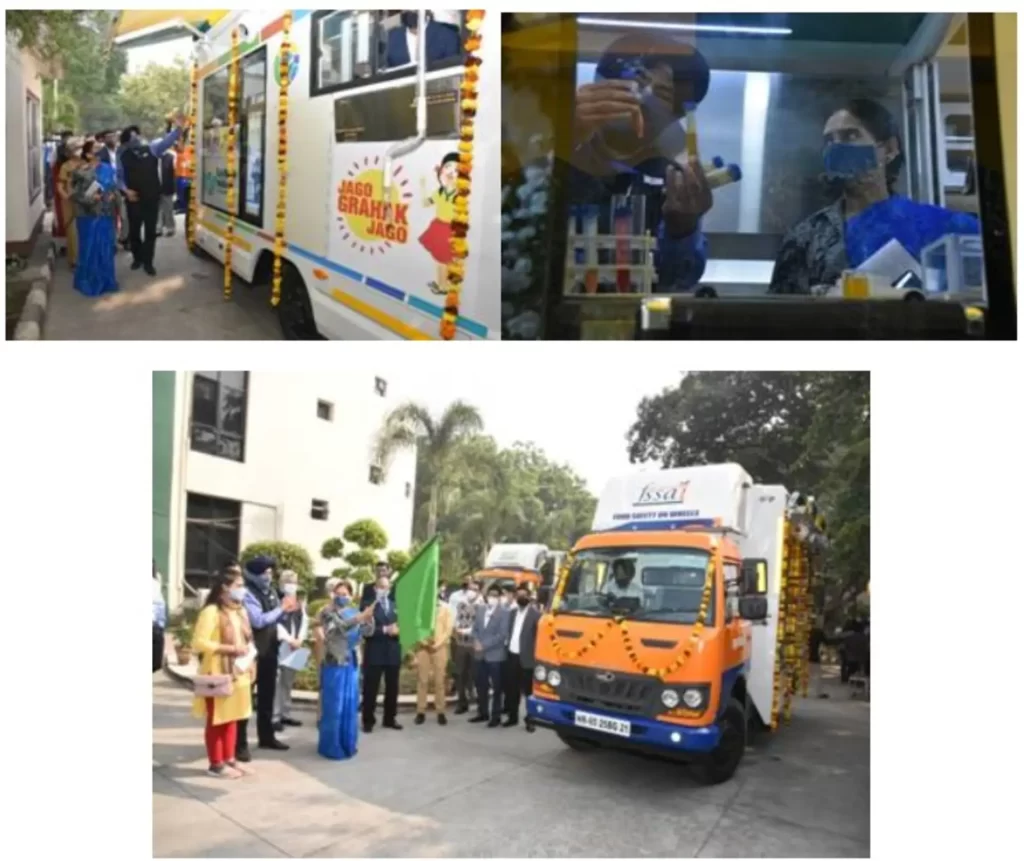
Speaking on the occasion, Dr Bharati Pravin Pawar observed that food is an essential component of health in a holistic sense. “Balanced nutrition is an integral part of Health,” she stated. She also emphasized that the citizens are a stakeholder for food safety along with Government and Industry. Dr Bharati Pravin Pawar applauded the action taken by the organisation along with industry partners to take the country forward in Food Safety.
She reviewed the functions of FSSAI with regards to provisions of the recent Food Safety Act. She was apprised of specific instances of adulteration that have been de-penalised from imprisonment to fines and strengthening of provisions to punish instances of wilful adulteration using harmful substances. The view that regulations should benefit the wide section of consumers along with India’s vibrant food manufacturing sector was espoused.
She took a tour of the FSSAI gallery that displays India’s food ecosystem in an interactive fashion.
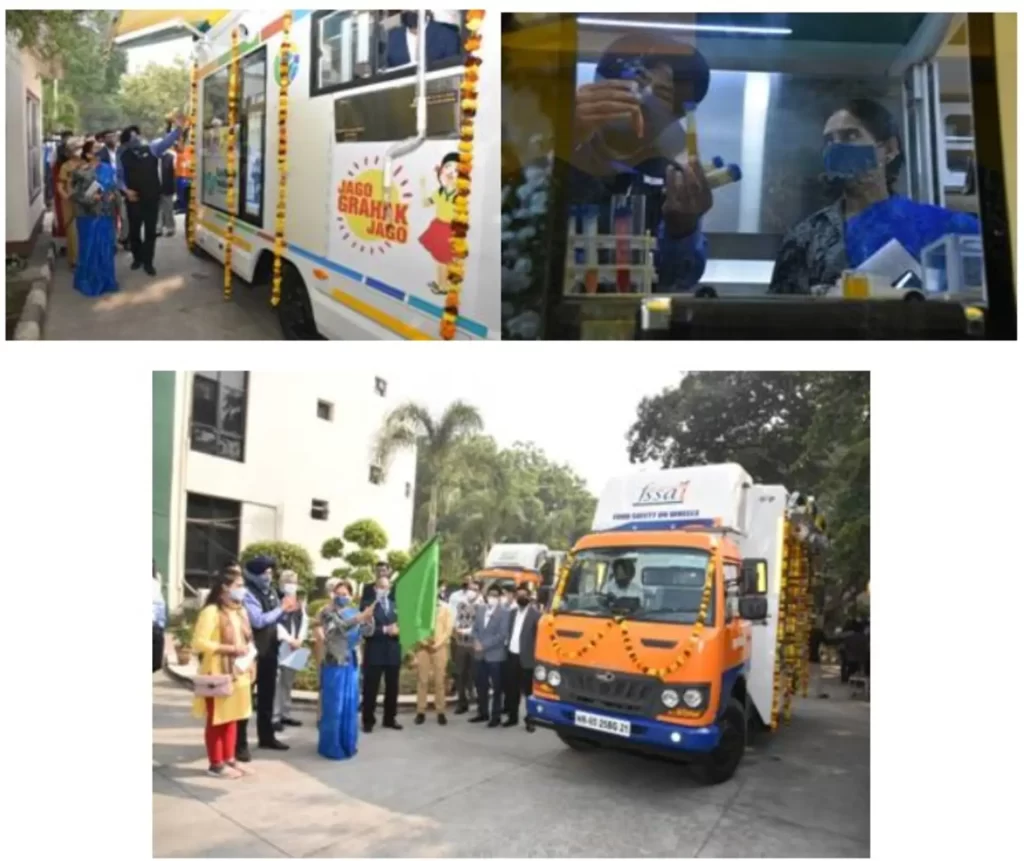
The Minister of State also released various innovative books and initiatives by FSSAI including the book ‘History and Food’ that traces history of commonly cooked and consumed foods in India. The cookbook ‘Eat Right with Low Salt’ with curated recipes that use minimal salt was also unveiled by her along with the ‘National Low Salt Cooking Challenge Report.’
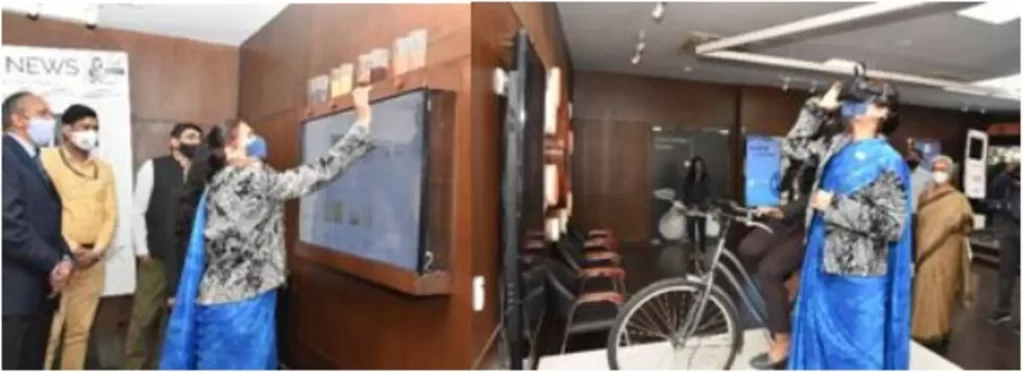
Dr. Pawar observed that with the onset of globalisation and consumerism, there should be more awareness regarding the ingredients of the food we are consuming. “Mothers and Grandmothers played a key role in the food choices and nutrition of our earlier generation. There is now a pressing need to educate the next generation on food choices,” she said.
Ms Rita Teaotia, Chairperson, FSSAI, Shri Arun Singhal, Chief Executive Officer and Member Secretary, FSSAI, Shri Mandeep Bhandari, Joint Secretary (Health) were also present during the visit.
The Government of India and the Asian Development Bank (ADB) yesterday signed a $300 million loan to strengthen and improve access to comprehensive primary health care in urban areas of 13 states that will benefit over 256 million urban dwellers including 51 million from slum areas.
Mr. Rajat Kumar Mishra, Additional Secretary, Department of Economic Affairs in the Ministry of Finance, signed for the Government of India the agreement for Strengthening Comprehensive Primary Health Care and pandemic preparedness in Urban Areas Program while Mr. Takeo Konishi, Country Director of ADB’s India Resident Mission, signed for ADB.
After signing the loan agreement, Mr Mishra said that the programme supports the Government of India’s key health initiatives - Ayushman Bharat Health and Wellness Centres (AB-HWC) and Pradhan Mantri Atmanirbhar Swasth Bharat Yojana (PM-ASBY) - which has been renamed as Pradhan Mantri Ayushman Bharat Health Infrastructure Mission (PM-ABHIM) - by expanding availability and access to quality primary health care services particularly for vulnerable populations in urban areas.
Ayushman Bharat programme, launched in 2018, aims to improve access to comprehensive primary health care as a key strategy to achieve universal health coverage in India. With the spread of the coronavirus disease (COVID-19) pandemic that put additional pressure on the country’s health system, the government launched PM-ASBY later renamed as PM-ABHIM in October 2021 to adopt a long-term approach to system strengthening to prepare for future pandemics and other emergencies.
“Ensuring equitable access to non-COVID-19 primary health care is critical amid challenges posed by the coronavirus pandemic to India’s health system,” said Mr. Konishi. “The programme complements the government’s efforts to bridge the health care gaps by strengthening institutional capacity, operation, and management of urban health and wellness centers at the central, state, and municipal levels.”
The programme will be implemented in urban areas across 13 states: Andhra Pradesh, Assam, Chhattisgarh, Gujarat, Haryana, Jharkhand, Karnataka, Madhya Pradesh, Maharashtra, Rajasthan, Tamil Nadu, Telangana, and West Bengal. Beside the pandemic response, interventions through the program promote increased utilization of urban HWCs with provision of comprehensive primary health care packages including noncommunicable diseases and community outreach services such as awareness raising activities on health care options, particularly for women. Delivery and health information systems for primary health care will be upgraded through digital tools, quality assurance mechanisms, and engagement and partnership with the private sector.
The programme is supported by a $2 million technical assistance grant from ADB’s Japan Fund for Poverty Reduction to provide support for programme implementation and coordination, capacity building, innovation, knowledge sharing and application of scalable best practices across the healthcare system.
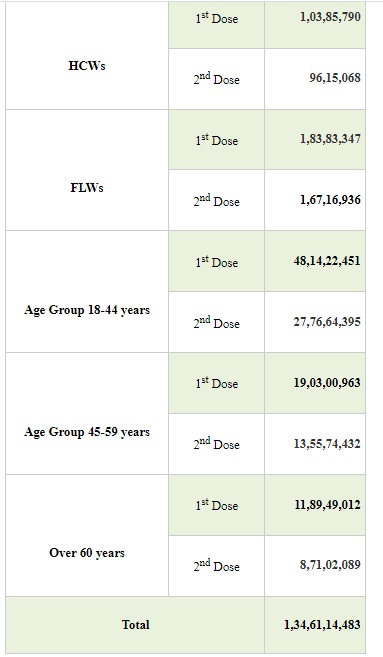
With the administration of 76,58,203 vaccine doses in the last 24 hours, India’s COVID-19 vaccination coverage has exceeded 118.44 Cr (1,18,44,23,573) as per provisional reports till 7 am today. This has been achieved through 1,22,71,257sessions.
The break-up of the cumulative figureas per the provisional report till 7 am today include:
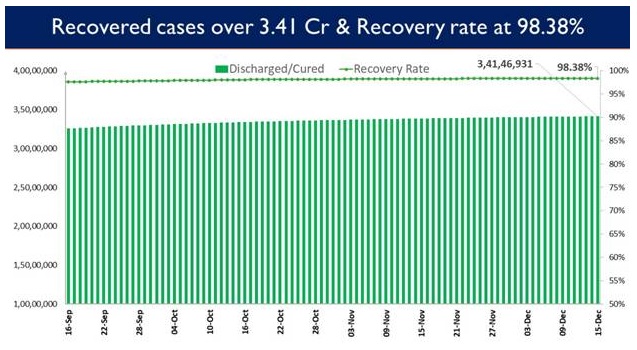
The recovery of 10,949 patients in the last 24 hours has increased the cumulative tally of recovered patients (since the beginning of the pandemic) to 3,39,57,698.
Consequently, India’s recovery rate stands at 98.33%.
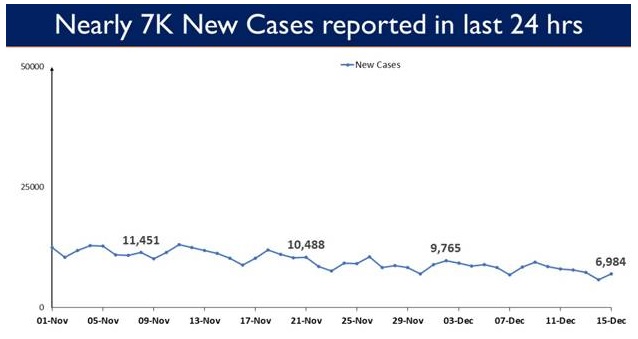
Sustained and collaborative efforts by the Centre and the States/UTs continue the trend of less than 50,000 Daily New Cases that is being reported for 150 consecutive days now.
9,283 new cases were reported in the last 24 hours.
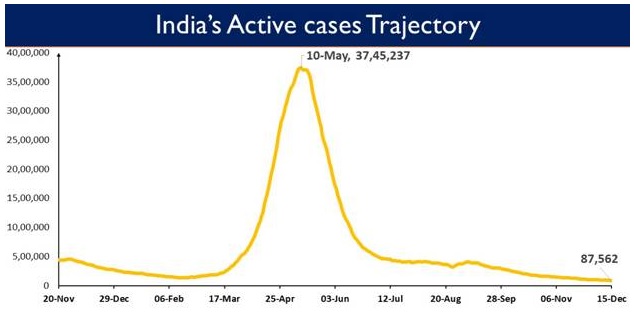
The Active Caseload presentlystands at 1,11,481.Active cases presently constitute 0.32% of the country's total Positive Cases, which is lowest since March 2020.
The testing capacity across the country continues to be expanded. The last 24 hours saw a total of 11,57,697tests being conducted. India has so far conducted over 63.47 Cr (63,47,74,225) cumulative tests.
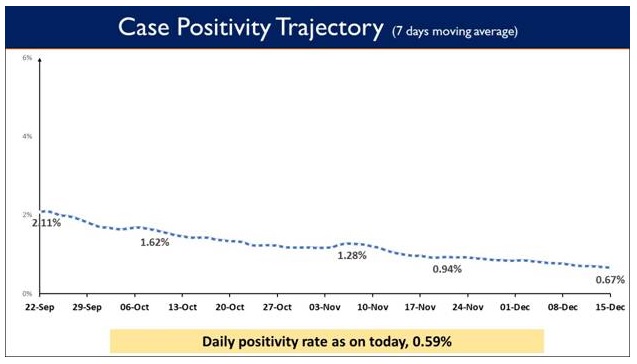
While testing capacity has been enhanced across the country, Weekly Positivity Rate at 0.93% remains less than 2% for the last 61 days now. The Daily Positivity rate reported to be 0.80%. The daily Positivity rate has remained below2% for last 51 days and below 3% for 86 consecutive days now.
Dr. Vinod Kumar Paul, Member (Health), NITI Aayog and Shri Rajesh Bhushan,Secretary, Union Ministry of Health and FamilyWelfare, Government of India, released the Factsheets of key indicators onpopulation, reproductive and child health, family welfare, nutrition and others forIndia and 14 States/UTs (clubbed under Phase-II) of the 2019-21 National Family Health Survey (NFHS-5) here today.
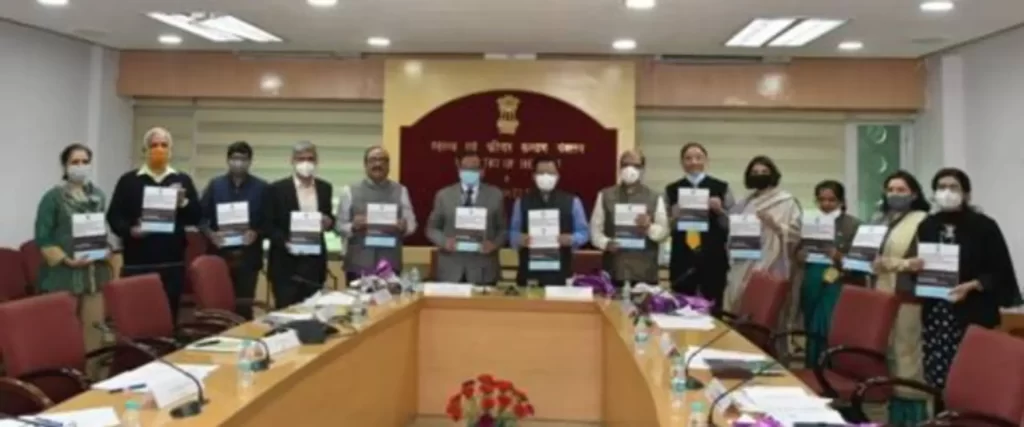
The States and UTs which were surveyed in the Phase-II are Arunachal Pradesh, Chandigarh, Chhattisgarh, Haryana, Jharkhand, Madhya Pradesh, NCT of Delhi, Odisha, Puducherry, Punjab, Rajasthan, Tamil Nadu, Uttar Pradesh andUttarakhand. The findings of NFHS-5 in respect of 22 States & UTs covered in Phase-I were released in December, 2020.
The main objective of successive rounds of the NFHS is to provide reliableand comparable data relating to health and family welfare and other emerging issues. The NFHS-5 survey work has been conducted in around 6.1 lakh samplehouseholds from 707 districts (as on March, 2017) of the country; covering724,115 women and 101,839 men to provide disaggregated estimates up to districtlevel. All the results of NFHS-5 are available in the public domain on the Ministry website (www.mohfw.gov.in).
The all-India and State/UT level factsheet released includes information on 131 key indicators. It provides information on important indicators which arehelpful in tracking the progress of Sustainable Development Goals (SDGs) in thecountry. NFHS-4 (2015-16) estimates were used as baseline values for a largenumber of SDG indicators. Many indicators of NFHS-5 are similar to NFHS-4carried out in 2015-16 to make possible comparisons over time. However, NFHS-5 includes some new focal areas, such as death registration, pre-school education,expanded domains of child immunization, components of micro-nutrients tochildren, menstrual hygiene, frequency of alcohol and tobacco use, additional components of non-communicable diseases (NCDs), expanded age ranges formeasuring hypertension and diabetes among all aged 15 years and above, whichwill give requisite input for strengthening existing programmes and evolving new strategies for policy intervention.
The key results from India and Phase-II States/UTs NFHS-5 Factsheets areas below:
• The Total Fertility Rates (TFR), an average number of children per womenhas further declined from 2.2 to 2.0 at the national level and all 14States/UT’s ranging from 1.4 in Chandigarh to 2.4 in Uttar Pradesh. All Phase-II States have achieved replacement level of fertility (2.1) exceptMadhya Pradesh, Rajasthan, Jharkhand and Uttar Pradesh.
• Overall Contraceptive Prevalence Rate (CPR) has increased substantially from 54% to 67% at all-India level and in almost all Phase-II States/UTswith an exception of Punjab. Use of modern methods of contraceptives hasalso increased in almost all States/UTs.
• Unmet needs of family Planning have witnessed a significant decline from13 per cent to 9 per cent at all-India level and in most of the Phase-II States/UTs. The unmet need for spacing which remained a major issue inIndia in the past has come down to less than 10 per cent in all the States except Jharkhand (12%), Arunachal Pradesh (13%) and Uttar Pradesh(13%).
• Full immunization drive among children aged 12-23 months has recorded substantial improvement from 62 per cent to 76 per cent at all-India level.11out of 14 States/UTs has more than three-fourth of children aged 12-23 months with fully immunization and it is highest (90%) for Odisha.
On comparing NFHS-4 and NFHS-5 data, the increase in full immunization coverage is observed to be expeditious in many states and UTs; More than50 per cent of Phase-II States/ UTs are sharing over 10 percentage pointsduring the short span of 4 years. This can be attributed to the flagship initiative of Mission Indradhanush launched by the government since 2015.
• There is an increase from 51 per cent to 58 per cent of women receiving therecommended four or more ANC visits byhealth providers at all-India level.
Also, all the Phase-II States/UTs have show nimprovement except Punjab between 2015-16 to2019-20.
• Institutional births have increased substantially from 79 per cent to 89 percent at all-India Level. Institutional delivery is 100 per cent in Puducherryand Tamil Nadu and more than 90 per cent in 7 States/UTs out of 12 PhaseII States/UTs.
• Along with an increase in institutional births, there has also been asubstantial increase in C-section deliveries in many States/UTs especially inprivate health facilities.
• Child Nutrition indicators shows a slight improvement at all-India level as Stunting has declined from 38 per cent to 36 per cent, wasting from 21 per cent to 19 per cent and underweight from 36 per cent to 32 percent at allIndia level. In all phase-II States/UTs situation has improved in respect ofchild nutrition but the change is not significant as drastic changes in respectof these indicators are unlikely in short span period.
• Anaemia among children and women continues to be a cause of concern.More than half of the children and women (including pregnant women) areanemic in all the phase-II States/UTs and all-India level compared to NFHS4, in spite of substantial increase in the composition of iron folic acid (IFA)tablets by pregnant women for 180 days or more. • Exclusive breastfeeding to children under age 6 months has shown animprovement in all-India level from 55 percent in 2015-16 to 64 per cent in 2019-21. All the phase-II States/UTs are also showing a considerable progress.
• Women's empowerment indicators portray considerable improvement at all India level and across all the phase-II States/UTs. Significant progress hasbeen recorded between NFHS-4 and NFHS-5 in regard to women operating bank accounts from 53 percent to 79 percent at all-India level. For instance,in the case of Madhya Pradesh the increase was to the tune of 37 percentage point from 37 per cent to 75 per cent. More than 70 per cent of women inevery state and UTs in the second phase have operational bank accounts.
Member (Health), NITI Aayog, congratulated all the Health administrators on the wide expansion of insurance coverage which has been captured in NFHS-5. He espoused the view that the data from the survey would help the Government achieve Universal Health Coverage and stated, “NFHS-5 shows Momentum towards achieving SDG is getting further accelerated.”
The Union Health Secretarynoted that with the widening scope of household questionnaire, the data generated from NFHS will be beneficial to all line ministries, State Govts and other stakeholders. He remarked that data of NFHS-5 does not fully capture the transformative interventions of Ayushman Bharat -Pradhan Mantri Jan Aarogya Yojana and Pradhan Mantri-Surakshit Matritva Abhiyan as they were being rolled out as households were being surveyed across the country. He also observed that inter-ministerial co-ordination is required between the ministries of Women and Child Development, Food, Rural Development and Panchayat affairs to tackle nutrition deficiency and Anaemia in the population as has been shown in the survey.
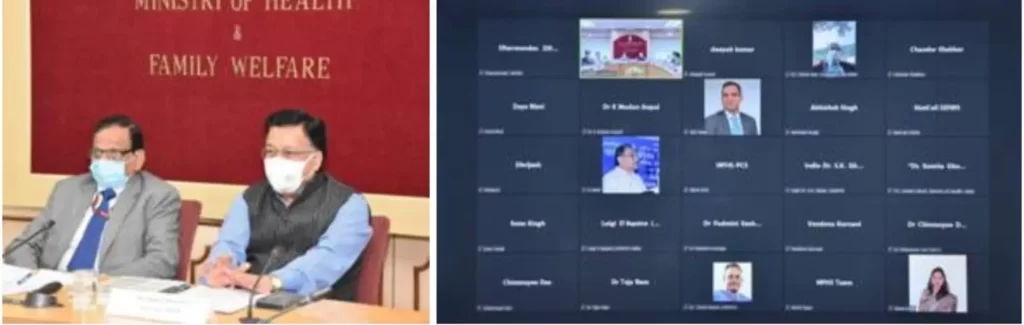
Shri Vikash Sheel, Additional Secretary and Mission Director, NHM, Dr. Dharmendra Singh Gangwar, Additional Secretary and Financial Advisor, Ms. Arti Ahuja, Additional Secretary (Health), Dr. Manohar Agnani, Additional Secretary (Health), Ms. Sandhya Krishnamurthy, Director General (Statistics), Prof. K. P. James, Director, Indian Institute of Population Studies, Mumbai and other senior officials of the Ministry were present in the meeting along with Prof. (Dr.) Ashok Deorari, HOD, Pediatrics, AIIMS New Delhi and representatives of development partners like USAID.
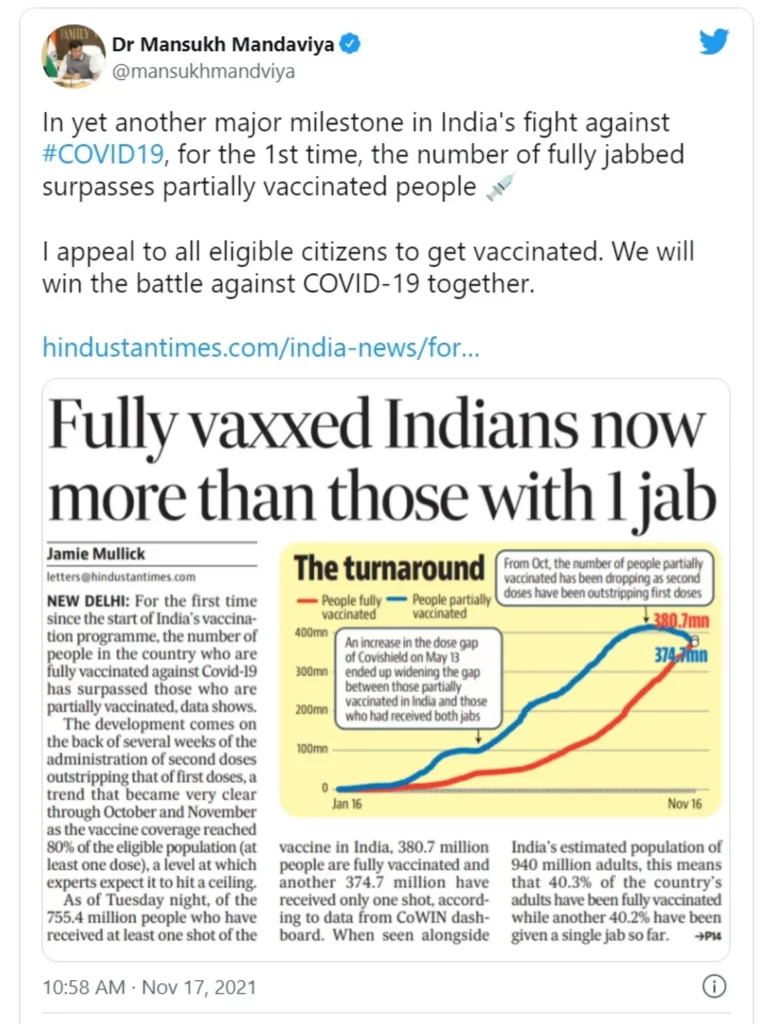
“The number of the fully vaccinated individuals has surpassed the partially vaccinated eligible population for the first time in the country. This feat has been made possible due to the Hon. Prime Minister’s vision of ‘Jan-Bhagidari’ and “Whole of Government Approach”, people’s faith and confidence in the Government, and the ongoing ‘Har Ghar Dastak’ campaign which has seen tremendous response from various parts of the country”. This was stated by Dr. Mansukh Mandaviya, Union Minister for Health & Family Welfare, here today.
In a significant achievement to the nationwide vaccination coverage for the country, for the first time the number of fully vaccinated individuals has surpassed those who have been administered only a single dose of vaccine. The country has in total administered over 113.68 Cr (1,13,68,79,685) as per 7 am provisional reports today with the administration of 67,82,042 vaccine doses in the last 24 hours. This has been achieved through 1,16,73,459 sessions. Out of which, 75,57,24,081 doses were administered as first dose and 38,11,55,604 doses were administered as second dose. Thus, the number of fully vaccinated individuals (38,11,55,604) exceeds those who have been administered a single dose (37,45,68,477).
The Union Health Minister congratulated the collective spirit of the country on this achievement. In a tweet, he appealed to all eligible citizens to get vaccinated. “We will win the battle against COVID-19 together,” he stated.
The Union Health Minister expressed confidence that the country will have vaccinated every Indian by the end of the month-long ‘Har Ghar Dastak’ campaign. “The staunch political commitment of the Government of India to protect every citizen from COVID-19 through vaccination has enabled the nationwide COVID-19 vaccination drive to achieve several feats ever since its inception on 16th January, 2021. The nation achieved the distinction of having administered 100 cr doses on 21st October, 2021. Subsequently, Prime Minister Shri Narendra Modi ji gave a clarion call and launched the ‘Har Ghar Dastak’ campaign on 3rd November, 2021 to knock every door and reach out to every household and immunize every citizen against COVID-19 in the spirit of Antyodaya”, Dr Mandaviya said.
The month long ‘Har Ghar Dastak’ vaccination campaign aims to ensure that all the adult population is covered with the first dose of COVID vaccine, while those who are due for the second doses are motivated to take the second dose. Healthcare workers are conducting door-to-door vaccinations of eligible people across India with a special focus on districts where less than 50 per cent of the eligible population has been vaccinated.
The Union Health Minister also assured that there was no shortage of vaccine doses in the country. He urged people to come forward for second dose, and motivate those in their family and community to take both the doses.
“Pradhan Mantri Shri Narendra Modi Ji had re-iterated that achievements with regards to vaccination belong to the entire country and not the government alone.Involvement of all stakeholders working according to their expertise and capacity to achieve a collective goal is the very essence of democracy”. This was stated by Dr. Mansukh Mandaviya, Union Minister of Health and Family Welfare today as he interacted with representatives of various stakeholders helping the Government in furthering the reach and coverage of COVID vaccination across the country. Dr. Bharati Pravin Pawar, Union Minister of State for Health and Family Welfare joined digitally from her constituency.
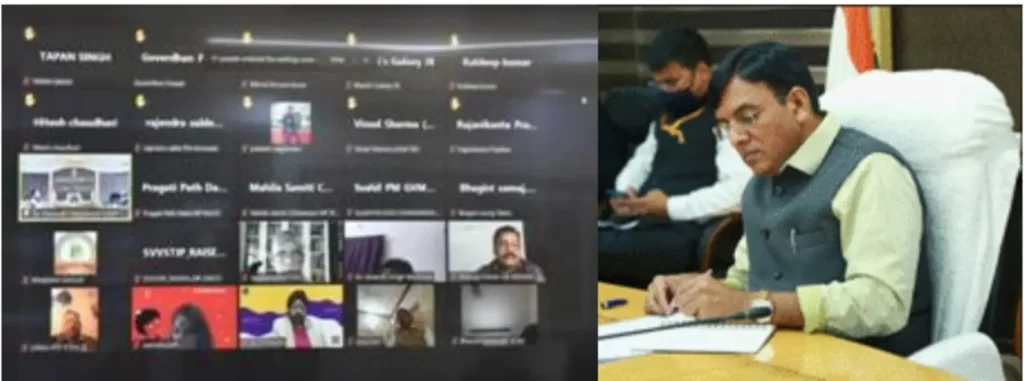
Dr. Mandaviya noted that Jan-Bhagidari is essential for such a mammoth exercise like India’s vaccination programme. “India stood tall in COVID crisis because of the initiative of non-government organisations and civil society organisations who supplemented the efforts of the government to ensure that nobody went to sleep on a hungry stomach during the COVID lockdown.” He also noted their contribution in ensuring that 80% of the population and 40% of the population receive their first and second dose of the vaccine, respectively.
Giving example of developed countries whose health system and healthcare delivery have been exhausted with multiple waves of COVID-19, the Union Health Minister expounded the completion of the COVID-19 Vaccination Drive with 100% administration of both the doses as an immediate necessity to end the Pandemic in India.“We have to all ensure that everybody is vaccinated,” he stated.He welcomed all NGOs, political parties and citizens in the endeavour of providing vaccination against COVID-19 to the last citizen thereby protecting India from COVID-19.
The partners who joined the meet were exhorted to work towards generating community awareness and transforming the vaccination exercise into a ‘Jan Andolan’. Highlighting the importance of second dose in protecting from serious illness and hospitalization was flagged as an essential component of communication.
They were informed on the areas where they can strengthen the Government efforts with their own efforts: Dissemination of information on the campaign can be done through NGO/CSO social media channels, use of audio-visual content for posting and amplifying positive messages,invigorating advocacy with leading medical professionals at National/State/District level for positive messaging around COVID-19 vaccination, etc. They can dispel myths, misconceptions and doubts related to COVID-19 Vaccine, support on-site mobilization of beneficiaries, participate in State, District & Block Level Task Forces for overall support in planning and implementation of COVID-19 vaccination drive.
Dr. Mandaviya suggested them to identify an area according to their capacity and saturate vaccination among all the inhabitants there. He also suggested the distribution of attractive home stickers notifying completion of both doses of vaccines of the family members to encourage uptake of vaccine among the population
The partners expressed their gratitude to the Union Health Minister for the provision and supply of vaccines, information and awareness pamphlets, financial and technical resources for COVID management. They also shared the innovative steps being taken to ensure saturation of vaccination, especially in the low-performing localities: Akshay Patra Foundation had distributed 50,000 Raksha kits to beneficiaries and had converted a kitchen in Bangalore to a CVC; The Tata Trust had strengthened vaccination efforts in 2 districts using local PHCs as a loci; The Piramal Foundation had started ‘Surakshit dada dadi nana nani’ drive to exhort young children to get the elders vaccinated.Many organisations with international presence noted that their counterparts in other countries are yet to get their vaccine; they praised the government for quick development and scale-up of production of indigenously manufactured vaccines.
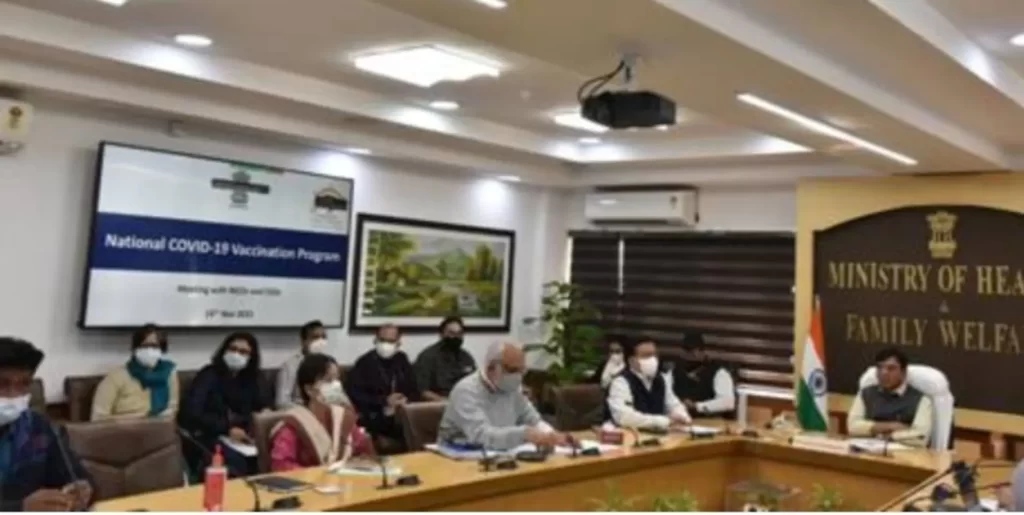
Shri Rajesh Bhushan, Union Health Secretary, Dr. Manohar Agnani, Addl. Secretary (Health), Shri Vikash Sheel, Addl. Secretary and Mission Director-NHM, Smt. Arti Ahuja, Addl. Secretary (Health), Dr. Mandeep Bhandari, Jt. Secretary (Health) and other senior officials of the Ministry were present in the meeting.
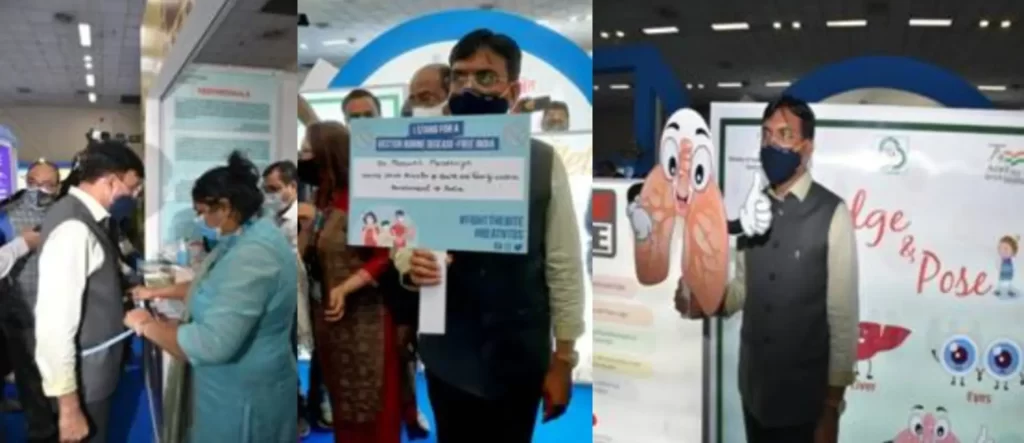
In the first ever cycle rally organised at the India International Trade Fair, Dr. Mansukh Mandaviya, Union Minister of Health and Family Welfare today cycled to inaugurate the Health Pavilion to generate awareness and promote a healthy active lifestyle in view of the rising burden of NCDs in the country. He was joined by senior officers of the Health Ministry including Dr Balram Bhargava, DG, ICMR, Shri Arun Singhal, CEO, FSSAI, Dr Dharmender Gangwar, AS&FA, Shri Vikas Sheel, AS&MD(NHM), Shri Lav Agarwal, JS (IH), Shri Vishal Chauhan, JS (NHM).
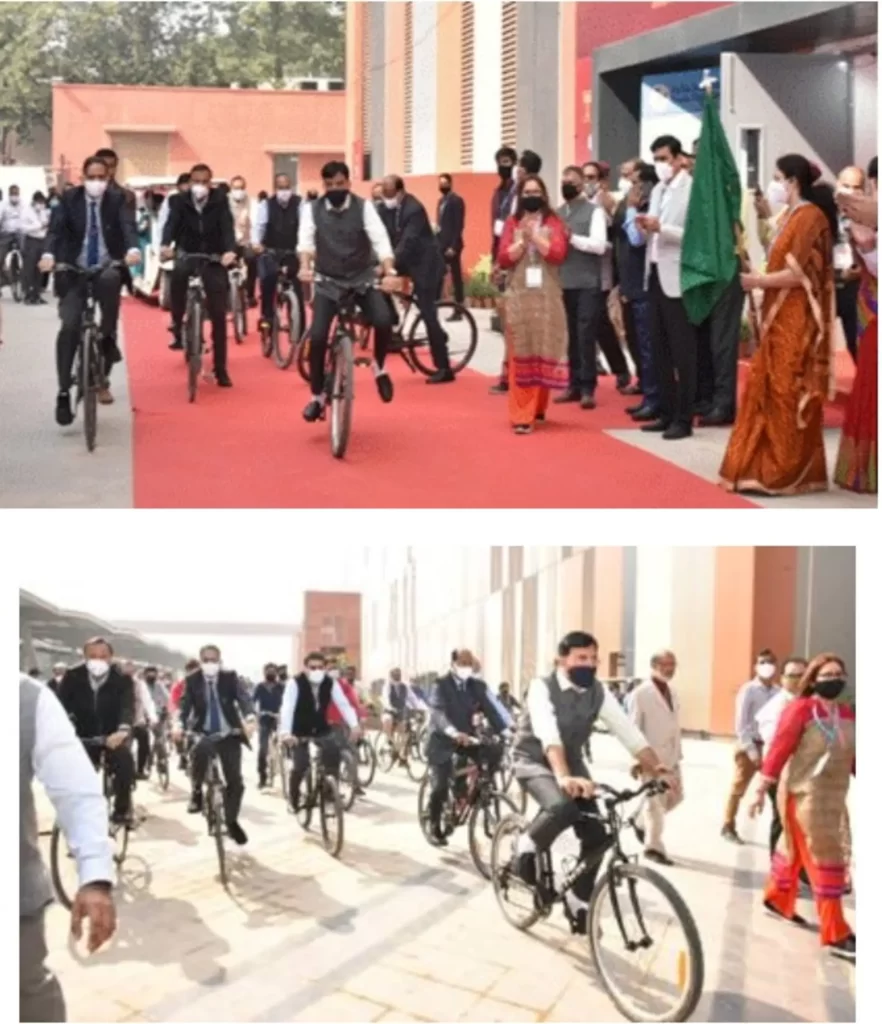
The theme of this year’s Health Pavilionat the 40th IITF at Pragati Maidan is to create awareness about Non-Communicable Diseases (NCDs), also called lifestyle diseases, and project importance of total health.
Speakingat inaugural of the Health Pavilion at ITF2021, Union Health Minister Dr Mansukh Mandaviya announced a month long campaign as part of "Azadi Ka Amrut Mahotsav" to create awareness about preventive health. “During this month long campaign, we have set ourselves a target of conducting 7.5 lakh Wellness Sessions and 75 lakh NCD screenings across the country though the Ayushman Bharat Health & Wellness Centres. Early screening will aid in timely identification of diseases. This is part of the overarching concept of Total Health, which is comprehensive including preventive and promotive health”, he stated. “The Fit India, Eat Right India,Khelo India, and yoga form part of the “Total Health” vision of Hon. Prime Minister which will lay the foundations for a healthy and productive New India”, he added.
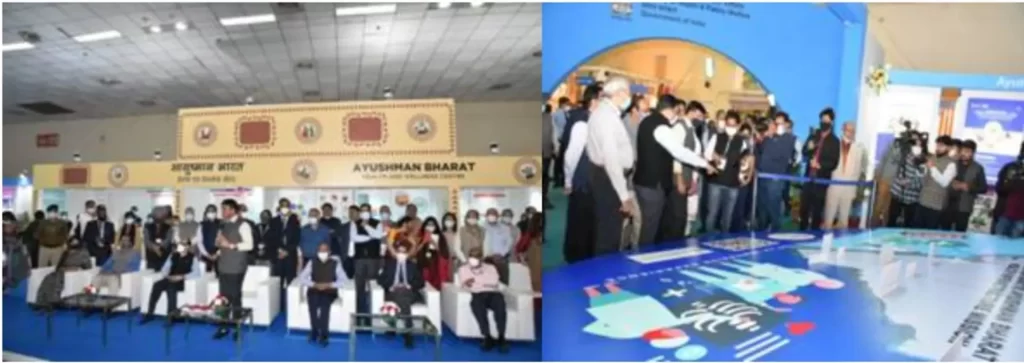
He also observed that Ayushman Bharat Digital Mission is a revolution and will help us in digital records keeping. He said, “As a part of Azadi ka Amrit Mahotsav activities, we will be launching a drive to register for Ayushman Bharat Digital Mission.”
Speaking on India’s COVID19 nation-wide vaccination drive, he stated, "Under the guidance of Hon. Prime Minister, "Jan Bhagidari" has played a very critical role in India's fight against COVID."Hehighlighted the achievements of the country in the high vaccination coverage. He expressed gratitude for the media in creating awareness against rumours, misinformation and removing hesitancy. "We have achieved 113 cr vaccination doses administration with the support of various stakeholders", he stated. He also spoke on the Ayushmann Bharat Health Infrastructure Mission launched recently by Prime Minister Shri Narendra Modi to deal with any future pandemic and improve health infrastructure. “Rs. 64,000 crores have been sanctioned by the Govt of India with the aim that every district will be covered to strengthen health Infrastructure of the country,” he said.
The Union Health Minister spoke about partnership with the private sector in providing healthcare. "Competition will help in providing affordable prices", he stated.
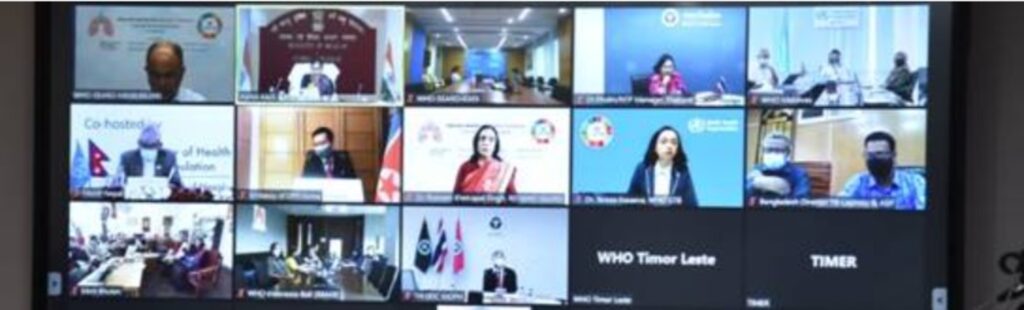
Union Minister of State for Health and Family Welfare, Dr Bharati Pravin Pawar addressed the inaugural session of WHO SEAR High-Level Meeting for Renewed TB Response today.
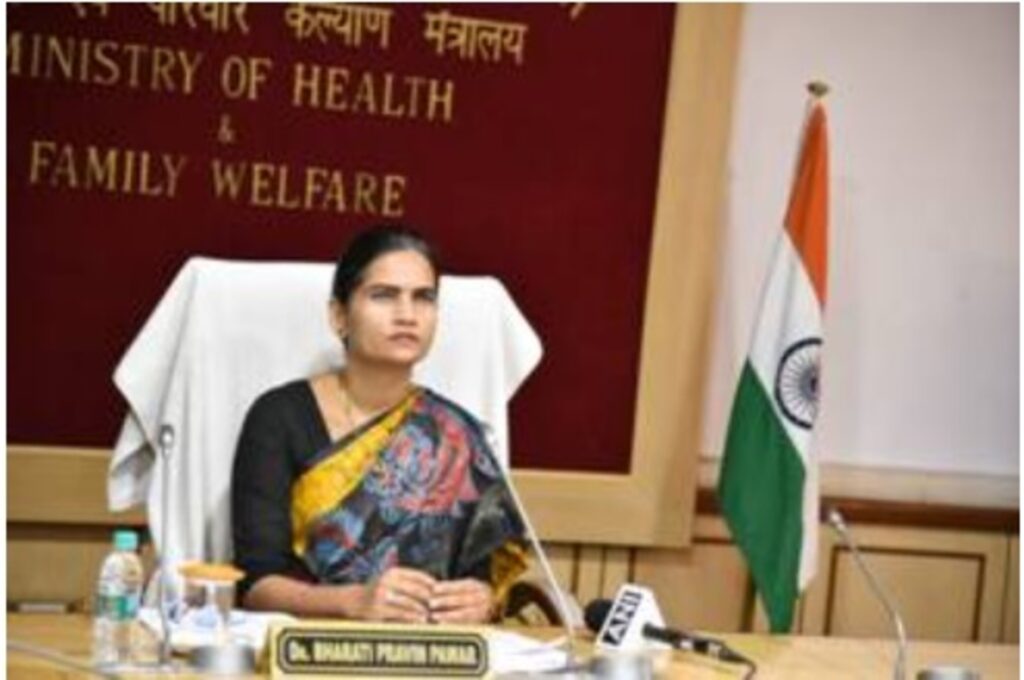
Upgradation of existing State Government/Central Government Medical Colleges to increase MBBS seats in the country:- Addressing the event, the Union Minister of State emphasized the fact that the South-East Asia Region bears the highest burden of TB disease among all six Regions. She said, “It has been a major source of fatalities for centuries and has now exceeded HIV/AIDS and malaria as the world's largest cause of death from an infectious disease. Most of these deaths occur among young adults in the economically productive age group of 15-45 years, resulting in high economic and social consequences. The economic burden of TB alone is huge in terms of lives, money and workdays lost.”
Highlighting the impact of COVID-19 on TB, she said, “The world has witnessed the emergence of COVID-19 pandemic in 2020, which has devastated human lives, economies, and health systems. In just a few months, the pandemic has reversed years of progress made in the fight against Tuberculosis.” She also said that the pandemic has also allowed us a huge set of learnings that would help in our TB elimination efforts.
She further highlighted the encouraging political commitment that has translated into increased domestic resource allocation for TB programmes, most notably in India and Indonesia, with 43% of the budget in 2020 coming from domestic sources. “TB case notifications have declined by 20-40% and outreach activities specifically related to increased case finding, preventive treatment and psycho-social support have been disrupted. The “Call for Action” in March 2017 has led to the implementation of revamped TB strategies within South-East Asia Region Member States towards ending TB. This was reiterated at the Delhi End-TB Summit of March 2018, in the run-up to the UN high-level meeting (UNHLM) in September 2018”, She added.
The Union Minister of State also raised concern over the fact that despite significant progress, the region as a whole, has missed the 2020 milestones of the End TB strategy and may also miss the 2022 coverage targets, unless immediate remedial action is taken. She noted. “With the next UN High-Level Meeting slated for 2023, there is an urgent need to review the progress and restructure our response accordingly. The Region needs to scale up preventive, diagnostic and treatment services, and substantially strengthen social protection measures including addressing undernutrition among TB vulnerable populations. We must adopt newer approaches with bold, ambitious, and strengthened commitments supported by appropriate resources. We also need to accelerate the development of new diagnostics, vaccines and drugs, use digital technology, Artificial Intelligence, and other innovations to advance TB response.”
At the end, she appealed all to unite and recommit to leverage on our strengths to together mobilize political commitment and resources and undertake actions to end TB.
Dr Tedros Adhanom Ghebreyesus, Director-General, WHO, Dr Suman Rijal, Director, WHO, SEARO, Dr Poonam Khetrapal Singh, Regional Director, WHO SEARO were also present in the meeting.