
In a landmark event that epitomises the Government’s commitment to ‘Antyodaya’ in health; making healthcare accessible to the last citizen of the country, Shri Mansukh Mandaviya, Union Minister for Health and Family Welfare launched ICMR’s Drone Response and Outreach in North East (i-Drone). This is a delivery model to make sure that life-saving vaccines reach everyone.
Thanking the visionary leadership of Prime Minister, Shri Narendra Modi, the Union Health Minister said, “Under his leadership, the Nation is progressing at a great pace. Today is a historic day, which showed us how technology is making life easier and bringing social change.”
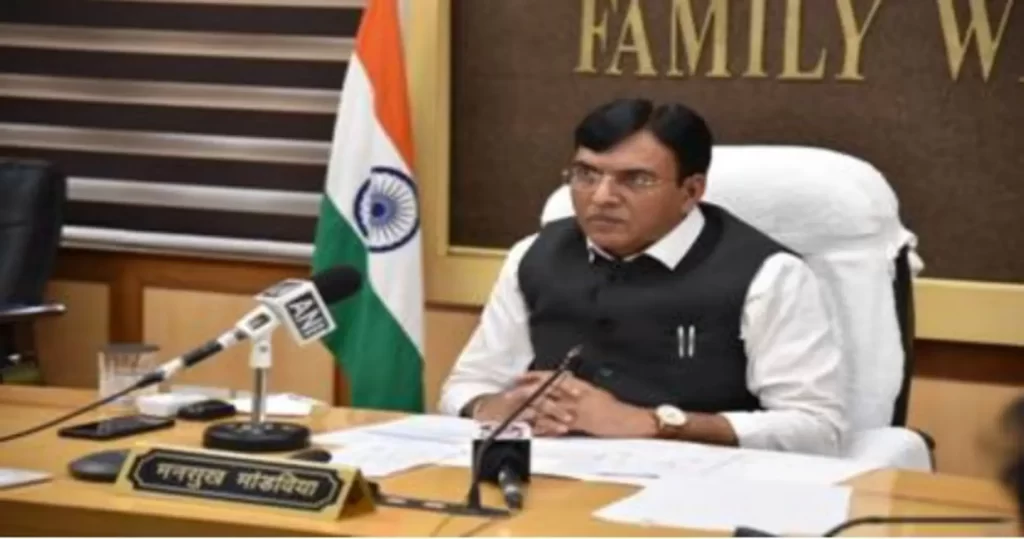
Congratulating the people of the country on this innovative step, Shri Mansukh Mandaviya said, “This is for the first time that a "Make in India' drone has been used in South Asia to transport COVID vaccine over an aerial distance of 15 kms in 12-15 mins from the Bishnupur district hospital to Loktak lake, Karang island in Manipur for administration at the PHC. The actual road distance between these locations is 26 k.m. Today, 10 beneficiaries will receive the first dose and 8 will receive the second dose at the PHC.”
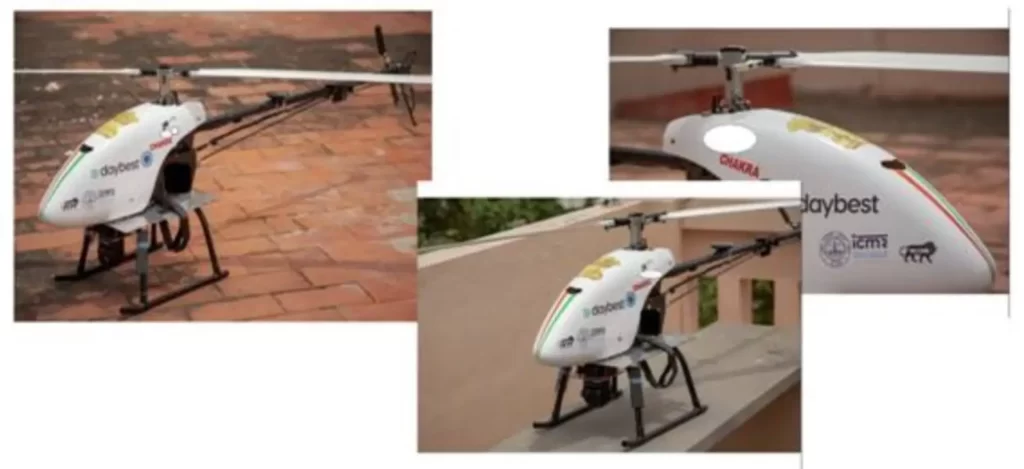
He further added, “India is a home to geographical diversities and drones can be used to deliver essentials to the last mile. We can use drones in delivering important life-saving medicines, collecting blood samples. This technology can also be used in critical situations. This technology may prove a game changer in addressing the challenges in health care delivery, particularly health supplies in difficult areas.”
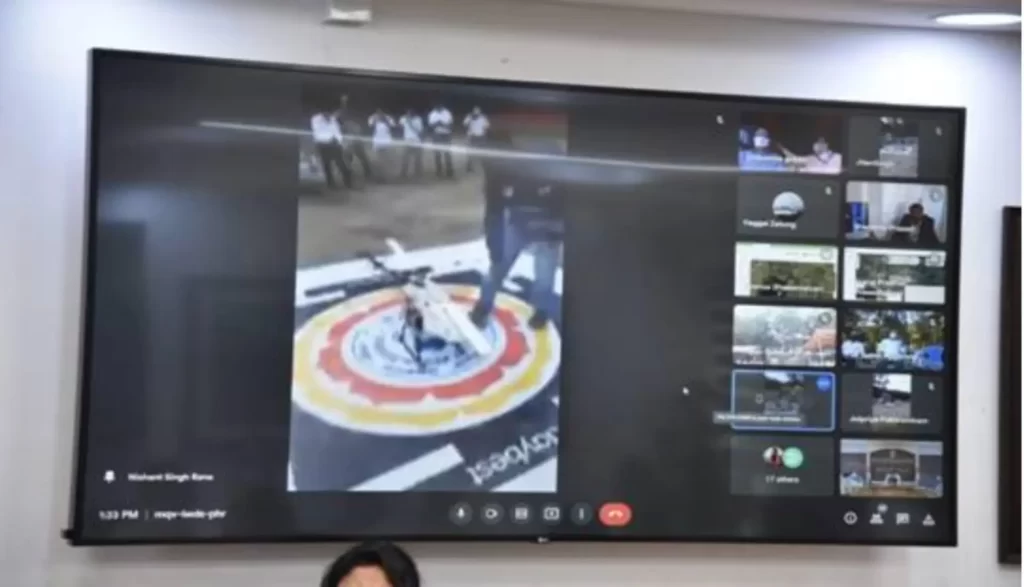
Launching the initiative which would facilitate vaccine delivery to tough and hard-to-reach terrains of India, the Union Health Minister said, “Our immunization program for COVID-19 have already exceeded all expectations. I strongly believe that this initiative will further help us achieve the highest possible immunization coverage for COVID-19. Incorporating such drone technologies into the national programs would help deliver other vaccines and medical supplies as quickly as possible.”

Despite the effective and safe vaccine administration in the States and Union Territories, the vaccine delivery among tough and hard-to-reach terrains of India is still challenging. This i-Drone has been designed to overcome these challenges by deploying Unmanned Aerial vehicles (UAV) / drones to remote areas and hard to reach terrains. Currently, the drone based delivery project has been granted permission for implementation in Manipur and Nagaland, as well as union territory of Andaman and Nicobar Island.
ICMR conducted an initial study in collaboration with Indian Institute of Technology, Kanpur to test the capacity of drones to carry and transfer vaccines safely. The study was conducted in Manipur, Nagaland and Andaman and Nicobar. These studies provided promising results on the basis of which the Ministry of Civil Aviation (MoCA), Directorate General of Civil Aviation (DGCA) and other regulatory authorities have granted permission to fly drones beyond the Visual Line Of Sight.
Shri Mandaviya expressed his confidence in the initiative and noted that this initiative can be helpful in delivering not only the vaccines but also other medical supplies. This will help in overcoming the gaps in current vaccine delivery mechanisms. He thanked the Ministry of Civil Aviation, DGCA and Airport Authority of India for their support towards this endeavour and congratulated ICMR, health workers and all associated with this landmark initiative.
Shri. Rajesh Bhushan, Secretary, Ministry of Health and Family Welfare, Dr. Balram Bhargava, Director General, ICMR and other senior officers of the Ministry, State Governments, ICMR etc were also present.
The event was webcast at:
Shri Mansukh Mandaviya, Union Minister for Health and Family Welfare has brought the focus on mental health as being intrinsic to physical health and wellness, here today. The Union Ministry of Health & Family Welfare is observing Mental Health Awareness Campaign Week beginning from today and culminating on the World Mental health Day. 10th October is observed globally as the World Mental Health Day to raise awareness on mental health issues and mobilize efforts to support mental health.
This year’s World Mental Health Day comes at a time when the daily lives have been transformed to a significant extent because of COVID-19. This in turn has given rise to various mental health concerns among people. Under guidance of the Union Health Minister, the Mental Health Awareness Campaign Week is being observed with an aim to encourage people’s participation to break the stigma surrounding Mental Disorders.
As part of the activities envisaged for the Mental Health Awareness Campaign Week, Shri Mansukh Mandaviya, Union Minister of Health & Family Welfare and Chemical & Fertilizers released the UNICEF’s State of the World’s Children Report today. The report takes a comprehensive look at the mental health of children, adolescents and caregivers in the 21st century. As highlighted in the report, the COVID-19 pandemic has had a significant impact on children’s mental health.
The other activities under the aegis of the Mental Health Awareness Campaign Week include virtual awareness workshops by NIMHANS, Bengaluru in collaboration with Educational Institutions and other suitable organization, cycle rallies in different parts of Delhi, green ribbon campaign, short film release in regional languages, launch of #breakthestigma hashtag campaign and quiz/ slogan competitions on mental health.
Shri Rajesh Bhushan, Union Health Secretary along with Dr. Sunil Kumar, Director General of Health Services inaugurated a Voluntary Blood Donation Camp at Nirman Bhawan on the occasion of National Voluntary Blood Donation Day today.

The Blood donation camp in Nirman Bhawanorganized by Directorate General of Health services under the Union Ministry of Health and Family Welfare was followed by a technical seminar on the subject.
National Voluntary Blood Donation Day is celebrated on 1st October of every year across the country to raise awareness about Blood donation and promote voluntary Blood donation in the country. On this occasion various Govt and non-govt organizations organize Blood donation camps and other awareness activities across the country to celebrate the day. The theme for this year’s Blood donation event is “Give Blood and keep the world beating”.
The Union Health Secretary made an earnest appeal to all to come forward in large numbers and donate blood for a noble cause and also motivate their friends, relatives and colleagues to doso. He underscored the importance of non-remunerative blood donation motivated by altruism alone.
All the staff present pledged to donate their blood to those in need. The oath was administered by the Union Health Secretary.

Blood is the most essential component of body and timely transfusion can save lacs of lives every year specially for Injury cases, children suffering from Blood disorders eg. Thalassemia, Sickle cell Anaemia etc. Our country needs approximately 1.45 crore units of blood every year. Collection of blood is done through 3500 licensed blood banks in the country.
About three decades back, a large percentage of blood collected was through professional donors which comprised among others high risk group population like Commercial Sex Workers, Transgenders, Men having sex with Men and Intravenous Drug Users. The inclusion of such vulnerable category for the motive of monetary gain led to spread of Blood transmitted infections like HIV/AIDS, Hepatitis B and Hepatitis C etc in the entire community. The landmark Supreme court judgement in 1996 banned the professional blood donation in the country and that was a game changer and more and more voluntary and replacement donations came into being. The National Blood Policy developed by Ministry of Health and welfare in 2002 recommended that the practice of even replacement donors shall be gradually phased out in a time bound manner to achieve 100% voluntary non-remunerated blood donation.
The Ministry has made mandatory testing of each unit of blood collected for five transfusion transmissible infections (TTI) viz. HIV/AIDS, Hepatitis B, Hepatitis C, Syphilis and Malaria using high quality testing methodology. Because of these measures, there has been a sharp decline in the Blood transmitted infections. At the moment India is able to collect only 70% blood through Voluntary blood donation and the rest 30% is through replacement donation which calls for greater awareness generation among the common public.
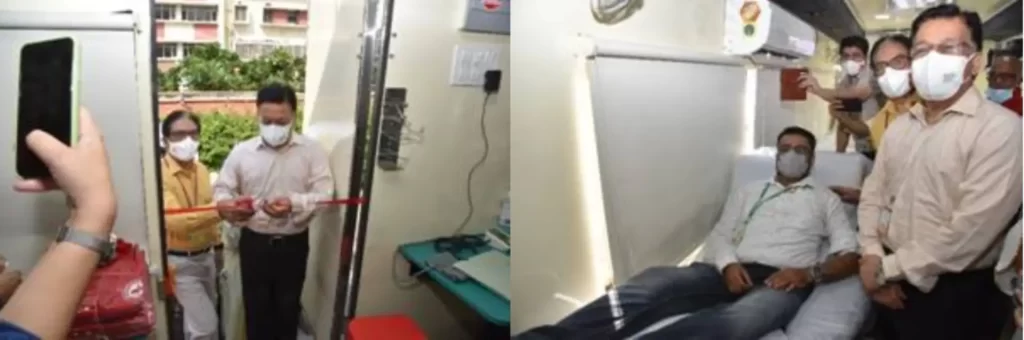
125 eligible blood donors could donate their blood till 5 pm today.
Prime Minister Shri Narendra Modi laid the foundation stones of four District Medical Colleges and Central Institute of Petrochemicals Engineering & Technology (CIPET) Jaipur in Rajasthan today in the presence of Shri Om Birla, Speaker, Lok Sabha, Shri Ashok Gehlot, Chief Minister, Rajasthan, Shri Mansukh Mandaviya, Union Minister for Health & Family Welfare, and Chemicals and Fertilizers, and Dr Bharati Pravin Pawar, MOS (HFW). The four medical colleges will serve the districts of Sirohi, Hanumangarh, Banswara and Dausa.
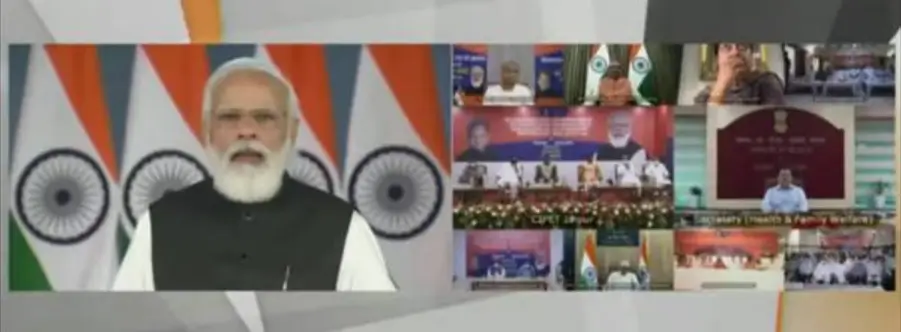
The Prime Minister stated that his experience as Chief Minister of Gujarat provided him insights into shortcomings of the health sector of the country arising from having multiple health systems. He said, “We have worked on a national approach and national health policy to transform the country's health sector. From Swachh Bharat Abhiyan to Ayushman Bharat and now Ayushman Bharat Digital Mission, many such efforts are part of this approach”. He said that about 3.5 lakh people in Rajasthan received free treatment under the Ayushman Bharat Yojana with 2,500 Health and Wellness Centres serving the State.
The Prime Minister highlighted that Government of India has been working hard to correct regional imbalance in healthcare with expansion of AIIMS network from 6 to 22 with medical colleges in aspirational districts and upgradation of super-speciality hospitals. In the last 6-7 years, more than 170 new medical colleges have been set up and rapid work is going on with more than 100 new medical colleges. In 2014, the total seats of medical undergraduates and postgraduates in the country were about 82,000. Today their number has increased to 1,40,000, he said. Rajasthan had about 2000 undergraduate and less than 1000 post-graduate medical seats which has now increased to more than 4000 and 2100, respectively. The advent of the National Medical Commission has addressed the problem of impropriety in Medical Education, he said.
The Prime Minister also underscored the success of ‘Free vaccine, vaccine for all” campaign: more than 88 crore doses of the corona vaccine have been administered in India with more than 5 Cr doses administered in Rajasthan.
The Prime Minister noted that skilled manpower is need of the hour for one of the fastest-growing industries like the Petro-Chemical Industry. He said that the new CIPET: Institute of Petrochemical Technology will connect the lakhs of youth with new possibilities. He also pointed out the ease of living introduced by the arrival of toilets, electricity, gas connections.
Shri Mansukh Mandaviya expressed his gratitude at the landmark event and said, “Prime Minister Shri Narendra Modi Ji was the first administrator to link health with development. As he completes 20 years of public service on the 7th of October, one cannot help but look back at the achievements in health that epitomizes the call of Sabka Saath Sabka Vikas. In Gujarat, Mukhyamantri Amrutam Yojana offered treatment up to 2 lakhs in private hospitals while the Chiranjeevi Yojana enabled expecting mothers to use private facilities for their delivery.” He added that Ayushman Bharat has enabled more than 2 crore beneficiaries to avail treatment up to Rs 5 lakh which benefits migrant workers outside their States.
He also underscored the importance of CIPET Jaipur for the MSME sector of Rajasthan: other than providing employment to skilled labour strengthening institute-industry connect, these institutes undertake research that help the enterprises and allow their testing facilities to be used by them for quality control. There are 42 such institutes in the country, he stated. Working on the principle of “Education Institutes to Industries” principle, more than one lakh students get training in various sectors in these institutes annually. The high percentage of placement of 95% has ensured employed for these students.
Shri Om Birla thanked the Prime Minister for the Medical Colleges in the four districts which are primarily tribal and under-developed: “The local people will benefit hugely through affordable medical education and good quality health care services.” He also expressed gratitude to the Prime Minister for the CIPET-IPT in Jaipur. “This is a pivotal move towards Aatmanirbhar Bharat”, he stated. This will contribute towards fulfillment of vision of Prime Minister’s ‘New India’, he added.
Shri Ashok Gehlot thanked the Prime Minister for CIPET-IPT and the four Medical Colleges to be established in Rajasthan in Sirohi, Hanumangarh, Banswara and Dausa. He requested for assistance in setting up one Medical College in each district in the state, especially in the backward and tribal districts highlighting that medical education has seen an expansion in the country in the past ten years.
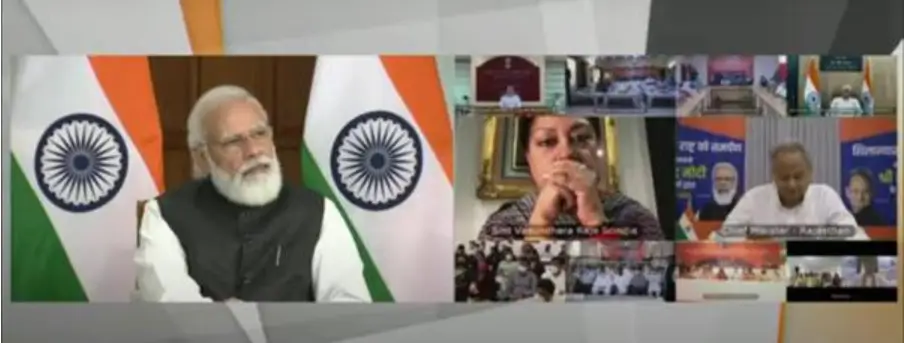
Shri Bhupender Yadav, Union Minister of Labour and Employment, Environment, Forest and Climate Change,Shri Gajendra Singh Shekhawat, Union Minister for Jal Shakti, Shri Bhagwanth Khuba, Minister of State for New and Renewable Energy, Chemicals and Fertilizers, Shri Arjun Ram Meghwal, Minister of State for Parliamentary Affairs and Culture, Shri Kailash Choudhary, Ministry of State for Agriculture & Farmers Welfare , Shri Raghu Sharma, Health Minister, Rajasthan, Smt. Vasundhara Raje Scindia, Former Chief Minister, Rajasthan, Shri Gulab Chand Kataria, Leader of Opposition, Rajasthan were also present along with many elected representatives from the State.
National Pharmaceutical Pricing Authority (NPPA) is a regulatory body under the Department of Pharmaceuticals, Ministry of Chemicals and Fertilizers, Government of India and is committed to ensure affordability and accessibility of medicines by fixing the ceiling price for scheduled formulations and monitoring the prices of non-scheduled formulations.
The Daily Excelsior, on 22nd September, 2021, has reported that the Jammu Pharmaceutical Distributors Association (JDPA) has alleged pharmaceutical companies for resorting corrupt practices by selling most of the medicines at different prices to different sectors despite having same MRP with active connivance of the NPPA.
NPPA strongly condemns such false statements regarding its connivance in any of the malpractices adopted by the pharmaceutical companies. It will be most relevant here to state that NPPA takes action on violation of Ceiling Prices fixed by it for scheduled formulations, Retail Prices fixed by it for New Drugs and increasing MRP of non-scheduled Drugs by more than 10% during the previous 12 months as provided under Para-20 of the Drug Price Control Order (DPCO), 2013.
Further, charging different prices below the applicable ceiling price/ MRP to different sectors by pharmaceutical companies is not under the purview of NPPA. It is done purely on commercial terms by the companies which are not under the ambit of the regulatory framework of NPPA.
Shri Mansukh Mandaviya, Union Minister for Health and Family Welfare today addressed the closing session of 4th Indo-US Health Dialogue being hosted by India.
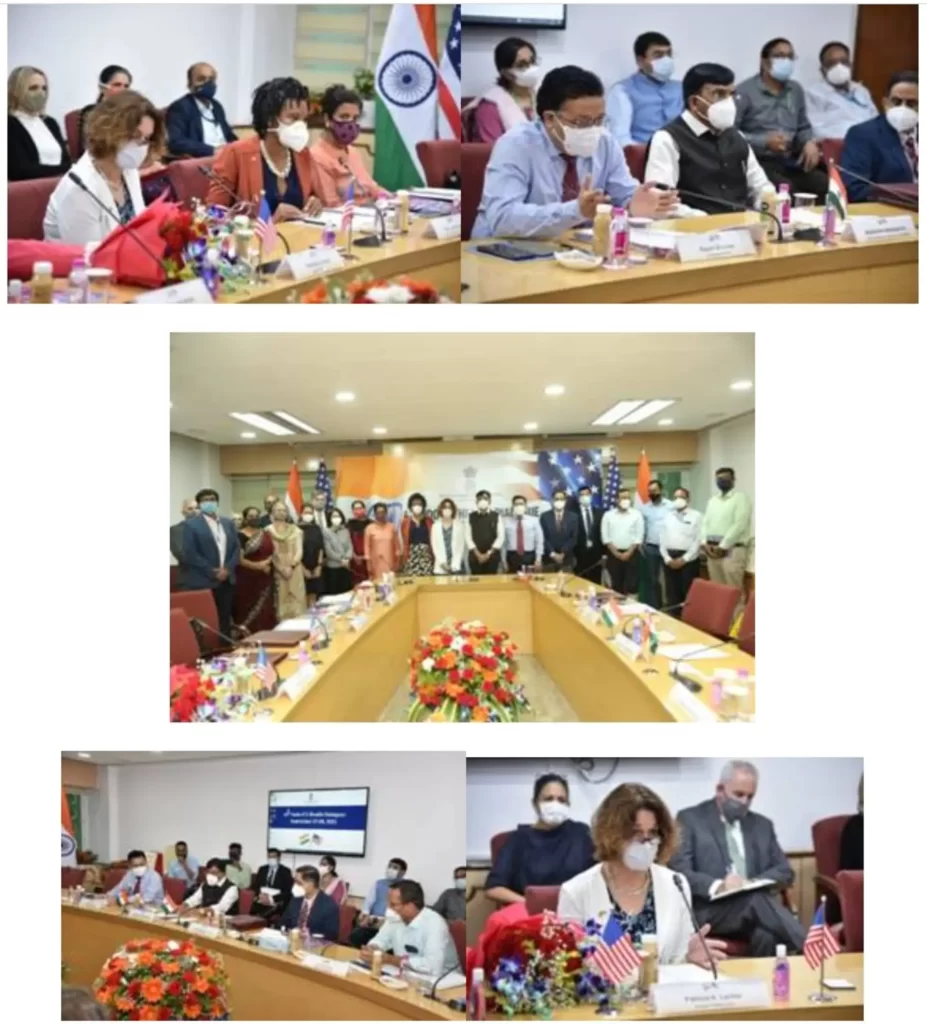
The two-day Dialogue leveraged as a platform to deliberate upon multiple ongoing collaborations in the health sector between the two countries. The issues related to areas of concern pertaining to strengthening of epidemiological research and surveillance, vaccine development, One Health, zoonotic and vector-borne diseases, health systems and health policies etc. were discussed during the two day dialogue.
Two MoUs were also signed today at the concluding session. One MoU was signed between the Ministry of Health & Family Welfare of the Republic of India and Department of Health and Human Services of the USA concerning cooperation in the field of Health and Biomedical sciences. Another MoU was signed between Indian Council of Medical Research (ICMR) & National Institute of Allergy and Infectious Diseases (NIAID) for cooperation on International Centre for Excellence in Research (ICER).
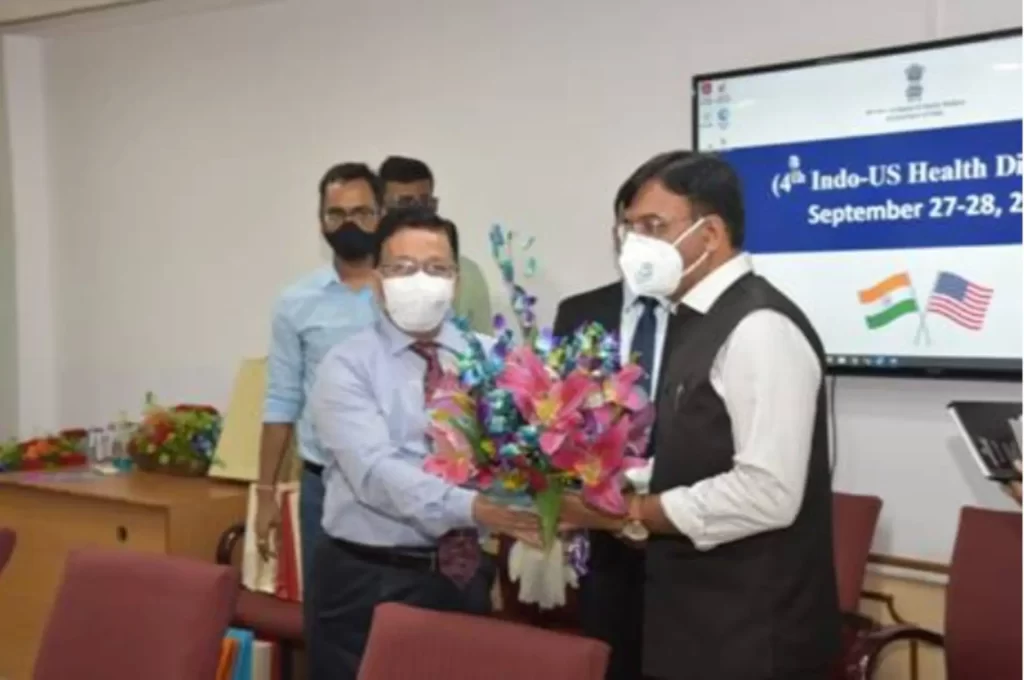
Marking the end of the two-day dialogue, Union Health Minister, Shri Mansukh Mandaviya delivered a special remark on the concluding day of the 4th Indo-US Health Dialogue.
His speech is as follows:
I am delighted to be present, amongst you to attend the concluding session of the Fourth Health Dialogue between India and the U.S.
For India, we value our engagement with U.S. on various fronts and, we have travelled a long path in the past continuously nurturing this relationship. U.S. being the oldest modern democratic country & India being the largest, democratic country in the modern world, constructive and positive cooperation amongst both countries can lead to,
Peace,
Harmony, and
Growth, not only for both sides but world at large.
I recall the year 2000, when during his trip to the U.S., our then Honourable Prime Minister, Late Shri Atal Behari Vajpayee ji, portrayed India and the U.S. as ‘natural allies’. And today, focus of Indo-U.S. Health Dialogue encouraging cooperation and collaboration, in the field of medicine and health to aid - Health for All, is truly commendable.
The recently concluded visit of our Hon’ble Prime Minister to the U.S., for deliberations, Comprehensive Global Strategic Partnership and, exchanging views on regional, and global issues of mutual interest particularly, in the area of science and technology is another milestone towards strengthening of our bilateral ties.
And, I am sure, the outcome of this visit shall benefit, our ongoing collaborations in health sector too. India and U.S. are also actively engaged with, other lndo - Pacific countries on,
COVID response,
Vaccine development,
Sharing of best practice,
Supply chain management and,
Revival of economies.
In addition, the participation of Hon’ble Prime Minister Shri Narendra Modi ji,in the first in-person Quad Leaders’ Summit on, 24th September, for identifying new areas of cooperation, will also solidify this partnership and reinforce the positive, and constructive areas of cooperation that will benefit the Indo-Pacific region as a whole.
The ongoing collaboration between two nations in various fields like Environmental and Occupational Health,
Injury Prevention and Control,
Climate Change & Human Health,
Antimicrobial Resistance,
HIV/AIDS, Engagement with USFDA to understand the PREDICT Model which is a risk based management tool for,
import control,
Funding clinical research fellowships for early and mid-career scientists within India and the USA will, surely contribute to building a strong sustainable healthcare system with skilled healthcare professionals.
We all know that both India and U.S. are global partners, and we also need to work collaboratively in reforming the global health architecture, whose fault lines have become amply visible during the current pandemic.
Equally important areas where in both India and US can work, relates to managing health emergencies, supporting digital health and innovation, mental health interventions, research coupled with production related to diagnostics, therapeutics and, vaccines considering India offering its low-cost research network and huge production capacities. This has implications on, access and affordability of medicines not only for U.S.- India but, also for the whole world.
It is worth mentioning that Indian generic drugs have helped in bringing down the cost of treatment of various diseases globally.
India supplies nearly all the developing world’s high-quality generic medicines. We are also the largest manufacturer of anti-TB drugs. Leveraging on this capability, we can supply affordable high-quality medication for patients the world over.
I also note with satisfaction the increased convergence between the Regulators of both countries and look forward for further tangible outputs and combined working on this issue at global fora also.
As the Health Dialogue ends, I hope each both sides take back the rich learning experience and reaffirm the commitment to the bilateral cooperation.
I am sure that you all had a comfortable stay in India and also could get some time to see the rich cultural heritage of India. I, however, wish if you could have stayed for a longer period or rather, I look forward for another visit soon to India.
Let us continue to work together, for our common benefit, and benefit of the world at large.
The US delegation for the dialogue was led by Ms. Patricia A Lacina, Charge D’Affairs, US Embassy. Ms Loyce Pace, Director, office of Global Affairs at U.S. Department of Health and Human Services (HHS). Ms. Michelle McConnell, Director, Asia and Pacific, Office of Global Affairs at U.S. Dept. (HHS), Dr. Preetha Rajaraman, Health Attaché, HHS, Ms. Sangita Patel, Director, USAID/HO, Ms. Nandita Chopra, NIAID Representative, HHS/NIH and Dr. Melissa Nyendak, Director, Division of Global HIV and TB, HHS/CDC were present in the meeting.
Shri Rajesh Bhushan, Union Health Secretary, Dr Balram Bharagava, Secy (DHR) and DG (ICMR), Sh. Alok Saxena, AS &DG, (NACO), Sh. Lav Agarwal, JS(PH), Sh. Vishal Chauhan, JS (Policy & NCD), Dr. M.K. Bhandari, JS (Reg & ME), Sh. P Ashok Babu, JS (RCH); Dr. V.G. Somani, DCGI, and other senior officials of the Ministry represented India at the event.
In a bold move that would make India ‘Aatmanirbhar’, the Government of India has taken a key initiative to support the medical devices industry to reach its potential in the coming years identifying the industry is as a sunrise sector with great potential for diversification and employment generation. Recognizing the need for higher levels of investments for the creation of proper infrastructure in the sector, the Department of Pharmaceuticals has notified the Scheme for “Promotion of Medical Device Parks” with the following objectives:
a. Easy access to standard testing and infrastructure facilities through creation of world class common infrastructure facilities for increased competitiveness will result into significant reduction of the cost of production of medical devices leading to better availability and affordability of medical devices in the domestic market.
b. Reaping the benefits arising due to optimization of resources and economies of scale.
The Medical Devices Parks to be developed under the scheme will provide common infrastructure facilities at one place thereby creating a robust ecosystem for the medical device manufacturing in the country and also reducing the manufacturing cost significantly. The total financial outlay of the scheme is Rs. 400 crore and the tenure of the scheme is from FY 2020-2021 to FY 2024-2025. The financial assistance to a selected Medical Device Park would be 70% of the project cost of common infrastructure facilities. In case of North Eastern States and Hilly States, financial assistance would be 90% of the project cost. Maximum assistance under the scheme for one Medical Device Park would be limited to Rs. 100 crores.
In total, proposal from 16 States/UTs were received under the scheme. The selection of the States/UTs is based on the challenge method, which is reflected in the evaluation criteria of the scheme. The ranking methodology for States/UTs is based on the parameters prescribed in the scheme guidelines such as utility charges, State policy incentives, total area of the park, land lease rate, connectivity of the park, ease of doing business ranking, availability of technical manpower etc. Based on the evaluation, the proposals of State Government of Himachal Pradesh, Tamil Nadu, Madhya Pradesh and Uttar Pradesh have been given “in-principle” approval under the scheme. Further qualitative assessment of the said States in terms of their fiscal capability, ecosystem attractiveness and industrial presence also validated the selection of these States.
The scheme reflects the spirit of co-operative federalism where the Central Government and State Governments will partner to develop the Medial Device parks for better performance of the sector.
Union Minister for Health and Family Welfare Shri Mansukh Mandaviya inaugurated and chaired the inaugural session of Aarogya Manthan 3.0 to mark the third anniversary of Ayushman Bharat – Pradhan Mantri Jan Aarogya Yojana (AB PM-JAY) scheme for its three years successful implementation across the country, in the presence of Dr Bharati Pravin Pawar, Union Minister of State for Health and Family Welfare. Ayushman Bharat PM-JAY was launched on 23rd September 2018 from Ranchi by the Hon’ble Prime Minister Shri Narendra Modi with the vision to achieve Universal Health Coverage (UHC).
The theme of the program was ‘Service and Excellence’. Aarogya Manthan 3.0, a four-day hybrid (physical and virtual) event commenced by observing ‘Ayushman Bharat Diwas’.
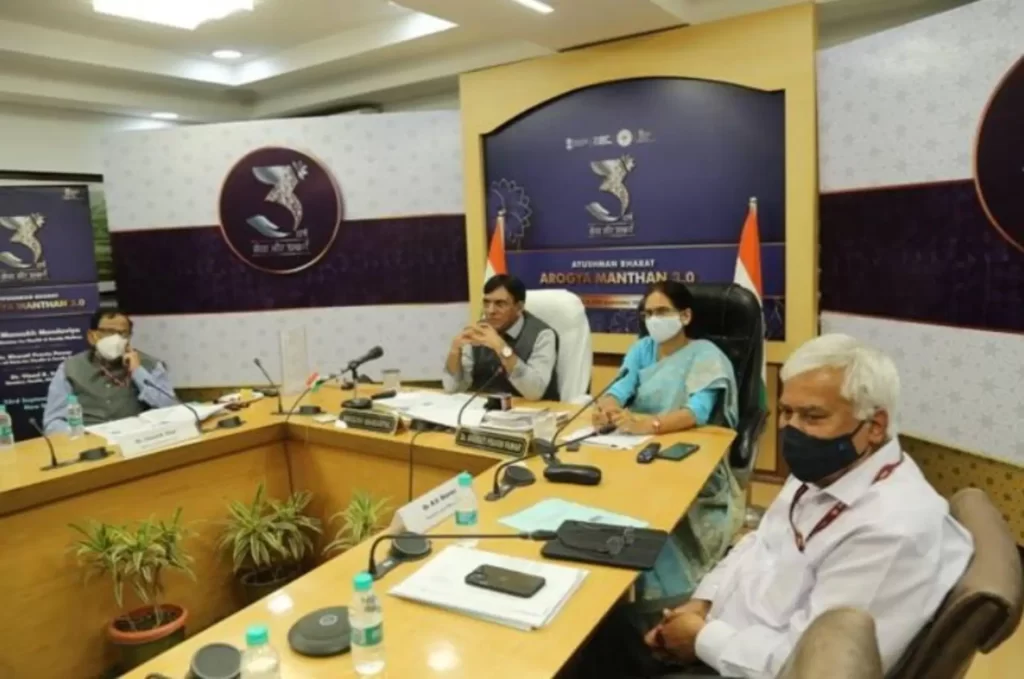
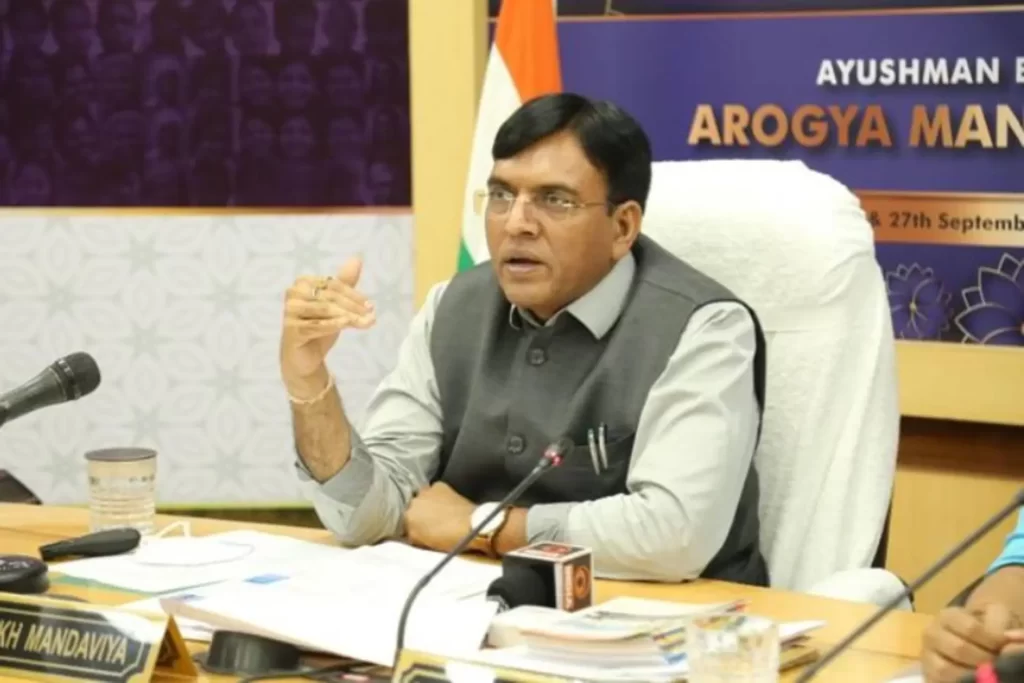
Speaking on the occasion, the Union Minister for Health and Family Welfare said, “AB PM-JAY has reformed the entire healthcare system of India. It gives me great happiness that the scheme has served more than 2.2 crore people in the last three years to the people residing in the remotest of the areas. The journey of the last three years of implementation of the scheme has been tremendous as it has empowered millions of citizens of India with their Right to Health.”
Accentuating the vision and expressing his heartfelt thanks to the Prime Minister of India, he said, “Health and development are interlinked. Universal Health care is the objective and vision of the Hon'ble Prime Minister. Leveraging digital technology in the healthcare sector, India aims to set national goals of digitizing the healthcare landscape to make delivery of services smooth, robust, quick and efficient. In this regard, the National Digital Health Mission will prove to be a game-changer step. Public government partnership is the reason for the success of any government program. Ayushman Mitra is one such initiative.
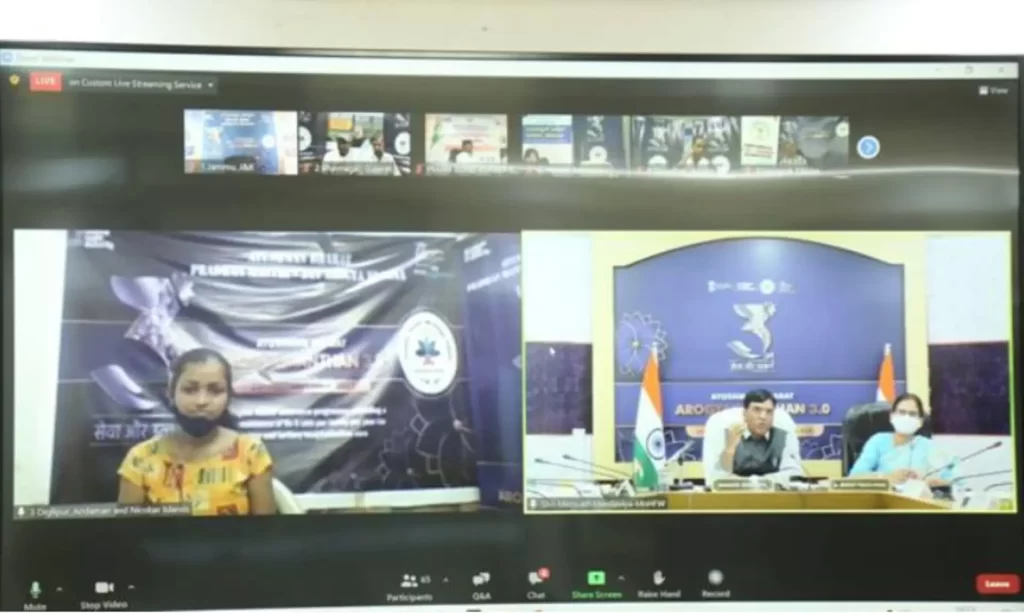
On this proud occasion, Shri Mansukh Mandaviya virtually interacted with AB PM-JAY beneficiaries from Jammu and Kashmir, Chhattisgarh, Andaman and Nicobar, Uttar Pradesh, Gujarat, Karnataka, Uttarakhand, Sikkim and Assam. The Union Minister of Health & Family Welfare also released the third edition of the NHA’s Annual Report 2020-2021 along with the Lessons Learnt Booklet.
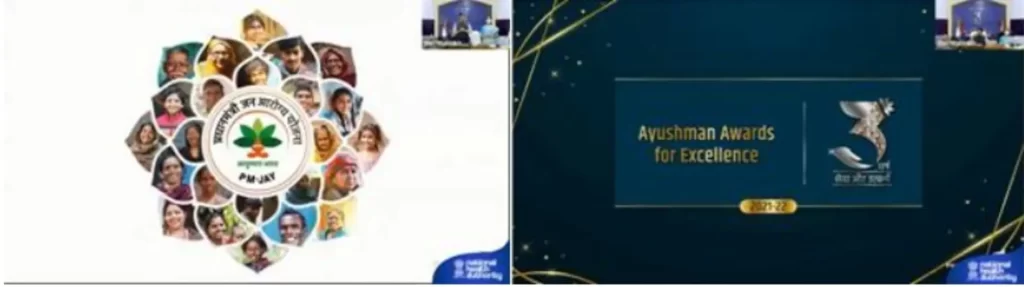
During the event, the Health Minister gave the ‘Ayushman Utkrishta Puraskaar’ award to the best performing AB PM-JAY States/ UTs for efficient implementation of the scheme. The awards were distributed to the States in the category of top-performing PMAM, top-performing CSC State lead, top- performing Public Hospitals, best performing states and best-performing states in gender equity.
At this momentous occasion, the Union Health Minister also launched key initiatives - Hospital Help Desk Kiosk, Beneficiary Facilitation Agency, PMJAY Command Centre & Nudge Unit and Revamped PM-JAY technology platform, undertaken by the National Health Authority for the ease of beneficiaries while availing healthcare services under the scheme. The details are as follows: -
•Hospital Help Desk Kiosk: The objective of this initiative is to directly connect the beneficiaries with the hospitals and provide an enhanced and seamless accessibility of information at the time of admission. This would also help create a uniform identity of AB PM-JAY for the beneficiaries and patch lapses, if any. It will function as a dedicated service window with a potential to provide all types of information about the scheme to the visitors.
•Beneficiary Facilitation Agency: Beneficiary Facilitation Agencies (BFAs) will be deployed at empanelled public hospitals under AB PM-JAY. These BFAs will be mandated to scrutinize all IPD patients in public hospitals for their eligibility under AB PM-JAY. Further, the BFAs will also provide necessary assistance to PM-JAY beneficiaries for availing services under the scheme.
•PMJAY Command Centre & Nudge Unit: This Command Centre will ensure that real-time tracking of beneficiary seeking treatment at any empanelled hospital across India
•Revamped PM-JAY technology platform: Based on the experience of the last three years, three core applications of AB PM-JAY IT platform for enriching the experience of Beneficiaries, Hospitals and Claims Processing Agents were unveiled. The Beneficiary Identification system (BIS), verifies the beneficiary identity. In the revamped system, self or assisted beneficiary verification feature has been introduced. The new Transaction Management System (TMS) has optimized documentation requirements for claim submission and rationalized query raising while claim processing. Hospital Empanelment Module used for hospital empanelment and locating the hospitals under the scheme has been revamped to facilitate Ease of empanelment through streamlined process and digital MoU. It will also help with informed decision-making regarding choice of hospital based on the public profile of empanelled hospitals.
Speaking on the occasion, Dr Bharati Pravin Pawar emphasized the role of AB-PMJAY in reforming the healthcare system of India, She said, “The scheme has great potential to rejuvenate the primary and secondary healthcare facilities across the country. This year’s theme for Aarogya Manthan 3.0 is Service and Excellence and I believe that AB PM-JAY is fulfilling this noble cause in terms of serving more than 54 crore targeted people with free, accessible and quality medical care across India.”
While presenting the three-year journey of AB PM-JAY, Dr RS Sharma, CEO, National Health Authority expressed his pleasure on the successful implementation of AB-PMJAY in the last three years effortlessly and seamlessly across the country. He said, “The scheme is taking one step each day to reach closer to the goal of Universal Health Coverage. This exemplary work done under the scheme has been possible due to its robust IT system and the monitoring and extensive work done at the ground level.”
He further added, “Since the inception of the scheme, more than 2 crore treatments worth Rs. 26,400 crores have been authorized through a network of over 24,000 empanelled hospitals across the country. In the last three years, more than 16.50 crore beneficiaries have been verified and provided with Ayushman Cards with female beneficiaries amounting to approximately 50% of this number. As of 23rd September 2021, over 2.6 lakh hospital admissions worth Rs 586 crore have been authorized leveraging the pan-India portability feature of the AB PM-JAY scheme. The innovative e-Rupy platform can be used to leverage the PMJAY further.”
Dr VK Paul, Member (Health), NITI Aayog said that over the last three years, India has gained massive global attention for the implementation of Ayushman Bharat PM-JAY to achieve the commitment of Universal Health Coverage. Ayushman Bharat PM-JAY has been proved to be a game-changer in strengthening India’s healthcare landscape. He suggested that the remaining 50-60 Cr people should also be included in this Universal HealthCare System to reach the unmet people. He also emphasized the need to add more hospitals under this scheme as 24,000 Hospitals are not enough.
Shri Rajesh Bhushan, Secretary, Department of Health & Family Welfare congratulated the National Health Authority for the exemplary work done by the people involved in making Ayushman Bharat PM-JAY a grand success in such a short period of three years. He also highlighted the impact and importance of the “Aayush Apke Dwar '' awareness campaign launched by NHA for door to door campaign. He further added, “We should also focus on strengthening connecting PMJAY beneficiaries to the hospitals in availing benefits, who have not availed it yet, strengthening healthcare infrastructure and IT platform. It’s important to strengthen more our IT infrastructure to detect any fraud.”
Dr R S Sharma, CEO, National Health Authority (NHA) and Shri Rajesh Bhushan, Union Health Secretary were also present. Other senior dignitaries from the Ministry of Health & Family Welfare, National Health Authority, and officials from State Health Agency (SHAs), medical professionals also participated in the event.
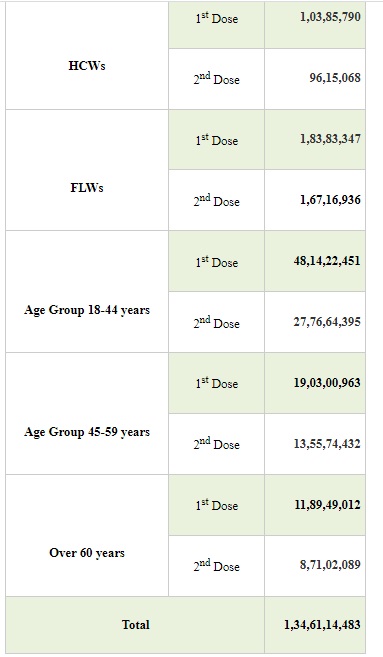
With the administration of 71,38,205 vaccine doses in the last 24 hours, India’s COVID-19 vaccination coverage crossed the landmark of 83Cr (83,39,90,049) as per provisional reports till 7 am today. This has been achieved through 81,69,260sessions. The break-up of the cumulative figureas per the provisional report till 7 am today include:
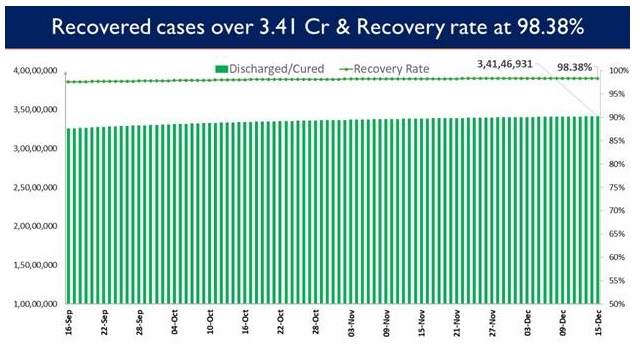
The recovery of 31,990 patients in the last 24 hours has increased the cumulative tally of recovered patients (since the beginning of the pandemic) to 3,28,15,731.
Consequently, India’s recovery rate stands at 97.77%. Recovery Rate is currently at its highest peak since March 2020.
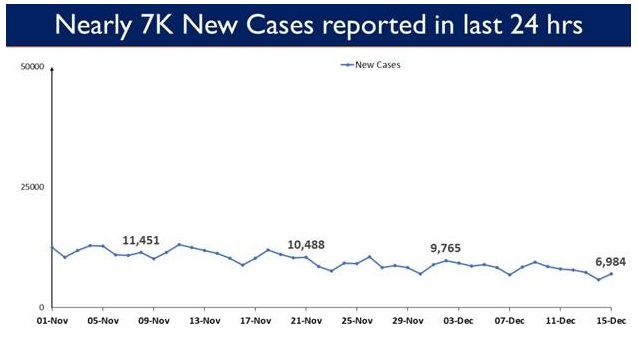
Sustained and collaborative efforts by the Centre and the States/UTs continue the trend of less than 50,000 Daily New Cases that is being reported for 88 consecutive days now.
31,923 new cases were reported in the last 24 hours.
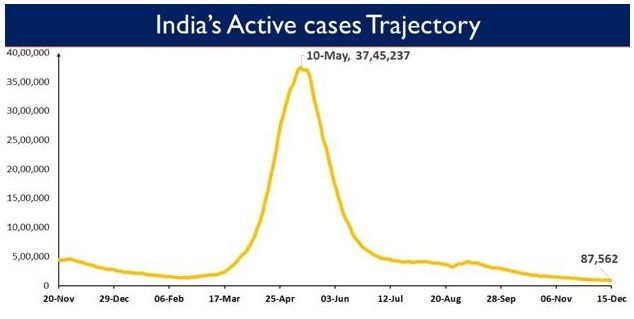
The Active Caseload is presently 3,01,640. Active cases presently constitute 0.90% of the country's total Positive Cases. This is the lowest figure in active cases in India since March 2020.
The testing capacity across the country continues to be expanded. The last 24 hours saw a total of
15,27,443tests being conducted. India has so far conducted over 55.83 Cr (55,83,67,013) cumulative tests.
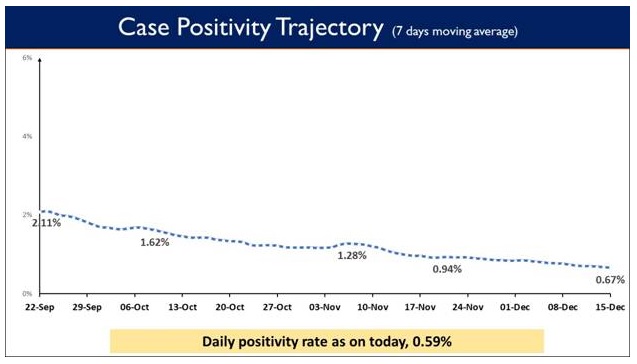
While testing capacity has been enhanced across the country, Weekly Positivity Rate at 2.11% remains less than 3% for the last 90 days now. The Daily Positivity rate reported to be2.09%. The daily Positivity rate has remained below3% for last 24 days and below 5% for 107 consecutive days now.
In a major boost to export prospects of agricultural produce, India has achieved a significant increase of 21.8 percent in export of agricultural and processed food products in the 2021-22 (April-August) in comparison to the corresponding period of 2020-21.
According to the Quick Estimates released by the Directorate General of Commercial Intelligence and Statistics (DGCI&S), the overall export of Agricultural and Processed Food Products Export Development Authority (APEDA) products has witnessed 21.8 percent growth in terms of USD during April-August 2021 over the same period of the previous year.
The overall export of APEDA products increased from USD 6485 million in April-August 2020 to USD 7902 million in April-August 2021.
This rise in exports has been achieved notwithstanding Covid-19 restrictions. The significant spike in agri-exports is seen as a testimony of the government’s commitment to increase farmers’ income through giving thrust on boosting exports of agricultural and processed food products of the country.
The huge jump in exports of agricultural and processed food products during the first five months of current fiscal is in continuation of growth in exports witnessed in the financial year 2020-21. According to WTO’s trade map, with the total agri-exports of USD 37 billion in the year 2019, India is ranked at 9th position in the world ranking.
The export of rice, which recorded a positive growth of 13.7 percent, increased from USD 3359 million in April-August 2020 to USD 3820 million in April-August 2021.
As per the Quick Estimates, the exports of fresh fruits & vegetables registered a 6.1 percent growth in terms of USD, while shipment of processed food products like cereals preparations and miscellaneous processed items reported a growth of 41.9 percent. In April-August 2020-21, fresh fruits and vegetables were exported to the tune of USD 1013 million which rose to USD 1075 million in April-August 2021-22.
India reported a significant 142.1 percent jump in export of other cereals while the export of meat, dairy & poultry products witnessed an increase 31.1 percent in the first five months of the current fiscal (2021-22).
The export of other cereals increased from USD 157 million in April-August 2020 to USD 379 million in April-August 2021 and the export of meat, dairy and poultry products increased from USD 1185 million in April-August 2020 to USD 1554 million in April-August 2021.
The cashew export witnessed a growth of 28.5 percent in April-August 2021 as the export of cashew rose from USD 144 million in April-August 2020 to USD 185 million in April-August 2021.
The initiatives taken by APEDA, which functions under the Ministry of Commerce, has helped the country achieve this milestone at a time when most of the business activities suffered a huge setback due to the restrictions imposed after the outbreak of second wave of the COVID19 pandemic.
The rise in export of agricultural and processed food products is because of APEDA’s various initiatives taken for the export promotion of agricultural and processed food products such as organizing B2B exhibitions in different countries, exploring new potential markets through product specific and general marketing campaigns by active involvement of Indian Embassies.
The APEDA has also taken several initiatives to promote products having registered geographical indications (GI) in India by organizing virtual Buyer Seller Meets on agricultural and food products with UAE and on GI products, including handicrafts with USA. APEDA is continuing with the initiative of conducting Virtual Buyer Seller Meets (VBSM) with potential importing Countries to popularize the GI products of major agricultural commodities exported.
In order to ensure seamless quality certification of products to be exported, APEDA has recognized 220 labs across India to provide services of testing to a wide range of products and exporters.
APEDA also assists in up-gradation and strengthening of recognized laboratories for export testing and residue monitoring plans. APEDA also provides assistance under the financial assistance schemes of infrastructure development, quality improvement and market development for boosting export of agricultural products.
APEDA organizes participation of exporters in the International Trade Fairs, which provides a platform to the exporters to market their food products in the global marketplace. APEDA also organizes National events like AAHAR, Organic World Congress, BioFach India etc. to promote agri-exports.
APEDA also initiates registration of pack-houses for horticulture products for meeting the quality requirements of the international market. Registration of exports units for peanut shelling and grading and processing units, for instance is to ensure quality adherence for the EU and non EU countries.
APEDA carries out registration of meat processing plants and abattoirs for ensuring compliance with the global food safety and quality requirements. Another key initiative includes development and implementation of traceability systems which ensure the food safety and quality compliances of the importing countries. For boosting exports, APEDA compiles and disseminates various international trade analytical information, market access information amongst exporters and address trade enquiries.
