
As part of the initial rollout of the Export Promotion Mission, two key interventions under the NIRYAT PROTSAHAN sub-scheme have been launched to strengthen MSME exports and improve access to trade finance.
The first intervention relates to interest subvention for pre- and post-shipment export credit, aimed at reducing the cost of export credit and easing working-capital constraints faced by MSME exporters. Under this intervention, interest subvention will be provided on pre- and post-shipment rupee export credit extended by eligible lending institutions. A base interest subvention of 2.75 per cent has been provided, with a provision for additional incentive for exports to notified under-represented or emerging markets, subject to operational readiness.
The interest subvention will be applicable only to exports covered under a notified positive list of tariff lines at the Harmonised System six-digit level, covering approximately 75 per cent of India’s tariff lines and reflecting high MSME participation. An exporter-wise annual cap of ₹50 lakh per Importer Exporter Code (IEC) has been prescribed for FY 2025–26. The applicable rates will be reviewed bi-annually in March and September, taking into account domestic and global benchmarks.
The positive list has been prepared using a transparent and data-driven methodology, prioritising labour-intensive and capital-intensive sectors, MSME concentration and value addition, while excluding restricted and prohibited items, waste and scrap, and products covered under overlapping incentive schemes. Defence and SCOMET-notified products have been included to support strategic exports. Detailed operational guidelines for this intervention will be issued by the Reserve Bank of India. A pilot rollout will be undertaken, with scope for refinement based on implementation feedback.
The second intervention under NIRYAT PROTSAHAN relates to collateral support for export credit, aimed at addressing collateral constraints faced by MSME exporters and improving access to bank finance. Under this intervention, a collateral guarantee support for export credit is being introduced in partnership with the Credit Guarantee Fund Trust for Micro and Small Enterprises (CGTMSE). Guarantee coverage of up to 85 per cent will be provided for Micro and Small exporters and up to 65 per cent for Medium exporters, with a maximum outstanding guaranteed exposure of ₹10 crore per exporter in a financial year.
This intervention is designed to complement existing credit guarantee mechanisms and to increase bank lending to export-oriented MSMEs. Detailed guidelines will be notified by CGTMSE, followed by a pilot phase and subsequent integration into a comprehensive revision of export promotion frameworks.
The two interventions will be implemented on a pilot basis with continuous monitoring and data-driven refinements. Through the Export Promotion Mission, the Government aims to lower the cost of exporting, expand access to finance, strengthen India’s export brand and diversify export markets, thereby enabling Indian exporters, particularly MSMEs, to integrate more deeply into global value chains and contribute to sustained export-led growth.
The Government of India has launched a range of interventions under the Export Promotion Mission, a flagship initiative approved by the Union Cabinet on 12 November 2025, with a total outlay of ₹25,060 crore for the period from FY 2025–26 to FY 2030–31. The Mission seeks to strengthen India’s export competitiveness with a sharp focus on MSMEs, first-time exporters and labour-intensive sectors, while supporting market diversification and promotion of value-added exports.
The Export Promotion Mission is jointly implemented by the Department of Commerce, Ministry of MSME and Ministry of Finance. The Mission is structured around two integrated sub-schemes, namely NIRYAT PROTSAHAN, which focuses on enabling access to affordable and diversified trade finance, and NIRYAT DISHA, which supports non-financial enablers such as market access, branding, regulatory compliance, logistics and trade intelligence.
Union Minister for Health and Family Welfare and Chemicals and Fertilizers, Shri J. P. Nadda, today released the Indian Pharmacopoeia 2026 (IP 2026) - the 10th edition of India’s official book of drug standards at Dr. Ambedkar International Centre, New Delhi, marking a significant milestone in India’s ongoing efforts to strengthen the quality, safety, and efficacy of medicines.
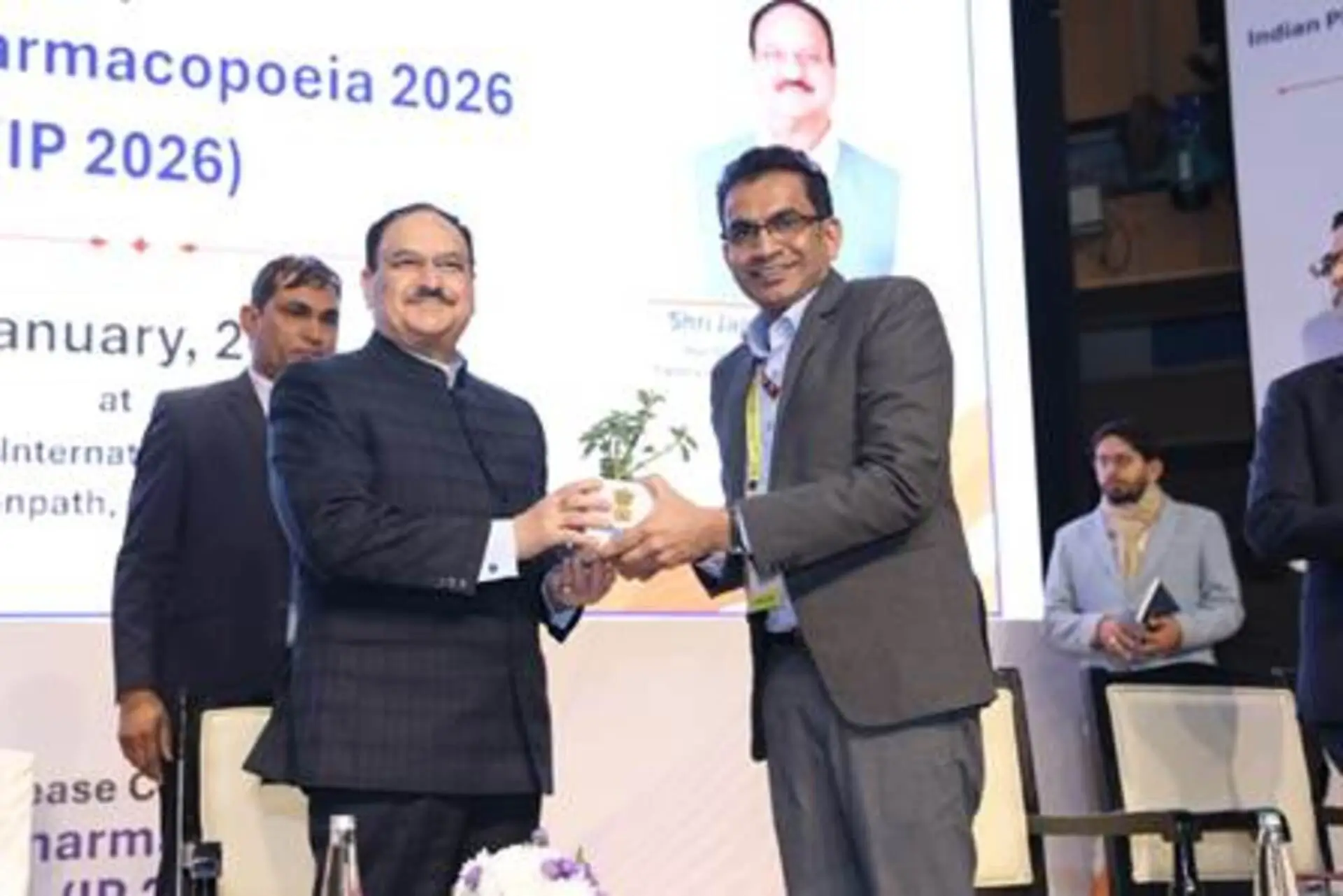
Releasing the new edition, Shri Nadda highlighted that the Indian Pharmacopoeia serves as the official book of standards for drugs in the country and is a cornerstone of India’s regulatory framework for pharmaceuticals. He stated that the 10th edition reflects scientific advancements, global best practices, and India’s growing leadership in pharmaceutical manufacturing and regulation.
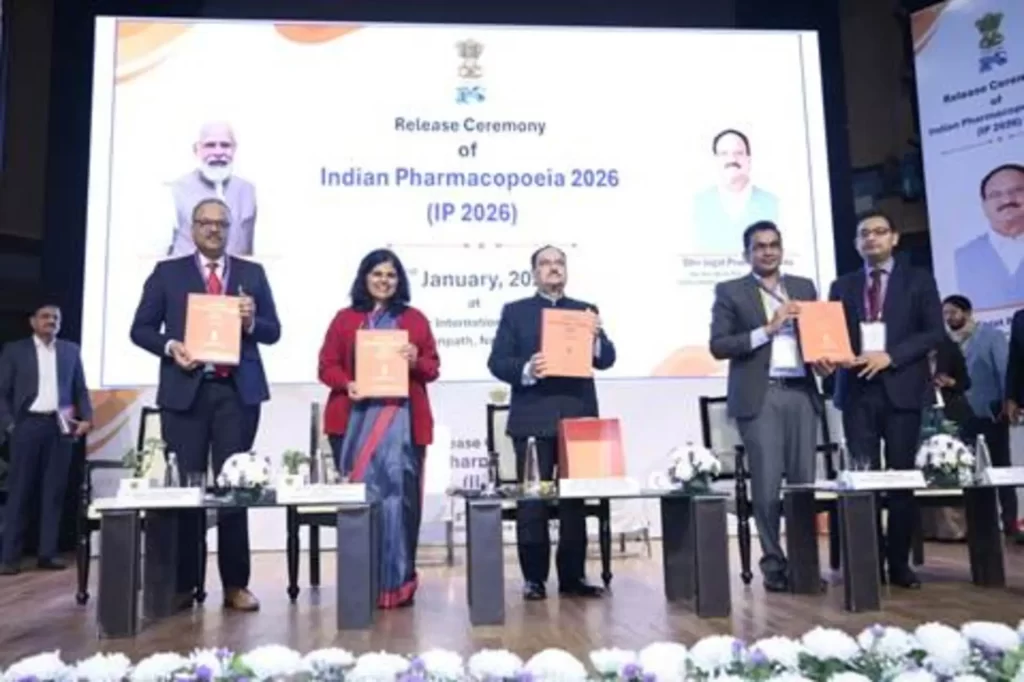
He also highlighted that Indian Pharmacopoeia 2026 incorporated 121 new monographs, increasing the total number of monographs to 3,340. He further noted that coverage has been significantly strengthened across key therapeutic categories, including anti-tubercular, anti-diabetic and anti-cancer medicines, as well as iron supplements, thereby ensuring more comprehensive standardisation of medicines used under various National Health Programmes.
Referring to pharmacovigilance, Union Health minister stated that, ‘In recent years, the Indian Pharmacopoeia standards have also gained international acceptance as it has become a focused agenda under the health diplomacy of the Government of India. He also noted that, Indian Pharmacopoeia is now recognised in 19 countries of the global south.
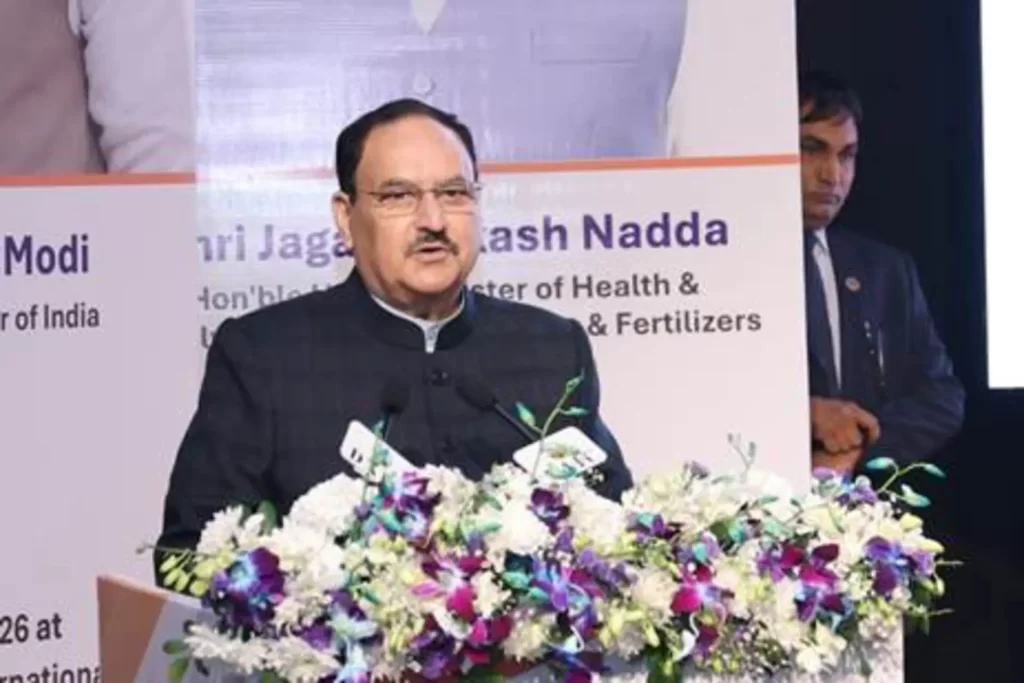
Shri Nadda also highlighted the remarkable progress of the Pharmacovigilance Programme of India (PvPI) under the Indian Pharmacopoeia Commission (IPC). He noted that India, which was ranked 123rd globally in terms of contributions to the World Health Organization’s pharmacovigilance database during 2009–2014, has now risen to 8th position worldwide in 2025. Commending the IPC and the PvPI team for this significant achievement, Shri Nadda stated that the strengthened pharmacovigilance ecosystem reflects India’s sustained commitment to patient safety, quality assurance, and robust regulatory vigilance.
Highlighting significant regulatory advancements, the Minister underscored the first-time inclusion of 20 blood component monographs pertaining to transfusion medicine in the Indian Pharmacopoeia 2026, in accordance with the provisions of the Drugs and Cosmetics (Second Amendment) Rules, 2020.
In his concluding remarks, Shri Nadda stated that under the visionary leadership of Hon’ble Prime Minister Shri Narendra Modi, the Government of India has consistently worked towards strengthening healthcare systems and regulatory institutions. He said that Indian Pharmacopoeia 2026 is a reflection of this sustained effort and the Government’s unwavering focus on quality, transparency, and public welfare.
The Union Minister once again congratulated the Indian Pharmacopoeia Commission and all stakeholders involved in bringing out the tenth edition, expressing confidence that Indian Pharmacopoeia 2026 would further strengthen pharmaceutical quality standards, reinforce India’s regulatory framework, and enhance the country’s standing in the global pharmaceutical sector.
Speaking at the occasion, Smt. Punya Salila Srivastava, Union Health Secretary, stated that the release of the Indian Pharmacopoeia 2026 marks an important step in further strengthening India’s pharmaceutical regulatory ecosystem. She emphasised that a robust, science-based pharmacopoeia is essential for ensuring the availability of safe, effective, and quality-assured medicines across the country. The Health Secretary noted that the continuous updating and harmonisation of pharmacopoeia standards reflect India’s commitment to global best practices, patient safety, and regulatory excellence, while also supporting the country’s growing role in the global pharmaceutical supply chain.
About Indian Pharmacopoeia
The Indian Pharmacopoeia (IP) is published by the Indian Pharmacopoeia Commission (IPC) on behalf of Ministry of Health & Family Welfare, Government of India to fulfil the requirements of the Drugs and Cosmetics Act 1940. IP prescribes the official standards for drugs produced and/or marketed in India and thus contributes in the control and assurance of the quality of the medicines. The standards of the IP are authoritative and legally enforceable. It intends to help in the licensing of manufacturing, inspection and distribution of medicines in our country.
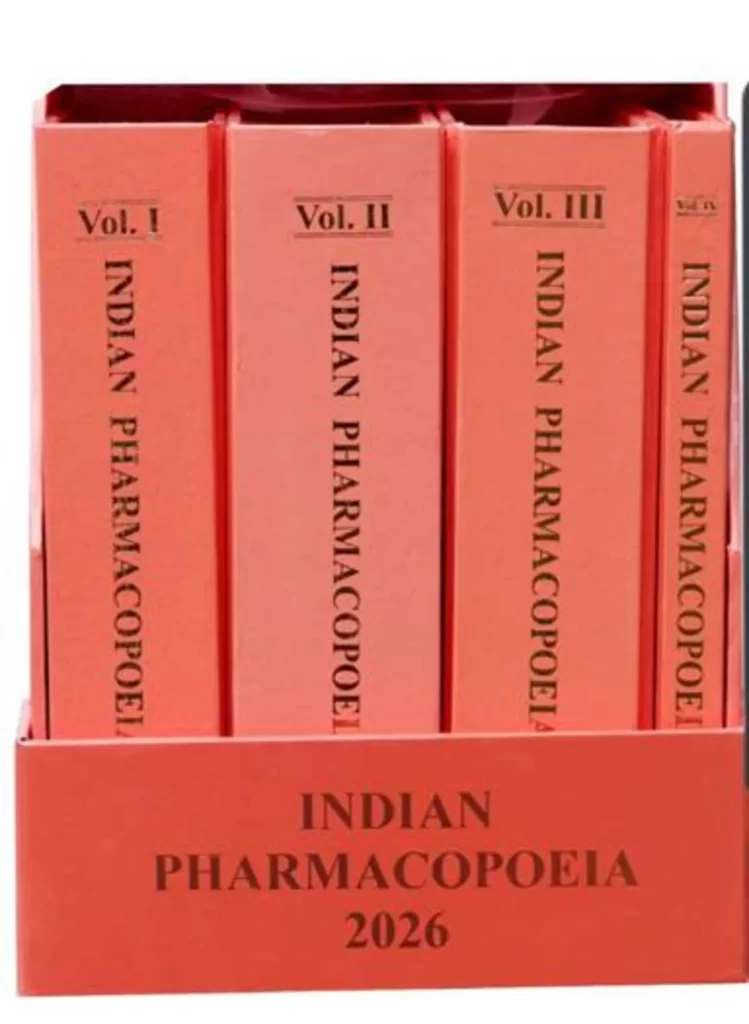
Indian Pharmacopoeia, as a member of the Pharmacopoeial Discussion Group (PDG), is actively collaborating with the European, Japanese, and United States Pharmacopoeias for the harmonisation of monographs and general chapters. The general requirements of the Indian Pharmacopoeia have been aligned with the International Council for Harmonisation (ICH) standards, reinforcing India’s commitment to internationally benchmarked pharmaceutical quality norms.
Dr. Rajeev Singh Raghuvanshi, Drugs Controller General (India); Shri Harsh Mangla, Joint Secretary, Ministry of Health and Family Welfare and Dr. V. Kalaiselvan, Secretary-cum-Scientific Director, Indian Pharmacopoeia Commission and other top industry experts were also present at the event.
Ayushman Bharat comprises of four components:
a. Ayushman Arogya Mandir
The first component pertains to creation of 1,50,000 Health and Wellness Centres (AB-HWCs), now renamed as Ayushman Arogya Mandir, by upgrading the Sub Health Centres (SHCs) and rural and urban Primary Health Centres (PHCs), in both urban and rural areas, to bring health care closer to the community. These centres aim to provide Comprehensive Primary Health Care (CPHC), by expanding and strengthening the existing Reproductive & Child Health (RCH) and Communicable Diseases services and by including services related to Non-Communicable Diseases (common NCDs such as, Hypertension, Diabetes and three common cancers of Oral, Breast and Cervix) and incrementally adding primary healthcare services for mental health, ENT, Ophthalmology, Oral health, Geriatric and Palliative care and Trauma care as well as health promotion and wellness activities like yoga.
Comprehensive Primary Health Care (CPHC) through Ayushman Arogya Mandir – Ayushman Bharat aims to holistically address health (covering preventive, promotive, curative, rehabilitative and palliative care), at primary, secondary and tertiary level by adopting a continuum of care approach. In the lifetime of an individual, the primary healthcare services cater to 80- 90% of the healthcare needs for improved healthcare outcomes and quality of life of the population.
The Primary Health Care team ensures that community outreach and population enumeration are done for individuals in their catchment area and screened for communicable diseases and non-communicable diseases for early detection and timely referral for accurate diagnosis. The team further ensures that treatment adherence and follow-up care are provided to the patients in the community. The essential health services along with the provisioning of essential medicines and diagnostics are provided closer to the community through these centres, as a step towards building stronger and resilient primary healthcare systems which cater to the healthcare needs of the population.
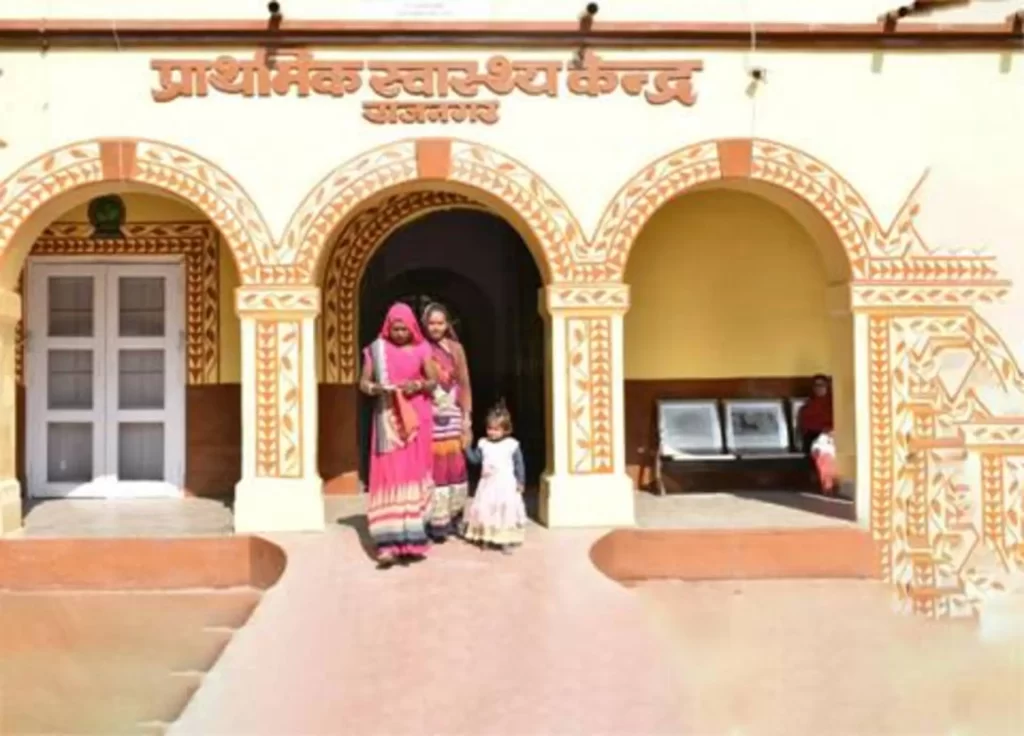
Achievement and Service Delivery at Ayushman Arogya Mandir:
b. Ayushman Bharat PM-JAY:
c) Pradhan Mantri Ayushman Bharat Health Infrastructure Mission (PM-ABHIM):
The third pillar is the Pradhan Mantri Ayushman Bharat Health Infrastructure Mission, PM-ABHIM) with an outlay of about Rs. 64,180 Cr. It was launched by Prime Minister on 25th October, 2021, to be implemented during the scheme period from FY 2021-22 to FY 2025-26. This is the largest pan-India scheme for strengthening healthcare infrastructure across the country. The measures under the scheme focus on developing capacities of health systems and institutions across the continuum of care at all levels viz. primary, secondary and tertiary and on preparing health systems in responding effectively to the current and future pandemics/disasters.
The Pradhan Mantri Ayushman Bharat Health Infrastructure Mission targets to build an IT enabled disease surveillance system by developing a network of surveillance laboratories at block, district, regional and national levels, in Metropolitan areas & strengthening health units at the Points of Entry, for effectively detecting, investigating, preventing, and combating Public Health Emergencies and Disease Outbreaks.
Increased investments are also targeted to support research on COVID-19 and other infectious diseases, including biomedical research to generate evidence to inform short-term and medium-term response to COVID-19 like pandemics and to develop core capacity to deliver the One Health Approach to prevent, detect, and respond to infectious disease outbreaks in animals and humans.
The budget allocation under this mission is in addition to the National Health Mission (NHM).
Under the CSS components of the scheme, provision has been made for:
The Construction of 17,788 Building less Sub-Centres as Ayushman Arogya Mandir’s and 11,024 Health & Wellness Centres in Urban areas with a focus on slum and slum like areas are envisioned under the scheme during the period 2021- 22 to 2025-26. Further, 3382 Block Public Health Units (BPHUs) at the block level, establishment of 730 District Integrated Public Health Labs in the country, wherein each district will have one such lab. All the Districts with more than 5 Lakhs population will have 50 to 100 bedded Critical Care Hospital Blocks and remaining districts will have referral linkages.
The Current status of CSS component: Under the scheme (excluding XV-FC share), total financial allocation for the State/UTs during the scheme period (2021- 2026) is Rs. 34,932.27 Crore. Under the Centrally Sponsored Scheme (CSS) component of PM-ABHIM, administrative approval has been accorded to the States/UTs for an amount of Rs. 32,928.82 Crore for construction/ strengthening of 9519 Sub-Health Centres AAM, 5456 Urban AAM, 2151 Block Public Health Units, 744 Integrated Public Health Labs at District level and 621 Critical Care Blocks (CCBs) so far.
Setting up of 150 bedded Critical Care Hospital Block (CCHB) has been approved in 12 Central Hospitals under PM-ABHIM viz. AIIMS - Bhopal (Madhya Pradesh), Bhubaneswar (Odisha), Jodhpur (Rajasthan), Patna (Bihar), Rishikesh (Uttarakhand), Raipur (Chhattisgarh), IMS-BHU, AIIMS New Delhi, PGI Chandigarh, JIPMER Puducherry, RIMS Imphal and NEIGRIHMS Shillong.
The proposed 150 bedded CCHB includes emergency complex, intermediate care and HDU, isolation-special category Ward, Intensive Care Unit, Isolation Rooms- Burns ICU & HDU, Operation theatre complex, etc. which are at various stages of implementation. Standard Equipment List for 150-Bedded Critical Care Hospital Block (CCHB) under PM-ABHIM has been formulated.
d) Ayushman Bharat Digital Mission-ABDM:
The Ayushman Bharat Digital Mission (ABDM), launched in September 2021, is an initiative of the Government of India aimed at building a citizen-centric interoperable digital health ecosystem. With ABDM, citizens can securely store and access their medical records (e.g., prescriptions, diagnostic reports, discharge summaries) and share them with healthcare providers after their consent. This enables the creation of a longitudinal health history, ensuring continuity of care. Citizens will have access to accurate and verified information about health facilities and service providers. Through these initiatives, ABDM aims to make healthcare more accessible.
The core components of ABDM’s technological architecture include four registries for providing a trustable identity across healthcare stakeholders in the ecosystem: Ayushman Bharat Health Account (ABHA) for citizens, Healthcare Professional Registry (HPR), Health Facility Registry (HFR) and the Drug Registry. Additionally, three gateways facilitate seamless healthcare information exchange ensuring interoperability: Health Information Consent Manager (HIE-CM), the National Health Claims Exchange (NHCX), and Unified Health Interface (UHI).
Union Minister of Health & Family Welfare, Shri J.P. Nadda, today convened a high-level review meeting with the Health Minister and senior officials of Haryana to evaluate healthcare delivery and strengthen the implementation of national health programmes. Key focus areas included public health system strengthening, patient-centric care, regulatory supervision, and the elimination of tuberculosis (TB) as a public health challenge.
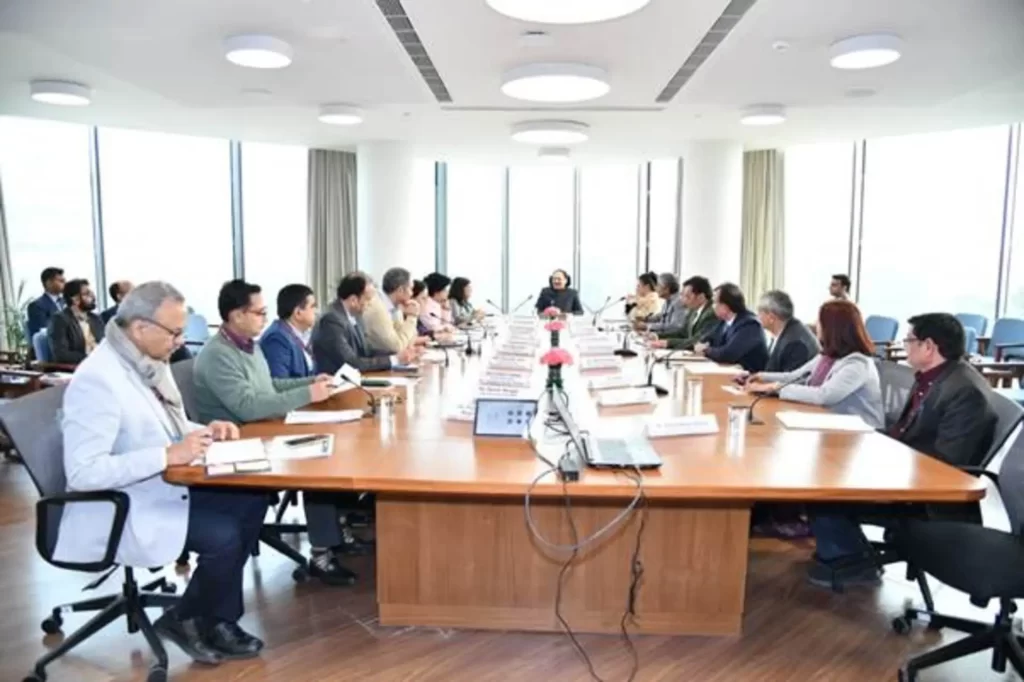
Emphasising the need for robust drug regulation, Shri Nadda observed that continuous monitoring across the pharmaceutical supply chain is indispensable for ensuring the quality and safety of medicines. He urged authorities to institutionalise best regulatory practices and treat improvements in patient satisfaction, regulatory oversight, and compliance as a sustained priority.
With regard to the Free Drugs and Free Diagnostics schemes, the Union Health Minister underscored the need for robust supply-chain systems and effective monitoring.
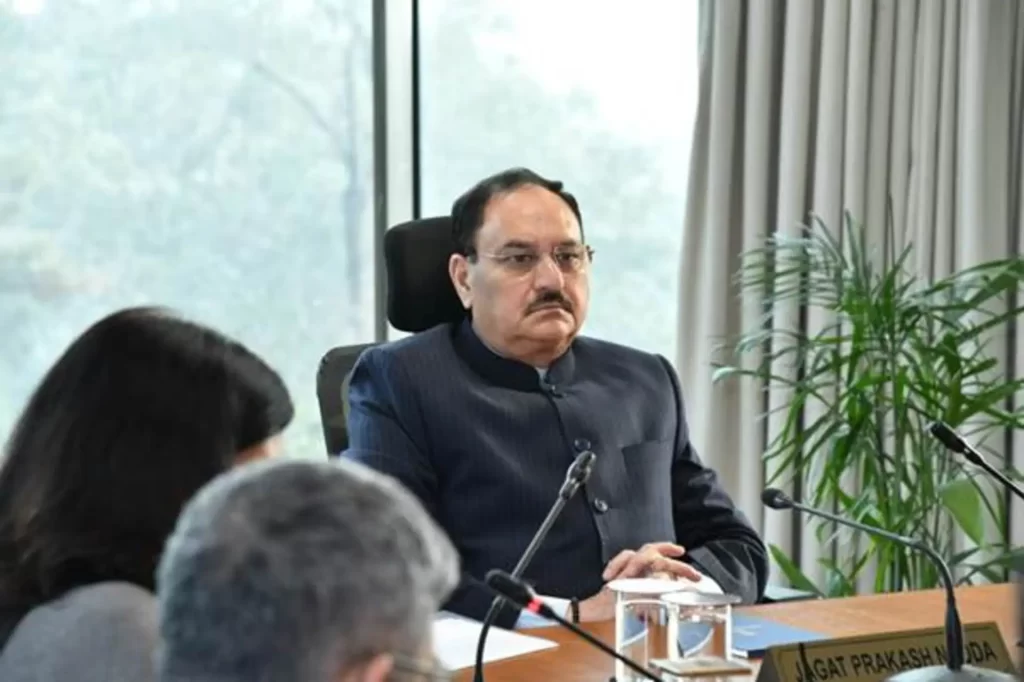
Highlighting the critical role of diagnostics, Shri Nadda stated that timely and quality testing underpins effective healthcare delivery at all levels. He underscored the need for professional management in hospital administration and regulatory compliance, while emphasising stronger oversight of blood banks, hospital systems, and safety standards. In this context, he also emphasised the need to establish a robust mechanism to ensure uninterrupted supply of laboratory reagents and consumables, so as to enhance the availability of diagnostic tests at public health facilities. The Union Health Minister also asked the State Officials to engage with HLL Lifecare Ltd to set up AMRIT Retail Pharmacy Stores in every District hospital in the State.
Emphasising the importance of technology-led healthcare solutions, Shri Nadda observed that telemedicine offers an effective means to bridge access gaps in quality healthcare, particularly in remote and underserved areas. He lauded the State for its active and efficient adoption and implementation of the telemedicine facility.

Shri Nadda reaffirmed the Government’s resolve to eliminate tuberculosis and stressed the need for targeted, district-level interventions with intensified focus on screening, diagnostics, treatment adherence, and nutritional support. He highlighted that AI-enabled handheld X-ray units have been introduced to strengthen community-level TB screening, while NAAT machines have been made available at the block level to enable early detection of TB, including drug-resistant TB. Referring to community participation, he noted that over 350 MY Bharat volunteers from Haryana have joined the Ni-kshay Mitra initiative and emphasised the need to ensure their effective linkage with TB patients for psycho-social support as well as for generating sustained community awareness. He underscored that TB elimination must be pursued in mission mode with close monitoring at district and block levels.
The Union Health Minister called for sensitisation workshops for MLAs to promote regular engagement with Zilla Parishads and Chief Medical Officers (CMOs) and strengthen review mechanisms. He stressed that people’s participation (Jan Bhagidari) is vital for improving healthcare outcomes, accountability, and public trust in health programmes.
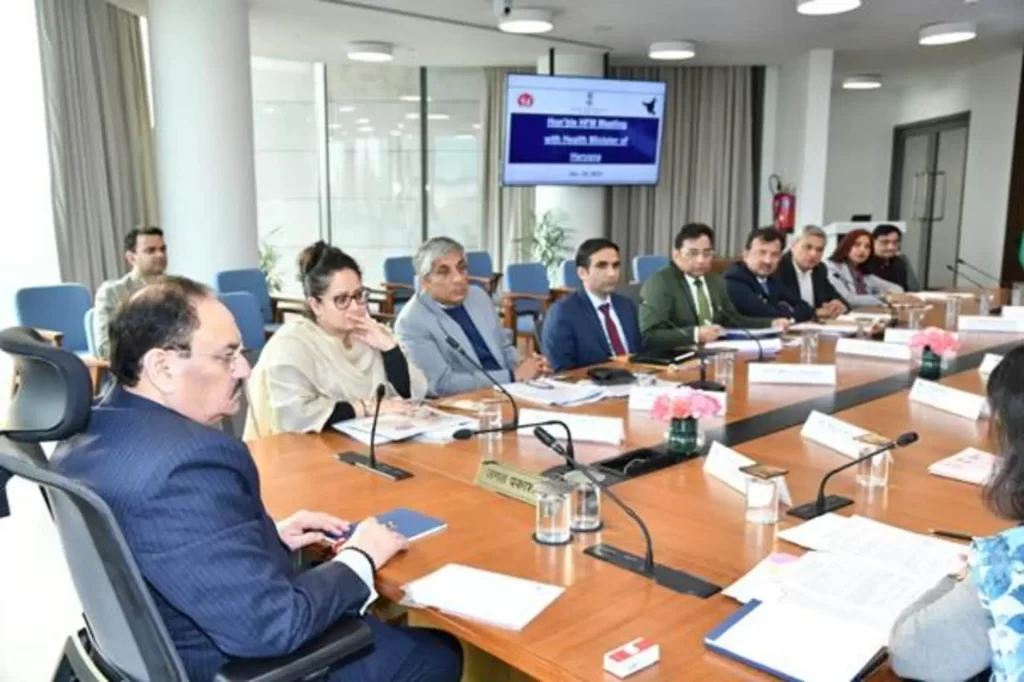
Assuring full support, the Health Minister of Haryana stated that the State Government would continue to work closely with the Union Health Ministry to strengthen implementation and deliver improved health outcomes across the State.
Emphasising continued Centre-State collaboration, Shri Nadda reiterated the Centre’s support to Haryana through NHM interventions, PPP models, expansion of medical education, viability gap funding, and infrastructure support to deliver modern and affordable healthcare services. He also emphasised that the Centre remains committed to providing all required technical training and handholding to the State. He stated that similar consultative engagements with Health Ministers of other States would be undertaken in the coming days as part of a mission-mode approach to health sector reforms. Shri Nadda earlier met State Health Ministers of Madhya Pradesh and Chhattisgarh last week.
The meeting concluded with a collective commitment to strengthening drug regulation, advancing diagnostic services, professionalising hospital administration, expanding medical education capacity, and accelerating progress towards TB elimination, underscoring the principles of cooperative federalism in public health.
Representing the State of Haryana, the meeting was attended by, Ms. Arti Singh Rao, Hon’ble Health Minister, Government of Haryana; Shri Sudhir Rajpal, Additional Chief Secretary, Health; Shri Manoj Kumar, Commissioner, Food & Drugs Administration; Shri Lalit Goyal, State Drugs Controller; Dr. Virender Yadav, Director, Health Services; Dr. Dheeraj Parihar, Director, Pt. Neki Ram Sharma Government Medical College, Bhiwani; Dr. Malti, Joint Director, Medical Education; Shri Prithvi Singh, Joint Commissioner (Food); and Dr. Rajesh Kumar Sihmar, Deputy Medical Superintendent, Pt. Neki Ram Sharma Government Medical College, Bhiwani, Haryana.
Senior officials from the Union Ministry of Health and Family Welfare were also present, including Smt. Punya Salila Srivastava, Union Health Secretary; Dr. Vinod Kotwal, Additional Secretary (Medical Education); Ms. Aradhana Patnaik, Additional Secretary and Managing Director (NHM); Shri Rajit Punhani, Chief Executive Officer, Food Safety and Standards Authority of India (FSSAI); and Dr. Rajeev Singh Raghuvanshi, Drugs Controller General of India (DCGI), among others.
In recognition of its impactful public engagement and exemplary presentation, the Ministry of Health and Family Welfare’s Health Pavilion has been adjudged Second in Excellence in the Display of ‘Public Communication and Outreach’ category by the India Trade Promotion Organization (ITPO) at the 44th India International Trade Fair (IITF) held at Bharat Mandapam, here today.
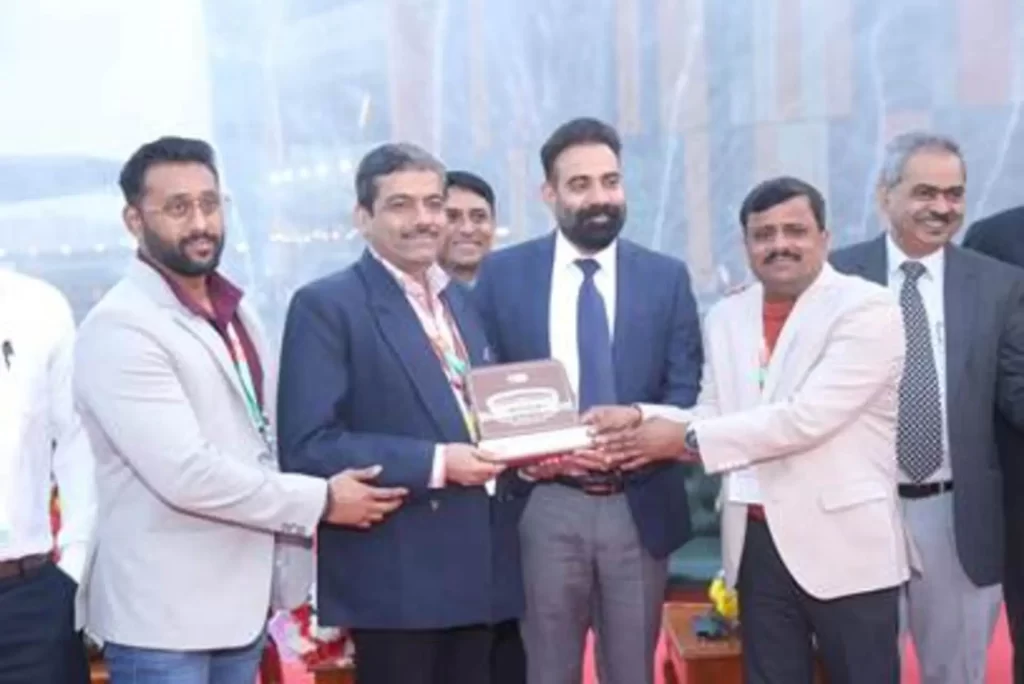
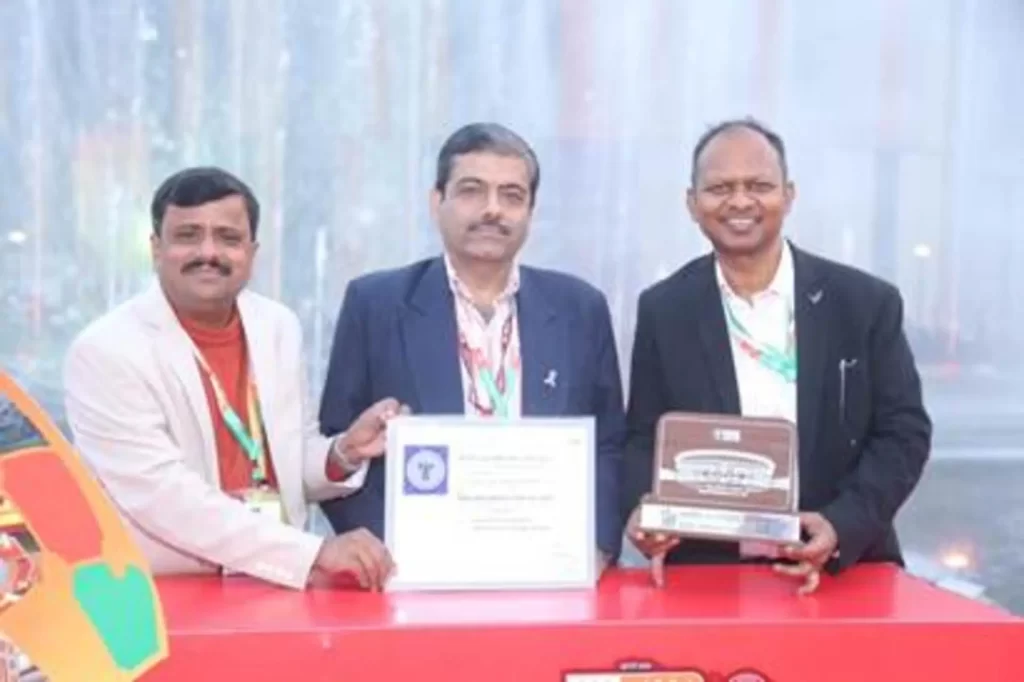
This year’s pavilion, themed “स्वस्थ भारत श्रेष्ठ भारत”, highlighted the Ministry’s central role in shaping health policies and delivering comprehensive healthcare services to build a healthier and stronger nation.
The Ministry of Health and Family Welfare showcased 27 stalls that offered a wide range of health-related services to visitors. The Ministry’s pavilion witnessed overwhelming appreciation, with large number of visitors and historic footfalls, greatly benefiting from the information and services provided.
Union Minister of Commerce & Industry, Shri Piyush Goyal has said that all tribal products with export potential will be fully supported by the Department of Commerce through various channels, including e-commerce platforms, international warehouses for product display and sales, as well as wholesale and retail trade networks. Shri Goyal said this while addressing the Tribal Business Conclave 2025 in New Delhi today in the august presence of Union Minister of Tribal Affairs Shri Jual Oram.
Organized by the Department for Promotion of Industry and Internal Trade (DPIIT), Ministry of Commerce and Industry, in collaboration with the Ministry of Tribal Affairs and Ministry of Culture, the conclave marked a historic moment during Janjatiya Gaurav Varsh, commemorating the 150th birth anniversary of Birsa Munda.
Commerce Minister informed the Conclave that a scheme is currently being developed to strengthen export promotion efforts to ensure that tribal products gain the visibility and market access they rightfully deserve in both domestic and global markets.
Shri Goyal said that both domestic and international markets offer immense opportunities for tribal goods and crafts, and that the Government is taking necessary measures to harness this potential in the coming years.
The Minister emphasised that the Prime Minister believes that the nation can truly prosper only when the indigenous people prosper. He said that India’s growth and development depends on ensuring that progress reaches every household, particularly those in tribal and remote regions. Shri Goyal reiterated that the upliftment of tribal and indigenous communities remains a top priority for the Government, reflecting its commitment to inclusive and sustainable development.
Shri Goyal paid tribute to Birsa Munda and said that he showed direction and leadership to the tribal community. He added that the nation must draw inspiration from Birsa Munda’s life and follow his footsteps to uplift the tribal community, enhance livelihoods, and ensure that every tribal household is filled with happiness and prosperity. Shri Goyal recalled Birsa Munda’s words, “Our land, our kingdom,” and said that the tribal community has historically faced immense deprivation and hardships.
The Minister lauded the tribal community for preserving its values, handicrafts, and traditional skills despite numerous challenges. He said that the way tribal communities have kept their history and heritage alive through resilience and dedication is truly commendable. He expressed deep respect for the strength and determination of the tribal community and said that their contribution to India’s cultural and social fabric is invaluable.
Shri Goyal noted that the Ministry of Tribal Affairs and the Department of Commerce have jointly played a pivotal role in promoting trade and commerce of tribal and indigenous products. He said that schools, colleges, universities, trade bodies, and government institutions have together ensured that quality tribal products from the remotest corners of the country reach marketplaces and consumers across India.
The Minister highlighted that the Government has implemented various schemes and initiatives aimed at improving the welfare of tribal communities. He noted that the President of India, Smt. Droupadi Murmu, stands as a proud and capable representative of both the nation and the tribal community. He mentioned that 3,900 Van Dhan Kendras have acted as catalysts for the upliftment of 12 lakh members of the tribal community.
Shri Goyal informed that the budget allocation for the Ministry of Tribal Affairs has been increased by 50 per cent this year. He added that under the PM-Janman Yojana, approximately 50 lakh families belonging to particularly vulnerable tribal groups have benefitted, with Rs. 24,000 crore disbursed to improve their quality of life.
He said that the tribal community of India is deeply proud of its roots, culture, and traditions. He informed that the fee for obtaining Geographical Indication (GI) tags has been reduced by 80 per cent—from Rs. 5,000 to Rs. 1,000—to encourage more tribal products to be registered and to ensure that India’s history and traditions are preserved through their crafts and heritage.
Concluding his address, Shri Goyal called for the transformation from “Van Dhan to Vyapar Dhan,” envisioning that tribal and indigenous products should reach international platforms, truly realising the vision of “Local Goes Global.” He urged all stakeholders to work together to achieve this shared goal of empowering tribal communities and showcasing their craftsmanship to the world.
FICCI and PRAYOGI also supported the conclave as Industry Partner and Knowledge Partner, respectively. The event celebrated tribal resilience and creativity while positioning tribal enterprise at the heart of India’s development agenda for Viksit Bharat @2047.
The event witnessed participation from over 250 tribal enterprises, with 150 exhibitors and more than 100 tribal start-ups showcasing their innovations at the “Roots to Rise” pitching platform. The initiative provided a direct connection between entrepreneurs, investors, corporates, and government buyers, creating a vibrant ecosystem for collaboration and growth.
The conclave included six high-impact panel discussions and four masterclasses that engaged more than 50 eminent voices from government, academia, and industry. The sessions focused on themes such as investment and partnerships, skilling and empowerment, sustainability and geographical identity, and branding and market innovation.
Buyer-seller meets were also organised to create actionable pathways for market access, skill development, and policy recommendations aimed at strengthening tribal value chains from villages to global markets.
A cultural showcase featuring a thematic pavilion and traditional performances celebrated tribal heritage under the theme “Tribal Bharat @2047: Sustaining Culture, Scaling Commerce.”
Key Announcements at the conclave
1. Launch of Gramya Yuva Arth Niti (GYAN) Lab: A Public Policy Interactive Lab developed by the Ashank Desai School of Public Policy, IIT Bombay, and PRAYOGI Foundation, with support from the Ministry of Commerce and Industry. The GYAN Lab brings together field experience, technology, and policy to design and test new models for tribal and rural enterprises. Through real-time pilots, policy frameworks, digital innovation, and capacity-building, it will create scalable solutions for inclusive and sustainable enterprise growth.In the coming year, the Lab will roll out pilots such as the Tribal Entrepreneurship Index and micro-equity based incubation models, turning field learning into policy action. This collaboration between government, academia, and industry is a major step toward empowering India’s tribal communities through enterprise and innovation launch of Gramya Yuva Arth Niti – GYAN,
2. Tribal Affairs Grand Challenge: Announced by the Ministry of Tribal Affairs in association with Startup India and DPIIT, this initiative invites startups and enterprises to design high-impact solutions for tribal communities, offering visibility, mentorship, and funding support.
3. Roots to Rise: Pitching Session Outcomes
4. Another notable outcome was the high engagement on the Government E Marketplace, resulting in 60+ registrations and over 50 positive inquiries for TBC products.
5. Distribution of GI Certificates - The event also featured the distribution of Geographical Indication (GI) certificates, celebrating the artistry of tribal artisans from across India. Crafts and products such as Kannadippaya (Bamboo Mat) of Kerala, Apatani Textile of Arunachal Pradesh, Marthandam Honey of Tamil Nadu, Lepcha Tungbuk of Sikkim, Bodo Aronai of Assam, Ambaji White Marble of Gujarat, and Bedu and Badri Cow Ghee of Uttarakhand received due recognition for their uniqueness and cultural heritage. The recognition marks a significant step in enhancing market access, brand value, and national visibility for tribal products empowering artisans and preserving India’s rich indigenous legacy.
The Union Minister of Commerce and Industry Shri Piyush Goyal highlighted the importance of innovation, quality, design, sustainability and efficiency as key drivers of India’s manufacturing competitiveness while addressing the IndiaEdge event organised by the Confederation of Indian Industry (CII) in New Delhi today.
Shri Goyal said that the Government, under the leadership of Prime Minister Shri Narendra Modi, is working with a clear vision to support the country’s economic progress. He referred to recent growth trends across agriculture, services and manufacturing, and pointed out that India’s manufacturing output has diversified into newer areas such as electronics, white goods, chemicals and petrochemicals.
The Minister highlighted the need for industry to remain competitive and responsive to global developments. He said that recent disruptions have underscored the importance of resilient supply chains and cautioned against overdependence on specific geographies. He emphasised the need to identify areas where domestic capacity and greater control over supply chains are essential.
Shri Goyal stated that industry collaboration is vital for expanding manufacturing output and noted that growth in manufacturing will further accelerate growth in services. He added that as India strengthens its presence in global markets, it must simultaneously remain open to competitive practices within the domestic economy.
The Minister observed that several States, including Uttar Pradesh and Odisha, have recorded rapid progress in recent years, resulting in increased local opportunities and reduced migration. He encouraged industry to provide suggestions on simplifying procedures, improving regulatory systems and strengthening the manufacturing environment. He noted ongoing Government efforts to ease compliance, remove obsolete provisions and modernise legal frameworks, including the introduction of the four Labour Codes. He said that 23 States have framed corresponding rules and that the Codes will enhance formalisation, ensure minimum wages and strengthen social security and workplace safety.
Shri Goyal underlined the importance of timely payments to MSMEs and said that prompt clearing of dues would significantly ease cash flow constraints and support MSME productivity and growth.
The Minister also emphasised the long-standing national focus on Swadeshi and self-reliance, noting their relevance in strengthening domestic manufacturing capabilities. He said that collective efforts of industry and Government will be essential in advancing the vision of Atma Nirbhar Bharat and achieving the national goal of Viksit Bharat 2047.
Union Health Minister Shri Jagat Prakash Nadda convened a landmark meeting, “Parliamentarians Championing a TB Mukt Bharat”, with Members of Parliament (MPs) from Maharashtra on the sidelines of the Winter Session of Parliament. The session, held at the Press Conference Hall, New Maharashtra Sadan, brought together Lok Sabha and Rajya Sabha MPs to reinforce their leadership in India’s historic fight against tuberculosis. Union MoS (Independent) Ministry of Ayush & Union MoS in the Ministry of Health & Family Welfare Shri Prataprao Jadhav also participated in the meeting.
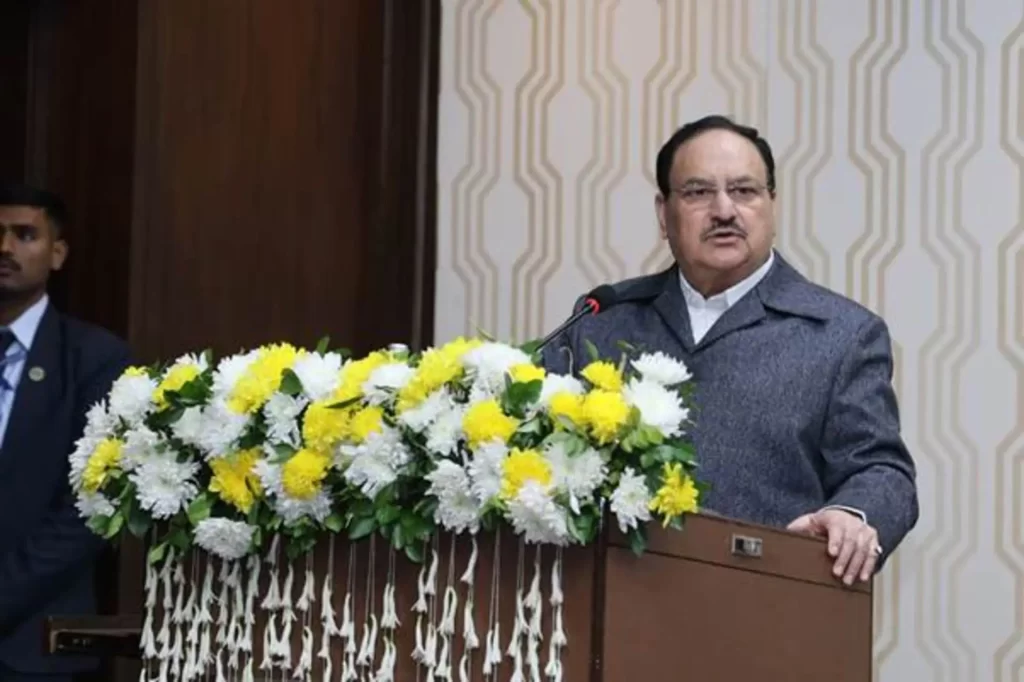
Shri Nadda lauded India’s progress in TB elimination, noting that the country achieved a 21% reduction in TB incidence between 2015 and 2024—nearly double the global rate. With a 90% treatment success rate, India has surpassed the worldwide average of 88%, as highlighted in the WHO Global TB Report 2025. He praised Maharashtra for being a frontrunner in the TB Mukt Bharat Abhiyan and reaffirmed the critical role of elected representatives in accelerating progress toward a healthier future.
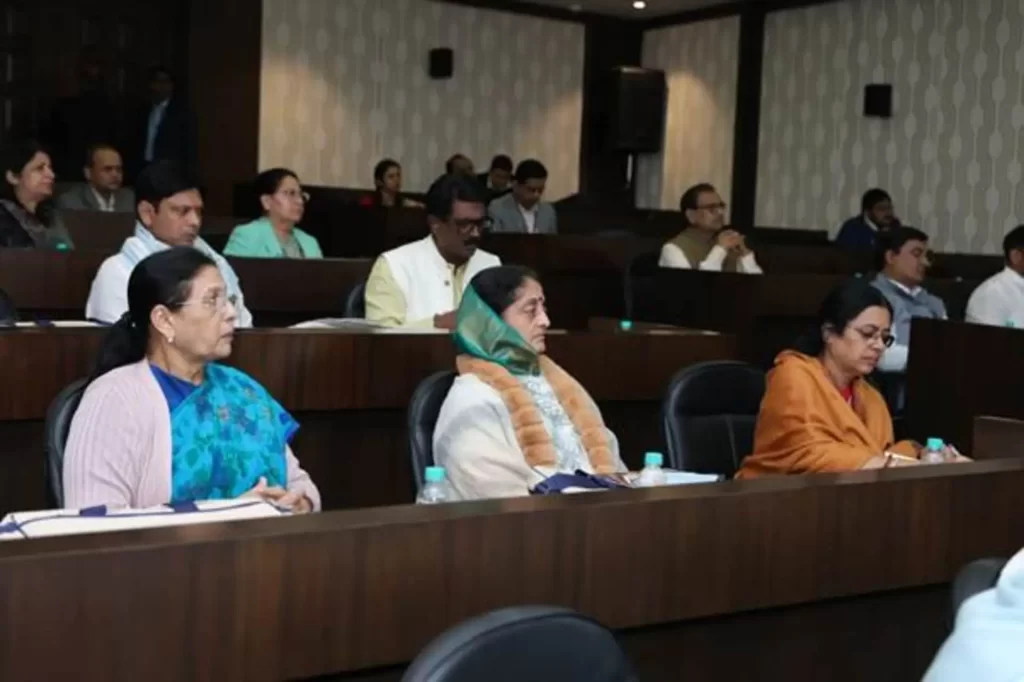
Union Health Minister while interacting with Members of Parliament from Maharashtra, highlighted the significant advancements India has made in accelerating TB detection and care. He noted that AI-enabled hand-held X-ray machines and Truenat have made TB screening faster, more accurate, and more accessible. Emphasising focused outreach, he shared that vulnerable populations are now being proactively targeted. Shri Nadda also underscored the pivotal role of Nikshay Mitras, who act as partners in the TB-Mukt Bharat campaign. He added that the government’s direct benefit transfer is helping patients meet their daily nutritional and other essential needs. The minister reiterated that Jan Bhagidari—people’s participation—remains at the heart of India’s mission to eliminate TB.
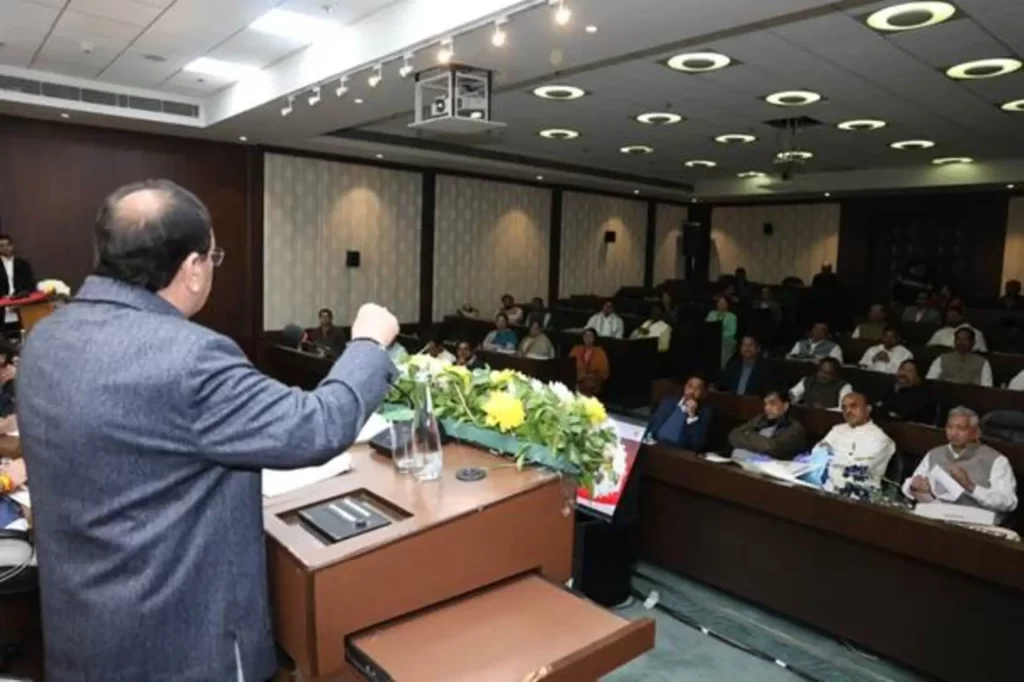
Parliamentarians from Maharashtra pledged to spearhead awareness campaigns and Ni-kshay Shivirs in their constituencies to reduce stigma and enable early detection, especially among vulnerable groups. They agreed to provide enhanced supportive supervision to local TB programs to ensure quality service delivery and mobilise communities through Jan Andolan initiatives, extending nutritional, psychosocial, and vocational support to TB patients.
Union Health Secretary Smt. Punya Salila Srivastava highlighted policy innovations such as community screening and nutrition-focused interventions to improve treatment outcomes. Additional Secretary and Mission Director, National Health Mission, Smt. Aradhana Patnaik, apprised MPs of Maharashtra’s progress in notifications, treatment success, and preventive measures, aligning with national TB elimination targets.
This meeting served as a crucial follow-up to last year’s sensitisation session for parliamentarians. Since then, the flagship TB Mukt Bharat Abhiyan has achieved significant milestones through strategies such as:
• Community-based screening via Ni-kshay Vahans equipped with handheld X-ray units.
• Upfront NAAT testing to reach high-risk individuals, including asymptomatic cases.
• Political leadership engagement, with MPs inaugurating Ni-kshay Shivirs and Vahans, enrolling as Ni-kshay Mitras, and fostering community participation.
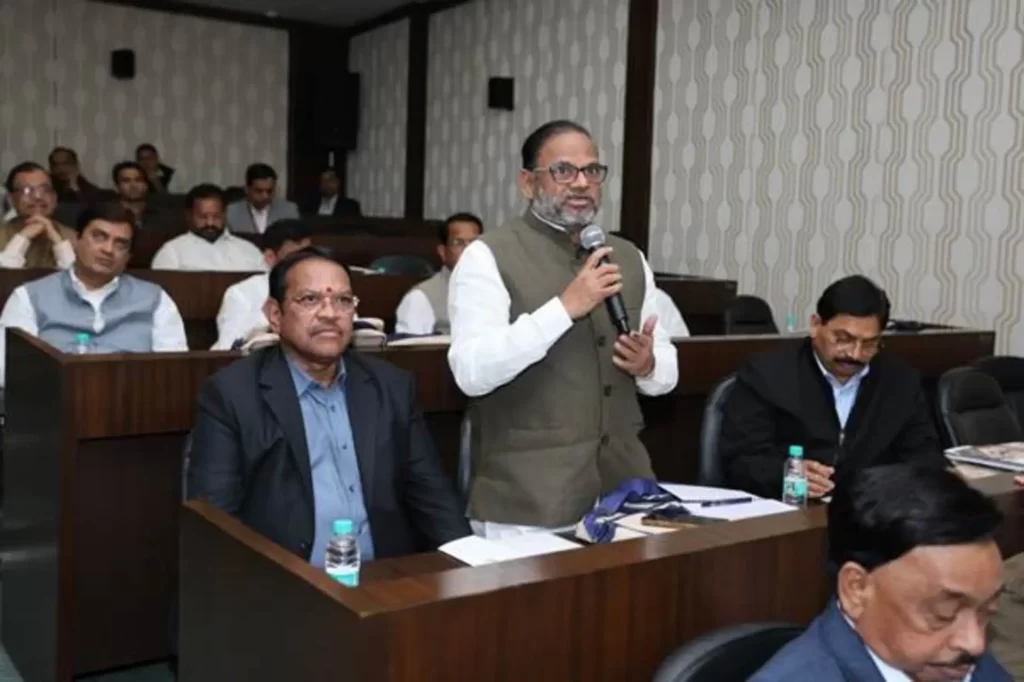
Guided by the vision of Prime Minister Shri Narendra Modi, Maharashtra’s parliamentarians reaffirmed their commitment to accelerate progress toward a TB-free India, ensuring that political will translates into transformative action at the grassroots.
Union Minister of Health and Family Welfare, Shri Jagat Prakash Nadda, will lead the national-level observance of World AIDS Day 2025 at Vigyan Bhawan, New Delhi, on 1st December 2025. Senior officials—including the Secretary, Ministry of Health & Family Welfare; Additional Secretary & Director General, NACO; and the Director General of Health Services—will be present, reaffirming the Government of India’s unwavering commitment to advancing the national response to HIV prevention, treatment, care, and stigma elimination.
The event, organised by the National AIDS Control Organisation (NACO), will bring together government leaders, development partners, youth representatives, community advocates, people living with HIV (PLHIV), and frontline health workers, reflecting a united approach to accelerating India’s journey towards ending AIDS as a public health threat.
A youth-led flash performance will underscore the importance of awareness and responsible behaviour. This will be followed by the inauguration of a thematic exhibition, showcasing digital innovations, programme achievements, and community-led models implemented under the National AIDS and STD Control Programme. Beneficiary experience stories and an audio-visual presentation will highlight India’s progress under NACP-V, along with upcoming priorities.
A major highlight of the observance will be the launch of a new campaign video series under NACO’s national multimedia initiative, centred around three core pillars—Youth & Awareness, Elimination of Vertical Transmission, and Stigma & Discrimination. In addition, key national programme resources will be released, including:
The event will also feature a special live musical performance, themed around early testing, treatment adherence, and living with confidence.
India’s Progress Under NACP-V
India continues to demonstrate substantial progress under the current phase of the National AIDS Control Programme:
Between 2010 and 2024, India achieved:
These outcomes surpass global averages and reflect India’s leadership, sustained domestic investment, evidence-based strategies, and robust community engagement.
The Union Ministry of Health & Family Welfare organised a two-day National Workshop on Strengthening Cancer Care and Urban Health on 27th and 28th November at Sushma Swaraj Bhawan, New Delhi. The workshop was inaugurated by Ms. Punya Salila Srivastava, Secretary (Health & Family Welfare), and witnessed participation from Principal Secretaries, Mission Directors (NHM), senior officials, and State/UT Nodal Officers working in cancer control, NCDs, and urban health
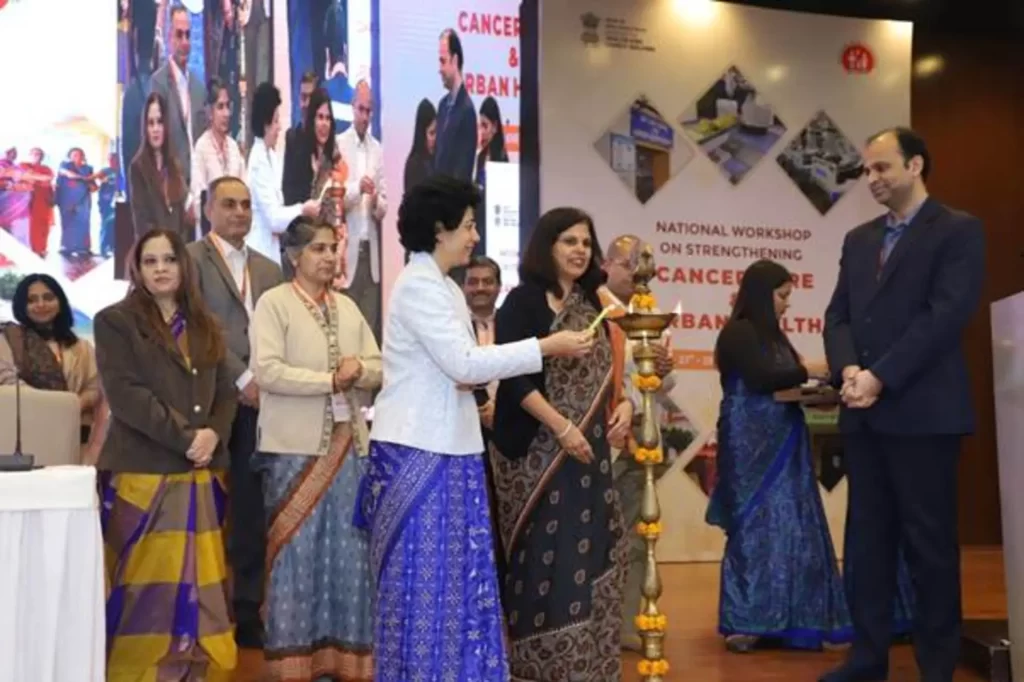
Delivering the keynote address, Smt. Punya Salila Srivastava, Union Health Secretary reaffirmed the Government’s priority to strengthen cancer services nationwide. She highlighted the Union Budget 2025–26 announcement to establish Day Care Cancer Centres (DCCCs) in every district to decentralise cancer treatment, reduce the burden on tertiary centres, and ensure timely chemotherapy and follow-up care. Emphasising the creation of a robust continuum of cancer care from community-level screening to district-level treatment and advanced care, she noted that the National Programme for Prevention and Control of NCDs (NP-NCD) is central to expanding access and improving outcomes.
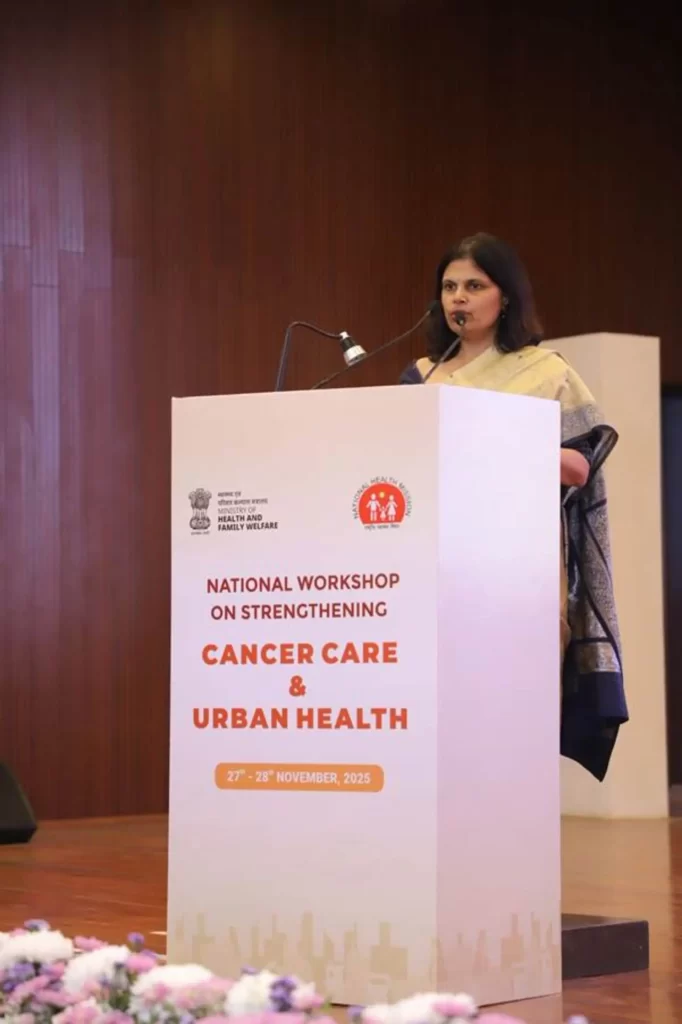
During the inaugural session, the Union Health Secretary released key policy documents, including the NP-NCD Training Modules, the FRU Guidelines 2025, and the Operational Guidelines for Strengthening Laboratory Services under the Free Diagnostics Initiative. The workshop also featured detailed presentations on DCCC models, standard treatment workflows for common cancers, digital platforms for monitoring implementation, integration of viral hepatitis screening, and quality assurance mechanisms through NQAS.
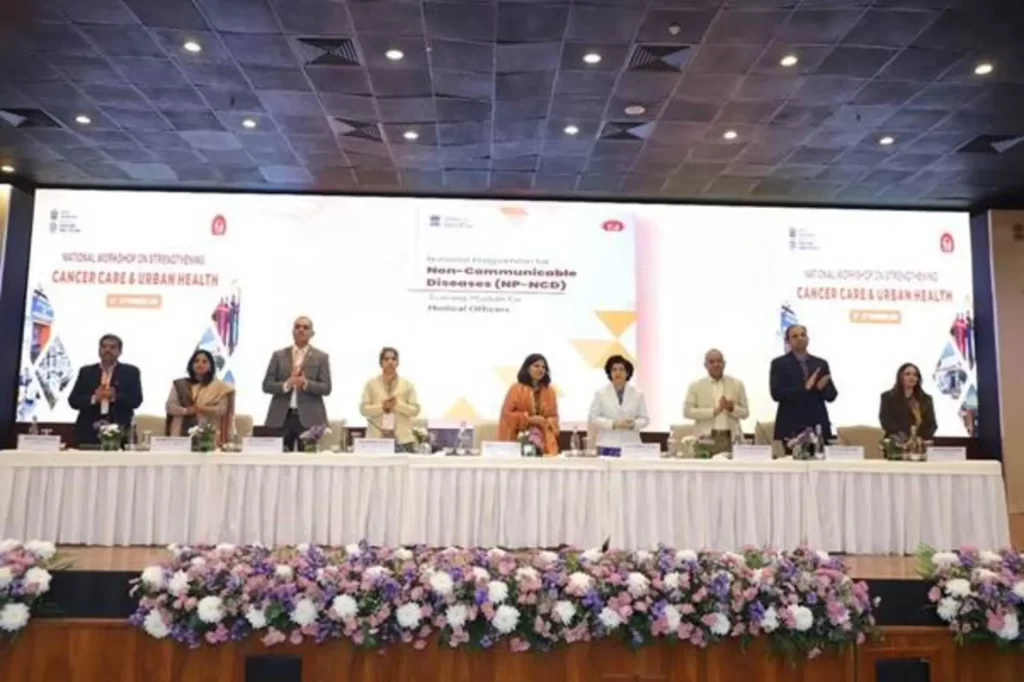
Experts from NHSRC, Tata Memorial Centre, AHPGIC Odisha, NCDC, and ICMR shared insights on strengthening clinical and programmatic pathways. States such as Odisha, Tamil Nadu, and Madhya Pradesh showcased best practices in cancer screening, community engagement, and district-level service delivery, offering scalable models for other States/UTs.
A national panel of cancer specialists and programme leaders deliberated on strategies to build an integrated cancer care ecosystem, enhance multidisciplinary coordination, improve early detection, and expand district-level capacity. States and UTs reaffirmed their commitment to rolling out DCCCs, adopting Standard Treatment Workflows, strengthening screening for common cancers, and improving referral pathways from Ayushman Arogya Mandirs to higher centres.
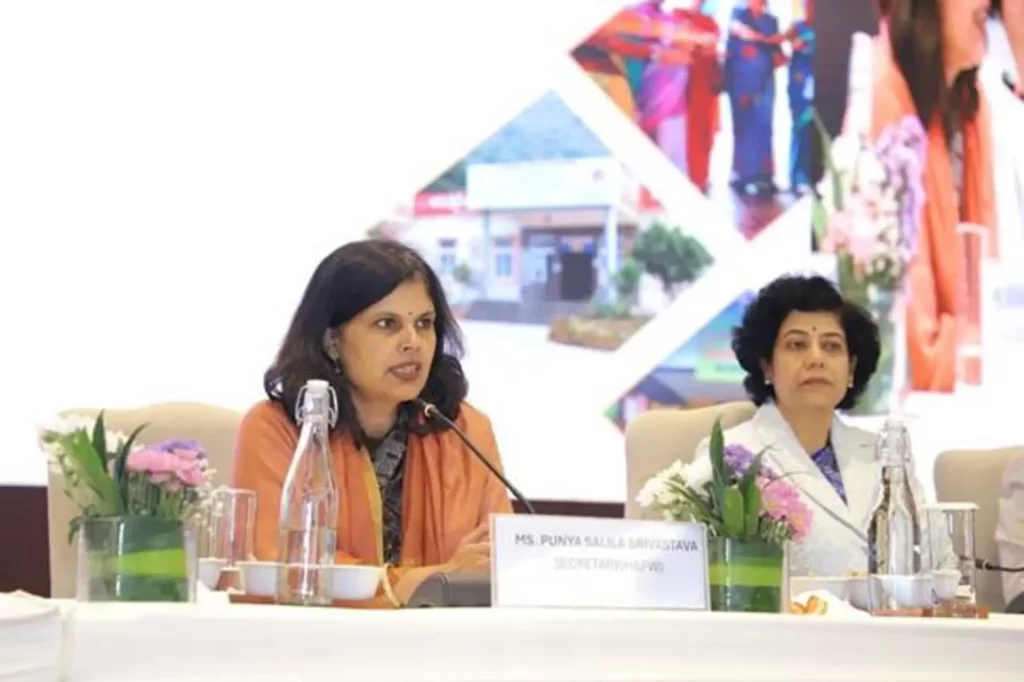
Day two of the workshop focused on the urban health agenda under the National Urban Health Mission (NUHM). Addressing participants, Smt. Punya Salila Srivastava, Secretary, Health & Family Welfare, underscored the need for States and UTs to proactively respond to urban health challenges, considering the rapidly growing urban population and the learnings emerging from the deliberations.
Additional Secretary & Mission Director (NHM), Ms. Aradhana Pattnaik, emphasised the importance of adopting integrated and city-specific strategies for strengthening urban health systems. Mr. Saurabh Jain, Joint Secretary (Policy), MoHFW, presented the revised draft NUHM framework aimed at improving urban health service delivery across cities and towns.
Discussions highlighted key priorities for enhancing urban primary healthcare, including strengthening infrastructure, improving service delivery, reinforcing referral linkages, and deepening convergence between Urban Local Bodies and State Health Departments. States also shared best practices and innovative models for addressing urban health challenges.
The Ministry reaffirmed its commitment to refining the NUHM framework, strengthening governance and monitoring systems, and ensuring that urban primary healthcare becomes more accessible, equitable, and resilient for all citizens—particularly the poorest and most vulnerable.