
The renewed commitment will provide continued preventative (prophylactic) treatment to as many as 1,000 people with haemophilia A in locations where there is little to no access to haemophilia treatment
Prophylactic treatment aims to prevent bleeds and allow people with haemophilia to achieve quality of life comparable to non-haemophilic individuals. Access to this is particularly restricted in developing countries, with the limited healthcare resources reserved for emergency situations and acute bleeds
More than 940 people across 30 countries have already benefited from Roche’s donations since the start of the partnership in February 2019
Basel, 10 May 2022 – Roche (SIX: RO, ROG; OTCQX: RHHBY) today announced that it has extended its commitment to the World Federation of Hemophilia (WFH) Humanitarian Aid Program until the end of 2028. Roche’s prophylactic treatment will be provided to the WFH Humanitarian Aid Program to continue to treat as many as 1,000 people with haemophilia A in locations where there is little to no access to treatment. The partnership, which was originally formed by Roche and the WFH in February 2019, marked the first time that patients in developing countries had received access to a prophylactic treatment. The donated treatment has since benefited more than 940 people across 30 countries.
“Our renewed commitment will allow us to continue to help people with haemophilia A most in need,” said Bill Anderson, CEO Roche Pharmaceuticals. “We are proud to be recognised by the WFH as a Visionary Contributor of the Program and are delighted to announce that our commitment to the WFH Humanitarian Aid Program has been extended until 2028.”
"Last year was a record year for the WFH Humanitarian Aid Program, which continues to make life-changing treatment accessible for those who need it most,” said Cesar Garrido, WFH President. "With Roche’s continued support, we will be able to continue the important work that the Humanitarian Aid Program does, giving people with bleeding disorders the hope of leading a normal life through prophylactic treatment."
Most people with bleeding disorders in developing countries have no access to diagnosis, treatment and care,1 which significantly affects their health, quality of life and life expectancy. Access to prophylactic treatment – the standard of care for haemophilia A to prevent bleeds in most of the developed world – is particularly restricted in developing countries, with the limited healthcare resources reserved for emergency situations and acute bleeds.2,3 In some developing countries, low dose prophylaxis has been developed as a solution to provide better care for those with haemophilia,4 although this does not provide the standard of care seen with higher dose prophylaxis regimens, considered the ‘gold standard’.2 People with severe haemophilia in these countries often do not survive to adulthood because they are unable to access the treatment they critically need.5 For those who do, life often entails severe disability, isolation and chronic pain.
The WFH Humanitarian Aid Program is a landmark initiative leading the effort to help address the lack of access to care and treatment by providing much-needed support for people with inherited bleeding disorders in developing countries. So far, more than 22,000 people with haemophilia in over 112 countries have been treated with prophylactic and on-demand treatment thanks to the WFH Humanitarian Aid Program, with over 2,000 receiving prophylactic treatment.6
“Thanks to the WFH Humanitarian Aid Program, more people with haemophilia A are able to benefit from our prophylactic treatment, originated by Chugai; providing not only sustainable care to the individual, but ultimately benefiting their societies as a whole,” said Dr Osamu Okuda, Chugai’s President and Chief Executive Officer. “I am delighted that Chugai and Roche will continue to support the Program, so that we can ensure consistent access to our innovative and important prophylactic treatment through the WFH.”
The WFH Humanitarian Aid Program improves the lack of access to care and treatment by providing much-needed support for people with inherited bleeding disorders in developing countries. By providing patients with a more predictable and sustainable flow of humanitarian aid donations, the WFH Humanitarian Aid Program makes it possible for patients to receive consistent and reliable access to treatment and care. None of this would be possible without the generous support of Sanofi and Sobi, our Founding Visionary Contributors; Bayer, CSL Behring and Roche, our Visionary Contributors; Grifols, our Leadership Contributor; and Takeda, our Contributor. To learn more about the WFH Humanitarian Aid Program, visit www.treatmentforall.org.
Haemophilia A is an inherited, serious disorder in which a person’s blood does not clot properly, leading to uncontrolled and often spontaneous bleeding. Haemophilia A affects around 900,000 people worldwide, approximately 35-39% of whom have a severe form of the disorder. People with haemophilia A either lack or do not have enough of a clotting protein called factor VIII. In a healthy person, when a bleed occurs, factor VIII brings together the clotting factors IXa and X, which is a critical step in the formation of a blood clot to help stop bleeding. Depending on the severity of their disorder, people with haemophilia A can bleed frequently, especially into their joints or muscles. These bleeds can present a significant health concern as they often cause pain and can lead to chronic swelling, deformity, reduced mobility, and long-term joint damage. A serious complication of treatment is the development of inhibitors to factor VIII replacement therapies. Inhibitors are antibodies developed by the body’s immune system that bind to and block the efficacy of replacement factor VIII, making it difficult, if not impossible, to obtain a level of factor VIII sufficient to control bleeding.
Roche has been developing medicines for people with malignant and non-malignant blood diseases for over 20 years; our experience and knowledge in this therapeutic area runs deep. Today, we are investing more than ever in our effort to bring innovative treatment options to patients across a wide range of haematological diseases. Our approved medicines include MabThera®/Rituxan® (rituximab), Gazyva®/Gazyvaro® (obinutuzumab), Polivy® (polatuzumab vedotin), Venclexta®/Venclyxto® (venetoclax) in collaboration with AbbVie, and Hemlibra® (emicizumab). Our pipeline of investigational haematology medicines includes T-cell engaging bispecific antibodies, glofitamab and mosunetuzumab, targeting both CD20 and CD3, and cevostamab, targeting both FcRH5 and CD3; Tecentriq® (atezolizumab), a monoclonal antibody designed to bind with PD-L1; and crovalimab, an anti-C5 antibody engineered to optimise complement inhibition. Our scientific expertise, combined with the breadth of our portfolio and pipeline, also provides a unique opportunity to develop combination regimens that aim to improve the lives of patients even further.
Roche is a global pioneer in pharmaceuticals and diagnostics focused on advancing science to improve people’s lives. The combined strengths of pharmaceuticals and diagnostics under one roof have made Roche the leader in personalised healthcare – a strategy that aims to fit the right treatment to each patient in the best way possible.
Roche is the world’s largest biotech company, with truly differentiated medicines in oncology, immunology, infectious diseases, ophthalmology and diseases of the central nervous system. Roche is also the world leader in in vitro diagnostics and tissue-based cancer diagnostics, and a frontrunner in diabetes management.
Founded in 1896, Roche continues to search for better ways to prevent, diagnose and treat diseases and make a sustainable contribution to society. The company also aims to improve patient access to medical innovations by working with all relevant stakeholders. More than thirty medicines developed by Roche are included in the World Health Organization Model Lists of Essential Medicines, among them life-saving antibiotics, antimalarials and cancer medicines. Moreover, for the twelfth consecutive year, Roche has been recognised as one of the most sustainable companies in the Pharmaceuticals Industry by the Dow Jones Sustainability Indices (DJSI).
The Roche Group, headquartered in Basel, Switzerland, is active in over 100 countries and in 2020 employed more than 100,000 people worldwide. In 2020, Roche invested CHF 12.2 billion in R&D and posted sales of CHF 58.3 billion. Genentech, in the United States, is a wholly owned member of the Roche Group. Roche is the majority shareholder in Chugai Pharmaceutical, Japan
In the Phase III IMpower010 trial, adjuvant Tecentriq reduced the risk of disease recurrence or death by 57% in people with PD-L1 high resectable Stage II-III NSCLC compared with best supportive care
More than half of people with early-stage NSCLC experience disease recurrence following surgery,1 and most of these recurrent tumours are metastatic, making them incurable2-7
If approved, Tecentriq will be the first and only cancer immunotherapy available for certain people with early-stage NSCLC in Europe
Basel, 22 April 2022 - Roche (SIX: RO, ROG; OTCQX: RHHBY) today announced that the European Medicines Agency’s (EMA) Committee for Medicinal Products for Human Use (CHMP) has recommended the approval of Tecentriq® (atezolizumab) as an adjuvant treatment, following complete resection and platinum-based chemotherapy, for adults with non-small cell lung cancer (NSCLC) with a high risk of recurrence whose tumours express PD-L1≥50% and who do not have EGFR mutant or ALK-positive NSCLC. A final decision regarding the approval of Tecentriq in this setting is expected from the European Commission in the near future.
“The goal of treating early-stage cancers is to provide the best chance for a cure,” said Levi Garraway, M.D., Ph.D., Roche’s Chief Medical Officer and Head of Global Product Development. “Today’s announcement brings hope that, after a decade of limited treatment advances, many people in Europe with early non-small cell lung cancer will soon have a new treatment option to reduce the risk of their disease returning.”
“For approximately half of all people diagnosed with early-stage lung cancer, their disease will return at some point after surgery, and in some cases they will then be living with incurable metastatic cancer,” said Anne-Marie Baird, President of Lung Cancer Europe (LuCE). “Given what we are now seeing in the early-stage space, it is vital that biomarker testing is not only confined to Stage IV disease. Testing for biomarkers at diagnosis will help to identify people who may benefit from new adjuvant treatments to help reduce disease recurrence.”
The recommendation from the CHMP is based on results from the DFS interim analysis of the Phase III IMpower010 study. The results showed treatment with Tecentriq, following complete resection and platinum-based chemotherapy, reduced the risk of disease recurrence or death (DFS) by 57% (unstratified hazard ratio [HR]=0.43, 95% CI:0.26-0.71) in people with Stage II-IIIA NSCLC (UICC/AJCC 7th edition) whose tumours express PD-L1≥50% and who do not have EGFR mutant or ALK-positive NSCLC, compared with best supportive care (BSC).8 A DFS benefit was consistently seen across most subgroups including histology or stage of disease with adjuvant Tecentriq, compared with BSC. Overall survival (OS) data for patients with PD-L1 high resectable Stage II-IIIA NSCLC, and who do not have EGFR mutant or ALK-positive disease are immature and were not formally tested at the DFS interim analysis, however, a trend towards OS improvement with Tecentriq was seen, with a HR of 0.36 (95% CI: 0.17-0.75). Follow-up will continue with planned analyses of more mature OS data later this year. Safety data for Tecentriq were consistent with its known safety profile and no new safety signals were identified.8
If approved, Tecentriq will be the first cancer immunotherapy available in Europe as an adjuvant treatment, following complete resection and platinum-based chemotherapy, for adults with a high risk of recurrence whose tumours express PD-L1≥50% and who do not have EGFR mutant or ALK-positive NSCLC.
To date, Tecentriq has been approved in 14 countries, including the US and China, as an adjuvant treatment, following complete resection and chemotherapy, for adults with Stage II-IIIA (UICC/AJCC 7th edition) NSCLC whose tumours express PD-L1≥1%. In three countries, including Canada and the UK, Tecentriq has been approved as adjuvant treatment following complete resection and chemotherapy for adult patients with Stage II to IIIA (UICC/AJCC 7th edition) NSCLC whose tumours have PD-L1 expression on ≥50% of tumour cells.
Tecentriq has shown clinically meaningful benefit in various types of lung cancer, with six currently approved indications in countries around the world. It was the first approved cancer immunotherapy for the first-line treatment of adults with extensive-stage small cell lung cancer (SCLC) in combination with carboplatin and etoposide (chemotherapy). Tecentriq also has four approved indications in NSCLC as either a single agent or in combination with targeted therapies and/or chemotherapies. Tecentriq is available in three dosing options, providing the flexibility to choose administration every two, three or four weeks.
Roche has an extensive development programme for Tecentriq including multiple ongoing and planned Phase III studies across lung, genitourinary, skin, breast, gastrointestinal, gynaecological, and head and neck cancers. This includes studies evaluating Tecentriq both alone and in combination with other medicines, as well as studies in metastatic, adjuvant and neoadjuvant settings across various tumour types.
IMpower010 is a Phase III, global, multicentre, open-label, randomised study evaluating the efficacy and safety of Tecentriq compared with BSC, in participants with Stage IB-IIIA NSCLC (UICC/AJCC 7th edition), following surgical resection and up to 4 cycles of adjuvant cisplatin-based chemotherapy. The study randomised 1,005 people with a ratio of 1:1 to receive either Tecentriq (up to 16 cycles) or BSC. The primary endpoint is investigator-determined DFS in the PD-L1-positive Stage II-IIIA, all randomised Stage II-IIIA and intention-to-treat (ITT) Stage IB-IIIA populations. Key secondary endpoints include overall survival in the overall study population, ITT Stage IB-IIIA NSCLC.
Lung cancer is one of the leading causes of cancer death globally.9 Each year 1.8 million people die as a result of the disease; this translates into more than 4,900 deaths worldwide every day.9 Lung cancer can be broadly divided into two major types: NSCLC and SCLC. NSCLC is the most prevalent type, accounting for around 85% of all cases.10 Approximately 50% of patients with NSCLC are diagnosed with early-stage (Stages I and II) or locally advanced (Stage III) disease.10 Today, about half of all people with early lung cancer still experience a cancer recurrence following surgery.1 Treating lung cancer early, before it has spread, may help prevent the disease from returning and provide people with the best opportunity for a cure.
Tecentriq is a cancer immunotherapy approved for some of the most aggressive and difficult-to-treat forms of cancer. Tecentriq was the first cancer immunotherapy approved for the treatment of a certain type of early-stage non-small cell lung cancer (NSCLC), small cell lung cancer (SCLC) and hepatocellular carcinoma (HCC). Tecentriq is also approved in the EU and countries around the world, either alone or in combination with targeted therapies and/or chemotherapies, for various forms of metastatic NSCLC, certain types of metastatic urothelial cancer, PD-L1-positive metastatic triple-negative breast cancer and BRAF V600 mutation-positive advanced melanoma.
Tecentriq is a monoclonal antibody designed to bind with a protein called programmed death ligand-1 (PD-L1), which is expressed on tumour cells and tumour-infiltrating immune cells, blocking its interactions with both PD-1 and B7.1 receptors. By inhibiting PD-L1, Tecentriq may enable the activation of T-cells. Tecentriq is a cancer immunotherapy that has the potential to be used as a foundational combination partner with other immunotherapies, targeted medicines and various chemotherapies across a broad range of cancers. In addition to intravenous infusion, the formulation of Tecentriq is also being investigated as subcutaneous injection to help address the growing burden of cancer treatment for patients and healthcare systems.
Lung cancer is a major area of focus and investment for Roche, and we are committed to developing new approaches, medicines and tests that can help people with this deadly disease. Our goal is to provide an effective treatment option for every person diagnosed with lung cancer. We currently have six approved medicines to treat certain kinds of lung cancer and more than ten medicines being developed to target the most common genetic drivers of lung cancer or to boost the immune system to combat the disease.
Roche’s rigorous pursuit of groundbreaking science has contributed to major therapeutic and diagnostic advances in oncology over the last 50 years, and today, realising the full potential of cancer immunotherapy is a major area of focus. With over 20 molecules in development, Roche is investigating the potential benefits of immunotherapy alone, and in combination with chemotherapy, targeted therapies or other immunotherapies with the goal of providing each person with a treatment tailored to harness their own unique immune system to attack their cancer. Our scientific expertise, coupled with innovative pipeline and extensive partnerships, gives us the confidence to continue pursuing the vision of finding a cure for cancer by ensuring the right treatment for the right patient at the right time.
In addition to Roche’s approved PD-L1 checkpoint inhibitor, Tecentriq® (atezolizumab), Roche’s broad cancer immunotherapy pipeline includes other checkpoint inhibitors, such as tiragolumab, a novel cancer immunotherapy designed to bind to TIGIT, individualised neoantigen therapies and T-cell bispecific antibodies.
To learn more about Roche’s scientific-led approach to cancer immunotherapy, please follow this link:
http://www.roche.com/research_and_development/what_we_are_working_on/oncology/cancer-immunotherapy.htm
Roche is a global pioneer in pharmaceuticals and diagnostics focused on advancing science to improve people’s lives. The combined strengths of pharmaceuticals and diagnostics under one roof have made Roche the leader in personalised healthcare – a strategy that aims to fit the right treatment to each patient in the best way possible.
Roche is the world’s largest biotech company, with truly differentiated medicines in oncology, immunology, infectious diseases, ophthalmology and diseases of the central nervous system. Roche is also the world leader in in vitro diagnostics and tissue-based cancer diagnostics, and a frontrunner in diabetes management.
Founded in 1896, Roche continues to search for better ways to prevent, diagnose and treat diseases and make a sustainable contribution to society. The company also aims to improve patient access to medical innovations by working with all relevant stakeholders. More than thirty medicines developed by Roche are included in the World Health Organization Model Lists of Essential Medicines, among them life-saving antibiotics, antimalarials and cancer medicines. Moreover, for the twelfth consecutive year, Roche has been recognised as one of the most sustainable companies in the Pharmaceuticals Industry by the Dow Jones Sustainability Indices (DJSI).
The Roche Group, headquartered in Basel, Switzerland, is active in over 100 countries and in 2020 employed more than 100,000 people worldwide. In 2020, Roche invested CHF 12.2 billion in R&D and posted sales of CHF 58.3 billion. Genentech, in the United States, is a wholly owned member of the Roche Group. Roche is the majority shareholder in Chugai Pharmaceutical, Japan
If approved, mosunetuzumab would be the first CD20xCD3 T-cell engaging bispecific antibody available to treat follicular lymphoma (FL) offering a new, off-the-shelf, fixed-duration treatment option
The recommendation is based on the GO29781 study where mosunetuzumab induced high complete response rates, with the majority of complete responses lasting for at least 18 months in people with heavily pretreated FL
Basel, 22 April 2022 - Roche (SIX: RO, ROG; OTCQX: RHHBY) today announced that the European Medicines Agency’s Committee for Medicinal Products for Human Use (CHMP) has recommended approval under conditional marketing authorisation for mosunetuzumab for the treatment of adult patients with relapsed or refractory (R/R) follicular lymphoma (FL), who have received at least two prior systemic therapies. Based on this positive CHMP opinion, a final decision regarding the conditional approval of mosunetuzumab is expected from the European Commission in the near future. Follicular lymphoma is the second most common form of lymphoma globally, accounting for 20% of all non-Hodgkin lymphomas (NHL) diagnosed worldwide.[1]
“The majority of people with follicular lymphoma experience frequent relapses, and with each successive therapy the duration of remission and survival shortens,” said Levi Garraway, M.D., Ph.D., Roche’s Chief Medical Officer and Head of Global Product Development. “Today’s decision acknowledges the potential of mosunetuzumab as an efficacious, readily available, fixed-duration option, and brings the possibility of new hope to people living with this disease.”
More than 28,000 people in Europe are diagnosed with FL each year.[1,2] The majority of people with FL relapse within five years after initial treatment, and for those who have received two or more prior therapies, conventional treatment options are currently limited and are associated with low rates of complete and durable remissions.[3,4] If approved, mosunetuzumab will be a first-in-class CD20xCD3 T-cell engaging bispecific antibody in NHL.
The CHMP recommendation is based on positive results from the phase I/II GO29781 study where mosunetuzumab showed high complete response (CR) rates, with the majority of complete responders maintaining responses for at least 18 months, and favourable tolerability in people with heavily pretreated FL. After a median follow-up of 18.3 months, the CR rate was 60% (n=54/90), the objective response rate was 80% (n=72/90), and median progression-free survival was 17.9 months (95% CI: 10.1-not estimable). The median duration of response among those who responded was 22.8 months (95% CI: 9.7-not estimable). The most common adverse event was cytokine release syndrome (44.4%) which was generally low grade (grade 1: 25.6%; grade 2: 16.7%), and resolved by end of treatment. Treatment was administered without mandatory hospitalisation. Results were presented for the first time in December 2021 at the 63rd American Society of Hematology Annual Meeting & Exposition. [5]
In June 2020, mosunetuzumab was granted Breakthrough Therapy Designation by the U.S. Food and Drug Administration for the treatment of adult patients with FL who have received at least two prior systemic therapies. A robust development programme for mosunetuzumab is ongoing including two phase III studies: CELESTIMO investigating mosunetuzumab plus lenalidomide in second line plus (2L+) FL, and SUNMO, investigating mosunetuzumab plus Polivy® (polatuzumab vedotin) in 2L+ diffuse large B-cell lymphoma (DLBCL).
This recommendation is Roche’s second CHMP positive opinion in NHL in 2022, following the positive opinion for Polivy in combination with MabThera® (rituximab) plus cyclophosphamide, doxorubicin and prednisone in previously untreated DLBCL.[6] With our broad portfolio and pipeline, we are committed to providing treatment solutions for different stages of blood disorders, that are tailored to the disease, patient, physician, and healthcare system, as monotherapies or in combination with established and/or novel agents.
Mosunetuzumab is an investigational CD20xCD3 T-cell engaging bispecific antibody designed to target CD20 on the surface of B-cells and CD3 on the surface of T-cells. This dual targeting activates and redirects a patient’s existing T-cells to engage and eliminate target B-cells by releasing cytotoxic proteins into the B-cells. A robust clinical development programme for mosunetuzumab is ongoing, investigating the molecule as a monotherapy and in combination with other medicines, for the treatment of people with B-cell non-Hodgkin lymphomas, including follicular lymphoma and diffuse large B-cell lymphoma, and other blood cancers.
The GO29781 study [NCT02500407] is a phase I/II, multicentre, open-label, dose-escalation and expansion study evaluating the safety, efficacy and pharmacokinetics of mosunetuzumab in people with relapsed or refractory B-cell non-Hodgkin lymphoma. Outcome measures include complete response rate (best response) by independent review facility (primary endpoint), objective response rate, duration of response, progression-free survival, safety and tolerability (secondary endpoints).
Follicular lymphoma (FL) is the most common indolent (slow-growing) form of non-Hodgkin lymphoma (NHL), accounting for about one in five cases of NHL.[1] It is considered incurable and relapse is common. It is estimated that more than 100,000 people are diagnosed with FL each year worldwide, including over 28,000 people in Europe
Roche has been developing medicines for people with malignant and non-malignant blood diseases for over 20 years; our experience and knowledge in this therapeutic area runs deep. Today, we are investing more than ever in our effort to bring innovative treatment options to patients across a wide range of haematologic diseases. Our approved medicines include MabThera® (rituximab), Gazyvaro® (obinutuzumab), Polivy® (polatuzumab vedotin), Venclyxto® (venetoclax) in collaboration with AbbVie, and Hemlibra® (emicizumab). Our pipeline of investigational haematology medicines includes T-cell engaging bispecific antibodies, glofitamab and mosunetuzumab, targeting both CD20 and CD3, and cevostamab, targeting both FcRH5 and CD3; Tecentriq® (atezolizumab), a monoclonal antibody designed to bind with PD-L1 and crovalimab, an anti-C5 antibody engineered to optimise complement inhibition. Our scientific expertise, combined with the breadth of our portfolio and pipeline, also provides a unique opportunity to develop combination regimens that aim to improve the lives of patients even further.
Roche is a global pioneer in pharmaceuticals and diagnostics focused on advancing science to improve people’s lives. The combined strengths of pharmaceuticals and diagnostics under one roof have made Roche the leader in personalised healthcare – a strategy that aims to fit the right treatment to each patient in the best way possible.
Roche is the world’s largest biotech company, with truly differentiated medicines in oncology, immunology, infectious diseases, ophthalmology and diseases of the central nervous system. Roche is also the world leader in in vitro diagnostics and tissue-based cancer diagnostics, and a frontrunner in diabetes management.
Founded in 1896, Roche continues to search for better ways to prevent, diagnose and treat diseases and make a sustainable contribution to society. The company also aims to improve patient access to medical innovations by working with all relevant stakeholders. More than thirty medicines developed by Roche are included in the World Health Organization Model Lists of Essential Medicines, among them life-saving antibiotics, antimalarials and cancer medicines. Moreover, for the twelfth consecutive year, Roche has been recognised as one of the most sustainable companies in the Pharmaceuticals Industry by the Dow Jones Sustainability Indices (DJSI).
The Roche Group, headquartered in Basel, Switzerland, is active in over 100 countries and in 2020 employed more than 100,000 people worldwide. In 2020, Roche invested CHF 12.2 billion in R&D and posted sales of CHF 58.3 billion. Genentech, in the United States, is a wholly owned member of the Roche Group. Roche is the majority shareholder in Chugai Pharmaceutical, Japan
SKYSCRAPER-02, the first randomized study of tiragolumab in extensive stage small-cell lung cancer (ES-SCLC), did not meet its co-primary endpoint of progression-free survival
ES-SCLC is a hard-to-treat disease and Tecentriq plus chemotherapy remains a standard of care
Tiragolumab continues to be evaluated in non-small cell lung cancer (NSCLC) and other cancer types through additional phase III trials as planned
Basel, 30 March 2022 - Roche (SIX: RO, ROG; OTCQX: RHHBY) today announced that the phase III SKYSCRAPER-02 study, evaluating the investigational anti-TIGIT immunotherapy tiragolumab plus Tecentriq® (atezolizumab) and chemotherapy (carboplatin and etoposide) as an initial (first-line) treatment for people with extensive-stage small cell lung cancer (ES-SCLC), did not meet its co-primary endpoint of progression-free survival. The co-primary endpoint of overall survival was not met at its interim analysis and is unlikely to reach statistical significance at the planned final analysis. Data suggest tiragolumab plus Tecentriq and chemotherapy was well-tolerated and no new safety signals were identified when adding tiragolumab. Data will be presented at an upcoming medical meeting.
“Today’s outcome is disappointing as we had hoped to continue building on the advances of Tecentriq in extensive stage small-cell lung cancer, which remains difficult to treat. We are thankful to all the patients and healthcare professionals involved in the study,” said Levi Garraway, M.D., Ph.D., Chief Medical Officer and Head of Global Product Development. “We look forward to seeing additional data from the upcoming phase III trial in PD-L1-high non-small cell lung cancer based on the encouraging results from the CITYSCAPE study.”
SCLC is the most aggressive form of any lung cancer and is characterised by rapid progression and poor survival.1,2 Tecentriq was the first cancer immunotherapy to show a survival benefit in ES-SCLC (phase III IMpower133 study), and was the first approved treatment option in 20 years.3 More options are needed, particularly for hard-to-treat cancers like SCLC, and Roche is committed to exploring innovative medicines to improve outcomes for people with lung cancer.
The tiragolumab programme continues to explore advances in multiple clinical trials to build on Tecentriq, expand into earlier stages of disease, and seeks to provide new treatment options in advanced and difficult-to-treat cancers with high unmet medical need. Tiragolumab was granted Breakthrough Therapy Designation by the U.S. Food and Drug Administration in 2021 for the initial treatment of PD-L1-high metastatic non-small cell lung cancer, based on the results of the phase II CITYSCAPE study – representing the only investigational anti-TIGIT therapy to be granted this designation.4,6 The phase III SKYSCRAPER-01 trial is currently ongoing to confirm the CITYSCAPE results. Since 2020, Roche has initiated five phase III trials, including NSCLC (SKYSCRAPER-01, SKYSCRAPER-03), ES- SCLC (SKYSCRAPER-02), oesophageal cancers (SKYSCRAPER-07, SKYSCRAPER-08), and multiple early trials in various tumour types
SCLC has the most aggressive course of any lung cancer and is characterised by rapid progression and poor survival.1,2 Due to its fast-growing nature, two-thirds of patients are diagnosed with extensive-stage SCLC (ES-SCLC), when the cancer has already spread to other parts of the body.1
Tecentriq® (atezolizumab) was the first cancer immunotherapy to show a survival benefit in ES-SCLC (phase III IMpower133 study), offering new hope to patients and laying the groundwork for a new era of novel therapeutic approaches to improve patients’ experience
SKYSCRAPER-02 is a global phase III, randomised, placebo-controlled and double-blinded study evaluating tiragolumab plus Tecentriq® (atezolizumab) and chemotherapy as an initial (first-line) treatment versus Tecentriq and chemotherapy alone in 490 people with extensive-stage small cell lung cancer. Co-primary endpoints are overall survival (OS) and progression-free survival (PFS) in the primary analysis set (all randomised patients whose cancer had not spread to the brain). Key secondary endpoints include OS and PFS in all randomised patients, and safety.
Tiragolumab is a novel immune checkpoint inhibitor with an intact Fc region. Tiragolumab selectively binds to TIGIT, a novel inhibitory immune checkpoint, which suppresses the immune response to cancer.6 Based on preclinical research, tiragolumab is thought to work as an immune amplifier with other cancer immunotherapies such as Tecentriq® (atezolizumab).7 The TIGIT pathway is distinct but complementary to the PD-L1/PD-1 pathway. Dual blockade with tiragolumab and Tecentriq may help overcome immune suppression and restore the immune response.
Tecentriq is a monoclonal antibody designed to bind with a protein called Programmed Death Ligand-1 (PD-L1), which is expressed on tumour cells and tumour-infiltrating immune cells, blocking its interactions with both PD-1 and B7.1 receptors. By inhibiting PD-L1, Tecentriq may enable the activation of T-cells. Tecentriq is a cancer immunotherapy that has the potential to be used as a foundational combination partner with other immunotherapies, targeted medicines and various chemotherapies across a broad range of cancers. The development of Tecentriq and its clinical programme is based on our greater understanding of how the immune system interacts with tumours and how harnessing a person’s immune system combats cancer more effectively.
Tecentriq is approved in the US, EU and countries around the world, either alone or in combination with targeted therapies and/or chemotherapies in various forms of non-small cell lung cancer (NSCLC), SCLC, certain types of metastatic urothelial cancer, in PD-L1-positive metastatic triple-negative breast cancer and for hepatocellular carcinoma. In the US, Tecentriq is also approved in combination with Cotellic® (cobimetinib) and Zelboraf® (vemurafenib) for the treatment of people with BRAF V600 mutation-positive advanced melanoma.
Roche’s rigorous pursuit of groundbreaking science has contributed to major therapeutic and diagnostic advances in oncology over the last 50 years, and today, realising the full potential of cancer immunotherapy is a major area of focus. With over 20 molecules in development, Roche is investigating the potential benefits of immunotherapy alone, and in combination with chemotherapy, targeted therapies or other immunotherapies with the goal of providing each person with a treatment tailored to harness their own unique immune system to attack their cancer. Our scientific expertise, coupled with innovative pipeline and extensive partnerships, gives us the confidence to continue pursuing the vision of finding a cure for cancer by ensuring the right treatment for the right patient at the right time.
In addition to Roche’s approved PD-L1 checkpoint inhibitor, Tecentriq® (atezolizumab), Roche’s broad cancer immunotherapy pipeline includes other checkpoint inhibitors, such as tiragolumab, a novel cancer immunotherapy designed to bind to TIGIT, individualised neoantigen therapies and T-cell bispecific antibodies.
To learn more about Roche’s scientific-led approach to cancer immunotherapy, please follow this link:
http://www.roche.com/research_and_development/what_we_are_working_on/oncology/cancer-immunotherapy.htm
Roche is a global pioneer in pharmaceuticals and diagnostics focused on advancing science to improve people’s lives. The combined strengths of pharmaceuticals and diagnostics under one roof have made Roche the leader in personalised healthcare – a strategy that aims to fit the right treatment to each patient in the best way possible.
Roche is the world’s largest biotech company, with truly differentiated medicines in oncology, immunology, infectious diseases, ophthalmology and diseases of the central nervous system. Roche is also the world leader in in vitro diagnostics and tissue-based cancer diagnostics, and a frontrunner in diabetes management.
Founded in 1896, Roche continues to search for better ways to prevent, diagnose and treat diseases and make a sustainable contribution to society. The company also aims to improve patient access to medical innovations by working with all relevant stakeholders. More than thirty medicines developed by Roche are included in the World Health Organization Model Lists of Essential Medicines, among them life-saving antibiotics, antimalarials and cancer medicines. Moreover, for the twelfth consecutive year, Roche has been recognised as one of the most sustainable companies in the Pharmaceuticals Industry by the Dow Jones Sustainability Indices (DJSI).
The Roche Group, headquartered in Basel, Switzerland, is active in over 100 countries and in 2020 employed more than 100,000 people worldwide. In 2020, Roche invested CHF 12.2 billion in R&D and posted sales of CHF 58.3 billion. Genentech, in the United States, is a wholly owned member of the Roche Group. Roche is the majority shareholder in Chugai Pharmaceutical, Japan
First data showing OCREVUS treatment effect on disability progression in non-active secondary progressive multiple sclerosis and further data in primary progressive MS will be presented
Evrysdi data continue to demonstrate long-term efficacy and safety in a broad population of people with spinal muscular atrophy
Longer-term efficacy and safety for Enspryng in neuromyelitis optica spectrum disorder reinforce previously seen results
Additional data across neurological disorders, including Alzheimer’s disease, help advance the scientific understanding of these conditions and the potential impact of early treatment
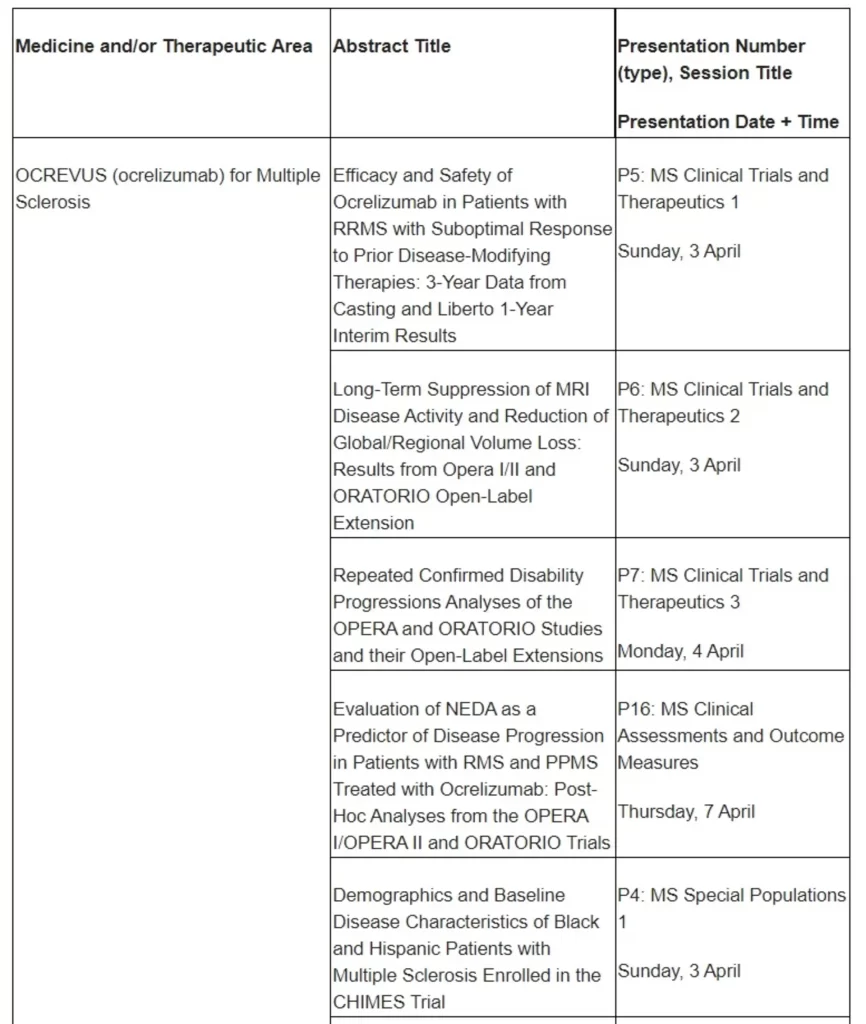
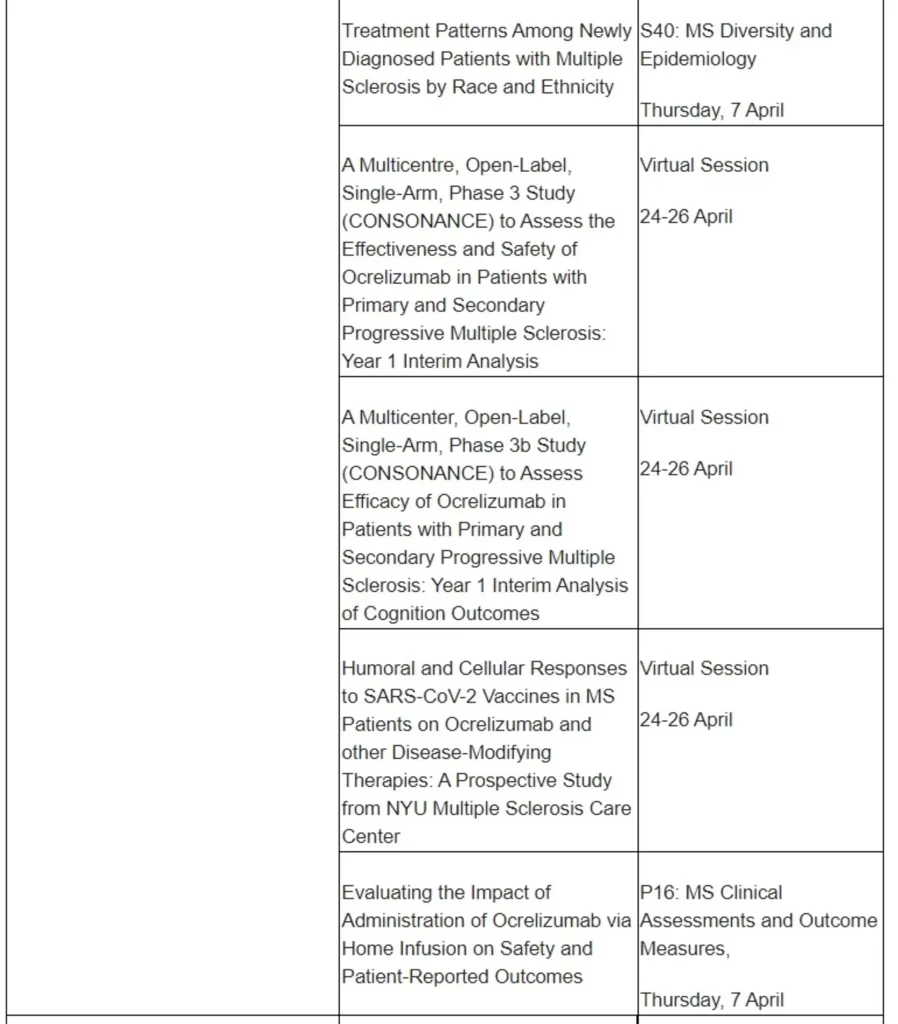
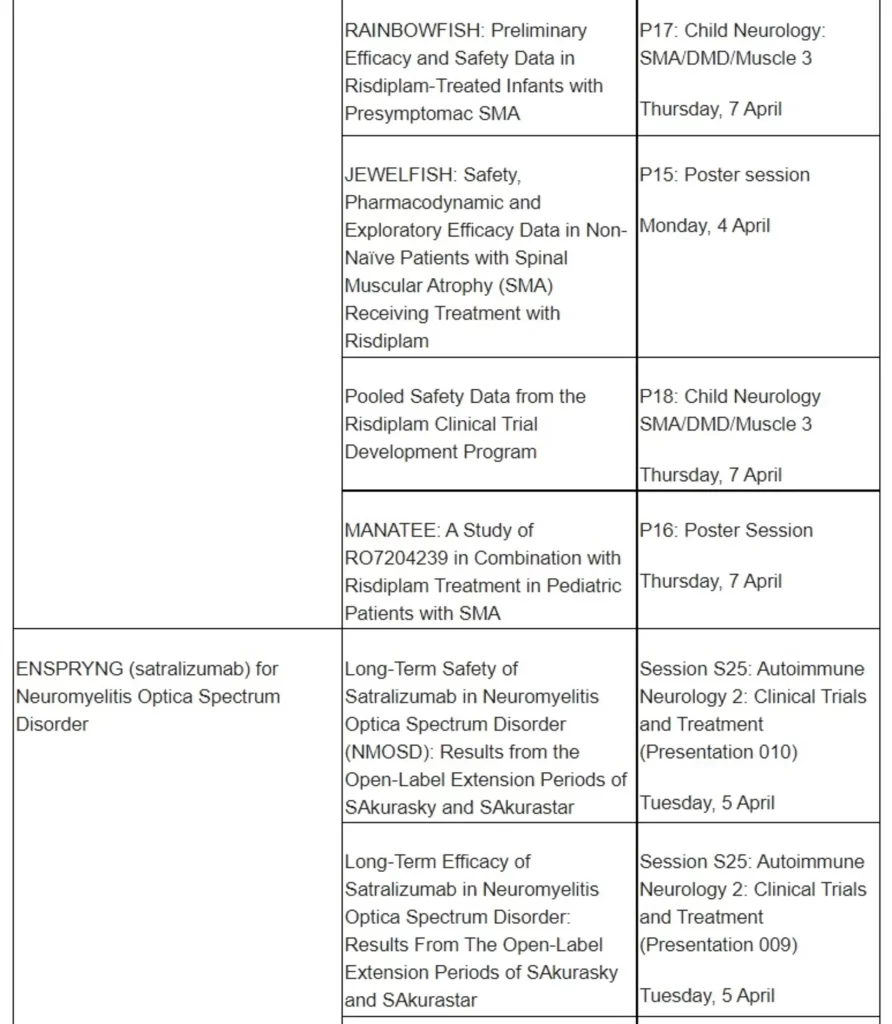
Basel, 25 March 2022 - Roche (SIX: RO, ROG; OTCQX: RHHBY) today announced new data for its approved and investigational medicines across neurological disorders will be presented at the 74th American Academy of Neurology (AAN) Annual Meeting being held 02-07 April in Seattle and virtually 24-26 April 2022. These data include twenty-four abstracts highlighting Roche’s expansive neuroscience portfolio across five therapeutic areas, including OCREVUS® (ocrelizumab) in relapsing, secondary and primary progressive multiple sclerosis (RMS, SPMS and PPMS), EVRYDSI™ (risdiplam) in spinal muscular atrophy (SMA), ENSPRYNG™ (satralizumab) in neuromyelitis optica spectrum disorder (NMOSD), along with data from investigational programs in Alzheimer’s disease (AD) and Duchenne muscular dystrophy (DMD).
“The longer-term efficacy and safety data for OCREVUS, EVRYSDI and ENSPRYNG, as well as findings from diverse and underrepresented populations, demonstrate the significant impact of our expanding neuroscience portfolio,” said Levi Garraway, M.D., Ph.D. Roche's Chief Medical Officer and Head of Global Product Development. “We remain committed to advancing the science and improving the lives of people living with neurological conditions.''
Roche will present 11 abstracts on MS and OCREVUS at AAN. New data from the one-year interim analysis of CONSONANCE, a first-of-its-kind open-label Phase III trial, will show the treatment effect of OCREVUS in the complete spectrum of progressive MS – SPMS and PPMS – with novel composite disability endpoints.
Additionally, an analysis of a U.S. claims database will highlight treatment disparities between Black and Hispanic/Latino-American patients and non-Hispanic white patients in the two years after diagnosis. Addressing health inequity and inclusion in research is central to Roche’s mission to improve patient health outcomes. The insights from the data presented at AAN reinforce the importance of Roche’s CHIMES trial evaluating OCREVUS in Black and Hispanic patients with MS, which is now fully enrolled across sites in the U.S. and Kenya.
Roche will present encore data from the clinical development programme for EVRYSDI, including 3-year data from SUNFISH Part 1 and 2, highlighting the long-term efficacy and safety of EVRYSDI in people aged 2-25 years with Type 2 or Type 3 SMA. In addition, updated interim efficacy data from the RAINBOWFISH study in presymptomatic infants with SMA will be presented. The clinical development programme represents the broad real-world spectrum of people living with SMA from newborn babies to people aged 60 years old.
Roche will also share the design of the new MANATEE trial, a multi-centre, randomised, placebo-controlled, double-blind study studying GYM329, an investigational anti-myostatin, in combination with EVRYSDI.
Roche will present encore long-term efficacy and safety data from the ENSPRYNG SAkuraSky and SAkuraStar studies. These data reinforce the previously observed efficacy and safety of ENSPRYNG, the first and only approved treatment designed to target and inhibit the IL-6 receptor activity, and that can be administered subcutaneously every four weeks at home after training from a healthcare provider.
To increase the scientific understanding of NMOSD and improve care for all people living with the condition, Roche has initiated SAkuraBONSAI, a multi-centre, Phase IIIb, international study evaluating ENSPRYNG treatment for people with AQP4-IgG seropositive NMOSD who are treatment naïve, or where prior rituximab (or biosimilar) treatment has failed*; SAkuraBONSAI will further evaluate disease activity and progression using comprehensive imaging, biomarker and clinical assessment.
Roche will present updates from its AD clinical programme, including baseline characteristics of the Phase III GRADUATE studies in patients with early AD.
In addition, the design of the post-GRADUATE open label rollover study evaluating the long-term safety, tolerability and efficacy of gantenerumab in patients from the GRADUATE 1 and 2 studies will be presented.
For more than two decades, Roche has been studying and developing gantenerumab, a late-stage investigational subcutaneously-administered monoclonal antibody, for the treatment of AD. Data from the pivotal GRADUATE trials are expected in the fourth quarter of 2022. Gantenerumab is also being evaluated in the Phase III SKYLINE prevention trial to better understand the potential of the investigational therapy to slow disease progression in people with the earliest biological signs of AD.
The full range of data from Roche’s clinical development programme in neuroscience being presented at 2022 AAN include:


OCREVUS is the first and only therapy approved for both RMS (including RRMS and active, or relapsing, SPMS and CIS in the U.S.) and PPMS, with six-month dosing. OCREVUS is a humanised monoclonal antibody designed to target CD20-positive B cells, a specific type of immune cell thought to be a key contributor to myelin (nerve cell insulation and support) and axonal (nerve cell) damage. This nerve cell damage can lead to disability in people with MS. Based on preclinical studies, OCREVUS binds to CD20 cell surface proteins expressed on certain B cells, but not on stem cells or plasma cells, suggesting that important functions of the immune system may be preserved. OCREVUS is administered by intravenous infusion every six months. The initial dose is given as two 300 mg infusions given two weeks apart. Subsequent doses are given as single 600 mg infusions.
EVRYSDI is a survival of motor neuron 2 (SMN2) splicing modifier designed to treat SMA by increasing and sustaining the production of the survival motor neuron (SMN) protein in the central nervous system (CNS) and peripheral tissues. SMN protein is found throughout the body and is critical for maintaining healthy motor neurons and movement. EVRYSDI is administered daily at home in liquid form by mouth or by feeding tube.
The U.S. Food and Drug Administration (FDA) approved EVRYSDI for the treatment of SMA in adults and children 2 months of age and older. EVRYSDI was granted PRIME designation by the European Medicines Agency (EMA) in 2018 and Orphan Drug Designation by FDA and EMA in 2017 and 2019, respectively. At this time, EVRYSDI has been approved in 76 countries and submitted in a further 29 countries.
ENSPRYNG, which was designed by Chugai, a member of the Roche Group, is a humanized monoclonal antibody that targets interleukin-6 (IL-6) receptor activity. The cytokine IL-6 is believed to be a key driver in NMOSD disease processes, triggering the inflammation cascade and leading to damage and disability. ENSPRYNG was designed using novel recycling antibody technology. When compared to conventional antibodies, ENSPRYNG’s recycling antibody technology enables the medicine to remain in the bloodstream for a longer period of time and bind repeatedly to its target (the IL-6 receptor) - maximally sustaining IL-6 suppression in a chronic disease like NMOSD and enabling subcutaneous dosing every four weeks.
Positive Phase III results for ENSPRYNG, as both monotherapy and in combination with baseline immunosuppressive therapy, demonstrate that IL-6 inhibition is an effective therapeutic approach for patients with NMOSD who are AQP4-IgG seropositive. The Phase III clinical development program for ENSPRYNG includes two studies: SAkuraStar and SAkuraSky.
ENSPRYNG is currently approved in 63 countries, including the United States, Canada, Japan, South Korea and the European Union.
ENSPRYNG has been designated as an orphan drug in the United States, Europe, Japan and Russia. In addition, it was granted Breakthrough Therapy Designation for the treatment of NMOSD by the FDA in December 2018, which is given to treatments that may demonstrate substantial improvement over other available options.
Neuroscience is a major focus of research and development at Roche. Our goal is to pursue groundbreaking science to develop new treatments that help improve the lives of people with chronic and potentially devastating diseases.
Roche is investigating more than a dozen medicines for neurological disorders, including multiple sclerosis, Alzheimer’s disease, Huntington’s disease, Parkinson’s disease, Duchenne muscular dystrophy and autism spectrum disorder. Together with our partners, we are committed to pushing the boundaries of scientific understanding to solve some of the most difficult challenges in neuroscience today.
Roche is a global pioneer in pharmaceuticals and diagnostics focused on advancing science to improve people’s lives. The combined strengths of pharmaceuticals and diagnostics under one roof have made Roche the leader in personalised healthcare – a strategy that aims to fit the right treatment to each patient in the best way possible.
Roche is the world’s largest biotech company, with truly differentiated medicines in oncology, immunology, infectious diseases, ophthalmology and diseases of the central nervous system. Roche is also the world leader in in vitro diagnostics and tissue-based cancer diagnostics, and a frontrunner in diabetes management.
Founded in 1896, Roche continues to search for better ways to prevent, diagnose and treat diseases and make a sustainable contribution to society. The company also aims to improve patient access to medical innovations by working with all relevant stakeholders. More than thirty medicines developed by Roche are included in the World Health Organization Model Lists of Essential Medicines, among them life-saving antibiotics, antimalarials and cancer medicines. Moreover, for the twelfth consecutive year, Roche has been recognised as one of the most sustainable companies in the Pharmaceuticals Industry by the Dow Jones Sustainability Indices (DJSI).
The Roche Group, headquartered in Basel, Switzerland, is active in over 100 countries and in 2020 employed more than 100,000 people worldwide. In 2020, Roche invested CHF 12.2 billion in R&D and posted sales of CHF 58.3 billion. Genentech, in the United States, is a wholly owned member of the Roche Group. Roche is the majority shareholder in Chugai Pharmaceutical, Japan
Polivy plus R-CHP showed first clinically meaningful improvement in PFS with comparable safety in people with previously untreated diffuse large B-cell lymphoma (DLBCL) over the standard of care in more than 20 years
Approximately 40% of people with previously untreated DLBCL are not cured with the current standard of care and face a poor prognosis [1,2]
Recommendation is based on pivotal data from the phase III POLARIX study
Basel, 25 March 2022 - Roche (SIX: RO, ROG; OTCQX: RHHBY) today announced that the European Medicines Agency’s Committee for Medicinal Products for Human Use (CHMP) has recommended the approval of Polivy® (polatuzumab vedotin) in combination with MabThera® (rituximab) plus cyclophosphamide, doxorubicin, and prednisone (R-CHP) for the treatment of previously untreated diffuse large B-cell lymphoma (DLBCL). Polivy plus R-CHP is the first treatment regimen to significantly improve outcomes in this disease in more than 20 years. A final decision regarding the approval of this Polivy combination is expected from the European Commission in the near future.
DLBCL is the most common form of non-Hodgkin lymphoma and it is estimated 40,000 people in Europe are diagnosed with the disease each year.[3,4] Approximately four out of ten patients will relapse after first line treatment and the majority of patients who require subsequent lines of therapy have poor outcomes.[1,2]
“A significant proportion of people newly diagnosed with diffuse large B-cell lymphoma, an aggressive form of blood cancer, do not respond adequately to existing therapies,” said Levi Garraway, M.D., Ph.D., Roche’s Chief Medical Officer and Head of Global Product Development. “Therefore, more treatment options are needed that could increase a person's chance of cure, and we look forward to bringing this new Polivy combination to people with DLBCL as soon as possible.”
The CHMP opinion was based on efficacy and safety data from the phase III POLARIX study (GO39942), comparing Polivy in combination with chemotherapy regimen R-CHP versus the standard of care MabThera plus cyclophosphamide, doxorubicin, vincristine and prednisone (R-CHOP) in treatment of first-line DLBCL. The study showed significantly higher progression-free survival (PFS) versus R-CHOP after a median follow-up of 28.2 months (hazard ratio [HR] 0.73; 95% confidence interval [CI]: 0.57–0.95; P<0.02).[5] PFS is a clinically meaningful disease-related outcome for people with previously untreated DLBCL and represents a goal of first-line therapy: decreasing the risk of disease worsening. The safety profile was comparable for Polivy plus R-CHP versus R-CHOP, including rates of grade 3-4 adverse events (AEs; 57.7% versus 57.5%), serious AEs (34.0% versus 30.6%), grade 5 AEs (3.0% versus 2.3%), and AEs leading to dose reduction (9.2% versus 13.0%), respectively.[5] Results were presented for the first time in December 2021 at the 63rd American Society of Hematology Annual Meeting & Exposition and simultaneously published in the New England Journal of Medicine.
Once approved, Polivy’s conditional marketing authorisation in the EU in combination with bendamustine plus MabThera, for the treatment of adult patients with relapsed or refractory DLBCL who are not candidates for a haematopoietic stem cell transplant will be converted to a full approval.
Polivy is a first-in-class anti-CD79b antibody-drug conjugate (ADC). The CD79b protein is expressed specifically in the majority of B-cells, an immune cell impacted in some types of non-Hodgkin lymphoma (NHL), making it a promising target for the development of new therapies.[6,7] Polivy binds to cancer cells such as CD79b and kills these B-cells through the delivery of an anti-cancer agent, which is thought to minimise the effects on normal cells.[8,9] Polivy is being developed by Roche using Seagen ADC technology and is currently being investigated for the treatment of several types of NHL. Polivy is currently marketed in the EU for the treatment of relapsed or refractory diffuse large B-cell lymphoma.
POLARIX [NCT03274492] is an international phase III, randomised, double-blind, placebo-controlled study evaluating the efficacy, safety and pharmacokinetics of Polivy® (polatuzumab vedotin) plus MabThera® (rituximab), cyclophosphamide, doxorubicin, and prednisone (R-CHP) versus MabThera, cyclophosphamide, doxorubicin, vincristine and prednisone (R-CHOP) in people with previously untreated diffuse large B-cell lymphoma. Eight-hundred and seventy-nine patients were randomised 1:1 to receive either Polivy plus R-CHP plus a vincristine placebo for six cycles, followed by MabThera for two cycles; or R-CHOP plus a Polivy placebo for six cycles, followed by two cycles of MabThera. The primary outcome measure is progression-free survival (PFS) as assessed by the investigator using the Lugano Response Criteria for malignant lymphoma. PFS is a clinically meaningful disease-related outcome for patients with previously untreated DLBCL as it represents the goals of first-line therapy: avoiding disease relapse, disease progression, and death. POLARIX is being conducted in collaboration with The Lymphoma Study Association (LYSA) and The Lymphoma Academic Research Organisation (LYSARC).
The Lymphoma Study Association, or LYSA, is the internationally leading cooperative group for lymphoma research in Europe, conducting clinical studies ranging from the first tests of new medicines in humans to the establishment of reference therapeutic strategies. LYSA includes in its network more than 90 care centres distributed throughout three countries (France, Belgium, Portugal), and collaborates with many scientific teams at the international level.
The Lymphoma Academic Research Organisation, or LYSARC, is the LYSA operational structure that conducts clinical research projects on lymphomas at the international level.
DLBCL is the most common form of non-Hodgkin lymphoma (NHL), accounting for about one in three cases of NHL.[3] DLBCL is an aggressive (fast-growing) type of NHL.[3] While it is generally responsive to treatment in the frontline, as many as 40% of patients will relapse or have refractory disease, at which time salvage therapy options are limited and survival is short.[1,2] Approximately 150,000 people worldwide are estimated to be diagnosed with DLBCL each year.[10]
Roche has been developing medicines for people with malignant and non-malignant blood diseases for over 20 years; our experience and knowledge in this therapeutic area runs deep. Today, we are investing more than ever in our effort to bring innovative treatment options to patients across a wide range of haematologic diseases. Our approved medicines include MabThera® (rituximab), Gazyvaro® (obinutuzumab), Polivy® (polatuzumab vedotin), Venclyxto® (venetoclax) in collaboration with AbbVie, and Hemlibra® (emicizumab). Our pipeline of investigational haematology medicines includes T-cell engaging bispecific antibodies, glofitamab and mosunetuzumab, targeting both CD20 and CD3, and cevostamab, targeting both FcRH5 and CD3; Tecentriq® (atezolizumab), a monoclonal antibody designed to bind with PD-L1 and crovalimab, an anti-C5 antibody engineered to optimise complement inhibition. Our scientific expertise, combined with the breadth of our portfolio and pipeline, also provides a unique opportunity to develop combination regimens that aim to improve the lives of patients even further.
Roche is a global pioneer in pharmaceuticals and diagnostics focused on advancing science to improve people’s lives. The combined strengths of pharmaceuticals and diagnostics under one roof have made Roche the leader in personalised healthcare – a strategy that aims to fit the right treatment to each patient in the best way possible.
Roche is the world’s largest biotech company, with truly differentiated medicines in oncology, immunology, infectious diseases, ophthalmology and diseases of the central nervous system. Roche is also the world leader in in vitro diagnostics and tissue-based cancer diagnostics, and a frontrunner in diabetes management.
Founded in 1896, Roche continues to search for better ways to prevent, diagnose and treat diseases and make a sustainable contribution to society. The company also aims to improve patient access to medical innovations by working with all relevant stakeholders. More than thirty medicines developed by Roche are included in the World Health Organization Model Lists of Essential Medicines, among them life-saving antibiotics, antimalarials and cancer medicines. Moreover, for the twelfth consecutive year, Roche has been recognised as one of the most sustainable companies in the Pharmaceuticals Industry by the Dow Jones Sustainability Indices (DJSI).
The Roche Group, headquartered in Basel, Switzerland, is active in over 100 countries and in 2020 employed more than 100,000 people worldwide. In 2020, Roche invested CHF 12.2 billion in R&D and posted sales of CHF 58.3 billion. Genentech, in the United States, is a wholly owned member of the Roche Group. Roche is the majority shareholder in Chugai Pharmaceutical, Japan
Long-term efficacy data from the pivotal SUNFISH study confirm increases in motor function are sustained at three years, while adverse events decreased over the same period
Part 2 of SUNFISH showed Evrysdi demonstrated a marked improvement in, or stabilisation of, motor function after two years compared to an untreated external control group
Latest interim results from the RAINBOWFISH study demonstrate that the majority of babies treated with Evrysdi for at least 12 months were able to stand and walk within timeframes typical of healthy babies
More than 5,000 patients have been treated with Evrysdi to date, from newborns to people over 60 years of age
Basel, 16 March 2022— Roche (SIX: RO, ROG; OTCQX: RHHBY) today announced new data for Evrysdi® (risdiplam) in spinal muscular atrophy (SMA). Presentations included new three-year data from the SUNFISH study, which further confirmed the long-term efficacy and safety of Evrysdi in a broad population of people aged 2-25 years with Type 2 or Type 3 SMA. Additional presentations included exploratory two-year efficacy data from SUNFISH Part 2, demonstrating improvement in or stabilisation of motor function with Evrysdi compared to an untreated external control group. Roche also announced updated interim data from the RAINBOWFISH study in pre-symptomatic babies with SMA under two months of age. The data were presented at the Muscular Dystrophy Association (MDA) Clinical and Scientific Conference, March 13-16, 2022.
“The positive long-term efficacy and safety results for Evrysdi in this broad SMA population are important for physicians as they consider Evrysdi as a treatment option for their patients,” said Laurent Servais, M.D., Ph.D., Professor of Paediatric Neuromuscular Diseases at the MDUK Oxford Neuromuscular Centre. “In treating people with SMA, our aim is to enable or preserve their independence, and patients in the SUNFISH study reported continuous improvement or stabilization in the level of help needed for daily living.”
In the SUNFISH study, the increase in Motor Function Measure 32 (MFM32) total score from baseline previously observed at year one was maintained through year three in people treated with Evrysdi. The increases in Revised Upper Limb Module (RULM) and Hammersmith Functional Motor Scale Expanded (HFMSE) total scores from baseline were also sustained between year one and year three.
Evrysdi was well-tolerated over the three-year time period in the SUNFISH study. The overall rate of adverse events (AEs) in SUNFISH decreased over three years, and a trend towards a lower rate of serious adverse events (SAEs) was observed in the third year of treatment. Overall, AEs and SAEs were reflective of the underlying disease, and no treatment-related AEs led to withdrawal from the study.
In addition, for the first time an external comparator analysis has been done for SUNFISH two-year data with an untreated control group.
The weighted exploratory analyses of MFM total scores showed that in SUNFISH Part 2, the proportion of patients demonstrating a marked improvement (change ≥3 points) or stabilization (change ≥0 points) was more likely in patients who were on Evrysdi for 24 months than in those in the untreated comparator group. (p=0.025 and p=0.002, respectively).
“We are pleased that these long-term results further reinforce the safety and efficacy of Evrysdi, and it is especially encouraging to see that adverse events decreased over time,” said Levi Garraway, M.D., Ph.D., Chief Medical Officer and Head of Global Product Development. “We remain committed to working towards continued access to Evrysdi for all appropriate patients with this progressive disease.”
Updated interim data from the RAINBOWFISH study were also shared, demonstrating the safety and efficacy of Evrysdi for newborns. In January, the U.S. Food and Drug Administration (FDA) granted priority review of a supplemental new drug application (sNDA) for the use of Evrysdi to treat pre-symptomatic babies under two months of age with SMA.
To date, more than 5,000 people have been treated with Evrysdi in clinical trials, compassionate use, or real-world settings. Roche leads the clinical development of Evrysdi as part of a collaboration with the SMA Foundation and PTC Therapeutics.
Evrysdi is a survival motor neuron 2 (SMN2) splicing modifier designed to treat SMA caused by mutations in chromosome 5q that lead to SMN protein deficiency. Evrysdi is administered daily at home in liquid form by mouth or by feeding tube.
Evrysdi is designed to treat SMA by increasing and sustaining the production of the survival motor neuron (SMN) protein in the central nervous system (CNS) and peripheral tissues. SMN protein is found throughout the body and is critical for maintaining healthy motor neurons and movement.
Evrysdi was granted PRIME designation by the European Medicines Agency (EMA) in 2018 and Orphan Drug Designation by the U.S. Food and Drug Administration in 2017. In 2021, Evrysdi was awarded Drug Discovery of the Year by the British Pharmacological Society as well as the Society for Medicines Research award for Drug Discovery. Evrysdi is currently approved in 76 countries, and the dossier is under review in a further 29 countries.
Evrysdi is currently being evaluated in five multicenter trials in people with SMA:
FIREFISH (NCT02913482)—an open-label, two-part pivotal clinical trial in infants with Type 1 SMA. Part 1 was a dose-escalation study in 21 infants with the primary objective of assessing the safety profile of risdiplam in infants and determining the dose for Part 2. Part 2 is a pivotal, single-arm study of risdiplam in 41 infants with Type 1 SMA treated for 2 years, followed by an open-label extension. Enrollment for Part 2 was completed in November 2018. The primary objective of Part 2 was to assess efficacy as measured by the proportion of infants sitting without support after 12 months of treatment, as assessed by the Gross Motor Scale of the Bayley Scales of Infant and Toddler Development—Third Edition (BSID-III) (defined as sitting without support for 5 seconds). The study met its primary endpoint.
SUNFISH (NCT02908685)—SUNFISH is a two-part, double-blind, placebo-controlled pivotal study in people aged 2-25 years with Types 2 or 3 SMA. Part 1 (n=51) determined the dose for the confirmatory Part 2. Part 2 (n=180) evaluated motor function using the total score of Motor Function Measure 32 (MFM-32) at 12 months. MFM-32 is a validated scale used to evaluate fine and gross motor function in people with neurological disorders, including SMA. The study met its primary endpoint.
JEWELFISH (NCT03032172)—an open-label exploratory trial designed to assess the safety, tolerability, pharmacokinetics, and pharmacodynamics in people with SMA aged 6 months to 60 years who received other investigational or approved SMA therapies for at least 90 days prior to receiving Evrysdi. The study has completed recruitment (n=174).
RAINBOWFISH (NCT03779334) – an open-label, single-arm, multicenter study investigating the efficacy, safety, pharmacokinetics and pharmacodynamics of risdiplam in babies (~n=25), from birth to six weeks of age (at first dose) with genetically diagnosed SMA who are not yet presenting with symptoms. The study is fully enrolled.
MANATEE (NCT05115110)—a global phase 2/3 clinical study to evaluate the safety and efficacy of GYM329 (RO7204239), an anti-myostatin molecule targeting muscle growth, in combination with Evrysdi for the treatment of SMA in patients 2-10 years of age. The FDA Office of Orphan Products Development granted GYM329 Orphan Drug Designation for the treatment of patients with SMA in December 2021. The study is commencing recruitment in Q1 2022.
SMA is a severe, progressive neuromuscular disease that can be fatal. It affects approximately one in 10,000 babies and is the leading genetic cause of infant mortality. SMA is caused by a mutation of the survival motor neuron 1 (SMN1) gene, which leads to a deficiency of SMN protein. This protein is found throughout the body and is essential to the function of nerves that control muscles and movement. Without it, nerve cells cannot function correctly, leading to muscle weakness over time. Depending on the type of SMA, an individual’s physical strength and their ability to walk, eat, or breathe can be significantly diminished or lost.
Neuroscience is a major focus of research and development at Roche. Our goal is to pursue groundbreaking science to develop new treatments that help improve the lives of people with chronic and potentially devastating diseases.
Roche is investigating more than a dozen medicines for neurological disorders, including multiple sclerosis, spinal muscular atrophy, neuromyelitis optica spectrum disorder, Alzheimer’s disease, Huntington’s disease, Parkinson’s disease, and Duchenne muscular dystrophy. Together with our partners, we are committed to pushing the boundaries of scientific understanding to solve some of the most difficult challenges in neuroscience today.
Roche is a global pioneer in pharmaceuticals and diagnostics focused on advancing science to improve people’s lives. The combined strengths of pharmaceuticals and diagnostics under one roof have made Roche the leader in personalized healthcare—a strategy that aims to fit the right treatment to each patient in the best way possible.
Roche is the world’s largest biotech company, with truly differentiated medicines in oncology, immunology, infectious diseases, ophthalmology, and diseases of the central nervous system. Roche is also the world leader in in vitro diagnostics and tissue-based cancer diagnostics and a frontrunner in diabetes management.
Founded in 1896, Roche continues to search for better ways to prevent, diagnose, and treat diseases and make a sustainable contribution to society. The company also aims to improve patient access to medical innovations by working with all relevant stakeholders. More than thirty medicines developed by Roche are included in the World Health Organization Model Lists of Essential Medicines, among them life-saving antibiotics, antimalarials, and cancer medicines. Moreover, for the twelfth consecutive year, Roche has been recognized as one of the most sustainable companies in the pharmaceuticals industry by the Dow Jones Sustainability Indices (DJSI).
The Roche Group, headquartered in Basel, Switzerland, is active in over 100 countries and in 2020 employed more than 100,000 people worldwide. In 2020, Roche invested CHF 12.2 billion in R&D and posted sales of CHF 58.3 billion. Genentech, in the United States, is a wholly owned member of the Roche Group. Roche is the majority shareholder in Chugai Pharmaceutical, Japan
U.S. FDA’s Oncologic Drugs Advisory Committee voted 11 to 2 in favour of the clinical benefit of the phase III POLARIX study of Polivy in combination with R-CHP for people with previously untreated diffuse large B-cell lymphoma (DLBCL)
This is the first treatment in 20 years to show a significant and clinically meaningful improvement in progression-free survival over the standard of care for first-line DLBCL
DLBCL is an aggressive, hard-to-treat disease and the most common form of non-Hodgkin lymphoma in the US
Basel, 10 March 2023 - Roche (SIX: RO, ROG; OTCQX: RHHBY) announced today that the U.S. Food and Drug Administration (FDA) Oncologic Drugs Advisory Committee (ODAC) voted 11 to 2 in favour of Polivy® (polatuzumab vedotin-piiq) in combination with Rituxan® (rituximab) plus cyclophosphamide, doxorubicin and prednisone (R-CHP) for the treatment of people with previously untreated diffuse large B-cell lymphoma (DLBCL). The ODAC provides the FDA with independent opinions and recommendations from outside medical experts though the recommendations are not binding. The FDA is expected to make a final decision on its review of the supplemental Biologics License Application (sBLA) for Polivy in this indication by 2 April 2023.
“Today’s committee decision to recognise the potential of this Polivy combination as a first-line treatment option is important since four in ten people with diffuse large B-cell lymphoma relapse or do not respond to initial treatment,” said Levi Garraway, M.D., Ph.D., Roche’s Chief Medical Officer and Head of Global Product Development. “We believe the clinical benefit demonstrated in the POLARIX study may improve outcomes for many people with newly diagnosed DLBCL and look forward to continued collaboration with the FDA to make this treatment option available in the US.”
More than 60 countries have approved this Polivy combination for the treatment of adult patients with previously untreated DLBCL, including in the EU, UK, Japan, Canada and China. Polivy in combination with R-CHP was recently added to the National Comprehensive Cancer Network Clinical Practice Guidelines in Oncology (NCCN Guidelines®) as a category 1, preferred regimen for first-line DLBCL.
DLBCL is an aggressive, hard-to-treat disease and is the most common form of non-Hodgkin lymphoma in the US. Limited progress has been made in improving patient outcomes in previously untreated DLBCL over the last two decades. Polivy in combination with R-CHP is the first treatment in 20 years to show a significant improvement in progression-free survival (PFS) over the standard of care, MabThera/Rituxan in combination with cyclophosphamide, doxorubicin, vincristine and prednisone (R-CHOP), in this setting.
The sBLA submission is based on pivotal data from the phase III POLARIX study, which demonstrated a statistically significant and clinically meaningful improvement in PFS with Polivy plus R-CHP compared to standard-of-care R-CHOP in first-line DLBCL. The risk of disease progression, relapse or death was reduced by 27% with Polivy plus R-CHP compared with R-CHOP (hazard ratio [HR] 0.73; 95% confidence interval [CI]: 0.57–0.95; p<0.02). Safety outcomes were consistent with those seen in previous clinical trials, and the safety profile was comparable for Polivy plus R-CHP versus R-CHOP, including rates of Grade 3-4 adverse events (AEs; 57.7% versus 57.5%), serious AEs (34.0% versus 30.6%), Grade 5 AEs (3.0% versus 2.3%), and AEs leading to dose reduction (9.2% versus 13.0%).
Polivy in combination with bendamustine and MabThera/Rituxan is currently approved in more than 80 countries worldwide for the treatment of adults with relapsed or refractory DLBCL after one or more prior therapies, including in the US under FDA accelerated approval, as a readily available, fixed-duration treatment option .
POLARIX [NCT03274492] is an international phase III, randomised, double-blind, placebo-controlled study evaluating the efficacy, safety and pharmacokinetics of Polivy® (polatuzumab vedotin-piiq) plus MabThera®/Rituxan® (rituximab), cyclophosphamide, doxorubicin and prednisone (R-CHP) versus MabThera/Rituxan, cyclophosphamide, doxorubicin, vincristine and prednisone (R-CHOP) in people with previously untreated diffuse large B-cell lymphoma. Eight-hundred and seventy-nine patients were randomised 1:1 to receive either Polivy plus R-CHP plus a vincristine placebo for six cycles, followed by MabThera/Rituxan for two cycles; or R-CHOP plus a Polivy placebo for six cycles, followed by two cycles of MabThera/Rituxan. The primary outcome measure is progression-free survival as assessed by the investigator using the Lugano Response Criteria for malignant lymphoma. POLARIX is being conducted in collaboration with The Lymphoma Study Association and The Lymphoma Academic Research Organisation.
Diffuse large B-cell lymphoma (DLBCL) is the most common form of non-Hodgkin lymphoma (NHL), accounting for about one in three cases of NHL.1 DLBCL is an aggressive (fast-growing) type of NHL.1 While it is generally responsive to treatment in the frontline, as many as 40% of people will relapse or have refractory disease, at which time salvage therapy options are limited and survival is short.2,3 Approximately 160,000 people worldwide are estimated to be diagnosed with DLBCL each year.
Polivy is a first-in-class anti-CD79b antibody-drug conjugate (ADC). The CD79b protein is expressed specifically in the majority of B-cells, an immune cell impacted in some types of non-Hodgkin lymphoma (NHL), making it a promising target for the development of new therapies. Polivy binds to cancer cells such as CD79b and destroys these B-cells through the delivery of an anti-cancer agent, which is thought to minimise the effects on normal cells. Polivy is being developed by Roche using Seagen ADC technology and is currently being investigated for the treatment of several types of NHL.
Roche has been developing medicines for people with malignant and non-malignant blood diseases for more than 20 years; our experience and knowledge in this therapeutic area runs deep. Today, we are investing more than ever in our effort to bring innovative treatment options to patients across a wide range of haematologic diseases. Our approved medicines include MabThera®/Rituxan® (rituximab), Gazyva®/Gazyvaro® (obinutuzumab), Polivy® (polatuzumab vedotin-piiq), Venclexta®/Venclyxto® (venetoclax) in collaboration with AbbVie, Hemlibra® (emicizumab) and Lunsumio® (mosunetuzumab). Our pipeline of investigational haematology medicines includes T-cell engaging bispecific antibodies glofitamab, targeting both CD20 and CD3, and cevostamab, targeting both FcRH5 and CD3; Tecentriq® (atezolizumab), a monoclonal antibody designed to bind with PD-L1 and crovalimab, an anti-C5 antibody engineered to optimise complement inhibition. Our scientific expertise, combined with the breadth of our portfolio and pipeline, also provides a unique opportunity to develop combination regimens that aim to improve the lives of patients even further.
Roche is a global pioneer in pharmaceuticals and diagnostics focused on advancing science to improve people’s lives. The combined strengths of pharmaceuticals and diagnostics under one roof have made Roche the leader in personalised healthcare – a strategy that aims to fit the right treatment to each patient in the best way possible.
Roche is the world’s largest biotech company, with truly differentiated medicines in oncology, immunology, infectious diseases, ophthalmology and diseases of the central nervous system. Roche is also the world leader in in vitro diagnostics and tissue-based cancer diagnostics, and a frontrunner in diabetes management.
Founded in 1896, Roche continues to search for better ways to prevent, diagnose and treat diseases and make a sustainable contribution to society. The company also aims to improve patient access to medical innovations by working with all relevant stakeholders. More than thirty medicines developed by Roche are included in the World Health Organization Model Lists of Essential Medicines, among them life-saving antibiotics, antimalarials and cancer medicines. Moreover, for the twelfth consecutive year, Roche has been recognised as one of the most sustainable companies in the Pharmaceuticals Industry by the Dow Jones Sustainability Indices (DJSI).
The Roche Group, headquartered in Basel, Switzerland, is active in over 100 countries and in 2020 employed more than 100,000 people worldwide. In 2020, Roche invested CHF 12.2 billion in R&D and posted sales of CHF 58.3 billion. Genentech, in the United States, is a wholly owned member of the Roche Group. Roche is the majority shareholder in Chugai Pharmaceutical, Japan
Evrysdi® (risdiplam) data further confirm long-term efficacy and safety data in a broad range of people with spinal muscular atrophy (SMA)
Latest interim results from the RAINBOWFISH study demonstrate that the majority of babies treated with Evrysdi for at least 12 months were able to sit, stand and walk within timeframes typical of healthy babies
New gene therapy data in boys living with Duchenne muscular dystrophy (DMD) reports encouraging results from early stage study supporting its progress into global pivotal Phase III EMBARK study
Basel, 08 March 2022 - Roche (SIX: RO, ROG; OTCQX: RHHBY) today announced that new data from its growing neuromuscular portfolio will be presented at the Muscular Dystrophy Association (MDA) Clinical and Scientific Conference, 13 – 16 March 2022. Presentations include eight abstracts from its spinal muscular atrophy (SMA) programme and three from its Duchenne muscular dystrophy (DMD) programme, demonstrating Roche’s commitment to advancing clinical understanding of these conditions with the aim of treating a broad range of people living with neuromuscular disorders.
“These new data further highlight the compelling body of evidence for Evrysdi across infants, children and adults living with SMA,” said Levi Garraway, M.D., Ph. D., Roche’s Chief Medical Officer and Head of Global Product Development. “The results from our Duchenne Muscular Dystrophy gene therapy programme are encouraging and represent the potential to provide transformative outcomes for people living with this condition. We are grateful for the partnerships that can help us accelerate progress across SMA and DMD.”
Six abstracts from the Evrysdi® (risdiplam) clinical development programme will be presented. This includes 3-year SUNFISH Part 1 and 2 efficacy and safety data, as well as a comparison of 2-year SUNFISH Part 2 data with an untreated external control group, both of which highlight the long-term efficacy and safety profile of Evrysdi in a broad population of people aged 2-25 years with Type 2 or Type 3 SMA. The data also demonstrate sustained increase in motor function over time, compared to an untreated external control group at 2-years.
Updated interim data from the RAINBOWFISH study will report updated safety data in enrolled infants and efficacy data in infants who have received risdiplam for at least 12 months.
Roche will also be presenting data from four other SMA studies including:
24-month data from FIREFISH Part 1 and 2 in SMA Type 1, exploring the safety and efficacy of Evrysdi in infants treated with Evrysdi for 2-years
12-month data from the JEWELFISH study, exploring the safety, tolerability and pharmacokinetic/pharmacodynamic (PD) relationship of Evrysdi in a broad age range of patients (6 months to 60 years) who have previously received RG7800 (RO6885247), nursinersen, olesoxime or onasemnogene abeparvovec
Design of new MANATEE trial, a multi-centre, randomised, placebo-controlled, double-blind study investigating the effect of GYM329, an investigational anti-myostatin, in combination with Evrysdi
Data on the demographics and clinical characteristics of people with SMA enrolled in the Muscular Dystrophy Association Neuromuscular Observational Research (MOVR) hub
Using baseline data from FIREFISH, SUNFISH, JEWELFISH and NAtHis-SMA studies, a validated algorithm for estimating the weight of patients with SMA based on few input parameters
Roche has partnered with Sarepta to accelerate access to investigational gene therapy, delandistrogene moxeparvovec (SRP-9001), for DMD outside of the United States upon US Food and Drug Adminstration (FDA) approval. Sarepta, will present three year data from Study 101, an open-label Phase 1/2a study evaluating the safety of SRP-9001 in four ambulatory participants aged between 4-7 years old with DMD. The results show an acceptable safety profile, and all patients demonstrated a clinically meaningful improvement in their North Star Ambulatory Assessment (NSAA) from baseline. In addition, Sarepta will also present results from Study 102 which continue to support SRP-9001’s clinical profile and reinforce a potential benefit risk profile. Study 102 is a three-part, Phase 2 clinical study evaluating the safety and efficacy of delandistrogene moxeparvovec in patients with DMD. Analysis of Part 2 of the study will be presented.
Other presentations include:
The study design and methodology of the first delandistrogene moxeparvovec global Phase III gene therapy trial, EMBARK, assessing the safety and efficacy of commercially representative delandistrogene moxeparvovec material in ambulatory boys with a confirmed DMD mutation aged 4 to 7 years old.
The full range of data from Roche’s clinical development programme in neuroscience being presented at MDA 2022 include:
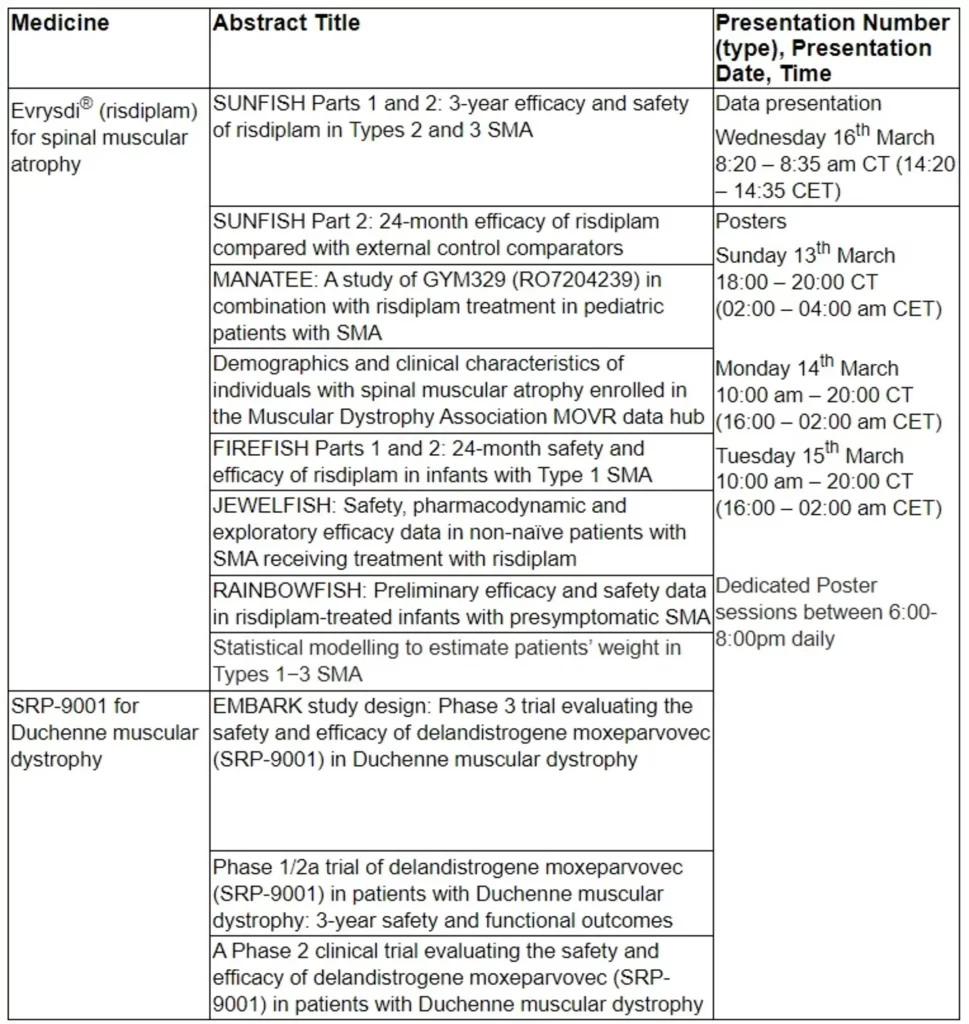
Full session details and data presentations listing for the MDA Clinical and Scientific Conference can be found at the meeting website: https://mdaconference.org/
Follow Roche on Twitter via @Roche and keep up to date with MDA 2022 Conference news and updates by using the hashtag #RocheAtMDA2022, #MDA and #neuromuscular
Evrysdi is a survival motor neuron 2 (SMN2) splicing modifier designed to treat SMA caused by mutations in chromosome 5q that lead to SMN protein deficiency. To date over 5,000 patients have been treated with Evrysdi, which is administered daily at home in liquid form by mouth or by feeding tube.
Evrysdi is designed to treat SMA by increasing and sustaining the production of the survival motor neuron (SMN) protein in the central nervous system (CNS) and peripheral tissues. SMN protein is found throughout the body and is critical for maintaining healthy motor neurons and movement.
Evrysdi was granted PRIME designation by the European Medicines Agency (EMA) in 2018 and Orphan Drug Designation by the U.S Food and Drug Administration in 2017. In 2021 Evrysdi was awarded Drug Discovery of the Year by the British Pharmacological Society as well as the Society for Medicines Research award for Drug Discovery. Evrysdi is currently approved in 75 countries and the dossier is under review in a further 27 countries.
SMA is a severe, progressive neuromuscular disease that can be fatal. It affects approximately one in 10,000 babies and is the leading genetic cause of infant mortality. SMA is caused by a mutation of the survival motor neuron 1 (SMN1) gene, which leads to a deficiency of SMN protein. This protein is found throughout the body and is essential to the function of nerves that control muscles and movement.
Without it, nerve cells cannot function correctly, leading to muscle weakness over time. Depending on the type of SMA, an individual’s physical strength and their ability to walk, eat or breathe can be significantly diminished or lost.
Delandistrogene moxeparvovec (SRP-9001; rAAVrh74.MHCK7.micro-dystrophin) is an investigational gene therapy aimed to deliver the micro-dystrophin-encoding transgene directly to the skeletal and cardiac muscle for the targeted production of the micro-dystrophin protein to enable a durable clinical response. Sarepta Therapeutics is responsible for global development and manufacturing for delandistrogene moxeparvovec and plans to commercialize delandistrogene moxeparvovec in the United States upon receiving FDA approval. In December 2019, Roche partnered with Sarepta to combine Roche’s global reach, commercial presence, and regulatory expertise to accelerate access to delandistrogene moxeparvovec for patients outside the United States.
DMD is a rare X-linked, progressive neuromuscular disease caused by mutations in the DMD gene that disrupts the production of functional dystrophin protein, leading to a loss of muscle function and premature death. DMD is one of the most common fatal genetic disorders, affecting approximately one in every 3,500 to 5,000 male births worldwide.
Symptoms usually appear in infants and toddlers, with affected children presenting developmental delays such as difficulty walking, climbing stairs or standing from a sitting position. As DMD progresses, muscle weakness involves the arms, trunk, and other areas, meaning patients often require full-time use of a wheelchair in their early teens. Longevity is limited due to cardiac and/or respiratory failure.
Neuroscience is a major focus of research and development at Roche. Our goal is to pursue groundbreaking science to develop new treatments that help improve the lives of people with chronic and potentially devastating diseases.
Roche is investigating more than a dozen medicines for neurological disorders, including multiple sclerosis, spinal muscular atrophy, Alzheimer’s disease, Huntington’s disease, Parkinson’s disease and Duchenne muscular dystrophy. Together with our partners, we are committed to pushing the boundaries of scientific understanding to solve some of the most difficult challenges in neuroscience today.
Roche is a global pioneer in pharmaceuticals and diagnostics focused on advancing science to improve people’s lives. The combined strengths of pharmaceuticals and diagnostics under one roof have made Roche the leader in personalised healthcare – a strategy that aims to fit the right treatment to each patient in the best way possible.
Roche is the world’s largest biotech company, with truly differentiated medicines in oncology, immunology, infectious diseases, ophthalmology and diseases of the central nervous system. Roche is also the world leader in in vitro diagnostics and tissue-based cancer diagnostics, and a frontrunner in diabetes management.
Founded in 1896, Roche continues to search for better ways to prevent, diagnose and treat diseases and make a sustainable contribution to society. The company also aims to improve patient access to medical innovations by working with all relevant stakeholders. More than thirty medicines developed by Roche are included in the World Health Organization Model Lists of Essential Medicines, among them life-saving antibiotics, antimalarials and cancer medicines. Moreover, for the twelfth consecutive year, Roche has been recognised as one of the most sustainable companies in the Pharmaceuticals Industry by the Dow Jones Sustainability Indices (DJSI).
The Roche Group, headquartered in Basel, Switzerland, is active in over 100 countries and in 2020 employed more than 100,000 people worldwide. In 2020, Roche invested CHF 12.2 billion in R&D and posted sales of CHF 58.3 billion. Genentech, in the United States, is a wholly owned member of the Roche Group. Roche is the majority shareholder in Chugai Pharmaceutical, Japan
Basel, 02 March 2022 - Roche (SIX: RO, ROG; OTCQX: RHHBY) today announced an initial donation of essential medicines to Ukraine. Roche vehemently condemns the violent invasion of the country.
Roche is working diligently to support the country and people of Ukraine with medical products in accordance with Roche’s overall mission and announced today that we are donating 150,000 packages of Rocephin, a critical antibiotic used to treat the symptoms of many kinds of bacterial infections and listed on the World Health Organization’s list of essential medicines.
These donations will be delivered to Ukraine as soon as possible to address the urgent need in the country. Roche is working with external partners to facilitate transport into the country despite the current lack of humanitarian corridors into Ukraine.
Roche remains in contact with multiple global and local partners as well as charities to understand how it can best continue to support the people of Ukraine with additional medical supplies. The situation is evolving quickly and further details will be shared when available.
Roche’s primary focus is doing everything necessary to support our employees and their families in Ukraine. At the same time we are ensuring that our critical medicines and diagnostics reach the people who need them both in Ukraine and other countries impacted by the crisis. We are making every effort to ensure continued supply to Ukraine, Russia and Belarus within the scope of the available possibilities. This includes working through local distributors, using remote support systems for laboratories and working with partners in neighboring countries to set-up blood donation programmes. We are also actively working on solutions to ensure continued access to treatment for Ukrainian patients in ongoing clinical trials, including for those who have left Ukraine and moved to other countries.
Roche is a global pioneer in pharmaceuticals and diagnostics focused on advancing science to improve people’s lives. The combined strengths of pharmaceuticals and diagnostics under one roof have made Roche the leader in personalised healthcare – a strategy that aims to fit the right treatment to each patient in the best way possible.
Roche is the world’s largest biotech company, with truly differentiated medicines in oncology, immunology, infectious diseases, ophthalmology and diseases of the central nervous system. Roche is also the world leader in in vitro diagnostics and tissue-based cancer diagnostics, and a frontrunner in diabetes management.
Founded in 1896, Roche continues to search for better ways to prevent, diagnose and treat diseases and make a sustainable contribution to society. The company also aims to improve patient access to medical innovations by working with all relevant stakeholders. More than thirty medicines developed by Roche are included in the World Health Organization Model Lists of Essential Medicines, among them life-saving antibiotics, antimalarials and cancer medicines. Moreover, for the twelfth consecutive year, Roche has been recognised as one of the most sustainable companies in the Pharmaceuticals Industry by the Dow Jones Sustainability Indices (DJSI).
The Roche Group, headquartered in Basel, Switzerland, is active in over 100 countries and in 2020 employed more than 100,000 people worldwide. In 2020, Roche invested CHF 12.2 billion in R&D and posted sales of CHF 58.3 billion. Genentech, in the United States, is a wholly owned member of the Roche Group. Roche is the majority shareholder in Chugai Pharmaceutical, Japan