
Trial met primary endpoint, showing Ronapreve significantly reduced viral load in seronegative patients hospitalised with COVID-19 who did not require high-flow oxygen or mechanical ventilation at baseline
Clinical data complement previous findings in hospitalised setting, including from United Kingdom (UK) University of Oxford-led RECOVERY trial
Basel, 30 September 2021 - Roche (SIX: RO, ROG; OTCQX: RHHBY) today confirmed positive data from the phase II/III 2066 study, investigating Ronapreve™ (casirivimab and imdevimab) in patients hospitalised with COVID-19. The trial met its primary endpoint, showing that Ronapreve significantly reduced viral load within seven days of treatment in patients who had not mounted a natural antibody response of their own (seronegative) and who required low-flow or no supplemental oxygen (p=0.0172). Full results of the study will be presented at ID Week 2021 today.
“COVID-19 continues to devastate communities with over 4.7 million recorded deaths worldwide1, the majority of which were in hospitalised patients. While vaccines are effective in preventing hospitalisations, a significant unmet need remains in many who still get infected, and whose disease requires hospital care,” said Levi Garraway, M.D., Ph.D., Roche’s Chief Medical Officer and Head of Global Product Development. “These data add to previous findings that support the potential of Ronapreve in hospitalised patients, which may also help to ease pressure on healthcare systems.”
The study also reported clinical results supportive of the much larger UK RECOVERY trial in hospitalised patients showing that patients who received Ronapreve (2,400 mg or 8,000 mg) in addition to standard-of-care treatment experienced numeric improvements across all clinical endpoints assessed, compared to standard of care alone (placebo). Comparable clinical outcomes were recorded with both 2,400 mg and 8,000 mg doses. No new safety signals were identified.
The efficacy and safety of Ronapreve have been studied across multiple phase III clinical trials in non-hospitalised and hospitalised COVID-19 patients, and in the preventive setting. Ronapreve is currently not authorised in patients who are hospitalised due to COVID-19 infection. Earlier this year, the European Medicines Agency’s Committee for Medicinal Products for Human Use issued a scientific opinion supporting the use of Ronapreve as a treatment option for non-hospitalised patients with confirmed COVID-19. Outside the European Union, Ronapreve has been approved for use in different patient populations in Japan and conditionally in the UK, and is authorised for emergency or temporary pandemic use in numerous territories including the United States, India and Canada. In addition, the World Health Organization recently issued guidance regarding the use of Ronapreve for the treatment of certain patients with COVID-19. So far, Ronapreve has been made available to patients in more than 40 countries via bilateral purchase agreements across many geographies and economies, including lower middle-income countries.
In these exceptional times, Roche stands together with society, governments, healthcare providers and all those working towards the common goal of overcoming the COVID-19 pandemic.
The phase II/III, randomised, double-blind, placebo-controlled trial evaluated Ronapreve™ (casirivimab and imdevimab) in hospitalised adult patients with COVID-19. Of the 1,197 patients included in the efficacy analysis, 530 entered the trial with no supplemental oxygen and 667 were on low-flow oxygen. The safety analysis included results from all patients in the efficacy analysis plus additional patients from earlier stages of the clinical program who were on low-flow oxygen at baseline.
Patients were randomised 1:1:1 to receive a one-time infusion of Ronapreve 8,000 mg, Ronapreve 2,400 mg or placebo. All patients entering the trial were hospitalised with laboratory-confirmed COVID-19, and all received other background standard-of-care as required including corticosteroids (75%) and remdesivir (55%).
On average, patients included in the efficacy analysis had experienced symptoms for 6 days prior to entering the trial, and nearly half (43%) were seronegative. Approximately 30% were Hispanic and 12% were African American. Patients were on average 62 years of age, 54% were male and 46% were female.
No serious or dose-dependent safety signals in Ronapreve treated patients were observed. In a safety analysis involving 2,007 patients (Ronapreve=1,340, placebo=667) serious adverse events occurred in 21% Ronapreve patients (n=285) and 26% placebo patients (n=174). Infusion-related reactions and hypersensitivity reactions that were grade >2 occurred more commonly among Ronapreve patients (2% and 1% respectively) than placebo patients (1% and <0.5% respectively). The trial originally assessed a larger group of patients; however in late 2020 the trial was adjusted to exclude patients who were on mechanical ventilation or high-flow oxygen at baseline, based on a potential safety signal identified by an Independent Data Monitoring Committee in 199 patients on mechanical ventilation or high flow-oxygen, a finding that was not replicated in the much larger RECOVERY trial that enrolled hospitalized patients with a broad range of severe COVID-19, including these patient groups.
Ronapreve™ (casirivimab and imdevimab) is being jointly developed by Roche and Regeneron. It is a combination of two monoclonal antibodies, casirivimab and imdevimab (also known as REGN10933 and REGN10987), and was designed to block infectivity of SARS-CoV-2, the virus that causes COVID-19. The two potent, virus-neutralising antibodies are believed to bind non-competitively to the critical receptor binding domain of the virus's spike protein, which is hypothesised to diminish the ability of mutant viruses to escape treatment and to protect against spike variants that may arise in the human population, as detailed in Science publications. In addition, data from preclinical studies showed that Ronapreve retained neutralisation activity against key emerging variants, as referenced in publications in Cell and Nature.
As a leading healthcare company, we are doing all we can to support countries in their fight against COVID-19 and minimising its impact. We have developed a growing number of diagnostic solutions that help to detect and diagnose the infection, as well as providing digital support to healthcare systems. We also continue to identify, develop and support potential therapies which can play a role in treating the disease.
The impact of COVID-19 goes beyond those who contract it. That is why we are working with healthcare providers, laboratories, authorities and organisations to help make sure patients continue to receive the tests, treatment and care they need during these challenging times. Building on a longstanding tradition of partnerships, we are working together with governments and others to make healthcare stronger and more sustainable in the future.
Reliable, high-quality testing is essential to help healthcare systems overcome this pandemic and Roche has so far launched 16 diagnostics solutions to help minimise the impact of COVID-19. As soon as the novel SARS-CoV-2 virus was sequenced in early 2020, we got to work. On 13 March 2020 we became the first company to receive U.S. Food and Drug Administration (FDA) Emergency Use Authorization (EUA) for a high-volume molecular test to detect the virus. Since then, we have continued to add a range of diagnostics solutions to our global portfolio to help in the fight against COVID-19. In addition to the gold standard PCR test, we have developed antigen tests to; help diagnose the virus in settings where there is limited molecular laboratory infrastructure, rapid antigen tests where the virus can be detected on the spot, tests that can test for both flu and COVID-19 at the same time, both high throughput and at the point of care, and tests that can detect virus antibodies that can help monitor the spread of the virus and can also support in vaccine development. On 16 March 2021 the SARS-CoV-2 variant test was launched, designed to detect key spike mutations.
Aside from these tests we have also looked at how we can support care for patients who have COVID-19, receiving an FDA EUA for the Elecsys® IL-6 test to assist in identifying severe inflammatory response in patients with confirmed COVID-19, as well as launching Roche v-TAC, a digital algorithm that could help simplify the screening, diagnosis and monitoring of respiratory-compromised patients with COVID-19. Roche is working closely with governments and health authorities around the world, and has significantly increased production to support availability of tests globally.
Roche is actively involved in understanding the potential of the existing portfolio and is researching options for the future. In 2020, Roche entered into a number of new partnerships, including with Regeneron, Atea and Gilead to develop, manufacture and distribute molecules that can potentially both treat and prevent COVID-19.
In February 2021, the European Medicines Agency (EMA) Committee for Medicinal Products for Human Use (CHMP) initiated a rolling review of our partner Regeneron’s Ronapreve™ (casirivimab and imdevimab). In parallel, the CHMP issued a scientific opinion (under Article 5(3) of Regulation 726/2004) supporting the use of the 2,400 mg dose of Ronapreve as a treatment option for non-hospitalised patients with confirmed COVID-19 who do not require oxygen supplementation and who are at high risk for progressing to severe COVID-19, which can be used by European Union member states to support national decision making before a formal authorisation is issued. Ronapreve has been approved for use in Japan and conditionally in the United Kingdom, and is authorised for emergency or temporary pandemic use in additional territories such as the United States (US), India, Canada and several European countries. In addition, the World Health Organization issued guidance regarding the use of Ronapreve for the treatment of certain patients with COVID-19. The antibody combination has been studied in two phase I-III adaptive clinical trials for the treatment of COVID-19 and in a phase III trial for the prevention of the disease. As part of the global partnership with Regeneron, we are committing a significant amount of manufacturing capacity and are working to expand supply of this antibody combination beyond the US to as many people as possible.
In October 2020, Roche announced a partnership with Atea Pharmaceuticals to jointly develop the investigational compound AT-527. If approved, Atea will distribute AT-527 in the US and Roche will be responsible for global manufacturing and distribution outside the US. Atea’s compound has the potential to be the first oral antiviral to treat COVID-19 patients outside the hospital setting as well as in the hospital. Its anticipated formulation (pill) may help to facilitate access to a broad patient population.
In addition, we have explored the potential of our existing medicine Actemra/RoActemra in three global phase III clinical trials investigating its safety and efficacy in COVID-19 associated pneumonia (COVACTA, EMPACTA and REMDACTA). In June 2021, Actemra/RoActemra received an EUA from the U.S. FDA for the intravenous treatment of COVID-19 in hospitalised adults and paediatric patients (2 years of age and older) who are receiving systemic corticosteroids and require supplemental oxygen, non-invasive or invasive mechanical ventilation, or extracorporeal membrane oxygenation. ACTEMRA is not FDA-approved for this use. In addition, the World Health Organization issued guidance regarding the use of Actemra/RoActemra for the treatment of patients with COVID-19.
Roche is a global pioneer in pharmaceuticals and diagnostics focused on advancing science to improve people’s lives. The combined strengths of pharmaceuticals and diagnostics under one roof have made Roche the leader in personalised healthcare – a strategy that aims to fit the right treatment to each patient in the best way possible.
Roche is the world’s largest biotech company, with truly differentiated medicines in oncology, immunology, infectious diseases, ophthalmology and diseases of the central nervous system. Roche is also the world leader in in vitro diagnostics and tissue-based cancer diagnostics, and a frontrunner in diabetes management.
Founded in 1896, Roche continues to search for better ways to prevent, diagnose and treat diseases and make a sustainable contribution to society. The company also aims to improve patient access to medical innovations by working with all relevant stakeholders. More than thirty medicines developed by Roche are included in the World Health Organization Model Lists of Essential Medicines, among them life-saving antibiotics, antimalarials and cancer medicines. Moreover, for the twelfth consecutive year, Roche has been recognised as one of the most sustainable companies in the Pharmaceuticals Industry by the Dow Jones Sustainability Indices (DJSI).
The Roche Group, headquartered in Basel, Switzerland, is active in over 100 countries and in 2020 employed more than 100,000 people worldwide. In 2020, Roche invested CHF 12.2 billion in R&D and posted sales of CHF 58.3 billion. Genentech, in the United States, is a wholly owned member of the Roche Group. Roche is the majority shareholder in Chugai Pharmaceutical, Japan
New data show pre-symptomatic babies with spinal muscular atrophy (SMA) treated with Evrysdi maintained the ability to swallow
Evrysdi has demonstrated consistent clinically meaningful efficacy in adults, children, and babies two months and older and is now approved in 58 countries worldwide
Further presentations included data from studies supporting the efficacy, safety, and durability of gene therapy, SRP-9001, in the treatment of Duchenne muscular dystrophy (DMD)
Basel, 24 September 2021 - Roche (SIX: RO, ROG; OTCQX: RHHBY) today announced data from across its growing neuromuscular portfolio at the World Muscle Society (WMS) Virtual Congress 20 – 24 September 2021. The presentations included additional results from the RAINBOWFISH study, evaluating the efficacy and safety of Evrysdi® (risdiplam) in babies with pre-symptomatic spinal muscular atrophy (SMA) from birth to six weeks of age and data supporting the continued clinical investigation of gene therapy, SRP-9001, in Duchenne muscular dystrophy (DMD).
“These new data for Evrysdi may help extend the potential benefits of this medicine to the youngest SMA patients. Also, the data from SRP-9001 have helped to optimise the design of the upcoming Phase III trial for DMD,” said Levi Garraway, M.D., Ph.D, Roche’s Chief Medical Officer and Head of Global Product Development. “Our goal is to continue to lead the way in developing transformative medicines for neuromuscular diseases. We are grateful for the partnerships that are helping us to develop new therapies for people impacted by these devastating rare diseases.”
At WMS 2021, data from the ongoing open label RAINBOWFISH study were presented. Four out of five of those treated with Evrysdi for at least 12 months achieved standing and walking independently within the World Health Organization windows for healthy children. In addition, all five babies maintained the ability to swallow and were able to feed exclusively orally after 12 months of treatment.
Previously reported results showed that babies treated with Evrysdi for at least 12 months achieved Hammersmith Infant Neurological Examination (HINE-2) motor milestones, with 100% (n=5) able to maintain head control, sitting upright, rolling and crawling.
These data further add to the growing body of evidence supporting Evrysdi’s efficacy in a broad patient population. More than 4,000 patients have been treated with Evrysdi in clinical trials, compassionate use, and real-world settings.
In DMD, three-year data from the open-label trial, Study SRP-9001-101, evaluating the safety of a single dose of the investigational gene therapy SRP-9001 in four ambulatory children aged 4 and 7 years old with DMD, were presented. The study showed that SRP-9001 was well-tolerated with key functional assessment, measured by the North Star Ambulatory Assessment (NSAA), demonstrating an overall improvement in motor ability compared to baseline. The improvements in motor abilities were maintained over three years, signifying a durable response. The results support the continuation of clinical investigation to further assess the benefit/risk of SRP-9001 in patients with DMD.
Roche, and partner Sarepta, also shared data from ENDEAVOR (Study SRP-9001-103), the first clinical trial using commercially representative SRP-9001 material for the treatment of DMD. Interim results from the first 11 participants in Cohort 1 (ambulatory boys aged 4-7 years) from the open label, ongoing Phase 1b study, provides evidence that SRP-9001 showed robust expression of micro-dystrophin and no new safety signals were identified.
In addition, results from Part 1 of Study SRP-9001-102, an ongoing, randomised, double-blind, placebo-controlled clinical trial evaluating the safety, efficacy, and tolerability of a single dose of SRP-9001 in 41 boys with DMD, showed that the study met its primary biological endpoint of change in micro-dystrophin protein expression from baseline. Participants treated with SRP-9001, generally showed an increase in NSAA total score compared to placebo at 48 weeks, although this increase did not achieve statistical significance compared to that of patients who received placebo. The safety profile was consistent with prior studies, with no new safety signals identified.
The results of these studies provide important information for SRP-9001’s ongoing clinical development programme, with outcomes from Study 101 and 102 informing the design of the Phase 3 trial for SRP-9001, due to commence globally by the end of the year.
Evrysdi is a survival of motor neuron 2 (SMN2) splicing modifier designed to treat SMA by increasing production of the survival of motor neuron (SMN) protein. SMN protein is found throughout the body and is critical for maintaining healthy motor neurons and movement. Evrysdi is administered daily at home in liquid form by mouth or by feeding tube.
The U.S. Food and Drug Administration (FDA) and European Medicines Agency (EMA) approved Evrysdi for the treatment of SMA in adults and children 2 months of age and older. Evrysdi was granted PRIME designation by the EMA in 2018 and Orphan Drug Designation by FDA and EMA in 2017 and 2019, respectively. At this time, Evrysdi has been approved in over 50 countries including the US and Europe and submitted in more than 30 countries.
SMA is a severe, progressive neuromuscular disease that can be fatal. It affects approximately one in 10,000 babies and is the leading genetic cause of infant mortality. SMA is caused by a mutation of the survival motor neuron 1 (SMN1) gene, which leads to a deficiency of SMN protein. This protein is found throughout the body and is essential to the function of nerves that control muscles and movement.
Without it, nerve cells cannot function correctly, leading to muscle weakness over time. Depending on the type of SMA, an individual’s physical strength and their ability to walk, eat or breathe can be significantly diminished or lost.
SRP-9001 (rAAVrh74.MHCK7.micro-dystrophin) is an investigational gene therapy designed to deliver the micro-dystrophin-encoding gene directly to the skeletal and cardiac muscle for the targeted production of the micro-dystrophin protein to enable a durable clinical response. Sarepta Therapeutics is responsible for global development and manufacturing for SRP-9001 and plans to commercialize SRP-9001 in the United States upon receiving FDA approval. In December 2019, Roche partnered with Sarepta to combine Roche’s global reach, commercial presence, and regulatory expertise to accelerate access to SRP-9001 for patients outside the United States.
DMD is a rare X-linked, progressive neuromuscular disease caused by mutations in the DMD gene that disrupts the production of functional dystrophin protein, leading to a loss of muscle function and premature death. DMD is one of the most common fatal genetic disorders, affecting approximately one in every 3,500 to 5,000 male births worldwide.
Symptoms usually appear in infants and toddlers, with affected children presenting developmental delays such as difficulty walking, climbing stairs or standing from a sitting position. As DMD progresses, muscle weakness involves the arms, trunk, and other areas, meaning patients often require full-time use of a wheelchair in their early teens. Longevity is limited due to cardiac and/or respiratory failure.
Neuroscience is a major focus of research and development at Roche. Our goal is to pursue groundbreaking science to develop new treatments that help improve the lives of people with chronic and potentially devastating diseases.
Roche is investigating more than a dozen medicines for neurological disorders, including multiple sclerosis, neuromyelitis optica spectrum disorder, Alzheimer’s disease, Huntington’s disease, Parkinson’s disease, Duchenne muscular dystrophy and autism spectrum disorder. Together with our partners, we are committed to pushing the boundaries of scientific understanding to solve some of the most difficult challenges in neuroscience today.
Roche is a global pioneer in pharmaceuticals and diagnostics focused on advancing science to improve people’s lives. The combined strengths of pharmaceuticals and diagnostics under one roof have made Roche the leader in personalised healthcare – a strategy that aims to fit the right treatment to each patient in the best way possible.
Roche is the world’s largest biotech company, with truly differentiated medicines in oncology, immunology, infectious diseases, ophthalmology and diseases of the central nervous system. Roche is also the world leader in in vitro diagnostics and tissue-based cancer diagnostics, and a frontrunner in diabetes management.
Founded in 1896, Roche continues to search for better ways to prevent, diagnose and treat diseases and make a sustainable contribution to society. The company also aims to improve patient access to medical innovations by working with all relevant stakeholders. More than thirty medicines developed by Roche are included in the World Health Organization Model Lists of Essential Medicines, among them life-saving antibiotics, antimalarials and cancer medicines. Moreover, for the twelfth consecutive year, Roche has been recognised as one of the most sustainable companies in the Pharmaceuticals Industry by the Dow Jones Sustainability Indices (DJSI).
The Roche Group, headquartered in Basel, Switzerland, is active in over 100 countries and in 2020 employed more than 100,000 people worldwide. In 2020, Roche invested CHF 12.2 billion in R&D and posted sales of CHF 58.3 billion. Genentech, in the United States, is a wholly owned member of the Roche Group. Roche is the majority shareholder in Chugai Pharmaceutical, Japan
Gavreto showed robust and durable clinical responses in people with NSCLC with RET fusions
If approved, Gavreto will be the first and only targeted treatment approved by the EMA that includes first-line treatment of people with RET fusion-positive advanced NSCLC
Basel, 17 September 2021 - Roche (SIX: RO, ROG; OTCQX: RHHBY) today announced that the European Medicines Agency’s (EMA) Committee for Medicinal Products for Human Use (CHMP) has recommended the approval of Gavreto® (pralsetinib) as a monotherapy for the treatment of adult patients with rearranged during transfection (RET) fusion-positive advanced non-small cell lung cancer (NSCLC) not previously treated with a RET inhibitor.
“This positive CHMP opinion for Gavreto represents another important step towards our goal of providing effective therapeutics that target genomic drivers of disease for as many cancer patients as possible," said Levi Garraway, M.D., Ph.D., Roche’s Chief Medical Officer and Head of Global Product Development. “Advances in personalised medicine also underscore the importance of tumour genomic profiling to identify patients who may benefit from targeted therapies.”
RET alterations are key disease drivers in many cancer types, including NSCLC and multiple types of thyroid cancer. RET fusion-positive NSCLC affects approximately 37,500 people worldwide each year and the disease often affects those who least expect it;[1,2,3] RET fusion-positive NSCLC is often identified in younger people with a minimal to no history of smoking.[3] These cancers also typically represent a high unmet need, due to limitations associated with standard therapies.[4,5,6] Biomarker testing for these fusions is the most effective way to identify people with advanced NSCLC who are eligible for treatment with Gavreto. Gavreto is a highly selective, potent, and CNS-penetrant RET inhibitor and, together with Alecensa® (alectinib) and Rozlytrek® (entrectinib), is part of Roche’s portfolio of targeted treatments for NSCLC. Together, they offer personalised treatment options for almost one in ten people with advanced NSCLC.
The CHMP recommendation is based on the results of the phase I/II ARROW study, in which Gavreto demonstrated rapid, potent, and durable clinical activity in patients with advanced RET fusion-positive NSCLC.[8] A final decision regarding the approval of Gavreto is expected from the European Commission in the coming months.
Gavreto has also shown activity across multiple solid tumour types, reflecting tumour-agnostic potential.[9] In September 2020, the U.S. Food and Drug Administration (FDA) approved Gavreto for the treatment of adults with metastatic RET fusion-positive NSCLC, and in December 2020 it was approved for the treatment of adult and paediatric patients 12 years of age and older with advanced RET-altered thyroid cancers. Gavreto has since been approved in Canada, mainland China and Switzerland. In the European Union, the MAA for Gavreto for the treatment of adults with RET fusion-positive NSCLC is ongoing, and a submission for RET-altered thyroid cancers is planned. Regulatory submissions for these indications are underway in multiple countries worldwide.
Blueprint Medicines and Roche are co-developing Gavreto globally, with the exception of certain territories in Asia, including China.* Blueprint Medicines and Genentech, a wholly owned member of the Roche Group, are commercialising Gavreto in the US and Roche has exclusive commercialisation rights for Gavreto outside of the US, with the exception of certain territories in Asia, including China.*
*CStone Pharmaceuticals retains all rights to the development and commercialisation of Gavreto in these territories under its existing collaboration with Blueprint Medicines.
ARROW is an ongoing phase I/II, open-label, first-in-human study designed to evaluate the safety, tolerability and efficacy of Gavreto, administered orally in people with rearranged during transfection (RET) fusion-positive non-small cell lung cancer (NSCLC), RET-mutant medullary thyroid cancer, RET fusion-positive thyroid cancer and other RET-altered solid tumours. ARROW is being conducted at multiple sites across the United States, Europe and Asia.
An update from the ARROW study was presented at the American Society of Clinical Oncology (ASCO) 2021 Virtual Scientific Programme, 4-8 June.[11] In 126 patients with RET fusion-positive NSCLC who previously received platinum-based chemotherapy, Gavreto demonstrated an overall response rate (ORR) of 62% (95% CI: 53%, 70%), a clinical benefit rate (CBR) of 74% (95% CI: 65%, 81%), and a disease control rate (DCR) of 91% (95% CI: 85%, 96%). Median progression-free survival (PFS) was 16.5 months (95% CI: 10.5 months, 24.1 months). In 68 treatment-naïve patients, the confirmed ORR was 79% (95% CI: 68%, 88%), the CBR was 82% (95% CI: 71%, 91%), and the DCR was 93% (95% CI: 84%, 98%). Median PFS was 13.0 months (95% CI: 9.1 months, not reached (NR)). In 25 treatment-naïve patients who were enrolled after eligibility criteria were revised, to allow candidates for platinum-based therapy, the confirmed ORR was 88% (95% CI: 69%, 98%), the CBR was 88% (95% CI: 69%, 98%), and the DCR was 96% (95% CI: 80%, 100%). Median PFS was not reached. In addition, Gavreto was well-tolerated; of the 471 ARROW trial patients across RET-altered tumour types, the most common (≥ 25%) treatment-related adverse events were neutropenia, increased liver enzymes (aspartate aminotransferase [AST] and alanine aminotransferase [ALT]), anaemia, white blood cell count decrease, high blood pressure (hypertension) and lack of energy (asthenia).
RET gene alterations, such as fusions and mutations, are key disease drivers in many types of cancer, including non-small cell lung cancer (NSCLC) and several types of thyroid cancers. There are approximately 2.21 million cases of lung cancer diagnosed each year worldwide,[1] of which approximately 1.8 million are NSCLC and RET fusions are present in approximately 1-2% of these patients,[2,3] meaning RET fusion-positive NSCLC affects up to 37,500 people each year. Additionally, approximately 10-20% of people with papillary thyroid cancer (the most common type of thyroid cancer) have RET fusion-positive tumours,[12] and roughly 90% of people with advanced medullary thyroid cancer (a rare form of thyroid cancer) carry RET mutations.[13] Oncogenic RET fusions also are observed at low frequencies in cholangiocarcinoma, colorectal, neuroendocrine, ovarian, pancreatic and thymus cancers.
Gavreto is a once-daily, oral targeted treatment designed to selectively target rearranged during transfection (RET) alterations, including fusions and mutations, regardless of the tissue of origin. Preclinical data have shown that Gavreto inhibits primary RET fusions and mutations that cause cancer in subsets of patients, as well as secondary RET mutations predicted to drive resistance to treatment. Blueprint Medicines and Roche are co-developing Gavreto for the treatment of people with various types of RET-altered cancers.
Lung cancer is a major area of focus and investment for Roche, and we are committed to developing new approaches, medicines and tests that can help people with this deadly disease. Our goal is to provide an effective treatment option for every person diagnosed with lung cancer. We currently have six approved medicines to treat certain kinds of lung cancer and more than ten medicines being developed to target the most common genetic drivers of lung cancer or to boost the immune system to combat the disease.
Roche is a global pioneer in pharmaceuticals and diagnostics focused on advancing science to improve people’s lives. The combined strengths of pharmaceuticals and diagnostics under one roof have made Roche the leader in personalised healthcare – a strategy that aims to fit the right treatment to each patient in the best way possible.
Roche is the world’s largest biotech company, with truly differentiated medicines in oncology, immunology, infectious diseases, ophthalmology and diseases of the central nervous system. Roche is also the world leader in in vitro diagnostics and tissue-based cancer diagnostics, and a frontrunner in diabetes management.
Founded in 1896, Roche continues to search for better ways to prevent, diagnose and treat diseases and make a sustainable contribution to society. The company also aims to improve patient access to medical innovations by working with all relevant stakeholders. More than thirty medicines developed by Roche are included in the World Health Organization Model Lists of Essential Medicines, among them life-saving antibiotics, antimalarials and cancer medicines. Moreover, for the twelfth consecutive year, Roche has been recognised as one of the most sustainable companies in the Pharmaceuticals Industry by the Dow Jones Sustainability Indices (DJSI).
The Roche Group, headquartered in Basel, Switzerland, is active in over 100 countries and in 2020 employed more than 100,000 people worldwide. In 2020, Roche invested CHF 12.2 billion in R&D and posted sales of CHF 58.3 billion. Genentech, in the United States, is a wholly owned member of the Roche Group. Roche is the majority shareholder in Chugai Pharmaceutical, Japan
Roche launches the Digital Pathology Open Environment, encouraging collaboration among software developers to improve patient outcomes and expand personalised healthcare through innovative image analysis tools
Artificial intelligence technology shows promise in advancing pathology imaging, which can benefit cancer patients through more precise diagnosis leading to targeted treatment
Open digital pathology environments can break down barriers to allow for rapid technology advances across industry and research partners, which is critical in developing next-generation diagnostic tests
Basel, 15 September 2021 - Roche (SIX: RO, ROG; OTCQX: RHHBY) today announced the introduction of the Roche Digital Pathology Open Environment that allows software developers to easily integrate their image analysis tools for tumour tissue with Roche’s uPath enterprise software, an application for pathologist workflow. This open environment allows for the secure exchange and flow of data so that pathologists can access advanced algorithms from third parties alongside Roche’s menu of artificial intelligence-based image analysis tools. This enables software developers globally to distribute their digital products through Roche’s uPath software, offering a broader set of diagnostic tools for pathologists and ultimately the potential for better and faster answers for patients.
As artificial intelligence tools proposed for clinical use continue to develop, industry and research partners may leverage Roche’s Open Environment. This access expands the ability for pathologists to more easily read images generated from the VENTANA DP 200 slide scanner, which is needed for image analysis algorithm development. This also allows for partnerships between researchers and developers, which can result in greater access to innovative imaging tools for laboratories and healthcare providers for both research and clinical use.
“Roche is at the center of digital transformation for pathology, and is investing heavily in this innovation to improve patient outcomes,” said Thomas Schinecker, CEO Roche Diagnostics. “Providing pathologists with access to innovative digital tools from Roche and our collaborators through an open environment is critical for laboratory customers and the patients they serve.”
As the leading provider of pathology lab solutions, Roche is delivering the end-to-end digital pathology solution from tissue staining to producing high-quality digital images that can be reliably assessed using automated clinical image analysis algorithms. We minimise variables that can impact analysis, and it is this end-to-end development that produces the quality results healthcare providers and researchers can depend on. With the acceleration of immunotherapy and the development of more complex assays, Roche is moving these traditionally research-oriented tools into routine clinical practice and is committed to investing in and shaping the future of pathology.
The VENTANA DP 200 slide scanner and Roche uPath enterprise software are CE-IVD marked for in-vitro diagnostic use and are available in the U.S. for research use only (RUO). Image analysis algorithms developed by third-party entities and their utilisation are the responsibility of the third party provider.
Roche is a global pioneer in pharmaceuticals and diagnostics focused on advancing science to improve people’s lives. The combined strengths of pharmaceuticals and diagnostics under one roof have made Roche the leader in personalised healthcare – a strategy that aims to fit the right treatment to each patient in the best way possible.
Roche is the world’s largest biotech company, with truly differentiated medicines in oncology, immunology, infectious diseases, ophthalmology and diseases of the central nervous system. Roche is also the world leader in in vitro diagnostics and tissue-based cancer diagnostics, and a frontrunner in diabetes management.
Founded in 1896, Roche continues to search for better ways to prevent, diagnose and treat diseases and make a sustainable contribution to society. The company also aims to improve patient access to medical innovations by working with all relevant stakeholders. More than thirty medicines developed by Roche are included in the World Health Organization Model Lists of Essential Medicines, among them life-saving antibiotics, antimalarials and cancer medicines. Moreover, for the twelfth consecutive year, Roche has been recognised as one of the most sustainable companies in the Pharmaceuticals Industry by the Dow Jones Sustainability Indices (DJSI).
The Roche Group, headquartered in Basel, Switzerland, is active in over 100 countries and in 2020 employed more than 100,000 people worldwide. In 2020, Roche invested CHF 12.2 billion in R&D and posted sales of CHF 58.3 billion. Genentech, in the United States, is a wholly owned member of the Roche Group. Roche is the majority shareholder in Chugai Pharmaceutical, Japan
First data to be presented from the phase II coopERA Breast Cancer study evaluating neoadjuvant giredestrant treatment for oestrogen receptor (ER)-positive, HER2-negative breast cancer
New data from the phase III IMpower010 study provide further insights into the role of Tecentriq® (atezolizumab) in early-stage non-small cell lung cancer (NSCLC)
Genomic data from the phase II CUPISCO study in Cancer of Unknown Primary (CUP), an uncommon type of cancer with high unmet need, could support diagnostics and more personalised treatment plans
Basel, 07 September 2021 - Roche (SIX: RO, ROG; OTCQX: RHHBY) today announced that new oncology data will be presented at the European Society for Medical Oncology (ESMO) Congress, which will be held 16-21 September, 2021. With one of the broadest oncology pipelines and portfolios in the industry, Roche presentations include late-breaking abstracts featuring data in early-stage breast cancer and early-stage lung cancer, and a presentation on cancer of unknown primary (CUP), which has been selected for inclusion in the ESMO Press Programme.
“Our data at ESMO 2021 show how we continue to pursue potentially transformative advances in breast and lung cancer, particularly in earlier stage settings where the chance for cure is highest,” said Levi Garraway, M.D., Ph.D., Roche’s Chief Medical Officer and Head of Global Product Development. “Furthermore our efforts in personalised healthcare, exemplified by our insights in CUP, will help address the needs of many patients who are diagnosed at a late stage
First phase II data will be presented from an interim analysis of giredestrant, a next-generation oral selective oestrogen receptor degrader (SERD), in neoadjuvant, ER-positive, HER2-negative early breast cancer. Over 70% of breast cancer cases are hormone receptor (HR)-positive, and there is a need for more effective and tolerable treatments, since up to 30% of patients develop resistance to standard of care treatments and in the adjuvant setting half of patients stop treatment due to the toll of side effects. Our efforts in this area represent a step towards making the treatment of patients with HR-positive breast cancer more effective and less debilitating in order to reduce the burden of treatment. This study further showcases Roche’s commitment to identifying meaningful treatment options for patients with breast cancer through a comprehensive development programme that includes early and late-stage HR-positive, HER2 positive and triple-negative forms of the disease.
New results from the phase III IMpower010 study, to be presented during Presidential Symposium Three, highlight patterns of relapse and subsequent therapy following treatment with Tecentriq® (atezolizumab) versus standard of care in early lung cancer, and help to define how Tecentriq fits into the adjuvant treatment pathway. These findings are particularly important as real-world data, which will also be presented at ESMO, will provide detail on the proportion of people with early NSCLC in the United States who do not receive adjuvant treatment despite guidelines recommending that they do so. These real world data also highlight survival outcomes in this setting and reinforce the need for more effective adjuvant therapy in NSCLC, as half of all people with early-stage lung cancer today still experience disease recurrence following surgery.
The phase III IMpower010 study showed adjuvant Tecentriq improved disease-free survival in PD-L1-positive early-stage lung cancer, compared with best supportive care - a first in cancer immunotherapy. Based on the outcomes from this study, the United States Food and Drug Administration recently granted Priority Review under the Real-Time Oncology Review pilot programme to Tecentriq as an adjuvant treatment for certain people with early NSCLC, and is expected to make a decision later this year.
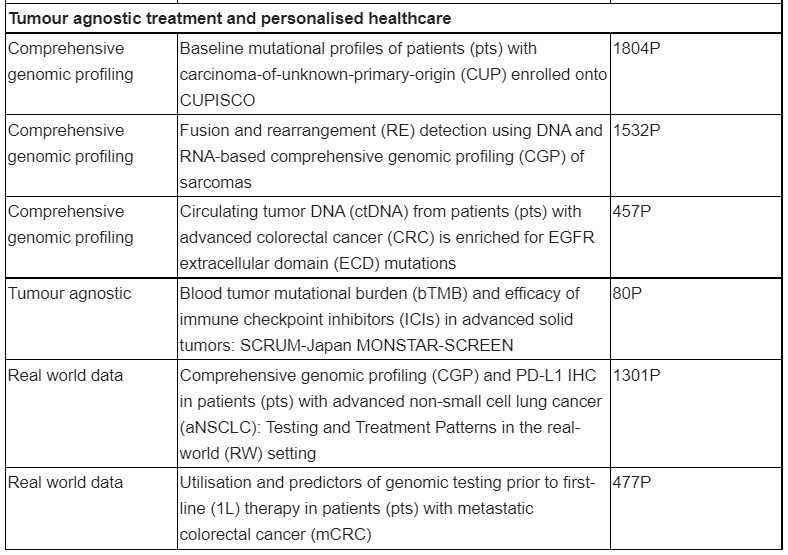
Latest results from a preliminary descriptive molecular analysis based on the CUPISCO study, which will be featured in the ESMO Press Programme, shed further light on the genomic profiles of patients with poor-prognosis CUP. These results highlight the importance of comprehensive genomic profiling for patients with CUP and identify therapeutically relevant genomic alterations in a significant proportion of patients, which may help to inform a more personalised treatment plan. In CUP, doctors cannot identify the location of the original (primary) tumour and can only find metastases. This causes practical problems since traditional treatment approaches rely on the site of origin being known, and as such, most patients are treated with nonspecific chemotherapy. Unfortunately, prognosis remains poor and the median survival following diagnosis is just six to 12 months, reinforcing the need for improved diagnosis and treatment.
Real world data from the United States examining the use of Foundation Medicine’s comprehensive genomic testing prior to first-line therapy in patients with metastatic colorectal cancer (mCRC) will also be presented and underpin Roche’s efforts to drive more widespread and earlier testing for patients with cancer.
Ahead of ESMO, Roche will also be hosting a virtual Personalised Healthcare in Oncology Symposium for healthcare professionals on Thursday 9 September, 13:00 – 14:30 CEST. In this symposium, different healthcare system experts from across the world will discuss how new and emerging solutions in personalised healthcare can help to improve patient outcomes, and ultimately their quality of life.
Roche will also be hosting a live roundtable discussion on Wednesday 15 September 2021, 16:00 CEST that will focus on the global efforts to overcome the impact of the COVID-19 pandemic on cancer outcomes. The discussion, featuring experts from medical societies, academia and patient groups, will focus on what lessons have been learned so far, and how stakeholders can forge new paths and partnerships to find and deliver solutions for patients and society.
Roche’s ESMO Oncology Newsroom will be available from Tuesday 7 September for journalists to access exclusive materials sharing insights into Roche’s latest data, vision and strategy to pursue and advance scientific progress in order to improve the lives of people living with cancer. To access the newsroom, please register here.
Keep up to date with ESMO news and updates by using the hashtag #ESMO21 and follow Roche on Twitter via @Roche and LinkedIn.
Overview of key presentations featuring Roche medicines


Roche has been working to transform cancer care for more than 50 years, bringing the first specifically designed anti-cancer chemotherapy drug, fluorouracil, to patients in 1962. Roche’s commitment to developing innovative medicines and diagnostics for cancers remains steadfast. The Roche Group’s portfolio of innovative cancer medicines includes: Alecensa®(alectinib); Avastin®(bevacizumab); Cotellic®(cobimetinib); Erivedge®(vismodegib); Gavreto®(pralsetinib); Gazyva®/Gazyvaro®(obinutuzumab); Herceptin®(trastuzumab); Kadcyla®(trastuzumab emtansine); MabThera®/Rituxan®(rituximab); Perjeta®(pertuzumab); Polivy®(polatuzumab vedotin); Tarceva®(erlotinib); Rozlytrek®(entrectinib); Tecentriq®(atezolizumab); Venclexta®/Venclyxto®(venetoclax) in collaboration with AbbVie; Xeloda®(capecitabine); Zelboraf®(vemurafenib). Furthermore, the Roche Group has a robust investigational oncology pipeline focusing on new therapeutic targets and novel combination strategies. For more information on Roche’s approach to cancer.
Roche is a global pioneer in pharmaceuticals and diagnostics focused on advancing science to improve people’s lives. The combined strengths of pharmaceuticals and diagnostics under one roof have made Roche the leader in personalised healthcare – a strategy that aims to fit the right treatment to each patient in the best way possible.
Roche is the world’s largest biotech company, with truly differentiated medicines in oncology, immunology, infectious diseases, ophthalmology and diseases of the central nervous system. Roche is also the world leader in in vitro diagnostics and tissue-based cancer diagnostics, and a frontrunner in diabetes management.
Founded in 1896, Roche continues to search for better ways to prevent, diagnose and treat diseases and make a sustainable contribution to society. The company also aims to improve patient access to medical innovations by working with all relevant stakeholders. More than thirty medicines developed by Roche are included in the World Health Organization Model Lists of Essential Medicines, among them life-saving antibiotics, antimalarials and cancer medicines. Moreover, for the twelfth consecutive year, Roche has been recognised as one of the most sustainable companies in the Pharmaceuticals Industry by the Dow Jones Sustainability Indices (DJSI).
The Roche Group, headquartered in Basel, Switzerland, is active in over 100 countries and in 2020 employed more than 100,000 people worldwide. In 2020, Roche invested CHF 12.2 billion in R&D and posted sales of CHF 58.3 billion. Genentech, in the United States, is a wholly owned member of the Roche Group. Roche is the majority shareholder in Chugai Pharmaceutical, Japan
Basel, 27 August 2021 - Roche (SIX: RO, ROG; OTCQX: RHHBY) today announced that the company has made the decision to voluntarily withdraw the US accelerated approval for Tecentriq® (atezolizumab) in combination with chemotherapy (Abraxane®, albumin-bound paclitaxel; nab-paclitaxel) for the treatment of adults with unresectable locally advanced or metastatic triple-negative breast cancer (mTNBC) whose tumours express PD-L1, as determined by a US Food and Drug Administration (FDA)-approved test. Roche made this decision following consultation with the US FDA, based on the agency’s assessment of the current mTNBC treatment landscape and in accordance with the requirements of the accelerated approval programme. This decision only impacts the mTNBC indication in the US. It does not affect other approved indications for Tecentriq in the US and outside the US, including mTNBC. This is not related to any changes in either the efficacy or safety associated with Tecentriq.
“TNBC remains the most challenging type of breast cancer to treat, which makes the decision to withdraw so difficult for us, as patients have had this medicine as an important option for more than two years,” said Levi Garraway, M.D., Ph.D., Roche’s Chief Medical Officer and Head of Global Product Development. “We appreciate the opportunity to have been able to help people with mTNBC in the US with Tecentriq through the accelerated approval process, which has brought many significant and novel therapies to patients. We remain dedicated to finding meaningful treatments for people living with this aggressive disease and will continue to study Tecentriq in mTNBC.”
Tecentriq was granted accelerated approval by the FDA for the mTNBC indication in March 2019, making it the first immunotherapy agent to be approved in this setting. Approval was based on the progression-free survival (PFS) results of the Phase III IMpassion130 study for people with mTNBC whose tumours express PD-L1 (≥1%). Continued approval for this indication was contingent upon the results of IMpassion131, the postmarketing requirement (PMR). This study did not meet its primary endpoint of PFS for the initial (first-line) treatment of people with mTNBC in the PD-L1-positive population. The results of both studies were discussed at the FDA Oncology Drugs Advisory Committee (ODAC), which voted 7 to 2 on 27 April 2021 in favour of maintaining the accelerated approval of Tecentriq in combination with nab-paclitaxel for the treatment of people with PD-L1-positive mTNBC. Since then, Roche has been working diligently with the FDA on a possible alternative PMR. However, due to the recent changes in the treatment landscape, the FDA no longer considers it appropriate to maintain the accelerated approval. This led to the difficult decision to voluntarily withdraw the US mTNBC indication.
Roche will work with the FDA over the coming weeks to complete the withdrawal process. Roche is notifying healthcare professionals in the US about this withdrawal. Patients in the US being treated with Tecentriq for PD-L1-positive mTNBC should discuss their care with their healthcare provider.
Roche is committed to following the science to better understand cancer, including which patients may benefit most from immunotherapy treatment. Tecentriq has already demonstrated its transformational role in areas of high medical need and is a first-in-class medicine approved for particularly difficult-to-treat cancers. Tecentriq’s extensive development programme includes multiple ongoing and planned Phase III studies across different lung, genitourinary, skin, breast, gastrointestinal, gynaecological, and head and neck cancers. This includes studies evaluating Tecentriq both alone and in combination with other medicines, as well as studies in metastatic, adjuvant and neoadjuvant settings.
Breast cancer is the most common cancer among women with more than 2 million diagnosed worldwide each year.1 TNBC represents ~15% of all breast cancers and is more common in women under the age of 50, compared with other forms of breast cancer.2-4 It is defined by the lack of expression and/or amplification of the targetable receptors for oestrogen, progesterone and HER2 amplification.5 Patients with mTNBC generally experience rapid progression and shorter overall survival compared to other subtypes of breast cancer.
Roche has been advancing breast cancer research for more than 30 years with the goal of helping as many people with the disease as possible. Our medicines, along with companion diagnostic tests, have contributed to bringing breakthrough innovations in HER2-positive and triple-negative breast cancers. As our understanding of breast cancer biology rapidly improves, we are working to identify new biomarkers and approaches to treatment for all forms of early and advanced breast cancer, including triple-negative and hormone receptor-positive.
Our targeted medicines Herceptin, Perjeta, Phesgo, Kadcyla and Tecentriq are continuing to transform the treatment of early and advanced HER2-positive and triple-negative breast cancers and, through our clinical programmes, we hope to bring new treatment combinations to people with breast cancer, ultimately improving outcomes.
Tecentriq is a monoclonal antibody designed to bind with a protein called Programmed Death Ligand-1 (PD-L1), which is expressed on tumour cells and tumour-infiltrating immune cells, blocking its interactions with both PD-1 and B7.1 receptors. By inhibiting PD-L1, Tecentriq may enable the activation of T-cells. Tecentriq is a cancer immunotherapy that has the potential to be used as a foundational combination partner with other immunotherapies, targeted medicines and various chemotherapies across a broad range of cancers. The development of Tecentriq and its clinical programme is based on our greater understanding of how the immune system interacts with tumours and how harnessing a person’s immune system combats cancer more effectively.
Tecentriq is approved in the US, EU and countries around the world, either alone or in combination with targeted therapies and/or chemotherapies in various forms of non-small cell lung cancer (NSCLC), small cell lung cancer (SCLC), certain types of metastatic urothelial cancer, in PD-L1-positive metastatic triple-negative breast cancer and for hepatocellular carcinoma. In the US, Tecentriq is also approved in combination with Cotellic® (cobimetinib) and Zelboraf® (vemurafenib) for the treatment of people with BRAF V600 mutation-positive advanced melanoma.
Roche’s rigorous pursuit of ground-breaking science has contributed to major therapeutic and diagnostic advances in oncology over the last 50 years, and today, realising the full potential of cancer immunotherapy is a major area of focus. With over 20 molecules in development, Roche is investigating the potential benefits of immunotherapy alone, and in combination with chemotherapy, targeted therapies or other immunotherapies with the goal of providing each person with a treatment tailored to harness their own unique immune system to attack their cancer. Our scientific expertise, coupled with innovative pipeline and extensive partnerships, gives us the confidence to continue pursuing the vision of finding a cure for cancer by ensuring the right treatment for the right patient at the right time.
In addition to Roche’s approved PD-L1 checkpoint inhibitor, Tecentriq, Roche’s broad cancer immunotherapy pipeline includes other checkpoint inhibitors, such as tiragolumab, a novel cancer immunotherapy designed to bind to TIGIT, individualised neoantigen therapies and T-cell bispecific antibodies.
Roche is a global pioneer in pharmaceuticals and diagnostics focused on advancing science to improve people’s lives. The combined strengths of pharmaceuticals and diagnostics under one roof have made Roche the leader in personalised healthcare – a strategy that aims to fit the right treatment to each patient in the best way possible.
Roche is the world’s largest biotech company, with truly differentiated medicines in oncology, immunology, infectious diseases, ophthalmology and diseases of the central nervous system. Roche is also the world leader in in vitro diagnostics and tissue-based cancer diagnostics, and a frontrunner in diabetes management.
Founded in 1896, Roche continues to search for better ways to prevent, diagnose and treat diseases and make a sustainable contribution to society. The company also aims to improve patient access to medical innovations by working with all relevant stakeholders. More than thirty medicines developed by Roche are included in the World Health Organization Model Lists of Essential Medicines, among them life-saving antibiotics, antimalarials and cancer medicines. Moreover, for the twelfth consecutive year, Roche has been recognised as one of the most sustainable companies in the Pharmaceuticals Industry by the Dow Jones Sustainability Indices (DJSI).
The Roche Group, headquartered in Basel, Switzerland, is active in over 100 countries and in 2020 employed more than 100,000 people worldwide. In 2020, Roche invested CHF 12.2 billion in R&D and posted sales of CHF 58.3 billion. Genentech, in the United States, is a wholly owned member of the Roche Group. Roche is the majority shareholder in Chugai Pharmaceutical, Japan
Cancer is the second leading cause of death worldwide, with nearly 10 million deaths annually.1, 2 In the U.S., approximately 1.9 million new cancer cases are expected to be diagnosed in 2021.1
Based on cancer biomarkers, the first-of-its-kind VENTANA MMR RxDx Panel helps determine which solid tumour patients may benefit from GSK immunotherapy.
Roche/GSK collaboration represents an important step towards a personalised healthcare strategy for certain solid tumour patients.
Basel, 18 August 2021 – Roche (SIX: RO, ROG; OTCQX: RHHBY) today announced U.S. Food and Drug Administration (FDA) approval of the VENTANA MMR RxDx Panel, advancing the company's commitment to personalised healthcare through tests that determine which patients are most likely to benefit from specific and targeted therapies. The VENTANA MMR RxDx Panel is the first companion diagnostic test to aid in identifying patients whose solid tumours are deficient in DNA mismatch repair (MMR), who may be eligible for JEMPERLI (dostarlimab-gxly) monotherapy, an anti-PD-1 immunotherapy from GSK. The test evaluates a panel of MMR proteins in tumours to provide important treatment information to clinicians.
MMR is a naturally occurring mechanism that scans our DNA, correcting errors that cause disease. When MMR is deficient (dMMR), cells mutate, which can lead to cancer. While MMR deficiency is most common in endometrial cancer, other high prevalence dMMR tumour types include gastric, colorectal, small intestine, cervical and neuroendocrine cancers. In the U.S., prevalence of dMMR across patients with solid tumours has been estimated at 14 percent.3 PD-1 inhibitors can be effective treatment in cancers with MMR deficiency.
"As the first companion diagnostic of its kind, this test can help qualify patients with solid tumours that are deficient in MMR who have progressed in their disease and who have no other suitable treatment options,” said Thomas Schinecker, CEO Roche Diagnostics. “Based on the results of our MMR biomarker test, these patients may be eligible to receive GSK’s JEMPERLI. We are pleased that our innovative companion diagnostic label continues to grow to serve more patients.”
FDA approval of the VENTANA MMR RxDx Panel provides clinicians with access to a fully automated panel of MMR biomarkers tested by immunohistochemistry (IHC), enabling impactful treatment decisions for patients. JEMPERLI was approved by the FDA on 17 August 2021 for the treatment of adult patients with dMMR recurrent or advanced solid tumours, as determined by an FDA-approved test, that have progressed on or following prior treatment and who have no satisfactory alternative treatment options. This indication received accelerated approval based on tumour response rate and durability of response. Continued approval for this indication may depend on verification and description of clinical benefit in a confirmatory trial(s).
The VENTANA MMR RxDx Panel and JEMPERLI were earlier approved by the FDA for use in endometrial cancer in April 2021.
The VENTANA MMR RxDx Panel is a label expansion of Roche’s current on-market VENTANA MMR IHC Panel. The VENTANA MMR RxDx Panel is intended for the assessment of expression of MMR proteins in formalin-fixed, paraffin-embedded (FFPE) tumour tissue stained with OptiView DAB IHC Detection Kit and ancillary reagents in the panel for VENTANA anti-MLH1 (M1), VENTANA anti-MSH2 (G219-1129) and VENTANA anti-MSH6 (SP93) and OptiView DAB IHC Detection Kit with the OptiView Amplification Kit and ancillary reagents for VENTANA anti-PMS2 (A16-4) on a BenchMark ULTRA instrument. DNA mismatch repair (MMR) proteins have been clinically proven to be predictive biomarkers for PD-1 targeted therapy; specifically, a loss of expression of one or more MMR proteins might predict an increased likelihood of response to such therapy.4,5,6 PD-1 inhibitors can be effective in cancers with MMR deficiency.4,6 MMR is a conserved molecular mechanism that functions to correct the improper base substitutions that spontaneously occur during DNA replication. Defects in the MMR machinery have been attributed to mutations in the MMR proteins.
Roche is a global pioneer in pharmaceuticals and diagnostics focused on advancing science to improve people’s lives. The combined strengths of pharmaceuticals and diagnostics under one roof have made Roche the leader in personalised healthcare – a strategy that aims to fit the right treatment to each patient in the best way possible.
Roche is the world’s largest biotech company, with truly differentiated medicines in oncology, immunology, infectious diseases, ophthalmology and diseases of the central nervous system. Roche is also the world leader in in vitro diagnostics and tissue-based cancer diagnostics, and a frontrunner in diabetes management.
Founded in 1896, Roche continues to search for better ways to prevent, diagnose and treat diseases and make a sustainable contribution to society. The company also aims to improve patient access to medical innovations by working with all relevant stakeholders. More than thirty medicines developed by Roche are included in the World Health Organization Model Lists of Essential Medicines, among them life-saving antibiotics, antimalarials and cancer medicines. Moreover, for the twelfth consecutive year, Roche has been recognised as one of the most sustainable companies in the Pharmaceuticals Industry by the Dow Jones Sustainability Indices (DJSI).
The Roche Group, headquartered in Basel, Switzerland, is active in over 100 countries and in 2020 employed more than 100,000 people worldwide. In 2020, Roche invested CHF 12.2 billion in R&D and posted sales of CHF 58.3 billion. Genentech, in the United States, is a wholly owned member of the Roche Group. Roche is the majority shareholder in Chugai Pharmaceutical, Japan
Pivotal phase III POLARIX trial comparing Polivy in combination with chemotherapy regimen R-CHP versus the standard of care R-CHOP in treatment of first-line diffuse large B-cell lymphoma (DLBCL) met its primary endpoint of investigator-assessed progression-free survival
Prolonging survival without disease advancement could be transformative for newly diagnosed DLBCL patients as currently 40% of patients relapse after disease progression
Data will be submitted to health authorities globally as soon as possible and presented at an upcoming medical meeting
Basel, 9 August 2021 - Roche (SIX: RO, ROG; OTCQX: RHHBY) today announced that the pivotal phase III POLARIX trial investigating Polivy® (polatuzumab vedotin) in combination with MabThera®/Rituxan® (rituximab) plus cyclophosphamide, doxorubicin and prednisone (R-CHP) versus MabThera/Rituxan plus cyclophosphamide, doxorubicin, vincristine and prednisone (R-CHOP), met its primary endpoint by demonstrating significantly improved and clinically meaningful progression-free survival in people with previously untreated diffuse large B-cell lymphoma (DLBCL). Safety outcomes were consistent with those seen in previous trials.
“Since 40% of people with DLBCL relapse after initial therapy, achieving meaningful treatment effects in the front-line setting has the potential to be transformative,” said Levi Garraway, M.D., Ph.D., Roche’s Chief Medical Officer and Head of Global Product Development. “This Polivy regimen is the first in two decades to improve progression-free survival in DLBCL compared to the standard of care, and we look forward to sharing these results with health authorities to bring this important potential new treatment option to patients as soon as possible.”
Today’s POLARIX results will be presented at an upcoming medical meeting and submitted to health authorities as part of Roche’s commitment to transforming the treatment of DLBCL by providing options tailored to patient and healthcare professional needs. Roche would like to thank all investigators, academic partners and people with DLBCL who participated in the study.
Currently, Polivy is used as an off-the-shelf, fixed-duration treatment option in the relapsed or refractory (R/R) DLBCL setting, and is approved in combination with bendamustine and MabThera/Rituxan for the treatment of R/R DLBCL in more than 60 countries worldwide, including in the EU and in the US. Roche continues to explore areas of unmet need where Polivy has the potential to deliver benefit, with ongoing studies investigating combinations of Polivy with the CD20xCD3 T-cell engaging bispecific antibodies mosunetuzumab and glofitamab, with Venclexta®/Venclyxto® (venetoclax), which is being developed by AbbVie and Roche, and with MabThera/Rituxan in combination with gemcitabine and oxaliplatin in the phase III POLARGO study.
POLARIX [NCT03274492] is an international phase III, randomised, double-blind, placebo-controlled study evaluating the efficacy, safety and pharmacokinetics of Polivy® (polatuzumab vedotin) plus MabThera®/Rituxan® (rituximab), cyclophosphamide, doxorubicin and prednisone (R-CHP) versus MabThera/Rituxan, cyclophosphamide, doxorubicin, vincristine and prednisone (R-CHOP) in people with previously untreated diffuse large B-cell lymphoma (DLBCL). Eight-hundred and seventy-nine patients were randomised 1:1 to receive either Polivy plus R-CHP plus a vincristine placebo for six cycles, followed by MabThera/Rituxan for two cycles; or R-CHOP plus a Polivy placebo for six cycles, followed by two cycles of MabThera/Rituxan. The primary outcome measure is progression-free survival as assessed by the investigator using the Lugano Response Criteria for malignant lymphoma. POLARIX is being conducted in collaboration with The Lymphoma Study Association (LYSA) and The Lymphoma Academic Research Organisation (LYSARC).
The Lymphoma Study Association, or LYSA, is the internationally leading cooperative group for lymphoma research in Europe, conducting clinical studies ranging from the first tests of new medicines in humans to the establishment of reference therapeutic strategies. LYSA includes in its network more than 120 care centres distributed throughout four countries (France, Belgium, Portugal, Israel), and collaborates with many scientific teams at the international level.
The Lymphoma Academic Research Organisation, or LYSARC, is the LYSA operational structure that conducts clinical research projects on lymphomas at the international level.
Polivy is a first-in-class anti-CD79b antibody-drug conjugate (ADC). The CD79b protein is expressed specifically in the majority of B-cells, an immune cell impacted in some types of non-Hodgkin lymphoma (NHL), making it a promising target for the development of new therapies.1,2 Polivy binds to cancer cells such as CD79b and kills these B-cells through the delivery of an anti-cancer agent, which is thought to minimise the effects on normal cells.3,4 Polivy is being developed by Roche using Seagen ADC technology and is currently being investigated for the treatment of several types of NHL. Polivy is marketed in the US by Genentech as Polivy (polatuzumab vedotin-piiq), with piiq as the suffix designated in accordance with Nonproprietary Naming of Biological Products Guidance for Industry issued by the U.S. Food and Drug Administration.
DLBCL is the most common form of non-Hodgkin lymphoma (NHL), accounting for about one in three cases of NHL.5 DLBCL is an aggressive (fast-growing) type of NHL.6 While it is generally responsive to treatment in the frontline, as many as 40% of patients will relapse or have refractory disease, at which time salvage therapy options are limited and survival is short.[6] Approximately 150,000 people worldwide are estimated to be diagnosed with DLBCL each year.
Roche has been developing medicines for people with malignant and non-malignant blood diseases for over 20 years; our experience and knowledge in this therapeutic area runs deep. Today, we are investing more than ever in our effort to bring innovative treatment options to patients across a wide range of haematologic diseases. Our approved medicines include MabThera®/Rituxan® (rituximab), Gazyva®/Gazyvaro® (obinutuzumab), Polivy® (polatuzumab vedotin), Venclexta®/Venclyxto® (venetoclax) in collaboration with AbbVie, and Hemlibra® (emicizumab). Our pipeline of investigational haematology medicines includes T-cell engaging bispecific antibodies, glofitamab and mosunetuzumab, targeting both CD20 and CD3, and cevostamab, targeting both FcRH5 and CD3; Tecentriq® (atezolizumab), a monoclonal antibody designed to bind with PD-L1; and crovalimab, an anti-C5 antibody engineered to optimise complement inhibition. Our scientific expertise, combined with the breadth of our portfolio and pipeline, also provides a unique opportunity to develop combination regimens that aim to improve the lives of patients even further.
Roche is a global pioneer in pharmaceuticals and diagnostics focused on advancing science to improve people’s lives. The combined strengths of pharmaceuticals and diagnostics under one roof have made Roche the leader in personalised healthcare – a strategy that aims to fit the right treatment to each patient in the best way possible.
Roche is the world’s largest biotech company, with truly differentiated medicines in oncology, immunology, infectious diseases, ophthalmology and diseases of the central nervous system. Roche is also the world leader in in vitro diagnostics and tissue-based cancer diagnostics, and a frontrunner in diabetes management.
Founded in 1896, Roche continues to search for better ways to prevent, diagnose and treat diseases and make a sustainable contribution to society. The company also aims to improve patient access to medical innovations by working with all relevant stakeholders. More than thirty medicines developed by Roche are included in the World Health Organization Model Lists of Essential Medicines, among them life-saving antibiotics, antimalarials and cancer medicines. Moreover, for the twelfth consecutive year, Roche has been recognised as one of the most sustainable companies in the Pharmaceuticals Industry by the Dow Jones Sustainability Indices (DJSI).
The Roche Group, headquartered in Basel, Switzerland, is active in over 100 countries and in 2020 employed more than 100,000 people worldwide. In 2020, Roche invested CHF 12.2 billion in R&D and posted sales of CHF 58.3 billion. Genentech, in the United States, is a wholly owned member of the Roche Group. Roche is the majority shareholder in Chugai Pharmaceutical, Japan
Pivotal phase III POLARIX trial comparing Polivy in combination with chemotherapy regimen R-CHP versus the standard of care R-CHOP in treatment of first-line diffuse large B-cell lymphoma (DLBCL) met its primary endpoint of investigator-assessed progression-free survival
Prolonging survival without disease advancement could be transformative for newly diagnosed DLBCL patients as currently 40% of patients relapse after disease progression
Data will be submitted to health authorities globally as soon as possible and presented at an upcoming medical meeting
Basel, 9 August 2021 - Roche (SIX: RO, ROG; OTCQX: RHHBY) today announced that the pivotal phase III POLARIX trial investigating Polivy® (polatuzumab vedotin) in combination with MabThera®/Rituxan® (rituximab) plus cyclophosphamide, doxorubicin and prednisone (R-CHP) versus MabThera/Rituxan plus cyclophosphamide, doxorubicin, vincristine and prednisone (R-CHOP), met its primary endpoint by demonstrating significantly improved and clinically meaningful progression-free survival in people with previously untreated diffuse large B-cell lymphoma (DLBCL). Safety outcomes were consistent with those seen in previous trials.
“Since 40% of people with DLBCL relapse after initial therapy, achieving meaningful treatment effects in the front-line setting has the potential to be transformative,” said Levi Garraway, M.D., Ph.D., Roche’s Chief Medical Officer and Head of Global Product Development. “This Polivy regimen is the first in two decades to improve progression-free survival in DLBCL compared to the standard of care, and we look forward to sharing these results with health authorities to bring this important potential new treatment option to patients as soon as possible.”
Today’s POLARIX results will be presented at an upcoming medical meeting and submitted to health authorities as part of Roche’s commitment to transforming the treatment of DLBCL by providing options tailored to patient and healthcare professional needs. Roche would like to thank all investigators, academic partners and people with DLBCL who participated in the study.
Currently, Polivy is used as an off-the-shelf, fixed-duration treatment option in the relapsed or refractory (R/R) DLBCL setting, and is approved in combination with bendamustine and MabThera/Rituxan for the treatment of R/R DLBCL in more than 60 countries worldwide, including in the EU and in the US. Roche continues to explore areas of unmet need where Polivy has the potential to deliver benefit, with ongoing studies investigating combinations of Polivy with the CD20xCD3 T-cell engaging bispecific antibodies mosunetuzumab and glofitamab, with Venclexta®/Venclyxto® (venetoclax), which is being developed by AbbVie and Roche, and with MabThera/Rituxan in combination with gemcitabine and oxaliplatin in the phase III POLARGO study.
POLARIX [NCT03274492] is an international phase III, randomised, double-blind, placebo-controlled study evaluating the efficacy, safety and pharmacokinetics of Polivy® (polatuzumab vedotin) plus MabThera®/Rituxan® (rituximab), cyclophosphamide, doxorubicin and prednisone (R-CHP) versus MabThera/Rituxan, cyclophosphamide, doxorubicin, vincristine and prednisone (R-CHOP) in people with previously untreated diffuse large B-cell lymphoma (DLBCL). Eight-hundred and seventy-nine patients were randomised 1:1 to receive either Polivy plus R-CHP plus a vincristine placebo for six cycles, followed by MabThera/Rituxan for two cycles; or R-CHOP plus a Polivy placebo for six cycles, followed by two cycles of MabThera/Rituxan. The primary outcome measure is progression-free survival as assessed by the investigator using the Lugano Response Criteria for malignant lymphoma. POLARIX is being conducted in collaboration with The Lymphoma Study Association (LYSA) and The Lymphoma Academic Research Organisation (LYSARC).
The Lymphoma Study Association, or LYSA, is the internationally leading cooperative group for lymphoma research in Europe, conducting clinical studies ranging from the first tests of new medicines in humans to the establishment of reference therapeutic strategies. LYSA includes in its network more than 120 care centres distributed throughout four countries (France, Belgium, Portugal, Israel), and collaborates with many scientific teams at the international level.
The Lymphoma Academic Research Organisation, or LYSARC, is the LYSA operational structure that conducts clinical research projects on lymphomas at the international level.
Polivy is a first-in-class anti-CD79b antibody-drug conjugate (ADC). The CD79b protein is expressed specifically in the majority of B-cells, an immune cell impacted in some types of non-Hodgkin lymphoma (NHL), making it a promising target for the development of new therapies.1,2 Polivy binds to cancer cells such as CD79b and kills these B-cells through the delivery of an anti-cancer agent, which is thought to minimise the effects on normal cells.3,4 Polivy is being developed by Roche using Seagen ADC technology and is currently being investigated for the treatment of several types of NHL. Polivy is marketed in the US by Genentech as Polivy (polatuzumab vedotin-piiq), with piiq as the suffix designated in accordance with Nonproprietary Naming of Biological Products Guidance for Industry issued by the U.S. Food and Drug Administration.
DLBCL is the most common form of non-Hodgkin lymphoma (NHL), accounting for about one in three cases of NHL.5 DLBCL is an aggressive (fast-growing) type of NHL.6 While it is generally responsive to treatment in the frontline, as many as 40% of patients will relapse or have refractory disease, at which time salvage therapy options are limited and survival is short.[6] Approximately 150,000 people worldwide are estimated to be diagnosed with DLBCL each year.
Roche has been developing medicines for people with malignant and non-malignant blood diseases for over 20 years; our experience and knowledge in this therapeutic area runs deep. Today, we are investing more than ever in our effort to bring innovative treatment options to patients across a wide range of haematologic diseases. Our approved medicines include MabThera®/Rituxan® (rituximab), Gazyva®/Gazyvaro® (obinutuzumab), Polivy® (polatuzumab vedotin), Venclexta®/Venclyxto® (venetoclax) in collaboration with AbbVie, and Hemlibra® (emicizumab). Our pipeline of investigational haematology medicines includes T-cell engaging bispecific antibodies, glofitamab and mosunetuzumab, targeting both CD20 and CD3, and cevostamab, targeting both FcRH5 and CD3; Tecentriq® (atezolizumab), a monoclonal antibody designed to bind with PD-L1; and crovalimab, an anti-C5 antibody engineered to optimise complement inhibition. Our scientific expertise, combined with the breadth of our portfolio and pipeline, also provides a unique opportunity to develop combination regimens that aim to improve the lives of patients even further.
Roche is a global pioneer in pharmaceuticals and diagnostics focused on advancing science to improve people’s lives. The combined strengths of pharmaceuticals and diagnostics under one roof have made Roche the leader in personalised healthcare – a strategy that aims to fit the right treatment to each patient in the best way possible.
Roche is the world’s largest biotech company, with truly differentiated medicines in oncology, immunology, infectious diseases, ophthalmology and diseases of the central nervous system. Roche is also the world leader in in vitro diagnostics and tissue-based cancer diagnostics, and a frontrunner in diabetes management.
Founded in 1896, Roche continues to search for better ways to prevent, diagnose and treat diseases and make a sustainable contribution to society. The company also aims to improve patient access to medical innovations by working with all relevant stakeholders. More than thirty medicines developed by Roche are included in the World Health Organization Model Lists of Essential Medicines, among them life-saving antibiotics, antimalarials and cancer medicines. Moreover, for the twelfth consecutive year, Roche has been recognised as one of the most sustainable companies in the Pharmaceuticals Industry by the Dow Jones Sustainability Indices (DJSI).
The Roche Group, headquartered in Basel, Switzerland, is active in over 100 countries and in 2020 employed more than 100,000 people worldwide. In 2020, Roche invested CHF 12.2 billion in R&D and posted sales of CHF 58.3 billion. Genentech, in the United States, is a wholly owned member of the Roche Group. Roche is the majority shareholder in Chugai Pharmaceutical, Japan
Application is being reviewed under the US FDA’s Real-Time Oncology Review pilot programme
Based on results of the Phase III IMpower010 study, presented at ASCO, that showed adjuvant Tecentriq improved disease-free survival by more than one-third in PD-L1-positive early-stage lung cancer, compared with best supportive care
Tecentriq is the first and only cancer immunotherapy to demonstrate positive Phase III results in the adjuvant lung cancer setting
Basel, 3 August 2021 - Roche (SIX: RO, ROG; OTCQX: RHHBY) today announced that the US Food and Drug Administration (FDA) has accepted the company’s supplemental Biologics License Application (sBLA) and granted Priority Review for Tecentriq® (atezolizumab) as adjuvant treatment following surgery and platinum-based chemotherapy for people with non-small cell lung cancer (NSCLC) whose tumours express PD-L1≥1%, as determined by an FDA-approved test. The FDA is reviewing the application under the Real-Time Oncology Review pilot programme, which aims to explore a more efficient review process to ensure safe and effective treatments are available to patients as early as possible. The FDA is expected to make a decision on approval by 1 December 2021.
“New treatment options are urgently needed in early-stage non-small cell lung cancer to help the nearly 50% of people who currently experience a recurrence following surgery,” said Levi Garraway, M.D., Ph.D., Roche’s Chief Medical Officer and Head of Global Product Development. “Tecentriq is the first cancer immunotherapy to show a clinically meaningful benefit in the adjuvant lung cancer setting, and we’re working closely with the FDA to bring this significant advancement to patients as quickly as possible.”
This application is based on disease-free survival (DFS) results from an interim analysis of the Phase III IMpower010 study, the first and only Phase III study of a cancer immunotherapy to demonstrate positive results in the adjuvant lung cancer setting. The study showed that treatment with Tecentriq, following surgery and platinum-based chemotherapy, reduced the risk of disease recurrence or death (DFS) by 34% (hazard ratio [HR]=0.66, 95% CI: 0.50-0.88) in people with Stage II-IIIA NSCLC whose tumours express PD-L1≥1%, compared with best supportive care (BSC). In this population, median DFS was not yet reached for Tecentriq compared with 35.3 months for BSC. Follow-up on the IMpower010 trial will continue with planned analyses of DFS in the overall intent-to-treat (ITT) population, including Stage IB patients, which at the time of analysis did not cross the threshold, and overall survival (OS) data, which were immature at the time of interim analysis. Safety data for Tecentriq were consistent with its known safety profile and no new safety signals were identified. Results from the IMpower010 trial were presented at the 2021 ASCO Annual Meeting.
IMpower010 is a Phase III, global, multicentre, open-label, randomised study evaluating the efficacy and safety of Tecentriq compared with BSC, in participants with Stage IB-IIIA NSCLC (UICC 7th edition), following surgical resection and up to 4 cycles of adjuvant cisplatin-based chemotherapy. The study randomised 1,005 people with a ratio of 1:1 to receive either Tecentriq (up to 16 cycles) or BSC. The primary endpoint is investigator-determined DFS in the PD-L1-positive Stage II-IIIA, all randomised Stage II-IIIA and ITT Stage IB-IIIA populations. Key secondary endpoints include OS in the overall study population, ITT Stage IB-IIIA NSCLC.
Lung cancer is one of the leading causes of cancer death globally. Each year 1.8 million people die as a result of the disease; this translates into more than 4,900 deaths worldwide every day. Lung cancer can be broadly divided into two major types: NSCLC and SCLC. NSCLC is the most prevalent type, accounting for around 85% of all cases. NSCLC comprises non-squamous and squamous-cell lung cancer, the squamous form of which is characterised by flat cells covering the airway surface when viewed under a microscope.
Tecentriq is a monoclonal antibody designed to bind with a protein called Programmed Death Ligand-1 (PD-L1), which is expressed on tumour cells and tumour-infiltrating immune cells, blocking its interactions with both PD-1 and B7.1 receptors. By inhibiting PD-L1, Tecentriq may enable the activation of T-cells. Tecentriq is a cancer immunotherapy that has the potential to be used as a foundational combination partner with other immunotherapies, targeted medicines and various chemotherapies across a broad range of cancers. The development of Tecentriq and its clinical programme is based on our greater understanding of how the immune system interacts with tumours and how harnessing a person’s immune system combats cancer more effectively.
Tecentriq is approved in the US, EU and countries around the world, either alone or in combination with targeted therapies and/or chemotherapies in various forms of NSCLC, SCLC, certain types of metastatic urothelial cancer, in PD-L1-positive metastatic triple-negative breast cancer and for hepatocellular carcinoma. In the US, Tecentriq is also approved in combination with Cotellic® (cobimetinib) and Zelboraf® (vemurafenib) for the treatment of people with BRAF V600 mutation-positive advanced melanoma.
Roche’s rigorous pursuit of groundbreaking science has contributed to major therapeutic and diagnostic advances in oncology over the last 50 years, and today, realising the full potential of cancer immunotherapy is a major area of focus. With over 20 molecules in development, Roche is investigating the potential benefits of immunotherapy alone, and in combination with chemotherapy, targeted therapies or other immunotherapies with the goal of providing each person with a treatment tailored to harness their own unique immune system to attack their cancer. Our scientific expertise, coupled with innovative pipeline and extensive partnerships, gives us the confidence to continue pursuing the vision of finding a cure for cancer by ensuring the right treatment for the right patient at the right time.
In addition to Roche’s approved PD-L1 checkpoint inhibitor, Tecentriq® (atezolizumab), Roche’s broad cancer immunotherapy pipeline includes other checkpoint inhibitors, such as tiragolumab, a novel cancer immunotherapy designed to bind to TIGIT, individualised neoantigen therapies and T-cell bispecific antibodies.
Roche is a global pioneer in pharmaceuticals and diagnostics focused on advancing science to improve people’s lives. The combined strengths of pharmaceuticals and diagnostics under one roof have made Roche the leader in personalised healthcare – a strategy that aims to fit the right treatment to each patient in the best way possible.
Roche is the world’s largest biotech company, with truly differentiated medicines in oncology, immunology, infectious diseases, ophthalmology and diseases of the central nervous system. Roche is also the world leader in in vitro diagnostics and tissue-based cancer diagnostics, and a frontrunner in diabetes management.
Founded in 1896, Roche continues to search for better ways to prevent, diagnose and treat diseases and make a sustainable contribution to society. The company also aims to improve patient access to medical innovations by working with all relevant stakeholders. More than thirty medicines developed by Roche are included in the World Health Organization Model Lists of Essential Medicines, among them life-saving antibiotics, antimalarials and cancer medicines. Moreover, for the twelfth consecutive year, Roche has been recognised as one of the most sustainable companies in the Pharmaceuticals Industry by the Dow Jones Sustainability Indices (DJSI).
The Roche Group, headquartered in Basel, Switzerland, is active in over 100 countries and in 2020 employed more than 100,000 people worldwide. In 2020, Roche invested CHF 12.2 billion in R&D and posted sales of CHF 58.3 billion. Genentech, in the United States, is a wholly owned member of the Roche Group. Roche is the majority shareholder in Chugai Pharmaceutical, Japan