
17 November 2025- Geneva - Today marks the first World Cervical Cancer Elimination Day – mandated by the World Health Assembly – a historic milestone in global efforts to end a preventable cancer. This day of action builds on powerful momentum, with countries and partners uniting to launch ambitious vaccination campaigns, expand screening and treatment services, and accelerate progress toward eliminating cervical cancer as a public health problem.
The annual commemoration highlights a critical opportunity: cervical cancer – the fourth most common cancer in women – claims over 350 000 lives each year, yet it is a disease that we have the tools to eliminate.
The Day supports the core pillars of the WHO’s global elimination strategy: vaccinating 90% of girls against human papillomavirus (HPV), screening 70% of women, and treating 90% of those with pre-cancer and invasive cancer. It serves as a critical platform to strengthen advocacy, accelerate service delivery, and mobilize resources to ensure every woman and girl has access to life-saving care.
"In 2018, I was proud to launch the global call to action on cervical cancer elimination, and I'm even prouder now to see what was once a distant dream becoming a reality," said Dr Tedros Adhanom Ghebreyesus, WHO Director-General. "More and more countries are scaling up HPV vaccination, improving screening, and expanding treatment, bringing us closer to a future free of cervical cancer."
This momentum is underscored by the announcement from Gavi, the Vaccine Alliance, and its partners, who estimate that the ambitious goal to reach 86 million girls by the end of 2025 has been met, reflecting a broader wave of country action to advance national elimination plans and expand access to screening and treatment.
Countries are marking World Cervical Cancer Elimination Day with a wave of actions on multiple fronts. Vaccination is scaling up through campaigns in Sierra Leone and Liberia targeting over 1.5 million girls. Screening efforts are also intensifying, with Sierra Leone planning a mass campaign across all 16 districts, followed by an awareness walk. Meanwhile, in Malaysia, advocacy is taking center stage as survivors lead a week-long promotion of self-sampling HPV testing, a key innovation for expanding screening access.
This past year has seen significant country-level action, providing a powerful foundation for the new annual commemoration.
Countries worldwide are accelerating efforts to expand access to HPV vaccination, screening, and treatment, advancing toward the 90-70-90 targets of the Global Strategy.
Addis Ababa—Ethiopia’s Ministry of Health has confirmed an outbreak of Marburg virus disease in the South Ethiopia Region, the first of its kind in the country, following laboratory testing of samples from a cluster of suspected cases of viral haemorrhagic fever.
Genetic analysis by the Ethiopia Public Health Institute revealed that the virus is of the same strain as the one that has been reported in previous outbreaks in other countries in East Africa. A total of nine cases have been reported in the outbreak that has affected Jinka town in the South Ethiopia Region.
The national authorities are scaling up response including community-wide screening, isolation of cases, treatment, contact tracing and public awareness campaigns to curb the spread of the Marburg virus, which is in the same family of viruses that cause Ebola virus disease.
The World Health Organization (WHO) and partners are supporting the government as it intensifies response to halt the spread of the virus and end the outbreak. A team of responders with expertise in viral haemorrhagic fever outbreak response has been deployed along with medical supplies and equipment.
Marburg virus disease is a severe and often fatal illness caused by the Marburg virus. The disease is transmitted to humans from fruit bats and spreads among people through direct contact with bodily fluids of infected individuals or contaminated materials.
Initial symptoms include high fever, severe headache, muscle aches and fatigue. Many patients develop severe bleeding within a week of onset. Although several promising candidate medical countermeasures are currently undergoing clinical trials, there is no licensed therapeutic or vaccine for effective management or prevention of Marburg virus disease. However, early access to supportive treatment and care – rehydration with oral or intravenous fluids – and treatment of specific symptoms, improve survival.
In the African region, previous outbreaks and sporadic cases have been reported in Angola, the Democratic Republic of the Congo, Ghana, Kenya, Equatorial Guinea, Rwanda, South Africa, Tanzania and Uganda.
For Additional Information or to Request Interviews, Please contact:
Collins Boakye-Agyemang
Communications and marketing officer
Tel: + 242 06 520 65 65 (WhatsApp)
Email: boakyeagyemangc@who.int

Geneva----The World Health Organization (WHO) is marking its first official observance of World Prematurity Day with the launch of a new global clinical practice guide for Kangaroo Mother Care (KMC) – a simple, proven and life-saving intervention that significantly improves survival for preterm and low birth weight babies.
Each year, an estimated 15 million babies are born too soon (before 37 weeks of pregnancy), and complications from preterm birth are the leading cause of death among children under five years of age. In the poorest countries, most extremely preterm babies die within days – whereas in high-income countries, almost all survive.
KMC – which combines prolonged skin to skin contact with breast-milk feeding – has been shown to dramatically improve outcomes for small and preterm newborns, and to be feasible and cost-effective in all settings. Among other positive impacts, it is associated with a more than 30% reduction in newborn deaths, a close to 70% reduction in hypothermia and a 15% reduction in severe infections – as well as improved weight gain and better longer-term health and cognitive development.
“KMC is not just a clinical intervention – it empowers mothers and families and transforms newborn care,” said Dr Jeremy Farrar, WHO’s Assistant Director-General for Health Promotion, Disease Prevention and Care. “It should now be universal clinical practice for all small and preterm babies, ensuring they have the best chance to survive and thrive.”
Geared at health workers, facility managers as well as caregivers, the new WHO guide offers detailed, step-by-step, adaptable guidance for initiating, maintaining, and monitoring KMC. It states that all preterm or low birth weight newborns should receive KMC starting immediately after birth - unless they are unable to breathe on their own or their blood pressure and circulation drops to dangerously low levels, requiring urgent treatment.
While mothers should typically be the primary providers, fathers and other family members can also give KMC if the mother is unable – as well as providing critical emotional and practical support. KMC can be practiced at all levels of health facilities – from the labour room or the operating theatre to postnatal wards and special or intensive newborn care units – and can be continued at home.
The guide includes practical tips on how to secure the baby in the KMC position, whether using simple cloth wraps, elastic binders or specially designed garments. It also outlines how health facilities create enabling environments for KMC through supportive policies and training staff. Family-friendly approaches are crucial for successful implementation, the guide notes – including ensuring mothers can always be together in the same room as their babies.
On this World Prematurity Day, with the theme ‘A strong start for a hopeful future’, WHO is calling on governments, health systems and partners to prioritize quality care for preterm and low birth weight babies. This means ensuring dedicated wards or facilities with specially trained neonatal staff providing round-the-clock care for small and sick newborns, as well as universal access to essential equipment and medicines like antibiotics.
Because they have less time in the womb, many preterm babies have underdeveloped lungs, brains, immune systems and capacity for temperature regulation. This increases risks from infections, hypothermia, heart problems, respiratory distress, and other life-threatening complications.
“No newborn should die from preventable causes,” said Dr Per Ashorn, WHO’s Unit Head for Newborn and Child Health and Development. “It’s time to ensure every baby gets the attention they need, by investing in special care for small or sick babies, alongside quality maternity services that can prevent many occurrences of preterm birth.”
Related links:
Kangaroo mother care: A clinical practice guide
Member States endorse World Prematurity Day as official global health campaign 28 May 2025

Media contacts:

The World Health Organization (WHO) today released its first global guidelines for the management of diabetes during pregnancy, a condition affecting about one in six pregnancies – or 21 million women annually. The new recommendations provide a critical roadmap to tackle this growing health challenge and prevent serious complications for both women and their children.
Diabetes in pregnancy, if not managed effectively, significantly increases the risk of life-threatening conditions such as pre-eclampsia, stillbirth, and birth injuries. It also has long-term consequences, elevating the lifetime risk of type 2 diabetes and cardiometabolic diseases for both mother and child. The burden is greatest in low- and middle-income countries, where access to specialized care and resources may be limited, yet the need is most acute.
“WHO has long had guidance on diabetes and guidance on pregnancy, but this is the first time we have issued a specific standard of care for managing diabetes during pregnancy,” said Dr Tedros Adhanom Ghebreyesus, WHO Director-General. “These guidelines are grounded in the realities of women’s lives and health needs, and provide clear, evidence-based strategies to deliver high-quality care for every woman, everywhere.”
The guidelines include 27 key recommendations, emphasizing:
The release of these guidelines marks a pivotal step in strengthening maternal health and combating noncommunicable diseases (NCDs). They underscore the importance of integrating diabetes care into routine antenatal services and ensuring equitable access to essential medicines and technologies.
The guideline is launched on World diabetes day 2025, the theme of this year, "Diabetes across life stages,” recognizes that every person living with diabetes should have access to integrated care, supportive environments and policies that promote health, dignity and self-management.
Diabetes is one of the fastest-growing health challenges of our time, affecting over 800 million people globally. It is a leading cause of heart disease, kidney failure, blindness, and lower-limb amputation, and its impact stretches across generations and health systems. Over the last decades, the prevalence has been rising the most in low- and middle-income countries, where access to care and essential medicines remains limited.
By focusing on diabetes across life stages, this year’s campaign calls for urgent action to ensure that no one is left behind – from children and adolescents to older adults – and emphasizes the importance of a life-course approach to diabetes prevention, management and overall well-being.

Media contacts:

14 November 2025, Belém/Geneva – Climate change is already driving a global health emergency, with over 540 000 people dying from extreme heat each year and 1 in 12 hospitals worldwide at risk of climate-related shutdowns, warns a new special report, released today jointly by the World Health Organization (WHO), the Government of Brazil (COP30 Presidency) and the Brazilian Ministry of Health.
The COP30 Special report on health and climate change: delivering the Belém Health Action Plan, notes that rising temperatures and collapsing health systems are claiming more lives, and calls for immediate and coordinated action to protect health in a rapidly warming world. It follows the launch of the Belém Health Action Plan, a flagship initiative of Brazil’s COP 30 Presidency, unveiled on the dedicated Health Day of COP30--13 November 2025.
“The climate crisis is a health crisis - not in the distant future, but here and now,” said Dr Tedros Adhanom Ghebreyesus, WHO Director-General. “This special report provides evidence on the impact of climate change on individuals and health systems, and real-world examples of what countries can do - and are doing - to protect health and strengthen health systems.”
With global temperatures now exceeding 1.5°C above pre-industrial levels, the world is already experiencing mounting health impacts. The report finds that 3.3 to 3.6 billion people already live in areas highly vulnerable to climate change, and hospitals are facing 41% higher risk of damage from extreme weather-related impact compared to 1990. This underscores the urgent need to strengthen and adapt health systems to protect communities from climate-related shocks.
Without rapid decarbonisation, the number of health facilities at risk could double by mid-century, which stresses the critical importance of implementing adaptation measures to safeguard health infrastructure. The health sector itself contributes around 5% of global greenhouse gas emissions and needs a rapid transition to low-carbon, climate-resilient systems.
The report identifies persistent gaps that require urgent attention. Only 54% of national health adaptation plans assess risks to health facilities, and fewer than 30% of health adaptation studies consider income, 20% consider gender, and less than 1% include people with disabilities.
“The evidence is clear: protecting health systems is one of the smartest investments any country can make,” said Professor Nick Watts, Chair of the Expert Advisory Group and Director, NUS Centre for Sustainable Medicine. “Allocating just 7% of adaptation finance to health would safeguard billions of people and keep essential services operating during climate shocks – when our patients most need them.”
There is progress being made; between 2015 and 2023, the number of countries with national Multi-Hazard Early Warning Systems (MHEWS) doubled to 101, now covering about two-thirds of the global population. However, only 46% of Least Developed Countries and 39% of Small Island Developing States have effective systems in place.
The report’s central message is clear: there is now more than enough evidence to scale up action, today. Cost-effective, high-impact, and no-regret interventions exist for each component of the Belém Health Action Plan. But adaptation strategies could ultimately fail unless they address the root causes of health inequity – both within health systems and across society.
The report calls on governments to:
The Government of Brazil also released a companion report, Social participation, climate and health: a special report to support implementation of the Belém Health Action Plan, which focuses on social participation, governance, and community engagement as a critical dimension of the Belém Health Action Plan. The report highlights that climate change poses profound risks to human health, particularly for vulnerable and historically marginalized populations, and that effective adaptation requires the active involvement of communities in designing, implementing, and monitoring health policies.
“By releasing this report, Brazil and WHO reaffirm the importance of COP30 as the COP of Truth. The report provides clear data and evidence that climate change is already directly affecting health systems around the world,” says Dr Alexandre Padilha, Minister of Health, Brazil. “Recent tragedies show that now is the time to implement policies and actions that address the impacts of climate change on health. The Belém Health Action Plan and this report offer countries the tools they need to turn scientific evidence into concrete action.”
Together, the two reports provide complementary pathways for translating the Plan’s objectives into practice - one focused on evidence and implementation, the other on inclusive participation and leadership across societies.
About the Belém Health Action Plan
The Belém Health Action Plan, a flagship outcome of Brazil’s COP 30 Presidency, is structured around two cross-cutting principles and concepts: health equity and ‘climate justice’ and leadership and governance on climate and health with social participation.
The Plan also outlines three lines of action for climate-resilient health systems:
The COP30 special report was prepared under the guidance of an Expert Advisory Group of global public health leaders, chaired by the NUS Centre for Sustainable Medicine and with the leadership of the WHO and the Brazilian Ministry of Health. Drawing on more than 70 case studies from around the world, the report identifies practical interventions already delivering results—from early warning systems and green hospital design to climate-informed health planning and sustainable financing.
Related links:

Media contacts:
WHO Headquarters: mediainquiries@who.int
PAHO: mediainquiries@paho.org
Brazil: imprensa@saude.gov.br

You are receiving this NO-REPLY email because you are included on a WHO mail list.
If you have been forwarded this update you can click here to subscribe.
Journalists may send feedback toWHO Media Team

Geneva-- --A rising wave of nicotine addiction, particularly among young people, and the growing threat of illicit tobacco trade will be addressed in the coming two weeks by over 1400 delegates representing governments, international organisations and civil society.
These urgent concerns, as well as highlighting the importance of criminal and civil liability to comprehensive tobacco control, will be among the issues on the agenda of biennial meetings of governing bodies of two landmark international health treaties – the WHO Framework Convention on Tobacco Control (WHO FCTC) and the Protocol to Eliminate Illicit Trade in Tobacco Products.
The Conference of the Parties (COP) to the WHO FCTC will meet in Geneva on 17–22 November, followed by the Meeting of the Parties (MOP) to the Protocol on 24–26 November.
“The COP and the MOP provide a platform for Parties to review and strengthen the implementation of the WHO FCTC and the Protocol,” said Andrew Black, Acting Head of the Secretariat of the WHO FCTC. “These meetings will bring the world together to energize international cooperation and foster political will to address the global tobacco epidemic, which claims more than 7 million lives annually.”
The broad availability and marketing of e-cigarettes and other nicotine products and the actions governments can take, especially to protect children, will be the subject of a ministerial roundtable on the opening day of the meeting. Speakers will include the Deputy Prime Minister and Minister of Health and Social Affairs of Belgium, Mr Frank Vandenbroucke, the Minister of Public Health of Uruguay, Dr Cristina Lustemberg and the Director-General for Health and Food Safety of the European Commission, Ms Sandra Gallina among others.
Later in the week, the COP will consider measures to prevent and reduce tobacco consumption, nicotine addiction and exposure to tobacco smoke.
Also on the opening day, an event marking 20 years since the entry into force of the WHO FCTC, one of the most rapidly and widely embraced UN treaties, will bring together government and United Nations officials, civil society and youth advocates in a high-level strategic dialogue on the meeting’s theme – Uniting Generations for a Tobacco-free Future.
Delegates to the COP also will be on hand for the launch of the 2025 Global Progress Report on implementation of the WHO FCTC.
During the six-day meeting Parties to the WHO FCTC will also have the opportunity to share their experiences in implementing the treaty, and will also consider forward-looking tobacco control measures, as well as discuss an Expert Group report on liability. Other issues on the agenda include the environment and health, as the tobacco product supply chain and tobacco use result in extensive environmental damage. For example, plastic cigarette filters are a leading single source of waste that leaching toxic chemicals into the environment and break down into microplastics.
Illicit trade of tobacco products
Following the COP, 71 Parties to the Protocol will meet from 24 to 26 November 2025.
Illicit trade fuels the tobacco epidemic and undermines tobacco control by increasing access to – often cheaper – tobacco products. The availability of illicit tobacco poses a threat to public safety by weakening security and fostering corruption and organized crime.
Illicit trade in tobacco products accounts for an estimated 11% of the global tobacco market, and costs governments over US $47 billion in lost tax revenues annually. These funds could otherwise support provision of vital public services, including health care and education.
A high-level segment of the MOP will include INTERPOL officials and prosecutors from Gabon and Latvia sharing their experiences attempting to halt illicit tobacco trade. Items on the agenda for the MOP include strengthening the implementation of international cooperation, global information-sharing and further controlling the supply chain of tobacco products.
Media inquiries
mediafctc@who.int
https://www.afro.who.int/news/ethiopia-reports-suspected-viral-haemorrhagic-fever-outbreak
Addis Ababa — Health authorities in Ethiopia are carrying out further investigations and ramping up response after suspected cases of viral haemorrhagic fever were reported in the country’s South Ethiopia Region. In support, the World Health Organization (WHO) is deploying an initial team of responders and delivering medical supplies to assist in the ongoing efforts to determine the cause of infection and halt further transmission.
So far, eight suspected cases have been reported. Laboratory testing is ongoing at the Ethiopia Public Health Institute to determine the exact cause.
To support the national authorities, WHO is deploying a multi-disciplinary team of 11 technical officers with experience in responding to viral haemorrhagic fever outbreaks to help strengthen disease surveillance, investigation, laboratory testing, infection prevention and control, clinical care, outbreak response coordination and community engagement.
WHO is also providing essential supplies including personal protective equipment for health workers and infection-prevention supplies, as well as a rapidly deployable isolation tent to bolster clinical care and management capacity. Additional technical capacity is being mobilized to support the overall response.
WHO has also released US$ 300 000 from its Contingency Fund for Emergencies to provide immediate support to the national authorities.
Viral haemorrhagic fevers refer to a group of epidemic prone diseases that are caused by several distinct families of viruses. They include Marburg and Ebola virus diseases, Crimean Congo haemorrhagic fever and Lassa fever.
Specific signs and symptoms vary by the type of viral haemorrhagic fever, but initial signs and symptoms often include marked fever, fatigue, dizziness, muscle aches, loss of strength and exhaustion. All cases of acute viral haemorrhagic fever syndrome whether single or in clusters, should be immediately notified without waiting for the causal agent to be identified.
Statement by WHO Director-General Dr Tedros:
Geneva----On World Cities Day, the World Health Organization (WHO) calls on national and city leaders to transform urban areas into engines of health, equity and sustainability.
More than 4.4 billion people, over half of humanity, now live in urban areas, a figure projected to rise to nearly 70% by 2050. In cities health, inequality, environment and economy intersect in powerful and dramatic ways, creating both complex risks and unique opportunities for progress. While health challenges loom in all urban settings, the worst health outcomes are often concentrated in slums and informal settlements, with residents enduring unsafe housing, inadequate sanitation, food insecurity, and rising exposure to floods and heat. Today, 1.1 billion people live in these conditions, a number expected to triple by 2050.
With the new guide for decision-makers launched today "Taking a strategic approach to urban health" WHO provides concrete ideas to usher in a new era of urban health action. The Guide responds to the growing demand for integrated solutions that address health challenges and promote health more broadly in urban settings. It is the first comprehensive framework of its kind to help governments plan urban health strategically, integrating evidence into policy and practice.
“This is a moment for decision-makers at every level to act together,” said Jeremy Farrar, Assistant Director General, for Health Promotion, Disease Prevention and Care, WHO. “The guide gives national and municipal leaders, planners, partners and communities a framework to work together, across sectors and scales, to build fairer, healthier, and more resilient futures.”
Health risks and inequities are seen in all urban areas: a study of 363 cities in nine Latin American countries found life expectancy gaps of up to 14 years for men and 8 years for women between the healthiest and least healthy cities. Urban residents everywhere face multiple, overlapping risks – from air pollution and unsafe transport to poor housing, noise and climate hazards. Air pollution alone kills around 7 million people annually, and nearly every city dweller breathes air that fails to meet WHO air quality guideline values. Dense populations heighten risks for infectious outbreaks such as COVID-19 and dengue and limited access to green spaces increases the risk for noncommunicable diseases.
Urban environments have now become the dominant day-to-day influence on human health – while also driving global challenges such as climate change, resource scarcity, and growing inequality. This makes them not only the front line for today’s health challenges, but the greatest hope for transformative change.
Strategic action on urban health can foster equity and create resilient, attractive urban environments that are conducive to economic development, environmental sustainability, and better lives. People and businesses increasingly seek environments that offer safety, livability and opportunity.
Decision-makers are bringing community voices directly into urban design for health in the Dandora neighbourhood of Nairobi, Kenya; Suva, Fiji; Makassar, Indonesia; Coimbra, Portugal and many others.
“Cities are key to advancing public health,” said Dr Etienne Krug, Director of Health Determinants, Prevention and Promotion. “This Guide offers governments a roadmap to act strategically, making operational links with other major global policy issues like climate change, transport, digital transformation and migration.”
The Guide emphasizes that health is not the responsibility of one sector alone, nor limited to the decisions of city officials. From clean air and safe housing to active mobility and digital access, to broader financing and regulatory action, decisions made every day by urban authorities across multiple sectors and scales affect the health of billions. Taking strategic action means aligning these choices to build healthier and fairer futures, where urban systems work together to advance equity, sustainability and resilience.
"Taking a Strategic Approach to Urban Health" outlines practical steps for governments to:
WHO calls on municipal and national leaders to adopt a more strategic approach to urban health, recognizing the crucial role that local and national governments play in creating coherent health action that aligns with other societal goals, and making urban areas not only more livable, but more just and sustainable.
Alongside the Guide, WHO is launching the first three modules of an Urban Health E-learning course, hosted by the WHO Academy, to strengthen capacities for collaborative work in urban contexts.

Media contacts:

This is the 59th situation report for the multi-country outbreak of mpox, which provides details on the global epidemiological situation for mpox, including an update on the epidemiological situation with data on the global situation as of 30 September 2025, in Africa as of 19 October and the operational response updates as of 24 October 2025.
HIGHLIGHTS
• This Situation report will now be published monthly.
• All clades of the monkeypox virus (MPXV) continue to circulate. When mpox outbreaks are not rapidly contained and human-to-human transmission is not interrupted, there is a risk of sustained community transmission.
• In September 2025, 42 countries, across all WHO regions, reported a total of 3135 confirmed cases, including 12 deaths (case fatality ratio [CFR] 0.4%). More than 80% of these cases were reported in the African Region. Four regions (African Region, Eastern Mediterranean Region, Region of the Americas, and the Western Pacific) observed a declining trend in confirmed cases reported per month, while the European and South-East Asian regions observed an increase in cases in September 2025.
• Seventeen countries in Africa have experienced ongoing active transmission of mpox in the last six weeks (14 Sep – 19 Oct 2025), with 2862 confirmed cases, including 17 deaths (CFR 0.6%) reported during this period. Countries reporting the highest number of cases in this period are the Democratic Republic of the Congo, Liberia, Kenya and Ghana; with upward trends in Kenya and Liberia, sustained declining trends in the Democratic Republic of the Congo, and very early indications of a downward trend in Ghana.
• Since the last edition of this report, Malaysia, Namibia, the Netherlands, Portugal, and Spain have reported detection of clade Ib monkeypox virus (MPXV) for the first time.
• New imported cases of mpox due to clade Ib MPXV detected among travellers have been reported in Belgium, Canada, Germany, Italy, Qatar and Spain.
• Six countries outside Central and East Africa have reported clade Ib MPXV cases among individuals without travel links, indicating local circulation of the virus in Italy, Malaysia, the Netherlands, Portugal, Spain and the United States of America. In addition to countries in Africa, these countries are now also classified as experiencing community transmission of clade Ib MPXV.
• Since the last report, at least five cases of mpox due to clade Ib MPXV have been detected among individuals who self-identify as men who have sex with men. These cases provide the first evidence of previously undetected circulation, of this virus strain within this at-risk population, in which only clade IIb MPXV had been reported since 2022, and across different regions.
• In light of expanding community transmission of clade Ib MPXV and its detection among men who have sex with men, WHO currently assesses the public health risk as moderate for men who have sex with men and low for the general population in contexts outside historically endemic areas.

Media contacts:
mediainquiries@who.int

GENEVA, 29 October 2025, WHO and global partners are calling for the protection of people’s health to be recognized as the most powerful driver of climate action, as a new global report released today warns that continued overreliance on fossil fuels and failure to adapt to a heating world are already having a devastating toll on human health.
The 2025 report of the Lancet Countdown on Health and Climate Change, produced in collaboration with the World Health Organization (WHO), finds that 12 of 20 key indicators tracking health threats have reached record levels, showing how climate inaction is costing lives, straining health systems, and undermining economies.
“The climate crisis is a health crisis. Every fraction of a degree of warming costs lives and livelihoods,” said Dr Jeremy Farrar, Assistant Director-General for Health Promotion and Disease Prevention and Care at the World Health Organization. “This report, produced with WHO as a strategic partner, makes clear that climate inaction is killing people now in all countries. However, climate action is also the greatest health opportunity of our time. Cleaner air, healthier diets, and resilient health systems can save millions of lives now and protect current and future generations.”
Key findings from the 2025 Lancet Countdown report
• Rising heat-related deaths: The rate of heat-related mortality has increased 23% since the 1990s, pushing total heat-related deaths to an average 546 000 deaths per year. The average person was exposed to 16 days of dangerous heat in 2024 that would not have been expected without climate change, with infants and older adults facing a total of over 20 heatwave days per person, a fourfold increase over the last twenty years.
• Wildfire and drought impacts: Droughts and heatwaves were associated with an additional 124 million people facing moderate or severe food insecurity in 2023.
• Economic strain: Heat exposure caused 640 billion potential labour hours to be lost in 2024, with productivity losses equivalent to US$ 1.09 trillion. The costs of heat-related deaths among older adults reached US$ 261 billion.
• Fossil fuel subsidies dwarf climate finance: Governments spent US$ 956 billion on net fossil fuel subsidies in 2023, more than triple the annual amount pledged to support climate-vulnerable countries. Fifteen countries spent more subsidizing fossil fuels than on their entire national health budgets.
• Benefits of climate action: There were an estimated 160 000 premature deaths avoided every year between 2010 and 2022, from reduced coal-derived outdoor air pollution alone. Renewable energy generation reached a record 12% of global electricity, creating 16 million jobs worldwide. Two-thirds of medical students received education in climate and health in 2024.
“We already have the solutions at hand to avoid a climate catastrophe – and communities and local governments around the world are proving that progress is possible. From clean energy growth to city adaptation, action is underway and delivering real health benefits – but we must keep up the momentum,” said Dr Marina Romanello, Executive Director of the Lancet Countdown at University College London. “Rapidly phasing out fossil fuels in favour of clean renewable energy and efficient energy use remains the most powerful lever to slow climate change and protect lives. At the same time, shifting to healthier, climate-friendly diets and more sustainable agricultural systems would massively cut pollution, greenhouse gases and deforestation, potentially saving over ten million lives a year.”
Health-promoting climate action
While some governments have slowed their climate commitments, the report shows that cities, communities and the health sector are leading the way. Nearly all reporting cities (834 of 858) have completed or plan to complete climate risk assessments. The energy transition is delivering cleaner air, healthier jobs, measurable economic growth and inward investment.
The health sector itself has shown impressive climate leadership, with health-related greenhouse gases (GHG) emissions falling 16% globally between 2021 and 2022, while improving care quality.
Data submitted by WHO show that a growing number of health systems are assessing risks and preparing for the dangerous future that's coming. Fifty-eight% of Member States have completed a health Vulnerability and Adaptation assessment and 60% have completed a Health National Adaptation Plan.
Looking ahead to COP30: placing health at the centre of climate action
As the world prepares for COP30 in Belém, Brazil, the findings of the 2025 Global Report of the Lancet Countdown provide a key evidence base for accelerating health-centered climate action. WHO will build on this momentum through the forthcoming COP30 Special Report on Climate Change and Health, a collaborative effort highlighting the policies and investments needed to protect health, equity, and deliver the Belém Action Plan that is the expected landmark outcome of COP30.
The Lancet Countdown on Health and Climate Change was established in partnership with Wellcome, which continues to provide core financial support. The Lancet Countdown is led by University College London, in partnership with WHO and 71 academic institutions and UN agencies worldwide. Now in its ninth year, the report provides the most comprehensive assessment of the health impacts of climate change and the co-benefits of urgent action, ahead of COP30 in Brazil.
Related links
The Global Report and the Global report Appendix will be available at the following link once the embargo lifts
https://www.thelancet.com/journals/lancet/article/PIIS0140-6736(25)01919-1/fulltext
More information on climate change https://www.who.int/health-topics/climate-change#tab=tab_1
For more information or interview requests:
Email: mediainquiries@who.int

Media contacts:

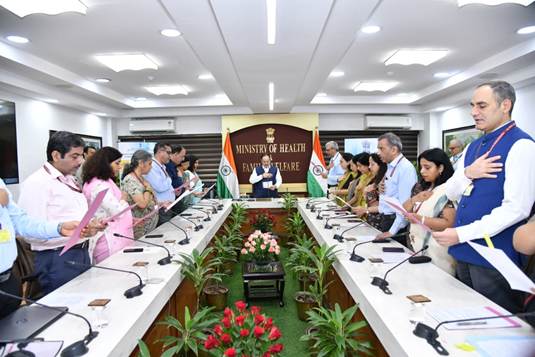
The Vigilance Awareness Week is being observed across the country from 27th October to 2nd November 2025 on the theme — “सतर्कता: हमारी साझा जिम्मेदारी” (“Vigilance: Our Shared Responsibility”). The observance aims to promote integrity, transparency, and accountability in public life, in accordance with the directives of the Central Vigilance Commission (CVC).
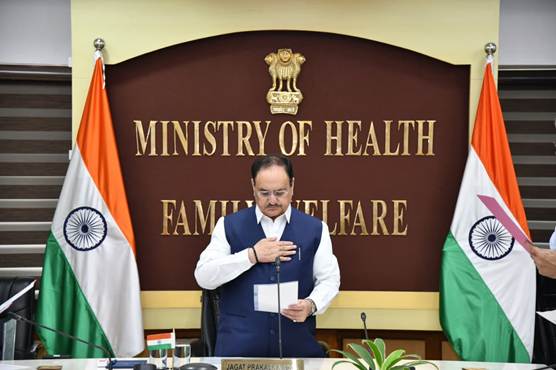
While administering the pledge, Shri Nadda emphasized the importance of institutionalising ethical practices and building a culture of vigilance at every level of governance. He stated, “A checklist of do’s and don’ts should be prepared in simple, layman’s terms so that people do not end up doing anything wrong in good faith or under compassionate consideration. Training and capacity building should be a regular exercise so that everyone remains aware and alert.”
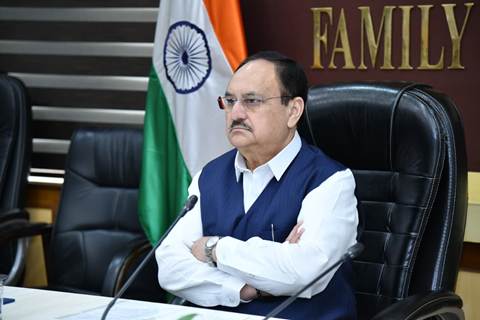
As a prelude to Vigilance Awareness Week 2025, the Central Vigilance Commission (CVC) had earlier in the month of August this year issued a circular advising all organizations to undertake a three-month campaign on Preventive Vigilance from 18th August to 17th November 2025, focusing on five key areas namely, (i) Disposal of pending complaints (ii) Disposal of pending cases (iii) Capacity building programs (iv) Asset Management, and (v) Digital initiatives.
Senior officers, officials, and staff members of the Ministry of Health & Family Welfare participated in the pledge ceremony and reaffirmed their commitment to upholding ethical values, transparency, and accountability in public service.
*****
SR
HFW-HFM Vigilance Awareness Week Pledge/27th Oct 2025/1