
New WHO guidelines advise countries to deliver long-acting cabotegravir as part of comprehensive approach to HIV prevention WHO today released new guidelines for the use of long-acting injectable cabotegravir (CAB-LA) as pre-exposure prophylaxis (PrEP) for HIV and called for countries to consider this safe and highly effective prevention option for people at substantial risk of HIV infection.
The guidelines, released ahead of the 24th International AIDS Conference (AIDS 2022), will support countries as they plan for CAB-LA introduction as part of a comprehensive approach to HIV prevention and will facilitate urgently needed operational research.
The guidelines are launched at a critical moment, as HIV prevention efforts have stalled with 1.5 million new HIV infections in 2021 – the same as 2020. There were 4000 new infections every day in 2021, with key populations (sex workers, men who have sex with men, people who inject drugs, people in prisons and transgender people) and their sexual partners accounting for 70% of HIV infections globally.
“Long-acting cabotegravir is a safe and highly effective HIV prevention tool, but isn’t yet available outside study settings,” said Dr Meg Doherty, Director of WHO’s Global HIV, Hepatitis and Sexually Transmitted Infections Programmes. “We hope these new guidelines will help accelerate country efforts to start to plan and deliver CAB-LA alongside other HIV prevention options, including oral PrEP and the dapivirine vaginal ring.”
CAB-LA is an intramuscular injectable, long-acting form of PrEP, with the first 2 injections administered 4 weeks apart, followed thereafter by an injection every 8 weeks. CAB-LA was shown to be safe and highly effective among cisgender women, cisgender men who have sex with men, and transgender women who have sex with men in 2 randomized controlled trials, HPTN 083 and HPTN 084. Together, these landmark studies found that use of CAB-LA resulted in a 79% relative reduction in HIV risk compared with oral PrEP, where adherence to taking daily oral medication was often a challenge. Long-acting injectable products have also been found to be acceptable and sometimes preferred in studies examining community PrEP preferences.
Today’s press conference also marks the launch of a new coalition to accelerate global access to CAB-LA. Convened by WHO, Unitaid, UNAIDS and The Global Fund, the coalition will identify market interventions needed to advance near- and long-term access to CAB-LA, establish financing and procurement for the drug, provide implementation support to global HIV prevention programs and issue policy guidance, among other activities.
“To achieve UN prevention goals, we must push for rapid, equitable access to all effective prevention tools, including long-acting PrEP,” said Rachel Baggaley, Lead of the Testing, Prevention and Populations Team at Global HIV, Hepatitis and STI Programmes at WHO. “That means overcoming critical barriers in low- and middle-income countries, including implementation challenges and costs.”
WHO will continue to support evidence-based strategies to increase PrEP access and uptake, including through the adoption of CAB-LA. Key actions include:
WHO will support countries and partners to include CAB-LA safely and effectively in HIV prevention programmes.
WHO is working with Unitaid and other partners to develop implementation science projects to answer outstanding safety issues, implementation challenges, and understand people's preferences for CAB-LA among other HIV prevention choices.
WHO is working with countries, communities and donors including The Global Fund, PEPFAR, and the Bill & Melinda Gates Foundation to support the inclusion of CAB-LA in their programmes and to catalyze implementation science and monitoring of programmes so that CAB-LA can be implemented, safely and effectively, for greatest impact.
The WHO Global PrEP Network will host webinars this year on CAB-LA to provide up-to-date information for countries, communities and implementers and increase awareness.
In April 2022, CAB-LA was added to WHO’s list of Expressions of Interest for evaluation for prequalification, and WHO is working with countries on regulatory approval.
Both oral PrEP and CAB-LA are highly effective. WHO will continue to support prevention choices. CAB-LA increases the options available and should always be offered alongside oral PrEP. Some people may continue to choose oral PrEP and CAB-LA will likely be preferred by people who find it difficult to take tablets or do not want to do so. WHO has also released new guidance on Differentiated and simplified PrEP at the AIDS 2022 conference to support easier access, including community delivery.
Consistent with previous WHO guidelines, the new CAB-LA guidelines are based on a public health approach that considers effectiveness, acceptability, feasibility and resource needs across a variety of settings. The guidelines are designed to facilitate CAB-LA delivery and the operational research which is urgently needed to address implementation and safety issues. These will inform decisions on how to successfully provide and scale up CAB-LA. The guidelines highlight critical research gaps, including issues relating to HIV drug resistance, HIV testing, service delivery models, resource requirements, safety in pregnancy and breastfeeding, and provision of CAB-LA in geographies and for populations not included in the trials.
The guidelines also note that young people and key populations often experience challenges in accessing current PrEP services. Communities must be involved in developing and delivering HIV prevention services that are effective, acceptable and support choice.
The World Health Organization provides global leadership in public health within the United Nations system. Founded in 1948, WHO works with 194 Member States, across six regions and from more than 150 offices, to promote health, keep the world safe and serve the vulnerable. Our goal for 2019-2023 is to ensure that a billion more people have universal health coverage, to protect a billion more people from health emergencies, and provide a further billion people with better health and wellbeing.
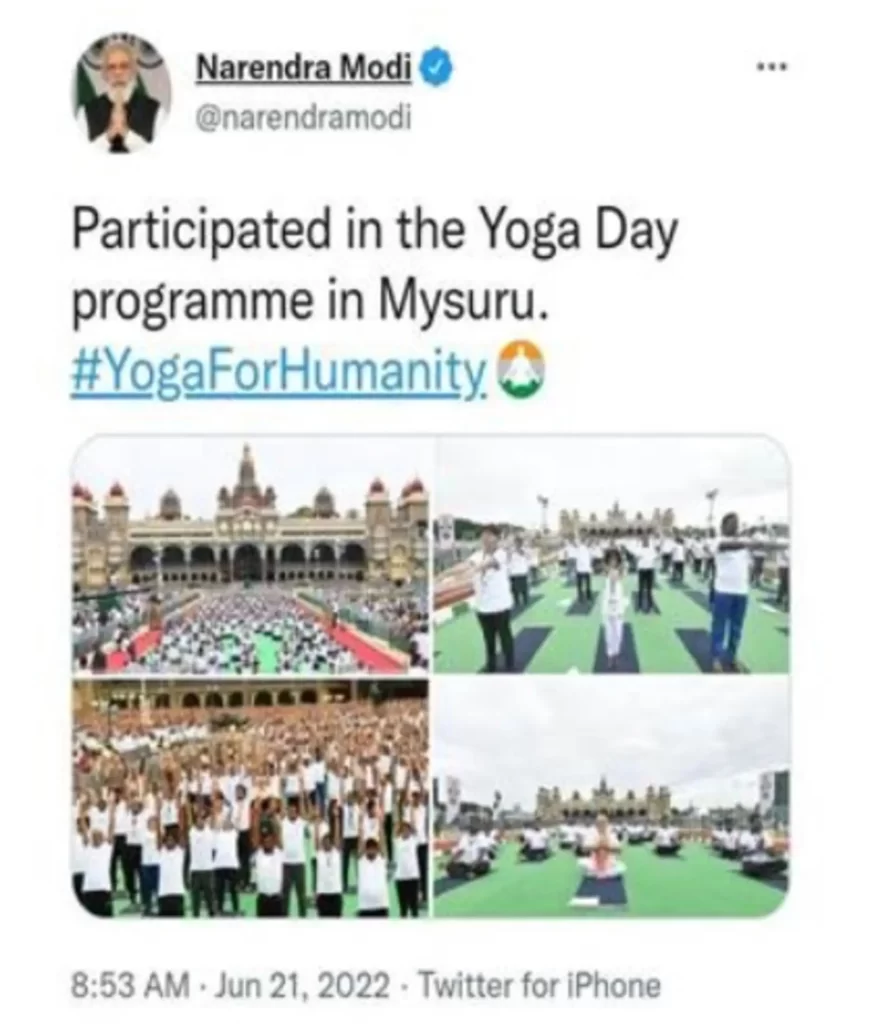
Prime Minister Shri Narendra Modi marked the 8th International Yoga Day celebration by participating in a Mass Yoga Demonstration involving thousands of participants at Mysuru Palace Ground in Mysuru, Karnataka.
Addressing the event at Mysuru, Hon'ble Prime Minister said, "Yoga brings peace to our society, nations, world and Yoga brings peace to our universe. I extend my greetings to all on this 8th International Yoga Day. Today, Yoga is being practiced in all parts of the world. The peace from Yoga is not only for individuals, it brings peace to our nations and the world.”
Speaking on the occasion, the Prime Minister said that Yoga has now become a global festival and it is not only for an individual but for the entire humanity. This is one of the reasons why this year’s theme for International Yoga Day is ‘Yoga for Humanity’. The Prime Minister added that the yogic energy, which has been nurtured for centuries by the spiritual centers of India like Mysuru, is today giving direction to global health. He stressed that today yoga is becoming a basis for global cooperation and is providing a belief of a healthy life to mankind.
Meanwhile, the Union Minister of State for Chemicals and Fertilisers, Shri Bhagwanth Khuba led the Yoga day celebrations from GOL Gumbaz, Vijayapura, Karnataka. While addressing on the occasion of International Yoga day, the Union MoS said that Yoga is an exercise for mind and body. It involves movement, meditation and breathing techniques to promote mental & physical health. He further stated that Yoga has always been a part of our cultural-spiritual consciousness. He urged people to do yoga and to inspire others as well. He added that it is our fortune that GOL Gumaz, Vijayapura has been included in the nation's 75 iconic places.
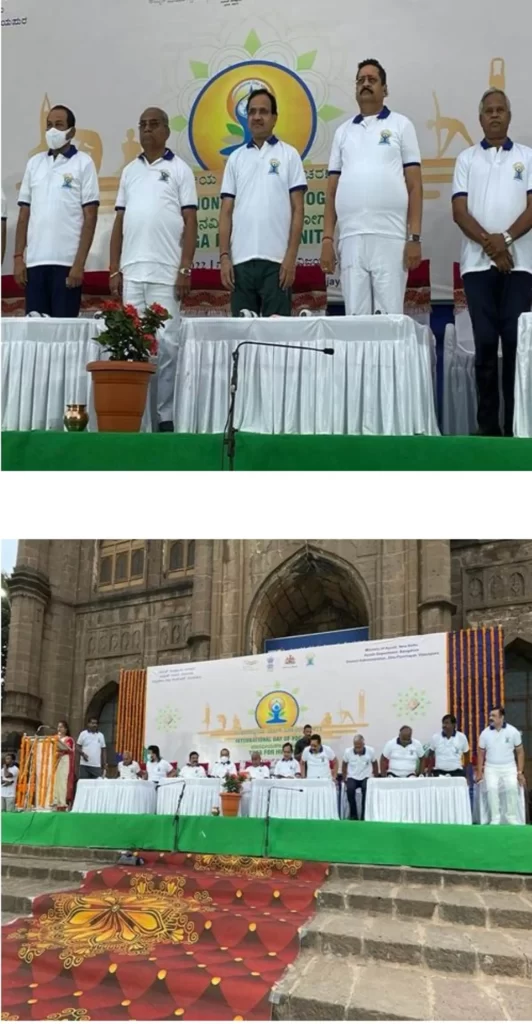
In the spirit of Azadi ka Amrit Mahotsav as the country celebrates 75th year of independence, International Yoga Day celebrations were held at 75 prominent Heritage spots across the country.
The first International Day of Yoga was celebrated on 21st June 2015. The key purpose behind the United Nations recognising the 21st of June as the IDY was to underline the potential of Yoga in public health globally. The IDY resolution of the United Nations General Assembly (UNGA) in December 2014 came at the initiative of Prime Minister Shri Narendra Modi and was passed by unanimous consent. Since 2015, the IDY has evolved into a mass movement for health, around the world.
Development of new antibacterial treatments is inadequate to address the mounting threat of antibiotic resistance, according to the annual pipeline report by the World Health Organization. The 2021 report describes the antibacterial clinical and preclinical pipeline as stagnant and far from meeting global needs. Since 2017 only 12 antibiotics have been approved, 10 of which belong to existing classes with established mechanisms of antimicrobial resistance (AMR).
“There is a major gap in the discovery of antibacterial treatments, and more so in the discovery of innovative treatments,” said Dr Hanan Balkhy, WHO Assistant Director General on AMR. “This presents a serious challenge to overcoming the escalating pandemic of antimicrobial resistance and leaves every one of us increasingly vulnerable to bacterial infections including the simplest infections.”
According to WHO annual analyses, in 2021 there were only 27 new antibiotics in clinical development against priority pathogens, down from 31 products in 2017. In the preclinical stage - before clinical trials can start - the number of products has remained relatively constant over the last 3 years.
More broadly the report describes that, of the 77 anti-bacterial agents in clinical development, 45 are ‘traditional’ direct-acting small molecules and 32 are ‘non-traditional’ agents. Examples of the latter are monoclonal antibodies and bacteriophages, which are viruses that can destroy bacteria. Since antibiotics now have a limited lifespan before drug resistance emerges, non-traditional approaches offer new opportunities to tackle infections from antimicrobial resistant bacteria from different angles as they can be used complementarily and synergistically or as alternatives to established therapies.
Barriers to development of new products include the lengthy pathway to approval, high cost and low success rates. It currently takes approximately 10-15 years to progress an antibiotic candidate from the preclinical to the clinical stages. For antibiotics in existing classes, on average, only one of every 15 drugs in preclinical development will reach patients. For new classes of antibiotics, only one in 30 candidates will reach patients.
Of the 27 antibiotics in the clinical pipeline that address priority pathogens, only six fulfil at least one of WHO’s criteria for innovation. The lack of innovation rapidly undermines the effectiveness of the limited number of new antibiotics that reach the market. On average resistance is reported to most new agents 2-3 years post market entry.
“Time is running out to get ahead of antimicrobial resistance, the pace and success of innovation is far below what we need to secure the gains of modern medicine against age-old but devastating conditions like neonatal sepsis,” said Dr. Haileyesus Getahun, WHO Director of AMR Global Coordination. Approximately 30% of newborns with sepsis die due to bacterial infections resistant to first-line antibiotics.
The COVID-19 pandemic has also hampered progress, delayed clinical trials, and diverted attention of the already limited investors. Much of the innovation in antibiotics is driven by small- and medium-sized companies, which are struggling to find investors to finance late-stage clinical development up to regulatory approval. It is not uncommon for companies to suspend product development for several years, in the hope of securing the financing to continue development at a later stage or that the product may be bought by another company. Many go bankrupt.
Urgent and concerted investments in research and development by governments and the private sector are therefore needed to accelerate and expand the pipeline for antibiotics, especially those that can make an impact in low-resource settings, which are worst-affected by AMR. Countries should work together to find sustainable solutions and incentives for research, development, innovation and to create a viable ecosystem for antibiotics.
The World Health Organization provides global leadership in public health within the United Nations system. Founded in 1948, WHO works with 194 Member States, across six regions and from more than 150 offices, to promote health, keep the world safe and serve the vulnerable. Our goal for 2019-2023 is to ensure that a billion more people have universal health coverage, to protect a billion more people from health emergencies, and provide a further billion people with better health and wellbeing.
The global COVID-19 vaccination rollout is the biggest and fastest in history but many of those at greatest risk remain unprotected – only 28% of older people and 37% of health care workers in low-income countries have received their primary course of vaccines and most have not received booster doses.
Health care workers, over 60s and other at-risk groups must be reached as priorities on the way to reaching the 70% coverage target.
WHO’s strategy update elevates the targets of vaccinating 100% of health care workers and 100% of the highest risk populations with both primary and booster doses, with the aim of reducing deaths, keeping societies open and ensuring economies function as transmission continues.
While vaccines have saved countless lives, they have not substantially reduced the spread of COVID-19. Innovation is needed to develop new vaccines that substantially reduce transmission, are easier to administer and give broader and longer-lasting protection.
WHO published an update to the Global COVID-19 Vaccination Strategy today, in response to the spread of Omicron subvariants, advances in vaccine evidence, and lessons from the global vaccination program.
In the first year of rollouts, COVID-19 vaccines are estimated to have saved 19.8 million lives. Through unprecedently large and rapid rollouts worldwide, over 12 billion doses have been administered globally, in nearly every country in the world, resulting in countries reaching 60% of their populations on average.
Yet only 28% of older populations and 37% of health care workers in low-income countries have been vaccinated with their primary series. 27 of WHO's Member States have not yet started a booster or additional dose program, 11 of which are low-income countries.
The strategy aims to use primary and booster doses to reduce deaths and severe disease, in order to protect health systems, societies and economies. On the way to reaching the 70% vaccination target, countries should prioritize achieving the underpinning targets of vaccinating 100% of health care workers and 100% of the most vulnerable groups, including older populations (over 60s) and those who are immunocompromised or have underlying conditions.
“Even where 70% vaccination coverage is achieved, if significant numbers of health workers, older people and other at-risk groups remain unvaccinated, deaths will continue, health systems will remain under pressure and the global recovery will be at risk,” said WHO Director-General Dr Tedros Adhanom Ghebreyesus. “Vaccinating all those most at risk is the single best way to save lives, protect health systems and keep societies and economies open.”
To ensure vaccines reach the highest priority groups, the strategy emphasizes the need for measuring progress in vaccinating these groups and developing targeted approaches to reach them. Approaches include using local data and engaging communities to sustain demand for vaccines, building systems for vaccinating adults, and reaching more displaced people through humanitarian response.
The strategy also has the goal of accelerating development and ensuring equitable access to improved vaccines to substantially reduce transmission as the top priority but also to achieve durable, broadly protective immunity.
Current vaccines were designed to prevent serious illness and death, which they have succeeded in doing, saving millions of lives. However, they have not substantially reduced transmission. As the virus continues to circulate widely, new and dangerous variants are emerging, including some which reduce the efficacy of vaccines. It is fundamental to continue investing in research and development to make more effective, easier to administer vaccines, such as nasal spray products.
Other vital actions to take include: equitably distributing manufacturing facilities across regions and supporting strong vaccine delivery programs. WHO will continue to collaborate with COVAX and COVID-19 Vaccine Delivery Partnership (CoVDP) partners to support countries with rollouts, such as through packaging COVID-19 vaccination with other health interventions.
The World Health Organization provides global leadership in public health within the United Nations system. Founded in 1948, WHO works with 194 Member States, across six regions and from more than 150 offices, to promote health, keep the world safe and serve the vulnerable. Our goal for 2019-2023 is to ensure that a billion more people have universal health coverage, to protect a billion more people from health emergencies, and provide a further billion people with better health and wellbeing.
The World Health Organization provides global leadership in public health within the United Nations system. Founded in 1948, WHO works with 194 Member States, across six regions and from more than 150 offices, to promote health, keep the world safe and serve the vulnerable. Our goal for 2019-2023 is to ensure that a billion more people have universal health coverage, to protect a billion more people from health emergencies, and provide a further billion people with better health and wellbeing.
Current evidence does not justify using colchicine to treat non-severe illness, and fluvoxamine shouldn’t be used outside of clinical trials
The antidepressant drug fluvoxamine and the gout drug colchicine are not recommended for patients with mild or moderate covid-19 because there is currently insufficient evidence that they improve important outcomes for patients, and both drugs carry potential harms, say a WHO Guideline Development Group (GDG) panel of international experts in The BMJ today.
No recommendation was made for either drug in patients with severe or critical illness, given limited or no data.
Fluvoxamine and colchicine are commonly used, inexpensive drugs that have received considerable interest as potential covid-19 treatments during the pandemic.
However, today’s recommendations against their use reflect ongoing uncertainty about how the drugs produce an effect in the body, and evidence of little or no effect on survival and other important measures, such as risk of hospital admission and need for mechanical ventilation. There is also a lack of reliable data on covid-19 related serious harms associated with these drugs.
The WHO’s advice against the use of fluvoxamine except in clinical trials was informed by data from three randomised controlled trials (RCTs) involving over 2,000 patients, and their strong advice against colchicine was based on data from seven RCTs involving 16,484 patients.
After thoroughly reviewing this evidence, the panel, which includes experts from around the world including four patients who have had covid-19, concluded that almost all well informed patients would choose not to receive either fluvoxamine or colchicine therapy for covid-19 based on available evidence.
The panel noted that none of the included studies enrolled children, so the applicability of these recommendations to children is uncertain. However, they did not see a reason why children with covid-19 would respond any differently to treatment with fluvoxamine or colchicine.
Today’s recommendations are part of a living guideline, developed by the World Health Organization with the methodological support of MAGIC Evidence Ecosystem Foundation, to provide trustworthy guidance on the management of covid-19 and help doctors make better decisions with their patients.
Living guidelines allow researchers to update previously vetted and peer reviewed evidence summaries as new information becomes available.
Previously, WHO has made a strong recommendation for use of nirmatrelvir and ritonavir, and conditional recommendations for sotrovimab, remdesivir and molnupiravir for high-risk patients with non-severe covid-19..
For patients with severe covid-19, WHO strongly recommends corticosteroids, with the addition of IL-6 receptor blockers or baricitinib, but advises against the use of convalescent plasma, ivermectin and hydroxychloroquine in patients with covid-19 regardless of disease severity.
The World Health Organization provides global leadership in public health within the United Nations system. Founded in 1948, WHO works with 194 Member States, across six regions and from more than 150 offices, to promote health, keep the world safe and serve the vulnerable. Our goal for 2019-2023 is to ensure that a billion more people have universal health coverage, to protect a billion more people from health emergencies, and provide a further billion people with better health and wellbeing.
The latest State of Food Security and Nutrition report shows the world is moving backwards in efforts to eliminate hunger and malnutrition Rome/New York -- The number of people affected by hunger globally rose to as many as 828 million in 2021, an increase of about 46 million since 2020 and 150 million since the outbreak of the COVID-19 pandemic (1), according to a United Nations report that provides fresh evidence that the world is moving further away from its goal of ending hunger, food insecurity and malnutrition in all its forms by 2030.
The 2022 edition of The State of Food Security and Nutrition in the World (SOFI) report presents updates on the food security and nutrition situation around the world, including the latest estimates of the cost and affordability of a healthy diet. The report also looks at ways in which governments can repurpose their current support to agriculture to reduce the cost of healthy diets, mindful of the limited public resources available in many parts of the world.
The report was jointly published today by the Food and Agriculture Organization of the United Nations (FAO), the International Fund for Agricultural Development (IFAD), the United Nations Children's Fund (UNICEF), the UN World Food Programme (WFP) and the World Health Organization (WHO).
The numbers paint a grim picture:
As many as 828 million people were affected by hunger in 2021 – 46 million people more from a year earlier and 150 million more from 2019.
After remaining relatively unchanged since 2015, the proportion of people affected by hunger jumped in 2020 and continued to rise in 2021, to 9.8 percent of the world population. This compares with 8 percent in 2019 and 9.3 percent in 2020.
Around 2.3 billion people in the world (29.3 percent) were moderately or severely food insecure in 2021 – 350 million more compared to before the outbreak of the COVID‑19 pandemic.
Nearly 924 million people (11.7 percent of the global population) faced food insecurity at severe levels, an increase of 207 million in two years.
The gender gap in food insecurity continued to rise in 2021 - 31.9 percent of women in the world were moderately or severely food insecure, compared to 27.6 percent of men – a gap of more than 4 percentage points, compared with 3 percentage points in 2020.
Almost 3.1 billion people could not afford a healthy diet in 2020, up 112 million from 2019, reflecting the effects of inflation in consumer food prices stemming from the economic impacts of the COVID-19 pandemic and the measures put in place to contain it.
An estimated 45 million children under the age of five were suffering from wasting, the deadliest form of malnutrition, which increases children’s risk of death by up to 12 times.
Furthermore, 149 million children under the age of five had stunted growth and development due to a chronic lack of essential nutrients in their diets, while 39 million were overweight.
Progress is being made on exclusive breastfeeding, with nearly 44 percent of infants under six months of age being exclusively breastfed worldwide in 2020. This is still short of the 50 percent target by 2030. Of great concern, two in three children are not fed the minimum diverse diet they need to grow and develop to their full potential.
Looking forward, projections are that nearly 670 million people (8 percent of the world population) will still be facing hunger in 2030 – even if a global economic recovery is taken into consideration. This is a similar number to 2015, when the goal of ending hunger, food insecurity and malnutrition by the end of this decade was launched under the 2030 Agenda for Sustainable Development.
As this report is being published, the ongoing war in Ukraine, involving two of the biggest global producers of staple cereals, oilseeds and fertilizer, is disrupting international supply chains and pushing up the prices of grain, fertilizer, energy, as well as ready-to-use therapeutic food for children with severe malnutrition. This comes as supply chains are already being adversely affected by increasingly frequent extreme climate events, especially in low-income countries, and has potentially sobering implications for global food security and nutrition.
“This report repeatedly highlights the intensification of these major drivers of food insecurity and malnutrition: conflict, climate extremes and economic shocks, combined with growing inequalities,” the heads of the five UN agencies (2) wrote in this year's Foreword. “The issue at stake is not whether adversities will continue to occur or not, but how we must take bolder action to build resilience against future shocks.”
The report notes as striking that worldwide support for the food and agricultural sector averaged almost USD 630 billion a year between 2013 and 2018. The lion share of it goes to individual farmers, through trade and market policies and fiscal subsidies. However, not only is much of this support market-distorting, but it is not reaching many farmers, hurts the environment and does not promote the production of nutritious foods that make up a healthy diet. That's in part because subsidies often target the production of staple foods, dairy and other animal source foods, especially in high- and upper-middle-income countries. Rice, sugar and meats of various types are most incentivized food items worldwide, while fruits and vegetables are relatively less supported, particularly in some low-income countries.
With the threats of a global recession looming, and the implications this has on public revenues and expenditures, a way to support economic recovery involves the repurposing of food and agricultural support to target nutritious foods where per capita consumption does not yet match the recommended levels for healthy diets.
The evidence suggests that if governments repurpose the resources they are using to incentivize the production, supply and consumption of nutritious foods, they will contribute to making healthy diets less costly, more affordable and equitably for all.
Finally, the report also points out that governments could do more to reduce trade barriers for nutritious foods, such as fruits, vegetables and pulses.
(1) It is estimated that between 702 and 828 million people were affected by hunger in 2021. The estimate is presented as a range to reflect the added uncertainty in data collection due to the COVID-19 pandemic and related restrictions. The increases are measured with reference to the middle of the projected range (768 million).
(2) For FAO - QU Dongyu, Director-General; for IFAD - Gilbert F. Houngbo, President; for UNICEF - Catherine Russell, Executive Director; for WFP - David Beasley, Executive Director; for WHO - Tedros Adhanom Ghebreyesus, Director-General.
FAO Director-General QU Dongyu: “Low-income countries, where agriculture is key to the economy, jobs and rural livelihoods, have little public resources to repurpose. FAO is committed to continue working together with these countries to explore opportunities for increasing the provision of public services for all actors across agrifood systems.”
IFAD President Gilbert F. Houngbo: “These are depressing figures for humanity. We continue to move away from our goal of ending hunger by 2030. The ripple effects of the global food crisis will most likely worsen the outcome again next year. We need a more intense approach to end hunger and IFAD stands ready to do its part by scaling up its operations and impact. We look forward to having everyone's support.”
UNICEF Executive Director Catherine Russell: “The unprecedented scale of the malnutrition crisis demands an unprecedented response. We must double our efforts to ensure that the most vulnerable children have access to nutritious, safe, and affordable diets -- and services for the early prevention, detection and treatment of malnutrition. With so many children’s lives and futures at stake, this is the time to step up our ambition for child nutrition – and we have no time to waste.”
WFP Executive Director David Beasley: “There is a real danger these numbers will climb even higher in the months ahead. The global price spikes in food, fuel and fertilizers that we are seeing as a result of the crisis in Ukraine threaten to push countries around the world into famine. The result will be global destabilization, starvation, and mass migration on an unprecedented scale. We have to act today to avert this looming catastrophe.”
WHO Director-General Tedros Adhanom Ghebreyesus: “Every year, 11 million people die due to unhealthy diets. Rising food prices mean this will only get worse. WHO supports countries’ efforts to improve food systems through taxing unhealthy foods and subsidising healthy options, protecting children from harmful marketing, and ensuring clear nutrition labels. We must work together to achieve the 2030 global nutrition targets, to fight hunger and malnutrition, and to ensure that food is a source of health for all.”
The World Health Organization provides global leadership in public health within the United Nations system. Founded in 1948, WHO works with 194 Member States, across six regions and from more than 150 offices, to promote health, keep the world safe and serve the vulnerable. Our goal for 2019-2023 is to ensure that a billion more people have universal health coverage, to protect a billion more people from health emergencies, and provide a further billion people with better health and wellbeing.
The Democratic Republic of the Congo today declared the end of the Ebola outbreak that erupted less than three months ago in Mbandaka, the capital of Equateur Province in the northwest. It was the third outbreak in the province since 2018 and the country’s 14th overall.
With greater experience in Ebola control, national emergency teams, with the support from World Health Organization (WHO) and partners, mounted a swift response soon after the outbreak was declared on 23 April, rolling out key counter measures including testing, contact tracing, infection prevention and control, treatmentand community engagement. Vaccination – a crucial protective measure – was launched just four days after the outbreak was declared.
In all, there were four confirmed cases and one probable case – all of whom died. In the previous outbreak in Equateur Province that lasted from June to November 2020, there were 130 confirmed cases and 55 deaths.
“Thanks to the robust response by the national authorities, this outbreak has been brought to an end swiftly withlimited transmission of the virus,” said Dr Matshidiso Moeti, WHO Regional Director for Africa. “Crucial lessons have been learned from past outbreaks and they have been applied to devise and deploy an ever more effective Ebola response.”
The just ended outbreak saw a total of 2104 people vaccinated, including 302 contacts and 1307 frontline workers. To facilitate the vaccination rollout, an ultra-cold chain freezer was installed in Mbandaka which allowed for vaccine doses to be stored locally and safely and be delivered effectively.
The Democratic Republic of the Congo has now recorded 14 Ebola outbreaks since 1976, six of which have occurred since 2018.
“Africa is seeing an increase in Ebola and other infectious diseases that jump from animals to humans impacting large urban areas,” said Dr Moeti. “We need to be ever more vigilant to ensure we catch cases quickly. This outbreak response shows that by bolstering preparedness, disease surveillance and swift detection, we can stay a step ahead.”
WHO supported the Democratic Republic of the Congo in implementing a strong national strategy developed early to guide response coordination; decentralizing operations to the lowest level to work closely with communities; basing the response on evidence; and regularly analysing the epidemiological risk to rapidly adjust the response.
Although the outbreak in Mbandaka has been declared over, health authorities are maintaining surveillance and are ready to respond quickly to any flare-ups. It is not unusual for sporadic cases to occur following an outbreak.
The disease, which affects humans and other primates, is severe and often fatal. Case fatality rates have varied from 25% to 90% in past outbreaks. However, with the currently available effective treatment, patients have a significantly higher chance of survival if they are treated early and given supportive care.
The World Health Organization provides global leadership in public health within the United Nations system. Founded in 1948, WHO works with 194 Member States, across six regions and from more than 150 offices, to promote health, keep the world safe and serve the vulnerable. Our goal for 2019-2023 is to ensure that a billion more people have universal health coverage, to protect a billion more people from health emergencies, and provide a further billion people with better health and wellbeing.
WHO Director-General Dr Tedros Adhanom Ghebreyesus has welcomed contributions from Norway and Sweden to the ACT-Accelerator, which have taken both countries over their ‘fair share’ allocation.
Contributions of US$ 340 million from Norway and US$ 300 million from Sweden will accelerate efforts to get vaccines into arms, facilitate access to new treatments and ensure health systems can meet the challenges of the COVID-19 pandemic.
Norway and Sweden join Germany in having exceeded their fair share for ACT-A’s 2021/22 budget, with Canada pledging to do the same. ‘Fair share’ calculations are based on the size of a country’s national economy and what they would gain from a faster recovery of the global economy and trade.
In February 2022, President Ramaphosa of South Africa and Prime Minister Støre of Norway – in their roles as co-chairs of the ACT-Accelerator Facilitation Council - made a call to 55 countries to jointly support global efforts to end the COVID-19 crisis and contribute their ‘fair share’ to the ACT-Accelerator agencies’ urgent needs.
These contributions from Norway and Sweden reinforce the strong support that both countries have provided to the ACT-Accelerator since its inception in 2020.
The ACT-Accelerator now faces a funding gap of US$ 11.2 billion, having received contributions totaling US$ 5.6 billion for the 2021/22 budget.
WHO Director-General Dr Tedros Adhanom Ghebreyesus said: “I wish to commend Norway and Sweden for their commitment towards the vital work of the ACT-Accelerator. We call on other countries to follow their lead in contributing their fair share, and get COVID-19 vaccines, tests and treatments to those who need them most. We have made tremendous progress in reducing mortality and transmission. But cases are still on the rise in 110 countries. Our job is not over. We must ensure that all countries are equipped to fight future waves of COVID-19.”
The World Health Organization provides global leadership in public health within the United Nations system. Founded in 1948, WHO works with 194 Member States, across six regions and from more than 150 offices, to promote health, keep the world safe and serve the vulnerable. Our goal for 2019-2023 is to ensure that a billion more people have universal health coverage, to protect a billion more people from health emergencies, and provide a further billion people with better health and wellbeing.
Statement by WHO Regional Director for Europe, Dr Hans Henri P. Kluge
Today, I am intensifying my call for governments and civil society to scale up efforts in the coming weeks and months to prevent monkeypox from establishing itself across a growing geographical area. Urgent and coordinated action is imperative if we are to turn a corner in the race to reverse the ongoing spread of this disease.
Although last week the IHR Emergency Committee advised that the outbreak at this stage should be determined to not constitute a Public Health Emergency of International Concern (PHEIC), the rapid evolution and emergency nature of the event means that the Committee will revisit its position shortly. In the meantime, WHO continues to assess the risk of monkeypox in the European Region as high, given the continued threat to public health and the rapid expansion of the disease, with continued challenges hampering our response, and with additional cases being reported among women and children.
Right now, this is the picture we are looking at:
The WHO European Region represents almost 90 percent of all laboratory-confirmed and globally reported cases since mid-May, and since my last statement on 15 June, six new countries and areas - taking the total to 31 - have reported monkeypox cases, with new cases tripling over the same period to over 4,500 laboratory confirmed cases across the Region.
It’s important to understand what the data from the European Region are telling us.
The WHO Regional Office for Europe (WHO/Europe) and the European Centre for Disease Control and Prevention (ECDC) are issuing weekly joint monkeypox surveillance bulletins, to summarize the situation and share a common regional analysis of this rapidly evolving situation.
Most cases reported so far have been among people between 21 and 40 years of age, and 99% have been male, with the majority of those for whom we have information being men who have sex with men. However, small numbers of cases have also now been reported among household members, heterosexual contacts, and non-sexual contacts as well as among children. Where information is available, close to 10% of patients were reported to have been hospitalized either for treatment or for isolation purposes, and one patient has been admitted to an ICU. Fortunately, no people are reported to have died so far. The vast majority of cases have presented with a rash and about three-quarters have reported systemic symptoms such as fever, fatigue, muscle pain, vomiting, diarrhea, chills, sore throat or headache.
WHO is grateful to the 26 countries and areas who have submitted detailed information through ECDC and WHO/Europe using The European Surveillance System (TESSy). We need to continue to examine this information carefully over the next few weeks and months, to better understand exposure risks, clinical presentations in different population groups, and - most importantly – to rapidly identify any changes in the trajectory of the outbreak that would affect our public health risk assessment.
So let me be clear. There is simply no room for complacency – especially right here in the European Region with its fast-moving outbreak that with every hour, day and week is extending its reach into previously unaffected areas.
At WHO/Europe, we are working with governments, our partners at the ECDC, and civil society entities – including summertime Pride and other festival and mass event organizers - to tackle the challenges before us.
Compounding the challenge is the stigmatization of men who have sex with men in several countries. Many may simply choose not to present to health authorities, fearful of possible consequences. We know from our lessons in dealing with HIV how stigma further fuels outbreaks and epidemics, but allowing our fear of creating stigma to prevent us from acting may be just as damaging.
So let me underscore once again the basics that are needed.
First, countries must quickly scale up surveillance for monkeypox, including sequencing, and obtain the capacity to diagnose and respond to the disease. Cases need to be found and investigated by a laboratory, and contacts identified promptly, so that the risk of onward spread can be reduced. WHO/Europe is working to support countries by delivering monkeypox virus tests and associated diagnostic training to 17 Member States. We have already delivered almost 3,000 tests to seven Member States and shipments to others are in process.
Second, the right messages conveyed in the most understandable way must be disseminated to impacted communities and the wider public. WHO/Europe and ECDC have issued joint guidance on risk communication, mass gatherings and summer events, and a toolkit for local health authorities is being launched imminently.
Third, and not least, addressing monkeypox requires firm political commitment complemented by sound public health investments. As with any challenge, political leadership is required to support the public health response. Transparency goes hand in hand with public trust to ensure that gaps in responding to monkeypox can be swiftly addressed, and that countries partner with WHO and with each other for the collective good. The procurement and use of vaccines must apply the principles of equity and needs-based deployment. They must be undertaken in ways that generate evidence for this intervention, including the use of standard protocols evaluating vaccine effectiveness, and with systems in place to monitor the safety of these products as they are deployed in different population groups.
Monkeypox has illustrated yet again how diseases endemic to or emerging in a few countries can swiftly expand into outbreaks that impact distant regions, and indeed the entire world. This outbreak once again tests the political resolve of individual Member States and the European Region as a whole. Let us not squander this opportunity but capitalize on the experience of COVID-19 to do what is right – quickly and decisively, for the benefit of our entire Region and beyond.
The World Health Organization provides global leadership in public health within the United Nations system. Founded in 1948, WHO works with 194 Member States, across six regions and from more than 150 offices, to promote health, keep the world safe and serve the vulnerable. Our goal for 2019-2023 is to ensure that a billion more people have universal health coverage, to protect a billion more people from health emergencies, and provide a further billion people with better health and wellbeing.